
Halogen Havoc: How Volcanic Gases Release Reactive Halogens into the Atmosphere

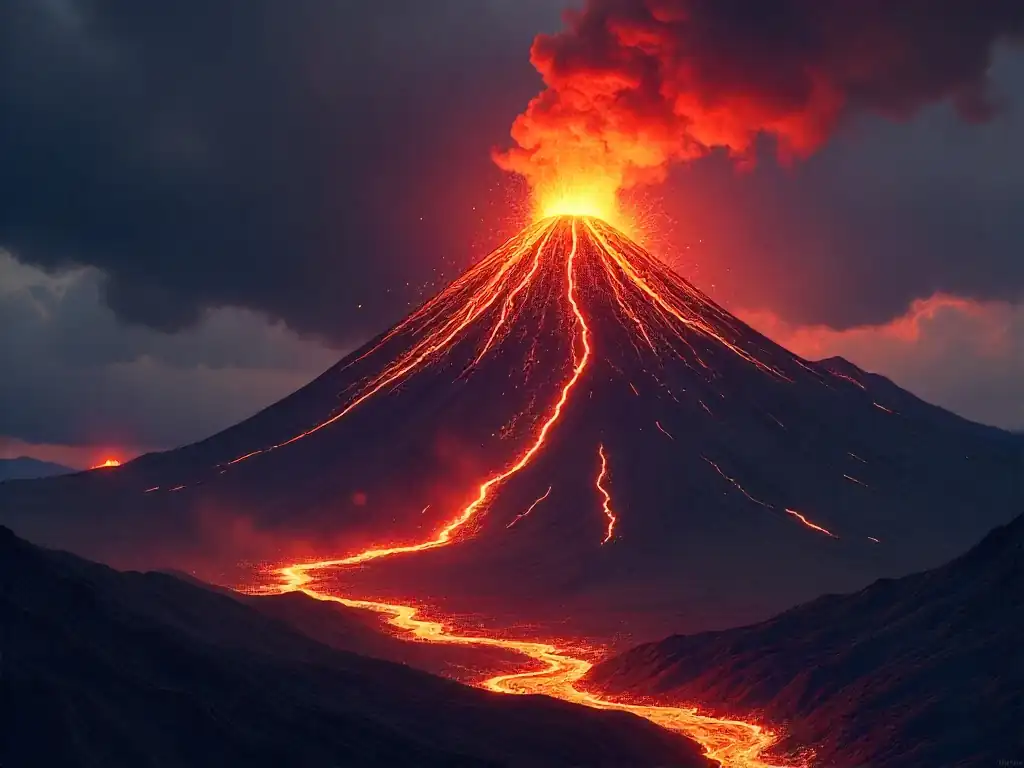
Welcome to Volcano Explorers!
Imagine a hidden world, where fire and ice dance a perilous ballet. But what if the real danger wasn't just the molten rock? Dive into the unseen world of volcanic gases and halogens and uncover the secrets they hold. These invisible elements, released during eruptions, can have a surprisingly powerful impact on our atmosphere. Are you ready to explore the unseen forces shaping our planet? Dare to delve deeper...
- Introduction: The Atmospheric Impact of Volcanic Gas Emissions
- What are Volcanic Gases? A Deep Dive into Their Composition
- Halogens in Volcanic Gases: A Chemical Overview
- The Process of Halogen Release During Volcanic Eruptions
- Reactive Halogens: Impact on the Atmosphere
- Measuring Halogen Emissions from Volcanoes: Techniques and Technologies
- Case Studies: Examining Specific Volcanic Eruptions and Their Halogen Impact
- The Long-Term Effects of Volcanic Halogen Emissions
- Volcanic Gases and Halogens: Future Research and Monitoring
- Conclusion: Understanding and Mitigating the Atmospheric Effects of Volcanic Halogens
-
Frequently Asked Questions
- What are volcanic gases, and why are they important in understanding volcanic activity?
- What are halogens, and which ones are commonly found in volcanic gases?
- How do volcanic eruptions release halogens into the atmosphere, and what is the impact?
- What role do halogens play in atmospheric ozone depletion following a volcanic eruption?
- Where can I find real-time updates on volcanic activity and gas emissions?
- Final Reflection: Breathing the Volcanic Breath
- Unveil the Secrets of Volcanic Influence!
Introduction: The Atmospheric Impact of Volcanic Gas Emissions
Understanding the Role of Volcanic Gases in Atmospheric Chemistry
Volcanic eruptions are dramatic displays of Earth’s power, but their influence extends far beyond lava flows and ash clouds. A significant component of volcanic activity is the release of gases, which play a crucial role in shaping atmospheric chemistry. These gaseous emissions, rich in substances like water vapor, sulfur dioxide, and carbon dioxide, interact with the atmosphere in complex ways.
For instance, sulfur dioxide can convert into sulfate aerosols, affecting solar radiation and cloud formation, thereby influencing global climate patterns. Understanding the composition and behavior of volcanic gases is therefore essential to comprehending their broader environmental impact, from regional air quality to global climate dynamics.
The study of volcanic gases provides valuable insights into Earth’s interior processes and their surface manifestations. By analyzing the types and quantities of gases released, scientists can gain a better understanding of magma generation, ascent, and eruption mechanisms. Furthermore, these gases serve as carriers of various elements from the Earth's depths to the atmosphere, contributing to the geochemical cycling of elements. The interaction of volcanic gases with atmospheric components also triggers a series of chemical reactions, some of which have significant environmental consequences, such as acid rain formation and alterations in atmospheric oxidation capacity.
Focus: Investigating the Release of Reactive Halogens
Among the diverse constituents of volcanic gases, halogens, such as chlorine, bromine, and fluorine, stand out due to their high reactivity and potent atmospheric effects. While present in trace amounts compared to water vapor or sulfur dioxide, these reactive halogens can disproportionately impact atmospheric chemistry, particularly in relation to ozone depletion and aerosol formation. The focus on volcanic gases and halogens is critical because these elements participate in catalytic cycles that can efficiently destroy ozone molecules in the stratosphere, potentially affecting the Earth’s protective ozone layer.
Investigating the release mechanisms, atmospheric transport, and chemical transformations of volcanic halogens is crucial for a comprehensive understanding of their environmental impact. Scientists are actively researching how these halogens are emitted during different types of volcanic eruptions, how they are transported within volcanic plumes, and how they interact with other atmospheric components. This research utilizes a combination of remote sensing techniques, ground-based measurements, and atmospheric modeling to quantify halogen emissions, track their dispersion, and assess their contribution to atmospheric changes on both regional and global scales.
What are Volcanic Gases? A Deep Dive into Their Composition
Major Components of Volcanic Gas: Water Vapor, Carbon Dioxide, and Sulfur Dioxide
Volcanic gases are a complex mixture released from volcanoes, primarily during eruptions but also during periods of quiescence through fumaroles and vents. Water vapor (H₂O) is typically the most abundant component, often comprising more than 60% of the total gas emissions. This water vapor originates from various sources including magma degassing, groundwater heated by volcanic activity, and even meteoric water interacting with hot volcanic rocks. The sheer volume of water vapor released can contribute significantly to local and regional atmospheric humidity, and upon condensation, it plays a role in precipitation patterns around volcanic areas.
Carbon dioxide (CO₂) is another major constituent, usually the second most abundant volcanic gas, making up between 10% and 40% of the total emissions. CO₂ is released directly from magma as pressure decreases during its ascent, and it is also produced through the interaction of magma with carbonate rocks in the Earth's crust. While volcanic CO₂ emissions are dwarfed by anthropogenic emissions on a global scale, they are a continuous natural source of this greenhouse gas and play a role in the long-term carbon cycle of the planet.
Sulfur dioxide (SO₂) is also a significant component, typically ranging from a few percent to over 20% in volcanic gas mixtures. SO₂ is particularly important due to its rapid oxidation in the atmosphere to form sulfate aerosols, which have both climate and air quality implications.
Trace Gases in Volcanic Plumes: The Significance of Halogens
Beyond the major components, volcanic plumes contain a wide array of trace gases, including hydrogen sulfide (H₂S), hydrogen halides (HCl, HF, HBr), carbon monoxide (CO), and various metals and their compounds. Although present in smaller concentrations, these trace gases can have disproportionately large impacts. Among these trace gases, halogens are particularly significant due to their high chemical reactivity. While chlorine and fluorine are often the most abundant halogens in volcanic gases, bromine and iodine, though present in even smaller quantities, can also play crucial roles in atmospheric chemistry.
The significance of halogens lies in their ability to participate in catalytic cycles that can efficiently destroy ozone in the stratosphere and influence aerosol formation in the troposphere. For example, chlorine radicals released from volcanic HCl can initiate chain reactions that break down ozone molecules. Similarly, volcanic fluorine, while primarily reacting with water vapor to form hydrofluoric acid (HF), can still contribute to atmospheric acidity and interact with aerosols. Understanding the behavior of these trace halogen species within volcanic plumes is therefore essential to fully assess the atmospheric impact of volcanic eruptions.
Halogens in Volcanic Gases: A Chemical Overview
Identifying Key Halogens: Chlorine, Bromine, and Fluorine
The term "halogens" refers to a group of five chemically reactive elements: fluorine (F), chlorine (Cl), bromine (Br), iodine (I), and astatine (At). Among these, chlorine, bromine, and fluorine are the key halogens of concern in volcanic gases due to their relative abundance and significant atmospheric reactivity. Chlorine is typically the most abundant halogen emitted by volcanoes, primarily in the form of hydrogen chloride (HCl) gas. Measurements from various volcanic plumes have shown HCl concentrations ranging from parts per million to even percent levels in some cases, depending on the magma composition and eruption style.
Fluorine is another important halogen, primarily emitted as hydrogen fluoride (HF). While HF is often less abundant than HCl in total volcanic gas emissions, it is highly reactive and readily dissolves in water, forming hydrofluoric acid. Bromine, while present in much lower concentrations than chlorine and fluorine, is exceptionally efficient at ozone destruction on a per-molecule basis. Volcanic bromine is released as hydrogen bromide (HBr) and other bromine-containing species. Iodine and astatine are typically found in negligible amounts in volcanic gases and are not considered to have a significant atmospheric impact from volcanic sources.
The Reactivity of Halogens: From Volcanoes to the Stratosphere
Halogens are known for their high reactivity due to their electron configuration, which makes them eager to gain an electron to achieve a stable noble gas configuration. This reactivity is key to understanding their impact, both near volcanic sources and in the global atmosphere. Near volcanoes, reactive halogens like HCl and HF readily dissolve in water vapor within volcanic plumes, leading to the formation of acidic aerosols and contributing to acid rain. These acidic gases and aerosols can have detrimental effects on local ecosystems, vegetation, and infrastructure.
In the stratosphere, volcanic halogens, particularly chlorine and bromine, play a significant role in ozone depletion. Once volcanic plumes reach the stratosphere, or if halogens are transported there through other mechanisms, UV radiation from the sun can break down halogen-containing compounds, releasing highly reactive halogen radicals (e.g., Cl, Br). These radicals can then participate in catalytic cycles that efficiently destroy ozone molecules (O₃). A single chlorine or bromine radical can destroy thousands of ozone molecules before being removed from the stratosphere, making even small amounts of volcanic halogen emissions potentially impactful on the ozone layer.
The Process of Halogen Release During Volcanic Eruptions
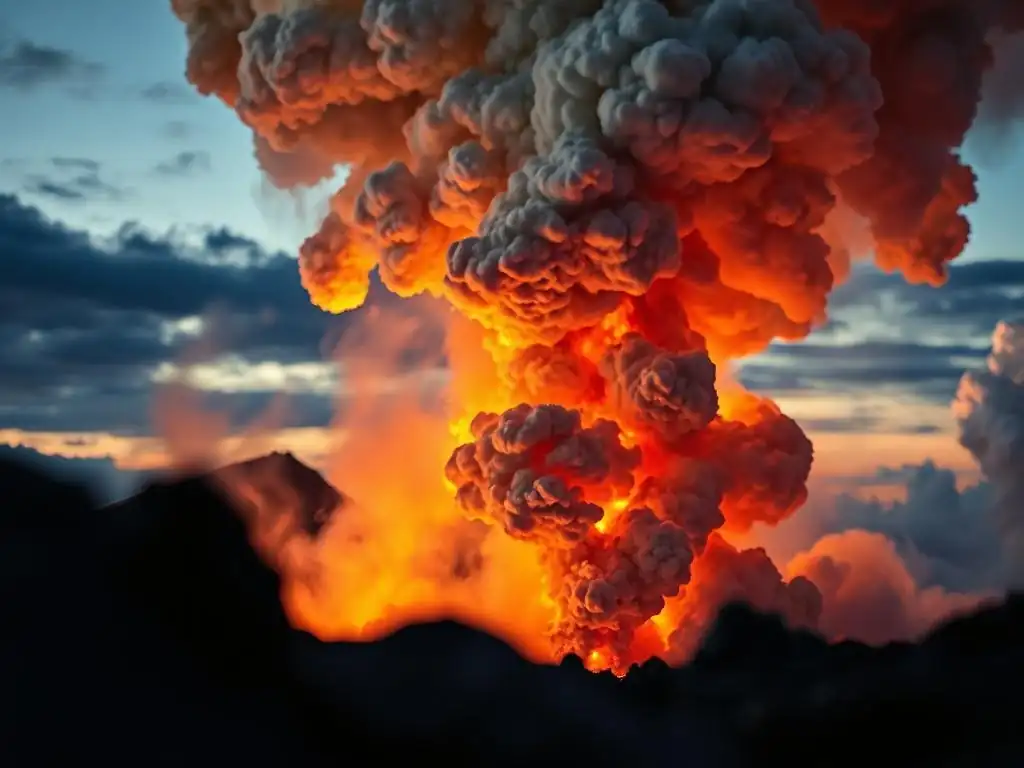
Magmatic Degassing: How Halogens are Released from Magma
The release of halogens from volcanoes begins deep within the Earth's crust and mantle, where magma is generated. Magma is not simply molten rock; it's a complex mixture of molten rock, dissolved gases, and suspended crystals. Halogens, like other volatile elements, are dissolved within the magma under high pressure. As magma rises towards the surface, the pressure decreases, causing dissolved gases to exsolve, or come out of solution, much like carbon dioxide bubbles out of a soda bottle when opened. This process is known as magmatic degassing.
The efficiency of halogen degassing depends on several factors, including the magma composition, temperature, pressure, and the presence of other volatile components. Magmas richer in halogens and other volatile components, such as water and sulfur, tend to release more gases during ascent and eruption. Different halogen species may also degas at different rates and depths.
For instance, chlorine and fluorine, being more volatile than bromine, may degas more readily at shallower depths. The style of eruption also plays a crucial role in halogen release. Explosive eruptions, which rapidly fragment magma and propel it high into the atmosphere, are generally more effective at releasing large quantities of volcanic gases, including halogens, compared to effusive eruptions with slow lava flows.
Atmospheric Transport: How Volcanic Plumes Carry Halogens Aloft
Once released from magma during degassing, volcanic gases, including halogen-containing compounds, are incorporated into volcanic plumes. These plumes are buoyant mixtures of hot gas, ash, and volcanic debris that rise into the atmosphere due to their initial heat and momentum. The height to which a volcanic plume rises depends on the intensity of the eruption, atmospheric conditions, and the density difference between the plume and the surrounding air. Powerful explosive eruptions can inject volcanic plumes directly into the stratosphere, the atmospheric layer above the troposphere, which extends from about 10 to 50 kilometers altitude.
Atmospheric transport processes then play a critical role in dispersing volcanic halogens both horizontally and vertically. In the troposphere, winds and weather systems can quickly disperse volcanic plumes regionally, affecting air quality and precipitation chemistry downwind. Volcanic halogens in the troposphere are also subject to rainout and washout processes, where they are scavenged by precipitation and deposited back onto the Earth's surface. When volcanic plumes reach the stratosphere, the transport and dispersion patterns are different.
The stratosphere is more stable than the troposphere, with less vertical mixing. Volcanic aerosols and gases injected into the stratosphere can persist for months to years, spreading globally by stratospheric winds and currents. This long residence time in the stratosphere allows volcanic halogens to have a more prolonged and widespread impact on ozone chemistry and climate.
Reactive Halogens: Impact on the Atmosphere
Ozone Depletion: The Role of Chlorine and Bromine from Volcanoes
Reactive halogens, particularly chlorine and bromine released from volcanic eruptions, are potent catalysts for ozone depletion in the stratosphere. Ozone (O₃) in the stratosphere absorbs harmful ultraviolet (UV) radiation from the sun, protecting life on Earth. Chlorine and bromine radicals (Cl and Br) from volcanic sources can participate in catalytic cycles that destroy ozone molecules.
A simplified example of a chlorine-catalyzed ozone destruction cycle involves the reaction of chlorine radical with ozone to form chlorine monoxide (ClO) and molecular oxygen (O₂). Then, ClO reacts with atomic oxygen (O) to regenerate the chlorine radical and produce another oxygen molecule. This cycle can repeat thousands of times, with each chlorine radical effectively destroying many ozone molecules.
Bromine radicals are even more efficient at ozone destruction than chlorine radicals, especially in synergistic reactions with chlorine. While volcanic eruptions release less bromine than chlorine, the higher ozone depletion efficiency of bromine makes it a significant contributor to volcanic halogen-induced ozone loss.
The impact of volcanic halogens on ozone depletion is most pronounced in the stratosphere, particularly in polar regions and during periods of enhanced stratospheric aerosol loading, which can further activate halogen chemistry. Major volcanic eruptions that inject significant amounts of sulfur dioxide into the stratosphere, leading to the formation of sulfate aerosols, can indirectly enhance ozone depletion by providing surfaces for heterogeneous chemical reactions that activate chlorine and bromine.
Aerosol Formation: The Influence of Volcanic Halogens on Cloud Condensation Nuclei
Volcanic gases, including halogens, also play a significant role in aerosol formation, which in turn can influence cloud properties and climate. Sulfur dioxide (SO₂) is the primary volcanic gas responsible for aerosol formation on a global scale. Once in the atmosphere, SO₂ undergoes oxidation to form sulfuric acid (H₂SO₄), which then condenses to form sulfate aerosols. These sulfate aerosols are effective at scattering sunlight back to space, leading to a cooling effect on the Earth's climate. However, volcanic halogens also contribute to aerosol formation through different mechanisms.
Hydrogen halides, such as HCl and HF, react rapidly with water vapor in volcanic plumes to form acidic aerosols. These halogen-containing aerosols can act as cloud condensation nuclei (CCN), which are particles that water vapor can condense onto to form cloud droplets. An increase in CCN concentration can lead to clouds with more numerous but smaller droplets, which can affect cloud reflectivity, lifetime, and precipitation efficiency.
While the climate impact of halogen-induced aerosols is generally considered smaller than that of sulfate aerosols from volcanic SO₂, they can still have regional and local effects on cloud formation and precipitation, particularly in areas directly affected by volcanic plumes. Furthermore, halogen-containing aerosols can contribute to acid deposition and affect air quality in volcanic regions.
Measuring Halogen Emissions from Volcanoes: Techniques and Technologies
Remote Sensing Techniques for Detecting Volcanic Halogens
Measuring volcanic halogen emissions is crucial for understanding their atmospheric impact, and various remote sensing techniques have been developed to achieve this. Remote sensing allows for the measurement of volcanic gases from a distance, often from satellites or aircraft, providing a synoptic view of volcanic plumes and their spatial distribution. One widely used technique is Differential Optical Absorption Spectroscopy (DOAS).
DOAS measures the absorption of sunlight or skylight by specific gases in the volcanic plume. By analyzing the absorption spectra, scientists can determine the concentration of gases like SO₂, HCl, and BrO in the plume. Space-based DOAS instruments, such as those on satellites like Aura and Sentinel-5P, provide global coverage of volcanic SO₂ and some halogen species, enabling the tracking of large volcanic plumes and the estimation of total emissions.
Another remote sensing technique is thermal infrared (TIR) spectroscopy. Volcanic plumes are typically hotter than the surrounding atmosphere, and TIR instruments can detect the thermal radiation emitted by the plume. By analyzing the spectral characteristics of the TIR radiation, it is possible to identify and quantify certain volcanic gases, including SO₂, CO₂, and some halogen species. Airborne TIR instruments can provide high-resolution measurements of volcanic gas plumes, while satellite-based TIR sensors offer broader spatial coverage.
Lidar (Light Detection and Ranging) is another remote sensing method that can be used to study volcanic plumes. Lidar systems emit laser pulses and measure the backscattered light from aerosols and gases in the plume. Differential Absorption Lidar (DIAL) can be used to measure the concentrations of specific gases, including SO₂ and ozone, in volcanic plumes.
Ground-Based Measurements of Volcanic Gas Composition
While remote sensing provides valuable large-scale data, ground-based measurements are essential for obtaining detailed and accurate information about volcanic gas composition, including halogen concentrations. Direct sampling of volcanic gases is a traditional but still important method. Scientists carefully collect gas samples from fumaroles, vents, or volcanic plumes using specialized equipment, such as evacuated flasks or gas-tight bags.
These samples are then analyzed in laboratories using techniques like gas chromatography, mass spectrometry, and ion chromatography to determine the concentrations of various gases, including halogens. Direct sampling provides the most accurate measurements of gas composition, but it is limited to accessible locations and can be hazardous due to the proximity to volcanic activity.
Spectroscopic techniques are also widely used for ground-based measurements of volcanic gases. Ground-based DOAS instruments, similar to their airborne and space-based counterparts, can be deployed near volcanoes to continuously monitor gas emissions. These instruments can measure the concentrations of SO₂, HCl, BrO, and other gases in volcanic plumes passing overhead.
Fourier Transform Infrared Spectroscopy (FTIR) is another powerful ground-based technique that can measure a wide range of volcanic gases simultaneously. FTIR spectrometers analyze the infrared absorption spectra of volcanic plumes to determine the concentrations of gases like H₂O, CO₂, SO₂, HCl, HF, and many others. Networked arrays of ground-based gas sensors, such as electrochemical sensors and non-dispersive infrared (NDIR) sensors, are increasingly being used to monitor volcanic gas emissions in real-time, providing valuable data for volcanic activity monitoring and hazard assessment.
Case Studies: Examining Specific Volcanic Eruptions and Their Halogen Impact
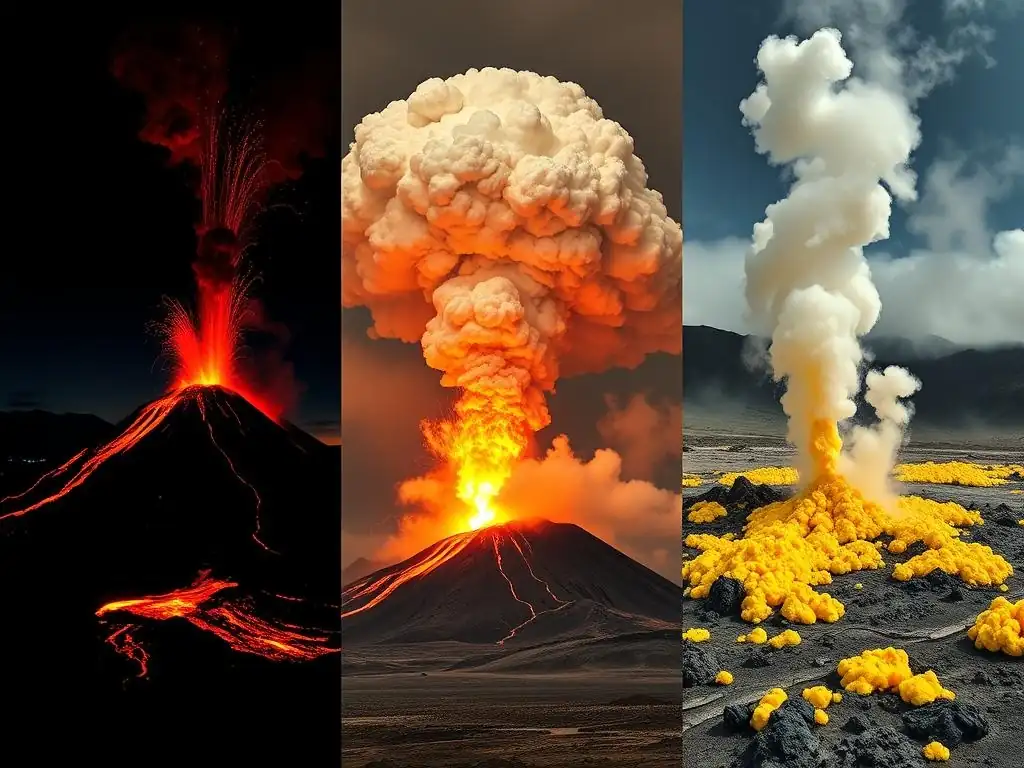
Pinatubo Eruption (1991): Stratospheric Ozone Depletion
The eruption of Mount Pinatubo in the Philippines in June 1991 was one of the largest volcanic eruptions of the 20th century, providing a significant case study for understanding the atmospheric impact of volcanic gases, particularly halogens. Pinatubo injected an estimated 20 million tons of sulfur dioxide (SO₂) into the stratosphere, leading to a substantial increase in stratospheric sulfate aerosols.
While the eruption also released a considerable amount of hydrogen chloride (HCl), most of the HCl was quickly removed from the stratosphere through reaction with water vapor and incorporation into aerosols. However, the increased sulfate aerosol loading had a significant indirect effect on stratospheric ozone depletion.
The sulfate aerosols provided surfaces for heterogeneous chemical reactions that converted relatively unreactive chlorine reservoir species, such as chlorine nitrate (ClONO₂) and hydrogen chloride (HCl), into more reactive forms of chlorine, like chlorine monoxide (ClO). This activation of chlorine chemistry, enhanced by the presence of aerosols, led to a significant increase in ozone depletion, particularly in the mid-latitudes and polar regions.
Satellite measurements showed a global average ozone reduction of about 2-3% in the years following the Pinatubo eruption, with larger reductions observed at higher latitudes. The Pinatubo eruption demonstrated that while volcanic SO₂ is the primary driver of climate cooling, the indirect effects of volcanic aerosols on halogen chemistry can significantly exacerbate stratospheric ozone depletion.
Kilauea Eruption (2018): Vog Formation and Local Air Quality
The 2018 eruption of Kilauea volcano in Hawaii provides a contrasting case study, highlighting the local and regional air quality impacts of volcanic gases, particularly in relation to "vog" formation. Unlike Pinatubo, Kilauea's 2018 eruption was characterized by prolonged effusive activity and caldera collapses, rather than a massive explosive injection into the stratosphere.
Kilauea released large quantities of sulfur dioxide (SO₂) at lower altitudes, leading to the formation of "vog," or volcanic smog. Vog is a hazy mixture of SO₂ gas, sulfate aerosols, and other volcanic gases that forms when volcanic emissions react with sunlight, oxygen, and moisture in the atmosphere.
The primary component of vog, sulfate aerosols, is formed through the oxidation of SO₂ in the troposphere. While Kilauea's SO₂ emissions did not reach the stratosphere in significant amounts to cause global climate cooling or widespread ozone depletion, they had a substantial impact on local and regional air quality in Hawaii. Vog can cause respiratory irritation, asthma exacerbation, and other health problems, particularly for vulnerable populations.
The 2018 Kilauea eruption led to prolonged periods of poor air quality in Hawaii, with vog affecting not only the immediate vicinity of the volcano but also downwind areas across the islands. This case study emphasizes that even eruptions that do not significantly impact the stratosphere can have significant local and regional environmental and health consequences due to volcanic gas emissions and their atmospheric transformations.
The Long-Term Effects of Volcanic Halogen Emissions
Climate Change Implications: Volcanic Aerosols and Radiative Forcing
Volcanic eruptions, particularly large explosive eruptions, can have a discernible impact on global climate, primarily through the injection of sulfur dioxide (SO₂) into the stratosphere. As discussed earlier, SO₂ converts to sulfate aerosols, which are highly reflective and scatter incoming solar radiation back to space. This process, known as radiative forcing, leads to a cooling effect on the Earth's surface.
Major volcanic eruptions can cause a temporary global cooling that can last for several years. For example, the Pinatubo eruption in 1991 is estimated to have caused a global average cooling of about 0.5°C for a few years following the eruption.
While volcanic halogens are not the primary drivers of volcanic cooling, they can indirectly influence climate through their role in aerosol formation and cloud properties. Halogen-containing aerosols can act as cloud condensation nuclei (CCN), potentially affecting cloud reflectivity and lifetime. Changes in cloud properties can alter the Earth's radiation budget and have both warming and cooling effects, depending on the type and altitude of clouds affected.
However, the climate forcing from halogen-induced aerosol changes is generally considered to be smaller and less well-quantified compared to the direct radiative forcing from sulfate aerosols. Furthermore, the long-term impact of volcanic halogens on climate is complex and intertwined with the effects of other volcanic gases and aerosols, as well as natural climate variability and anthropogenic climate change.
Ecosystem Impacts: Acid Rain and its Effects on Vegetation
Volcanic gases, especially sulfur dioxide (SO₂) and hydrogen halides (HCl, HF), contribute to acid rain, which can have significant impacts on ecosystems, particularly vegetation and aquatic environments. Acid rain forms when these gases react with water vapor in the atmosphere to produce sulfuric acid (H₂SO₄) and hydrochloric acid (HCl), which are then deposited back to the Earth's surface through precipitation.
Acid rain can lower the pH of soils and surface waters, making them more acidic. Increased acidity can leach essential nutrients from soils, such as calcium and magnesium, and mobilize toxic metals, such as aluminum, which can be harmful to plants and aquatic organisms.
Vegetation is particularly vulnerable to acid rain. Acid deposition can damage plant leaves, weaken trees, and make them more susceptible to diseases and insect infestations. Forest ecosystems in areas frequently affected by volcanic emissions or downwind of industrial sources of SO₂ are often impacted by acid rain. Aquatic ecosystems, such as lakes and streams, are also sensitive to acidification.
Acid rain can lower the pH of water bodies, harming fish, amphibians, and other aquatic life. Some aquatic species are more tolerant of acidic conditions than others, leading to changes in species composition and biodiversity in acidified ecosystems. Volcanic acid rain is a natural phenomenon, but in areas with frequent volcanic activity, it can contribute to long-term ecosystem stress and damage.
Volcanic Gases and Halogens: Future Research and Monitoring
Predicting Future Volcanic Eruptions and Their Atmospheric Impact
Predicting volcanic eruptions remains a significant challenge, but advances in volcano monitoring and modeling are improving our ability to forecast volcanic activity and its potential atmospheric impact. Monitoring volcanic gas emissions is a crucial aspect of volcano monitoring. Changes in the composition and flux of volcanic gases can provide early warning signs of impending eruptions.
For example, an increase in the SO₂/CO₂ ratio or changes in the concentrations of certain trace gases can indicate magma ascent or changes in magma degassing processes. Continuous monitoring of volcanic gas emissions using ground-based and remote sensing techniques is essential for detecting these pre-eruptive signals.
Atmospheric models are also becoming increasingly sophisticated in simulating the transport, dispersion, and chemical transformations of volcanic gases and aerosols. These models can be used to forecast the trajectory of volcanic plumes, predict the dispersion of volcanic ash and gases, and assess the potential impacts on air quality, aviation safety, and climate.
By combining volcano monitoring data with atmospheric modeling, scientists can improve eruption forecasting and provide more timely and accurate warnings of volcanic hazards, including the atmospheric effects of volcanic gases and halogens. Future research efforts are focused on improving our understanding of magma degassing processes, developing more advanced volcano monitoring techniques, and enhancing the predictive capabilities of atmospheric models to better anticipate and mitigate the impacts of volcanic eruptions.
The Importance of Continuous Monitoring of Volcanic Gas Emissions
Continuous monitoring of volcanic gas emissions is of paramount importance for several reasons. Firstly, real-time monitoring of volcanic gas fluxes and composition provides critical information for assessing the current state of volcanic activity and detecting changes that may precede eruptions. Variations in gas emissions can be early indicators of magma movement, pressure changes within the volcanic system, and potential eruption onset. Continuous monitoring allows for the detection of subtle changes that might be missed by infrequent or episodic measurements.
Secondly, continuous monitoring of volcanic gases is essential for assessing and mitigating volcanic hazards related to air quality and atmospheric pollution. As demonstrated by the Kilauea 2018 eruption, volcanic gas emissions can significantly impact local and regional air quality, posing health risks to nearby populations. Real-time monitoring of SO₂, HCl, and other hazardous gases allows for timely warnings to be issued to affected communities, enabling them to take protective measures.
Furthermore, continuous monitoring of volcanic gas emissions provides valuable data for validating atmospheric models and improving our ability to forecast the dispersion and impacts of volcanic plumes. Sustained investment in volcano monitoring networks and research infrastructure is crucial for enhancing our understanding of volcanic processes and mitigating the risks associated with volcanic gas emissions and halogens.
Conclusion: Understanding and Mitigating the Atmospheric Effects of Volcanic Halogens
Volcanic gases and halogens represent a fascinating and environmentally significant aspect of volcanology and atmospheric science. The release of reactive halogens during volcanic eruptions can have profound impacts on atmospheric chemistry, particularly in relation to ozone depletion and aerosol formation. While volcanic eruptions are natural events, understanding their atmospheric effects is increasingly important in the context of global environmental change. Volcanic halogen emissions, although smaller in magnitude compared to some anthropogenic sources of ozone-depleting substances in the past, still contribute to stratospheric ozone variability and can exacerbate ozone depletion under certain conditions.
Furthermore, the local and regional air quality impacts of volcanic gases, including halogen-containing aerosols and acid rain, can be significant, affecting ecosystems and human health. Continued research and monitoring efforts are crucial for improving our understanding of volcanic gas emissions, their atmospheric transformations, and their environmental consequences.
By advancing our knowledge in this area, we can better predict and mitigate the risks associated with volcanic gases and halogens, contributing to enhanced volcanic hazard assessment and improved environmental management in volcanic regions and beyond. Understanding the "halogen havoc" from volcanic gases is thus essential for a comprehensive appreciation of the complex interactions between volcanoes, the atmosphere, and the Earth system.
Frequently Asked Questions
What are volcanic gases, and why are they important in understanding volcanic activity?
Volcanic gases are released from magma both passively and during eruptions. They are important because their composition and concentration can provide valuable information about the volcano's internal processes and potential for future eruptions.
What are halogens, and which ones are commonly found in volcanic gases?
Halogens are a group of reactive elements including fluorine, chlorine, bromine, and iodine. Chlorine and fluorine are the most commonly found halogens in volcanic gases, although bromine and iodine are also present in smaller quantities.
How do volcanic eruptions release halogens into the atmosphere, and what is the impact?
Volcanic eruptions release halogens directly into the atmosphere in gaseous form. These halogens can then react with other atmospheric compounds, contributing to ozone depletion and acid rain, impacting air quality and climate.
What role do halogens play in atmospheric ozone depletion following a volcanic eruption?
Volcanic halogens, particularly chlorine and bromine, can catalyze reactions that destroy ozone molecules in the stratosphere. This ozone depletion allows more harmful ultraviolet (UV) radiation to reach the Earth's surface.
Where can I find real-time updates on volcanic activity and gas emissions?
While VolcanoExplorers.org provides educational resources, real-time updates on volcanic activity and gas emissions are typically available from official geological surveys and volcano observatories worldwide. Consult these resources for the most current information.
Final Reflection: Breathing the Volcanic Breath
The intricate dance between volcanic eruptions and atmospheric chemistry, as explored in this article, highlights a crucial, yet often overlooked, aspect of our planet's system. The release of reactive halogens from volcanic gases is not merely a scientific curiosity, but a significant factor influencing ozone depletion and climate dynamics, particularly in polar regions. Understanding these processes is paramount in a world increasingly grappling with the consequences of atmospheric change.
The impact of volcanic halogen emissions extends far beyond the immediate vicinity of eruptions. It serves as a stark reminder of the interconnectedness of Earth's systems, where events in one location can have profound consequences globally. The delicate balance of our atmosphere is constantly being challenged, and volcanic activity, with its halogen-rich plumes, plays a significant role in that ongoing narrative. The Earth is a very small stage in a vast cosmic arena.
- Carl Sagan. This quote underscores the importance of understanding the complex interactions within our planet, as even seemingly localized events can have far-reaching implications.
Now, consider the implications of this knowledge. How can we, as individuals and as a society, better prepare for and mitigate the effects of volcanic halogen emissions? What steps can we take to further our understanding of these complex processes and develop strategies to protect our atmosphere? Let us use this understanding of "Volcanic gases and halogens" as a catalyst for deeper engagement with environmental science and a renewed commitment to safeguarding the delicate balance of our planet.
Unveil the Secrets of Volcanic Influence!
Thanks for exploring the world of volcanic halogens and their impact on our atmosphere. You've gained valuable insights into the processes shaping our planet's chemistry. Ready to take the next step?
Here are a few ways you can continue your exploration and contribute to our understanding:
- Join our citizen science project! Help us analyze volcanic gas data from around the globe and track the release of reactive halogens. Visit the "Contribute" section on VolcanoExplorers.org to learn more.
- Share this article! Help spread awareness about the crucial role volcanoes play in atmospheric processes.
- Join the Volcano Explorers online forum. Discuss this article and propose new research related to reactive halogens.
What other volcanic phenomena intrigue you? Let us know in the comments!