
Jan Mayen: The Arctic Volcano Island – A Remote Outpost of Fire

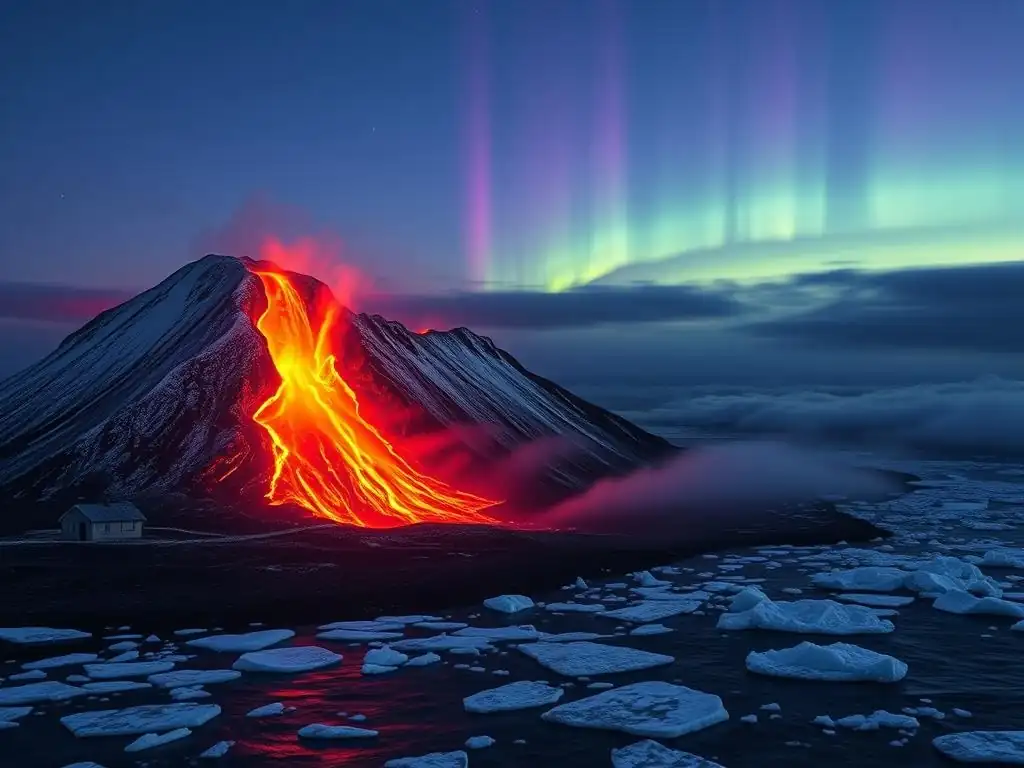
Welcome to Volcano Explorers!
Prepare to be captivated by the raw power and stark beauty of the Earth's fiery giants. Ever wondered about the most isolated volcanic island on Earth? Our Jan Mayen volcano travel guide pulls back the curtain on this remote Arctic outpost, revealing a landscape sculpted by fire and ice. But that's just the beginning. What secrets does this unforgiving terrain hold, and what makes it so compelling to volcanologists and adventurers alike? Dive in and uncover the mysteries of Jan Mayen, and discover how this desolate island holds vital clues to understanding our planet's volatile heart.
- Jan Mayen: The Arctic Volcano Island – A Norwegian Territory
- Discovering Jan Mayen: An Introduction to this Volcanic Arctic Island
- Beerenberg Volcano: A Geological Overview
- Planning Your Jan Mayen Visit
- Exploring Jan Mayen's Landscape
- Jan Mayen's Flora and Fauna: Life in the Arctic
- The Scientific Significance of Jan Mayen
- Jan Mayen and Its History: A Remote Outpost
- Photography on Jan Mayen: Capturing the Beauty
- Jan Mayen: Safety Considerations
- Jan Mayen: Preserving the Unique Environment
- Conclusion: Jan Mayen, A Unique Arctic Island
-
Frequently Asked Questions
- What makes Jan Mayen a unique volcanic destination?
- Is it safe to travel to Jan Mayen, given its volcanic activity?
- What kind of volcanic activity can be observed on Jan Mayen?
- What are some of the main attractions for visitors interested in volcanism on Jan Mayen?
- How can I prepare for a trip to Jan Mayen focused on volcano exploration?
- Final Reflection: Embracing the Untamed Frontier
- Unearth Your Inner Explorer: Answer Jan Mayen's Call!
Jan Mayen: The Arctic Volcano Island – A Norwegian Territory
Discovering Jan Mayen: An Introduction to this Volcanic Arctic Island
Jan Mayen's Unique Landscape: A Preview
Jan Mayen is not your typical tropical island getaway. Situated far north in the Arctic Ocean, this Norwegian territory presents a stark and dramatic landscape sculpted by volcanic forces and glacial ice. Imagine a long, slender island dominated by a massive ice-capped volcano, Beerenberg, which rises majestically from the sea.
The island, roughly 373 square kilometers in area, is essentially composed of two distinct parts: Nord-Jan, the larger, volcanic northeastern part, and Sør-Jan, the smaller, flatter southwestern section, connected by a narrow isthmus. This unique geography creates a diverse environment within a relatively small area, ranging from glaciers and lava fields to windswept coastlines and sparse vegetation, offering a truly unique Arctic experience for the intrepid explorer.
The island's volcanic origins are immediately apparent in its dark, rugged terrain. Black sand beaches stretch along parts of the coastline, contrasting sharply with the white ice of glaciers descending from Beerenberg. Lava flows, solidified over centuries and millennia, create a textured surface across much of the island, a testament to the powerful geological forces that have shaped Jan Mayen. The sheer isolation of Jan Mayen, hundreds of kilometers from the nearest landmass, further amplifies its unique character. This remoteness contributes to its pristine environment and limited human impact, making it a truly exceptional place on Earth.
Why Jan Mayen is a Unique Destination
Jan Mayen stands out as a destination unlike any other, primarily due to its extreme remoteness and unique geological characteristics. It is one of the most isolated islands in the world, located approximately 600 kilometers northeast of Iceland, 500 kilometers east of Greenland, and 1000 kilometers west of Norway. This isolation means that visiting Jan Mayen is an extraordinary undertaking, requiring significant planning and logistical arrangements. It is not a place for casual tourists but rather for those seeking a truly adventurous and off-the-beaten-path experience.
The island's volcanic nature, dominated by the Beerenberg volcano, adds another layer of uniqueness. Beerenberg is not just any volcano; it is the northernmost active subaerial volcano on Earth. Its ice-covered summit and past eruptions provide a fascinating glimpse into the dynamic interplay between volcanic activity and glacial environments.
Furthermore, Jan Mayen's location within the Arctic Circle means that it experiences long periods of darkness in winter and continuous daylight during summer. This extreme variation in light conditions, combined with the stark beauty of the Arctic landscape and the potential for witnessing the Northern Lights, makes Jan Mayen a truly unforgettable destination for those who venture to its shores.
Beerenberg Volcano: A Geological Overview
Beerenberg: The Dominant Feature of Jan Mayen
Beerenberg, meaning "Bear Mountain" in Dutch, is the undisputed king of Jan Mayen. This massive stratovolcano dominates the island, its imposing presence visible from virtually any point. Rising to a height of 2,277 meters (approximately 7,470 feet), Beerenberg is not only the highest point on Jan Mayen but also one of the tallest mountains in the Arctic.
Its summit is almost entirely covered by an ice cap, known as the Weyprecht Glacier, which feeds several outlet glaciers that descend its flanks. The sheer scale of Beerenberg in relation to the small island is remarkable, creating a dramatic and awe-inspiring landscape.
The volcano is not just a scenic backdrop; it is the geological heart of Jan Mayen. Beerenberg is responsible for the island's very existence, formed by countless eruptions over millennia. Its slopes are steep and rugged, marked by lava flows, volcanic cones, and glacial valleys. The ice cap and glaciers contribute significantly to the island's landscape, carving out valleys and shaping the coastline. Beerenberg's influence is all-encompassing, dictating the climate, terrain, and even the ecosystems found on Jan Mayen. Understanding Beerenberg is key to understanding Jan Mayen itself.
Jan Mayen's Tectonic Setting: Understanding its Volcanic Origins
Jan Mayen's volcanic activity is a direct consequence of its location on the Mid-Atlantic Ridge, a major tectonic plate boundary that runs down the center of the Atlantic Ocean. Here, the North American and Eurasian plates are moving apart, a process known as seafloor spreading. As these plates diverge, magma from the Earth's mantle rises to the surface, creating new oceanic crust and fueling volcanic activity. Jan Mayen sits on a microcontinent called the Jan Mayen Microcontinent, which is a fragment of continental crust caught between these diverging plates.
The specific volcanic system responsible for Beerenberg is associated with a hotspot or mantle plume, in addition to the Mid-Atlantic Ridge. Mantle plumes are upwellings of hot rock from deep within the Earth's mantle, which can cause volcanic activity even away from plate boundaries. The combination of the Mid-Atlantic Ridge spreading and the potential influence of a mantle plume beneath Jan Mayen contributes to the island's persistent volcanism. This complex tectonic setting makes Jan Mayen a fascinating location for geologists studying plate tectonics, mantle plumes, and the processes that shape our planet's surface.
The Volcanic History of Jan Mayen: From Formation to Eruptions
Jan Mayen's volcanic history stretches back millions of years, with the island itself believed to have begun forming around 700,000 years ago. Beerenberg volcano has been built up through numerous eruptions, both effusive (lava flows) and explosive (ash and pyroclastic flows). Geological studies indicate that Beerenberg has experienced several phases of volcanic activity, with periods of intense eruptions interspersed with longer periods of quiescence. The lava flows visible across the island today are testament to these past eruptions, creating a volcanic landscape that tells a story of geological time.
While Beerenberg is considered active, eruptions are infrequent. The most recent confirmed eruption occurred in 1985, lasting for several weeks and producing lava flows that extended into the sea on the north side of the island. Prior to that, there was a smaller eruption in 1970.
Historical records suggest other possible eruptions in the 18th and 19th centuries, although these are less well-documented. The relatively long intervals between eruptions mean that while Beerenberg is a potentially active volcano, the immediate risk of a major eruption during a short visit is statistically low. However, volcanic activity is inherently unpredictable, and monitoring of Beerenberg remains crucial.
Planning Your Jan Mayen Visit
Jan Mayen: Essential Information for Visitors
Visiting Jan Mayen requires meticulous planning due to its remote location and limited facilities. It is not a typical tourist destination, and independent travel is virtually impossible. Access to Jan Mayen is primarily controlled by the Norwegian military and the Norwegian Polar Institute, which maintain a presence on the island. There is no commercial tourism infrastructure, such as hotels or restaurants. Permission to visit Jan Mayen is generally required and is typically granted for specific purposes, such as scientific research, journalistic work, or expedition cruises.
For those fortunate enough to visit, it's essential to understand the basic conditions. Jan Mayen has a polar climate, characterized by cold temperatures, strong winds, and frequent fog. Average temperatures range from just above freezing in summer to well below freezing in winter. Weather conditions can change rapidly and dramatically. Visitors must be prepared for challenging conditions and pack accordingly with warm, waterproof, and windproof clothing. There are no medical facilities available for tourists, so comprehensive travel insurance and a good level of physical fitness are essential.
Getting to Jan Mayen: Understanding the Logistics of Reaching this Remote Island
Reaching Jan Mayen is a significant undertaking, reflecting its extreme isolation. There are no scheduled commercial flights to the island. The primary mode of transport is by chartered vessels, typically research vessels, supply ships, or expedition cruise ships. These voyages usually depart from Iceland or Norway and can take several days to reach Jan Mayen, depending on weather conditions. Sea crossings in the North Atlantic can be rough, and seasickness is a potential concern.
For those involved in official activities, such as research or military operations, transport may be arranged through the Norwegian authorities. However, for most individuals, the only realistic option is to join an expedition cruise that includes Jan Mayen in its itinerary. These cruises are infrequent and expensive, reflecting the logistical challenges and costs associated with operating in such a remote location. Planning well in advance is crucial, as berths on these cruises are limited and fill up quickly. Be prepared for a long journey and potential delays due to weather.
Accommodation and Facilities on Jan Mayen: What to Expect at Olonkinbyen
Accommodation on Jan Mayen is extremely limited and centered around Olonkinbyen, the island's only settlement. Olonkinbyen is a small research station and military outpost, housing a rotating crew of personnel. Tourist accommodation in the conventional sense simply does not exist. Visitors arriving on research vessels or expedition cruises typically stay on board their ships. Limited accommodation ashore may be available in Olonkinbyen in exceptional circumstances and with prior arrangement, but this should not be relied upon.
Facilities on Jan Mayen are also very basic. Olonkinbyen has a small weather station, a radio communication facility, and living quarters for the personnel stationed there. There are no shops, restaurants, or medical facilities for tourists. Electricity and running water are available in Olonkinbyen, but resources are limited. Visitors should be entirely self-sufficient and bring all necessary supplies, including food, water, and any specialized equipment. Expect a very basic and spartan environment, focused on functionality rather than comfort.
Best Time to Visit Jan Mayen
The best time to visit Jan Mayen is during the summer months, roughly from June to August. This period offers the most favorable weather conditions, with slightly warmer temperatures (though still cold), longer daylight hours, and generally calmer seas compared to other times of the year. During summer, the ice around Jan Mayen is also typically at its minimum extent, making 접근 easier for ships and allowing for better coastal exploration. Wildlife viewing is also generally better in summer, as this is the breeding season for many Arctic birds.
However, even in summer, weather in Jan Mayen can be unpredictable. Fog, strong winds, and rain are common, and temperatures can drop rapidly. Visitors should be prepared for all types of weather, regardless of the time of year. Visiting outside of the summer months is extremely challenging, with long periods of darkness, very cold temperatures, and increased sea ice. Expedition cruises to Jan Mayen are almost exclusively offered during the summer season to maximize the chances of favorable conditions and wildlife encounters.
Exploring Jan Mayen's Landscape
Hiking Considerations on Jan Mayen
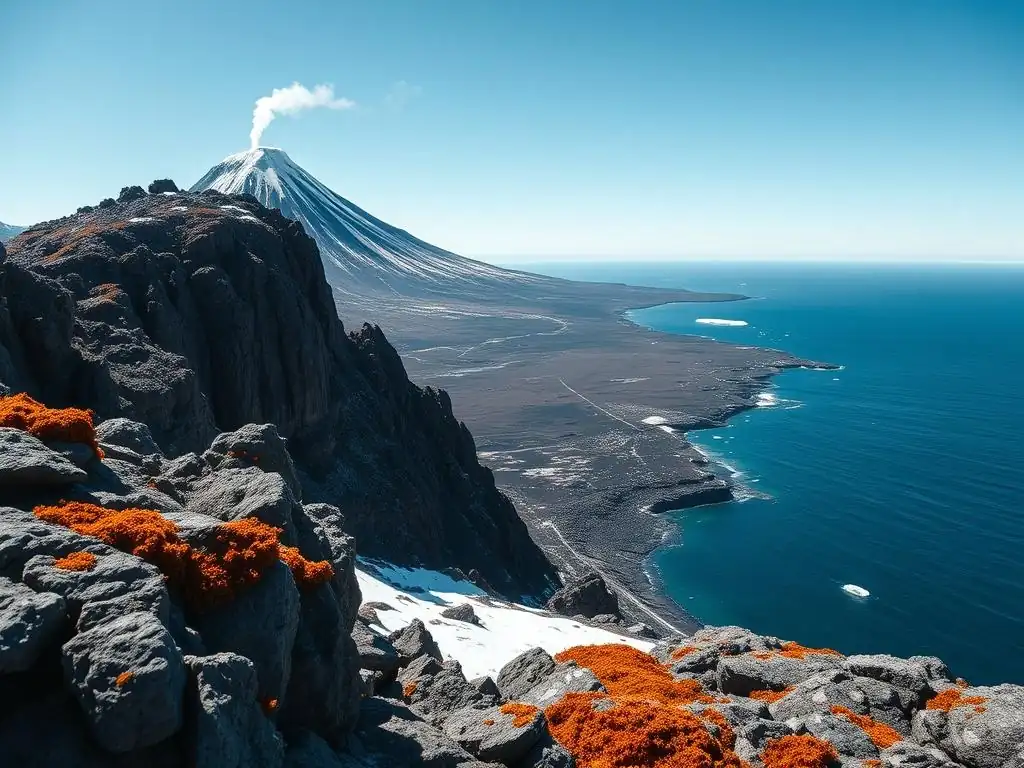
Hiking on Jan Mayen presents unique challenges and rewards. The terrain is rugged and often unmarked, with lava fields, scree slopes, and glacial moraines dominating the landscape. There are no established hiking trails outside of the immediate vicinity of Olonkinbyen. Navigation can be difficult, especially in foggy conditions, and a good understanding of map reading and compass skills is essential. GPS devices are also highly recommended.
Safety is paramount when hiking on Jan Mayen. Weather conditions can change rapidly, and hypothermia is a serious risk. Hiking should only be undertaken by experienced individuals in good physical condition, and always in groups. Inform someone of your hiking plans and expected return time. Be aware of potential hazards such as crevasses in glaciers, unstable slopes, and wildlife encounters (though polar bears are rare on Jan Mayen itself, Arctic foxes are present). Appropriate hiking gear, including sturdy boots, waterproof clothing, and navigation equipment, is absolutely essential.
Coastal Features: Exploring Jan Mayen's Shoreline
Jan Mayen's coastline is diverse and dramatic, shaped by volcanic activity and glacial erosion. Black sand beaches, formed from volcanic rock, are common in certain areas, particularly on the northeastern and southwestern parts of the island. These beaches offer striking contrasts with the surrounding landscape and can be excellent places for observing seabirds and marine mammals. Cliffs, sculpted by waves and ice, rise in other sections of the coastline, particularly along the northern and eastern shores, providing dramatic views of the ocean and the Beerenberg volcano.
Lava flows have also reached the sea in many places, creating rugged and irregular coastal formations. Sea stacks and arches, formed by wave erosion of volcanic rock, can be found along parts of the shoreline, adding to the scenic beauty. Exploring the coastline by Zodiac boat (small inflatable boat) is a popular activity for expedition cruises, allowing for close-up views of the coastal features and wildlife. However, sea conditions can be unpredictable, and Zodiac operations are weather-dependent.
Observing the Landscape
Observing the Jan Mayen landscape is a truly unique experience. The stark beauty of the Arctic environment, combined with the dramatic volcanic features, creates a visually stunning and awe-inspiring panorama. From vantage points around Olonkinbyen or during hikes, panoramic views of Beerenberg volcano dominating the island can be enjoyed. The glaciers cascading down its slopes, the lava fields stretching across the land, and the vast expanse of the Arctic Ocean surrounding the island all contribute to a sense of isolation and grandeur.
The changing light conditions in the Arctic, from the midnight sun in summer to the long shadows of twilight, dramatically alter the appearance of the landscape throughout the day. Fog and cloud cover can often shroud parts of the island, creating a sense of mystery and atmosphere. Clear days, though less frequent, offer exceptional visibility and the opportunity to appreciate the full extent of Jan Mayen's volcanic and glacial features. Simply spending time outdoors, observing the interplay of light, land, and sea, is a rewarding experience on Jan Mayen.
Jan Mayen's Flora and Fauna: Life in the Arctic
Arctic Wildlife on Jan Mayen
Despite its harsh Arctic environment, Jan Mayen supports a surprising array of wildlife, primarily seabirds and marine mammals. The island is an important breeding ground for various seabird species, including fulmars, kittiwakes, guillemots, and puffins. Large colonies of these birds can be found nesting on cliffs and rocky outcrops around the island, especially during the summer breeding season. The sheer number of birds, their calls, and their constant activity create a lively atmosphere in these otherwise desolate landscapes.
Marine mammals are also present in the waters around Jan Mayen. Seals, including harbor seals and bearded seals, are commonly seen hauled out on ice floes or along the coastline. Whales, such as minke whales and humpback whales, may be sighted offshore, particularly during their migrations through the North Atlantic.
Arctic foxes are the only land mammal native to Jan Mayen. They are relatively common and can be seen scavenging around Olonkinbyen and other parts of the island. While polar bears are occasionally sighted on Jan Mayen, they are not resident and are much less common than on other Arctic islands further north.
Plant Life Adapting to the Environment
Plant life on Jan Mayen is sparse and adapted to the harsh Arctic conditions. The vegetation is typical of a polar desert environment, dominated by low-growing mosses, lichens, and hardy vascular plants. These plants must contend with short growing seasons, cold temperatures, strong winds, and nutrient-poor volcanic soils. Flowering plants are present, but they are small and inconspicuous, often hugging the ground for protection from the wind.
Common plant species include various types of mosses and lichens, which can be found on rocks and lava fields. Vascular plants include species of saxifrage, mountain avens, and willows, which are adapted to survive in the challenging conditions. Vegetation is generally more abundant in sheltered areas and around freshwater sources. The limited plant life reflects the challenging environment and the relatively young geological age of the island, as well as the ongoing volcanic activity which can disrupt plant colonization.
The Scientific Significance of Jan Mayen
Meteorological Research on Jan Mayen
Jan Mayen plays a crucial role in meteorological research due to its strategic location in the North Atlantic. The weather station at Olonkinbyen has been continuously operating for decades, providing invaluable data on Arctic weather patterns, climate change, and atmospheric processes. Its location in a data-sparse region of the Arctic Ocean makes its meteorological observations particularly important for global weather forecasting and climate modeling.
The weather station collects a wide range of meteorological data, including temperature, wind speed and direction, humidity, precipitation, and atmospheric pressure. These data are transmitted in real-time to global meteorological networks and are used by weather forecasting centers around the world. Jan Mayen's meteorological data are also crucial for monitoring long-term climate trends in the Arctic, a region that is experiencing rapid warming and significant climate change impacts. The station also contributes to research on atmospheric composition and pollution transport in the Arctic.
Monitoring on Jan Mayen
Beyond meteorology, Jan Mayen is also used for various other types of scientific monitoring. The island's remote location and relatively pristine environment make it an ideal site for monitoring environmental changes and collecting baseline data. Seismic monitoring is conducted to study earthquakes and volcanic activity in the region, including Beerenberg volcano. The Norwegian military also maintains a presence on Jan Mayen, contributing to surveillance and monitoring activities in the North Atlantic.
Oceanographic monitoring is also carried out in the waters around Jan Mayen, studying ocean currents, sea ice conditions, and marine ecosystems. Biological monitoring focuses on seabird populations, marine mammal distribution, and the impacts of climate change on Arctic wildlife. The data collected from these various monitoring activities contribute to a better understanding of the Arctic environment and the global interconnectedness of Earth's systems. Jan Mayen serves as a vital sentinel in a rapidly changing Arctic.
Jan Mayen: A Natural Laboratory
Jan Mayen functions as a unique natural laboratory for scientific research across various disciplines. Its volcanic landscape, glacial features, Arctic climate, and isolated location provide exceptional opportunities for studying geological processes, climate change impacts, and ecological adaptations in a remote and relatively undisturbed environment. Researchers from around the world visit Jan Mayen to conduct fieldwork and collect data on a wide range of scientific topics.
Geologists study Beerenberg volcano and the island's volcanic history to better understand volcanic processes and the tectonic evolution of the North Atlantic. Glaciologists study the Weyprecht Glacier and other glaciers on Jan Mayen to monitor glacial melt and its contribution to sea-level rise. Biologists study Arctic wildlife and plant life to understand their adaptations to extreme environments and the impacts of climate change. Atmospheric scientists study Arctic weather patterns and atmospheric composition. Jan Mayen's unique characteristics and ongoing scientific monitoring make it a valuable site for advancing our understanding of the Earth system.
Jan Mayen and Its History: A Remote Outpost
Early Explorations and Discoveries of Jan Mayen
The early history of Jan Mayen is shrouded in some mystery and debate. While some historians suggest possible earlier sightings, the generally accepted "discovery" of Jan Mayen is attributed to Dutch explorers in the early 17th century. Conflicting accounts exist, with different Dutch expeditions claiming to have sighted or landed on the island in 1614. Jan Mayen's name is derived from Jan Jacobszoon May van Schellinkhout, who may have been the captain of a Dutch ship that visited the island in 1614.
Regardless of the precise details of its "discovery," Jan Mayen quickly became known to European whalers in the early 17th century. The surrounding waters were rich in whales, and Dutch, English, and other whaling expeditions frequented the area. Whaling stations were briefly established on Jan Mayen, but the harsh conditions and lack of resources made permanent settlement impractical. For centuries, Jan Mayen remained largely uninhabited and visited only sporadically by whalers and explorers.
Jan Mayen's Role in Meteorology and Communication
Jan Mayen's modern history is closely tied to its strategic importance for meteorology and communication. In the early 20th century, with the advent of radio communication and the growing importance of weather forecasting for aviation and shipping, Jan Mayen's location became strategically significant. Norway established a weather station on Jan Mayen in 1921, marking the beginning of continuous human presence on the island. This weather station has been operating almost continuously ever since, providing crucial meteorological data from the North Atlantic.
During World War II, Jan Mayen played a role in Allied communications and weather forecasting. The weather station was temporarily evacuated during the war but was re-established afterwards. In the post-war period, Jan Mayen continued to serve as a vital meteorological outpost and also became important for radio navigation and communication. The Norwegian military established a presence on the island, reflecting its strategic importance in the Arctic region. Today, Jan Mayen remains a Norwegian territory, with its primary functions centered around scientific research, meteorological monitoring, and military presence.
Photography on Jan Mayen: Capturing the Beauty
Tips for Photographing the Jan Mayen Landscape
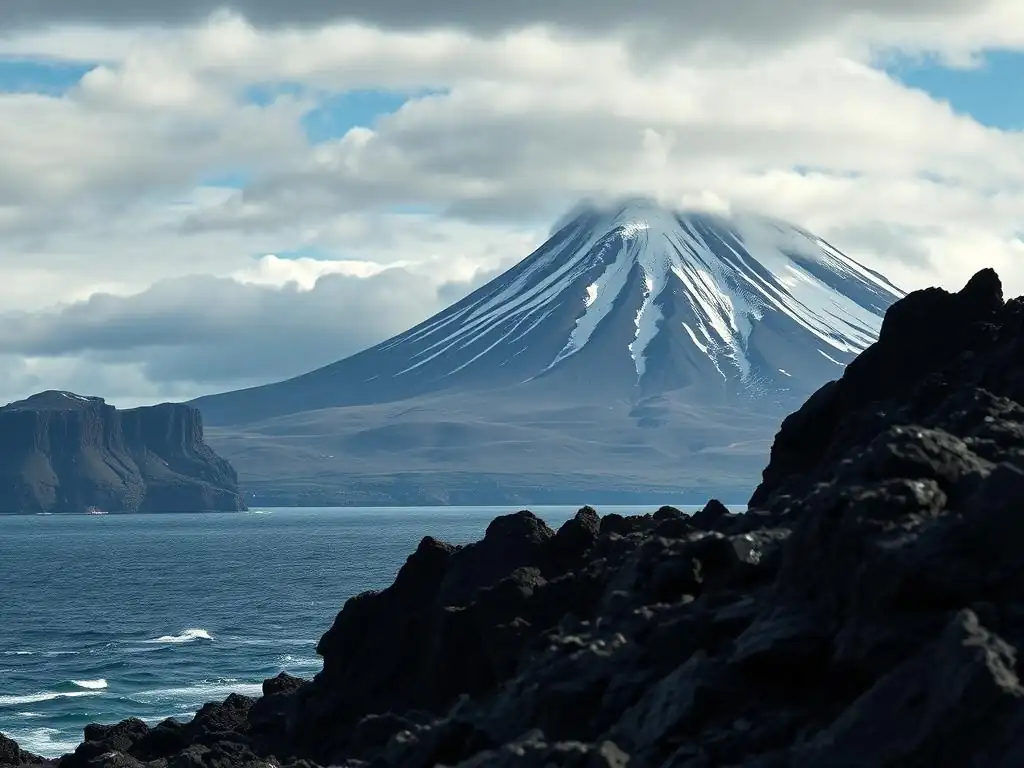
Photographing Jan Mayen presents both incredible opportunities and significant challenges. The dramatic landscape, unique light conditions, and potential wildlife encounters offer stunning photographic subjects. However, the harsh Arctic environment and unpredictable weather demand careful preparation and technique. Firstly, protect your equipment from the elements. Waterproof and windproof camera bags are essential, as are lens cloths for wiping away rain, snow, or sea spray. Bring extra batteries, as cold temperatures drain batteries quickly.
Utilize the unique Arctic light. During summer, the long hours of daylight, including the "golden hour" around midnight, provide extended opportunities for photography. Overcast days can be ideal for landscape photography, creating soft, even light that enhances details. Be prepared for rapidly changing light conditions and adjust your camera settings accordingly. Focus on composition to capture the scale and grandeur of the landscape. Wide-angle lenses are useful for panoramic views, while telephoto lenses can bring distant features like Beerenberg's summit or wildlife closer.
Best Locations for Photography
Jan Mayen offers numerous photogenic locations, each with its own unique appeal. Olonkinbyen and its surroundings provide accessible views of Beerenberg volcano and the surrounding lava fields. The black sand beaches, particularly on Nord-Jan, offer striking foregrounds for landscape shots, especially at sunrise or sunset (or the Arctic equivalent). The coastline, with its cliffs, sea stacks, and ice formations, is another rich area for photography, best explored by Zodiac boat when conditions permit.
For panoramic views, hiking to higher vantage points (with appropriate caution and preparation) can be rewarding, offering sweeping vistas of the entire island and the surrounding ocean. Wildlife photography opportunities are concentrated around seabird colonies and along the coast where seals may be present. Patience is key for wildlife photography, and a telephoto lens is essential. Remember to respect wildlife and maintain a safe distance. The entire island is essentially a photographer's playground, offering endless opportunities to capture the raw beauty and isolation of this Arctic volcanic outpost.
Jan Mayen: Safety Considerations
Understanding the Potential Hazards
Jan Mayen, while beautiful, presents a range of potential hazards due to its remote location, harsh climate, and volcanic nature. Weather is a primary concern. Sudden changes in weather, strong winds, fog, and cold temperatures can create dangerous conditions. Hypothermia is a significant risk, especially if unprepared or caught in unexpected weather. The rugged terrain, including lava fields, glaciers, and steep slopes, poses physical hazards for hiking and exploration. Crevasses in glaciers are a serious danger for those venturing onto ice.
Volcanic activity, while infrequent, is a potential hazard. Beerenberg is an active volcano, and future eruptions are possible. While the risk of an eruption during a short visit is low, it's important to be aware of the potential and follow any safety guidelines provided by local authorities. Wildlife encounters, particularly with Arctic foxes, are possible.
While foxes are generally not aggressive, they can carry diseases. Polar bears, though rare, are a potential threat and should be treated with extreme caution. The remoteness of Jan Mayen means that emergency assistance is a long way away, making self-reliance and careful planning crucial for safety.
Essential Safety Gear
Proper safety gear is absolutely essential for visiting Jan Mayen. Warm, waterproof, and windproof clothing is paramount to protect against the harsh Arctic climate. Layering clothing is recommended to adjust to changing conditions. Sturdy, waterproof hiking boots with good ankle support are crucial for navigating the rugged terrain. Gloves or mittens, a warm hat that covers the ears, and a scarf or neck gaiter are essential for protecting extremities from the cold. Sunglasses and sunscreen are important even in the Arctic, as snow and ice reflect sunlight intensely.
Navigation equipment, including a map, compass, and GPS device, is vital for hiking and exploring beyond Olonkinbyen. A first-aid kit, including supplies for treating minor injuries and hypothermia, should be carried at all times. A signaling device, such as a whistle or flares, can be useful in emergencies. If planning to venture onto glaciers, appropriate glacier travel gear, including ropes, harnesses, and ice axes, and experience in glacier travel are essential. Communication equipment, such as a satellite phone or personal locator beacon (PLB), is highly recommended for emergencies in remote areas.
Emergency Procedures and Communication
In case of emergency on Jan Mayen, communication is key, but options are limited due to the remoteness. Olonkinbyen has a radio communication facility that can be used to contact the outside world. Expedition cruise ships typically have satellite communication capabilities. In a serious emergency requiring evacuation, the Norwegian authorities would need to be contacted, and rescue operations would likely involve helicopters or ships from mainland Norway, which could take considerable time to reach Jan Mayen.
It is crucial to inform someone of your plans and expected return time whenever venturing out from Olonkinbyen. Carry communication equipment and know how to use it. In the event of an emergency, stay calm, assess the situation, and prioritize safety. Administer first aid if necessary and attempt to contact help using available communication methods. Be prepared to be self-sufficient for an extended period, as rescue may not be immediate. Prevention is always the best strategy; careful planning, appropriate gear, and awareness of potential hazards are crucial for minimizing risks on Jan Mayen.
Jan Mayen: Preserving the Unique Environment
Environmental Conservation Efforts
Jan Mayen's pristine Arctic environment is recognized as a valuable natural asset, and efforts are in place to protect it. The island is a nature reserve, designated to conserve its unique flora, fauna, and geological features. Regulations are in place to minimize human impact and protect the fragile ecosystems. The Norwegian Polar Institute and the Norwegian military, which maintain a presence on Jan Mayen, play a key role in environmental management and monitoring.
Waste management is a priority on Jan Mayen, with all waste being removed from the island for disposal on the mainland. Regulations are in place to prevent pollution and disturbance to wildlife. Research activities on Jan Mayen are subject to environmental impact assessments to ensure minimal disturbance. Efforts are also underway to monitor the impacts of climate change on the island's environment and to implement measures to mitigate these impacts where possible. The focus is on maintaining Jan Mayen as a pristine natural laboratory and preserving its unique Arctic wilderness.
Responsible Practices: Minimizing Impact
Visitors to Jan Mayen, whether researchers, journalists, or expedition cruise passengers, have a responsibility to minimize their impact on the environment. Adhering to the regulations of the nature reserve is essential. Stay on designated paths or areas where permitted to avoid damaging fragile vegetation. Do not disturb wildlife or their habitats. Maintain a respectful distance from seabird colonies and marine mammals. Never feed wildlife.
Pack out everything you pack in, ensuring no litter is left behind. Minimize waste generation and dispose of waste responsibly according to local guidelines. Avoid using single-use plastics. Be mindful of water usage, as freshwater resources are limited. Respect the cultural heritage of Jan Mayen and avoid disturbing any historical sites or artifacts. Support responsible tourism operators who prioritize environmental sustainability. By practicing responsible behavior, visitors can help ensure that Jan Mayen's unique environment remains pristine for future generations.
Conclusion: Jan Mayen, A Unique Arctic Island
Reflecting on the Beauty and Power of Jan Mayen
Jan Mayen is more than just a remote island in the Arctic Ocean; it is a testament to the raw power of nature and the stark beauty of the polar regions. Its volcanic landscape, dominated by the majestic Beerenberg volcano, is a reminder of the geological forces that shape our planet. The island's isolation and harsh climate have created a unique environment, home to resilient wildlife and sparse vegetation adapted to extreme conditions. Visiting Jan Mayen is an experience unlike any other, offering a glimpse into a truly wild and untouched corner of the world.
The silence of the Arctic wilderness, broken only by the calls of seabirds and the sound of the wind, is profoundly moving. The dramatic landscapes, from black sand beaches to glacial ice, are visually stunning. Jan Mayen's scientific importance, as a meteorological outpost and natural laboratory, highlights its role in understanding our planet's climate and environment. The island's history, from early whaling expeditions to its modern-day scientific and strategic significance, adds another layer of intrigue. Jan Mayen embodies both the beauty and the power of the Arctic, leaving a lasting impression on those fortunate enough to experience it.
Further Resources
For those seeking to delve deeper into the world of Jan Mayen and plan potential visits, several resources are available. The Norwegian Polar Institute website (polar.no) provides comprehensive information on Jan Mayen, including its geography, geology, environment, and research activities. The website of the Governor of Svalbard (sysselmannen.no), which also has administrative responsibilities for Jan Mayen, offers information on regulations and permits. Expedition cruise operators specializing in Arctic voyages often have detailed itineraries and information on Jan Mayen cruises.
Books and scientific publications on Arctic regions and volcanology can provide further background and insights into Jan Mayen's unique characteristics. Online resources, such as encyclopedias and geographical databases, offer general information and facts about the island. For up-to-date information on weather conditions and volcanic activity, consult meteorological websites and volcano monitoring agencies. Planning a visit to Jan Mayen requires thorough research and preparation, but the rewards of experiencing this extraordinary Arctic island are immeasurable.
Frequently Asked Questions
What makes Jan Mayen a unique volcanic destination?
Jan Mayen is unique due to its remote location in the Arctic and its active volcano, Beerenberg. This combination offers a rare and challenging experience for adventurous travelers interested in volcanic landscapes.
Is it safe to travel to Jan Mayen, given its volcanic activity?
Travel to Jan Mayen is generally considered safe, but it's crucial to stay informed about volcanic activity. Access is highly restricted, and visitors must comply with regulations set by the Norwegian government and military.
What kind of volcanic activity can be observed on Jan Mayen?
While Beerenberg hasn't erupted recently, it's an active stratovolcano that could erupt again. Historically, the island has experienced lava flows and explosive eruptions, shaping its dramatic landscape.
What are some of the main attractions for visitors interested in volcanism on Jan Mayen?
The primary attraction is the Beerenberg volcano itself, with its glaciers and rugged terrain. Visitors can also explore the volcanic landforms created by past eruptions and learn about the island's geological history.
How can I prepare for a trip to Jan Mayen focused on volcano exploration?
Preparation is key due to the remote location and harsh conditions. Thorough research on the volcano's activity, appropriate gear for Arctic weather, and adherence to all regulations are essential for a safe and rewarding experience.
Final Reflection: Embracing the Untamed Frontier
The allure of Jan Mayen, a volcanic island rising from the Arctic depths, speaks to a fundamental human desire: the yearning to explore the untamed corners of our planet. This guide, while practical in its intent, ultimately underscores the profound beauty and inherent fragility of such remote landscapes, reminding us that even the most seemingly desolate places hold immense value.
Jan Mayen's enduring appeal lies not just in its volcanic activity, but in its stark isolation and the raw power of nature it embodies. Witnessing the Northern Lights dance above Beerenberg, the island's iconic volcano, is an experience that etches itself onto the soul, a reminder of our small place within a vast and awe-inspiring universe. The sea, once it casts its spell, holds one in its net of wonder forever.
- Jacques Cousteau. This sentiment perfectly captures the magnetic pull of Jan Mayen, a place that beckons those who seek adventure and a deeper connection with the natural world.
As you consider the possibility of venturing to this Arctic outpost, remember that responsible travel is paramount. Let the spirit of exploration be tempered with respect for the environment and a commitment to preserving the unique character of Jan Mayen for generations to come. Embrace the challenge, learn from the landscape, and return with a renewed appreciation for the wild beauty that still exists on our planet.
Unearth Your Inner Explorer: Answer Jan Mayen's Call!
Thank you for joining us on this journey to the volcanic frontier of Jan Mayen. We hope you've gained a deeper appreciation for the raw beauty and scientific significance of this remote island. Now, it's time to translate that inspiration into action!
Here are a few ways you can continue exploring the world of volcanoes:
- Dive deeper into the data: Research current scientific studies on Jan Mayen's volcanic activity and contribute to citizen science projects related to Arctic monitoring.: This is your chance to become a virtual volcanologist!
- Share this article with your network and spark a conversation about the importance of studying remote volcanic regions. Let's spread the wonder and intrigue!
- Explore our website, VolcanoExplorers.org, and uncover more hidden volcanic gems across the globe. Discover new destinations and plan your own virtual expedition!
What fascinating aspect of Jan Mayen's volcanic landscape resonates most with you, and what steps will you take to learn more?