
Volcanic Gases in Iceland: Understanding the Atmospheric Effects of Eruptions

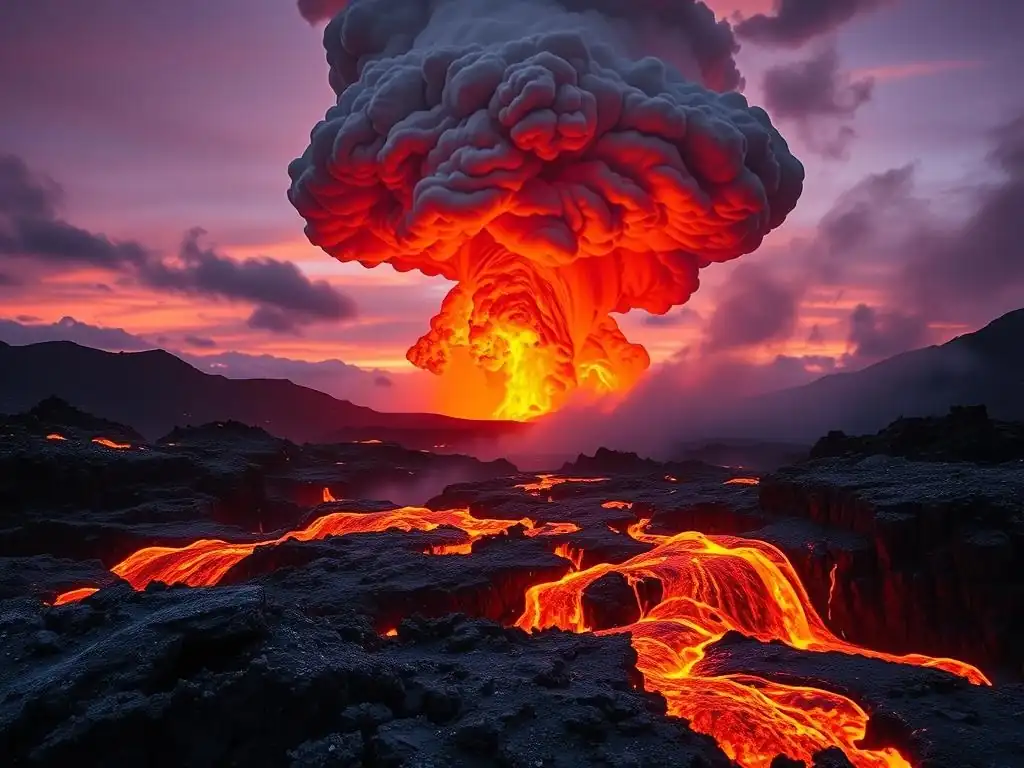
Welcome to Volcano Explorers, where the Earth breathes fire and the land whispers tales of ancient power. Are you ready to unravel the mysteries hidden within the plumes of Icelandic eruptions? Dive into our latest investigation to understand the profound and often unseen Iceland volcanic gases effects on our atmosphere. What secrets do these ethereal clouds hold, and how are they reshaping our world? Continue your exploration and discover the answers within...
- Introduction: Iceland's Volcanic Activity and Atmospheric Impact
- Icelandic Volcanoes: Sources of Volcanic Gas Emissions
- The Atmospheric Effects of Icelandic Volcanic Gases
- Monitoring and Measuring Volcanic Gases in Iceland
- Long-Term Effects and Future Research Directions
- Conclusion: The Importance of Understanding Iceland's Volcanic Gas Effects
-
Frequently Asked Questions
- What are the primary volcanic gases released during Icelandic eruptions?
- How do volcanic gases affect air quality in Iceland?
- What are the long-term atmospheric effects of Icelandic volcanic eruptions?
- What precautions should residents of Iceland take during volcanic gas emissions?
- How do scientists monitor volcanic gas emissions in Iceland?
- Final Reflection: Breathing in the Volcanic Breath of Iceland
- Unearth Your Inner Volcanologist!
Introduction: Iceland's Volcanic Activity and Atmospheric Impact
A Brief Overview of Iceland's Volcanic Landscape
Iceland, aptly named the "Land of Fire and Ice," is a volcanic island nation situated in the North Atlantic Ocean. Its dramatic landscapes are sculpted by intense geological activity, a direct consequence of its location along the Mid-Atlantic Ridge, a divergent plate boundary. This unique tectonic setting results in a high concentration of active volcanoes, geothermal areas, and vast lava fields.
Approximately 30 active volcanic systems are found in Iceland, including well-known names like Katla, Hekla, and Grímsvötn, many of which are subglacial, adding another layer of complexity to their eruptions. The island's geology is predominantly basaltic, formed from successive layers of lava flows accumulated over millions of years.
Glaciers cover roughly 11% of Iceland’s surface, interacting dynamically with the underlying volcanic systems, leading to phenomena like jökulhlaups (glacial outburst floods) and explosive phreatomagmatic eruptions when magma interacts with ice. This combination of fire and ice creates a unique environment where volcanic gases play a crucial role in shaping not only the immediate surroundings but also the wider atmosphere.
Iceland's volcanic landscape is not only visually striking but also profoundly influential on its environment and climate. The constant release of geothermal energy and volcanic gases from vents, fumaroles, and during eruptions contributes significantly to the island's atmospheric composition. The interplay between volcanic activity and Iceland’s northerly latitude and oceanic climate creates unique atmospheric phenomena.
Furthermore, the island's geographical position makes it a key location for studying the long-range transport of volcanic gases and their impact on regional and potentially global atmospheric processes. Understanding the specifics of Iceland's volcanic gas emissions is therefore essential to comprehending the broader environmental implications of volcanic activity in this dynamic region.
The Significance of Studying Volcanic Gases in Iceland
Studying volcanic gases in Iceland holds immense significance due to several interconnected factors. Firstly, Iceland's high frequency of volcanic eruptions provides scientists with unparalleled opportunities to observe volcanic gas emissions in action. The relatively accessible nature of many Icelandic volcanoes, coupled with advanced monitoring infrastructure, allows for detailed real-time data collection during eruptions.
This data is crucial for understanding the composition, volume, and dispersion patterns of volcanic gases, which in turn informs our knowledge of volcanic processes and eruption dynamics. Secondly, the atmospheric effects of Iceland volcanic gases effects are particularly relevant in the context of both regional and global climate. Volcanic gases, such as sulfur dioxide (SO2) and carbon dioxide (CO2), have significant impacts on atmospheric chemistry and radiative forcing, influencing phenomena like acid rain, aerosol formation, and potentially even short-term cooling or long-term warming trends.
Moreover, the study of Iceland volcanic gases effects is vital for assessing and mitigating hazards to human health and infrastructure. Volcanic gas plumes can travel long distances, affecting air quality and posing respiratory risks to populations both locally and downwind. The formation of volcanic smog, known as "vog," is a recurring issue in Iceland, impacting local communities.
Understanding the specific gases released, their concentrations, and their atmospheric transformations is critical for developing effective monitoring and early warning systems, as well as public health advisories. Furthermore, research into Icelandic volcanic gases contributes to a broader understanding of volcanic impacts on the environment globally, as Iceland serves as a natural laboratory for studying these complex interactions in a relatively well-defined and intensely active volcanic setting.
Icelandic Volcanoes: Sources of Volcanic Gas Emissions
Common Types of Volcanic Gases Released in Iceland
Icelandic volcanoes, like volcanoes globally, release a variety of gases into the atmosphere, with the composition and proportions varying depending on the magma source, eruption style, and geological setting. The most abundant volcanic gas is water vapor (H2O), often making up more than 60% of the total gas emissions. This water vapor originates from both magmatic sources and the interaction of magma with groundwater or glacial ice.
Carbon dioxide (CO2) is another significant component, typically the second most abundant gas, contributing to the greenhouse effect. Sulfur dioxide (SO2) is also a major volcanic gas, particularly relevant for its atmospheric impacts like acid rain and aerosol formation.
Hydrogen sulfide (H2S), while present in smaller quantities, is notable for its pungent odor and contribution to local air quality issues. Halogen gases, such as hydrogen fluoride (HF) and hydrogen chloride (HCl), are released in trace amounts but are highly reactive and can have significant environmental and health consequences due to their acidity and toxicity.
The relative proportions of these gases can change dramatically during different phases of volcanic activity. For instance, during periods of degassing between eruptions, the gas flux may be dominated by CO2 and H2O, while eruptive phases can see a surge in SO2 and halogen emissions. The specific types of Iceland volcanic gases effects are therefore closely linked to the eruptive style and the overall volcanic activity of the region. Understanding the typical gas mixtures released from Icelandic volcanoes is crucial for predicting and mitigating the environmental and health impacts associated with these emissions.
Sulfur Dioxide (SO2) Emissions from Icelandic Volcanoes
Sulfur dioxide (SO2) is a prominent volcanic gas emitted from Icelandic volcanoes, characterized by its pungent, irritating odor. It originates from the sulfur content within magma, released during degassing processes both before, during, and after eruptions. Iceland's basaltic volcanism, often associated with effusive and explosive eruptions, is a significant source of SO2 emissions into the atmosphere.
Studies have shown that Icelandic volcanoes, both during eruptions and through persistent degassing from geothermal areas and fumaroles, contribute a substantial amount of SO2 to the global volcanic sulfur budget. For example, the Bárðarbunga eruption in 2014-2015 was estimated to have released approximately 11-12 megatons of SO2 over its six-month duration, impacting air quality across Europe and the North Atlantic.
The atmospheric lifetime of SO2 is relatively short, ranging from days to weeks, as it undergoes oxidation and transformation into sulfate aerosols. However, during this period, SO2 can have significant regional and even hemispheric impacts. In Iceland, high concentrations of SO2 can lead to the formation of volcanic smog (vog), causing respiratory irritation and other health issues.
Furthermore, SO2 is a precursor to acid rain, which can acidify soils and water bodies, impacting ecosystems. Monitoring Iceland volcanic gases effects, particularly SO2 emissions, is therefore crucial for assessing air quality, understanding volcanic activity, and predicting potential environmental and health consequences. Satellite-based instruments like the Ozone Monitoring Instrument (OMI) and ground-based networks are used to track SO2 plumes from Icelandic volcanoes, providing valuable data for scientific research and public safety.
Carbon Dioxide (CO2) Release During Icelandic Eruptions
Carbon dioxide (CO2) is another key volcanic gas released from Icelandic volcanoes, though often less immediately noticeable than SO2 due to its lack of odor and direct local health impacts at typical volcanic concentrations. CO2 is a greenhouse gas, and while volcanic CO2 emissions are dwarfed by anthropogenic emissions on a global scale, they are nonetheless important for understanding the Earth's carbon cycle and the long-term climate effects of volcanism. Iceland, with its high level of volcanic and geothermal activity, is a persistent source of volcanic CO2.
Estimates suggest that global volcanic CO2 emissions are in the range of 0.2 to 0.4 gigatons per year, and Iceland contributes a measurable fraction of this total. For instance, studies of degassing at Icelandic volcanoes, including non-eruptive degassing from geothermal areas, indicate significant CO2 fluxes.
While individual Icelandic eruptions may release substantial amounts of CO2, the overall contribution to short-term atmospheric CO2 concentration changes is relatively small compared to the cumulative effect of ongoing degassing and the long-term geological carbon cycle. However, the cumulative effect of volcanic CO2 over geological timescales has played a significant role in Earth's climate history.
In Iceland, monitoring CO2 emissions from volcanoes and geothermal areas is important for understanding the overall carbon budget of the region and for assessing the longer-term climate implications of Iceland volcanic gases effects. Research efforts include continuous measurements of CO2 fluxes from volcanic vents and geothermal fields, using techniques like infrared gas analyzers and eddy covariance methods, to better quantify the contribution of Icelandic volcanism to atmospheric CO2.
Hydrogen Fluoride (HF) and Other Halogen Gases
Hydrogen fluoride (HF) and other halogen gases, such as hydrogen chloride (HCl), are released from Icelandic volcanoes in smaller quantities compared to water vapor, carbon dioxide, and sulfur dioxide, but they are highly reactive and potent in their environmental and health impacts. HF, in particular, is a highly toxic gas that can cause severe respiratory irritation, eye damage, and even skeletal fluorosis in animals exposed to prolonged or high concentrations.
Halogen gases are typically released during explosive eruptions, especially those involving interaction with ice or water (phreatomagmatic eruptions), as the rapid cooling and fragmentation of magma can enhance the release of volatile components like halogens.
During past Icelandic eruptions, such as the Lakagígar eruption in 1783-1784, the release of HF had devastating consequences for agriculture and livestock. The "Mist Hardship" that followed the Laki eruption was partly attributed to HF poisoning, leading to widespread livestock deaths and famine. Even in more recent eruptions, like the Grímsvötn eruption in 2011 and the Eyjafjallajökull eruption in 2010, while SO2 received more public attention, HF was also detected in volcanic plumes, albeit at lower concentrations than during the Laki event.
The Iceland volcanic gases effects associated with HF are primarily local, impacting vegetation, water sources, and animal health in the vicinity of volcanic activity. Monitoring HF and other halogen gas emissions is crucial for assessing potential risks to agriculture and ecosystems, particularly in areas downwind of active volcanoes. Specialized gas analyzers and sampling techniques are used to detect and quantify these reactive gases in volcanic plumes.
Water Vapor (H2O) as a Significant Volcanic Gas
Water vapor (H2O) is the most abundant volcanic gas released from Icelandic volcanoes, often constituting over 60% of the total gas emissions. Its significance stems from its sheer volume and its role in volcanic eruption dynamics and atmospheric processes. The source of volcanic water vapor is multifaceted, including magmatic water dissolved in the melt, groundwater heated and vaporized by magma intrusions, and, in the case of Iceland's subglacial volcanoes, the melting of glacial ice during eruptions.
The interaction of magma with water, particularly in phreatomagmatic eruptions, can lead to highly explosive events due to the rapid expansion of steam. This was notably observed during the Eyjafjallajökull eruption in 2010, where the interaction of magma with glacial ice enhanced the explosivity and ash production, although the gas composition was still dominated by water vapor.
While water vapor itself is a greenhouse gas, its volcanic contribution to global warming is considered relatively minor compared to anthropogenic emissions. However, in the immediate vicinity of volcanic eruptions, large plumes of water vapor can influence local weather patterns, contributing to cloud formation and precipitation. Furthermore, water vapor plays a crucial role in the transport and deposition of other volcanic gases and aerosols.
It can condense and scavenge soluble gases like SO2 and HCl, leading to acid rain and altering the atmospheric chemistry downwind of volcanoes. Understanding the dynamics of water vapor release and its interaction with other Iceland volcanic gases effects is essential for modeling volcanic plumes, predicting eruption behavior, and assessing the broader atmospheric impacts of Icelandic volcanism.
Major Eruptions in Iceland and Their Gas Signatures
Major eruptions in Iceland have distinct gas signatures, reflecting differences in magma composition, eruption style, and geological setting. Studying these signatures provides valuable insights into volcanic processes and their atmospheric impacts.
Eyjafjallajökull Eruption (2010): A Case Study of Gas Dispersion
The 2010 eruption of Eyjafjallajökull volcano, while relatively small in terms of erupted volume compared to some other Icelandic eruptions, had a disproportionately large impact due to its ash plume and gas emissions. The eruption was characterized by its phreatomagmatic nature, resulting from the interaction of basaltic andesite magma with glacial ice. This interaction enhanced the explosivity and produced a fine-grained ash plume that reached altitudes of up to 9 km.
In terms of gas emissions, the Eyjafjallajökull eruption released significant quantities of sulfur dioxide (SO2), estimated to be around 0.13 megatons over the main eruptive phase. The SO2 plume was detected by satellite instruments and ground-based stations, showing a clear dispersion pattern across Europe.
The Iceland volcanic gases effects from Eyjafjallajökull were primarily associated with the SO2 plume, which contributed to air quality issues in downwind regions and had implications for aviation safety. While the eruption was not exceptionally large in gas output compared to some other volcanic events globally, its location and the prevailing atmospheric conditions led to widespread disruption of air travel over Europe.
The eruption served as a case study in the long-range transport of volcanic gases and ash and highlighted the importance of monitoring volcanic gas emissions for aviation hazard assessment. Analysis of the Eyjafjallajökull gas plume provided valuable data on the dispersion of volcanic gases and their impact on regional air quality, emphasizing the interconnectedness of volcanic activity and atmospheric processes.
Bárðarbunga Eruption (2014-2015): Monitoring Gas Plumes and Impacts
The Bárðarbunga eruption, which occurred from August 2014 to February 2015 at the Holuhraun lava field, was one of Iceland's largest effusive eruptions in recent centuries. Unlike Eyjafjallajökull, Bárðarbunga was predominantly effusive, characterized by the outpouring of basaltic lava over a period of six months. However, it was also a significant source of volcanic gas emissions, particularly sulfur dioxide (SO2).
Estimates suggest that the Bárðarbunga eruption released approximately 11-12 megatons of SO2, making it one of the largest volcanic SO2 emitters globally in that period. The SO2 plume from Bárðarbunga was extensively monitored using satellite instruments, ground-based networks, and airborne measurements, providing a detailed picture of its dispersion and atmospheric impacts.
The Iceland volcanic gases effects from Bárðarbunga were primarily related to air quality. High concentrations of SO2 were measured across Iceland and in downwind regions of Europe, leading to the formation of volcanic smog (vog), particularly in Iceland. The eruption served as a real-time laboratory for studying the formation and dispersion of large volcanic gas plumes and their impact on regional air quality.
Health advisories were issued in Iceland due to vog, and studies were conducted to assess the respiratory health impacts of prolonged exposure to volcanic gases. The Bárðarbunga eruption underscored the importance of continuous monitoring of volcanic gas emissions, especially during prolonged effusive eruptions, for public health and environmental management.
Grímsvötn Eruption (2011): Atmospheric Injection and Regional Impacts
The 2011 eruption of Grímsvötn volcano was a short-lived but powerful explosive eruption that injected a volcanic plume high into the atmosphere. Grímsvötn is Iceland's most frequently erupting volcano, and its eruptions are often characterized by their explosivity due to subglacial magma-water interaction. The 2011 eruption produced a plume that reached altitudes of over 20 km, penetrating the stratosphere and injecting volcanic aerosols and gases into the upper atmosphere. In terms of gas emissions, the Grímsvötn eruption released a significant pulse of sulfur dioxide (SO2), estimated to be around 0.5-1 megaton, in a relatively short period of time.
The Iceland volcanic gases effects from Grímsvötn were notable for their regional atmospheric impact. The high altitude injection of SO2 led to the formation of sulfate aerosols in the stratosphere, which can have a cooling effect on climate by reflecting sunlight back into space. However, the short duration of the eruption and the relatively modest amount of SO2 injected meant that the climate cooling effect was likely small and short-lived compared to larger stratospheric eruptions.
The Grímsvötn eruption also caused some disruption to air travel in northern Europe, although less extensive than the Eyjafjallajökull eruption the previous year. The eruption provided valuable data on the atmospheric injection and dispersion of volcanic plumes from explosive Icelandic eruptions and highlighted the potential for even relatively short-lived eruptions to have regional and potentially global atmospheric consequences.
The Atmospheric Effects of Icelandic Volcanic Gases
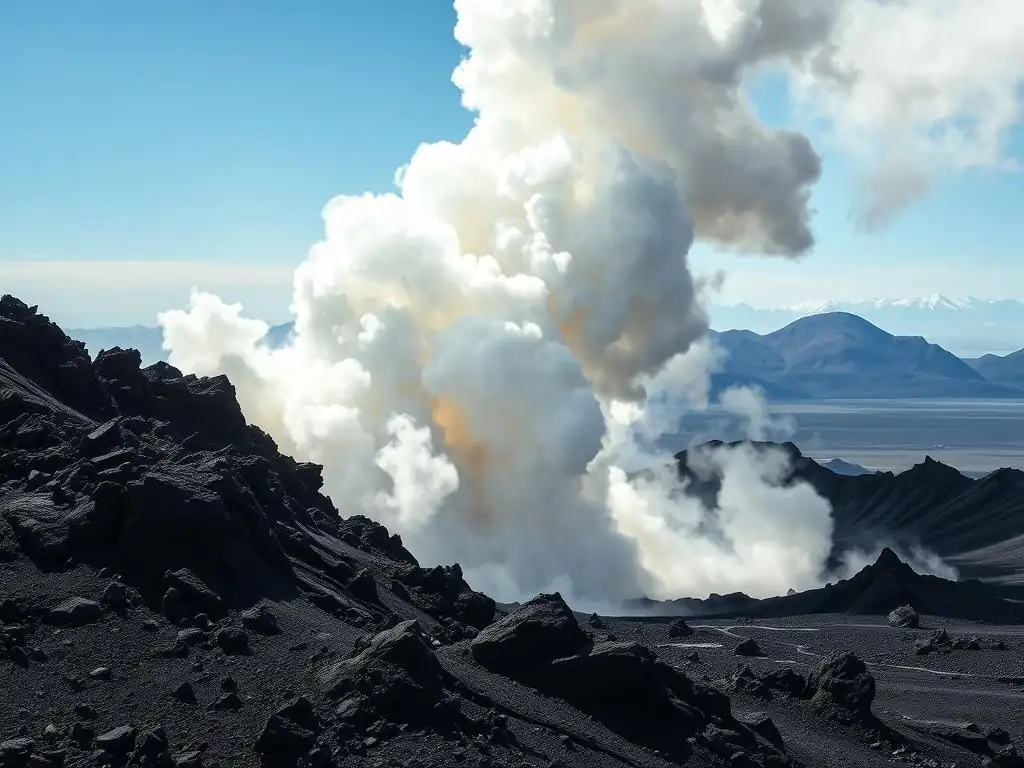
Acid Rain Formation and its Impact on Icelandic Ecosystems
Volcanic gases emitted from Icelandic volcanoes contribute significantly to acid rain formation, impacting the island's delicate ecosystems. When gases like sulfur dioxide (SO2) and hydrogen chloride (HCl) are released into the atmosphere, they undergo chemical reactions with water vapor, oxygen, and other atmospheric constituents. These reactions lead to the formation of sulfuric acid (H2SO4) and hydrochloric acid (HCl), which are the primary components of acid rain.
In Iceland, the frequent volcanic eruptions and persistent degassing from geothermal areas mean that acid rain is a recurring environmental stressor, particularly in areas downwind of volcanic activity and geothermal regions. The prevailing westerly winds in Iceland often carry volcanic plumes eastward, affecting large parts of the island.
The Iceland volcanic gases effects manifested as acid rain have noticeable impacts on vegetation, soils, and water bodies. Icelandic ecosystems, while adapted to volcanic activity, are still vulnerable to the increased acidity. Acid rain can leach essential nutrients from soils, such as calcium and magnesium, while releasing toxic metals like aluminum, which can be harmful to plants and aquatic life.
The acidification of lakes and rivers can disrupt aquatic ecosystems, affecting fish populations and other aquatic organisms. Forests, although limited in Iceland, are also susceptible to acid rain damage, with potential impacts on leaf damage, reduced growth, and increased susceptibility to diseases.
The Chemistry of Acid Rain from Volcanic Emissions
The formation of acid rain from volcanic emissions is a complex series of atmospheric chemical reactions, primarily involving sulfur dioxide (SO2) and, to a lesser extent, other acidic gases like hydrogen chloride (HCl). The dominant pathway for acid rain formation from volcanic SO2 is through oxidation in the atmosphere. Initially, SO2 reacts with hydroxyl radicals (OH•) in the presence of sunlight, forming sulfurous acid (H2SO3). This sulfurous acid is then further oxidized, typically by hydrogen peroxide (H2O2) or ozone (O3), to form sulfuric acid (H2SO4). The chemical reactions can be simplified as follows:
- SO2 + OH• → HOSO2•
- HOSO2• + O2 → HO2• + SO3
- SO3 + H2O → H2SO4
Similarly, hydrogen chloride (HCl), although usually emitted in smaller quantities than SO2, also contributes to acid rain. HCl readily dissolves in water vapor to form hydrochloric acid (HCl(aq)). These acid formation processes can occur both in the gas phase and in cloud droplets, enhancing the efficiency of acid rain production. The resulting acidic compounds are then incorporated into precipitation, falling to the ground as acid rain, snow, or fog. The Iceland volcanic gases effects related to acid rain chemistry are influenced by factors like atmospheric conditions, sunlight intensity, and the availability of oxidants, which can vary seasonally and geographically.
Effects on Vegetation, Soil, and Water Bodies in Iceland
The acid rain resulting from Iceland volcanic gases effects has several detrimental impacts on Icelandic ecosystems, affecting vegetation, soils, and water bodies. Icelandic vegetation, including mosses, lichens, grasses, and dwarf shrubs, can be directly damaged by acid rain. Acidic deposition can cause leaf damage, reduce photosynthetic efficiency, and weaken plant defenses against diseases and pests. In areas with frequent acid rain events, visible damage to vegetation, such as leaf browning and dieback, can be observed. Lichens and mosses, which are particularly sensitive to air pollution, can decline in abundance and diversity in areas affected by acid rain.
Soils in Iceland, often volcanic in origin and relatively young, are also vulnerable to acidification. Acid rain can leach essential nutrients like calcium, magnesium, and potassium from soils, reducing soil fertility. It can also mobilize toxic metals, such as aluminum, from soil minerals, increasing their bioavailability and potential uptake by plants and leaching into water bodies. The acidification of water bodies, including lakes and rivers, can lower the pH, making them less hospitable to aquatic life.
Fish populations can be particularly sensitive to acidification, with some species unable to tolerate low pH levels. Acid rain can also affect the overall biodiversity of aquatic ecosystems and disrupt food webs. Long-term exposure to acid rain can lead to cumulative damage to Icelandic ecosystems, impacting their resilience and ecological integrity.
Climate Change Implications of Volcanic Gas Emissions
Volcanic gas emissions, including those from Icelandic volcanoes, have complex and sometimes contrasting implications for climate change. While volcanic eruptions are often associated with dramatic short-term cooling effects, they also release greenhouse gases like carbon dioxide (CO2) that contribute to long-term warming.
The Role of CO2 in Global Warming
Volcanic eruptions release carbon dioxide (CO2), a potent greenhouse gas that traps heat in the Earth's atmosphere and contributes to global warming. Icelandic volcanoes, both during eruptions and through persistent degassing from geothermal areas, are a continuous source of volcanic CO2 emissions. Globally, volcanic CO2 emissions are estimated to be in the range of 0.2 to 0.4 gigatons per year.
While this is significantly smaller than anthropogenic CO2 emissions from burning fossil fuels, which are currently around 35-40 gigatons per year, volcanic CO2 has played a role in Earth's climate history over geological timescales. The long-term accumulation of volcanic CO2 in the atmosphere has contributed to past periods of warmer climates.
However, in the context of contemporary climate change, the immediate impact of Iceland volcanic gases effects related to CO2 is relatively minor compared to human-induced emissions. The focus of climate change mitigation efforts remains on reducing anthropogenic greenhouse gas emissions, as these are the dominant driver of current global warming. Nevertheless, understanding the contribution of volcanic CO2 to the Earth's carbon cycle is important for a complete picture of climate dynamics. Scientific research continues to refine estimates of volcanic CO2 emissions and their long-term climatic implications.
Sulfate Aerosols and Short-Term Cooling Effects
In contrast to the warming effect of volcanic CO2, volcanic eruptions, particularly explosive ones that inject sulfur dioxide (SO2) into the stratosphere, can cause short-term cooling of the Earth's climate. When SO2 reaches the stratosphere, it reacts with water vapor to form sulfate aerosols, tiny particles that reflect sunlight back into space.
This process reduces the amount of solar radiation reaching the Earth's surface, leading to a temporary cooling effect. Major volcanic eruptions, such as the 1991 eruption of Mount Pinatubo in the Philippines, which injected a large amount of SO2 into the stratosphere, have been shown to cause global average temperature decreases of up to 0.5°C for several years.
Icelandic volcanoes, while capable of explosive eruptions, are generally less prone to injecting massive amounts of SO2 into the stratosphere compared to some volcanoes in the tropics or at higher latitudes. However, eruptions like Grímsvötn in 2011 have demonstrated that Icelandic volcanoes can still inject plumes high enough to reach the stratosphere and potentially contribute to regional or even hemispheric cooling. The magnitude and duration of the cooling effect depend on the amount of SO2 injected, the altitude of injection, and atmospheric circulation patterns.
The Iceland volcanic gases effects related to sulfate aerosols are typically short-lived, lasting from months to a few years, as the aerosols gradually settle out of the stratosphere. These short-term cooling effects are superimposed on the longer-term warming trend driven by greenhouse gases.
Air Quality Concerns and Human Health Impacts in Iceland
Volcanic gas emissions from Icelandic volcanoes pose significant air quality concerns and potential health risks to the population, particularly in areas frequently affected by volcanic plumes. The primary air quality pollutant from Icelandic volcanism is sulfur dioxide (SO2), which, as discussed earlier, leads to the formation of volcanic smog (vog) and acid rain.
Volcanic Smog (Vog) Formation and Health Risks
Volcanic smog, or vog, is a type of air pollution that forms when volcanic gases, primarily sulfur dioxide (SO2), react with moisture and sunlight in the atmosphere. Vog is a common occurrence in Iceland, especially during periods of volcanic activity or persistent degassing from geothermal areas. The formation of vog is enhanced by stable atmospheric conditions and sunlight, which promote the photochemical reactions that convert SO2 into sulfate aerosols and sulfuric acid. Vog appears as a hazy bluish or brownish smog, reducing visibility and affecting air quality.
The health risks associated with vog exposure are primarily respiratory. SO2 is a respiratory irritant, and vog can exacerbate pre-existing respiratory conditions like asthma, bronchitis, and emphysema. Symptoms of vog exposure can include coughing, wheezing, shortness of breath, chest tightness, and eye and throat irritation. Individuals with respiratory illnesses, children, the elderly, and those engaging in outdoor activities are particularly vulnerable to the health effects of vog.
The severity of health impacts depends on the concentration of SO2 in the vog and the duration of exposure. During periods of intense vog, public health advisories are often issued in Iceland, recommending people to limit outdoor activities and take precautions to minimize exposure. Understanding Iceland volcanic gases effects on vog formation is crucial for managing public health risks.
Respiratory Problems Associated with Volcanic Gas Exposure
Exposure to volcanic gases, particularly sulfur dioxide (SO2) and hydrogen sulfide (H2S), can lead to a range of respiratory problems. As mentioned, SO2 is a known respiratory irritant, causing inflammation of the airways and exacerbating conditions like asthma. Even in healthy individuals, exposure to elevated levels of SO2 can trigger coughing, wheezing, and shortness of breath.
Prolonged or repeated exposure can lead to chronic respiratory problems. Hydrogen sulfide (H2S), although typically present in lower concentrations than SO2 in volcanic plumes, is also a respiratory irritant and, at higher concentrations, can be toxic. H2S has a characteristic rotten egg odor, even at low concentrations, which can serve as a warning sign.
Beyond SO2 and H2S, other volcanic gases, such as hydrogen fluoride (HF) and hydrogen chloride (HCl), are also respiratory irritants. HF is particularly hazardous and can cause severe lung damage. Exposure to volcanic ash, which often accompanies volcanic gas plumes, can also irritate the respiratory system and contribute to respiratory problems. The fine particles in volcanic ash can penetrate deep into the lungs and exacerbate existing respiratory conditions. The Iceland volcanic gases effects on respiratory health are a significant concern for populations living in volcanic areas and require ongoing monitoring and public health measures.
Monitoring and Mitigation Strategies for Public Health
Monitoring volcanic gases and implementing mitigation strategies are essential for protecting public health in Iceland from the adverse effects of volcanic emissions. Real-time monitoring of SO2 concentrations and vog formation is crucial for providing timely warnings to the public. Monitoring networks, including ground-based sensors and satellite instruments, are used to track volcanic gas plumes and assess air quality conditions. Public health authorities issue advisories and recommendations based on monitoring data, advising people to stay indoors, use air purifiers, and avoid strenuous outdoor activities during vog events.
Mitigation strategies to reduce exposure to volcanic gases are primarily focused on minimizing outdoor activities and improving indoor air quality. During vog events, people are advised to close windows and doors, seal gaps to prevent vog from entering buildings, and use air conditioning or air purifiers to filter out pollutants. Wearing masks, particularly N95 respirators, can provide some protection against inhaling volcanic gases and ash particles when outdoor exposure is unavoidable.
Long-term mitigation strategies include urban planning and zoning to minimize residential development in areas most frequently affected by vog, and promoting public awareness and education about the health risks of volcanic gases and protective measures. Continued research into Iceland volcanic gases effects on public health is essential for refining monitoring and mitigation strategies and improving preparedness for volcanic events.
Monitoring and Measuring Volcanic Gases in Iceland
Remote Sensing Techniques for Gas Detection
Remote sensing techniques play a crucial role in monitoring volcanic gases in Iceland, providing a wide-area and continuous view of gas plumes, especially in remote and inaccessible volcanic regions. These techniques primarily utilize satellite-based instruments and, to a lesser extent, ground-based remote sensing systems.
Satellite-Based Monitoring of SO2 Plumes
Satellite-based instruments are particularly effective for monitoring sulfur dioxide (SO2) plumes from Icelandic volcanoes due to their ability to cover large areas and provide near-real-time data. Instruments like the Ozone Monitoring Instrument (OMI) on NASA's Aura satellite, the Tropospheric Monitoring Instrument (TROPOMI) on the European Space Agency's Sentinel-5P satellite, and the Ozone Mapping and Profiler Suite (OMPS) on NOAA's Suomi NPP and JPSS satellites are widely used to detect and quantify SO2 in volcanic plumes.
These instruments measure the absorption of ultraviolet (UV) and visible light by SO2 in the atmosphere. By analyzing the spectral signatures, scientists can retrieve the column amount of SO2, essentially the total amount of SO2 in a vertical column of air.
Satellite data provide valuable information on the spatial extent, concentration, and temporal evolution of SO2 plumes from Icelandic eruptions. They allow for tracking the dispersion of plumes, estimating SO2 emission rates, and assessing the regional and even hemispheric impact of volcanic gas releases. For example, during the Bárðarbunga eruption in 2014-2015, satellite data were instrumental in monitoring the large SO2 plume and its transport across Europe.
Satellite monitoring is crucial for understanding Iceland volcanic gases effects on a large scale and for providing early warnings of significant gas releases. The data are used by volcanologists, atmospheric scientists, and air quality agencies for research, forecasting, and public health advisories.
Ground-Based Spectrometers and Gas Analyzers
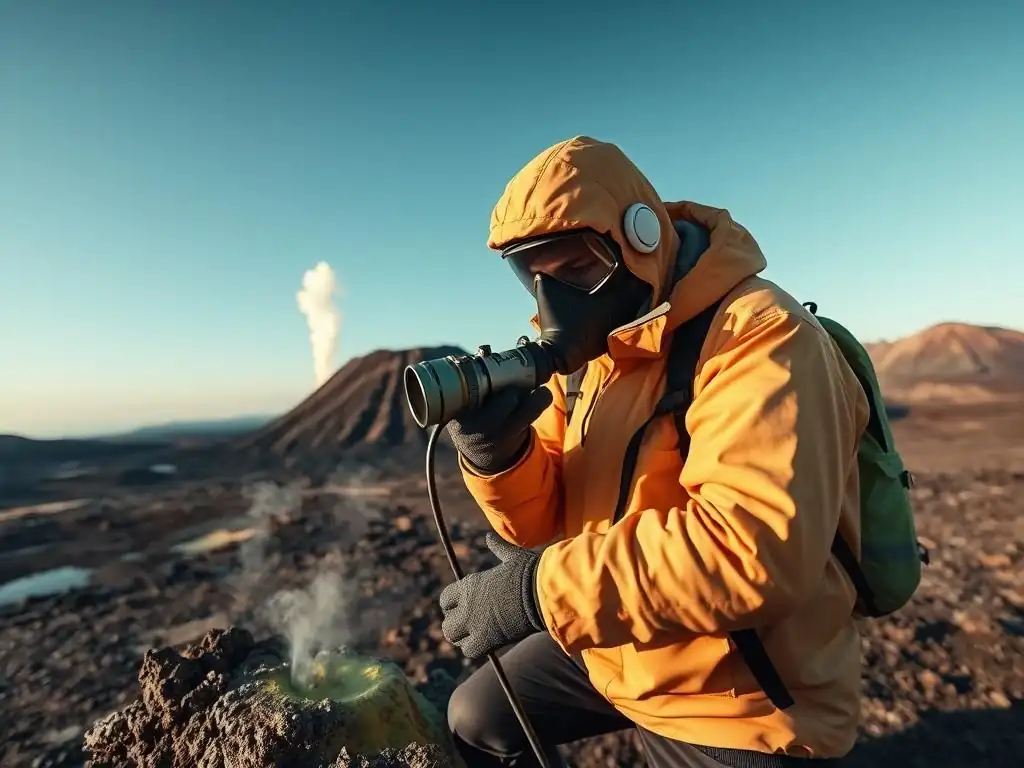
While satellite instruments provide broad coverage, ground-based spectrometers and gas analyzers offer more localized and often higher-resolution measurements of volcanic gases in Iceland. Ground-based remote sensing techniques include UV spectrometers, infrared spectrometers, and differential optical absorption spectroscopy (DOAS) systems. These instruments measure the absorption or emission of light by specific gases in the volcanic plume, allowing for the determination of gas concentrations. For example, UV spectrometers can measure SO2 concentrations by analyzing the absorption of UV light by the gas plume passing between the instrument and a light source (e.g., the sun or an artificial light).
Portable gas analyzers are also deployed in the field to directly measure the concentrations of various volcanic gases, such as SO2, CO2, H2S, and HCl, near volcanic vents, fumaroles, or in volcanic plumes. These analyzers often use electrochemical sensors or non-dispersive infrared (NDIR) techniques to measure gas concentrations.
Ground-based measurements provide valuable complementary data to satellite observations, allowing for validation of satellite retrievals, detailed studies of gas plume composition at specific locations, and continuous monitoring at key volcanic sites. These techniques are essential for understanding the fine-scale details of Iceland volcanic gases effects and for calibrating and improving remote sensing methods.
In-Situ Sampling and Analysis of Volcanic Gases
In-situ sampling and analysis of volcanic gases involve direct collection of gas samples at volcanic vents or in volcanic plumes and subsequent laboratory analysis. These techniques provide the most detailed and accurate information on the composition of volcanic gases but are often more challenging and logistically complex to implement compared to remote sensing methods.
Direct Measurements at Volcanic Vents
Direct measurements at volcanic vents involve deploying instruments and collecting gas samples directly at fumaroles, volcanic craters, or other gas emission sources. This often requires fieldwork in hazardous environments, close to active volcanic areas.
Techniques for direct gas sampling include using gas collection bottles or tubes evacuated prior to sampling, or using specialized gas collection systems that allow for real-time analysis in the field. Gas samples collected in bottles are typically analyzed in laboratories using techniques like gas chromatography (GC) and mass spectrometry (MS) to determine the concentrations of various gas components, including major gases like H2O, CO2, SO2, H2S, and trace gases like halogen gases and noble gases.
Direct measurements at volcanic vents provide the most accurate determination of volcanic gas composition at the source, allowing for detailed characterization of magmatic degassing processes and the composition of magmatic volatiles. These measurements are crucial for understanding the origin and evolution of volcanic gases and for calibrating remote sensing techniques. However, direct vent measurements are often limited to accessible locations and may not be representative of the entire volcanic system's gas output. Understanding Iceland volcanic gases effects requires integrating vent measurements with broader-scale remote sensing observations.
Airborne Gas Sampling Techniques
Airborne gas sampling techniques involve using aircraft, such as airplanes or helicopters, to collect gas samples in volcanic plumes at various altitudes and distances from the source. Airborne sampling allows for accessing volcanic plumes that are difficult or impossible to reach from the ground and provides a vertical profile of gas concentrations within the plume.
Specialized instruments and sampling systems are mounted on aircraft to collect gas samples and measure gas concentrations in-situ during flight. Techniques used for airborne gas sampling include using evacuated canisters to collect grab samples of plume gases, or using continuous gas analyzers mounted on the aircraft to measure gas concentrations in real-time.
Airborne measurements are particularly valuable for studying the dispersion and transformation of volcanic gases in the atmosphere. They allow for tracking the evolution of gas plumes downwind of volcanoes, studying the formation of secondary pollutants like sulfate aerosols, and assessing the vertical distribution of gases in the atmosphere. Airborne sampling campaigns have been conducted during several Icelandic eruptions, providing valuable data on the atmospheric transport and chemical evolution of Iceland volcanic gases effects. These measurements complement both satellite and ground-based observations, providing a more comprehensive understanding of volcanic gas plumes and their atmospheric impacts.
Long-Term Effects and Future Research Directions
Predicting Future Volcanic Gas Emissions in Iceland
Predicting future volcanic gas emissions in Iceland is a complex but crucial task for hazard assessment and environmental management. While precise prediction of individual eruptions and their exact gas output remains challenging, scientists are working on improving eruption forecasting and developing models to estimate potential gas emissions.
Geological and Geophysical Monitoring for Eruption Forecasting
Geological and geophysical monitoring plays a vital role in eruption forecasting in Iceland, which indirectly contributes to predicting potential volcanic gas emissions. Iceland has a dense network of monitoring instruments, including seismometers, GPS stations, tiltmeters, and strainmeters, that continuously monitor volcanic activity. Seismic activity is a primary indicator of magma movement and potential eruptions. Changes in ground deformation, measured by GPS and tiltmeters, can also signal magma accumulation or movement beneath the surface. Gas monitoring, including continuous measurements of CO2 and SO2 fluxes from volcanoes and geothermal areas, can also provide early warning signs of increased volcanic activity.
By analyzing these monitoring data, volcanologists can assess the state of volcanic systems, detect signs of unrest, and issue eruption warnings. Eruption forecasts typically include the probability of an eruption within a certain timeframe and the potential location of the eruption. While these forecasts do not directly predict gas emissions, they provide valuable information for anticipating potential gas releases.
Improved eruption forecasting is essential for mitigating the risks associated with Iceland volcanic gases effects and for preparedness planning. Ongoing research focuses on refining monitoring techniques, improving eruption forecasting models, and integrating different types of monitoring data for a more comprehensive assessment of volcanic hazards.
Modeling the Dispersion of Volcanic Plumes
Modeling the dispersion of volcanic plumes is crucial for predicting the spatial distribution of volcanic gases and their potential impact on air quality and human health. Atmospheric dispersion models use meteorological data, such as wind speed, wind direction, temperature, and atmospheric stability, along with information on volcanic gas emission rates and plume height, to simulate the transport and diffusion of volcanic gases in the atmosphere. These models can predict the concentration of volcanic gases at different locations downwind of the volcano and estimate the area affected by vog.
Advanced dispersion models also incorporate atmospheric chemistry to simulate the transformation of volcanic gases, such as the oxidation of SO2 to sulfate aerosols and the formation of acid rain. These models can provide valuable information for public health advisories, aviation hazard assessment, and environmental impact assessments. For example, during volcanic eruptions, dispersion models can be used to forecast the areas likely to be affected by vog and to guide public health recommendations.
Improving the accuracy of dispersion models requires better input data, including more precise estimates of volcanic gas emission rates, plume characteristics, and high-resolution meteorological data. Ongoing research focuses on developing more sophisticated dispersion models that can better capture the complex atmospheric processes influencing Iceland volcanic gases effects.
Ongoing Research on the Atmospheric Impact of Icelandic Volcanoes
Ongoing research continues to deepen our understanding of the atmospheric impact of Icelandic volcanoes, focusing on various aspects from the interaction of volcanic gases with the Arctic atmosphere to the long-term environmental consequences of volcanic activity.
Studying the Interaction Between Volcanic Gases and the Arctic Atmosphere
Iceland's location in the North Atlantic, bordering the Arctic region, makes it a key area for studying the interaction between volcanic gases and the Arctic atmosphere. The Arctic atmosphere is characterized by unique conditions, including low temperatures, ice and snow cover, and specific atmospheric chemistry.
Volcanic gases released in Iceland can be transported into the Arctic region, where they can interact with these unique atmospheric conditions, potentially leading to different chemical reactions and environmental impacts compared to lower latitudes. For example, the formation of sulfate aerosols in the Arctic atmosphere may be influenced by the presence of sea ice and snow, and the deposition of volcanic gases on snow and ice surfaces can have implications for ice albedo and melt processes.
Research in this area investigates the transport pathways of Iceland volcanic gases effects into the Arctic, the chemical transformations of these gases in the Arctic atmosphere, and their potential impact on Arctic climate and ecosystems. Studies involve atmospheric measurements in the Arctic region, modeling of atmospheric transport and chemistry, and analysis of ice core records to reconstruct past volcanic events and their Arctic impacts. Understanding the interaction between volcanic gases and the Arctic atmosphere is crucial for assessing the broader environmental consequences of Icelandic volcanism in a changing Arctic climate.
Assessing the Long-Term Environmental Consequences of Volcanic Activity
Assessing the long-term environmental consequences of volcanic activity in Iceland is an ongoing research area, focusing on the cumulative impacts of volcanic gas emissions on ecosystems, soils, and water resources over decades and centuries. While individual eruptions have immediate and often dramatic impacts, the persistent degassing from Icelandic volcanoes and the cumulative effect of frequent eruptions can lead to long-term environmental changes. For example, chronic exposure to acid rain from volcanic emissions can alter soil chemistry, reduce forest growth (where forests exist), and affect the biodiversity of terrestrial and aquatic ecosystems over extended periods.
Research in this area involves long-term monitoring of ecosystem health in volcanic regions, studies of soil and water chemistry changes over time, and paleoecological reconstructions to assess the long-term impact of volcanic activity on Icelandic environments. These studies aim to understand the resilience of Icelandic ecosystems to volcanic disturbances and to identify potential long-term environmental vulnerabilities. Assessing the long-term Iceland volcanic gases effects is essential for sustainable environmental management in Iceland and for understanding the broader ecological role of volcanism in shaping landscapes and ecosystems over geological timescales.
Conclusion: The Importance of Understanding Iceland's Volcanic Gas Effects
Summarizing the Key Impacts of Volcanic Gases on Iceland's Atmosphere and Environment
Volcanic gases released from Icelandic volcanoes exert a profound and multifaceted influence on Iceland's atmosphere and environment. The key impacts can be summarized as follows:
- Air Quality Degradation: Volcanic gases, particularly SO2, lead to the formation of volcanic smog (vog), causing respiratory problems and reducing air quality, especially during eruptions and periods of intense degassing.
- Acid Rain Formation: SO2 and other acidic gases contribute to acid rain, acidifying soils, lakes, and rivers, impacting vegetation, aquatic life, and soil fertility.
- Short-Term Climate Cooling: Explosive eruptions injecting SO2 into the stratosphere can lead to the formation of sulfate aerosols, causing short-term cooling of the climate.
- Long-Term Climate Warming Contribution: Volcanic CO2 emissions, while smaller than anthropogenic emissions, contribute to the greenhouse effect and long-term climate warming over geological timescales.
- Ecosystem Disruption: Acid rain, vog, and deposition of volcanic gases can disrupt Icelandic ecosystems, affecting vegetation, soils, water bodies, and biodiversity.
Understanding these Iceland volcanic gases effects is crucial for managing environmental risks, protecting public health, and mitigating the hazards associated with volcanic activity in Iceland. The continuous monitoring of volcanic gases, research into their atmospheric and environmental impacts, and development of effective mitigation strategies are essential for ensuring the sustainability and resilience of Iceland in the face of its dynamic volcanic landscape.
The Role of Scientific Research in Understanding and Mitigating Volcanic Hazards
Scientific research plays an indispensable role in understanding and mitigating volcanic hazards, including those related to volcanic gas emissions in Iceland. Through continuous monitoring, data analysis, modeling, and field studies, scientists are constantly improving our knowledge of volcanic processes, eruption dynamics, and the atmospheric and environmental impacts of volcanic gases. This research informs eruption forecasting, hazard assessment, and the development of effective mitigation strategies.
Scientific research provides the foundation for evidence-based decision-making in volcanic hazard management. It enables the development of early warning systems for volcanic eruptions and vog events, informs public health advisories, and guides environmental protection measures. International collaboration and data sharing among scientists from different disciplines are crucial for advancing our understanding of Iceland volcanic gases effects and for improving volcanic hazard preparedness globally. Continued investment in volcanic research, monitoring infrastructure, and scientific expertise is essential for reducing the risks associated with volcanic activity and for ensuring the safety and well-being of communities living in volcanic regions like Iceland.
Frequently Asked Questions
What are the primary volcanic gases released during Icelandic eruptions?
The most common volcanic gases released in Iceland are water vapor (H2O), carbon dioxide (CO2), and sulfur dioxide (SO2). These gases can have significant impacts on the surrounding environment.
How do volcanic gases affect air quality in Iceland?
Volcanic gases, particularly sulfur dioxide (SO2), can cause acid rain and respiratory problems, leading to poor air quality, especially downwind of eruptions. Wind direction significantly influences the reach of these effects.
What are the long-term atmospheric effects of Icelandic volcanic eruptions?
Large eruptions can inject sulfate aerosols into the stratosphere, leading to temporary cooling of the global climate. This is due to the increased reflection of sunlight.
What precautions should residents of Iceland take during volcanic gas emissions?
Residents should monitor air quality reports, stay indoors with windows closed, and follow guidance from local authorities during periods of high gas concentrations. Evacuation may be necessary in extreme cases.
How do scientists monitor volcanic gas emissions in Iceland?
Scientists utilize a combination of ground-based monitoring stations, satellite data, and airborne measurements to track the composition and dispersion of volcanic gases, providing crucial data for hazard assessment.
Final Reflection: Breathing in the Volcanic Breath of Iceland
The exploration of volcanic gases in Iceland, as we've seen, isn't just an academic exercise; it's a vital undertaking with immediate and far-reaching consequences. Understanding the atmospheric effects of these eruptions is crucial for safeguarding public health, informing aviation safety, and mitigating the environmental impact on a global scale. The delicate balance of our atmosphere is constantly being challenged, and Iceland, with its fiery heart, serves as a potent reminder of the Earth's dynamic power.
The pervasive influence of Icelandic volcanoes extends far beyond the island's shores. Witnessing the ash clouds disrupt air travel and the subtle shifts in global climate patterns underscores the interconnectedness of our world. The study of these gases is not merely about scientific curiosity; it's about understanding our place within a complex and volatile system. The Earth does not belong to us: we belong to the Earth.
- Marlee Matlin. This quote encapsulates the responsibility we have to comprehend and respect the forces that shape our planet.
As we conclude this exploration of Iceland's volcanic gases, I invite you to consider your own relationship with the natural world. How can we, as individuals and as a society, better understand and mitigate the impact of these powerful events? Let us strive to be informed, responsible stewards of our planet, working towards a future where we can coexist harmoniously with the forces that both challenge and sustain us.
Unearth Your Inner Volcanologist!
Thanks for exploring the fascinating world of Icelandic volcanic gases with us! We hope you now have a clearer understanding of how these eruptions impact our atmosphere. Now, it's time to put that knowledge into action!
Here are a few ways you can continue your exploration:
- Share this article with friends interested in environmental science or volcanology. Help spread awareness about the atmospheric impacts of volcanic eruptions.
- Delve deeper! Research the specific types of volcanic gases released during recent Icelandic eruptions, such as the 2010 Eyjafjallajökull eruption, and create a short presentation outlining their unique properties and effects.
- Consider contributing to citizen science! Explore online resources where you can report observed volcanic haze or air quality data in your local area.
What practical changes can you make in your daily life to reduce your carbon footprint, inspired by what you’ve learned about volcanic gas emissions? Share your ideas below!