
The Sounds of Iceland's Volcanoes: From Rumbling Earth to Explosive Roars


Welcome to Volcano Explorers, where the Earth speaks in fire and ash. Ever wondered what a volcano really sounds like? Our latest exploration plunges deep into the heart of Iceland, revealing the astonishing and often terrifying Iceland volcano sounds and activity. Prepare to be captivated by the rumbling whispers and explosive roars of these geological giants, and discover the secrets they hold beneath the icy surface. The adventure begins now...
- Exploring the Unique Sounds of Icelandic Volcanic Activity
- Understanding the Seismic Symphony of Icelandic Volcanoes
- The Language of the Earth: Decoding Iceland's Volcanic Audio
- Listening to the Landscape: How Volcano Sounds Indicate Activity
- Iconic Sounds of Iceland's Famous Volcanoes
- The Impact of Iceland Volcano Sounds on Local Communities
- Recording and Researching Iceland Volcano Sounds
- The Future of Iceland Volcano Sound Monitoring
- Experiencing the Sounds of Icelandic Volcanoes Firsthand
- The Cultural Significance of Volcanic Sounds in Iceland
- Iceland Volcano Sounds: A Constant Reminder of Earth's Power
-
Frequently Asked Questions
- What kind of sounds can one expect to hear from an Icelandic volcano?
- Why are Icelandic volcanoes particularly noisy?
- How do volcanologists study the sounds of volcanoes?
- What does the sound of a volcano tell us about its internal state?
- Where can I find real-time updates on volcanic activity in Iceland?
- Final Reflection: Echoes of the Earth's Fury
- Unearth the Echoes of Fire: Embark on Your Icelandic Volcano Adventure!
Exploring the Unique Sounds of Icelandic Volcanic Activity
Iceland, the land of fire and ice, is a geological marvel where the raw power of the Earth is palpable, and nowhere is this more evident than in its volcanoes. Beyond the visual spectacle of lava flows and ash plumes, Iceland's volcanoes possess a unique auditory landscape. These sounds, ranging from deep rumbles to explosive roars, are not mere background noise; they are a vital language of the Earth, offering clues about the processes occurring beneath our feet.
Understanding the sounds of Icelandic volcanic activity is crucial for scientists, local communities, and anyone fascinated by the dynamic forces shaping our planet. This article delves into the fascinating world of Iceland volcano sounds, exploring their origins, interpretations, and significance.
The soundscape of Iceland is intrinsically linked to its volcanic nature. Located on the Mid-Atlantic Ridge, Iceland is a hotspot where tectonic plates diverge and magma rises from the Earth's mantle. This intense geological activity manifests in frequent volcanic eruptions, geothermal areas, and, importantly, a rich tapestry of sounds.
From the subtle hissing of steam vents to the earth-shattering booms of erupting volcanoes, these sounds are a constant reminder of the powerful forces at play. By learning to listen to and interpret these acoustic signals, we can gain valuable insights into the behavior of Icelandic volcanoes and the dynamic processes within the Earth.
Understanding the Seismic Symphony of Icelandic Volcanoes
Icelandic volcanoes are not silent giants; they constantly emit a range of sounds, often imperceptible to the human ear without specialized equipment. These sounds, often referred to as seismic noise, are generated by various processes within the volcanic system. From the movement of magma deep underground to the fracturing of rocks and the release of gases, each event creates unique vibrations that propagate through the Earth as sound waves. Scientists use sophisticated instruments to capture and analyze this "seismic symphony," transforming these vibrations into audible signals to understand the inner workings of these powerful natural phenomena.
The study of volcano sounds, known as volcano acoustics, is a rapidly evolving field. It complements traditional methods of volcano monitoring, such as seismology and gas analysis, by providing a unique perspective on volcanic activity. By analyzing the frequency, amplitude, and duration of volcanic sounds, researchers can gain insights into magma movement, pressure changes within the volcanic system, and the potential for eruptions. This acoustic information is particularly valuable in Iceland, where volcanic activity is frequent and diverse, offering a natural laboratory for studying the Earth's dynamic processes.
What Causes the Sounds of Icelandic Volcanoes?
The symphony of sounds emanating from Icelandic volcanoes is orchestrated by a complex interplay of geological processes. One primary source is the movement of magma beneath the surface. As molten rock ascends from the mantle towards the Earth's crust, it exerts pressure on surrounding rocks. This pressure can cause rocks to fracture and deform, generating seismic waves that are perceived as low-frequency rumbles and tremors. The movement of magma itself, a viscous fluid, also produces vibrations as it flows through conduits and chambers within the volcanic edifice.
Another significant contributor to Iceland volcano sounds is the release of volcanic gases. Magma is not just molten rock; it also contains dissolved gases, primarily water vapor, carbon dioxide, and sulfur dioxide. As magma rises and pressure decreases, these gases exsolve, forming bubbles. The expansion and bursting of these gas bubbles within the magma, and as they escape through vents and fumaroles, generate hissing, roaring, and explosive sounds. Furthermore, the interaction of magma with groundwater or ice, common in Iceland's glacial volcanoes, can lead to rapid steam generation and phreatic explosions, creating sharp, impulsive sounds.
Differentiating Volcanic Sounds: From Subtle Shifts to Major Eruptions
The sounds produced by Icelandic volcanoes are not uniform; they vary significantly depending on the volcanic process and its intensity. Subtle shifts in activity, such as changes in magma flow or gas release, often manifest as low-frequency rumblings or harmonic tremors. These are continuous, monochromatic signals indicative of fluid movement within the volcanic system. Harmonic tremors, in particular, are often associated with magma accumulation or degassing and can precede eruptive events.
In contrast, major eruptions are characterized by a dramatic escalation in the intensity and variety of sounds. Explosive eruptions, such as those seen at Eyjafjallajökull in 2010 and Grímsvötn in 2011, produce sharp, impulsive sounds like explosions and sonic booms. These are caused by the rapid expansion of gases and the fragmentation of magma.
The sound of a large volcanic eruption can travel for hundreds of kilometers, and in the case of powerful events, even be detected globally by infrasound stations. The distinct characteristics of these different sound types allow scientists to differentiate between various volcanic processes and assess the level of activity.
The Language of the Earth: Decoding Iceland's Volcanic Audio
Iceland's volcanic sounds are more than just noise; they are a language of the Earth, carrying valuable information about the state of volcanic systems. Decoding this language requires careful analysis of the acoustic signals, looking at their frequency content, amplitude, and temporal patterns. By understanding the relationship between specific volcanic processes and the sounds they produce, scientists can develop methods to interpret volcanic audio and use it for monitoring and eruption forecasting. This "volcanic audio" provides a unique window into the otherwise inaccessible depths of volcanoes.
The process of decoding volcanic audio involves using specialized software and techniques to analyze seismic data. Seismographs, instruments designed to detect ground motion, are the primary tools for capturing volcanic sounds. The data collected by seismographs is then processed to filter out background noise and isolate the signals originating from volcanic sources. Analyzing the frequency content, for example, can help distinguish between magma movement (typically low-frequency) and explosions (typically higher frequency). Pattern recognition and machine learning techniques are increasingly being used to automate the process of decoding volcanic audio, enabling real-time monitoring and analysis.
Low-Frequency Rumblings: The Deep Earth's Voice
Low-frequency rumblings are a common feature of Iceland volcano sounds, often referred to as the "deep earth's voice." These sounds, typically below the range of human hearing without amplification, are generated by processes occurring deep within the volcanic system, often related to magma movement and pressure changes in the magma reservoir. The long wavelengths of low-frequency sounds allow them to travel great distances through the Earth, making them detectable by seismographs located far from the source.
The analysis of low-frequency rumblings is particularly valuable for understanding the pre-eruptive stages of volcanic activity. An increase in the intensity or frequency of low-frequency tremors can indicate that magma is accumulating beneath the volcano and that pressure is building up. For example, prior to the 2010 eruption of Eyjafjallajökull, seismographs recorded a noticeable increase in low-frequency tremor activity in the weeks and days leading up to the eruption. These subtle signals, often missed by human observation, can be crucial early warning signs of impending volcanic unrest.
High-Frequency Eruptions: Explosive Sounds and Their Meanings
In stark contrast to the deep rumblings, high-frequency sounds from Iceland volcanoes are often associated with explosive eruptions and near-surface processes. These sounds, which can be within the audible range for humans, are characterized by sharp, impulsive signals and a broader frequency spectrum. They are generated by the rapid expansion of volcanic gases, the fragmentation of magma, and the interaction of magma with water or ice. The intensity of high-frequency sounds is directly related to the explosivity of the eruption.
Analyzing high-frequency eruption sounds provides insights into the dynamics of explosive events. The duration, amplitude, and frequency content of these sounds can be used to estimate the energy released during an explosion, the size of the eruption plume, and the rate of magma discharge. For instance, the powerful eruptions of Grímsvötn in 2011 produced intense high-frequency sounds that were recorded by infrasound stations across Europe. By studying these explosive sounds, scientists can better understand the mechanisms driving explosive volcanism and improve hazard assessments for communities living near active volcanoes.
Listening to the Landscape: How Volcano Sounds Indicate Activity
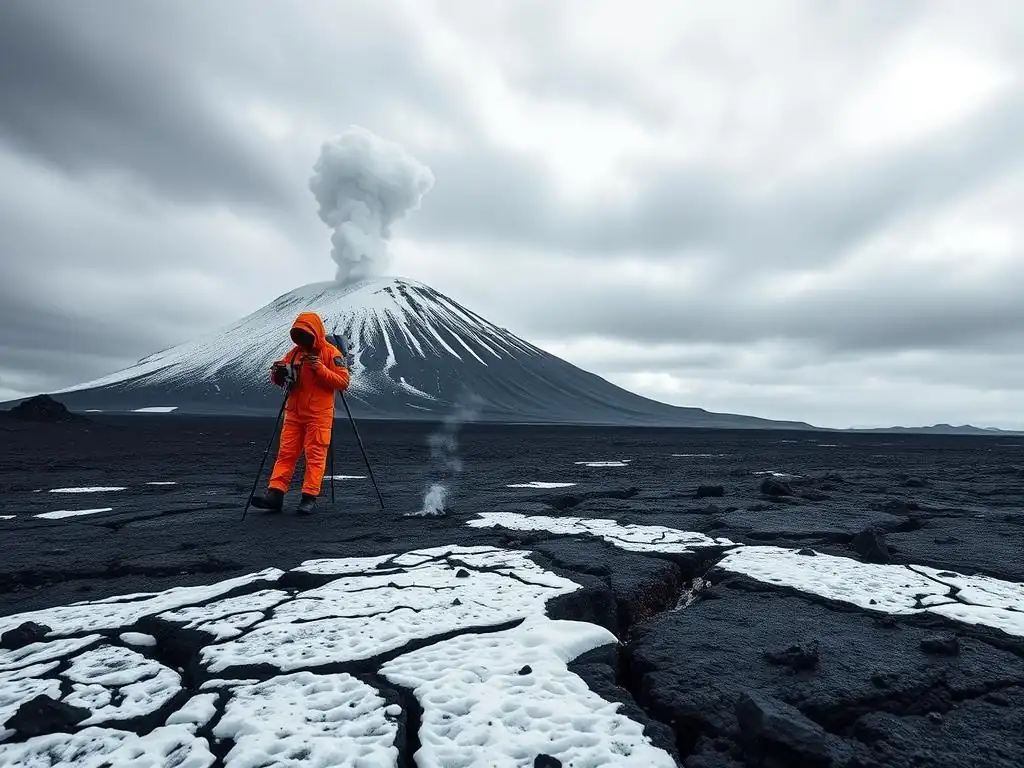
The sounds of Icelandic volcanoes are not just interesting acoustic phenomena; they are a vital source of information for monitoring volcanic activity and assessing potential hazards. By "listening to the landscape," volcanologists can detect subtle changes in volcanic behavior that may precede eruptions. These acoustic signals complement other monitoring techniques, such as ground deformation measurements and gas emission monitoring, providing a more comprehensive picture of the state of a volcanic system. This multi-faceted approach to volcano monitoring is crucial for effective early warning systems.
The ability to interpret volcano sounds for activity monitoring relies on establishing a baseline understanding of the typical acoustic behavior of a volcano during periods of quiescence and unrest. This involves long-term monitoring and analysis of volcanic sounds to identify patterns and anomalies. Changes in the frequency, amplitude, or type of sounds can indicate shifts in volcanic activity, such as increased magma supply, gas pressure buildup, or the onset of eruptive processes. Real-time analysis of volcano sounds allows for rapid detection of changes and timely alerts to relevant authorities and communities.
Monitoring Volcanic Sounds for Early Warning Signs in Iceland
Iceland's advanced volcano monitoring network heavily relies on acoustic data to provide early warning signs of potential eruptions. The Icelandic Meteorological Office (IMO) operates a dense network of seismographs and infrasound sensors strategically located around active volcanoes. These instruments continuously record ground vibrations and air pressure fluctuations, capturing the full spectrum of Iceland volcano sounds. Data from this network is analyzed in real-time to detect changes in volcanic activity and issue timely warnings.
The integration of acoustic monitoring into Iceland's early warning system has proven invaluable in mitigating volcanic hazards. For example, during periods of heightened unrest at volcanoes like Katla and Bárðarbunga, increased seismic activity and changes in tremor patterns, including acoustic signals, have provided crucial early indications of potential eruptions. This has allowed authorities to implement timely evacuation procedures, close roads, and issue aviation warnings, minimizing disruption and ensuring public safety. The effectiveness of Iceland's volcano monitoring demonstrates the practical value of understanding and utilizing volcano sounds.
Using Acoustic Data to Predict Eruption Intensity
Beyond simply detecting volcanic unrest, acoustic data can also provide valuable insights into the potential intensity of an impending eruption. The characteristics of volcanic sounds, particularly during the pre-eruptive phase, can be correlated with eruption parameters such as eruption plume height, lava flow volume, and explosivity index. By analyzing the energy released in acoustic signals and the frequency content of tremors, scientists can develop models to estimate the magnitude and style of an upcoming eruption.
For example, studies of past eruptions in Iceland, such as the 2010 Eyjafjallajökull eruption and the 2011 Grímsvötn eruption, have shown a relationship between the amplitude and frequency of pre-eruptive tremors and the intensity of the subsequent eruption. Higher amplitude tremors and a shift towards higher frequencies may indicate a more energetic eruption. While eruption prediction remains a complex challenge, the use of acoustic data to estimate eruption intensity is a promising area of research, potentially leading to more accurate and refined hazard assessments.
Iconic Sounds of Iceland's Famous Volcanoes
Each of Iceland's volcanoes possesses a unique sonic signature, reflecting its individual geological characteristics and eruptive style. While broad categories of volcanic sounds exist, the specific nuances and patterns vary from volcano to volcano. This "sonic fingerprint" can be used to distinguish between different volcanic systems and to track changes in activity at specific locations. Exploring the iconic sounds of famous Icelandic volcanoes provides a deeper appreciation for the diverse and dynamic nature of these geological wonders.
Two volcanoes, Grímsvötn and Katla, stand out for their distinctive and well-documented sounds. Grímsvötn, known for its frequent and powerful explosive eruptions beneath the Vatnajökull ice cap, produces a characteristic "roar" during eruptions. Katla, a larger and potentially more dangerous volcano also hidden beneath ice, is known for its periods of eerie silence punctuated by sudden bursts of activity. Examining the case studies of these two iconic volcanoes highlights the range and complexity of Iceland volcano sounds.
The Distinctive Roar of Grímsvötn: A Case Study
Grímsvötn volcano, located beneath the Vatnajökull glacier, is renowned for its frequent and often vigorous explosive eruptions. A defining characteristic of Grímsvötn's eruptions is the distinctive "roar" that accompanies them. This sound, a deep, rumbling, and sustained noise, is caused by the powerful release of gases and the interaction of magma with meltwater from the overlying glacier. The glacial meltwater, rapidly heated by the magma, flashes into steam, contributing significantly to the explosive force and the resulting roar.
The 2011 eruption of Grímsvötn provided a well-documented case study of this iconic volcanic roar. Seismographs and infrasound sensors recorded intense acoustic signals during the eruption, capturing the full spectrum of the roar. Analysis of these recordings revealed that the roar was composed of a complex mixture of frequencies, indicative of both explosive bursts and sustained gas release. The Grímsvötn roar serves as a powerful reminder of the immense energy unleashed during explosive eruptions and the significant role of ice-magma interaction in shaping volcanic sounds in Iceland.
The Eerie Silence Before the Storm: Pre-Eruption Sounds of Katla
Katla volcano, another subglacial giant in southern Iceland, presents a contrasting sonic profile compared to Grímsvötn. While Katla is known for its potentially catastrophic eruptions, its pre-eruptive phase is often characterized by an "eerie silence." This apparent lack of significant seismic or acoustic activity can be misleading, as it belies the immense pressure building beneath the surface. The silence before the storm at Katla highlights the challenges in relying solely on sound for volcano monitoring and the importance of integrating multiple data streams.
Despite periods of relative quiet, Katla does exhibit subtle pre-eruptive sounds that can be detected with sensitive instruments. These sounds may include very low-frequency tremors indicative of magma movement at depth or subtle changes in gas emissions. However, the overall low level of pre-eruptive acoustic activity at Katla underscores the need for caution when interpreting volcanic silence. The absence of loud noises does not necessarily mean a volcano is dormant, and in the case of Katla, it may even precede a major eruption.
The Impact of Iceland Volcano Sounds on Local Communities
The sounds of Icelandic volcanoes are not just a scientific curiosity; they have a direct impact on the lives of local communities living in close proximity to these active giants. Volcanic noise, ranging from continuous tremors to loud explosions, can be a constant presence in these regions, influencing the daily lives and well-being of residents. Understanding the psychological and social effects of volcano sounds is crucial for developing effective strategies for community resilience and adaptation.
The impact of volcano sounds on local communities is multifaceted. On one hand, the sounds can be a source of fascination and a reminder of the powerful natural forces shaping their environment. On the other hand, persistent volcanic noise can be disruptive, causing sleep disturbances, anxiety, and stress. Loud explosive eruptions can be particularly traumatic, causing fear and panic. Furthermore, changes in volcanic sound patterns can be interpreted as warnings of increased volcanic activity, leading to heightened awareness and preparedness, but also potential anxiety.
The Psychological Effects of Volcanic Noise
The psychological effects of volcanic noise on communities in Iceland can be significant, especially during periods of heightened volcanic activity. Constant low-frequency rumbling or harmonic tremor can be a source of chronic stress, disrupting sleep patterns and affecting concentration. The unpredictable nature of volcanic sounds, particularly explosive events, can contribute to anxiety and fear, especially among those who have experienced past eruptions. The perception of volcanic sounds as a potential threat to safety and well-being can lead to psychological distress.
Studies on communities living near active volcanoes worldwide have documented the psychological impacts of volcanic noise. Symptoms reported include increased stress levels, anxiety, sleep disturbances, and even post-traumatic stress disorder (PTSD) in individuals who have experienced major eruptions. While Iceland has robust volcano monitoring and early warning systems, the inherent uncertainty associated with volcanic activity can still contribute to psychological strain. Providing communities with clear and accurate information about volcanic sounds, their meanings, and the monitoring efforts in place is crucial for mitigating these psychological effects.
Adapting to Life Alongside Iceland's Active Volcanoes
Living alongside active volcanoes in Iceland requires adaptation and resilience. Local communities have developed strategies to cope with the presence of volcanic sounds and the potential hazards they represent. These strategies include building codes designed to withstand seismic activity, emergency preparedness plans, and a strong community culture of volcano awareness and preparedness. Education and communication play a vital role in fostering resilience and ensuring that communities can live safely and sustainably in volcanic regions.
Adapting to life with volcano sounds also involves developing a cultural understanding and acceptance of these natural phenomena. For many Icelanders, volcanoes are not just a threat but also a part of their identity and heritage. The sounds of volcanoes are woven into folklore, legends, and artistic expressions. By embracing the volcanic landscape and its sounds as an integral part of their environment, communities can develop a sense of connection and resilience, transforming potential fear into respect and fascination for the powerful forces of nature.
Recording and Researching Iceland Volcano Sounds
The scientific study of Iceland volcano sounds relies on advanced recording techniques and sophisticated research methodologies. Utilizing specialized instruments like seismographs and acoustic sensors, researchers capture the full spectrum of volcanic audio, from deep infrasound to audible explosions. Analyzing this data requires advanced signal processing techniques and interdisciplinary collaboration between volcanologists, seismologists, and acousticians. Recording and researching Iceland volcano sounds is crucial for advancing our understanding of volcanic processes and improving eruption forecasting capabilities.
The research process involves deploying monitoring networks around active volcanoes, collecting continuous data streams, and developing algorithms to analyze the recorded sounds. Seismographs are the workhorses of volcano sound research, detecting ground vibrations and converting them into electrical signals that can be recorded and analyzed. Acoustic sensors, also known as microphones or infrasound sensors, are used to capture pressure fluctuations in the air, particularly useful for detecting explosive events. The combined data from these instruments provides a comprehensive picture of the acoustic landscape of Icelandic volcanoes.
Utilizing Seismographs and Acoustic Sensors
Seismographs and acoustic sensors are complementary tools in the study of Iceland volcano sounds. Seismographs are highly sensitive to ground vibrations and are effective at detecting a wide range of volcanic signals, from low-frequency tremors to high-frequency explosions. Different types of seismographs are used, including broadband seismographs for capturing a wide range of frequencies and short-period seismographs optimized for higher frequencies. The density and distribution of seismograph networks are crucial for accurately locating the source of volcanic sounds and characterizing their propagation.
Acoustic sensors, on the other hand, are specifically designed to detect pressure waves in the air. They are particularly effective at capturing infrasound, low-frequency sound waves below the human hearing range, which are often generated by explosive volcanic events and large-scale atmospheric disturbances. Infrasound sensors can detect explosions at great distances and are used to monitor volcanic activity globally. Combining data from seismographs and acoustic sensors provides a more complete understanding of volcanic processes, capturing both ground-based and atmospheric signals.
Citizen Science: Contributing to Volcanic Sound Research
Citizen science initiatives are increasingly playing a role in volcano sound research, offering opportunities for the public to contribute to scientific data collection and analysis. In Iceland, where volcanic activity is a part of everyday life, citizen scientists can contribute valuable observations and recordings of volcano sounds. This can involve using smartphone apps to record audible volcanic noises, reporting unusual sounds or seismic events, and participating in community-based monitoring programs.
Citizen science initiatives not only expand the data collection capacity but also raise public awareness and engagement with volcano science. By involving local communities in the research process, scientists can tap into valuable local knowledge and observations that might otherwise be missed. Furthermore, citizen science projects can foster a sense of ownership and responsibility for volcano monitoring and hazard preparedness within communities living near active volcanoes. The combination of professional scientific research and citizen science contributions can significantly enhance our understanding of Iceland volcano sounds and their implications.
The Future of Iceland Volcano Sound Monitoring
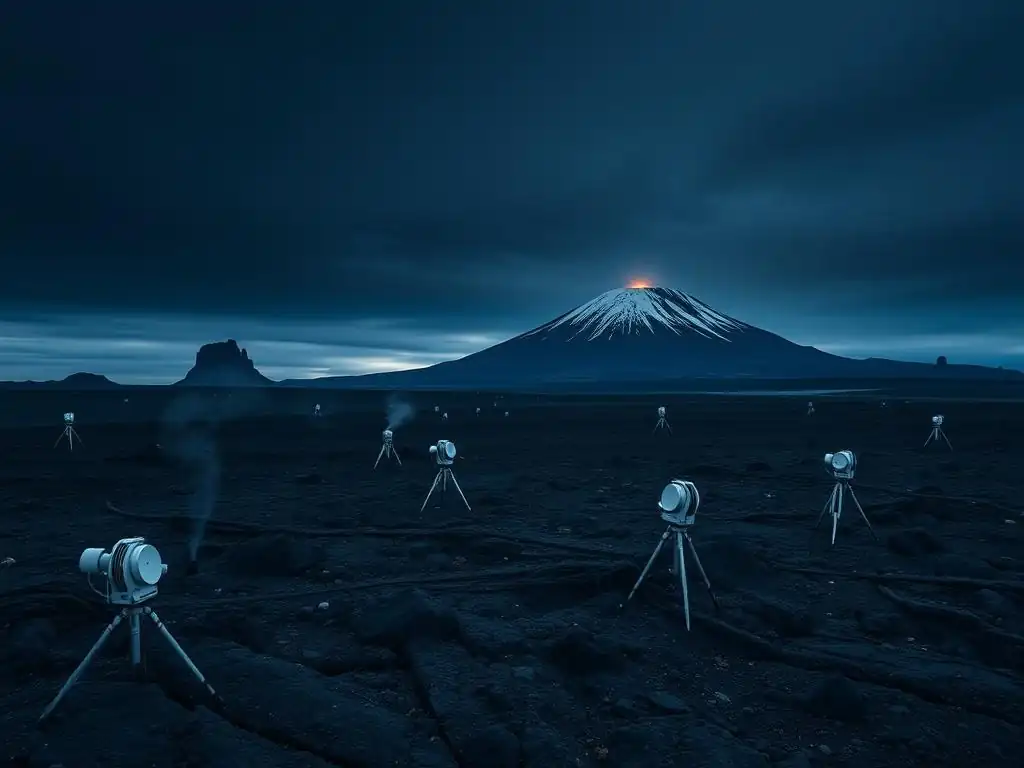
The field of volcano sound monitoring is constantly evolving, driven by technological advancements and a growing recognition of the value of acoustic data for eruption forecasting. The future of Iceland volcano sound monitoring will likely involve the deployment of new and improved sensors, the development of advanced data analysis techniques, and the integration of acoustic data with other monitoring streams. These advancements promise to enhance our ability to detect subtle changes in volcanic activity, predict eruption intensity, and provide more timely and accurate warnings.
One key area of future development is the application of machine learning and artificial intelligence to volcano sound analysis. These techniques can be used to automatically classify volcanic sounds, detect anomalies in acoustic patterns, and potentially predict eruption onset and intensity with greater accuracy. Another promising direction is the use of distributed acoustic sensing (DAS) technology, which utilizes fiber optic cables as highly sensitive seismic sensors, offering the potential for dense and cost-effective monitoring networks. The future of Iceland volcano sound monitoring is bright, with the potential to significantly improve our understanding and management of volcanic hazards.
New Technologies for Capturing Volcanic Audio
New technologies are constantly emerging that enhance our ability to capture volcanic audio with greater precision and detail. Improved seismograph designs offer higher sensitivity and broader frequency bandwidth, allowing for the detection of fainter signals and a wider range of volcanic sounds. Miniaturized and low-power acoustic sensors are enabling the deployment of denser monitoring networks in remote volcanic regions. Furthermore, advancements in drone technology are allowing for the deployment of acoustic sensors closer to volcanic vents and inaccessible areas, providing unprecedented access to volcanic sound sources.
Another exciting technological development is the use of underwater acoustic sensors, or hydrophones, to monitor submarine volcanoes. Iceland has several submarine volcanic systems, and hydroacoustic monitoring can provide valuable insights into their activity. Underwater sounds travel efficiently through water, making hydrophones effective for detecting submarine eruptions and magma movements. The integration of these new technologies into volcano monitoring networks will significantly enhance our ability to capture the full spectrum of volcanic audio and improve our understanding of volcanic processes in Iceland and around the world.
Predicting Eruptions with Advanced Sound Analysis
Advanced sound analysis techniques are playing an increasingly important role in eruption prediction. By applying sophisticated signal processing algorithms and machine learning models to volcanic audio data, scientists are developing methods to identify pre-eruptive patterns and forecast eruption onset and intensity. These techniques go beyond simple tremor amplitude analysis, delving into the complex frequency content, spectral characteristics, and temporal evolution of volcanic sounds.
For example, machine learning algorithms can be trained to recognize subtle changes in tremor patterns that precede eruptions based on historical data. These algorithms can then be applied to real-time monitoring data to detect similar patterns and issue alerts.
Furthermore, advanced signal processing techniques can be used to separate different sources of volcanic sounds, such as magma movement, gas release, and rock fracturing, providing a more detailed picture of the processes leading up to an eruption. The continued development and refinement of these advanced sound analysis techniques hold great promise for improving eruption prediction capabilities in Iceland and other volcanic regions.
Experiencing the Sounds of Icelandic Volcanoes Firsthand
For those fascinated by the power and beauty of volcanoes, experiencing the sounds of Icelandic volcanoes firsthand can be an unforgettable experience. While safety is paramount, there are opportunities to listen to volcanic sounds from safe viewing locations and through virtual reality experiences. Understanding how to listen responsibly and appreciate the sonic landscape of volcanoes enhances the connection to these natural wonders and fosters a deeper appreciation for the forces shaping our planet.
Listening to volcano sounds in person requires careful planning and adherence to safety guidelines. Volcano viewing locations in Iceland are often established at safe distances from active vents, but it's crucial to follow official advice and be aware of potential hazards, such as gas emissions and sudden changes in volcanic activity. Virtual reality experiences offer a safe and immersive alternative, allowing individuals to explore volcanic soundscapes from anywhere in the world, often combined with visual and tactile elements for a more complete sensory experience.
Guide to Safe Listening at Volcano Viewing Locations
If you are visiting Iceland and hoping to experience volcano sounds firsthand, safety should be your top priority. Always consult with local authorities and volcano observatories for up-to-date information on volcanic activity and safety guidelines. Choose designated volcano viewing locations that are established at safe distances from active vents and potential hazard zones. Never approach active volcanic areas without proper guidance and permits.
When listening at volcano viewing locations, be aware of your surroundings and listen for any changes in volcanic sounds that may indicate increased activity. Pay attention to official warnings and evacuation instructions. Use common sense and err on the side of caution. While experiencing volcano sounds can be awe-inspiring, it's essential to do so responsibly and safely, respecting the power of nature and prioritizing personal safety. Remember to bring appropriate clothing and gear for outdoor conditions, as weather in volcanic regions can be unpredictable.
Virtual Reality Experience: Immersing Yourself in Volcanic Soundscapes
For those who cannot travel to Iceland or prefer a safe and immersive way to experience volcano sounds, virtual reality (VR) offers a compelling alternative. VR experiences can recreate the soundscape of Icelandic volcanoes, often combined with stunning visuals of volcanic landscapes and even tactile feedback to simulate ground vibrations. These VR experiences can transport you to the heart of volcanic activity without the risks, providing an educational and engaging way to learn about volcano sounds.
Several institutions and organizations are developing VR experiences focused on volcanoes and their sounds. These experiences may utilize recordings of real volcanic audio captured by seismographs and acoustic sensors, combined with computer-generated visuals and interactive elements. VR volcano experiences can be used for educational purposes in museums and classrooms, as well as for public outreach and engagement. As VR technology continues to advance, these immersive experiences will likely become an increasingly popular way to explore the fascinating world of volcano sounds.
The Cultural Significance of Volcanic Sounds in Iceland
Volcano sounds are deeply interwoven into the cultural fabric of Iceland. For centuries, Icelanders have lived alongside active volcanoes, and the sounds of these geological giants have shaped their folklore, legends, music, and art. Volcanic sounds are not just perceived as geological phenomena but also as powerful forces of nature with spiritual and symbolic meaning. Understanding the cultural significance of volcano sounds provides a richer appreciation for the relationship between humans and volcanoes in Iceland.
Icelandic folklore is replete with stories and legends inspired by volcanic activity. Volcanoes are often personified as powerful beings or dwelling places of mythical creatures. Volcanic sounds, such as rumblings and explosions, are interpreted as the voices or actions of these mythical entities. These stories reflect a deep respect and awe for the power of volcanoes and a cultural understanding of their integral role in shaping the Icelandic landscape and psyche. Volcanic sounds continue to inspire contemporary Icelandic music and art, serving as a source of creative expression and cultural identity.
Folklore and Legends Inspired by Volcanic Activity
Icelandic folklore is rich with narratives that interpret volcanic activity and sounds through a mythical lens. Stories of elves, trolls, and hidden people often feature volcanoes as sacred or dangerous places. The rumbling of the Earth might be attributed to giants stirring beneath the surface, while explosive eruptions could be seen as the wrath of gods or supernatural beings. These legends reflect a cultural understanding of volcanoes as powerful and unpredictable forces, deserving of both respect and caution.
For example, the legend of Katla volcano involves a vengeful sorceress for whom the volcano is named. Eruptions of Katla are sometimes interpreted as the sorceress unleashing her fury. Similarly, stories about other volcanoes often incorporate elements of personification and mythical explanations for volcanic sounds and phenomena. These folklore narratives serve as a way to make sense of the powerful and sometimes frightening aspects of living in a volcanic landscape, embedding volcano sounds into the cultural imagination.
Volcanic Sounds in Icelandic Music and Art
Contemporary Icelandic music and art frequently draw inspiration from the volcanic landscape, including its distinctive sounds. Icelandic musicians often incorporate recordings of volcanic sounds into their compositions, creating soundscapes that evoke the raw power and beauty of volcanic environments. Artists may use volcanic sounds as a metaphor for inner turmoil, natural forces, or the dynamic relationship between humans and nature. Volcanic sounds become a medium for artistic expression and cultural commentary.
Examples of Icelandic artists incorporating volcanic sounds include musicians who use field recordings of geothermal areas, geysers, and volcanic eruptions in their work. Visual artists may create installations that combine sound and visual elements to simulate the experience of being near an active volcano. The use of volcanic sounds in Icelandic art reflects a cultural connection to the volcanic landscape and a desire to express the unique character of Iceland through artistic mediums. Volcanic sounds, therefore, become not just a scientific subject but also a source of cultural and artistic inspiration.
Iceland Volcano Sounds: A Constant Reminder of Earth's Power
The sounds of Iceland's volcanoes are more than just acoustic phenomena; they are a constant reminder of the Earth's immense power and the dynamic processes shaping our planet. Living in Iceland means living in harmony with these active geological forces, acknowledging both the risks and the benefits they bring. Understanding volcanic audio is not only crucial for safety and research but also for fostering a deeper appreciation for the natural world and our place within it.
The sounds of Icelandic volcanoes serve as a continuous dialogue between the Earth and its inhabitants. They are a language of the planet, conveying information about its inner workings and its potential for change. Listening to and interpreting this language is essential for navigating life in a volcanic region and for advancing our scientific understanding of Earth processes. The study of Iceland volcano sounds contributes to a broader appreciation for the interconnectedness of all natural systems and the importance of living sustainably in a dynamic and ever-changing world.
Living in Harmony with Active Volcanoes and Their Sounds
Living in harmony with active volcanoes and their sounds requires a balance of awareness, preparedness, and respect. Communities in Iceland have developed strategies to coexist with volcanic hazards, embracing a culture of resilience and adaptation. This involves understanding the risks associated with volcanic activity, implementing effective monitoring and early warning systems, and fostering a sense of community responsibility for safety and preparedness. Living in harmony also means appreciating the benefits that volcanoes bring, such as geothermal energy and fertile landscapes.
The sounds of volcanoes, while sometimes unsettling, can also be seen as a constant reminder of the vibrant and dynamic nature of the Earth. They are a testament to the powerful forces that have shaped our planet and continue to influence our environment. By learning to listen to and understand these sounds, we can develop a deeper connection to the Earth and a greater appreciation for the natural world. Living in harmony with volcanoes is not about eliminating the risks, but about managing them effectively and embracing the unique character of volcanic landscapes.
The Importance of Understanding Volcanic Audio for Safety and Research
Understanding volcanic audio is of paramount importance for both safety and research. For safety, acoustic monitoring provides crucial early warning signs of volcanic unrest and potential eruptions, allowing for timely evacuation and mitigation measures. Real-time analysis of volcano sounds enables authorities to track changes in volcanic activity and issue alerts to communities at risk. Improved eruption prediction capabilities based on acoustic data can save lives and minimize disruptions.
For research, volcanic audio provides a unique window into the inner workings of volcanoes, allowing scientists to study magma movement, gas release, and eruptive processes in unprecedented detail. Analyzing volcanic sounds contributes to a better understanding of the fundamental physics of volcanism and improves our ability to model and forecast volcanic behavior. The ongoing research into Iceland volcano sounds is not only beneficial for Iceland but also contributes to global efforts to understand and mitigate volcanic hazards worldwide. The sounds of Iceland’s volcanoes, therefore, hold valuable secrets that are essential for both scientific advancement and community safety.
Frequently Asked Questions
What kind of sounds can one expect to hear from an Icelandic volcano?
Icelandic volcanoes produce a range of sounds, from low-frequency rumbling earth to the sharp, explosive roars of eruptions. These sounds depend on the type and intensity of volcanic activity.
Why are Icelandic volcanoes particularly noisy?
Iceland's location on the Mid-Atlantic Ridge and the Iceland hotspot means it has a high concentration of active volcanoes. The interaction of magma and glacial ice can also contribute to unique and intense sounds.
How do volcanologists study the sounds of volcanoes?
Volcanologists use seismometers and infrasound sensors to record and analyze volcanic sounds. This data helps them monitor volcanic activity and predict potential eruptions.
What does the sound of a volcano tell us about its internal state?
The frequency, amplitude, and type of sound waves emitted by a volcano can provide valuable insights into magma movement, gas pressure, and the likelihood of an eruption.
Where can I find real-time updates on volcanic activity in Iceland?
Websites like VolcanoExplorers.org and official geological surveys provide real-time updates on volcanic activity and safety information for areas near active volcanoes.
Final Reflection: Echoes of the Earth's Fury
The raw, untamed power of Iceland's volcanoes, once a distant spectacle, now resonates with a profound urgency in our increasingly volatile world. Understanding the language of these geological giants is no longer just a scientific pursuit, but a crucial step towards mitigating the risks they pose and appreciating the delicate balance of our planet. The sounds, from the subtle rumblings to the earth-shattering roars, are not merely noise; they are vital data points, whispers of impending change, and a constant reminder of the forces that shape our world.
The enduring fascination with Iceland's volcanoes, and the sounds they emit, speaks to a deep-seated human connection with the Earth's primal energy. This connection, often overlooked in our modern lives, is essential for fostering respect and responsibility towards our environment. The sounds of the volcanoes, whether experienced directly or through recordings, serve as a powerful reminder of our place within the grand tapestry of nature. The earth has music for those who listen.
- William Shakespeare, perfectly encapsulates the idea that these volcanic sounds are more than just noise; they are a symphony of geological processes.
As you reflect on the sounds and activity of Iceland's volcanoes, consider the broader implications for our understanding of the planet. How can we better listen to the Earth's warnings? How can we use this knowledge to protect ourselves and future generations? Let the echoes of these volcanic roars inspire you to become a more informed, responsible, and appreciative inhabitant of this dynamic and ever-changing world.
Unearth the Echoes of Fire: Embark on Your Icelandic Volcano Adventure!
Thank you for delving into the captivating world of Iceland's volcanic soundscape. You've now gained a deeper understanding of the powerful stories these rumblings tell. It's time to take that knowledge and transform it into experience!
Here are a few ways to connect with the volcanoes of Iceland:
- Plan your own virtual soundscape tour: Use online resources and recordings to create an immersive listening experience, charting a route around Iceland's active volcanic regions. Feel the ground tremble without leaving your home!
- Share this article with fellow volcano enthusiasts and ignite their curiosity!
- Dive deeper: Research specific volcanic eruptions mentioned and explore recordings of their unique audio signatures.
What's the most surprising sound you imagine hearing near an active Icelandic volcano? Share your thoughts below!