
Mastering Darkness: Expert Tips for Lava Tube Photography

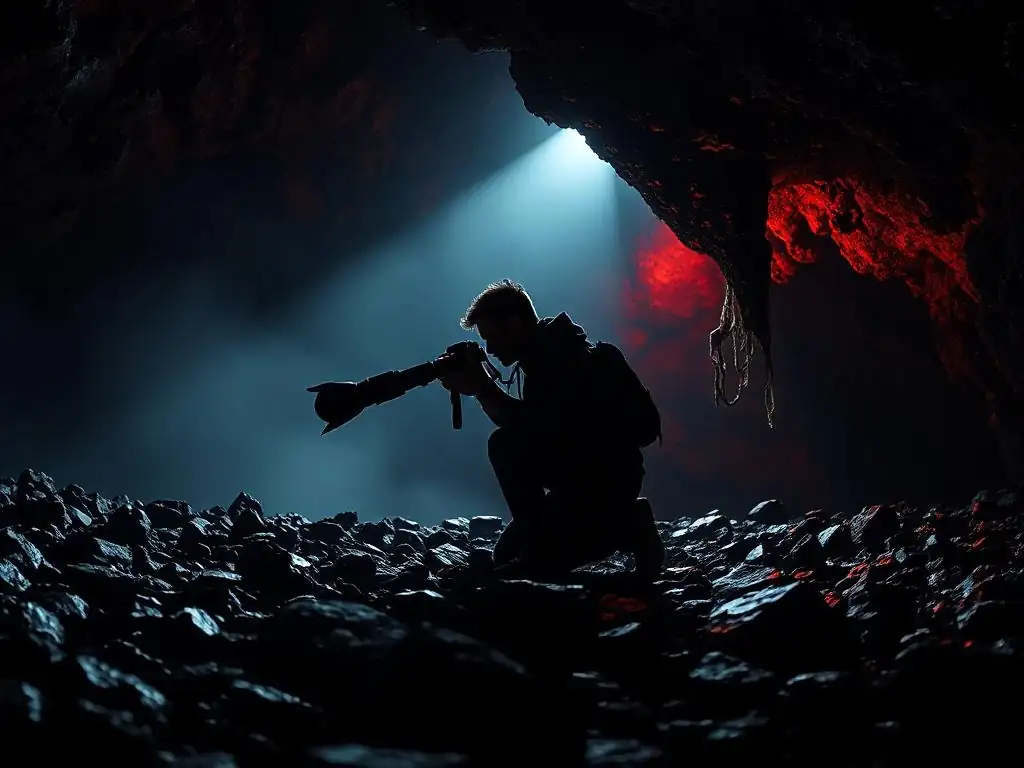
Welcome to Volcano Explorers, where the Earth breathes fire and molten rock sculpts the land. Ever wondered how to capture the ethereal beauty hidden within the cool, dark embrace of a lava tube? Dive into our latest article, " Mastering Darkness: Expert Tips for Lava Tube Photography," and unlock the secrets to stunning subterranean imagery. Prepare to be amazed by the otherworldly landscapes lurking beneath the surface… but can you capture their essence? Let's find out!
- Introduction to Lava Tube Photography: Capturing the Subterranean World
-
Frequently Asked Questions
- What are the biggest challenges when photographing in lava tubes?
- What equipment is essential for taking good photos inside a lava tube?
- How can I effectively light a lava tube for photography?
- What camera settings are recommended for lava tube photography?
- Are there any safety precautions I should take when photographing in lava tubes?
- Final Reflection: Embracing the Subterranean Gaze
- Unearth Your Inner Explorer: Capture the Subterranean Wonders!
Introduction to Lava Tube Photography: Capturing the Subterranean World
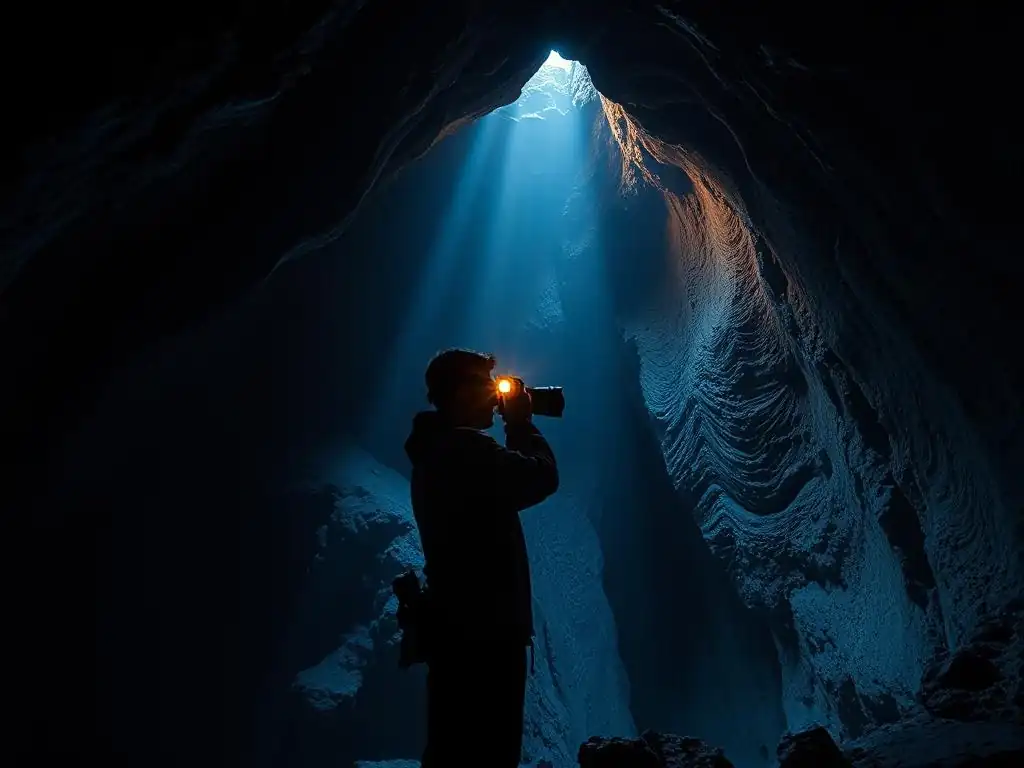
Why Lava Tubes Offer Unique Photographic Opportunities
Lava tubes present an unparalleled canvas for photographers seeking to capture the Earth's geological artistry. Unlike surface landscapes bathed in sunlight, these subterranean tunnels, formed by flowing lava during volcanic eruptions, offer a stark and dramatic environment characterized by unique geological formations and textures.
The interplay of light and shadow within these dark spaces creates a visual drama rarely found elsewhere, providing photographers with the chance to craft images that are both scientifically intriguing and aesthetically captivating. The sheer geological diversity within lava tubes, from smooth, ropy pahoehoe lava flows to jagged, angular 'a'a formations, and the often vibrant mineral deposits lining the walls, offer a rich tapestry of subjects for the discerning photographer.
Moreover, the isolation and silence of lava tubes offer a unique sensory experience, which can be translated into compelling visual narratives. The absence of ambient light necessitates a deliberate and controlled approach to illumination, allowing photographers to sculpt the scene with artificial light and emphasize specific features.
This controlled environment allows for creative experimentation with light painting and long exposures, enabling the capture of ethereal and otherworldly images that are simply not possible in above-ground settings. The challenge of photographing in such a unique and demanding environment is itself a draw for many photographers, pushing their technical and creative boundaries to new limits.
Understanding the Challenges of Photographing Lava Tubes
Photographing lava tubes is not without its significant challenges. The most immediate hurdle is the pervasive darkness. Natural light is virtually non-existent in most lava tubes, requiring photographers to rely entirely on artificial light sources. This necessitates careful planning and mastery of lighting techniques to avoid flat, underexposed images or harsh, unflattering shadows. The darkness also complicates focusing, as autofocus systems often struggle in low-light conditions, demanding a shift to manual focusing techniques and a keen eye for detail.
Beyond the lack of light, the confined spaces of lava tubes present physical challenges. Navigating uneven terrain, often in crouching or crawling positions, requires agility and careful movement. Carrying photographic equipment through these tight spaces demands lightweight and compact gear, and careful packing to protect equipment from bumps and scrapes. Furthermore, the often damp and dusty environment within lava tubes can be detrimental to camera equipment.
Dust can infiltrate lenses and camera bodies, while humidity can cause condensation and corrosion. Protecting equipment from these elements is paramount to ensuring successful lava tube photography. Finally, safety should always be a primary concern. Lava tubes can contain unstable rock formations, hidden pits, and potentially hazardous air quality in some volcanic regions, requiring appropriate safety gear and awareness of potential risks.
Frequently Asked Questions
What are the biggest challenges when photographing in lava tubes?
The biggest challenges in lava tube photography are low light conditions, managing dynamic range between bright entrances and dark interiors, and dealing with dust and humidity.
What equipment is essential for taking good photos inside a lava tube?
Essential equipment includes a sturdy tripod, a camera with good low-light performance, a wide-angle lens, and external lighting such as a headlamp or flash.
How can I effectively light a lava tube for photography?
Effective lighting involves using multiple light sources to illuminate different parts of the scene, feathering the light to avoid harsh shadows, and experimenting with light painting techniques.
What camera settings are recommended for lava tube photography?
Recommended camera settings often include a low ISO to minimize noise (if possible), a wide aperture to gather light, and a slow shutter speed to allow enough light to reach the sensor; a remote shutter release is also beneficial.
Are there any safety precautions I should take when photographing in lava tubes?
Yes, always be aware of your surroundings, wear a helmet and sturdy footwear, bring plenty of water, and inform someone of your plans. Also, be mindful of potential hazards like uneven terrain and loose rocks.
Final Reflection: Embracing the Subterranean Gaze
The journey into lava tubes, as we've explored, is a journey into the heart of the earth and the soul of photography. Mastering the art of lava tube photography is more than just technical skill; it's about embracing the unknown and capturing the raw, untamed beauty hidden beneath our feet. These subterranean landscapes, once forged in fire, now offer a unique canvas for artistic expression, demanding both precision and imagination.
The allure of lava tubes extends beyond their geological significance; they represent a frontier of photographic exploration. My own fascination with these spaces stems from their ability to evoke a sense of wonder and mystery, a feeling that I hope resonates with every photographer who dares to venture into their depths. The best view comes after the hardest climb.
This sentiment perfectly encapsulates the challenges and rewards of lava tube photography, where patience, preparation, and a keen eye converge to create truly breathtaking images.
Now, armed with these lava tube photography tips, I invite you to embark on your own subterranean adventure. Let the darkness guide your lens, and let the echoes of ancient volcanic activity inspire your creativity. Go forth, explore, and capture the hidden wonders that lie beneath, sharing your unique perspective with the world. The earth's secrets await your artistic interpretation.
Unearth Your Inner Explorer: Capture the Subterranean Wonders!
Thanks for exploring the art of lava tube photography with Volcano Explorers! We hope you've gained valuable insights into capturing the unique beauty hidden beneath the surface. Now, it's time to put that knowledge into practice and begin your photographic adventure!
Here are a few next steps:
- Plan your first lava tube photoshoot! Research accessible tubes in your area, check safety guidelines, and gather your equipment. This is where the real adventure begins!
- Share your newfound knowledge! Tell a friend (or fellow photographer) about the tips you learned and inspire them to explore the underground world.
- Document and share your journey: Create a mini-guide with your best tips for future underground explorers on your personal website or blog.
What unique perspective will you bring to the world of lava tube photography? Share your planned location and equipment in the comments below!