
The Puzzle of Plutons: Connecting Volcanic Plugs to Deeper Magma Bodies

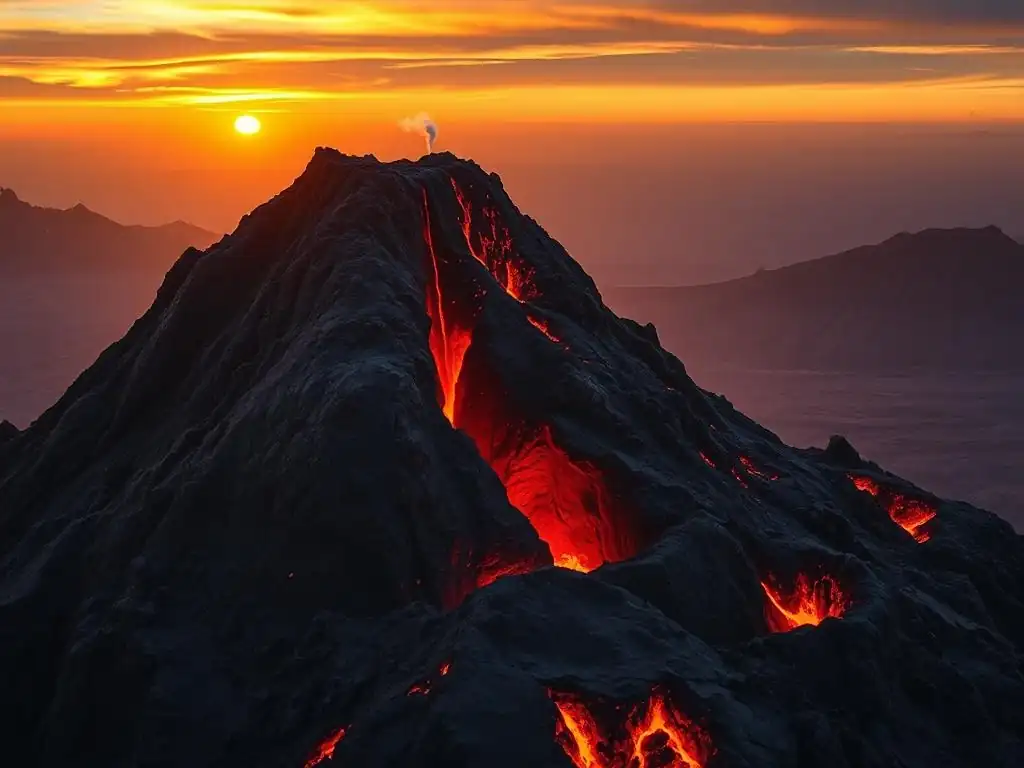
Welcome to Volcano Explorers, where the Earth's fiery secrets are unveiled! Ever wondered what's really brewing beneath those seemingly dormant peaks? Our latest expedition dives deep into the fascinating process of Understanding Volcanic Plugs Formation, revealing the hidden connections between these dramatic landforms and the powerful magma bodies that birthed them. Prepare to unravel the geological mysteries and discover how these solidified sentinels offer invaluable clues to the Earth's inner workings. Intrigued? The journey into the heart of volcano formation begins now...
- Introduction to Volcanic Plugs and Their Significance in Volcanology
- Unraveling the Formation of Volcanic Plugs: A Step-by-Step Process
- Understanding the Composition of Volcanic Plugs: A Geochemical Perspective
- The Role of Plutons in Volcanic Plug Formation: The Deep Connection
- Case Studies: Examining Specific Volcanic Plugs and Their Plutonic Origins
- Challenges and Future Research Directions in Volcanic Plug Studies
- The Wider Implications of Understanding Volcanic Plug Formation
- Conclusion: The Enduring Mystery and Fascination of Volcanic Plugs
-
Frequently Asked Questions
- How are volcanic plugs formed, according to VolcanoExplorers.org?
- What is the connection between volcanic plugs and deeper magma bodies, as explained by the article?
- What makes volcanic plugs so resistant to erosion?
- Does VolcanoExplorers.org offer information about the dangers associated with volcanic plugs?
- How does the study of volcanic plugs contribute to our understanding of volcanoes in general?
- Final Reflection: Unearthing Earth's Secrets
- Unearth Your Inner Volcanologist!
Introduction to Volcanic Plugs and Their Significance in Volcanology
What are Volcanic Plugs (Necks)? A Concise Definition
Volcanic plugs, also known as volcanic necks, are fascinating geological formations that stand as stark remnants of ancient volcanic activity. Imagine a volcano, not in its eruptive glory, but after millions of years of erosion have stripped away the softer outer layers. What remains is a solidified column of magma that once filled the volcano's conduit—the pathway through which molten rock ascended from the Earth's depths.
This resistant core, the volcanic plug, is composed of solidified lava, volcanic breccia (fragmented rock), and sometimes agglomerate (coarse volcanic debris), all cemented together by volcanic ash and finer particles. These structures are often characterized by their dramatic, pillar-like appearance, rising prominently from the surrounding landscape because they are significantly more resistant to weathering than the volcanic cone that once encased them.
These geological features are not merely curiosities of the landscape; they are key pieces in understanding volcanic systems. Consider the iconic Devil's Tower in Wyoming, USA, or the dramatic Castle Rock in Edinburgh, Scotland. Both are prime examples of volcanic plugs, showcasing the diverse forms these structures can take.
While Devil's Tower presents a near-vertical, fluted column, Edinburgh Castle Rock is a more elongated, craggy prominence. Despite their varied appearances, they share a common origin: they are solidified magma conduits that have been exhumed by the relentless forces of erosion, offering geologists a unique three-dimensional view into the plumbing systems of past volcanoes. Understanding volcanic plugs formation is crucial for deciphering the history of volcanic regions.
Why Study Volcanic Plugs? Insights into Magmatic Processes
Studying volcanic plugs provides volcanologists with an unparalleled opportunity to investigate the inner workings of volcanoes, essentially offering a cross-section through the volcanic 'plumbing' system. Unlike active volcanoes where direct observation of magma conduits is impossible due to extreme temperatures and pressures, volcanic plugs are accessible, exposed remnants. They are like geological time capsules, preserving the solidified magma and conduit materials that were once active pathways for volcanic eruptions. By examining these plugs, scientists can gain insights into several critical aspects of magmatic processes that are otherwise hidden deep beneath the Earth's surface.
One of the most significant contributions of volcanic plug studies is in understanding magma ascent and conduit dynamics. The composition and texture of the rocks within a volcanic plug can reveal information about the magma's journey from its source to the surface, including the pressures and temperatures it experienced, the rate of ascent, and any interactions it had with surrounding rocks. For example, the presence of aligned crystals within the plug might indicate the direction of magma flow, while variations in mineral composition can suggest changes in magma source or differentiation processes during ascent.
Furthermore, the study of volcanic plugs allows for the reconstruction of past eruptive styles and frequencies in a volcanic region, contributing significantly to volcanic hazard assessments and our overall understanding of volcanic systems. Therefore, understanding volcanic plugs formation is not just an academic exercise; it has practical implications for predicting and mitigating volcanic risks.
The Connection Between Volcanic Plugs and Magma Chambers: An Overview
The formation of volcanic plugs is intimately linked to deeper magma bodies, specifically magma chambers and plutons. Imagine a volcano as having a root system extending deep into the Earth's crust. At the surface, we see the volcanic cone and conduit, which is represented by the volcanic plug after erosion.
However, this conduit is not isolated; it originates from a larger reservoir of molten rock located at depth – the magma chamber. Magma chambers are essentially storage zones within the Earth's crust where magma accumulates before ascending to the surface during eruptions. These chambers can be relatively shallow or located deeper in the crust, and their size can vary significantly, from cubic kilometers to tens or even hundreds of cubic kilometers in volume.
Beneath the magma chamber, and often connected to it, lie even larger and deeper bodies of solidified igneous rock known as plutons. Plutons are formed from magma that cools and solidifies within the Earth's crust without erupting onto the surface. They represent the deeper, solidified roots of volcanic systems and can be much larger than magma chambers.
The connection between volcanic plugs and these deeper magmatic bodies is crucial: the magma that solidifies to form a volcanic plug is ultimately sourced from a magma chamber, which in turn may be fed by or be part of a larger plutonic complex at depth. Therefore, understanding volcanic plugs formation requires considering the entire magmatic system, from the surface expression down to its plutonic roots. This understanding is essential for a comprehensive view of volcanic processes and the evolution of volcanic landscapes.
Unraveling the Formation of Volcanic Plugs: A Step-by-Step Process
Magma Ascent and Conduit Formation: The Initial Stage
The journey of a volcanic plug begins deep within the Earth's mantle or lower crust, where partial melting of rocks generates magma. This molten rock, being less dense than the surrounding solid rock, starts its ascent towards the surface. The driving force behind this ascent is buoyancy, coupled with pressure gradients within the Earth.
As magma rises, it exploits zones of weakness in the Earth's crust, such as fractures, faults, or pre-existing volcanic conduits. This process of magma migration and focusing often leads to the formation of a primary conduit – a pathway that facilitates the relatively focused upward movement of magma.
The initial conduit formation is a dynamic process, often involving multiple pulses of magma ascent. As magma pushes through the crust, it can interact with and alter the surrounding rocks, a process known as country rock assimilation or magma mingling. The walls of the conduit are subjected to intense heat and pressure from the ascending magma, potentially causing them to fracture and incorporate into the magma flow.
Furthermore, the conduit shape itself can be influenced by the stress regime of the crust and the properties of the magma. The initial stages of magma ascent and conduit formation are critical in setting the stage for the subsequent development of a volcanic plug. Understanding volcanic plugs formation necessitates a grasp of these early conduit-forming processes.
Cooling and Solidification within the Volcanic Conduit
Once magma reaches the upper crust or the surface, it may erupt, forming a volcanic cone. However, not all magma erupts. In many cases, particularly during the waning stages of volcanic activity or in smaller volcanic events, magma may stall within the conduit system.
This stalled magma begins to cool and solidify in place, effectively plugging the conduit. The rate of cooling is influenced by several factors, including the size and shape of the conduit, the temperature and composition of the magma, and the thermal properties of the surrounding rocks. Smaller conduits and magmas with lower silica content tend to cool and solidify faster.
The solidification process within the conduit is not a uniform event. Cooling often starts at the conduit walls, where the magma is in direct contact with cooler country rock, and progresses inwards. This can lead to variations in texture and composition within the solidified plug, with finer-grained margins and coarser-grained interiors.
As the magma cools, minerals crystallize out of the melt, influencing the rock type that forms the volcanic plug. For instance, a basaltic magma might solidify into a basalt plug, while a more silica-rich magma could form a plug composed of andesite or even rhyolite. The cooling and solidification stage is crucial in determining the final characteristics of the volcanic plug, and is a key aspect of understanding volcanic plugs formation.
Erosion and Exposure: Revealing the Volcanic Plug's Structure
The solidified magma column, now a volcanic plug, is initially buried within the volcanic cone and surrounding landscape. However, over geological timescales, the relentless forces of erosion come into play. Wind, water, ice, and chemical weathering act to gradually wear away the softer volcanic materials that once surrounded the plug, such as ash layers, lava flows, and pyroclastic deposits.
These materials are typically less resistant to erosion than the solidified plug itself, which is composed of denser, more crystalline rock. As erosion progresses, the surrounding volcanic cone is progressively removed, leaving the more resistant volcanic plug standing prominently above the surrounding terrain.
The rate of erosion is variable and depends on factors like climate, rock type, and topography. In arid environments, wind erosion may be dominant, while in wetter climates, fluvial and chemical weathering are more significant. The differential erosion between the plug and the surrounding materials is what ultimately reveals the volcanic plug's distinctive shape and structure.
The exposed plug provides a three-dimensional view into the former conduit, allowing geologists to study its internal structure, rock types, and any evidence of magma flow or conduit processes. The dramatic landscapes we associate with volcanic plugs, like the towering spires and columns, are a direct result of this long and ongoing process of erosion and exposure. Therefore, understanding volcanic plugs formation is incomplete without considering the significant role of erosion in shaping these geological landmarks.
Understanding the Composition of Volcanic Plugs: A Geochemical Perspective
Common Rock Types Found in Volcanic Plugs
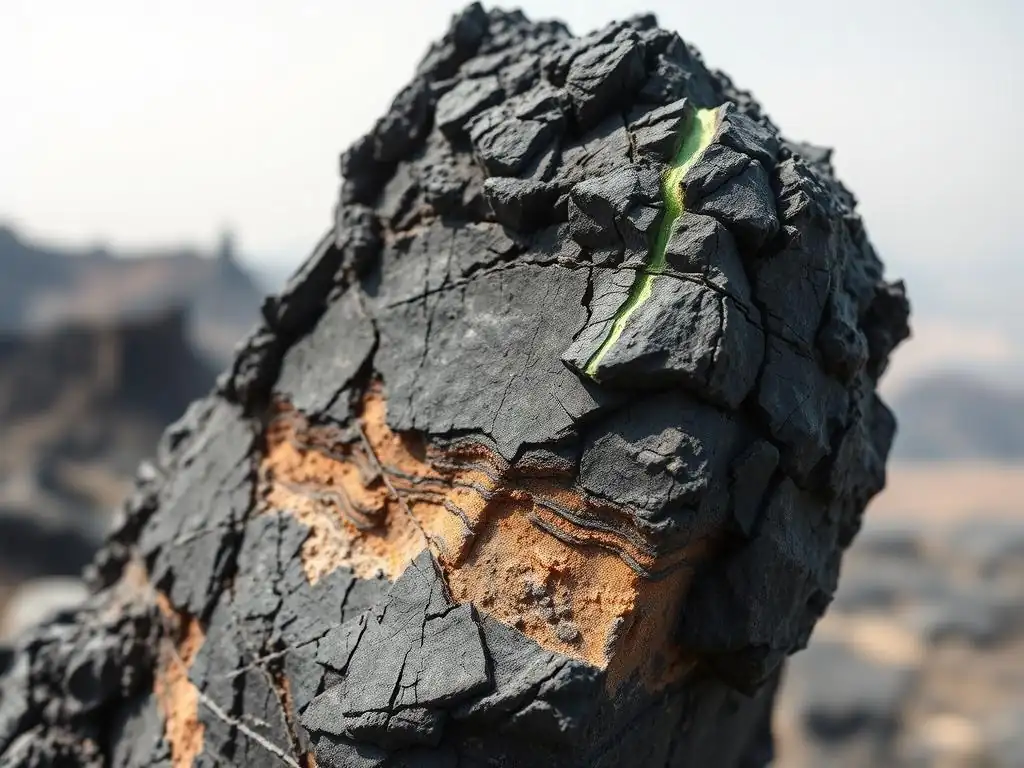
Volcanic plugs exhibit a diversity of rock types, reflecting the range of magmas that can ascend and solidify in volcanic conduits. Basalt is a frequently encountered rock type in volcanic plugs, particularly in regions characterized by basaltic volcanism, such as Hawaii or Iceland. Basaltic plugs are often dark-colored, fine-grained, and may display columnar jointing, a pattern of fractures that form as the lava cools and contracts.
Andesite is another common rock type, especially in plugs associated with stratovolcanoes found in subduction zones, like those along the Pacific Ring of Fire. Andesitic plugs are typically intermediate in color and silica content compared to basalt, and can also exhibit flow banding or brecciated textures.
Less frequently, but still significantly, volcanic plugs can be composed of more silica-rich rocks like dacite or rhyolite. Rhyolitic plugs are often lighter in color and may display glassy textures or pumiceous fragments. The specific rock type of a volcanic plug is a direct indicator of the magma composition that formed it.
For instance, the presence of olivine and pyroxene minerals suggests a more mafic, basaltic magma, while the abundance of quartz and feldspar points towards a more felsic, rhyolitic composition. Understanding the rock types within volcanic plugs is fundamental to reconstructing the magmatic history of a volcanic region and for understanding volcanic plugs formation from a compositional perspective.
Analyzing the Mineralogy of Volcanic Plugs: What it Tells Us
Detailed mineralogical analysis of volcanic plug rocks provides a wealth of information about the magmatic processes that occurred during their formation. Minerals are essentially geological thermometers and barometers, recording the conditions under which they crystallized. By identifying the types of minerals present in a volcanic plug, their chemical compositions, and their textural relationships, geologists can infer the temperature, pressure, and volatile content of the magma from which they formed. For example, the presence of high-pressure minerals like garnet or spinel in a volcanic plug can indicate that the magma originated from significant depths within the Earth's mantle.
Furthermore, the composition of individual minerals can reveal information about magma evolution. Zoning patterns within crystals, where the chemical composition varies from the core to the rim, can reflect changes in magma composition or physical conditions during crystallization. For instance, oscillatory zoning in plagioclase feldspar crystals might indicate magma mixing events or fluctuations in magma chamber conditions.
The study of mineral inclusions, small crystals trapped within larger minerals, can also provide insights into earlier stages of magma crystallization or the presence of different magma components. Therefore, mineralogical analysis is a powerful tool in understanding volcanic plugs formation and the complex history of the magmatic systems they represent.
Geochemical Tracers and Magma Source Identification
Geochemical analysis of volcanic plug rocks goes beyond mineralogy, examining the bulk chemical composition and isotopic ratios of the rocks to trace magma sources and pathways. Trace elements, present in minute concentrations, and isotopes, variants of elements with different neutron numbers, act as geochemical fingerprints, providing clues about the origin and evolution of magmas. For example, the ratios of certain trace elements, like rare earth elements or high field strength elements, can be used to distinguish between magmas derived from different mantle sources, such as enriched mantle, depleted mantle, or subduction zone mantle.
Isotopic ratios, such as strontium, neodymium, and lead isotopes, are particularly powerful tracers because they are less affected by magma differentiation processes and more closely reflect the isotopic signature of the magma source region. Analyzing these isotopic ratios in volcanic plug rocks can help determine whether the magma originated from the mantle, the crust, or a mixture of both.
Moreover, comparing the geochemical signatures of volcanic plugs with those of associated volcanic rocks and plutons can help establish genetic links and understand the broader magmatic system. Geochemical tracers are thus invaluable in understanding volcanic plugs formation within the context of regional and global tectonic settings and magma generation processes.
The Role of Plutons in Volcanic Plug Formation: The Deep Connection
Defining Plutons: The Intrusive Magmatic Roots
Plutons are large bodies of intrusive igneous rock that solidify deep within the Earth's crust. They are formed from magma that, unlike volcanic plugs, does not reach the surface but instead cools and crystallizes slowly at depth. This slow cooling allows for the growth of larger crystals, resulting in coarse-grained rocks like granite, diorite, and gabbro, which are commonly found in plutons.
Plutons can vary enormously in size, ranging from small, localized intrusions a few kilometers across to vast batholiths that can extend for hundreds of kilometers and encompass entire mountain ranges. The shape of plutons can also be diverse, including batholiths (large, irregular masses), stocks (smaller, roughly cylindrical intrusions), and laccoliths (lens-shaped intrusions that dome overlying rocks).
Understanding plutons is crucial because they represent the solidified magma chambers and deeper roots of volcanic systems. While volcanic plugs provide a view into the conduits that feed surface eruptions, plutons represent the magma reservoirs and source regions that supply those conduits over geological timescales. They are essentially the 'engines' that drive volcanism.
The relationship between plutons and volcanic plugs is therefore fundamental to understanding the complete life cycle of a volcanic system, from magma generation and storage at depth to its ascent and solidification in surface conduits. Thus, understanding volcanic plugs formation cannot be separated from understanding the role of plutons as their deep-seated origins.
How Plutons Feed Magma to Surface Volcanoes and Plugs
Plutons serve as the primary source of magma for surface volcanoes and, consequently, for the formation of volcanic plugs. Magma generated in the Earth's mantle or lower crust can ascend and accumulate in magma chambers within the crust. These magma chambers, over time, can cool and solidify to form plutons. However, before complete solidification, or even after partial solidification and remobilization, magma can be extracted from these plutonic bodies and ascend further towards the surface. The mechanisms by which magma is extracted from plutons and transported to the surface are complex and can involve various processes.
One important mechanism is the pressure build-up within the magma chamber. As more magma is injected into the chamber from deeper sources, or as volatile components exsolve and expand, the pressure can exceed the strength of the surrounding rocks. This overpressure can lead to fracturing of the crust and the creation of pathways for magma ascent. Another mechanism involves density contrasts.
Magma is generally less dense than the surrounding solid rocks, and this buoyancy force drives its upward movement. Fractures and faults in the crust can act as conduits, guiding magma from the plutonic source towards the surface. The connection between plutons and volcanic plugs is therefore a dynamic process of magma generation, storage, ascent, and solidification, with plutons acting as the deep-seated reservoirs that fuel surface volcanism and the formation of volcanic plugs. Understanding volcanic plugs formation necessitates understanding this magma supply chain from plutonic sources.
Evidence for Pluton-Volcanic Plug Connections: Seismic Data and Geologic Mapping
The connection between plutons and volcanic plugs is not merely a theoretical concept; it is supported by a growing body of geological and geophysical evidence. Geological mapping in eroded volcanic regions often reveals spatial associations between volcanic plugs and exposed plutonic rocks.
In areas where extensive erosion has removed the overlying volcanic cover, plutons are exposed at the surface, and volcanic plugs are frequently found in close proximity, suggesting a direct genetic link. The composition of the rocks in volcanic plugs and nearby plutons often shows similarities, further supporting the idea that they are derived from the same magmatic source.
Seismic data provides another powerful tool for investigating the subsurface architecture of volcanic systems and the connection between plutons and volcanic plugs. Seismic reflection and refraction surveys can image the boundaries of plutonic bodies at depth, revealing their size, shape, and depth extent. Seismic tomography, which uses variations in seismic wave velocities to map subsurface structures, can identify zones of partial melt or solidified plutonic rocks beneath volcanic areas.
In some cases, seismic studies have directly imaged magma conduits extending from plutonic bodies towards the surface, providing direct evidence for the pluton-volcanic plug connection. Furthermore, gravity and magnetic surveys can also help delineate plutonic bodies based on density and magnetic susceptibility contrasts with surrounding rocks. Combining geological mapping with geophysical data provides a comprehensive approach to understanding volcanic plugs formation and their deep connections to plutonic roots.
Case Studies: Examining Specific Volcanic Plugs and Their Plutonic Origins
Case Study 1: Devil's Tower, Wyoming - A Detailed Analysis
Geological Setting and Volcanic History
Devil's Tower, a striking geological monument in Wyoming, USA, stands as a quintessential example of a volcanic plug. Located in the Black Hills region, Devil's Tower rises dramatically above the surrounding plains, reaching a height of 867 feet (264 meters) above its base. The geological setting of Devil's Tower is characterized by sedimentary rocks of the Mesozoic era, primarily sandstones, shales, and siltstones, which were deposited in an ancient shallow sea.
The volcanic activity that led to the formation of Devil's Tower occurred during the Oligocene epoch, approximately 50 million years ago. This period of volcanism in the Black Hills region is associated with the broader tectonic setting of the western United States, which was undergoing significant crustal extension and magmatism.
The volcanic history of Devil's Tower is interpreted as representing a period of intrusive volcanism, where magma ascended into the sedimentary layers but did not erupt explosively at the surface. Instead, it is believed that magma intruded as a laccolith or a stock, causing uplift and deformation of the overlying sedimentary rocks. The magma that formed Devil's Tower is thought to have been relatively silica-poor, possibly a phonolite or trachyte composition, based on the mineralogy of the exposed plug.
Over millions of years, erosion has removed the softer sedimentary rocks that once surrounded the intrusion, revealing the resistant volcanic plug we see today. Understanding volcanic plugs formation at Devil's Tower requires considering this intrusive volcanic history and the subsequent erosional processes.
Evidence Linking the Plug to a Deeper Pluton
While Devil's Tower itself is a volcanic plug, evidence suggests it is connected to a larger plutonic body at depth. Geophysical studies, including seismic surveys and gravity measurements, have indicated the presence of a subsurface igneous body beneath the Devil's Tower area. Gravity data, in particular, shows a positive gravity anomaly, suggesting the presence of denser rocks at depth, consistent with a buried pluton. Seismic reflection profiles have also revealed subsurface structures that could represent the upper portions of a pluton or a complex of intrusions.
Furthermore, the overall geological context of the Black Hills region supports the idea of a deeper plutonic system. The Black Hills themselves are a domal uplift, which could be related to broader-scale magmatic underplating or the presence of a large, underlying batholith. While direct sampling of a pluton beneath Devil's Tower is not possible, the combined geophysical and geological evidence strongly suggests that the volcanic plug is just the exposed tip of a larger, unexposed plutonic body at depth. This connection is crucial for understanding volcanic plugs formation in the context of larger magmatic systems.
Implications for Understanding Regional Volcanism
The Devil's Tower case study has significant implications for understanding regional volcanism in the Black Hills and similar areas. It highlights the importance of considering the subsurface architecture of volcanic regions, including the role of plutons as magma sources and reservoirs. Devil's Tower demonstrates that volcanic plugs are not isolated features but are often connected to larger magmatic systems at depth. The intrusive nature of the volcanism at Devil's Tower, where magma did not reach the surface in a major eruption, is also informative about the range of volcanic processes that can occur in continental settings.
Moreover, the long-term erosional history of Devil's Tower emphasizes the role of erosion in shaping volcanic landscapes and revealing subsurface geological structures. The exposure of the volcanic plug allows geologists to study the composition and texture of the solidified magma, providing insights into the magmatic processes that occurred millions of years ago. Understanding volcanic plugs formation at Devil's Tower, therefore, contributes to a broader understanding of the interplay between magmatism, tectonics, and erosion in shaping regional landscapes and volcanic provinces.
Case Study 2: Edinburgh Castle Rock, Scotland - A Different Perspective
Geological Setting and Volcanic History
Edinburgh Castle Rock, upon which the iconic Edinburgh Castle is built, provides another compelling example of a volcanic plug, albeit with a slightly different geological context than Devil's Tower. Located in the heart of Edinburgh, Scotland, Castle Rock is a prominent landmark, rising abruptly from the surrounding cityscape. The geological setting of Edinburgh is within the Midland Valley of Scotland, a region characterized by ancient volcanic activity associated with the Carboniferous period, approximately 340 million years ago. During this time, Scotland experienced extensive volcanism related to crustal extension and rifting.
The volcanic history of Castle Rock is interpreted as representing a period of basaltic volcanism. It is believed that magma ascended through a volcanic vent and erupted at the surface, forming a small volcano. The magma that formed Castle Rock was likely basaltic in composition, consistent with the prevalent volcanic rocks of the Carboniferous period in Scotland.
Over millions of years, erosion has removed the surrounding volcanic cone and softer sedimentary rocks, leaving the resistant volcanic plug of Castle Rock as a prominent feature. Understanding volcanic plugs formation at Edinburgh Castle Rock involves considering this ancient basaltic volcanism and subsequent erosional processes in a different tectonic and temporal context compared to Devil's Tower.
Evidence Linking the Plug to a Deeper Pluton
While direct evidence of a pluton beneath Edinburgh Castle Rock is less definitive than in the case of Devil's Tower, geological and regional context suggests a connection to deeper magmatic sources. The Carboniferous volcanism in the Midland Valley of Scotland was widespread and prolonged, indicating a significant magmatic system at depth.
Regional geological mapping reveals the presence of numerous volcanic plugs and necks across the Midland Valley, suggesting a common magmatic source region. While large plutons are not exposed at the surface in the immediate vicinity of Edinburgh, the scale and distribution of Carboniferous volcanism imply the existence of subsurface magma chambers and potentially solidified plutonic bodies that fed these volcanic events.
Furthermore, geochemical studies of volcanic rocks in the Midland Valley, including those from volcanic plugs, suggest a mantle source for the magmas, indicating a deep origin. While specific geophysical surveys directly targeting a pluton beneath Castle Rock may be lacking in publicly available data, the broader geological and geochemical context strongly supports the idea that the volcanic plug is part of a larger magmatic system ultimately rooted in deeper mantle or crustal magma sources. This connection is essential for understanding volcanic plugs formation within the regional volcanic framework of Scotland.
Implications for Understanding Regional Volcanism
The Edinburgh Castle Rock case study provides a valuable comparative perspective to Devil's Tower, illustrating the diversity of volcanic plug settings and origins. While both are volcanic plugs formed by solidified magma conduits, they differ in age, magma composition, and geological context. Castle Rock highlights the importance of ancient volcanism in shaping landscapes and creating geological landmarks that persist over vast timescales. It also demonstrates that volcanic plugs can be associated with different types of volcanism, in this case, basaltic volcanism in a rift setting, compared to the more intrusive volcanism potentially associated with Devil's Tower.
Moreover, Edinburgh Castle Rock, being located in an urban environment, underscores the interaction between geology and human history. The resistant volcanic plug provided a strategic location for the construction of Edinburgh Castle, demonstrating how geological features can influence human settlement and development. Understanding volcanic plugs formation at Edinburgh Castle Rock, therefore, contributes to a broader appreciation of the long-term geological history of Scotland and the interplay between geological processes and human civilization.
Challenges and Future Research Directions in Volcanic Plug Studies
The Difficulty of Directly Observing Plutonic Processes
One of the fundamental challenges in studying volcanic plugs and their plutonic connections is the inherent difficulty in directly observing magmatic processes at depth. Plutons, by definition, are formed and reside kilometers beneath the Earth's surface, making direct sampling and observation impossible in most cases. Volcanic plugs provide a surface expression of the conduits, but they are just the solidified remnants of a dynamic magmatic system. Understanding the active processes within magma chambers and plutons, such as magma convection, crystallization, differentiation, and volatile migration, relies heavily on indirect methods and inferences.
Geophysical techniques, like seismology and electromagnetics, offer valuable insights into the subsurface, but they have limitations in resolution and interpretation. Drilling into active magma chambers is technically extremely challenging and hazardous, and has been attempted only in a few exceptional cases for scientific research purposes.
Therefore, our understanding of plutonic processes and their connection to volcanic plugs is largely based on studying exposed plutons in deeply eroded regions, analyzing volcanic rocks and plugs at the surface, and developing numerical models to simulate magmatic processes at depth. Overcoming the limitations of direct observation remains a significant challenge in advancing our understanding of volcanic plugs formation and the broader magmatic system.
Advancements in Geophysical Techniques for Imaging Deep Magma Bodies
Despite the challenges, significant advancements in geophysical techniques are continuously improving our ability to image and characterize deep magma bodies, including plutons and magma chambers. Seismic tomography, using both earthquake and controlled source data, is providing increasingly detailed images of the Earth's subsurface, revealing the location, size, and shape of magma bodies with better resolution. Improvements in seismic data acquisition and processing techniques, such as full waveform inversion, are enhancing the accuracy and detail of seismic images.
Electromagnetic methods, including magnetotellurics and controlled-source electromagnetics, are sensitive to electrical conductivity variations in the Earth, which can be related to the presence of partial melt or conductive minerals associated with magmatic systems. Combining seismic and electromagnetic data provides complementary information, as seismic methods are more sensitive to density and elastic properties, while electromagnetic methods are sensitive to electrical conductivity.
Furthermore, advancements in gravity and magnetic surveying, as well as satellite-based geodetic measurements of ground deformation, are providing additional constraints on the location and dynamics of deep magma bodies. These ongoing advancements in geophysical techniques are crucial for improving our understanding of plutonic processes and their connection to volcanic plugs.
Future Research Avenues: Integrating Geochemistry, Geophysics, and Modeling
Future research in volcanic plug studies and their plutonic connections will likely focus on integrating multiple approaches, combining geochemistry, geophysics, and numerical modeling. Geochemical studies will continue to refine our understanding of magma sources, magma evolution processes, and the timing of magmatic events associated with volcanic plug formation. High-precision isotopic dating and trace element analysis of volcanic plug rocks and associated plutonic rocks will provide more detailed constraints on magmatic timescales and magma mixing processes.
Geophysical research will focus on applying advanced imaging techniques to better characterize the subsurface architecture of volcanic systems, including the geometry of plutons, magma chambers, and conduits. Joint inversions of multiple geophysical datasets, such as seismic and electromagnetic data, will provide more robust and comprehensive models of subsurface magmatic structures. Numerical modeling will play an increasingly important role in simulating magmatic processes, such as magma ascent, conduit flow, cooling and solidification, and the interaction between plutons and volcanic plugs.
Integrating geochemical constraints into numerical models will improve their realism and predictive capabilities. A multi-disciplinary approach, combining these research avenues, is essential for achieving a more complete and nuanced understanding of volcanic plugs formation and their deep plutonic roots.
The Wider Implications of Understanding Volcanic Plug Formation
Assessing Volcanic Hazards Associated with Plug Instability
Understanding volcanic plug formation has direct implications for assessing volcanic hazards, particularly those associated with plug instability and potential reactivation. While volcanic plugs are solidified remnants of past volcanic activity, they can still pose hazards in several ways. The instability of volcanic plugs can lead to rockfalls and landslides, especially in areas with steep slopes or active erosion. The collapse of a volcanic plug can generate debris flows and lahars, which can travel significant distances and pose risks to communities and infrastructure downstream.
Furthermore, volcanic plugs can act as seals on underlying magma systems. If magma pressure builds up beneath a plug, it can lead to explosive eruptions, particularly if the plug is breached or weakened. The style of eruption associated with plug reactivation can range from phreatic eruptions (steam explosions) to magmatic eruptions, depending on the magma supply and the integrity of the plug.
Therefore, understanding the structural stability of volcanic plugs, their relationship to underlying magma systems, and the potential for reactivation is crucial for volcanic hazard assessment and mitigation in regions with volcanic plugs. Monitoring volcanic plugs for signs of instability or magmatic unrest is an important aspect of volcano monitoring programs.
Using Volcanic Plugs as Windows into the Earth's Interior
Volcanic plugs serve as exceptional natural laboratories, providing unique windows into the Earth's interior and the processes that operate within volcanic systems. They offer accessible cross-sections through former volcanic conduits, allowing geologists to directly examine the solidified magma and conduit materials. Studying volcanic plugs provides insights into magma ascent pathways, conduit dynamics, and the interaction between magma and surrounding rocks. The composition and texture of volcanic plug rocks record information about magma source regions, magma evolution processes, and the conditions of magma solidification.
Furthermore, volcanic plugs can be used to reconstruct the paleovolcanic landscape and the eruptive history of a volcanic region. By studying the distribution, age, and composition of volcanic plugs, geologists can infer the locations of past volcanic vents, the style of past eruptions, and the evolution of volcanic activity over time. Volcanic plugs also provide valuable samples for geochronological studies, allowing for precise dating of past volcanic events and the construction of volcanic timelines. Therefore, volcanic plugs are not just geological curiosities but are essential resources for understanding Earth's dynamic interior and the processes that shape volcanic landscapes.
The Significance of Volcanic Plugs in Understanding Volcanic Landscapes
Volcanic plugs play a significant role in shaping volcanic landscapes, contributing to the distinctive topography and geological features of volcanic regions. Their resistance to erosion compared to surrounding volcanic materials leads to the formation of prominent landforms, such as towers, spires, and ridges, which are characteristic of many volcanic areas. Volcanic plugs can act as focal points for erosion, influencing drainage patterns and the overall geomorphology of volcanic landscapes.
The presence of volcanic plugs also affects soil development and vegetation patterns in volcanic regions. The resistant rocks of volcanic plugs can create rocky outcrops and steep slopes, influencing soil thickness and nutrient availability. The weathering of volcanic plug rocks releases minerals into the soil, affecting soil fertility and supporting specific plant communities.
Furthermore, volcanic plugs often have cultural and historical significance, serving as landmarks, viewpoints, and sites of human settlement, as exemplified by Edinburgh Castle Rock. Understanding volcanic plugs formation is therefore essential for appreciating the complex interplay between geological processes, landscape evolution, and human interaction in volcanic regions.
Conclusion: The Enduring Mystery and Fascination of Volcanic Plugs
Volcanic plugs stand as enduring monuments to Earth's powerful internal forces, captivating our imagination and prompting scientific inquiry. From the dramatic silhouette of Devil's Tower to the historical prominence of Edinburgh Castle Rock, these geological formations are more than just scenic landmarks; they are keys to unlocking the mysteries of magmatic processes and the deep connections between surface volcanism and the Earth's interior. The puzzle of plutons and their relationship to volcanic plugs remains a central theme in volcanology, driving ongoing research and innovation in geophysical imaging, geochemical analysis, and numerical modeling.
Understanding volcanic plugs formation is not merely an academic pursuit; it has practical implications for volcanic hazard assessment, resource exploration, and our appreciation of Earth's dynamic landscapes. As we continue to unravel the complexities of volcanic systems, volcanic plugs will undoubtedly remain a focal point of study, offering invaluable insights into the processes that shape our planet and the forces that lie beneath our feet. The enduring mystery and fascination of volcanic plugs lie in their ability to connect us to deep time and to the powerful, often unseen, forces that have sculpted and continue to shape our world.
Frequently Asked Questions
How are volcanic plugs formed, according to VolcanoExplorers.org?
Volcanic plugs are formed when magma solidifies inside the vent of a volcano. Over time, the softer surrounding rock erodes away, leaving the resistant plug exposed.
What is the connection between volcanic plugs and deeper magma bodies, as explained by the article?
The article emphasizes that volcanic plugs are often the surface expression of larger, solidified magma bodies, called plutons, located deep underground. These plutons represent magma that never erupted.
What makes volcanic plugs so resistant to erosion?
Volcanic plugs are resistant because the magma that formed them cooled and solidified into dense, hard rock, such as basalt or rhyolite. This makes them much tougher than the surrounding sedimentary rocks.
Does VolcanoExplorers.org offer information about the dangers associated with volcanic plugs?
While not directly related to danger, the article implies that understanding volcanic plugs can help assess past volcanic activity and potentially inform future hazard assessments in the surrounding region.
How does the study of volcanic plugs contribute to our understanding of volcanoes in general?
Studying volcanic plugs provides insights into the internal plumbing systems of volcanoes. This helps scientists understand magma pathways, eruption dynamics, and the overall evolution of volcanic landscapes.
Final Reflection: Unearthing Earth's Secrets
The journey into understanding volcanic plugs formation reveals not just geological processes, but also the interconnectedness of Earth's surface and its hidden depths. The puzzle of plutons, and their relationship to these striking volcanic remnants, highlights the dynamic nature of our planet and the constant interplay between creation and erosion. This understanding is crucial today as we grapple with the impacts of volcanic activity and strive to predict future eruptions.
The study of volcanic plugs and their plutonic origins profoundly shapes our perspective on geological time and the forces that sculpt our landscapes. It reminds us that what we see on the surface is merely a glimpse into a much larger, more complex story. The present is the key to the past.
This principle, so fundamental to geology, is vividly illustrated by the connection between volcanic plugs and the magma bodies that birthed them, urging us to look deeper and connect the dots.
As we conclude this exploration of volcanic plugs and their plutonic connections, I invite you to reflect on the power of observation and the importance of seeking understanding beneath the surface. Just as geologists piece together the puzzle of Earth's history, may you also be inspired to delve deeper into the mysteries that surround you, uncovering hidden connections and gaining a richer appreciation for the world we inhabit.
Okay, I'm ready to create a compelling Call to Action (CTA) for the end of the "The Puzzle of Plutons: Connecting Volcanic Plugs to Deeper Magma Bodies" article for Volcano Explorers. Here it is:
Unearth Your Inner Volcanologist!
Thank you for diving into the fascinating world of plutons with us! We hope you've enjoyed unraveling the mysteries connecting these ancient volcanic plugs to the magma bodies that birthed them. Now it's your turn to get your hands dirty and explore!
Here's how you can continue your journey:
- Become a citizen scientist! Report any newly discovered plutons in your area to your local geological survey. You could be helping to complete the puzzle!
- Delve deeper into the geological maps of your region! Look for patterns in pluton distribution or similarities in rock composition that might reveal clues about past volcanic activity.
- Share this article with fellow earth enthusiasts and spark a conversation about the hidden history beneath our feet!
What surprising geological features have you uncovered in your local landscape that might be connected to deeper magma sources? Share your discoveries in the comments below!