
Volcanoes for Kids: Free & Fun Educational Resources for Young Explorers

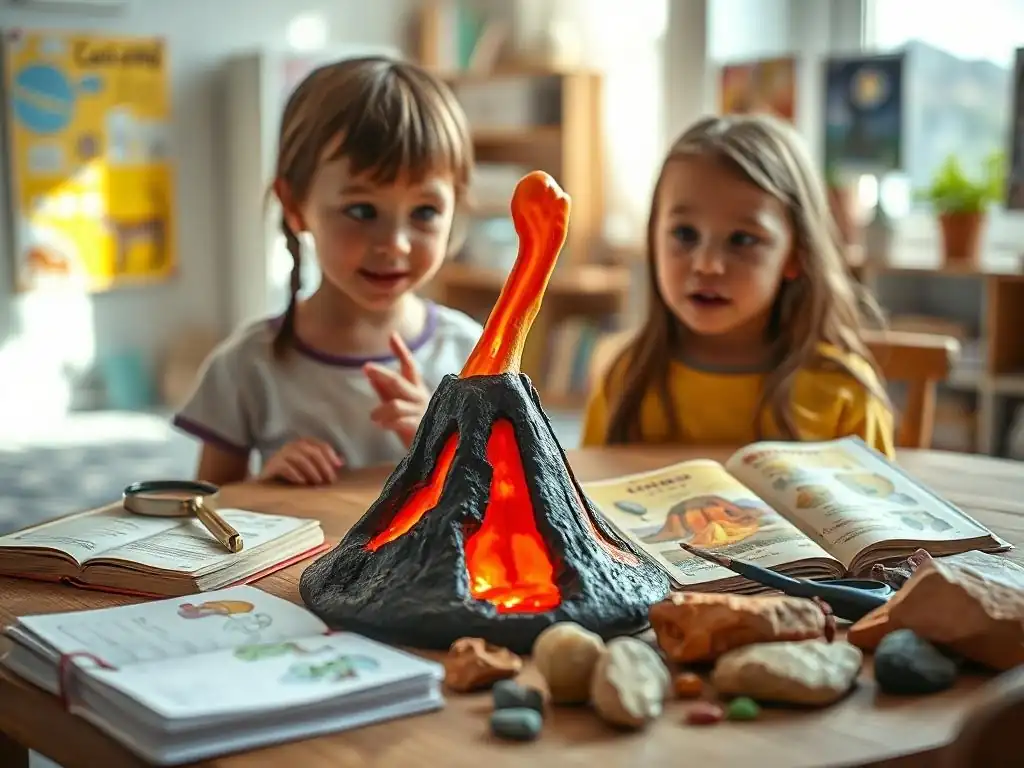
Welcome to Volcano Explorers!
Prepare to ignite your curiosity! Are you ready to embark on a thrilling journey to the heart of fiery mountains? Delve into our free and fun educational resources for kids volcanoes and unlock the secrets of these geological giants. But be warned, once you start exploring, you might just find yourself captivated by the earth-shattering power and breathtaking beauty that lies within. What are you waiting for? Let's erupt with knowledge!
- Igniting Curiosity: Free Volcano Learning Resources for Kids
- Free Online Volcano Resources for Kids: Dive into Volcanic Science
- Unearthing Knowledge: Free Volcano Lessons and Curriculum for Kids
- Volcano Safety for Kids: Understanding the Risks and Staying Safe
- Recommended Volcano Books for Kids: Expanding Their Knowledge
- Hands-On Volcano Science Projects for Kids: Erupting Fun at Home
- The Cultural Significance of Volcanoes: Stories and Legends for Kids
- Keeping Up-to-Date: Real-Time Volcano Activity for Kids (and Their Parents)
-
Frequently Asked Questions
- What age group are the educational resources on VolcanoExplorers.org best suited for?
- What types of volcanoes are covered in the educational materials?
- Does VolcanoExplorers.org offer any interactive activities or games related to volcanoes?
- Where can I find information about famous volcanic eruptions throughout history?
- Are there any safety guidelines or tips for families living near active volcanoes?
- Final Reflection: Igniting Curiosity About Our Earth
- Unleash Your Inner Volcanologist!
Igniting Curiosity: Free Volcano Learning Resources for Kids
Exploring the World of Volcanoes: A Fun Educational Journey
Volcanoes, with their fiery eruptions and dramatic landscapes, hold a captivating allure for children. The sheer power of nature unleashed, the mystery of molten rock from deep within the Earth, and the fascinating formations they create spark a natural curiosity in young minds. Introducing children to the world of volcanoes is more than just teaching science; it's about igniting a passion for exploration and discovery. Volcanoes serve as a fantastic gateway to understanding various scientific concepts, from geology and geography to chemistry and even physics, all wrapped in an exciting and engaging package.
For parents and educators seeking to harness this natural interest, a wealth of free educational resources is available. These resources are designed to make learning about volcanoes fun, accessible, and age-appropriate for kids of all ages. From interactive online games that simulate eruptions to printable worksheets that reinforce key vocabulary, and captivating videos showcasing real volcanic activity, there's a diverse range of materials to cater to different learning styles. These free educational resources for kids volcanoes are not just about memorizing facts; they are about fostering a deeper understanding and appreciation of our planet's dynamic processes.
Why Volcanoes Fascinate Kids: Connecting Science and Adventure
The fascination with volcanoes often stems from their inherent blend of danger and beauty. Children are drawn to the dramatic imagery of fiery lava flows, towering ash plumes, and the sheer force of volcanic eruptions. This visual spectacle naturally piques their interest and provides a compelling entry point into learning about the science behind these phenomena. Volcanoes represent a powerful force of nature, capable of reshaping landscapes and impacting environments in profound ways. This sense of scale and drama is inherently appealing to children, who are often drawn to stories of adventure and exploration.
Beyond the spectacle, volcanoes offer a tangible connection to the Earth's inner workings. They are a visible manifestation of processes happening deep beneath our feet, processes that shape our planet and have done so for billions of years. Learning about volcanoes can introduce children to concepts like plate tectonics, magma formation, and the rock cycle in a concrete and relatable way.
Furthermore, exploring the different types of volcanoes, from the gently sloping shield volcanoes to the explosive composite volcanoes, provides a framework for understanding geological diversity and the varied expressions of Earth's energy. This combination of adventure, visual excitement, and scientific exploration makes volcanoes an incredibly engaging topic for kids, providing a fantastic opportunity for educational resources for kids volcanoes to truly shine.
Free Online Volcano Resources for Kids: Dive into Volcanic Science
Interactive Volcano Games and Simulations for Kids
The digital age has brought a wealth of interactive and engaging resources for learning, and volcano education is no exception. Numerous free online volcano games and simulations are available that transform complex geological processes into playful and understandable experiences for children. Imagine a game where kids can virtually build their own volcano, choosing different magma compositions and eruption styles, and then witnessing the simulated eruption unfold based on their choices. These interactive platforms allow children to experiment, make decisions, and see the immediate consequences, fostering a deeper understanding of cause and effect in volcanic activity.
Many simulations focus on specific aspects of volcanology, such as lava flow dynamics, ash cloud dispersion, or the formation of different volcanic landforms. Some games incorporate elements of strategy and problem-solving, challenging kids to manage resources during a simulated volcanic eruption or to design evacuation plans for virtual communities living near active volcanoes.
These interactive experiences not only make learning fun but also cater to different learning styles, allowing children to learn by doing and exploring in a safe and engaging digital environment. These online games represent a valuable component of educational resources for kids volcanoes, providing an accessible and enjoyable way to grasp complex scientific concepts.
Free Printable Volcano Worksheets and Activities for Kids: Hands-on Learning
While digital resources are invaluable, hands-on activities and tangible materials remain crucial for reinforcing learning, especially for younger children. Free printable volcano worksheets and activities offer a fantastic way to engage kids in tactile learning and solidify their understanding of volcano-related concepts. These resources range from simple coloring pages depicting different types of volcanoes to more complex worksheets that test vocabulary, comprehension, and critical thinking skills related to volcanic processes.
Activity sheets can include tasks such as labeling the parts of a volcano, matching volcano types to their descriptions, or sequencing the stages of a volcanic eruption. Crossword puzzles and word searches with volcano-related terms can be both fun and educational, helping to build vocabulary and reinforce spelling. For younger children, cut-and-paste activities where they assemble a volcano model or create a timeline of famous eruptions can be particularly engaging. These printable resources provide a valuable complement to digital tools, offering a hands-on, offline learning experience that is essential for comprehensive educational resources for kids volcanoes.
Educational Volcano Videos for Kids: Visualizing Eruptions and Formations
Visual learning is incredibly powerful, especially when it comes to understanding dynamic and visually striking phenomena like volcanic eruptions. Educational volcano videos designed for kids offer a captivating way to witness real eruptions, explore different volcanic landscapes, and learn about the science behind these natural wonders. These videos often utilize stunning footage of actual volcanic activity from around the world, bringing the topic to life in a way that textbooks and static images cannot.
Many educational videos employ animation and graphics to explain complex concepts like plate tectonics, magma plumes, and the formation of various volcanic features in a clear and engaging manner for children. Documentaries specifically tailored for younger audiences often incorporate storytelling elements and relatable characters to further enhance engagement and understanding.
These videos can showcase the work of volcanologists, demonstrating how scientists study volcanoes and monitor their activity, providing insights into real-world scientific careers. From short, animated explainers to longer, more in-depth documentaries, educational volcano videos are an indispensable part of educational resources for kids volcanoes, offering a visually rich and immersive learning experience.
Virtual Volcano Field Trips for Kids: Explore Volcanoes From Home
Imagine exploring the slopes of Mount Vesuvius or peering into the crater of Kilauea, all without leaving your classroom or home. Virtual volcano field trips make this possible, offering an incredible opportunity for kids to experience volcanic landscapes and learn about different volcanoes around the world remotely. These virtual excursions utilize technologies like 360-degree videos, interactive maps, and virtual reality to create immersive and engaging learning experiences.
Many virtual field trips are designed to be interactive, allowing students to navigate volcanic environments, zoom in on specific features, and access informational pop-ups or videos at various points of interest. Some virtual tours even incorporate interviews with volcanologists or local experts, providing firsthand insights into the science and cultural significance of volcanoes in different regions.
These virtual experiences can transport kids to volcanic hotspots around the globe, from Iceland's geothermal wonders to the volcanic islands of Hawaii, broadening their understanding of the diverse expressions of volcanism on our planet. Virtual volcano field trips are a cutting-edge addition to educational resources for kids volcanoes, breaking down geographical barriers and making volcano exploration accessible to all.
Unearthing Knowledge: Free Volcano Lessons and Curriculum for Kids
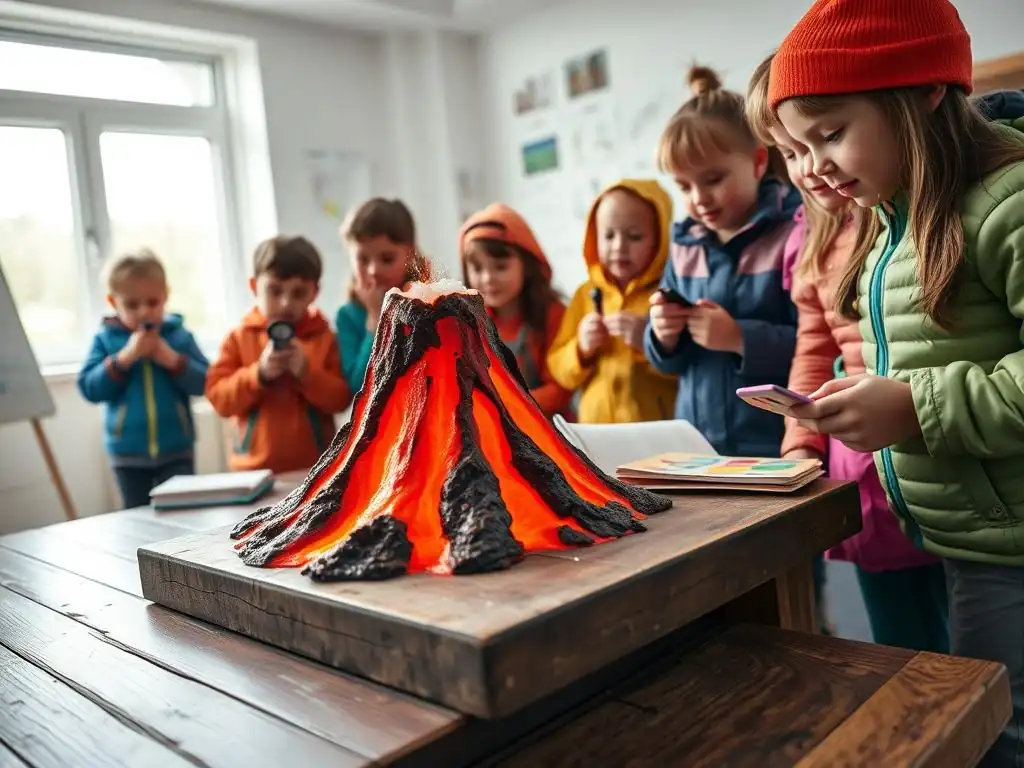
Free Volcano Lesson Plans for Elementary School Students: Engaging Activities
For educators looking to incorporate volcano studies into their curriculum, a wealth of free volcano lesson plans specifically designed for elementary school students are readily available. These lesson plans provide structured activities, learning objectives, and assessment ideas tailored to the developmental stage and learning abilities of younger children. Elementary school volcano lessons often emphasize hands-on activities, group work, and creative expression to make learning engaging and memorable.
Common activities in these lesson plans might include building simple volcano models using household materials, conducting baking soda and vinegar eruptions, or creating artwork inspired by volcanic landscapes. Lessons can incorporate storytelling, reading age-appropriate books about volcanoes, and watching short educational videos.
Many lesson plans integrate cross-curricular connections, linking volcano studies to subjects like geography, art, and language arts. These free lesson plans are a valuable time-saver for teachers, providing ready-to-use resources that align with educational standards and make teaching about volcanoes both effective and enjoyable for elementary school students, forming a core component of educational resources for kids volcanoes designed for classroom use.
Free Volcano Lessons for Middle School Students: Deeper Exploration
As students progress to middle school, their capacity for abstract thinking and scientific inquiry expands. Free volcano lessons designed for this age group delve deeper into the scientific complexities of volcanism, exploring topics like plate tectonics, magma composition, eruption types, and the impact of volcanoes on the environment and human societies. Middle school volcano lessons often incorporate more rigorous scientific investigations, data analysis, and critical thinking activities.
These lessons might involve analyzing real-world data on volcanic eruptions, researching specific volcanoes and their eruption histories, or conducting experiments to model different aspects of volcanic processes, such as lava viscosity or pyroclastic flows. Discussions and debates about the risks and benefits of living near volcanoes, or the role of volcanology in hazard mitigation, can foster critical thinking and engagement with real-world issues.
Middle school lessons may also introduce students to the careers of volcanologists and the scientific methods they employ. These more in-depth and challenging lesson plans provide a robust framework for middle school volcano education, offering advanced educational resources for kids volcanoes suitable for a more mature learning environment.
Understanding Volcano Types: Shield, Composite, and Cinder Cone Volcanoes Explained for Kids
Introducing children to the different types of volcanoes is essential for a comprehensive understanding of volcanism. The three main types – shield, composite (or stratovolcanoes), and cinder cone volcanoes – each have distinct characteristics, formation processes, and eruption styles. Explaining these differences in an age-appropriate way helps children appreciate the diversity of volcanic landscapes and the factors that influence volcanic activity. Using clear analogies, visual aids, and relatable examples is key to making these concepts accessible to young learners.
Shield Volcanoes: Gentle Giants
Shield volcanoes are characterized by their broad, gently sloping profiles, resembling a warrior's shield laid flat on the ground. They are formed by fluid, basaltic lava flows that spread out over large distances, creating vast volcanic edifices over time. Eruptions from shield volcanoes are typically effusive, meaning they involve the relatively gentle outpouring of lava rather than violent explosions.
Imagine honey slowly flowing down a hillside – that’s similar to how lava flows from shield volcanoes. Mauna Loa and Kilauea in Hawaii are excellent examples of shield volcanoes, showcasing their massive size and relatively calm eruptive behavior. These gentle giants are a great starting point for kids learning about volcano types, illustrating that not all volcanoes are explosively dangerous.
Composite Volcanoes: Explosive Layers
Composite volcanoes, also known as stratovolcanoes, present a stark contrast to shield volcanoes. They are typically steep-sided, cone-shaped mountains built up of alternating layers of viscous lava flows, ash, pumice, and volcanic debris. This layered structure reflects their formation through a combination of explosive and effusive eruptions. Composite volcanoes are often associated with powerful, explosive eruptions due to their more viscous, gas-rich magma.
Think of shaking a soda bottle and then opening it quickly – the pressure builds and then releases explosively; similarly, gas buildup in composite volcano magma leads to dramatic eruptions. Mount Fuji in Japan and Mount Rainier in the United States are iconic examples of composite volcanoes, known for their majestic appearance and potential for powerful eruptions. Understanding composite volcanoes helps kids appreciate the more dramatic and hazardous aspects of volcanic activity.
Cinder Cone Volcanoes: Small and Steep
Cinder cone volcanoes are the smallest and simplest type of volcano. They are characterized by their steep, conical shape and are built from ejected lava fragments, called cinders or tephra, that accumulate around a single vent. Cinder cone eruptions are typically short-lived and less explosive than those of composite volcanoes, often involving fire fountains and the ejection of hot rock fragments into the air.
Imagine throwing handfuls of gravel onto a pile – that’s how cinder cones are built, layer by layer of ejected material. Sunset Crater Volcano in Arizona is a well-preserved example of a cinder cone volcano, demonstrating their relatively small size and distinctive shape. Cinder cones provide a good example of how volcanic landscapes can be formed by smaller, localized eruptions and are often used to illustrate the basic building blocks of volcanism for kids.
Volcano Safety for Kids: Understanding the Risks and Staying Safe
While volcanoes are fascinating to study, it's crucial to educate children about the potential hazards associated with volcanic activity, especially for those living in volcanically active regions. Volcano safety education is a vital component of comprehensive volcano education. Providing age-appropriate information about volcanic risks and safety measures empowers children to understand and respond appropriately to volcanic hazards, promoting safety and preparedness.
What to Do During a Volcano Eruption: A Kid-Friendly Safety Guide
Explaining what to do during a volcanic eruption in a clear and kid-friendly manner is essential for safety education. The key message is to listen to and follow instructions from trusted adults and official sources like emergency responders and volcano observatories. Simple, actionable steps can be taught and reinforced through practice and repetition. For example, teaching kids the importance of evacuating quickly and calmly if instructed to do so is paramount.
A kid-friendly safety guide might emphasize actions such as: staying indoors if advised, closing windows and doors to keep out ash, wearing a dust mask or damp cloth to protect lungs from ash inhalation, and listening to the radio or TV for official updates. It's also important to explain why these actions are necessary, linking them to the specific hazards of volcanic eruptions, such as ashfall, gas emissions, and lava flows.
Using scenarios and role-playing can help children practice these safety procedures in a non-threatening environment, making volcano safety a practical and understandable part of educational resources for kids volcanoes.
Understanding Volcano Warning Signs: Helping Kids Stay Aware
Teaching children to recognize volcano warning signs helps them become more aware of their surroundings and potential volcanic hazards. While volcano monitoring is primarily the responsibility of scientists, understanding basic warning signs can empower kids to be more observant and informed. Explaining that scientists use special instruments to monitor volcanoes, but that there are also visible signs of increased activity, is important.
Kid-friendly warning signs can include: increased steaming or smoke from a volcano, changes in the shape of a volcano, small earthquakes or ground swelling, and unusual smells like sulfur (rotten eggs). It's crucial to emphasize that if they notice any of these signs, they should tell a trusted adult immediately. This approach encourages children to be active participants in safety and to understand that volcano activity is monitored and predictable to some extent, making volcano awareness a valuable element of educational resources for kids volcanoes.
Volcano Preparedness for Kids: Creating a Family Emergency Plan
Volcano preparedness is not just about knowing what to do during an eruption; it's also about being prepared beforehand. Involving children in creating a family emergency plan for volcanic events helps them feel empowered and responsible in ensuring family safety. This process can be age-appropriate and engaging, turning preparedness into a family activity.
Creating a family emergency plan can involve discussing evacuation routes, identifying a safe meeting place away from the volcano, and assembling a volcano emergency kit. Kids can help gather essential items for the kit, such as water, non-perishable food, flashlights, batteries, a first-aid kit, and dust masks. Practicing the emergency plan regularly, like a fire drill, can reinforce preparedness and make it a familiar routine. This proactive approach to volcano safety, involving kids in planning and preparation, strengthens the educational resources for kids volcanoes message of safety and responsibility.
Recommended Volcano Books for Kids: Expanding Their Knowledge
Books are a fantastic resource for expanding children's knowledge about volcanoes, offering in-depth information, captivating stories, and stunning visuals. Volcano books designed for kids cater to different age groups and reading levels, providing a range of options for exploring this fascinating topic further. From picture books for younger children to more detailed science books for older kids, there's a wealth of volcano literature to choose from.
Top Volcano Books for Younger Children: Picture Books and Simple Explanations
For younger children, picture books with vibrant illustrations and simple, engaging text are ideal for introducing the world of volcanoes. These books often focus on the basic concepts of volcanoes, such as what they are, how they erupt, and the different types of volcanoes, presented in an accessible and entertaining way. Look for books that use clear language, captivating imagery, and perhaps even incorporate elements of storytelling to capture the imagination of young readers.
Examples of popular volcano picture books include titles that explain volcano formation through relatable analogies, follow the journey of magma from deep within the Earth, or tell fictional stories set against the backdrop of volcanic landscapes. These books often serve as a great starting point for sparking curiosity and laying a foundational understanding of volcanoes for preschoolers and early elementary school children. These picture books are a crucial part of educational resources for kids volcanoes, providing visually stimulating and age-appropriate introductions to the topic.
Best Volcano Books for Older Children: Detailed Science and Exploration
As children grow older, their reading comprehension and scientific understanding develop, allowing them to delve into more detailed and complex volcano books. Books for older children can explore the science of volcanology in greater depth, covering topics like plate tectonics, magma chemistry, eruption dynamics, and the impact of volcanoes on the environment and human history. These books may include photographs, diagrams, maps, and real-life case studies to enhance understanding and engagement.
Some recommended books for older children might focus on specific famous volcanoes, such as Mount St. Helens or Vesuvius, detailing their eruption histories and scientific significance. Others might explore the careers of volcanologists, showcasing the diverse fields of study within volcanology and the exciting work scientists do to understand and monitor volcanoes. These more advanced books cater to the growing scientific curiosity of older elementary and middle school students, providing richer and more comprehensive educational resources for kids volcanoes.
Hands-On Volcano Science Projects for Kids: Erupting Fun at Home
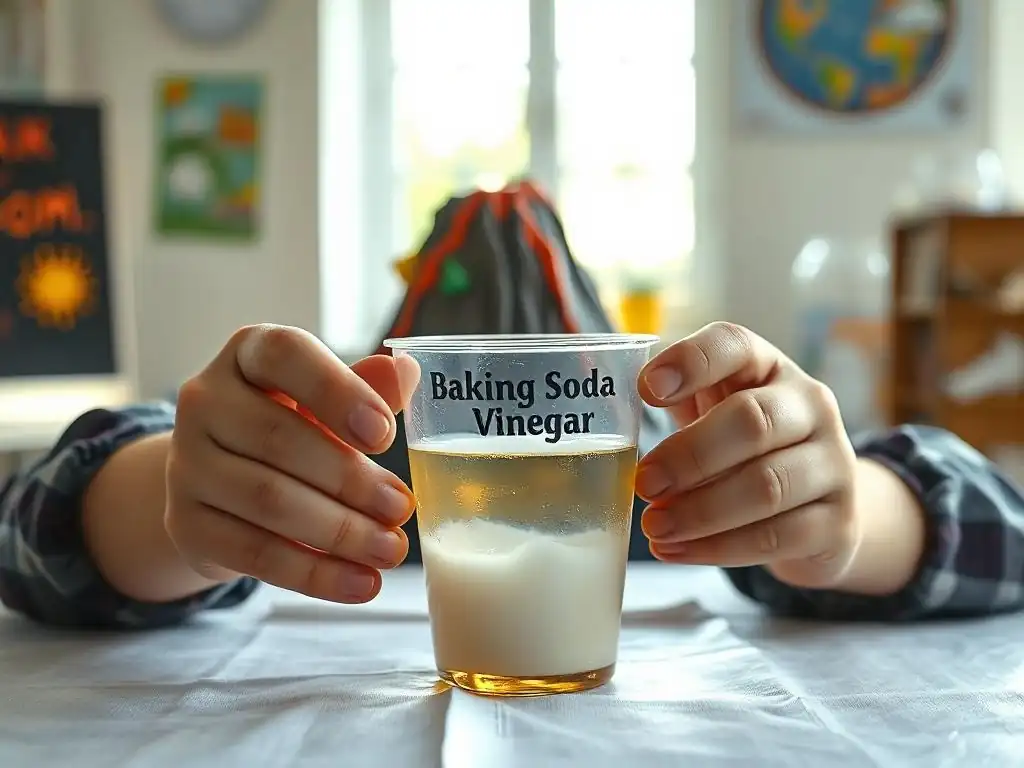
Hands-on science projects are an incredibly effective way to make learning about volcanoes interactive, engaging, and memorable for kids. Building and erupting a volcano model is a classic science experiment that never fails to excite children and helps them visualize the basic processes of volcanic eruptions. These projects can be adapted for different age groups and skill levels, using readily available household materials.
Building a Baking Soda Volcano: A Classic Science Experiment
The baking soda and vinegar volcano is a quintessential science experiment that demonstrates the basic principles of a volcanic eruption in a safe and controlled setting. This project involves building a volcano model, typically using materials like clay, cardboard, or plastic bottles, and then creating an "eruption" by mixing baking soda and vinegar inside the volcano's crater. The chemical reaction between baking soda (sodium bicarbonate) and vinegar (acetic acid) produces carbon dioxide gas, which builds up pressure and forces a foamy "lava" mixture to erupt from the volcano's vent.
This simple experiment effectively illustrates the concept of gas pressure driving volcanic eruptions, although it is a simplified analogy. Kids can experiment with different amounts of baking soda and vinegar to observe how the intensity of the eruption changes. They can also add food coloring to the vinegar to make the "lava" more visually appealing. This classic experiment remains a popular and effective way to introduce basic volcanic concepts as part of educational resources for kids volcanoes.
Creating a Volcano Model: Understanding Volcanic Anatomy
Building a volcano model, even without the erupting component, is a valuable hands-on activity for understanding volcanic anatomy. This project encourages children to learn about the different parts of a volcano, such as the crater, vent, cone, magma chamber, and layers of rock. Creating a model allows for a tactile and visual representation of these features, making them more concrete and understandable.
Volcano models can be constructed from a variety of materials, ranging from simple clay or playdough models to more elaborate cardboard or papier-mâché structures. Kids can label the different parts of their model and research the function of each component. This project can be extended by having children create different types of volcano models, representing shield, composite, and cinder cone volcanoes, highlighting their distinct shapes and features. Building volcano models is a valuable hands-on learning experience, reinforcing vocabulary and anatomical understanding as part of educational resources for kids volcanoes.
Simulating Lava Flows: Exploring Viscosity and Temperature
Exploring lava flows and their properties, particularly viscosity (resistance to flow) and temperature, can be a fascinating science project for older children. Simulating lava flows using different materials allows kids to observe how viscosity affects the speed and shape of lava flows, and how temperature influences viscosity. This experiment introduces them to the concept of fluid dynamics in a volcanic context.
One simple simulation involves pouring different liquids with varying viscosities, such as water, corn syrup, and honey, down an inclined surface and observing how they flow. Corn syrup, being more viscous than water, will flow more slowly and create a thicker flow. Honey, even more viscous, will flow even slower.
This demonstrates how more viscous lavas, like those from composite volcanoes, flow slower and create steeper slopes, while less viscous lavas, like those from shield volcanoes, flow more easily and create gentler slopes. For a more advanced experiment, kids can investigate how temperature affects viscosity by heating and cooling different liquids and observing changes in their flow behavior. Simulating lava flows provides a hands-on way to explore the physical properties of lava and their impact on volcanic landforms, enhancing educational resources for kids volcanoes with practical scientific inquiry.
The Cultural Significance of Volcanoes: Stories and Legends for Kids
Volcanoes have not only shaped the physical landscape but have also deeply influenced human cultures throughout history. Exploring the cultural significance of volcanoes, including myths, legends, art, literature, and sacred sites, provides a broader and more holistic understanding of the human-volcano relationship. This exploration adds a rich dimension to volcano education, connecting science with humanities and cultural studies.
Volcanoes in Mythology: Exploring Myths and Legends from Around the World
Many cultures around the world have incorporated volcanoes into their mythology and folklore, often attributing volcanic activity to deities, spirits, or supernatural forces. Exploring these myths and legends offers a fascinating glimpse into how different societies have understood and interpreted volcanoes throughout history. These stories often reflect a mixture of awe, fear, and respect for the power of volcanoes.
For example, in Roman mythology, Vulcan was the god of fire, volcanoes, and blacksmithing, with volcanoes seen as his fiery forges. Hawaiian mythology features Pele, the goddess of volcanoes and fire, whose fiery temper is said to cause eruptions. Native American cultures in the Pacific Northwest have stories of Thunderbird and other mythical beings associated with volcanoes. Exploring these diverse myths and legends provides a rich cultural context for understanding volcanoes and their impact on human imagination, enriching educational resources for kids volcanoes with cultural narratives.
Volcanoes in Art and Literature: Inspiring Creativity
Volcanoes have been a source of inspiration for artists and writers for centuries, appearing in paintings, poems, novels, and films. Exploring these artistic and literary representations of volcanoes reveals how these natural wonders have captured the human imagination and evoked a wide range of emotions, from awe and terror to beauty and tranquility. Volcanoes have served as powerful symbols and metaphors in creative expression.
Paintings depicting dramatic volcanic eruptions, such as those of Mount Vesuvius, capture the visual spectacle and dramatic power of volcanoes. Poems and stories often use volcanoes as metaphors for inner turmoil, passion, or transformative change. Films and novels set in volcanic landscapes often explore themes of adventure, danger, and the power of nature. Examining these artistic and literary expressions provides a unique perspective on volcanoes, showcasing their cultural impact and inspiring creativity as part of educational resources for kids volcanoes.
Volcanoes as Sacred Sites: Understanding the Cultural Importance of Volcanic Landscapes
In many cultures, volcanic landscapes are considered sacred sites, holding deep spiritual and cultural significance. Volcanoes may be revered as homes of deities, places of pilgrimage, or sites of important rituals and ceremonies. Understanding this cultural dimension highlights the profound connection between humans and volcanic environments beyond the purely scientific perspective.
For example, Mount Fuji in Japan is not only a majestic volcano but also a sacred mountain and a site of pilgrimage for centuries. Indigenous communities in volcanic regions often have deep spiritual connections to the land and view volcanoes as integral parts of their cultural heritage. Exploring these sacred sites and the cultural practices associated with them provides a deeper appreciation for the multifaceted significance of volcanoes and the importance of respecting cultural heritage in volcanic regions, adding a layer of cultural sensitivity to educational resources for kids volcanoes.
Keeping Up-to-Date: Real-Time Volcano Activity for Kids (and Their Parents)
Staying informed about real-time volcano activity is crucial for both safety and continued learning. For children and their parents, understanding how to access reliable information about volcanic events and interpret volcano alerts is an important aspect of volcano education and preparedness. Utilizing online resources that provide up-to-date information on volcanoes worldwide can enhance awareness and engagement with ongoing volcanic processes.
Monitoring Volcanoes Worldwide
Numerous websites and organizations provide real-time information on volcano activity around the globe. These resources, often maintained by volcano observatories and geological surveys, offer maps, data, and reports on current volcanic unrest, eruptions, and related hazards. Introducing kids to these resources, with parental guidance, can foster a sense of global awareness and connect classroom learning to real-world events.
Websites like the Smithsonian Institution's Global Volcanism Program and the USGS Volcano Hazards Program provide comprehensive databases, interactive maps, and eruption updates. These resources often include visual aids, such as satellite imagery and webcam views of volcanoes, making the information more accessible and engaging, even for older children. Learning to navigate these resources and interpret the information they provide is a valuable skill, contributing to real-time volcano awareness as part of educational resources for kids volcanoes.
Understanding Volcano Alert Levels: A Simple Explanation for Kids
Volcano alert levels are systems used by volcano observatories to communicate the level of volcanic activity and potential hazards to the public. Explaining these alert levels in a simple and kid-friendly way helps children understand the current status of a volcano and the associated risks. Using color-coded systems or simple descriptive terms makes alert levels easier to grasp.
For example, alert levels might range from "Normal" or "Green" (volcano is quiet) to "Advisory" or "Yellow" (signs of unrest), "Watch" or "Orange" (increased unrest or minor eruption), and "Warning" or "Red" (major eruption underway). Explaining what each alert level means in terms of potential hazards and recommended actions helps kids understand the significance of volcano warnings and the importance of following official guidance. Understanding volcano alert levels is a key component of volcano safety education and real-time volcano awareness within educational resources for kids volcanoes.
Discussing Recent Volcanic Eruptions: Connecting News and Education
Following and discussing recent volcanic eruptions in the news provides a powerful way to connect classroom learning to current events and real-world phenomena. Analyzing news reports, images, and videos of recent eruptions can make volcano studies more relevant and engaging for children. These discussions can also foster critical thinking and media literacy skills.
Teachers and parents can use news articles and reports about recent eruptions as case studies, exploring the type of volcano, the eruption style, the impacts on surrounding communities, and the scientific response to the event. Discussing the human stories behind volcanic eruptions, the challenges faced by affected communities, and the role of volcanologists in monitoring and mitigating volcanic hazards adds a human dimension to volcano education.
Connecting news and education makes learning about volcanoes dynamic and relevant, reinforcing the importance of staying informed and engaged with the world around them, and highlights the real-world application of educational resources for kids volcanoes.
Frequently Asked Questions
What age group are the educational resources on VolcanoExplorers.org best suited for?
The resources are designed to be engaging and accessible for a broad range of ages, but are primarily aimed at elementary and middle school students. The content can be adapted for younger or older audiences with some adjustments.
What types of volcanoes are covered in the educational materials?
The site explores various volcano types, including shield volcanoes, stratovolcanoes (or composite volcanoes), and cinder cones. Information is provided on their formation, eruption styles, and notable examples around the world.
While the website may not explicitly offer interactive games, it provides engaging content through videos, quizzes, and downloadable worksheets. These resources help reinforce learning in a fun and memorable way.
Where can I find information about famous volcanic eruptions throughout history?
The website has a dedicated section covering significant historical eruptions, such as Mount Vesuvius, Mount St. Helens, and Krakatoa. These case studies illustrate the power and impact of volcanic activity.
Are there any safety guidelines or tips for families living near active volcanoes?
Yes, VolcanoExplorers.org provides crucial safety information and evacuation tips for those residing in volcanic hazard zones. This section emphasizes preparedness and responsible actions during volcanic emergencies.
Final Reflection: Igniting Curiosity About Our Earth
The journey through volcanoes, as explored in this article, isn't just about understanding geological formations; it's about sparking a lifelong curiosity about the dynamic forces shaping our planet. By providing accessible and engaging educational resources, we aim to empower young minds to become informed and passionate explorers of the natural world.
The fascination with volcanoes extends far beyond the classroom. It represents a primal connection to the raw power and beauty of nature, a reminder of the Earth's constant evolution. This connection is crucial for fostering environmental awareness and responsible stewardship. The Earth is what we all have in common.
- Wendell Berry. This quote encapsulates the importance of understanding and appreciating the planet we inhabit, starting with the captivating spectacle of volcanoes.
Now, dear reader, consider the impact you can have. Share these resources, encourage exploration, and nurture the budding scientist within every child. Let the fiery spirit of volcanoes ignite a passion for learning and a commitment to protecting our extraordinary Earth.
Unleash Your Inner Volcanologist!
Thanks for exploring the fascinating world of volcanoes with us! We hope you've found some amazing resources to ignite your child's curiosity and inspire a lifelong love of learning about these powerful forces of nature. Now, let's get exploring!
Here's how you can continue your adventure:
- Dive Deeper: Choose a volcano type—like a shield volcano, a composite volcano, or a cinder cone—and delve into research. Create a diagram, write a story, or prepare a presentation to showcase what you've learned! This hands-on activity transforms curiosity into active learning.
- Share the Fun: Spread the word about volcanoes! Share this article with other parents, educators, or friends who have young explorers in their lives.
- Get Creative: Design and build your own volcano model using household materials. (Bonus points for a realistic eruption using baking soda and vinegar!)
What's one surprising fact about volcanoes that you and your child discovered today? Share it in the comments below—we'd love to hear your thoughts!