
Volcanic Smog (Vog): Is This Beautiful Haze Slowly Killing You?


Welcome to Volcano Explorers!
Ever gazed at the ethereal haze surrounding a volcano and wondered about its secrets? That beautiful, shimmering vog might be hiding a darker truth. We invite you to delve into the health effects of volcanic smog in our latest article, and discover if this mesmerizing phenomenon is more dangerous than it appears. Prepare to uncover the unseen risks and learn how to protect yourself from the silent threat lurking in the air. Read on, and let's unravel the mysteries together...
Understanding Volcanic Smog (Vog)
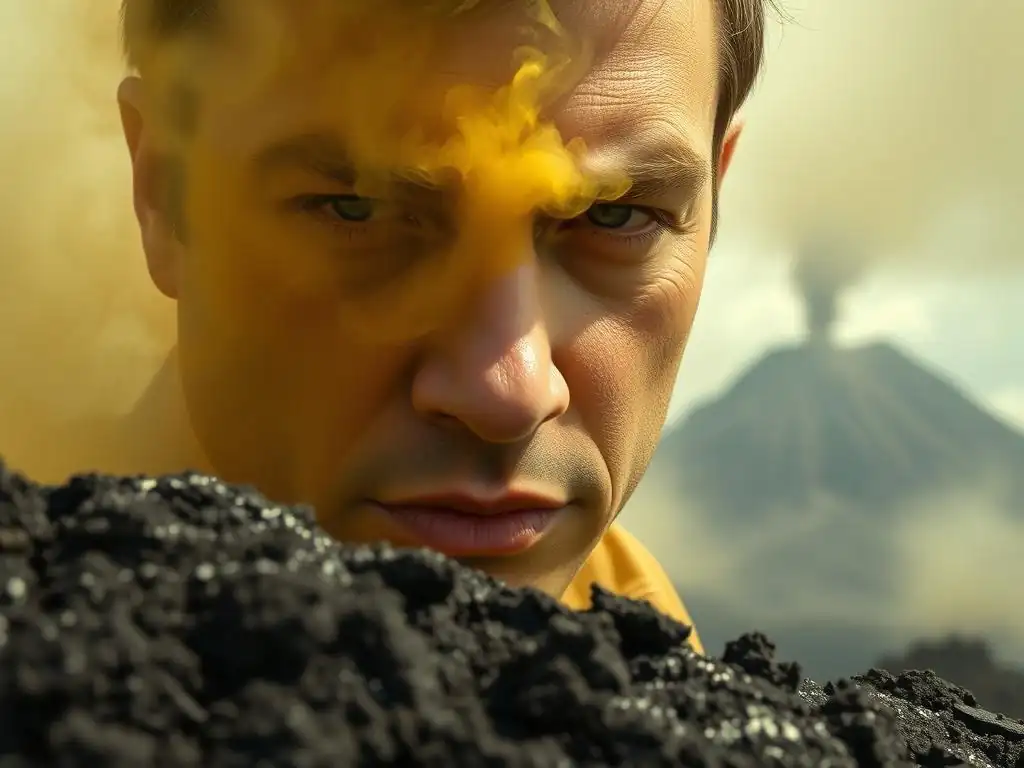
What is Vog and How is it Formed?
Volcanic smog, or vog, is a unique form of air pollution that occurs downwind of active volcanoes, most notably in Hawaii where Kīlauea volcano has been erupting continuously for decades. Unlike traditional smog, which is largely a product of industrial and vehicle emissions, vog originates from volcanic gases. The primary culprit is sulfur dioxide (SO2), a gas released in large quantities from erupting volcanoes.
Once released into the atmosphere, this sulfur dioxide undergoes a series of chemical reactions in the presence of sunlight, oxygen, and moisture. These reactions lead to the formation of sulfate aerosols and other secondary pollutants, creating a hazy mixture that we recognize as vog.
The process is similar to the formation of acid rain, as sulfur dioxide reacts with water to form sulfuric acid, albeit in a diluted airborne form. The persistent trade winds in Hawaii carry these volcanic emissions westward, impacting the leeward side of the islands, and sometimes affecting other islands in the Hawaiian chain depending on wind patterns and volcanic activity levels.
The formation of vog is heavily influenced by weather conditions. Sunny days with high humidity accelerate the chemical reactions that transform sulfur dioxide into vog. Conversely, rainfall can help to scrub some of the sulfur dioxide and particulate matter from the air, temporarily reducing vog levels. The intensity of vog is also directly related to the amount of sulfur dioxide being emitted from the volcano.
Periods of increased volcanic activity, such as lava flows entering the ocean or explosive eruptions, typically result in higher vog concentrations. For instance, during the 2018 Kīlauea eruption, sulfur dioxide emission rates were exceptionally high, leading to severe vog conditions across the Hawaiian Islands and even impacting air quality as far away as Guam and Japan. Therefore, understanding vog formation requires considering both volcanic output and meteorological factors.
The Composition of Volcanic Smog: Sulfur Dioxide and Particulate Matter
The primary component of volcanic smog is sulfur dioxide (SO2), a colorless gas with a pungent, irritating odor, often described as similar to the smell of burnt matches. Sulfur dioxide is a significant respiratory irritant and is the main precursor to the formation of other harmful components within vog. However, vog is not solely composed of sulfur dioxide; it is a complex mixture of gases and particulate matter.
As sulfur dioxide reacts in the atmosphere, it forms sulfuric acid (H2SO4) and other sulfate aerosols. These sulfate aerosols are extremely fine particles, often categorized as PM2.5 (particulate matter with a diameter of 2.5 micrometers or less). PM2.5 is of particular concern because these tiny particles can penetrate deep into the respiratory system, reaching the lungs and even entering the bloodstream.
In addition to sulfur dioxide and sulfate aerosols, vog can also contain other volcanic gases in lesser concentrations, such as carbon dioxide (CO2), hydrogen sulfide (H2S), and hydrogen chloride (HCl). While sulfur dioxide is the dominant irritant, these other gases can contribute to the overall health impacts and environmental effects of vog. The exact composition of vog can vary depending on factors such as the volcano's gas emission ratios, atmospheric conditions, and the distance from the volcanic source.
Measurements taken during periods of high vog in Hawaii have shown significant increases in PM2.5 concentrations, sometimes exceeding national air quality standards. For example, during intense vog events, PM2.5 levels can reach concentrations above 35 micrograms per cubic meter (µg/m³), the 24-hour National Ambient Air Quality Standard set by the EPA in the United States, potentially posing health risks to exposed populations.
Vog vs. Traditional Smog: Key Differences
While both volcanic smog (vog) and traditional smog are forms of air pollution that reduce visibility and pose health risks, they originate from distinct sources and have differing chemical compositions. Traditional smog, often referred to as photochemical smog, is primarily caused by human activities, particularly the combustion of fossil fuels in vehicles and industrial processes. The main culprits in traditional smog formation are nitrogen oxides (NOx) and volatile organic compounds (VOCs) emitted from these sources.
Sunlight then drives photochemical reactions between NOx and VOCs, leading to the formation of ground-level ozone (O3), a major component of traditional smog, along with other secondary pollutants. Traditional smog is prevalent in urban and industrialized areas with heavy traffic and emissions.
In contrast, vog is a natural phenomenon directly linked to volcanic activity. As previously discussed, its primary precursor is sulfur dioxide (SO2) emitted from volcanoes. While both types of smog contain particulate matter, the composition of these particles differs. Traditional smog particles are often composed of soot, dust, and secondary aerosols formed from NOx and VOCs.
Vog particulate matter is dominated by sulfate aerosols derived from volcanic sulfur dioxide. Furthermore, the geographical distribution of these smog types varies significantly. Traditional smog is concentrated in urban and industrial centers globally, whereas vog is localized to areas downwind of active volcanoes, like Hawaii.
The health effects also present some nuances. While both can cause respiratory irritation, traditional smog is strongly associated with ozone-related respiratory issues, while vog's primary respiratory irritant is sulfur dioxide and its derivatives. Understanding these differences is crucial for implementing appropriate mitigation strategies and public health advisories tailored to each specific type of air pollution.
Frequently Asked Questions
What is volcanic smog (vog), and what causes it?
Vog is a type of air pollution caused by volcanic emissions. It's primarily formed when volcanic gases, like sulfur dioxide, react with sunlight, oxygen, and moisture in the atmosphere.
What are the primary health effects associated with vog exposure?
Exposure to vog can lead to various health issues, including respiratory problems like asthma exacerbation, irritation of the eyes, nose, and throat, and headaches. Cardiovascular effects are also a concern for sensitive individuals.
How does vog differ from regular smog?
While both are forms of air pollution, vog originates from volcanic sources, whereas regular smog is typically caused by industrial emissions and vehicle exhaust. Their chemical compositions also differ significantly.
How can I protect myself from the harmful effects of vog?
Staying indoors with windows and doors closed is crucial. Using air purifiers with HEPA filters can also help. Individuals with pre-existing respiratory conditions should consult their doctor.
Are there any long-term health consequences of repeated vog exposure?
Long-term exposure to vog may contribute to chronic respiratory illnesses and potentially increase the risk of cardiovascular disease. More research is needed to fully understand the long-term effects.
Final Reflection: Breathing in the Shadow of Beauty
The exploration of volcanic smog, or vog, reveals a stark reality: the allure of natural beauty can sometimes mask insidious dangers. While the hazy landscapes created by volcanic emissions may seem picturesque, our investigation into the health effects of vog underscores the critical need for awareness and proactive measures to protect vulnerable populations. The delicate balance between appreciating nature's power and safeguarding human health is a challenge we must constantly address.
The pervasive influence of vog extends beyond immediate health concerns, subtly shaping the cultural and social landscape of affected communities. Living under the shadow of a volcano fosters a unique resilience and a deep connection to the environment, but it also necessitates a constant awareness of potential risks. We are part of the land, and the land is part of us. We must respect its power and learn to live in harmony with it, even when it presents challenges.
This sentiment, echoed by many who live near active volcanoes, highlights the complex relationship between humanity and the natural world.
As we conclude this exploration of vog and its health implications, I invite you to reflect on your own relationship with the environment. Consider the unseen impacts of natural phenomena and the importance of informed decision-making in the face of environmental challenges. Let this knowledge empower you to advocate for cleaner air, support research into mitigation strategies, and ultimately, breathe a little easier, knowing you are contributing to a healthier future for all.
Unmask the Vog: Breathe Easier Today!
Thanks for diving deep into the world of volcanic smog with us! You've now got the knowledge to understand what vog is and its potential impact on your health. Ready to take control and protect yourself? Here are a few key actions you can take right now:
- Consult your physician about using an N95 mask during vog events to minimize respiratory irritation and protect your lungs. This is your most important first step.
- Explore the "Volcano Explorers" forums and share your personal experiences with vog and any protective measures you've found effective. Let's learn from each other!
- Spread awareness! Share this article with your friends, family, and online communities to ensure everyone is informed about the risks of vog and how to stay safe.
How will you use this new knowledge to better protect yourself and your community from the effects of vog? Share your planned strategies in the comments below!