
Iceland's Volcanic Veins: Lava Flows Shaping a Nordic Landscape

Welcome to Volcano Explorers!
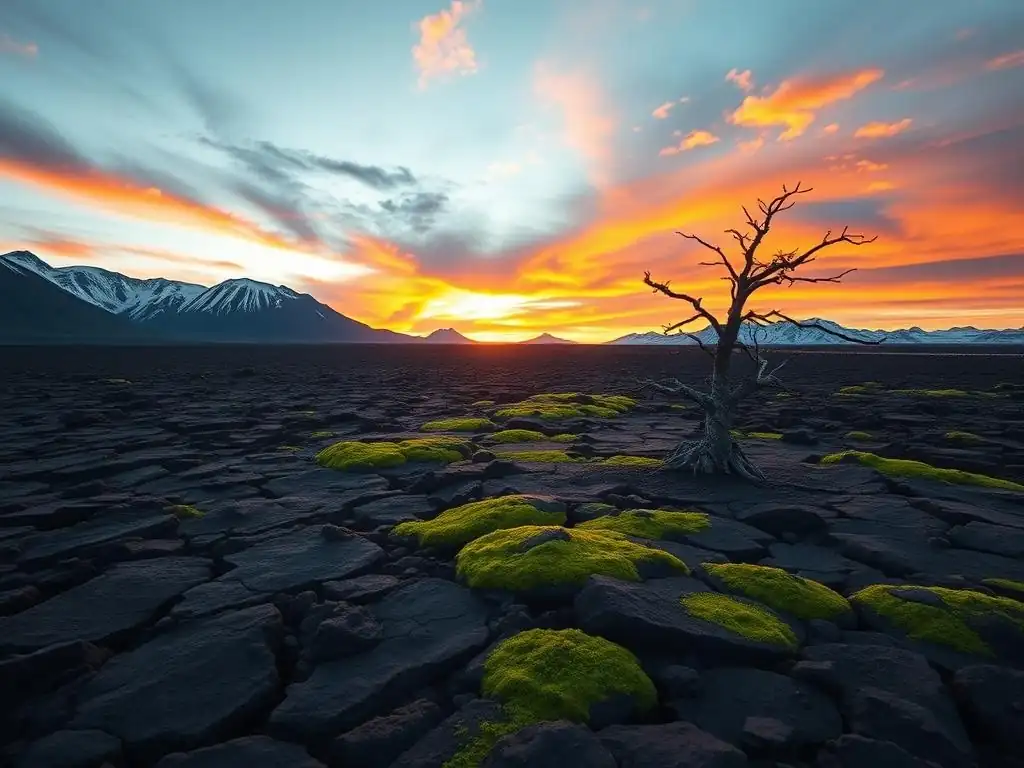
Prepare to be captivated by the raw power and breathtaking beauty of Earth's fiery giants. Ever wondered how molten rock sculpts our world? Our latest exploration dives deep into the heart of Iceland, revealing the mesmerizing spectacle of Iceland lava flows photography. But what secrets do these fiery rivers hold, and how are they perpetually reshaping the Nordic landscape? Journey with us as we uncover the science, the artistry, and the sheer primal force behind these volcanic veins.
- Introduction: Iceland, Land of Fire and Ice - A Volcanic Paradise
- The Science Behind Iceland Lava Flows
- Iceland Lava Flows Photography: Capturing the Raw Power
- Documenting Iceland's Lava Flows: A Visual Journey
- The Hazards of Iceland Lava Flows
- Iceland's Lava Flows: Shaping the Landscape and Ecosystems
- Preserving Iceland's Volcanic Heritage
- Conclusion: Iceland's Enduring Volcanic Legacy - A Photographer's Dream
-
Frequently Asked Questions
- How are Iceland's lava flows unique compared to other volcanic regions?
- What photographic techniques are best for capturing the beauty of Iceland's lava flows?
- How does volcanic activity, particularly lava flows, shape the Icelandic landscape?
- What are the primary dangers associated with photographing active lava flows in Iceland?
- Where can I find the best locations in Iceland for Iceland lava flows photography opportunities?
- Final Reflection: The Enduring Art of Fire and Ice
- Ignite Your Inner Explorer: Unearth Iceland's Fiery Secrets!
Introduction: Iceland, Land of Fire and Ice - A Volcanic Paradise
The Allure of Iceland's Volcanic Landscapes for Photographers
Iceland, often dubbed the "Land of Fire and Ice," presents a dramatic tableau of contrasting elements that captivates photographers from across the globe. Glaciers carve through volcanic highlands, black sand beaches meet roaring Atlantic waves, and, most strikingly, vibrant lava flows snake across the landscape, testaments to the island's raw geological power.
This Nordic nation, perched atop the Mid-Atlantic Ridge, is a living laboratory of volcanic activity, offering unparalleled opportunities for photographers to capture the Earth's dynamic processes in action. The allure of Iceland lava flows photography lies in the chance to witness and document the creation of new land, the interplay of fire and ice, and the sheer, untamed beauty born from volcanic eruptions.
The visual drama of Iceland's volcanic landscapes extends beyond just active eruptions. Vast fields of solidified lava, sculpted over centuries by countless flows, create otherworldly textures and patterns.
These ancient flows, often covered in vibrant moss or contrasting starkly with glacial ice, provide a rich palette for photographers seeking to explore the deeper history of the island. From the fiery spectacle of molten rock to the serene beauty of solidified lava fields, Iceland offers a diverse range of subjects for those passionate about Iceland lava flows photography, making it a truly unique and rewarding destination for capturing the planet's volcanic artistry.
Understanding Iceland's Unique Geological Setting and Volcanism
Iceland's intense volcanic activity is a direct consequence of its unique geological position. Straddling the Mid-Atlantic Ridge, a divergent plate boundary where the North American and Eurasian plates are pulling apart, Iceland experiences persistent upwelling of magma from the Earth's mantle.
This mantle plume, also known as the Iceland plume, further intensifies volcanic activity, making Iceland one of the most volcanically active regions on Earth. The combination of plate tectonics and a mantle plume results in a diverse range of volcanic features, including shield volcanoes, stratovolcanoes, fissure vents, and, of course, the mesmerizing Iceland lava flows that sculpt its terrain.
The geological makeup of Iceland also plays a crucial role in the characteristics of its volcanism. The mantle beneath Iceland is rich in basaltic magma, which is relatively fluid and less viscous compared to magmas found in continental volcanic arcs. This basaltic composition is responsible for the extensive and often effusive lava flows that are a hallmark of Icelandic volcanism.
The interaction between Iceland's volcanism and its glacial environment also leads to unique phenomena like jökulhlaups, glacial outburst floods triggered by subglacial volcanic eruptions, further shaping the landscape and adding another layer of complexity to Iceland's volcanic narrative. Understanding this geological context is essential for photographers seeking to truly appreciate and capture the essence of Iceland lava flows photography.
The Science Behind Iceland Lava Flows
Types of Lava Flows in Iceland: From Pahoehoe to Aa
Icelandic lava flows, while often broadly categorized, exhibit distinct types, each with unique textures and flow characteristics that are visually striking and crucial to understand for Iceland lava flows photography. Two primary types dominate: pahoehoe and ʻaʻā (often spelled aa). Pahoehoe lava, derived from the Hawaiian term describing smooth, unbroken lava, is characterized by its smooth, ropy, or billowy surface.
It forms when highly fluid basaltic lava cools slowly, allowing a thin skin to solidify while molten lava continues to flow beneath, creating these characteristic wrinkles and folds. These surfaces can reflect light in interesting ways, offering unique photographic opportunities.
In contrast, ʻaʻā lava, named for its rough, blocky, and jagged texture, is formed from more viscous basaltic lava. As ʻaʻā lava flows, the surface cools and breaks into sharp, angular fragments, creating a chaotic and rugged landscape. The movement of ʻaʻā flows is often slower and more dramatic, with clinker fragments tumbling and grinding against each other.
These contrasting textures, smooth pahoehoe and rough ʻaʻā, are frequently found in Iceland, sometimes even originating from the same eruption but changing form as the lava cools and degasses. Recognizing and understanding these differences is crucial for photographers aiming to capture the full spectrum of Iceland lava flows photography.
Viscosity and Composition: Factors Influencing Lava Flow Behavior
The behavior of Iceland lava flows, and consequently their visual appearance, is largely governed by the viscosity and composition of the molten rock. Viscosity, essentially the lava's resistance to flow, is primarily influenced by temperature, silica content, and gas content. Basaltic lava, the dominant type in Iceland, generally has a lower silica content compared to other volcanic magmas, resulting in lower viscosity and more fluid flows. However, even within basaltic lava, variations in temperature and dissolved gases can significantly alter viscosity and thus flow behavior.
Temperature plays a direct role; hotter lava is less viscous and flows more readily, often forming pahoehoe flows. As lava cools, its viscosity increases, making it more likely to form ʻaʻā flows or even solidify into blocky lava. Gas content also influences viscosity.
Dissolved gases in magma can reduce viscosity, but as these gases escape during eruption, the lava becomes more viscous. The chemical composition, particularly the silica content, is a fundamental control on viscosity. Basaltic lavas in Iceland are typically low in silica (around 45-52% SiO2), which contributes to their relatively low viscosity and ability to flow over long distances, creating the extensive lava fields that are iconic subjects for Iceland lava flows photography.
Eruption Styles in Iceland: A Spectrum of Volcanic Activity
Iceland showcases a diverse spectrum of eruption styles, each contributing uniquely to the types and characteristics of Iceland lava flows. Effusive eruptions, characterized by the relatively quiet outpouring of lava, are common in Iceland, often occurring from fissures or shield volcanoes. These eruptions can produce vast volumes of lava, creating extensive lava fields like those seen at Holuhraun (2014-2015) and Geldingadalir (2021-2023). Effusive eruptions can last for days, weeks, or even months, providing prolonged opportunities for Iceland lava flows photography.
However, Iceland also experiences explosive eruptions, particularly when magma interacts with water or ice, a frequent occurrence due to the presence of glaciers. These phreatomagmatic eruptions can be highly energetic, producing ash plumes, pyroclastic flows, and tephra. While explosive eruptions might not directly produce extensive lava flows, they can significantly modify the landscape and create dramatic scenes.
Furthermore, Iceland's volcanic systems often exhibit a mix of effusive and explosive activity within a single eruption, leading to complex and dynamic volcanic landscapes. Understanding these different eruption styles is key to appreciating the variety of volcanic features and planning for Iceland lava flows photography in different regions and at different times.
Iceland Lava Flows Photography: Capturing the Raw Power
Finding Prime Locations: From Holuhraun to Geldingadalir
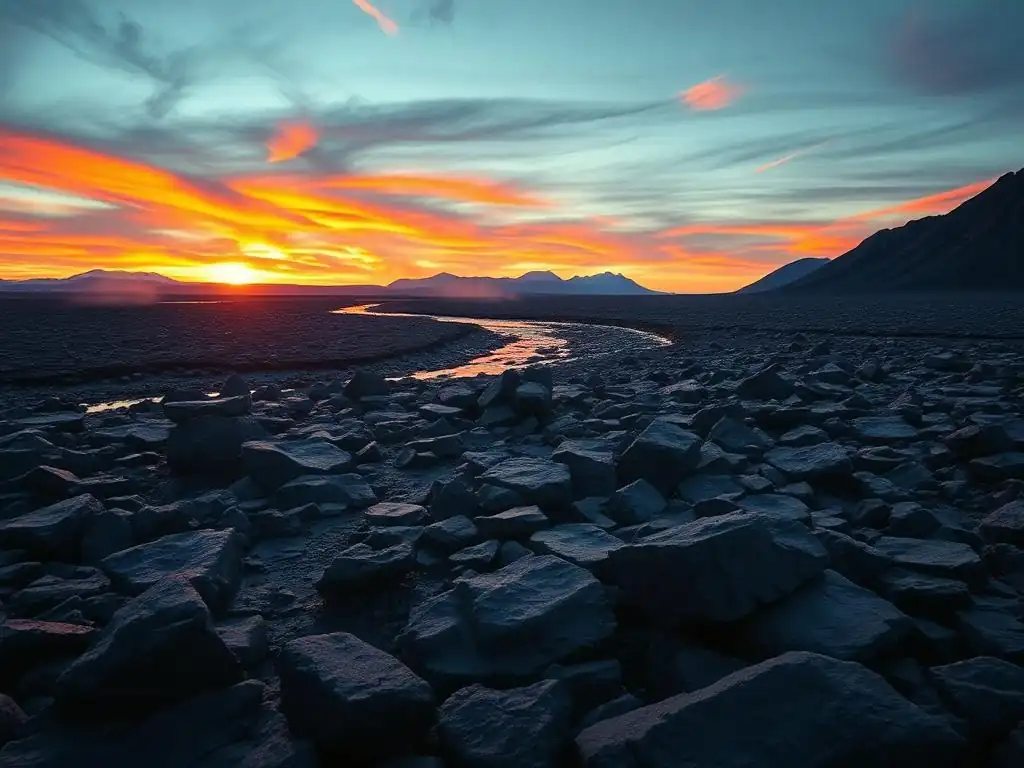
Iceland offers a wealth of locations for capturing stunning Iceland lava flows photography, ranging from easily accessible sites to more remote and adventurous destinations. Holuhraun, the site of a major fissure eruption between 2014 and 2015, is now a vast, solidified lava field. While the active eruption has ceased, the immense scale of the lava field and its stark, otherworldly landscape still provide incredible photographic opportunities. The textures and patterns of the newly formed lava, contrasting with the surrounding older terrain, are particularly compelling.
Geldingadalir, and the broader Reykjanes Peninsula, became a focal point for Iceland lava flows photography with the series of eruptions starting in 2021. These eruptions, easily accessible from Reykjavik, offered the rare chance to witness and photograph active lava flows in relatively close proximity (while maintaining safe distances, of course). Other notable locations include the Krafla volcanic area in North Iceland, known for its geothermal activity and lava fields, and the volcanic landscapes around Lake Mývatn.
For those seeking older, vegetated lava fields, areas like Dimmuborgir near Mývatn or parts of the Snæfellsnes Peninsula offer moss-covered lava formations that present a different, yet equally captivating, aspect of Iceland lava flows photography. Researching recent volcanic activity and accessibility is crucial for planning a successful Iceland lava flows photography trip.
Essential Gear: Camera, Lenses, and Protective Measures
Capturing compelling Iceland lava flows photography requires not only a keen eye but also the right equipment. A robust DSLR or mirrorless camera body capable of handling varying weather conditions is essential. Lenses play a crucial role: a wide-angle lens (16-35mm or similar) is ideal for capturing the vastness of lava fields and landscapes, while a telephoto lens (70-200mm or longer) allows for isolating details and compressing perspective within the lava flows. A mid-range zoom (24-70mm) provides versatility for general landscape shots and closer compositions.
Beyond camera and lenses, tripods are indispensable for sharp images, especially in low light conditions often encountered during sunrise, sunset, or in volcanic areas where gases might reduce visibility. Filters, such as polarizing filters to reduce glare and enhance colors, and neutral density (ND) filters for long exposures to blur motion in lava flows or water features, are also highly beneficial. Crucially, protective gear is paramount. Sturdy hiking boots are a must for navigating uneven lava terrain.
Heat-resistant gloves can be helpful when photographing near active flows. In areas with volcanic gases, a respirator mask can protect against harmful fumes. Finally, weather-sealed camera gear or rain covers are essential for Iceland's unpredictable weather, ensuring your equipment remains functional in damp or dusty conditions.
Safety First: Hazards of Heat, Gases, and Unstable Terrain
Safety is paramount when engaging in Iceland lava flows photography, particularly near active volcanic areas. Lava flows, even solidified ones, can present significant hazards. Heat from active lava flows is intense and can be felt at a considerable distance. Approaching too close risks heatstroke, burns, and damage to equipment. Volcanic gases, such as sulfur dioxide (SO2), hydrogen sulfide (H2S), and carbon dioxide (CO2), are often released from lava flows and volcanic vents. These gases can be toxic and irritating to the respiratory system, eyes, and skin. Monitoring wind direction and avoiding areas where gas concentrations are high is crucial.
The terrain of lava fields is inherently unstable and uneven. Solidified lava can be brittle, with hidden voids and cracks. Walking on lava fields requires caution and sturdy footwear to avoid falls and injuries. Active lava flows can change rapidly, and areas that seemed safe moments before can become dangerous. It is vital to heed warnings from local authorities and volcanologists, respect exclusion zones, and never approach active lava flows too closely in pursuit of a photograph. Prioritizing personal safety and equipment protection is fundamental for responsible and successful Iceland lava flows photography.
Documenting Iceland's Lava Flows: A Visual Journey
Capturing the Textures and Colors of Lava: Composition and Lighting
Effective Iceland lava flows photography goes beyond simply pointing a camera at a volcano; it's about capturing the textures, colors, and dynamic energy of these geological wonders. Composition plays a vital role. Utilize leading lines formed by lava flows to guide the viewer's eye through the image and create a sense of depth.
Look for interesting juxtapositions, such as the contrast between smooth pahoehoe and rough ʻaʻā lava, or the meeting point of lava and ice. Experiment with different perspectives – get low to the ground to emphasize textures, or find a higher vantage point to showcase the scale of the lava field.
Lighting is equally crucial. The golden hours around sunrise and sunset often provide the most dramatic light, casting long shadows that accentuate the textures of lava flows and adding warmth to the typically cool tones of volcanic landscapes. Overcast days can also be beneficial, providing soft, even light that reveals subtle details and colors in the lava.
Night photography offers another dimension, allowing you to capture the glow of molten lava (if present) or the stark silhouette of lava fields under the stars. Pay attention to the interplay of light and shadow to bring out the three-dimensional quality of the lava formations and enhance the visual impact of your Iceland lava flows photography.
Telling a Story: Conveying the Scale and Power of Volcanic Events
Iceland lava flows photography is not just about capturing pretty pictures; it's about telling a story – conveying the immense scale, power, and geological significance of volcanic events. To convey scale, incorporate elements that provide a sense of perspective. Include human figures (photographed safely from a distance), vehicles, or recognizable landmarks within the frame to highlight the vastness of lava fields or the towering height of volcanic cones. Wide-angle lenses are particularly effective in emphasizing scale and immersing the viewer in the scene.
To convey power, focus on dynamic elements. Capture the movement of molten lava (if photographing active flows), the textures of freshly solidified lava, or the dramatic contrast between volcanic forces and the surrounding landscape. Consider using motion blur to suggest the flow of lava or water. Photographing during dramatic weather conditions, such as storms or fog, can also enhance the sense of power and drama. By thoughtfully composing your shots and paying attention to elements that communicate scale and power, you can elevate your Iceland lava flows photography from mere documentation to compelling visual narratives.
Post-Processing Techniques: Enhancing Details and Atmosphere
Post-processing is an integral part of Iceland lava flows photography, allowing you to refine your images and enhance their visual impact. While aiming for natural-looking results is often desirable, subtle adjustments can significantly improve the final image. Start with basic adjustments like white balance and exposure to ensure accurate colors and tonality. Adjusting contrast can enhance the textures of lava flows, making the rough surfaces of ʻaʻā or the ropy patterns of pahoehoe more pronounced.
Sharpening is crucial to bring out fine details in the lava textures, but avoid over-sharpening, which can create unwanted artifacts. Color adjustments can be used to enhance the natural colors of the volcanic landscape. Subtle saturation adjustments can bring out the reds, oranges, and yellows in lava or the greens of moss-covered lava fields.
Consider using dodging and burning techniques to selectively lighten or darken areas of the image, guiding the viewer's eye and enhancing the sense of depth and drama. For black and white Iceland lava flows photography, focus on tonal contrast and texture to create powerful and evocative images. Remember that post-processing should complement your in-camera work, enhancing the scene you witnessed rather than drastically altering it.
The Hazards of Iceland Lava Flows
Understanding the Risks: Toxic Gases, Explosions, and Ground Instability
While Iceland lava flows photography can be incredibly rewarding, it's crucial to be acutely aware of the inherent hazards. Toxic volcanic gases pose a significant risk. Sulfur dioxide (SO2) is a common gas released from Icelandic volcanoes, and even low concentrations can cause respiratory irritation, especially for individuals with asthma or respiratory conditions. Higher concentrations can be dangerous or even fatal. Hydrogen sulfide (H2S), another volcanic gas, has a characteristic rotten egg smell and can also be toxic at higher concentrations. Carbon dioxide (CO2) is odorless and heavier than air, potentially accumulating in low-lying areas and causing asphyxiation.
Explosions, though less frequent with effusive lava flows, can still occur, particularly if lava interacts with water or ice. Phreatic explosions, caused by the rapid heating and vaporization of water by magma, can eject rocks and hot debris. Ground instability is another serious hazard. Lava fields, both active and solidified, can be incredibly uneven and unstable.
Hidden voids, cracks, and areas of weak crust can collapse underfoot. Active lava flows can also create new ground instability as they advance and reshape the landscape. Understanding these risks – toxic gases, explosions, and ground instability – is paramount for safe Iceland lava flows photography.
Safety Guidelines: Maintaining Distance, Monitoring Wind, and Wearing Protective Gear
Adhering to strict safety guidelines is essential for minimizing risks when photographing Iceland lava flows. Maintaining a safe distance from active lava flows is the most fundamental precaution. Follow official exclusion zones and never cross barriers or ropes. Even solidified lava fields should be approached with caution, especially areas with recent volcanic activity. Always be aware of wind direction. Volcanic gases are carried downwind, so position yourself upwind of volcanic vents and lava flows to minimize exposure.
Wearing appropriate protective gear is crucial. Sturdy hiking boots with ankle support are essential for navigating uneven terrain. Long pants and sleeves offer protection from heat and minor abrasions. Eye protection, such as goggles or sunglasses, can shield against volcanic ash and irritating gases.
In areas with noticeable volcanic gas odors, a respirator mask with appropriate filters (for acid gases like SO2) is highly recommended. Carry a first-aid kit and know how to use it. Inform someone of your plans and expected return time, especially if venturing into remote areas. By diligently following these safety guidelines – maintaining distance, monitoring wind, and wearing protective gear – you can significantly reduce the risks associated with Iceland lava flows photography.
Monitoring Volcanic Activity: Understanding Alerts and Evacuation Procedures
Staying informed about volcanic activity is a crucial aspect of safe Iceland lava flows photography. The Icelandic Meteorological Office (IMO) is the primary source for monitoring volcanic activity and issuing alerts. Their website (en.vedur.is) provides real-time updates on earthquakes, volcanic unrest, and eruption status. Familiarize yourself with the IMO's alert levels and warnings before and during your photography excursions. Understand the meaning of different alert levels and heed any evacuation orders.
Local authorities and park rangers also play a vital role in managing access to volcanic areas and ensuring public safety. Pay attention to signage, follow instructions from officials, and respect any closures or restrictions. In case of a volcanic eruption or increased volcanic activity, be prepared to evacuate quickly and calmly. Know the designated evacuation routes and assembly points. Carry a charged mobile phone and consider having a satellite communication device for remote areas where cell service may be unreliable. Staying informed, understanding alerts, and knowing evacuation procedures are critical components of responsible and safe Iceland lava flows photography.
Iceland's Lava Flows: Shaping the Landscape and Ecosystems
Lava Fields and Land Formation: Creating New Habitats
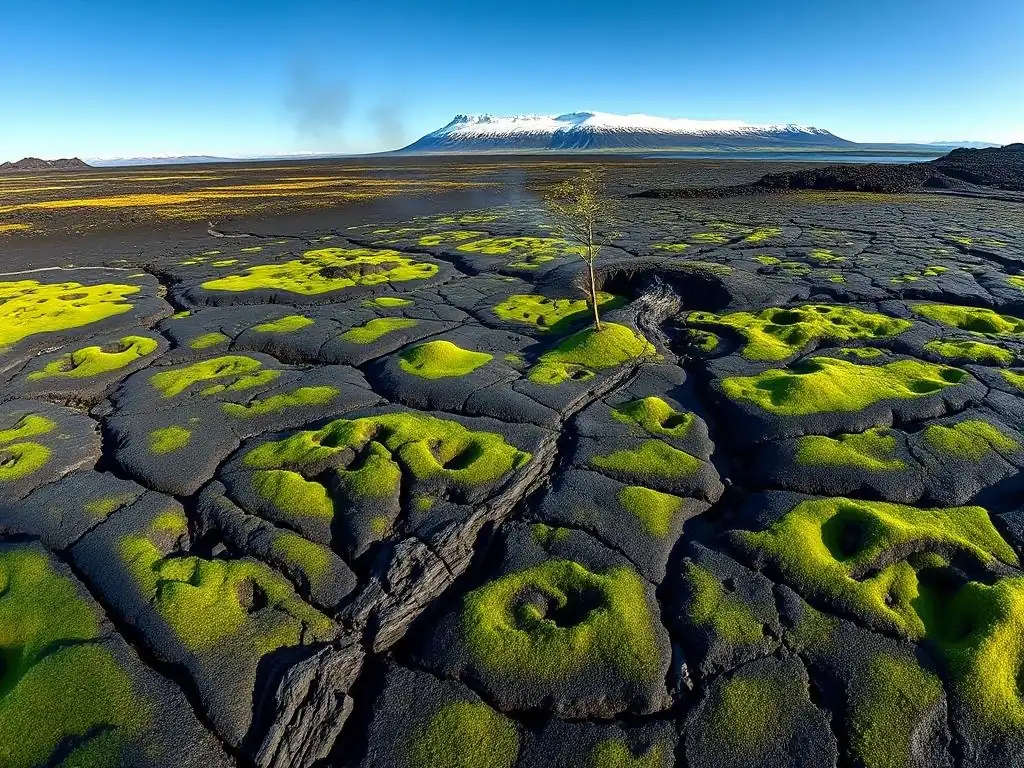
Iceland lava flows are not merely destructive forces; they are also powerful agents of land creation and ecosystem development. When lava flows erupt and solidify, they add new land to the island, expanding Iceland's territory over geological timescales. These newly formed lava fields initially appear barren and desolate, composed of volcanic rock with little to no soil development. However, over time, these seemingly inhospitable landscapes undergo a remarkable transformation, gradually becoming habitats for diverse flora and fauna.
The process of soil formation on lava fields is slow but steady. Physical weathering, driven by temperature fluctuations and freeze-thaw cycles, breaks down the volcanic rock into smaller fragments. Chemical weathering, aided by rainwater and organic acids, further decomposes the rock and releases essential nutrients. Wind-blown dust and volcanic ash contribute to the accumulation of fine particles and organic matter. This gradual process of soil development lays the foundation for plant colonization and the eventual establishment of more complex ecosystems on Iceland's lava fields.
Impact on Vegetation and Wildlife: Adapting to Extreme Environments
The initial impact of Iceland lava flows on existing vegetation and wildlife is undeniably destructive. Lava flows can incinerate vegetation, destroy habitats, and displace or kill animals in their path. However, life exhibits remarkable resilience and adaptability, and lava fields eventually become colonized by a range of pioneering species. Mosses and lichens are often the first colonizers of lava fields, capable of surviving in harsh conditions with minimal nutrients and moisture. These pioneer species play a crucial role in further breaking down rock and accumulating organic matter, paving the way for more complex plant communities.
As soil develops and vegetation establishes, lava fields become habitats for a variety of animals. Birds, particularly hardy species like ravens and ptarmigans, may nest in lava fields. Small mammals, such as rodents and arctic foxes, may utilize lava fields for shelter and foraging. In coastal areas, lava fields can provide nesting sites for seabirds. The ecosystems that develop on Iceland lava fields are often characterized by low species diversity but high levels of adaptation to extreme conditions, showcasing the remarkable ability of life to colonize and thrive even in volcanically active environments.
Long-Term Ecological Succession: From Barren Rock to Thriving Ecosystem
The ecological succession on Iceland lava fields is a long-term process, spanning centuries and even millennia. Initially, barren rock dominates, with minimal vegetation and limited animal life. Pioneer species like mosses and lichens begin to colonize, gradually modifying the environment and initiating soil development. Over time, grasses, herbs, and dwarf shrubs may establish, creating more complex plant communities. Eventually, in favorable conditions and over extended periods, trees and forests may even develop on older lava fields, transforming them into relatively mature ecosystems.
The specific trajectory of ecological succession on Iceland lava fields is influenced by various factors, including climate, elevation, substrate type, and proximity to seed sources. Areas with higher rainfall and warmer temperatures tend to experience faster succession rates. Lava fields at higher elevations or in colder regions may remain in earlier successional stages for longer periods. The type of volcanic rock and its weathering rate also influence soil development and vegetation establishment. Studying the long-term ecological succession on Iceland lava fields provides valuable insights into ecosystem dynamics and the resilience of life in the face of volcanic disturbances.
Preserving Iceland's Volcanic Heritage
Conservation Efforts: Protecting Unique Geological Formations
Iceland's volcanic landscapes, including its lava fields, are a globally significant natural heritage and are subject to various conservation efforts. Recognizing the unique geological formations and ecological value of volcanic areas, Iceland has designated national parks, nature reserves, and protected areas to safeguard these landscapes. Vatnajökull National Park, for example, encompasses a vast area of glaciers and volcanic terrain, including significant lava fields and active volcanic systems. These protected areas aim to preserve the geological features, biodiversity, and natural processes of volcanic regions for future generations.
Conservation efforts also involve managing tourism and development in volcanic areas to minimize negative impacts. Infrastructure development, such as roads and buildings, is carefully planned to avoid sensitive volcanic features and habitats. Regulations are in place to control access to certain areas, particularly during periods of volcanic unrest or active eruptions, to protect both visitors and the environment. Sustainable tourism practices are promoted to encourage responsible visitation and minimize the ecological footprint of tourism activities in volcanic regions. These conservation efforts are crucial for ensuring the long-term preservation of Iceland's unique volcanic heritage.
Responsible Tourism: Minimizing Impact and Respecting the Environment
Responsible tourism is paramount in Iceland's volcanic regions to minimize environmental impact and ensure the sustainability of these fragile ecosystems. Visitors engaging in Iceland lava flows photography and exploration should adhere to Leave No Trace principles. Stay on marked trails and avoid venturing off-trail in sensitive areas, particularly on vegetated lava fields or near fragile geological formations. Do not disturb or remove any natural features, including rocks, plants, or volcanic materials.
Dispose of waste properly and pack out everything you pack in. Minimize your carbon footprint by choosing sustainable transportation options and supporting eco-friendly businesses. Respect wildlife and avoid approaching or disturbing animals. Be mindful of noise levels and avoid creating excessive disturbance in natural areas. Support local communities and businesses that are committed to sustainable tourism practices. By practicing responsible tourism, visitors can contribute to the conservation of Iceland's volcanic heritage and ensure that these remarkable landscapes remain pristine for future generations of photographers and explorers.
Education and Awareness: Understanding Volcanic Processes and Risks
Education and awareness are vital components of preserving Iceland's volcanic heritage and promoting safe and responsible engagement with volcanic landscapes. Raising public awareness about volcanic processes, hazards, and the ecological significance of volcanic areas is crucial for fostering responsible behavior and informed decision-making. Educational initiatives can include interpretive centers, guided tours, informational signage, and online resources that explain volcanic geology, eruption dynamics, and safety guidelines.
Promoting understanding of the risks associated with volcanic activity is essential for ensuring visitor safety. Educating photographers and tourists about volcanic gases, ground instability, and potential eruption hazards empowers them to make informed decisions and take appropriate precautions. Awareness campaigns can emphasize the importance of monitoring volcanic activity, heeding warnings, and respecting exclusion zones. By increasing education and awareness, Iceland can foster a culture of responsible volcanism tourism, where visitors can appreciate the beauty and power of volcanic landscapes while minimizing risks and environmental impact.
Conclusion: Iceland's Enduring Volcanic Legacy - A Photographer's Dream
Future Volcanic Activity: Potential Eruptions and Landscape Changes
Iceland's volcanic legacy is far from over; the island remains volcanically active, ensuring ongoing landscape changes and future opportunities for Iceland lava flows photography. Geologists continuously monitor Iceland's volcanoes, and while predicting eruptions with pinpoint accuracy remains challenging, scientists can identify areas of increased volcanic unrest and assess potential eruption scenarios. The Reykjanes Peninsula, for example, has experienced a period of heightened volcanic activity in recent years, suggesting a potentially more active phase for this region.
Future eruptions in Iceland are inevitable and will continue to reshape the island's landscape. New lava flows will create new land, burying existing terrain and altering drainage patterns. Explosive eruptions can deposit ash and tephra over wide areas, impacting vegetation and infrastructure. These volcanic events, while posing potential hazards, also present photographers with ever-evolving subjects and dynamic landscapes to capture. Iceland's volcanic future promises continued geological dynamism and enduring opportunities for Iceland lava flows photography.
The Ongoing Exploration of Iceland Lava Flows Photography
Iceland lava flows photography is an ongoing exploration, constantly evolving with each new eruption and each photographer's unique perspective. The dynamic nature of Iceland's volcanic landscapes ensures that there will always be fresh scenes to capture and new stories to tell through images. As technology advances, new photographic techniques and equipment, such as drone photography and time-lapse video, offer exciting possibilities for documenting Iceland lava flows from innovative angles and perspectives.
The exploration of Iceland lava flows photography is also a journey of learning and discovery. Photographers who venture into Iceland's volcanic regions not only capture stunning images but also gain a deeper appreciation for the power of nature, the resilience of life, and the dynamic processes that shape our planet. The enduring allure of Iceland's volcanic landscapes ensures that Iceland lava flows photography will continue to captivate and inspire photographers for generations to come, contributing to a growing visual archive of this extraordinary volcanic island.
Frequently Asked Questions
How are Iceland's lava flows unique compared to other volcanic regions?
Iceland's lava flows are unique due to the interaction of glacial ice and volcanic activity, creating unique landforms and explosive eruptions. This also leads to diverse lava types like pahoehoe and a'a.
What photographic techniques are best for capturing the beauty of Iceland's lava flows?
Consider using long exposures to capture the movement of lava and wide-angle lenses to showcase the vast landscapes. Also, golden hour and blue hour photography can create stunning visuals.
How does volcanic activity, particularly lava flows, shape the Icelandic landscape?
Lava flows create new landmasses, reshape valleys, and form unique geological features like lava fields and columnar basalt formations, significantly altering the landscape over time.
What are the primary dangers associated with photographing active lava flows in Iceland?
The primary dangers include extreme heat, toxic gases, and the risk of unstable ground collapsing. Always maintain a safe distance and follow the instructions of local guides.
Where can I find the best locations in Iceland for Iceland lava flows photography opportunities?
Some of the best locations include Reykjanes Peninsula, Vatnajökull National Park, and areas surrounding active volcanoes like Fagradalsfjall. Check local resources for current conditions and access information.
Final Reflection: The Enduring Art of Fire and Ice
The dramatic interplay between fire and ice, so vividly captured in Iceland's volcanic landscapes, transcends mere geological phenomena. It speaks to a primal power, a constant cycle of creation and destruction that continues to shape not only the island's physical form but also its cultural identity and the very essence of its allure for photographers worldwide. The images we've explored are not just snapshots; they are testaments to the raw beauty and untamed spirit of a land forged in the crucible of volcanic activity.
This ongoing dance of lava and ice has profoundly influenced the cultural landscape, inspiring artists, writers, and, of course, photographers for generations. Witnessing these landscapes firsthand, or even through the lens of a camera, evokes a sense of awe and humility, reminding us of the immense forces at play beneath our feet. The earth has music for those who listen.
- William Shakespeare. This quote resonates deeply when considering the symphony of sounds and sights that accompany a volcanic eruption, a powerful reminder of nature's artistry.
As you close this article, consider the images you've seen and the stories they tell. Let the stark beauty of Iceland's lava flows inspire you to seek out the extraordinary in the ordinary, to appreciate the power of nature's artistry, and to capture your own unique perspective on the world around you. Embrace the challenge of finding beauty in the unexpected, and allow the spirit of Iceland's volcanic veins to ignite your own creative fire.
Ignite Your Inner Explorer: Unearth Iceland's Fiery Secrets!
Thank you for journeying with us into the heart of Iceland's volcanic landscapes. You've now witnessed the incredible power and beauty that lava flows have sculpted across this Nordic nation. Ready to transform your newfound knowledge into action?
- Plan your ultimate Iceland adventure: Research and map out your personalized volcano tour of Iceland, aiming for a safe but unforgettable experience to sites like Reynisfjara black sand beach or the Blue Lagoon.
- Share the wonder: Spread your passion for volcanoes by sharing this article on your social media and spark conversations about Iceland's unique geological features with your friends.
- Dive deeper: Investigate local Icelandic resources on volcano and geothermal activity, such as educational websites or the Icelandic Meteorological Office.
What are the first volcanic wonders you'll add to your Icelandic bucket list? Share your dream itinerary below!