
The Earth's Fury Unleashed: Discover Volcanoes in All Their Aerial Glory

Welcome to Volcano Explorers!
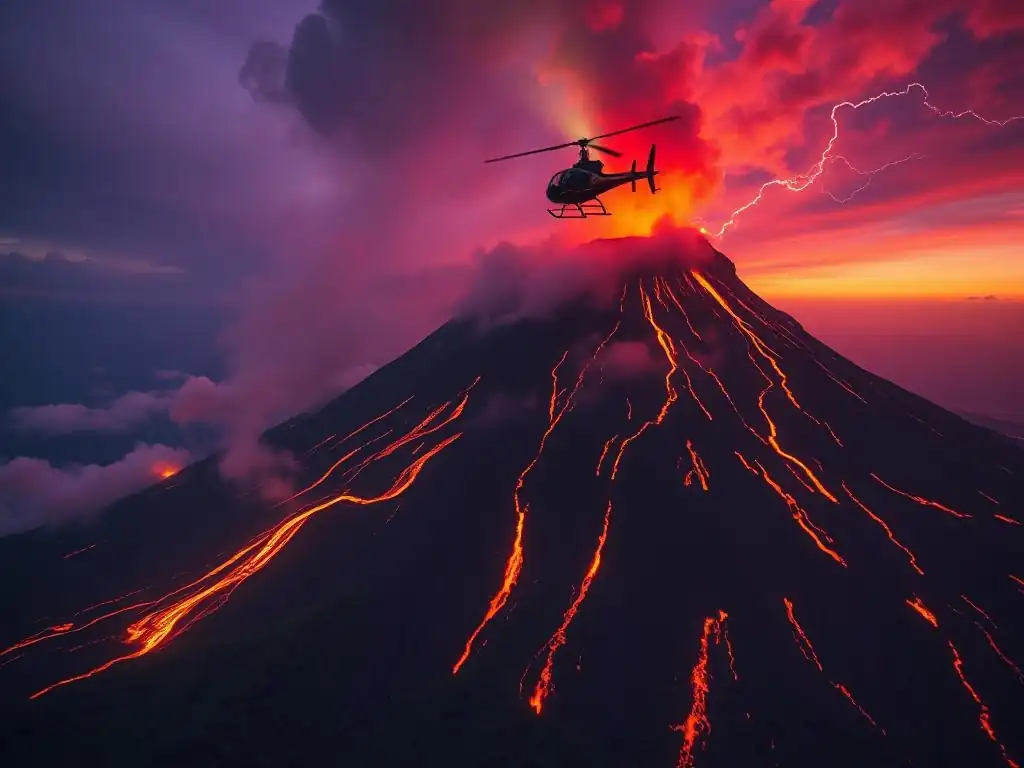
Ever wondered what it's like to witness the Earth's raw power from above? Prepare to be mesmerized. Dive into the heart of our latest feature and begin exploring volcanoes from above, where we reveal breathtaking perspectives of these fiery giants. But be warned, once you glimpse the beauty and danger, you'll be hooked! What secrets will these aerial views unlock?
- Volcano Tourism: Exploring Volcanoes from Above with Paradise Helicopters
- Unveiling Volcanic Landscapes: The Allure of Volcano Aerial Views
- Planning Your Volcano Aerial Tour: A Guide to Helicopter Volcano Exploration
- Capturing the Perfect Shot: Volcano Photography from a Helicopter
- The Science Behind the Spectacle: Learning About Volcanoes from Above
- Responsible Volcano Tourism: Minimizing Impact During Aerial Tours
- Safety First: Essential Precautions for Exploring Volcanoes from Above
- Beyond the Helicopter: Alternative Ways to Explore Volcanoes from Above
- Experience the Power and Beauty: Your Volcano Adventure Awaits
-
Frequently Asked Questions
- How does VolcanoExplorers.org help me start exploring volcanoes from above?
- What safety precautions should I consider before exploring volcanoes from above?
- What are some of the most famous volcanoes to explore from above, according to VolcanoExplorers.org?
- What can I learn about the science of volcanoes from VolcanoExplorers.org that will enhance my aerial exploration experience?
- Does VolcanoExplorers.org offer any resources on the cultural significance of volcanoes, relevant to exploring them from above?
- Final Reflection: A Dance with Fire from the Skies
- Ignite Your Inner Explorer: Plan Your Volcanic Adventure!
Volcano Tourism: Exploring Volcanoes from Above with Paradise Helicopters
Witnessing Volcanic Majesty: Aerial Tours & Helicopter Volcano Adventures
Exploring volcanoes from above offers an unparalleled perspective on Earth's most dynamic geological features. Imagine soaring over vast calderas, witnessing plumes of steam and gas rising from active vents, and tracing the paths of ancient lava flows that have sculpted the landscape over millennia.
Helicopter volcano tours provide a unique and thrilling way to experience the raw power and breathtaking beauty of these natural wonders. Companies like Paradise Helicopters in Hawaii have pioneered this form of volcano tourism, offering expertly guided flights that not only showcase the visual spectacle but also educate passengers about the science and history behind volcanic activity.
Paradise Helicopters, for instance, operates tours over Kilauea and other volcanic areas in Hawaii, providing guests with front-row seats to witness active lava flows (when conditions permit), steaming vents, and the dramatic contrast between verdant rainforest and stark volcanic terrain. These tours are often narrated by experienced pilots who are knowledgeable about volcanology, enriching the experience with scientific insights and local lore. The accessibility and safety offered by professional helicopter tour operators make exploring volcanoes from above a viable and unforgettable adventure for a wide range of travelers, from seasoned adventurers to families seeking a unique educational experience.
Unveiling Volcanic Landscapes: The Allure of Volcano Aerial Views
The Thrill of Volcano Exploration: Why Choose a Helicopter Tour?
The allure of exploring volcanoes from above lies in the sheer scale and perspective that aerial views provide. From the ground, one might only witness a portion of a volcano's vastness, perhaps a single crater rim or a section of a lava field. However, from the vantage point of a helicopter, the entire volcanic edifice unfolds in its full glory.
You can trace the complex network of fissures, observe the radial patterns of lava flows extending from the summit, and comprehend the immense forces that have shaped the surrounding landscape. This bird's-eye view allows for a holistic understanding of volcanic structures and their impact on the environment.
Moreover, helicopter tours offer unparalleled access to remote and often inaccessible volcanic regions. Many active volcanoes are located in rugged terrain, far from roads and trails, making ground-based exploration challenging or even impossible. Aerial tours bypass these limitations, allowing adventurers to safely venture into the heart of volcanic landscapes that would otherwise remain unseen. The thrill of hovering above steaming fumaroles, peering into active craters, and witnessing the raw, untamed power of nature from a safe distance is an experience that resonates deeply with those seeking adventure and a profound connection with the natural world.
Unique Perspectives: Capturing Volcanic Beauty from Above
Exploring volcanoes from above provides photographers and nature enthusiasts with truly unique perspectives, unavailable from any other vantage point. The aerial view transforms familiar volcanic features into abstract patterns and dramatic compositions. The sinuous curves of lava rivers, the stark geometry of crater rims, and the contrasting colors of volcanic minerals against the surrounding terrain become striking visual elements when viewed from above. This perspective allows for capturing the intricate details of volcanic landscapes, revealing textures and forms that are often missed at ground level.
Furthermore, the dynamic nature of volcanic activity, such as steam plumes, gas emissions, and even lava flows, are often best appreciated from an aerial viewpoint. Witnessing the scale of these phenomena from above provides a powerful reminder of the Earth's internal energy and the constant processes shaping our planet. The ability to capture these dynamic volcanic features in photographs or videos from a helicopter offers a unique opportunity to document and share the beauty and power of volcanoes with a wider audience, inspiring awe and fostering a deeper appreciation for these geological wonders.
Planning Your Volcano Aerial Tour: A Guide to Helicopter Volcano Exploration
Choosing the Right Volcano Tour Operator: Safety and Expertise
When planning to explore volcanoes from above, selecting a reputable and experienced helicopter tour operator is paramount. Safety should be the top priority, and choosing an operator with a strong safety record, well-maintained aircraft, and experienced pilots is crucial. Look for operators who are certified by relevant aviation authorities and who adhere to strict safety protocols. Inquire about pilot training, emergency procedures, and aircraft maintenance schedules to ensure peace of mind.
Beyond safety, expertise in volcano tourism is equally important. Operators specializing in volcano tours often employ pilots with in-depth knowledge of volcanology and the specific volcanic region being explored. These pilots can provide informative commentary during the flight, enriching the experience with scientific insights, historical context, and local anecdotes.
Furthermore, experienced operators are adept at navigating the often-challenging weather conditions associated with volcanic areas and can adjust flight paths to maximize viewing opportunities while maintaining safety. Reading reviews, checking certifications, and directly contacting operators to inquire about their experience and safety practices are essential steps in choosing the right volcano tour operator.
Top Destinations for Exploring Volcanoes from Above
Kilauea, Hawaii: A Classic Volcano Helicopter Tour Experience
Kilauea, located on the Big Island of Hawaii, is arguably the most iconic destination for exploring volcanoes from above. For decades, helicopter tours over Kilauea have offered breathtaking views of its active volcanic landscape. From the vast caldera of Kilauea Iki to the Puʻuʻōʻō vent and the coastal lava flows entering the ocean, a helicopter tour provides a comprehensive overview of Kilauea's dynamic activity.
Depending on current volcanic conditions, tours may offer glimpses of molten lava, steaming vents, and the dramatic black lava fields contrasting with the lush green rainforest. The consistent volcanic activity and well-established tourism infrastructure make Kilauea a classic and readily accessible destination for aerial volcano exploration. Approximately 1.5 million people visit Hawaii Volcanoes National Park annually, many of whom opt for helicopter tours to enhance their experience.
Mount Etna, Italy: Exploring Europe's Most Active Volcano from the Sky
Mount Etna, towering over Sicily, Italy, is Europe's largest and most active volcano, presenting a dramatically different volcanic landscape compared to Kilauea. Exploring Mount Etna from above offers views of its snow-capped summit (during winter months), multiple summit craters, and extensive lava flows that have shaped the surrounding valleys and towns over centuries. Helicopter tours around Mount Etna provide a unique perspective on the volcano's complex structure and the impact of its frequent eruptions on the densely populated region.
The contrast between the volcanic terrain and the Mediterranean coastline, visible from above, adds another layer of visual appeal to the aerial tour experience. Mount Etna's height, reaching over 3,300 meters (10,800 feet), and its location in a historically and culturally rich region make it a compelling destination for exploring volcanoes from above in Europe.
White Island (Whakaari), New Zealand: Witnessing Geothermal Activity
White Island, also known as Whakaari, off the coast of New Zealand's North Island, presents a unique opportunity to explore a highly active and visually striking volcanic island from above. While ground tours are currently suspended due to a recent eruption, helicopter tours offer a safe and spectacular way to witness the island's intense geothermal activity. From the air, one can observe the vibrant yellow sulfur deposits, steaming fumaroles, bubbling mud pools, and the remnants of the 2019 eruption that significantly altered the island's landscape.
The stark, almost otherworldly appearance of White Island, combined with its intense volcanic activity, makes it a truly unforgettable destination for aerial volcano exploration. Prior to the 2019 eruption, White Island was a popular tourist destination, attracting thousands of visitors annually eager to witness its unique geothermal features.
Capturing the Perfect Shot: Volcano Photography from a Helicopter
Tips for Aerial Volcano Photography: Equipment and Techniques
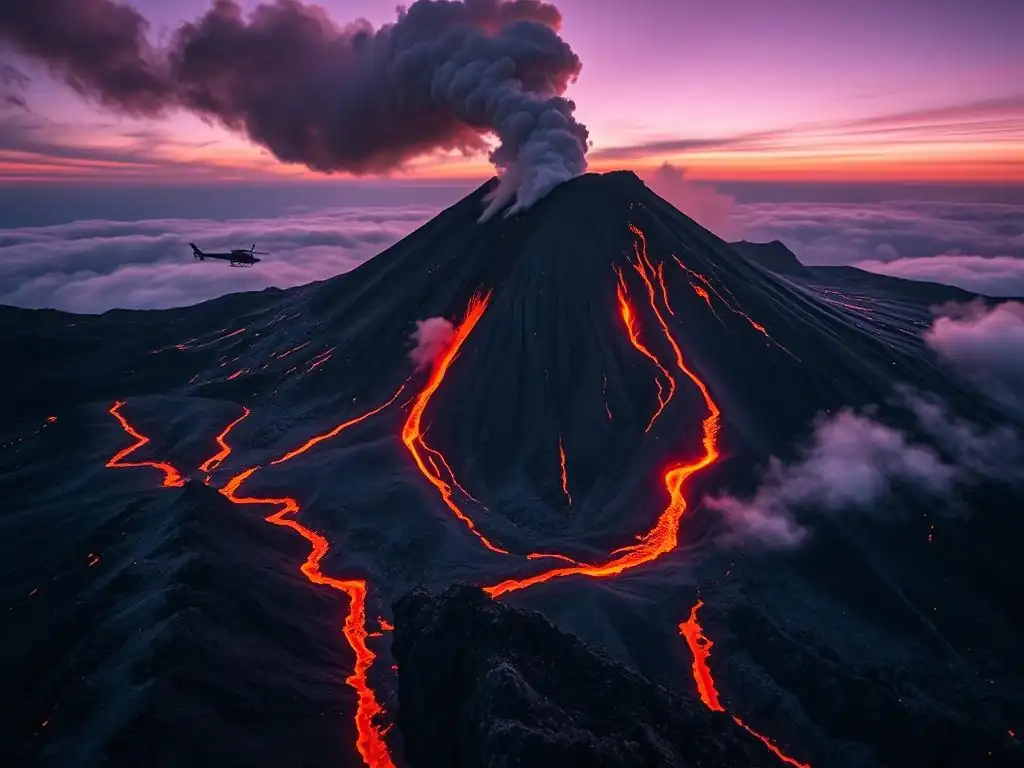
Capturing stunning volcano photographs from a helicopter requires careful planning and the right equipment. A camera with a fast shutter speed is essential to minimize motion blur caused by the helicopter's movement and potential vibrations. A lens in the range of 24-70mm or 70-200mm is versatile for capturing both wide landscape shots and closer details of volcanic features. Consider using image stabilization (IS) or vibration reduction (VR) lenses to further reduce blur. Shooting in RAW format allows for greater flexibility in post-processing, enabling you to recover details in highlights and shadows common in aerial photography.
Technique is also crucial. Communicate with your pilot to position the helicopter for optimal angles and lighting. Shoot in aperture priority mode (Av or A) to control depth of field, typically aiming for a mid-range aperture like f/5.6 or f/8 for sharpness. Use burst mode to capture a sequence of shots, increasing your chances of getting a sharp image.
Be mindful of reflections on the helicopter window; consider using a polarizer filter to reduce glare and enhance colors. Dress in dark clothing to minimize reflections in the window glass. Practice your panning technique to keep volcanic features sharp while blurring the background, conveying a sense of motion and speed.
Understanding Volcano Activity: A Safety Briefing for Aerial Tours
Before embarking on a volcano aerial tour, understanding basic volcanic activity and safety protocols is essential. Pay close attention to the pre-flight safety briefing provided by the tour operator. This briefing should cover potential volcanic hazards, emergency procedures, and communication protocols. Be aware of the volcano's current activity level; operators typically monitor volcanic conditions and adjust tours accordingly. Understand that volcanic activity can change rapidly, and tour routes may be altered or canceled for safety reasons.
Familiarize yourself with basic volcanic terminology, such as fumaroles (steam and gas vents), lava flows, ash plumes, and calderas. Knowing these terms will enhance your understanding of the volcanic landscape you are observing. Listen carefully to the pilot's commentary and instructions during the flight. They are trained to monitor volcanic activity and weather conditions and will make decisions based on safety considerations. In the unlikely event of volcanic activity changes during the flight, remain calm, follow the pilot's instructions, and trust their expertise in navigating the situation safely.
The Science Behind the Spectacle: Learning About Volcanoes from Above
Identifying Volcanic Features: Craters, Lava Flows, and Ash Plumes
Exploring volcanoes from above offers an unparalleled opportunity to identify and understand various volcanic features in their geological context. From the air, you can clearly distinguish different types of volcanic craters, such as summit craters at the peak of a volcano, calderas – large, basin-shaped depressions formed by the collapse of a magma chamber, and flank vents that erupt on the volcano's sides.
Tracing the paths of lava flows becomes readily apparent from above, revealing how molten rock has sculpted the landscape, creating lava fields, lava tubes, and distinctive flow patterns like 'a'ā (rough, blocky lava) and pāhoehoe (smooth, ropy lava).
Ash plumes, often visible rising from active volcanoes, are another significant feature easily observed from an aerial perspective. These plumes, composed of volcanic ash, gas, and steam, provide insights into the intensity and style of volcanic eruptions. Observing the height, density, and direction of ash plumes can help understand the potential hazards and environmental impact of volcanic activity. Exploring volcanoes from above transforms the abstract concepts of volcanology into tangible, visual experiences, fostering a deeper understanding of Earth's dynamic processes.
The Role of Volcanologists: Monitoring Volcanoes and Predicting Eruptions
Volcanologists play a crucial role in monitoring volcanoes and working to predict eruptions, and aerial observations are a valuable tool in their work. From the air, volcanologists can conduct visual inspections of volcanic areas, assessing changes in crater morphology, gas emissions, and thermal activity. Helicopter flights allow for rapid access to remote volcanic regions, enabling scientists to collect data and samples that would be difficult or impossible to obtain from the ground. Aerial surveys using thermal cameras can detect changes in ground temperature, indicating potential magma movement or increased volcanic activity.
Data gathered from aerial observations, combined with ground-based monitoring networks (seismometers, gas sensors, GPS stations), contribute to a comprehensive understanding of volcano behavior. By analyzing these diverse datasets, volcanologists develop models and forecasts to assess eruption probabilities and potential hazards. This information is critical for informing public safety measures, such as evacuation plans and aviation advisories. Exploring volcanoes from above not only provides a spectacular tourist experience but also underscores the vital scientific work that is essential for mitigating volcanic risks and understanding our planet's dynamic systems.
Responsible Volcano Tourism: Minimizing Impact During Aerial Tours
Sustainable Practices: Protecting Volcanic Environments
Responsible volcano tourism, especially when exploring volcanoes from above, necessitates a commitment to sustainable practices that minimize environmental impact. Helicopter tour operators should adhere to flight paths that minimize noise pollution and disturbance to wildlife, particularly in sensitive volcanic ecosystems. Maintaining a safe distance from volcanic vents and lava flows not only ensures passenger safety but also reduces the potential for disturbing fragile volcanic formations and ecosystems. Operators should also be mindful of fuel consumption and emissions, exploring options for more fuel-efficient aircraft and carbon offsetting programs.
Tourists themselves play a crucial role in responsible volcano tourism. Following guidelines provided by tour operators, such as staying within designated viewing areas and avoiding littering, is essential. Respecting the natural environment and avoiding the collection of volcanic rocks or souvenirs helps preserve the integrity of these unique landscapes. Choosing tour operators who demonstrate a commitment to sustainability and environmental responsibility is a conscious decision that supports the long-term preservation of volcanic environments for future generations.
Supporting Local Communities: The Economic Benefits of Volcano Tourism
Volcano tourism, including aerial tours, can provide significant economic benefits to local communities living near volcanoes. Tourism revenue supports local businesses, creates jobs in the hospitality and tourism sectors, and contributes to the overall economic well-being of volcanic regions. Responsible volcano tourism ensures that these economic benefits are shared equitably within the community and that tourism development is balanced with environmental and cultural preservation.
Choosing locally owned and operated tour companies is one way to directly support local economies. These companies often have a deeper understanding of the local environment and culture and are more likely to reinvest tourism revenue back into the community. Supporting local businesses, such as restaurants, accommodations, and souvenir shops, further strengthens the economic benefits of volcano tourism for the surrounding communities. By engaging in responsible and community-focused volcano tourism, visitors contribute to the sustainable development and prosperity of these unique and often vulnerable regions.
Safety First: Essential Precautions for Exploring Volcanoes from Above
Understanding Volcanic Hazards: Ashfall, Gas Emissions, and Eruptions
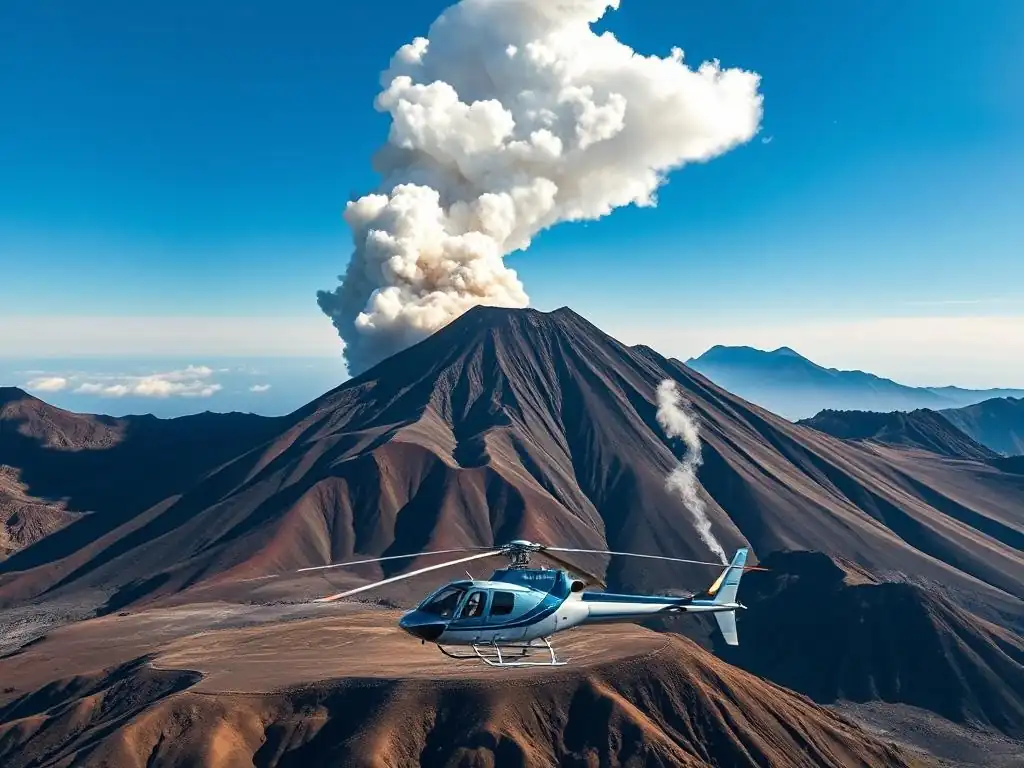
Exploring volcanoes, even from above, involves inherent risks associated with volcanic hazards. Understanding these hazards is crucial for ensuring safety during aerial tours. Ashfall, even from a distance, can pose a hazard to aircraft engines and visibility. Volcanic gas emissions, such as sulfur dioxide, can be irritating to the respiratory system and, in high concentrations, can be harmful. Sudden and explosive eruptions are a less frequent but potentially significant hazard, capable of rapidly changing volcanic conditions and posing risks to aircraft in close proximity.
Tour operators mitigate these risks through careful monitoring of volcanic activity, weather conditions, and adherence to safety protocols. Pilots are trained to recognize signs of increased volcanic activity and to adjust flight paths or abort tours if necessary. Maintaining a safe distance from active vents and eruption plumes is a primary safety measure. Passengers should be aware of these potential hazards and trust the expertise of the tour operator and pilot in prioritizing safety during volcano aerial tours.
Emergency Procedures: What to Do in Case of Volcanic Activity
In the unlikely event of unexpected volcanic activity or an emergency during a volcano aerial tour, it is essential to know and follow emergency procedures. Pay close attention to the pre-flight safety briefing, which should outline emergency protocols and communication procedures. In the event of sudden volcanic activity, remain calm and follow the pilot's instructions immediately. The pilot is trained to handle emergency situations and will prioritize the safety of passengers.
Helicopters are equipped with communication systems to contact ground control and emergency services if needed. Life jackets are typically provided for overwater flights, and emergency procedures for ditching at sea are part of pilot training. In the event of an emergency landing, follow the pilot's instructions for evacuation and remain with the group until instructed otherwise. Being prepared, informed, and trusting the expertise of the flight crew are key to ensuring safety in the unlikely event of an emergency during a volcano aerial tour.
Beyond the Helicopter: Alternative Ways to Explore Volcanoes from Above
Volcano Hiking and Trekking: Reaching Summit Views
While helicopter tours offer a unique perspective on exploring volcanoes from above, alternative ground-based methods can also provide stunning aerial views. Volcano hiking and trekking to summit areas offer a challenging but rewarding way to gain panoramic views of volcanic landscapes. Many volcanoes have established hiking trails leading to crater rims, summit cones, or viewpoints overlooking lava fields and calderas. Hiking allows for a more immersive experience, connecting with the volcanic environment on foot and appreciating the details of the terrain at a slower pace.
Reaching summit views through hiking requires physical fitness and preparation, including appropriate gear, water, and knowledge of trail conditions and potential hazards. However, the sense of accomplishment and the breathtaking panoramic views from the summit of a volcano, often earned through physical exertion, provide a different kind of satisfaction compared to an aerial tour. Popular volcano hiking destinations include Mount Fuji in Japan, Mount Rainier in the USA, and various volcanoes in Iceland and New Zealand, offering diverse experiences for adventurous volcano explorers.
Volcano Observatories: Safe Ground-Based Viewing Points
Volcano observatories provide safe and informative ground-based viewing points for exploring volcanoes from above, or at least from high vantage points. These facilities, often located on the flanks of volcanoes or in nearby elevated areas, offer panoramic views of volcanic landscapes and sometimes live monitoring displays of volcanic activity. Volcano observatories serve as scientific research centers and public education facilities, providing valuable information about volcano science and hazards.
Visiting a volcano observatory allows for learning about the volcano's history, monitoring techniques, and potential risks, while also enjoying safe and accessible views of the volcanic area. Many observatories have visitor centers with exhibits, educational programs, and guided tours, enhancing the learning experience. Examples include the Hawaiian Volcano Observatory overlooking Kilauea caldera, the Vesuvius Observatory in Italy, and the Mount St. Helens Johnston Ridge Observatory in Washington State, USA. Volcano observatories offer a valuable alternative for those seeking safe and informative ground-based ways to explore volcanoes from above, albeit from a stationary viewpoint.
Experience the Power and Beauty: Your Volcano Adventure Awaits
Booking Your Volcano Aerial Tour: Book Online Today!
Exploring volcanoes from above is an unforgettable adventure that combines the thrill of flight with the awe-inspiring beauty and power of Earth's most dynamic geological features. Whether you choose a helicopter tour over the fiery landscapes of Kilauea, the snow-capped peaks of Mount Etna, or the geothermal wonders of White Island, a volcano aerial tour promises a unique and transformative experience. Witnessing volcanic majesty from a bird's-eye view provides a new appreciation for the forces that shape our planet and the stunning landscapes they create.
Ready to embark on your volcano adventure? Many reputable tour operators offer convenient online booking platforms, allowing you to easily reserve your aerial volcano tour. Explore the options available for your chosen destination, compare tour itineraries and prices, and book your volcano aerial tour today to secure your spot for an experience of a lifetime. Don't miss the opportunity to witness the Earth's fury unleashed and discover volcanoes in all their aerial glory!
The experience of exploring volcanoes from above is often so profound and visually striking that it leaves a lasting impression. Sharing your volcano adventure with others can extend the enjoyment and inspire fellow explorers. Consider sharing your photographs and videos from your aerial tour on social media platforms, using relevant hashtags like #volcanoes, #aerialvolcano, #volcanotourism, and #exploringvolcanoesfromabove to connect with a wider community of volcano enthusiasts.
Engage with online forums and communities dedicated to volcano tourism and photography to share your experiences, tips, and recommendations. Writing a review of your tour operator and sharing it on travel websites can help other travelers make informed decisions. Connecting with fellow volcano explorers online and offline can foster a sense of community, inspire future adventures, and contribute to a greater appreciation for these magnificent natural wonders. Share your volcano experience and let the Earth's fury and beauty inspire others to explore and appreciate our planet's dynamic landscapes.
Frequently Asked Questions
How does VolcanoExplorers.org help me start exploring volcanoes from above?
The website provides educational content on volcano types and volcanic activity, enabling you to understand what you're seeing from above. It also offers photography and travel sections that showcase aerial views and inspire exploration.
What safety precautions should I consider before exploring volcanoes from above?
Always check real-time updates on volcanic activity on VolcanoExplorers.org before planning any aerial exploration. Understand potential hazards like ash clouds and sudden eruptions, and respect restricted airspace.
What are some of the most famous volcanoes to explore from above, according to VolcanoExplorers.org?
While the site doesn't explicitly list "famous" volcanoes for aerial exploration, it does provide information on various types of volcanoes and famous eruptions throughout history, giving you a basis to research potential candidates.
What can I learn about the science of volcanoes from VolcanoExplorers.org that will enhance my aerial exploration experience?
You'll gain insight into magma formation, eruption processes, and the forces that shape landscapes. This scientific understanding will provide context and appreciation for the aerial views you're observing.
Does VolcanoExplorers.org offer any resources on the cultural significance of volcanoes, relevant to exploring them from above?
Yes, the site explores the cultural significance of volcanoes across the globe. This can provide context to the landscapes you observe from above, connecting the physical features with human history and beliefs.
Final Reflection: A Dance with Fire from the Skies
The journey through the aerial realm of volcanoes, as explored in this article, reminds us that Earth's raw power is both terrifying and breathtakingly beautiful. From the vantage point of the sky, we gain a new appreciation for the forces that shape our planet, a perspective that transcends the immediate danger and reveals the intricate artistry of geological processes.
The enduring allure of volcanoes, witnessed from above, continues to shape our understanding of Earth's dynamic nature and inspires a sense of awe and humility. This exploration has deepened my own respect for the delicate balance between creation and destruction, a balance that defines our planet. The mountains are calling and I must go.
- John Muir. This quote encapsulates the irresistible draw of nature's grandeur, a call that echoes in the fiery heart of every volcano.
Now, as you close this exploration of volcanoes from above, consider the lessons learned from this aerial dance with fire. How can you apply this newfound perspective to your own life, embracing the power of change and the beauty of resilience? Let the Earth's fury inspire you to explore your own inner landscapes, to confront challenges with courage, and to appreciate the fleeting moments of beauty that surround you.
Ignite Your Inner Explorer: Plan Your Volcanic Adventure!
Thank you for delving into the breathtaking world of volcanoes with us! We hope you've gained a new appreciation for these powerful forces of nature and are feeling inspired to experience their majesty firsthand. Now, let's turn that inspiration into action!
- Dare to Dream: Begin by researching volcano tours that align with your adventurous spirit. Consider factors such as difficulty level, location accessibility, and the specific volcanic features you'd like to witness. Remember, Volcano Explorers offers curated tour recommendations on our site!
- Share your newfound knowledge. Tell a friend or family member, or spark conversation by posting your favorite fact from the article on social media using #VolcanoExplorers. You never know who you will inspire!
- Explore the interactive maps on volcanoexplorers.org to identify lesser-known volcanic regions. Perhaps your next adventure will lead you off the beaten path!
Ready to start planning your unforgettable volcanic experience? Which volcano is calling your name and igniting your adventurous spirit?