
Beyond the Lava: The Unseen Threat of Volcanic Gas Clouds

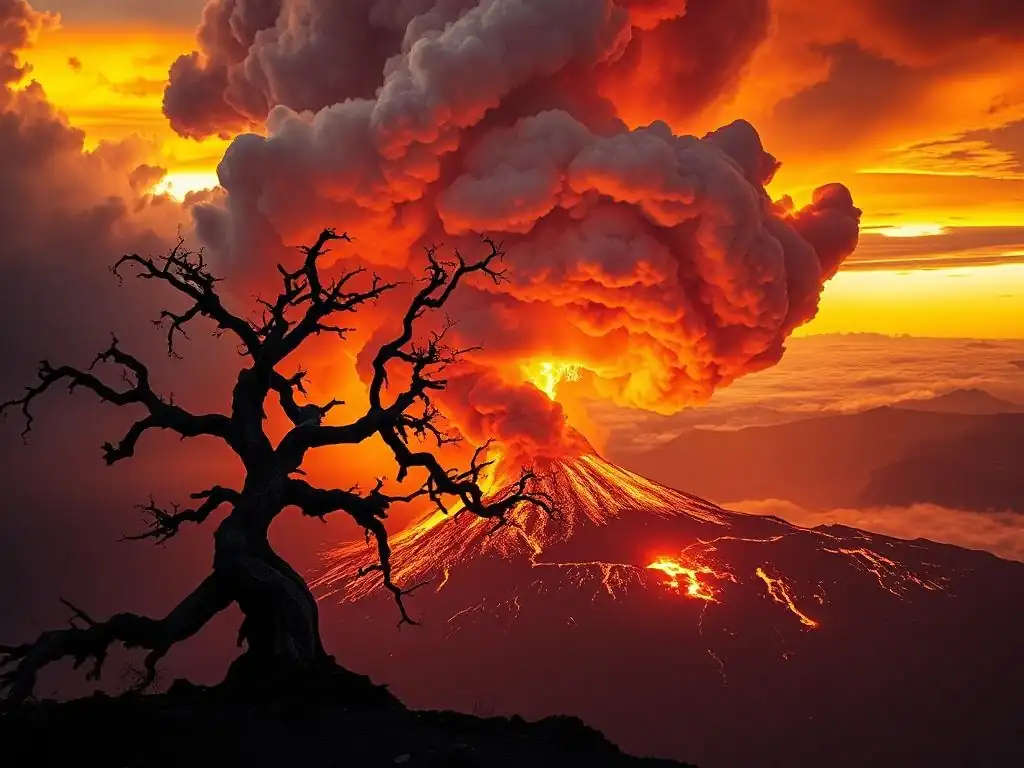
Welcome to Volcano Explorers, where the Earth breathes fire and secrets lie hidden beneath the surface. Ready to look beyond the obvious? Our latest exploration dives into the often-overlooked peril of volcanic gas cloud dangers. But what makes these invisible plumes so deadly, and how can you protect yourself? This is more than just science; it's a matter of survival. Dare to learn the truth that lurks in the shadows...
- Introduction to Volcanic Gas Cloud Dangers
- Composition of Volcanic Gas Clouds
- The Health Hazards of Volcanic Gas Exposure
- Environmental Impacts of Volcanic Gas Clouds
- Monitoring and Predicting Volcanic Gas Cloud Dispersion
- Case Studies: Volcanic Gas Cloud Disasters and Near Misses
- Safety Measures and Mitigation Strategies
- Volcanic Gas Cloud Dangers: A Global Perspective
- Conclusion: Staying Informed and Prepared for Volcanic Gas Cloud Threats
-
Frequently Asked Questions
- What are volcanic gas clouds and why are they dangerous?
- What are the primary health risks associated with exposure to volcanic gas clouds?
- How far can volcanic gas clouds travel from the volcano?
- What safety measures should be taken if you live near an active volcano?
- How do volcanologists monitor volcanic gas emissions and predict potential hazards?
- Final Reflection: Breathing in the Shadow of Giants
- Discover Hidden Risks: Protect Yourself from Volcanic Gases!
Introduction to Volcanic Gas Cloud Dangers
Understanding the Silent Killer: The Invisible Threat of Volcanic Gases
Volcanic eruptions are often associated with dramatic imagery of flowing lava and explosive ash plumes. However, an often-overlooked yet equally dangerous aspect of volcanic activity is the release of volcanic gases. These gases, often invisible to the naked eye, can pose a significant threat to human health, agriculture, and the environment.
Unlike the visible and relatively slow-moving lava flows, volcanic gas clouds can spread rapidly and extensively, impacting areas far beyond the immediate vicinity of the volcano. These clouds are composed of a complex mixture of compounds, many of which are toxic or harmful even in low concentrations, making them a silent killer in volcanic regions.
The danger of volcanic gases stems from their insidious nature. While the fiery spectacle of lava commands immediate attention, the subtle presence of odorless or faintly scented gases can easily go unnoticed until symptoms of exposure begin to manifest. Moreover, the dispersal of these gases is heavily influenced by wind and atmospheric conditions, meaning communities downwind of even a seemingly quiet volcano can be at risk. Understanding the composition, behavior, and potential impacts of volcanic gas clouds is crucial for mitigating the risks associated with living in volcanically active areas and ensuring public safety.
Why Volcanic Gas Clouds Pose a Significant Risk
Volcanic gas clouds pose a significant risk for several reasons, primarily due to their widespread reach and the diverse range of hazards they present. Firstly, the sheer volume of gas released during volcanic eruptions, even relatively small ones, can be immense. For instance, Mount Etna in Italy, during periods of Strombolian activity, can release thousands of tonnes of sulfur dioxide daily.
This massive outgassing can create extensive plumes that drift downwind, affecting air quality and human health over considerable distances. The 1986 Lake Nyos disaster in Cameroon, while not a volcanic eruption in the traditional sense, demonstrated the catastrophic potential of a sudden release of volcanic carbon dioxide, resulting in over 1,700 fatalities.
Secondly, the composition of volcanic gas clouds is complex and variable, containing a cocktail of hazardous substances. Beyond the more well-known sulfur dioxide and carbon dioxide, these clouds can carry hydrogen sulfide, hydrogen halides (such as hydrogen chloride and hydrogen fluoride), mercury, and other trace elements, each with its own set of toxicological and environmental effects.
Exposure to these gases can range from mild irritation to severe respiratory distress, asphyxiation, and long-term health problems. The rapid onset and widespread nature of these effects, coupled with the potential for large-scale events, underscore the significant risk that volcanic gas clouds present to both human populations and the environment.
Composition of Volcanic Gas Clouds
Major Components of Volcanic Emissions: Sulfur Dioxide, Carbon Dioxide, and Water Vapor
The most abundant components of volcanic gas emissions are typically water vapor (H₂O), carbon dioxide (CO₂), and sulfur dioxide (SO₂). Water vapor often constitutes the largest proportion, sometimes making up over 90% of the total gas volume. This water vapor originates from various sources including magma degassing, groundwater heated by magma, and even atmospheric water entrained into volcanic plumes.
While water vapor itself is not toxic, its condensation contributes to the visible plumes and can facilitate the transport of other gases and aerosols. For example, the steam plumes from Kilauea volcano in Hawaii are largely composed of water vapor, but they also carry volcanic smog, or "vog," formed by the reaction of sulfur dioxide with atmospheric moisture and sunlight.
Carbon dioxide is another major component, typically making up a significant percentage of volcanic emissions. Although CO₂ is a naturally occurring atmospheric gas and essential for life, high concentrations can be dangerous. Carbon dioxide is heavier than air and can accumulate in low-lying areas, displacing oxygen and causing asphyxiation. The Lake Nyos disaster serves as a stark reminder of this danger, where a massive release of CO₂ from the lakebed suffocated thousands.
Sulfur dioxide is also a key component, and is readily detectable due to its pungent, irritating odor, often described as similar to burnt matches. SO₂ is a significant respiratory irritant and contributes to acid rain formation. The ongoing volcanic activity in Iceland, such as the eruptions in Geldingadalir and Fagradalsfjall, releases substantial amounts of SO₂, impacting air quality across Europe depending on wind patterns.
Trace Elements and Their Impact: Hydrogen Sulfide, Hydrogen Halides, and Mercury
While water vapor, carbon dioxide, and sulfur dioxide are the major constituents of volcanic gas clouds, trace elements, though present in smaller quantities, can pose significant hazards due to their high toxicity. Hydrogen sulfide (H₂S) is a particularly dangerous trace gas, recognizable by its characteristic "rotten egg" smell, although at high concentrations, it can paralyze the olfactory nerves, eliminating the odor warning. H₂S is highly toxic and can cause rapid unconsciousness and death at high concentrations by disrupting cellular respiration. Areas near volcanic vents and fumaroles, like those in Yellowstone National Park, can experience localized high concentrations of H₂S.
Hydrogen halides, including hydrogen chloride (HCl) and hydrogen fluoride (HF), are also crucial trace components. These gases are highly acidic and corrosive. Hydrogen chloride reacts with moisture in the air to form hydrochloric acid, which is a potent respiratory irritant and can damage lung tissue and mucous membranes.
Hydrogen fluoride is even more hazardous, being highly toxic and corrosive. HF can cause severe burns upon skin contact and, when inhaled, can lead to pulmonary edema and fluorosis, a debilitating bone disease from chronic exposure. Eruptions like the 1982 El Chichón eruption in Mexico released significant amounts of HCl and HF, causing widespread acid rain and environmental damage.
Mercury, often present in volcanic emissions as elemental mercury vapor, is a persistent neurotoxin. Volcanic activity is a significant natural source of atmospheric mercury. While concentrations in volcanic plumes may be low, mercury can bioaccumulate in the food chain, posing long-term risks, particularly to communities reliant on local seafood in volcanically active regions.
The Role of Atmospheric Conditions on Gas Cloud Formation
Atmospheric conditions play a crucial role in the formation, dispersion, and impact of volcanic gas clouds. Wind speed and direction are primary factors determining the trajectory and spread of gas plumes. Strong winds can rapidly disperse gas clouds, diluting concentrations and reducing localized hazards, but simultaneously extending the area affected downwind.
Conversely, calm winds can lead to the accumulation of gases in valleys and low-lying areas, creating pockets of high concentration and increased risk of asphyxiation or toxic exposure. For instance, during periods of low wind, volcanic smog ("vog") from Kilauea can become trapped in valleys on the Big Island of Hawaii, leading to severe air quality issues in populated areas.
Temperature inversions, where a layer of warm air traps cooler air near the ground, can also significantly impact gas cloud behavior. Inversions can prevent volcanic gases from dispersing vertically, leading to a build-up of pollutants near ground level, increasing exposure risks for communities. This phenomenon is particularly concerning in mountainous regions, where valleys can trap cold air and volcanic gases beneath a warmer air layer.
Humidity levels influence the formation of secondary pollutants from volcanic gases. High humidity promotes the reaction of sulfur dioxide with water vapor to form sulfuric acid aerosols, contributing to acid rain and volcanic smog. Rainfall can also scavenge volcanic gases from the atmosphere, depositing them as acid rain and impacting water and soil acidity.
Topography also plays a critical role; valleys and depressions can channel and concentrate gas flows, while mountains can act as barriers, influencing plume direction and deposition patterns. Understanding these complex interactions between volcanic emissions and atmospheric conditions is vital for accurate hazard assessment and effective mitigation strategies.
The Health Hazards of Volcanic Gas Exposure
Short-Term Effects of Volcanic Gas Inhalation: Irritation, Respiratory Issues, and Asphyxiation
Inhaling volcanic gases can lead to a range of short-term health effects, primarily affecting the respiratory system and mucous membranes. Immediate exposure to even low concentrations of gases like sulfur dioxide and hydrogen chloride can cause irritation of the eyes, nose, and throat. Symptoms may include burning sensations, watery eyes, coughing, sneezing, and a sore throat.
These irritant gases trigger inflammation in the respiratory tract, leading to airway constriction and difficulty breathing, particularly for individuals with pre-existing respiratory conditions like asthma. For example, residents near persistently degassing volcanoes like Popocatépetl in Mexico frequently report eye and throat irritation due to sulfur dioxide exposure.
Higher concentrations of volcanic gases can induce more severe respiratory issues. Inhalation of sulfur dioxide at elevated levels can cause bronchitis, characterized by persistent coughing, wheezing, and shortness of breath. Pulmonary edema, fluid accumulation in the lungs, is a serious complication that can arise from exposure to highly irritating gases like hydrogen chloride and hydrogen fluoride. Asphyxiation is a critical and potentially fatal short-term effect, primarily caused by carbon dioxide and hydrogen sulfide.
Carbon dioxide, being heavier than air, can displace oxygen in enclosed or low-lying areas, leading to oxygen deprivation, rapid loss of consciousness, and death if exposure is prolonged. Hydrogen sulfide, at high concentrations, can also directly inhibit cellular respiration, causing rapid asphyxiation. The Lake Nyos disaster tragically illustrated the lethal potential of carbon dioxide-induced asphyxiation.
Long-Term Health Consequences of Chronic Exposure to Volcanic Gases
Chronic, low-level exposure to volcanic gases can result in a range of long-term health consequences, primarily affecting the respiratory and cardiovascular systems. Prolonged inhalation of irritant gases like sulfur dioxide and hydrogen chloride can lead to chronic respiratory diseases such as asthma and chronic bronchitis. Studies conducted in areas with persistent volcanic degassing, such as near Mount Etna in Sicily, have shown a higher prevalence of respiratory symptoms and reduced lung function in resident populations compared to control groups. Children, with their developing respiratory systems, are particularly vulnerable to these long-term respiratory effects.
Emerging research suggests potential links between chronic volcanic gas exposure and cardiovascular health. Inflammation triggered by inhaled gases can contribute to systemic inflammation, which is a known risk factor for cardiovascular diseases. Furthermore, some volcanic gases, like hydrogen sulfide at low concentrations, can have subtle effects on the nervous system, potentially contributing to neurological symptoms over time.
Chronic exposure to volcanic mercury emissions can lead to mercury accumulation in the body, posing risks of neurotoxicity, kidney damage, and developmental problems, particularly in pregnant women and young children. While the long-term health impacts of chronic volcanic gas exposure are still being actively researched, the evidence points towards a significant public health concern for populations living in volcanically active regions, necessitating ongoing monitoring and mitigation efforts.
Vulnerable Populations: Children, Elderly, and Individuals with Respiratory Conditions
Certain populations are particularly vulnerable to the health hazards of volcanic gas exposure due to physiological factors and pre-existing conditions. Children are a highly vulnerable group because their respiratory systems are still developing, making them more susceptible to irritant and toxic gases. Children also have higher respiration rates than adults, meaning they inhale a greater volume of air per unit of body weight, increasing their exposure to airborne pollutants, including volcanic gases.
Studies in volcanic areas have consistently shown higher rates of respiratory illnesses, such as asthma and bronchitis, in children. Furthermore, children are less able to recognize and communicate symptoms of gas exposure, making them dependent on caregivers for protection.
The elderly are another vulnerable population group due to age-related decline in respiratory and cardiovascular function. Older adults often have pre-existing respiratory conditions like chronic obstructive pulmonary disease (COPD) or cardiovascular diseases, which can be exacerbated by volcanic gas exposure. Reduced lung capacity and weakened immune systems in the elderly make them more susceptible to respiratory infections and complications following gas inhalation.
Individuals with pre-existing respiratory conditions, such as asthma, bronchitis, and emphysema, are at significantly higher risk from volcanic gas exposure. Even low concentrations of irritant gases can trigger asthma attacks and exacerbate chronic respiratory symptoms, leading to increased hospitalizations and respiratory distress. Public health advisories and emergency preparedness plans in volcanically active regions must specifically address the needs and vulnerabilities of these at-risk populations to ensure effective protection and minimize health impacts.
Environmental Impacts of Volcanic Gas Clouds
Acid Rain Formation and its Effects on Ecosystems
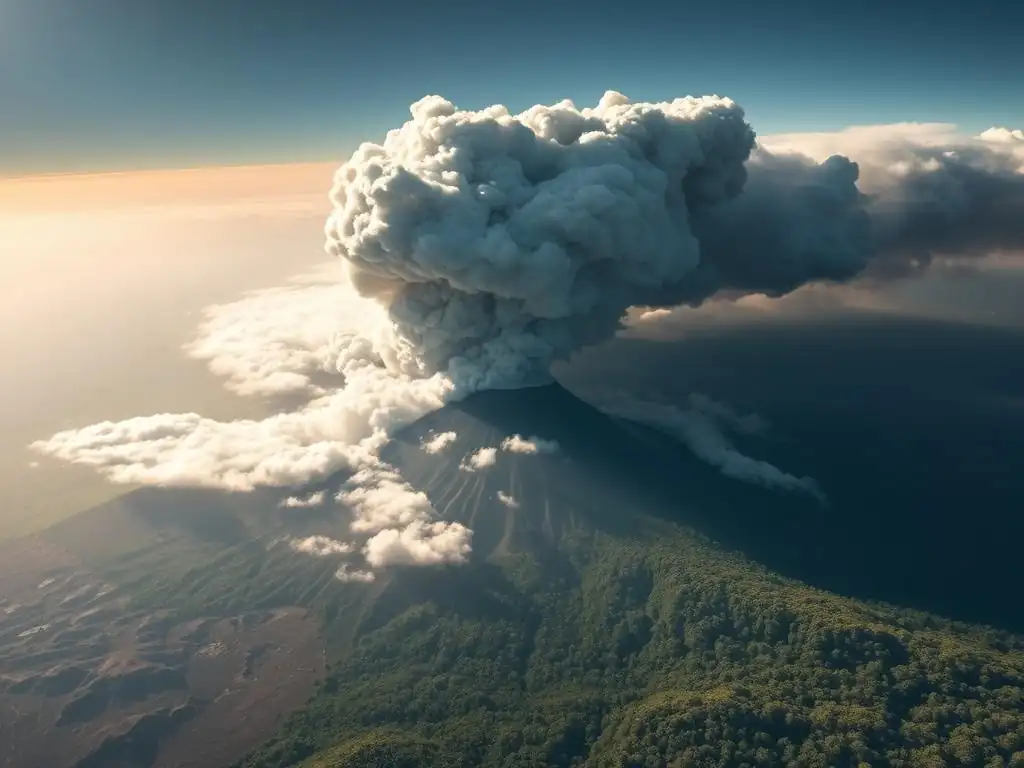
Volcanic gas clouds are a major contributor to acid rain formation, primarily due to the release of sulfur dioxide (SO₂) and hydrogen halides such as hydrogen chloride (HCl). When these gases are emitted into the atmosphere, they react with water vapor and oxygen through a series of complex chemical processes. Sulfur dioxide undergoes oxidation to form sulfur trioxide (SO₃), which then reacts with water to produce sulfuric acid (H₂SO₄). Hydrogen chloride readily dissolves in water to form hydrochloric acid (HCl).
These acids are then incorporated into rain, snow, fog, and dry deposition, resulting in acid rain. The acidity of rain is measured on the pH scale, with normal rain being slightly acidic (around pH 5.6) due to dissolved carbon dioxide. Acid rain, however, can have a pH significantly lower than this, often ranging from pH 4 to as low as pH 2 in areas heavily impacted by volcanic emissions.
Acid rain has profound effects on ecosystems. Forest ecosystems are particularly vulnerable. Acid rain leaches essential nutrients like calcium and magnesium from the soil, while simultaneously releasing toxic metals such as aluminum. This nutrient depletion and aluminum toxicity weakens trees, making them more susceptible to diseases, insect infestations, and frost damage. Acid rain also directly damages tree leaves and needles, reducing their ability to photosynthesize.
Aquatic ecosystems are also severely impacted. Acidification of lakes and rivers lowers pH levels, harming or killing sensitive aquatic organisms such as fish, amphibians, and invertebrates. Acid rain can also mobilize heavy metals from lake sediments, further contaminating water sources and impacting aquatic life. The long-term effects of acid rain can lead to significant biodiversity loss and ecosystem degradation.
Damage to Vegetation and Agricultural Lands from Volcanic Gas Exposure
Volcanic gas exposure can cause direct and indirect damage to vegetation and agricultural lands, impacting crop yields and food security. Direct damage occurs when plants are exposed to high concentrations of toxic gases like sulfur dioxide, hydrogen fluoride, and hydrogen chloride. Sulfur dioxide enters plant leaves through stomata (pores) and disrupts photosynthesis and other metabolic processes, leading to visible injury symptoms such as leaf necrosis (tissue death), chlorosis (yellowing), and reduced growth.
Hydrogen fluoride is particularly phytotoxic; even very low concentrations can accumulate in plant leaves, causing fluorosis, which manifests as leaf tip burn and marginal necrosis. Hydrogen chloride, being highly acidic, can cause direct chemical burns to plant foliage. The severity of direct damage depends on the gas concentration, duration of exposure, and plant species sensitivity.
Indirect damage arises from acid rain deposition and soil acidification caused by volcanic gases. Acid rain leaches essential nutrients from the soil, reducing soil fertility and plant nutrient availability. Soil acidification can also increase the solubility and bioavailability of toxic metals like aluminum and manganese, which can be taken up by plants and interfere with their growth and development. Acid rain can also damage the waxy cuticle layer on plant leaves, making them more susceptible to diseases and pests.
Agricultural lands are particularly vulnerable because crops are often more sensitive to volcanic gas exposure than native vegetation. Volcanic gas events can lead to significant crop losses, impacting food production and livelihoods in agricultural communities near active volcanoes. For instance, during eruptions at Popocatépetl, agricultural regions downwind have experienced crop damage and reduced yields due to volcanic gas and ashfall.
Impact on Water Sources: Acidification and Contamination
Volcanic gas clouds significantly impact water sources through acidification and contamination. Acid rain, formed from volcanic gases, directly acidifies lakes, rivers, and streams. This acidification lowers the pH of water bodies, harming aquatic life and disrupting aquatic ecosystems.
Sensitive aquatic organisms, such as certain fish species, amphibians, and invertebrates, cannot tolerate low pH conditions and may die or fail to reproduce in acidified waters. Acidification also alters the chemical balance of water, increasing the solubility of metals like aluminum, mercury, and lead from soils and sediments. This mobilization of heavy metals leads to water contamination, posing risks to both aquatic life and human health if contaminated water is used for drinking or irrigation.
Volcanic gases can also directly contaminate water sources. Dissolved volcanic gases, such as sulfur dioxide and hydrogen sulfide, can alter the taste and odor of water, making it unpalatable or unusable. Volcanic eruptions can introduce ash and particulate matter into water bodies, further degrading water quality. Ashfall can increase turbidity, reduce light penetration, and introduce dissolved chemicals into water sources.
In some cases, volcanic eruptions can trigger the release of geothermal fluids into surface water or groundwater systems, leading to contamination with dissolved salts, metals, and other volcanic byproducts. Communities relying on surface water or groundwater sources near active volcanoes are particularly vulnerable to these impacts. Water quality monitoring and treatment are crucial in volcanic regions to mitigate the risks of acidification and contamination and ensure access to safe water supplies.
Monitoring and Predicting Volcanic Gas Cloud Dispersion
Techniques for Measuring Volcanic Gas Emissions: Remote Sensing and Ground-Based Instruments
Monitoring volcanic gas emissions is crucial for assessing volcanic activity, forecasting potential hazards, and providing timely warnings to at-risk communities. Various techniques are employed, broadly categorized as remote sensing and ground-based instruments. Remote sensing techniques utilize satellite and airborne instruments to measure volcanic gas plumes from a distance.
Satellites equipped with spectrometers, such as those measuring sulfur dioxide (SO₂) and other gases in the ultraviolet (UV) and infrared (IR) spectral ranges, provide a synoptic view of volcanic plumes, allowing for the detection and tracking of large-scale gas clouds. Instruments like the Ozone Monitoring Instrument (OMI) and the Tropospheric Monitoring Instrument (TROPOMI) are widely used for global SO₂ monitoring. Airborne surveys using instruments mounted on aircraft can provide higher spatial resolution data and can be deployed rapidly to monitor specific volcanic events.
Ground-based instruments provide continuous, high-resolution measurements of volcanic gas emissions at specific locations. Differential Optical Absorption Spectroscopy (DOAS) instruments are commonly used to measure the concentrations of SO₂, NO₂, and other gases in volcanic plumes. DOAS instruments analyze the absorption of light by gases in the atmosphere along a path, typically using the sun or an artificial light source.
Electrochemical sensors are portable and cost-effective instruments used for measuring concentrations of specific gases like SO₂, H₂S, and CO₂ near volcanic vents and fumaroles. Gas chromatography and mass spectrometry techniques are used to analyze the full composition of volcanic gas samples collected from fumaroles and vents, providing detailed information on trace gases and isotopic ratios. Continuous monitoring networks, combining remote sensing and ground-based instruments, are essential for comprehensive volcanic gas monitoring and hazard assessment.
Modeling Volcanic Gas Cloud Plumes: Predicting Trajectory and Concentration
Predicting the trajectory and concentration of volcanic gas clouds is essential for mitigating risks and informing public safety measures. Volcanic gas plume dispersion models utilize meteorological data, volcanic emission rates, and topographic information to simulate the movement and dilution of gas clouds in the atmosphere. These models are based on atmospheric dispersion principles, considering factors like wind speed and direction, atmospheric stability, temperature, and humidity.
Input data for these models includes volcanic gas emission rates, typically estimated from ground-based measurements or satellite observations, and meteorological data from weather stations or atmospheric models. Topographic data is incorporated to account for the influence of terrain on plume dispersion.
Various types of dispersion models are used, ranging from simple Gaussian plume models to more complex Lagrangian and Eulerian models. Gaussian plume models are computationally efficient and widely used for simulating plume dispersion under relatively simple meteorological conditions. Lagrangian models track the movement of individual air parcels, allowing for the simulation of plume dispersion in complex terrain and under variable meteorological conditions.
Eulerian models solve advection-diffusion equations on a fixed grid, providing detailed simulations of plume concentration fields. Model outputs typically include maps of predicted gas concentrations at different heights and time steps, allowing for the assessment of potential exposure areas and concentration levels. Real-time plume dispersion modeling, coupled with volcanic gas monitoring data, is crucial for providing timely warnings and guiding emergency response efforts during volcanic gas events.
The Importance of Real-Time Monitoring for Public Safety
Real-time monitoring of volcanic gas clouds is of paramount importance for public safety in volcanically active regions. Continuous monitoring provides early warning of increased volcanic gas emissions, allowing for timely alerts and evacuation orders to be issued to at-risk communities.
Real-time data from gas sensors and satellite observations enables volcano observatories to track the movement and dispersion of gas plumes, providing crucial information for plume trajectory forecasting and hazard assessment. For example, during the ongoing volcanic activity in Hawaii, real-time monitoring of sulfur dioxide emissions and vog dispersion is essential for issuing health advisories and informing residents about air quality conditions.
Real-time monitoring data informs public health responses to volcanic gas events. Data on gas concentrations and plume locations allows health agencies to assess exposure risks and implement appropriate public health measures, such as issuing warnings to vulnerable populations, advising on protective measures like using respirators, and preparing for potential increases in respiratory illnesses. Real-time monitoring also supports aviation safety by providing information on volcanic ash and gas plume locations, allowing for the rerouting of air traffic to avoid hazardous areas.
Effective communication of real-time monitoring data to the public and relevant authorities is crucial for ensuring informed decision-making and mitigating the risks associated with volcanic gas cloud dangers. Volcano observatories play a vital role in disseminating real-time information through websites, social media, and public alert systems, empowering communities to take appropriate protective actions.
Case Studies: Volcanic Gas Cloud Disasters and Near Misses
Lake Nyos Disaster: A Deadly Carbon Dioxide Release
The Lake Nyos disaster in Cameroon in 1986 stands as a stark and tragic example of the deadly potential of volcanic gas clouds, specifically carbon dioxide (CO₂). Lake Nyos is a crater lake situated atop a volcanic vent. Over time, volcanic CO₂ slowly degassed from the lakebed and accumulated in the deep waters of the lake, forming a stratified lake with CO₂-rich bottom layers and less dense, CO₂-poor surface layers.
On the night of August 21, 1986, a limnic eruption occurred, a rare phenomenon in which a sudden overturning of lake water releases a massive amount of dissolved gas. The exact trigger remains debated, but possibilities include a landslide, a small volcanic eruption, or even seasonal changes in lake water density.
The limnic eruption at Lake Nyos released an estimated 1.2 cubic kilometers of CO₂, which is heavier than air and flowed down the valleys surrounding the lake as a dense, invisible cloud. This CO₂ cloud suffocated thousands of people and animals in villages surrounding the lake, extending as far as 25 kilometers from the lake. The disaster resulted in the deaths of over 1,700 people and thousands of livestock.
Victims were found lying in their beds or in the streets, showing no signs of struggle, indicating rapid asphyxiation. The Lake Nyos disaster highlighted the previously largely unrecognized danger of limnic eruptions and the lethal potential of volcanic carbon dioxide.
The 1986 Lake Nyos tragedy: Lessons Learned about Limnic Eruptions
The 1986 Lake Nyos tragedy provided critical lessons about limnic eruptions and the hazards associated with gas-rich lakes. Prior to the disaster, limnic eruptions were poorly understood, and the potential for large-scale CO₂ releases from lakes was largely unrecognized as a significant volcanic hazard.
The Lake Nyos event prompted extensive scientific investigation into the mechanisms of limnic eruptions and the characteristics of gas-rich lakes worldwide. Scientists determined that Lake Nyos and other similar lakes, such as Lake Monoun (also in Cameroon, which experienced a smaller limnic eruption in 1984), were accumulating volcanic CO₂ in their deep waters, posing a recurring threat of gas release.
A key lesson learned was the necessity for monitoring and mitigation strategies for gas-rich lakes. Following the disaster, a degassing system was developed and installed at Lake Nyos to continuously remove CO₂ from the deep waters, reducing the risk of future limnic eruptions.
This system, consisting of a network of pipes that siphon CO₂-rich water from the lake bottom and allow it to degas at the surface, has proven effective in reducing CO₂ accumulation. The Lake Nyos experience has led to increased awareness and monitoring of other gas-rich lakes around the world, particularly in volcanic regions, and has established the importance of proactive mitigation measures to prevent future limnic eruption disasters.
The 2010 Merapi Eruption: Respiratory Impacts and Evacuation Challenges
The 2010 eruption of Mount Merapi in Indonesia, a highly active volcano, highlighted the significant respiratory impacts of volcanic gas clouds and the challenges associated with evacuation during volcanic crises. Merapi's eruptions are often characterized by pyroclastic flows and ash plumes, but volcanic gases also played a crucial role in the health impacts of the 2010 event. The eruption released large volumes of sulfur dioxide and other irritant gases, leading to widespread air pollution in surrounding areas. Communities downwind of Merapi experienced significant increases in respiratory illnesses, including asthma exacerbations, bronchitis, and pneumonia.
The 2010 Merapi eruption also presented complex evacuation challenges related to volcanic gas hazards. While pyroclastic flows posed the most immediate and lethal threat in areas close to the volcano, volcanic gas clouds extended over a wider area, affecting larger populations. Evacuation efforts had to consider both the pyroclastic flow hazard zones and the areas impacted by volcanic gases.
Respiratory irritation and poor air quality due to volcanic gases made evacuation more difficult and uncomfortable for residents, particularly vulnerable populations like children and the elderly. The Merapi eruption underscored the need for integrated hazard assessments that consider both primary volcanic hazards like pyroclastic flows and secondary hazards like volcanic gas clouds, as well as the importance of effective communication and public health preparedness in volcanic crises.
Safety Measures and Mitigation Strategies
Volcanic Gas Cloud Awareness: Recognizing the Signs and Symptoms
Volcanic gas cloud awareness is the first line of defense in mitigating the dangers they pose. Recognizing the signs and symptoms of volcanic gas exposure is crucial for taking timely protective actions. One of the most readily detectable signs is the smell of sulfur dioxide (SO₂), often described as a pungent, irritating odor similar to burnt matches.
However, not all volcanic gases have a distinct odor, and some, like carbon dioxide, are odorless and colorless, making them particularly insidious. Visible haze or smog, especially downwind of a volcano, can indicate the presence of volcanic gas clouds, often a mixture of gases and aerosols. Observing changes in vegetation, such as leaf damage or wilting, can also be an indicator of volcanic gas exposure in the environment.
Symptoms of volcanic gas inhalation can vary depending on the type and concentration of gases and individual susceptibility. Common symptoms include irritation of the eyes, nose, and throat, characterized by burning sensations, watery eyes, coughing, and sneezing. Respiratory symptoms such as shortness of breath, wheezing, chest tightness, and difficulty breathing are serious warning signs. Headache, dizziness, nausea, and fatigue can also occur.
In cases of exposure to high concentrations of gases like carbon dioxide or hydrogen sulfide, rapid loss of consciousness and asphyxiation can occur. It is crucial to be aware of these signs and symptoms and to seek medical attention if experiencing them, particularly in areas known to be affected by volcanic gas emissions. Public education campaigns and clear communication from volcano observatories are essential for raising volcanic gas cloud awareness within communities living near active volcanoes.
Evacuation Procedures and Emergency Preparedness for Volcanic Gas Events
Effective evacuation procedures and emergency preparedness plans are vital for mitigating the risks associated with volcanic gas events. Evacuation plans should be tailored to the specific volcanic hazards in a region, including volcanic gas cloud dangers. Evacuation routes should be pre-determined and clearly communicated to the public, prioritizing routes that are upwind and uphill from potential volcanic gas sources to minimize exposure during evacuation. Emergency shelters should be designated in safe locations, away from areas prone to volcanic gas accumulation, and equipped with essential supplies such as water, food, first aid, and potentially respirators if gas hazards are significant.
Community preparedness is crucial for effective emergency response. Regular drills and exercises should be conducted to familiarize residents with evacuation procedures and emergency protocols. Emergency communication systems, such as sirens, public address systems, and mobile alerts, should be in place to rapidly disseminate warnings and evacuation orders.
Vulnerable populations, including children, the elderly, and individuals with respiratory conditions, should be specifically addressed in evacuation plans, with provisions for assistance and transportation. Emergency response agencies, including local authorities, emergency services, and volcano observatories, should collaborate closely to develop and implement comprehensive emergency preparedness plans for volcanic gas events, ensuring coordinated and effective response efforts.
Protective Equipment: Gas Masks and Sheltering in Place
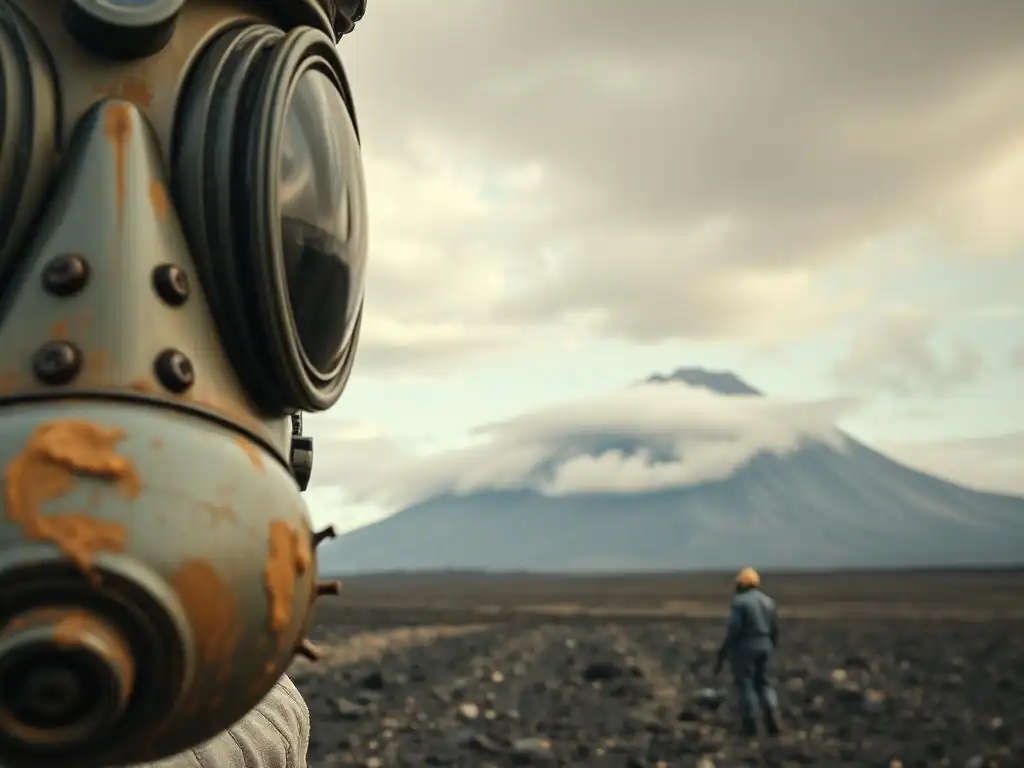
Protective equipment and sheltering in place strategies are important measures to reduce exposure to volcanic gas clouds when evacuation is not immediately possible or as a short-term protective measure. Gas masks, specifically respirators equipped with appropriate filters for volcanic gases, can provide effective protection against inhalation of harmful gases and aerosols. N95 respirators, while not specifically designed for volcanic gases, can offer some protection against particulate matter and aerosols in volcanic plumes, but respirators with chemical cartridges, such as those designed for acid gases and sulfur dioxide, provide more comprehensive protection.
Proper fitting and training on the use of respirators are essential for their effectiveness. However, gas masks may not be practical for all situations, particularly for long-duration events or for vulnerable populations.
Sheltering in place, or seeking refuge indoors, can be an effective short-term strategy to reduce volcanic gas exposure. When sheltering in place, it is important to close and seal windows and doors to minimize air infiltration. Using damp cloths to seal gaps around windows and doors can further reduce gas entry. Staying indoors in a well-ventilated room, if possible with air conditioning and air filtration, can help reduce exposure.
Avoiding strenuous activity indoors can minimize respiratory intake. It is crucial to monitor official advisories and emergency information when sheltering in place and to be prepared to evacuate if instructed by authorities. Protective equipment and sheltering in place are valuable tools in a multi-layered approach to mitigating volcanic gas cloud dangers, but they are most effective when combined with awareness, preparedness, and timely evacuation when necessary.
Volcanic Gas Cloud Dangers: A Global Perspective
Regions Most Vulnerable to Volcanic Gas Cloud Hazards
Volcanic gas cloud hazards are a global concern, particularly in regions with high concentrations of active volcanoes and significant populations living nearby. Indonesia, located in the Pacific Ring of Fire, has the highest number of active volcanoes in the world and a large population living in close proximity to these volcanoes. Volcanic gas hazards are a persistent threat in Indonesia, with eruptions from volcanoes like Merapi, Sinabung, and Semeru frequently generating gas plumes that impact populated areas.
The Philippines, also situated in the Pacific Ring of Fire, is another region highly vulnerable to volcanic gas hazards. Volcanoes like Taal, Mayon, and Bulusan pose significant risks, with frequent degassing and occasional explosive eruptions releasing substantial amounts of volcanic gases.
Italy, with volcanoes like Vesuvius, Etna, and Stromboli, has a long history of volcanic activity and significant populations living in volcanic regions. Mount Vesuvius, located near Naples, is a particularly concerning volcano due to its proximity to a large urban population and its potential for explosive eruptions and gas releases. Japan, another volcanically active country in the Pacific Ring of Fire, faces volcanic gas hazards from numerous volcanoes across the archipelago.
Regions in Central and South America, including Mexico, Guatemala, Costa Rica, and Chile, also have numerous active volcanoes that pose volcanic gas risks. The Andes Volcanic Belt is home to many active volcanoes, and communities in these regions are exposed to hazards from both explosive eruptions and persistent degassing. Globally, regions with high volcanic activity and dense populations are particularly vulnerable to volcanic gas cloud dangers, requiring robust monitoring, hazard assessment, and mitigation strategies.
The Role of Volcano Observatories in Monitoring and Mitigating Risk
Volcano observatories play a critical role in monitoring and mitigating the risks associated with volcanic gas cloud dangers worldwide. These observatories are staffed by volcanologists, geochemists, and other scientists who continuously monitor volcanic activity, including volcanic gas emissions. Volcano observatories utilize a range of monitoring techniques, including ground-based gas sensors, remote sensing instruments, and geochemical analysis of gas samples, to track changes in volcanic gas emissions and detect early signs of increased volcanic activity. Data from monitoring networks are analyzed to assess volcanic hazards, including the potential for volcanic gas cloud formation and dispersion.
Volcano observatories are responsible for issuing warnings and alerts to the public and relevant authorities about volcanic gas hazards. They provide timely information on volcanic gas emissions, plume trajectories, and potential health impacts, enabling communities to take appropriate protective actions. Volcano observatories work closely with emergency management agencies, public health organizations, and local communities to develop and implement hazard mitigation strategies.
They contribute to public education and awareness programs to increase understanding of volcanic gas dangers and promote preparedness measures. Volcano observatories also conduct research to improve our understanding of volcanic gas processes, develop new monitoring techniques, and enhance hazard assessment and forecasting capabilities, ultimately playing a central role in reducing the risks associated with volcanic gas cloud hazards globally.
International Collaboration in Volcanic Gas Research and Safety
International collaboration is essential for advancing volcanic gas research and improving safety measures globally. Volcanic gas research is a complex and multidisciplinary field, requiring expertise in volcanology, geochemistry, atmospheric science, public health, and engineering. International collaborations facilitate the sharing of knowledge, data, and best practices among scientists and volcano observatories worldwide. International research projects address global challenges related to volcanic gas hazards, such as developing improved monitoring techniques, enhancing plume dispersion models, and assessing long-term health impacts of volcanic gas exposure.
International organizations, such as the International Association of Volcanology and Chemistry of the Earth's Interior (IAVCEI) and the World Organization of Volcano Observatories (WOVO), promote collaboration and communication among volcanologists globally. Workshops, conferences, and training programs are organized to share research findings and build capacity in volcanic gas monitoring and hazard assessment.
International collaborations also support the development of standardized protocols for volcanic gas monitoring, data sharing, and hazard communication, ensuring consistency and interoperability of data and information across different volcano observatories. Sharing resources and expertise through international collaborations strengthens global efforts to mitigate volcanic gas cloud dangers and enhance public safety in volcanically active regions worldwide.
Conclusion: Staying Informed and Prepared for Volcanic Gas Cloud Threats
Summarizing the Key Dangers of Volcanic Gas Clouds
Volcanic gas clouds, often unseen and underestimated, pose a significant and multifaceted threat in volcanically active regions. Unlike the visually striking lava flows and ashfalls, the dangers of volcanic gases are often insidious, spreading rapidly and extensively, impacting areas far beyond the immediate vicinity of a volcano. The key dangers stem from their complex composition, containing a cocktail of toxic gases including sulfur dioxide, carbon dioxide, hydrogen sulfide, and hydrogen halides, each with its own set of health and environmental impacts.
Exposure to volcanic gas clouds can lead to a range of health hazards, from short-term irritation and respiratory issues to severe asphyxiation and long-term chronic respiratory and cardiovascular diseases. Vulnerable populations, such as children, the elderly, and those with pre-existing respiratory conditions, are particularly at risk.
Beyond human health, volcanic gas clouds have significant environmental impacts. Acid rain formation, driven by volcanic gas emissions, damages ecosystems, acidifies lakes and rivers, and degrades agricultural lands. Volcanic gases directly damage vegetation and contaminate water sources, impacting biodiversity and food security. The Lake Nyos disaster and the health impacts of the 2010 Merapi eruption serve as stark reminders of the devastating potential of volcanic gas cloud dangers. Effective monitoring, prediction, and mitigation strategies are essential to minimize these risks.
Resources for Learning More about Volcanic Gases and Safety
Staying informed and prepared is crucial for mitigating volcanic gas cloud threats. Numerous resources are available for those seeking to learn more about volcanic gases and safety measures. The United States Geological Survey (USGS) Volcano Hazards Program website (www.usgs.gov/volcanoes) provides comprehensive information on volcanic hazards, including volcanic gases, with detailed explanations, real-time monitoring data, and educational materials. Volcano observatory websites, such as the Hawaiian Volcano Observatory (hvo.wr.usgs.gov) and the Alaska Volcano Observatory (www.avo.alaska.edu), offer volcano-specific information, monitoring updates, and hazard assessments for their respective regions.
The Smithsonian Institution's Global Volcanism Program (volcano.si.edu) provides a global database of volcanic activity, including information on volcanic gas emissions and related hazards. Scientific publications and research articles in journals like the Journal of Volcanology and Geothermal Research and Bulletin of Volcanology offer in-depth scientific understanding of volcanic gas processes and impacts.
Public health organizations, such as the World Health Organization (WHO) and local health agencies in volcanic regions, provide guidance on health risks associated with volcanic gas exposure and protective measures. By utilizing these resources and staying informed about volcanic gas cloud dangers, individuals and communities can enhance their preparedness and resilience in volcanically active areas.
Frequently Asked Questions
What are volcanic gas clouds and why are they dangerous?
Volcanic gas clouds are mixtures of gases released from volcanoes, including water vapor, carbon dioxide, sulfur dioxide, and hydrogen sulfide. They are dangerous because they can be toxic, displace oxygen, and cause acid rain.
What are the primary health risks associated with exposure to volcanic gas clouds?
Exposure can lead to respiratory problems, skin and eye irritation, and even death, especially in areas with high concentrations of toxic gases like sulfur dioxide. Pre-existing conditions can exacerbate these risks.
How far can volcanic gas clouds travel from the volcano?
Volcanic gas clouds can travel significant distances depending on weather conditions and the intensity of the eruption. They can affect areas tens or even hundreds of kilometers away from the volcano.
What safety measures should be taken if you live near an active volcano?
It's crucial to monitor volcano alerts, have an evacuation plan, and understand the potential dangers of volcanic gas clouds. Staying indoors with sealed windows and doors can offer some protection.
How do volcanologists monitor volcanic gas emissions and predict potential hazards?
Volcanologists use various instruments, including gas sensors and satellite imagery, to monitor the composition and concentration of volcanic gases. This data helps them assess the risk of eruptions and gas cloud hazards.
Final Reflection: Breathing in the Shadow of Giants
The preceding exploration of volcanic gas cloud dangers reveals that the immediate spectacle of lava flows often overshadows a far more insidious threat. The invisible peril of toxic gases, silently spreading across landscapes, demands a shift in our perception of volcanic hazards. We must move beyond the captivating imagery of eruptions and acknowledge the long-term, pervasive impact these gaseous emissions have on human health and the environment.
The insidious nature of volcanic gas clouds has profoundly shaped our understanding of risk assessment and disaster preparedness in volcanic regions. Witnessing the devastating effects of these unseen killers underscores the urgent need for improved monitoring, public education, and proactive mitigation strategies. Nature, to be commanded, must be obeyed
– Francis Bacon's words resonate deeply when considering the power and unpredictability of volcanic activity, reminding us that respect and understanding are paramount to survival.
As you reflect on the information presented, consider the implications for your own awareness and preparedness. What steps can you take to educate yourself and your community about the potential dangers of volcanic gas clouds? Let this knowledge empower you to advocate for responsible land use planning, improved monitoring systems, and effective emergency response protocols. The safety and well-being of communities living in the shadow of volcanoes depend on our collective commitment to understanding and mitigating these unseen threats.
Understanding the often-overlooked dangers of volcanic gas clouds is crucial. Now that you're aware of this invisible threat, it's time to act.
Here's how you can stay safe and informed:
- Prioritize your safety: Immediately learn the local evacuation routes and emergency alert systems for areas near active volcanoes. This is a vital step in protecting yourself.
- Share your knowledge: Educate your friends, family, and community about the risks of volcanic gases and preparedness strategies.
- Become a citizen scientist: If you live near a volcano, consider volunteering with local monitoring groups to help track gas emissions and enhance community safety.
What will you do today to protect yourself and raise awareness about volcanic hazards?