
Evacuation Essentials: What You Need to Know When Lava Flows Threaten

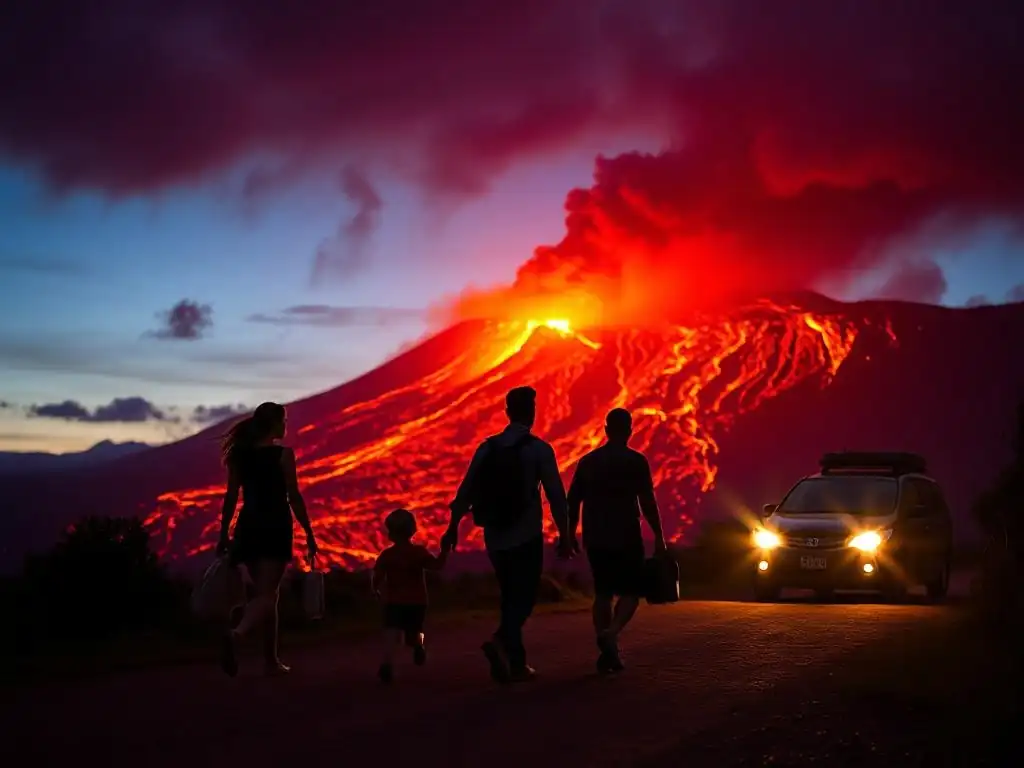
Welcome to Volcano Explorers. Ever felt the earth tremble beneath your feet? Discover the raw power and breathtaking beauty of volcanoes, from their fiery depths to the landscapes they sculpt. Facing a potential threat from a lava flow? Before you delve into the science and spectacle, ensure your safety. Read on for essential lava flow evacuation tips and learn how to prepare when the unthinkable happens. What crucial steps can you take right now to protect yourself and your loved ones?
The Destructive Power of Volcanic Eruptions: Pyroclastic Flows, Lahars, and Ashfall
Volcanic eruptions are multifaceted events, presenting a range of hazards that extend far beyond just lava flows. While lava flows are indeed a significant threat, especially in certain types of eruptions, other phenomena like pyroclastic flows, lahars, and ashfall can be equally, if not more, destructive and widespread, demanding comprehensive volcanic eruption evacuation plans.
Pyroclastic flows, for instance, are scorching avalanches of hot gas and volcanic debris that can travel at speeds exceeding 450 miles per hour, incinerating everything in their path. The 1902 eruption of Mount Pelée on the Caribbean island of Martinique tragically demonstrated the devastating power of pyroclastic flows, completely destroying the city of Saint-Pierre and claiming the lives of approximately 30,000 people in mere minutes.
Lahars, volcanic mudflows or debris flows, are another major hazard associated with eruptions. These are mixtures of water, volcanic ash, rock debris, and other materials that surge down river valleys with the consistency of wet concrete, capable of burying landscapes and destroying infrastructure. The 1985 eruption of Nevado del Ruiz in Colombia triggered a lahar that engulfed the town of Armero, resulting in over 25,000 fatalities.
Even volcanic ash, seemingly innocuous, poses significant risks. Ashfall can collapse roofs due to its weight, disrupt air travel by damaging jet engines, contaminate water supplies, and cause respiratory problems. The eruption of Eyjafjallajökull in Iceland in 2010, though relatively small in terms of explosivity, grounded air traffic across Europe for days due to the widespread ash cloud, illustrating the far-reaching consequences of volcanic ashfall.
Assessing Your Risk: Living Near Active Volcanoes and Identifying Hazard Zones
Understanding the specific volcanic hazards in your vicinity is paramount for effective volcanic eruption evacuation planning. Living near an active volcano inherently carries risk, but the level of risk varies significantly depending on factors such as the volcano's eruption history, the type of volcano, and the surrounding topography. Volcanic hazard maps, typically produced by volcano observatories like the USGS Volcano Hazards Program, are crucial tools for assessing your risk. These maps delineate areas susceptible to different volcanic hazards, including lava flows, pyroclastic flows, lahars, and ashfall, based on past eruption patterns and scientific modeling.
To effectively utilize these maps, residents should identify their location relative to designated hazard zones. Proximity to valleys and river systems increases lahar risk, while areas downslope from the volcano are more vulnerable to pyroclastic flows and lava flows. It's also important to consider the prevailing wind direction, as this can influence the direction and extent of ashfall.
Furthermore, understanding the volcano's alert level system, often color-coded (e.g., green, yellow, orange, red), is essential for staying informed about the volcano's current state of activity and potential for eruption. Regularly checking the volcano observatory's website and signing up for alerts are proactive steps in assessing and managing your volcanic risk.
Why Evacuation is Crucial During Volcanic Events
Evacuation during a volcanic eruption is not merely a suggestion; it is a critical safety measure that can be the difference between life and death. The forces unleashed during volcanic eruptions are immensely powerful and often unpredictable, making it impossible to guarantee safety in hazard zones.
Lava flows, while typically slow-moving compared to other volcanic hazards, can still destroy everything in their path, including homes and infrastructure. However, the more immediate and widespread threats often come from pyroclastic flows and lahars, which can arrive with little to no warning and travel at devastating speeds, leaving no time for escape once they are initiated.
Furthermore, volcanic eruptions can trigger secondary hazards such as earthquakes, landslides, and flash floods, compounding the dangers. Staying in a designated hazard zone during an eruption exposes individuals to multiple life-threatening risks.
Official evacuation orders are issued based on scientific monitoring and assessment of the escalating volcanic activity, indicating that the risk has reached an unacceptable level. Complying with evacuation orders promptly and efficiently is crucial for personal safety and allows emergency responders to focus on assisting those who are most vulnerable and managing the unfolding crisis, rather than diverting resources to rescue individuals who chose to remain in harm's way.
- The Destructive Power of Volcanic Eruptions: Pyroclastic Flows, Lahars, and Ashfall
- Assessing Your Risk: Living Near Active Volcanoes and Identifying Hazard Zones
- Why Evacuation is Crucial During Volcanic Events
- What are the first signs that a lava flow might threaten my area?
- Where can I find official lava flow evacuation information and orders?
- What essential items should I include in my lava flow evacuation kit?
- How much time do I typically have to evacuate before a lava flow reaches my property?
- Where should I evacuate to if a lava flow is threatening my area?
Frequently Asked Questions
What are the first signs that a lava flow might threaten my area?
The first signs often include an increase in seismic activity near the volcano, changes in gas emissions, and visible ground deformation indicating magma movement. Keep an eye on official alerts and advisories.
Where can I find official lava flow evacuation information and orders?
Official information is typically issued by local emergency management agencies and volcanological observatories. Check their websites, social media, and local news channels for up-to-date evacuation orders and routes.
What essential items should I include in my lava flow evacuation kit?
Your kit should include water, non-perishable food, a first-aid kit, medications, a flashlight with extra batteries, a radio, important documents, and protective clothing like long sleeves and closed-toe shoes.
How much time do I typically have to evacuate before a lava flow reaches my property?
Evacuation time varies greatly depending on the lava flow's speed, the terrain, and the distance from the vent. It's crucial to evacuate immediately when ordered, as flows can move surprisingly fast.
Where should I evacuate to if a lava flow is threatening my area?
Evacuate to a designated evacuation shelter or a location outside the projected lava flow path, as directed by authorities. Ensure the area is sufficiently distant from the volcano and any potential hazards.
Final Reflection: Embracing Preparedness in the Face of Fire
The information presented throughout this article, detailing essential lava flow evacuation tips, isn't just theoretical knowledge; it's a vital lifeline for communities living in volcanic regions. The increasing frequency of natural disasters worldwide underscores the urgent need for proactive preparedness, transforming these tips from helpful suggestions into crucial survival strategies.
This topic resonates deeply because it touches upon our fundamental human need for safety and security. Knowing how to protect ourselves and our loved ones in the face of a lava flow is not just about physical survival, but also about preserving our peace of mind and community resilience. By failing to prepare, you are preparing to fail.
- Benjamin Franklin. This quote perfectly encapsulates the importance of taking proactive steps to mitigate the risks associated with volcanic activity.
As you reflect on the information shared, consider how you can apply these principles of preparedness to other aspects of your life. Are you ready for other potential emergencies? Take the time to assess your vulnerabilities, create a plan, and gather the necessary resources. Your proactive efforts today can make all the difference tomorrow, ensuring the safety and well-being of yourself and your community in the face of unforeseen challenges.
Prepare, Don't Panic: Secure Your Safety Now!
Thank you for taking the time to learn about evacuation preparedness amidst lava flow threats. We hope this article has provided valuable insights into staying safe during volcanic activity. Now, let's turn knowledge into action and take proactive steps to protect yourself and your loved ones.
Here's how you can start today:
- Create Your "Go Bag": Prioritize assembling a portable evacuation kit with essentials like water, food, first-aid supplies, a flashlight, and important documents. Don't forget copies of insurance information and medication prescriptions!
- Learn About Your Community's Plan: Contact your local emergency management agency to understand evacuation routes and alert systems specific to your area. Sharing this information with your neighbors can save lives.
- Unexpected Addition: Take pictures of your valuable belongings now! This will help the insurance company to make a good offer when something happens.
What's the first thing you'll add to your evacuation "Go Bag" to ensure you're ready for any emergency? Share your tips and preparations in the comments below!