
Learning from Disaster: Case Studies of Lava Flow Preparedness and Response

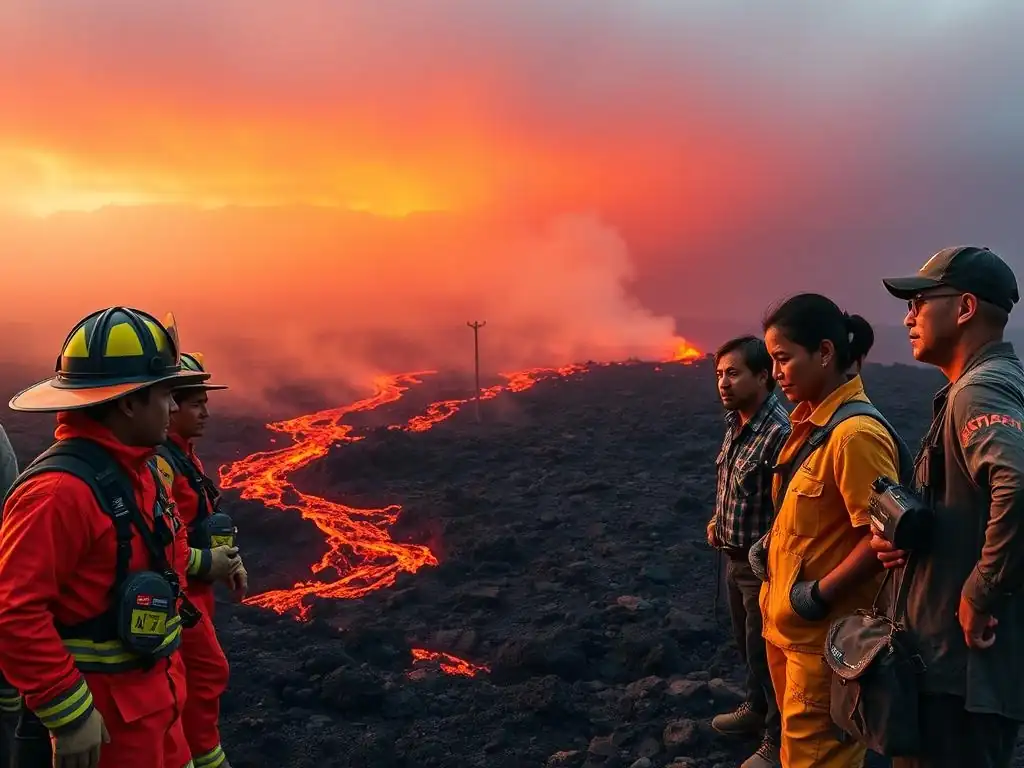
Welcome to Volcano Explorers, where the Earth's fiery heart is revealed! Ever wondered what it truly takes to outsmart a river of molten rock? In "Learning from Disaster: Case Studies of Lava Flow Preparedness and Response," we dissect past tragedies and triumphs to bring you a crucial Lava Flow Disaster Preparedness Guide. Uncover the lessons learned and equip yourself with the knowledge to stay safe in the face of nature's raw power. Are you ready to explore?
- Introduction: Understanding Lava Flow Risks and the Need for Preparedness
- Case Study 1: The 1983-2010 Eruption of Pu'u 'Ō'ō, Kilauea, Hawaii - Long-Term Lava Flow Management
- Case Study 2: The 1991-1993 Eruption of Mount Etna, Italy - Diversion Efforts and Infrastructure Protection
-
Case Study 3: The 2021 Eruption of Cumbre Vieja, La Palma, Spain - Real-Time Monitoring and Evacuation Challenges
- Background: The Eruption's Impact on Population Centers and Infrastructure
- Challenges in Real-Time Hazard Assessment: Adapting to Rapidly Changing Conditions
- Evacuation Strategies and Shelter Management: Addressing Displacement and Long-Term Needs
- Improving Real-Time Monitoring and Communication Protocols for Lava Flow Crises
- Comparing and Contrasting the Case Studies: Key Factors for Effective Lava Flow Disaster Preparedness
- Best Practices for Lava Flow Disaster Preparedness: A Comprehensive Guide
- Conclusion: Building Resilience and Minimizing the Impact of Lava Flow Disasters
-
Frequently Asked Questions
- What are the primary hazards associated with lava flows?
- What are some key strategies for lava flow disaster preparedness?
- How do volcanologists monitor volcanic activity to predict potential lava flows?
- What role does community education play in lava flow disaster preparedness?
- What are some examples of successful lava flow mitigation strategies implemented in the past?
- Final Reflection: Embracing Preparedness in the Face of Fire
- Equip Yourself: Be Ready for What's Next!
Introduction: Understanding Lava Flow Risks and the Need for Preparedness
The Destructive Power of Lava Flows: A Reminder of Volcanic Hazards
Lava flows, rivers of molten rock erupting from volcanoes, are a primary volcanic hazard, capable of causing widespread destruction. While often moving slowly compared to other volcanic events like pyroclastic flows, their immense heat and volume render them unstoppable forces of nature. Temperatures within lava flows can reach between 1,000 to 1,200 degrees Celsius (1,832 to 2,192 degrees Fahrenheit), hot enough to ignite combustible materials on contact and melt most human-made structures. The sheer mass of lava flows can bury entire landscapes, destroy infrastructure, and reshape topography, leaving behind a barren volcanic terrain.
Historically, lava flows have been responsible for significant property damage and displacement of communities. In the 1730 eruption of Laki in Iceland, while the lava flows themselves caused property destruction, the associated volcanic gases and subsequent famine led to the death of an estimated 20-25% of the Icelandic population.
More recently, the 1984 eruption of Mauna Loa in Hawaii sent a lava flow towards Hilo, a major population center, demonstrating the ongoing threat to modern communities. The slow but relentless advance of lava requires careful planning and preparedness to mitigate its devastating impacts, making a lava flow disaster preparedness guide essential for at-risk communities.
Importance of Proactive Lava Flow Disaster Preparedness: Protecting Communities and Infrastructure
Proactive lava flow disaster preparedness is paramount for safeguarding communities and infrastructure located in volcanically active regions. Unlike some sudden volcanic hazards, lava flows often provide a degree of warning due to their relatively slow advance. This characteristic, however, should not lead to complacency. Effective preparedness involves a multi-faceted approach, integrating scientific monitoring, community education, and infrastructure planning. By understanding potential lava flow paths and implementing mitigation strategies, communities can significantly reduce the potential for loss of life and property.
Investing in preparedness is not merely about reacting to an imminent threat, but about building long-term resilience. Preparedness measures can range from establishing early warning systems and evacuation plans to constructing physical barriers and implementing land-use zoning regulations. For example, in Catania, Italy, located on the slopes of Mount Etna, historical efforts to divert lava flows have shaped urban development and influenced modern preparedness strategies. A comprehensive lava flow disaster preparedness guide empowers communities to take informed actions, minimizing disruption and fostering a culture of safety in the face of volcanic hazards.
Case Study 1: The 1983-2010 Eruption of Pu'u 'Ō'ō, Kilauea, Hawaii - Long-Term Lava Flow Management
Background: Geological Context of Kilauea and the Pu'u 'Ō'ō Eruption
Kilauea volcano, located on the Big Island of Hawaii, is one of the world's most active volcanoes, characterized by frequent effusive eruptions that produce substantial lava flows. Its location over a hotspot in the Earth's mantle results in a consistent supply of magma. The Pu'u 'Ō'ō eruption, a flank eruption on Kilauea's East Rift Zone, began in January 1983 and continued for over 34 years, making it one of the longest-lived rift eruptions in recorded history. This prolonged eruption provided a unique case study in long-term lava flow management and adaptation.
The geological context of Kilauea is crucial for understanding the Pu'u 'Ō'ō eruption. Kilauea is a shield volcano, built from fluid basaltic lava flows, which tend to travel long distances. The East Rift Zone, a zone of weakness extending eastward from the summit caldera, is a common location for eruptions. The Pu'u 'Ō'ō eruption involved episodic shifts in eruptive activity, with lava flows repeatedly threatening communities like Kalapana and infrastructure such as roads and power lines. The sustained nature of the eruption necessitated a long-term approach to monitoring, hazard assessment, and community preparedness.
Long-Term Monitoring and Hazard Assessment: Adapting to Changing Flow Paths
During the Pu'u 'Ō'ō eruption, the Hawaiian Volcano Observatory (HVO) played a critical role in long-term monitoring and hazard assessment. Scientists employed a range of techniques, including ground deformation measurements, gas monitoring, and visual observations, to track the eruption's progress and predict lava flow paths. Thermal cameras mounted on helicopters and fixed locations provided real-time information on flow extent and direction. Analysis of past flow patterns and topographic data helped to model potential future flow paths and assess areas at risk.
The dynamic nature of lava flows required constant adaptation of monitoring and assessment strategies. Flow paths changed over time due to factors like topography, lava tube development, and changes in eruption rate. HVO scientists continuously updated hazard maps and communicated evolving risks to civil defense agencies and the public. For instance, when lava flows began to advance towards the Royal Gardens subdivision and later Kalapana in the late 1980s and early 1990s, monitoring efforts intensified to provide timely warnings and support evacuation decisions.
Community Adaptation and Infrastructure Protection: Road Closures and Relocation Strategies
Communities affected by the Pu'u 'Ō'ō lava flows demonstrated remarkable adaptation strategies. Road closures became a frequent necessity as lava flows crossed or threatened transportation routes. Chain of Craters Road, a scenic route within Hawaii Volcanoes National Park, was repeatedly impacted and sections were eventually buried by lava. Residents in areas directly threatened by lava flows, such as Royal Gardens and Kalapana, faced difficult decisions about relocation. Some chose to move permanently, while others relocated structures or adapted to living alongside active lava flows.
Infrastructure protection strategies were largely focused on minimizing disruption rather than attempting large-scale lava diversion, which is generally impractical for basaltic lava flows of this type and volume. Power lines and communication cables were sometimes rerouted to avoid lava inundation. The focus was primarily on managing the impacts of lava flows through land-use planning, evacuation preparedness, and community resilience. The experience highlighted the importance of accepting lava flows as a natural process in volcanically active areas and adapting to coexist with them.
Key Takeaways: Managing Long-Duration Lava Flow Events
The Pu'u 'Ō'ō eruption offers valuable key takeaways for managing long-duration lava flow events. Continuous, robust scientific monitoring is essential for tracking flow paths and providing timely warnings. Hazard assessments must be dynamic and adaptable to changing eruption conditions. Community engagement and education are crucial for fostering understanding and promoting effective responses. Relocation and infrastructure rerouting may be necessary strategies in areas facing prolonged lava flow threats.
Furthermore, the Pu'u 'Ō'ō case underscores the importance of long-term planning and resource allocation for volcanic crises that extend over decades. Sustained funding for monitoring agencies, civil defense, and community support is vital. The Hawaiian experience demonstrates that while lava flows cannot be stopped, their impacts can be effectively managed through a combination of scientific expertise, community preparedness, and adaptive strategies, providing a practical lava flow disaster preparedness guide for similar long-term events.
Case Study 2: The 1991-1993 Eruption of Mount Etna, Italy - Diversion Efforts and Infrastructure Protection
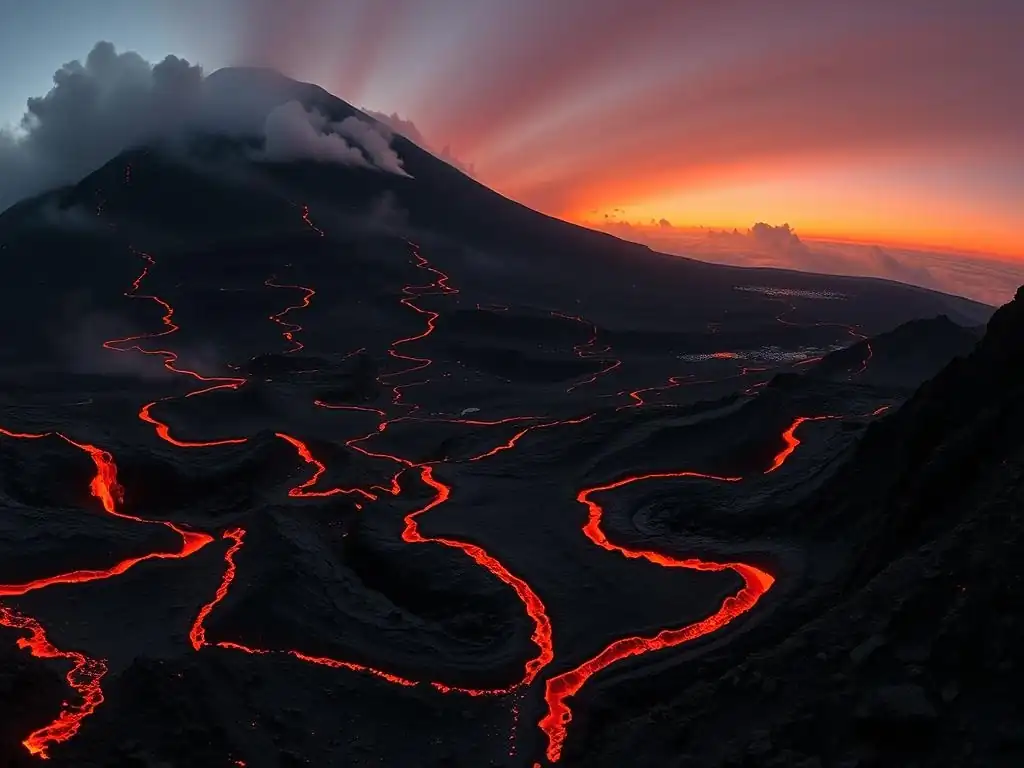
Background: The Eruption's Threat to Zafferana Etnea
Mount Etna, located in Sicily, Italy, is Europe's largest and most active volcano. Its frequent eruptions, while often spectacular, pose significant hazards to surrounding communities, including the town of Zafferana Etnea, situated on its eastern flank. The 1991-1993 eruption of Mount Etna was particularly notable for the large volume of lava erupted and the direct threat it posed to Zafferana Etnea. This eruption became a critical test case for lava diversion strategies in a densely populated volcanic region.
The 1991-1993 eruption originated from fissures on Etna's eastern flank and produced a significant lava flow that advanced towards Zafferana Etnea. The town, with a population of several thousand, was directly in the path of the flow, raising concerns about widespread destruction of homes, businesses, and infrastructure. The slow but persistent advance of the lava allowed time for planning and implementing diversion efforts, making it a landmark example of human intervention to mitigate lava flow hazards.
Lava Diversion Strategies: Earthen Barriers and Explosives
Faced with the imminent threat to Zafferana Etnea, Italian authorities and volcanologists implemented a large-scale lava diversion project. The primary strategy involved constructing earthen barriers, or berms, across the anticipated lava flow path. Bulldozers were used to pile up volcanic ash and rock to create a massive barrier designed to redirect the lava flow away from the town. This was a complex and logistically challenging operation, requiring significant resources and coordination.
In addition to earthen barriers, explosives were also used in an attempt to disrupt the lava flow. Engineers strategically placed explosives in lava tubes, hoping to collapse the tubes and force the lava to the surface, spreading it out and slowing its advance. The use of explosives was a controversial technique, with debates about its effectiveness and potential risks. However, in this instance, it was part of a multi-pronged approach to protect Zafferana Etnea from the advancing lava.
Effectiveness of Diversion Efforts: Protecting Infrastructure and Communities
The diversion efforts at Mount Etna in 1992 are generally considered to have been successful in protecting Zafferana Etnea. The earthen barriers, despite being breached in some sections, effectively redirected a significant portion of the lava flow away from the town center. The use of explosives to collapse lava tubes also contributed to slowing down the flow's advance. While some lava did reach the outskirts of Zafferana Etnea, the main part of the town was spared from major damage.
The success of the diversion efforts was not solely due to the physical interventions. Effective monitoring of the lava flow, coupled with timely decision-making and resource mobilization, played a crucial role. The 1991-1993 Etna eruption demonstrated that, under certain circumstances, lava diversion techniques can be a viable option for protecting infrastructure and communities from lava flow hazards, offering valuable lessons for a lava flow disaster preparedness guide.
Lessons Learned: Applying Diversion Techniques in Other Volcanic Settings
The Mount Etna diversion efforts provided valuable lessons for applying diversion techniques in other volcanic settings. The success highlighted the importance of understanding lava flow dynamics and topography in designing effective barriers. The use of earthen barriers is most effective for slow-moving, viscous lava flows and in areas where topography allows for redirection. The Etna experience also underscored the need for careful planning, resource availability, and skilled personnel to implement such large-scale interventions.
However, it's crucial to acknowledge that lava diversion is not always feasible or effective. Factors such as the volume and rate of lava effusion, the type of lava (viscosity), and the terrain all influence the success of diversion attempts. In situations with very large eruptions or highly fluid lava, diversion may be impractical or even dangerous. The lessons from Etna emphasize a case-by-case assessment of the feasibility and appropriateness of diversion techniques as part of a comprehensive lava flow disaster preparedness strategy.
Case Study 3: The 2021 Eruption of Cumbre Vieja, La Palma, Spain - Real-Time Monitoring and Evacuation Challenges
Background: The Eruption's Impact on Population Centers and Infrastructure
The 2021 eruption of Cumbre Vieja volcano on La Palma, in the Canary Islands, Spain, presented a modern case study of lava flow crisis management in a densely populated area. Unlike the long-duration Pu'u 'Ō'ō eruption or the diversion efforts at Etna, Cumbre Vieja highlighted the challenges of real-time monitoring and evacuation in the face of a rapidly evolving volcanic crisis. The eruption significantly impacted population centers and infrastructure on the western flank of the island.
The Cumbre Vieja eruption began in September 2021, following weeks of increased seismic activity. The eruption site was located in a populated area, and lava flows rapidly descended towards the coast, impacting communities such as Todoque and El Paraíso. Over 3,000 buildings were destroyed, including homes, businesses, and agricultural land. The eruption also caused significant disruption to infrastructure, including roads, power lines, and water supplies, underscoring the devastating potential of lava flows in a modern context.
Challenges in Real-Time Hazard Assessment: Adapting to Rapidly Changing Conditions
The Cumbre Vieja eruption presented significant challenges in real-time hazard assessment due to the rapidly changing eruption conditions. The eruption style varied, with periods of increased lava effusion and changes in flow paths. Ashfall also became a significant hazard, impacting air quality and visibility. Scientists from the Instituto Volcanológico de Canarias (INVOLCAN) and other institutions worked tirelessly to monitor the eruption and provide timely hazard information.
Despite advanced monitoring technology, predicting the precise path and extent of lava flows in real-time remained a challenge. Lava flow models provided general guidance, but the actual flow paths were influenced by complex factors, including topography, lava tube formation, and variations in lava effusion rate. The rapid pace of the eruption and the dynamic nature of lava flows required constant adjustments to hazard assessments and evacuation strategies, highlighting the inherent uncertainties in managing such events.
Evacuation Strategies and Shelter Management: Addressing Displacement and Long-Term Needs
Evacuation strategies were crucial in mitigating casualties during the Cumbre Vieja eruption. Authorities implemented phased evacuations based on real-time hazard assessments, moving thousands of residents from areas directly threatened by lava flows and ashfall. Shelter management became a significant undertaking, providing temporary housing and support for the displaced population. The eruption resulted in the displacement of over 7,000 people, many of whom lost their homes and livelihoods.
The long duration of the eruption, which lasted for 85 days, presented additional challenges for shelter management and addressing the long-term needs of the displaced communities. Beyond immediate shelter, there was a need for psychosocial support, economic assistance, and planning for long-term housing solutions. The Cumbre Vieja eruption highlighted the complex social and economic consequences of lava flow disasters and the importance of comprehensive recovery plans.
Improving Real-Time Monitoring and Communication Protocols for Lava Flow Crises
The Cumbre Vieja eruption offered valuable lessons for improving real-time monitoring and communication protocols for lava flow crises. While monitoring technology is advanced, there is a continuous need to enhance predictive capabilities and refine lava flow models. Improved integration of ground-based and satellite-based monitoring data can provide a more comprehensive picture of eruption dynamics. Drone technology also proved useful for detailed mapping and monitoring of lava flows.
Effective communication of hazard information to the public is paramount. Clear, concise, and timely warnings are essential for facilitating evacuations and promoting public safety. Multi-channel communication strategies, including social media, traditional media, and community outreach, are needed to reach diverse populations. The Cumbre Vieja experience underscores the ongoing need to strengthen real-time monitoring capabilities and enhance communication protocols to improve lava flow disaster preparedness and response, essential elements of any effective lava flow disaster preparedness guide.
Comparing and Contrasting the Case Studies: Key Factors for Effective Lava Flow Disaster Preparedness
The Role of Scientific Monitoring and Forecasting
Comparing the case studies of Pu'u 'Ō'ō, Mount Etna, and Cumbre Vieja highlights the indispensable role of scientific monitoring and forecasting in lava flow disaster preparedness. In all three cases, volcano observatories played a central role in tracking eruptions, assessing hazards, and providing information to decision-makers and the public. The long-term monitoring at Kilauea provided crucial insights into the evolving nature of the Pu'u 'Ō'ō eruption. At Etna, monitoring informed the diversion efforts. And at Cumbre Vieja, real-time monitoring guided evacuation strategies.
However, the case studies also reveal the limitations of current forecasting capabilities. Predicting the precise path and timing of lava flows remains a challenge, particularly in rapidly evolving eruptions like Cumbre Vieja. While scientific monitoring provides essential data, there is a continuous need to improve lava flow models, integrate diverse datasets, and enhance real-time predictive capabilities. Investing in advanced monitoring technology and research is crucial for strengthening lava flow disaster preparedness globally.
The Importance of Community Education and Engagement
Community education and engagement emerge as vital components of effective lava flow disaster preparedness across all case studies. In Hawaii, long-term community awareness of volcanic hazards is deeply ingrained, contributing to adaptive responses during the Pu'u 'Ō'ō eruption. At Etna, community involvement in local civil protection efforts was evident during the diversion attempts. And in La Palma, community resilience and cooperation were critical during the evacuation and displacement phases of the Cumbre Vieja eruption.
Effective community education involves raising awareness about lava flow hazards, disseminating information about evacuation plans, and promoting preparedness measures at the household level. Community engagement fosters a sense of ownership and responsibility, empowering residents to take proactive steps to protect themselves and their property. Tailored educational programs, community drills, and accessible information resources are essential for building resilient communities in volcanically active regions, and are key features of a comprehensive lava flow disaster preparedness guide.
Effective Communication and Coordination Between Agencies
Effective communication and coordination between scientific agencies, civil defense authorities, and emergency responders are paramount for successful lava flow disaster management. The case studies demonstrate the importance of clear communication channels, well-defined roles and responsibilities, and coordinated response efforts. In Hawaii, the Hawaiian Volcano Observatory works closely with Hawaii County Civil Defense. In Italy, the National Institute of Geophysics and Volcanology (INGV) collaborates with civil protection agencies. And in Spain, INVOLCAN worked with national and regional emergency services.
However, challenges in communication and coordination can arise, particularly in complex and rapidly evolving crises. Ensuring timely and accurate information flow between agencies, avoiding duplication of efforts, and maintaining clear lines of authority are essential for effective response. Regular inter-agency exercises, pre-established communication protocols, and joint planning are crucial for strengthening coordination and ensuring a unified and efficient response during lava flow emergencies.
Resource Allocation and Infrastructure Planning for Lava Flow Mitigation
Resource allocation and infrastructure planning play a critical role in mitigating the impacts of lava flow disasters. The case studies highlight the need for adequate resources for scientific monitoring, emergency response, and community recovery. The long-term Pu'u 'Ō'ō eruption required sustained resource allocation for monitoring and hazard assessment. The Etna diversion efforts were a resource-intensive undertaking. And the Cumbre Vieja eruption demonstrated the significant economic and social costs of lava flow disasters, requiring substantial resources for recovery and reconstruction.
Infrastructure planning should consider volcanic hazards in land-use zoning, building codes, and critical infrastructure placement. Avoiding development in high-hazard zones, designing infrastructure to be more resilient to volcanic impacts, and establishing evacuation routes are essential preparedness measures. Investing in infrastructure protection measures, such as lava diversion structures where feasible, and allocating sufficient resources for preparedness and response are crucial for reducing vulnerability and building resilience to lava flow disasters.
Best Practices for Lava Flow Disaster Preparedness: A Comprehensive Guide
Developing Comprehensive Lava Flow Hazard Maps
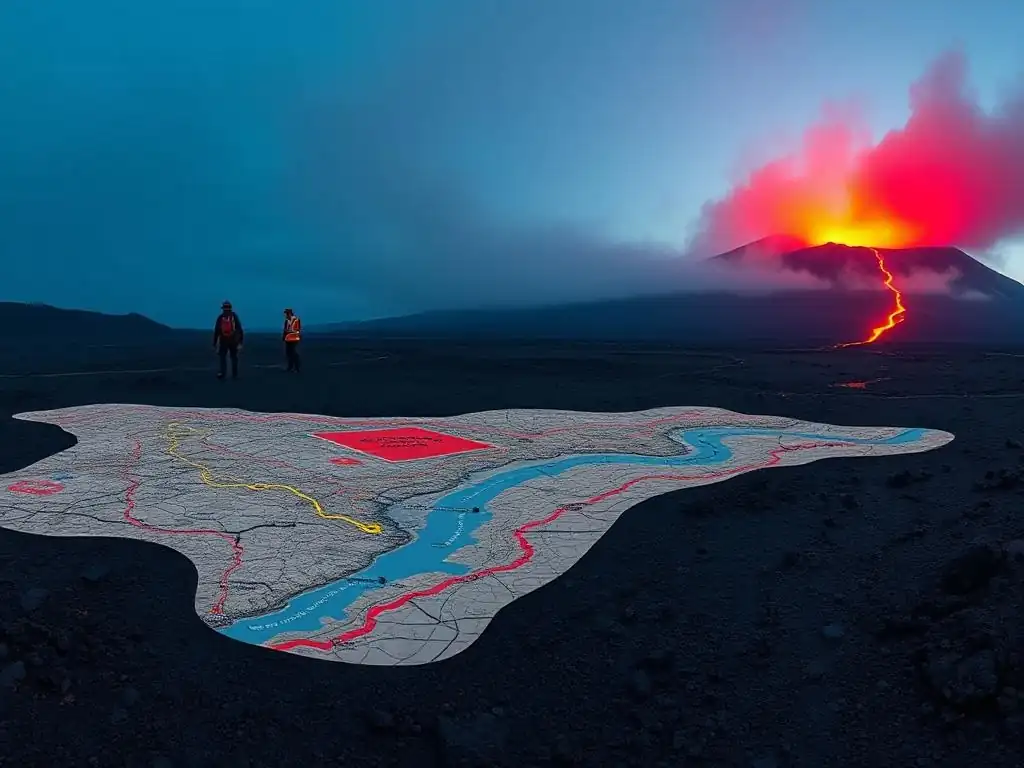
Developing comprehensive lava flow hazard maps is the foundational step in lava flow disaster preparedness. These maps delineate areas at risk from lava flows based on geological history, topography, and potential eruption scenarios. Hazard maps should incorporate different lava flow scenarios, considering variations in eruption rates, flow paths, and potential inundation areas. They should be regularly updated based on new scientific data and improved modeling techniques.
Lava flow hazard maps serve as essential tools for land-use planning, infrastructure development, and emergency management. They inform zoning regulations, guiding development away from high-hazard zones. They are used to identify evacuation routes and shelter locations. And they provide crucial information for public awareness campaigns, helping communities understand the specific lava flow risks they face. Accessible and user-friendly hazard maps are a cornerstone of any effective lava flow disaster preparedness guide.
Establishing Clear Evacuation Plans and Routes
Establishing clear evacuation plans and routes is critical for ensuring the safety of communities threatened by lava flows. Evacuation plans should be based on lava flow hazard maps and consider different eruption scenarios. They should define evacuation zones, trigger criteria for evacuations, and designated evacuation routes. Plans should be tailored to the specific characteristics of each community and volcanic setting.
Evacuation routes should be clearly marked, regularly maintained, and capable of accommodating the expected evacuation traffic. Alternate routes should be identified in case primary routes become blocked by lava flows or other hazards. Evacuation plans should be regularly reviewed and practiced through drills and exercises to ensure their effectiveness and community familiarity. Clear and well-rehearsed evacuation plans are essential for minimizing casualties during lava flow emergencies.
Implementing Public Awareness Campaigns and Educational Programs
Implementing public awareness campaigns and educational programs is vital for building a culture of preparedness and empowering communities to take proactive steps. Public awareness campaigns should disseminate information about lava flow hazards, evacuation plans, and preparedness measures through various channels, including brochures, websites, public meetings, and social media. Educational programs should be tailored to different age groups and community segments, incorporating interactive activities and hands-on training.
Public awareness and education efforts should emphasize the importance of personal preparedness, including assembling emergency kits, developing family emergency plans, and staying informed about volcanic activity. Engaging community leaders, schools, and local organizations is crucial for effective outreach and building trust. Sustained and culturally sensitive public awareness and educational programs are essential for fostering resilient communities in volcanically active regions.
Investing in Infrastructure Protection Measures
Investing in infrastructure protection measures can significantly reduce the vulnerability of communities to lava flow impacts. Where feasible and appropriate, physical barriers, such as earthen berms or walls, can be constructed to divert or slow down lava flows, as demonstrated at Mount Etna. However, the effectiveness of diversion techniques depends on various factors, including lava type, flow volume, and topography.
Infrastructure protection measures also include designing critical infrastructure to be more resilient to volcanic hazards. This may involve using fire-resistant building materials, elevating structures above potential inundation levels, or relocating critical facilities to less hazardous areas. Investing in resilient infrastructure and exploring appropriate lava diversion techniques, where applicable, are important components of a comprehensive lava flow disaster preparedness strategy.
Regular Drills and Exercises to Test Preparedness
Regular drills and exercises are essential for testing and refining lava flow disaster preparedness plans and ensuring community readiness. Drills should simulate different eruption scenarios and involve all relevant stakeholders, including emergency responders, community leaders, and the public. Exercises should test evacuation procedures, communication protocols, and shelter management capabilities.
Drills and exercises provide valuable opportunities to identify weaknesses in preparedness plans and improve coordination between agencies. They familiarize communities with evacuation routes and procedures, enhancing their ability to respond effectively during a real lava flow emergency. Regular drills and exercises, conducted at different scales and involving diverse scenarios, are crucial for maintaining a high level of preparedness and building community resilience.
Conclusion: Building Resilience and Minimizing the Impact of Lava Flow Disasters
The Ongoing Need for Research and Innovation in Lava Flow Mitigation
The threat of lava flow disasters necessitates an ongoing commitment to research and innovation in lava flow mitigation. Continued scientific research is crucial for improving our understanding of lava flow dynamics, enhancing forecasting capabilities, and developing more effective monitoring techniques. Innovation in lava diversion technology, hazard mapping, and community preparedness strategies is essential for reducing vulnerability and minimizing the impact of future lava flow events.
Research efforts should focus on developing more accurate and timely lava flow models, integrating diverse data sources for improved monitoring, and exploring novel approaches to lava diversion and infrastructure protection. Collaboration between scientists, engineers, emergency managers, and communities is vital for translating research findings into practical preparedness measures and enhancing resilience to lava flow hazards globally.
Empowering Communities to Prepare for and Respond to Volcanic Hazards
Empowering communities to prepare for and respond to volcanic hazards is the cornerstone of effective lava flow disaster preparedness. This involves providing communities with the knowledge, resources, and support they need to understand their risks, develop preparedness plans, and take proactive steps to protect themselves and their property. Community-based preparedness initiatives, tailored to local contexts and needs, are essential for building resilience from the ground up.
Empowering communities requires fostering a culture of preparedness through education, engagement, and participatory planning. It involves building local capacity for hazard monitoring, early warning, and emergency response. And it necessitates strengthening community networks and social capital to enhance collective action and mutual support during lava flow crises. Empowered and resilient communities are the most effective defense against the devastating impacts of lava flow disasters.
A Call to Action: Strengthening Lava Flow Disaster Preparedness Globally
Strengthening lava flow disaster preparedness globally is a shared responsibility that requires concerted action at local, national, and international levels. Volcanically active countries must prioritize lava flow hazard assessment, monitoring, and preparedness planning. International collaboration is essential for sharing knowledge, best practices, and resources to support preparedness efforts in vulnerable regions.
This call to action urges governments, scientific institutions, civil society organizations, and communities to work together to enhance lava flow disaster preparedness worldwide. Investing in scientific research, strengthening monitoring networks, implementing robust preparedness plans, and empowering communities are crucial steps toward building resilience and minimizing the devastating impact of lava flow disasters, ensuring a safer future for those living in volcanic regions.
Frequently Asked Questions
What are the primary hazards associated with lava flows?
The primary hazards include destruction of property by direct contact, fire hazards from igniting vegetation, and disruption of infrastructure such as roads and utilities.
What are some key strategies for lava flow disaster preparedness?
Key strategies involve hazard mapping to identify high-risk areas, developing evacuation plans, and implementing early warning systems to alert residents of impending lava flows.
How do volcanologists monitor volcanic activity to predict potential lava flows?
Volcanologists use techniques such as seismic monitoring, gas emission measurements, and ground deformation studies to detect changes that may indicate an imminent eruption and potential lava flow.
What role does community education play in lava flow disaster preparedness?
Community education is vital for raising awareness about lava flow hazards, understanding evacuation procedures, and knowing how to respond to alerts and warnings.
What are some examples of successful lava flow mitigation strategies implemented in the past?
Successful strategies include building barriers or diversion channels to redirect lava flows, and using water to cool and solidify the lava, although these methods are most effective for smaller flows.
Okay, here's a final reflection designed to fit your article "Learning from Disaster: Case Studies of Lava Flow Preparedness and Response," optimized for the keyword "Lava flow disaster preparedness guide," and following the structure you provided:
Final Reflection: Embracing Preparedness in the Face of Fire
The lessons gleaned from the case studies presented throughout this article underscore a crucial truth: proactive preparedness is the most potent weapon against the destructive force of lava flows. While the raw power of volcanic eruptions may seem insurmountable, the experiences of communities who have faced these challenges head-on demonstrate that informed planning, robust infrastructure, and community engagement can significantly mitigate the devastating impacts of these natural disasters.
The enduring impact of these events on both the physical landscape and the collective psyche of affected communities is undeniable. Witnessing the resilience of these populations, their ability to rebuild and adapt, highlights the profound importance of fostering a culture of preparedness. The only thing necessary for the triumph of evil is for good men to do nothing.
This quote, often attributed to Edmund Burke, resonates deeply when considering the proactive steps necessary to safeguard lives and livelihoods in the face of potential volcanic threats.
As you reflect on the strategies and insights shared in this "Lava flow disaster preparedness guide," consider how you can apply these lessons to your own community, whether you live in close proximity to a volcano or simply wish to be better prepared for any unforeseen crisis. Let the stories of resilience and proactive planning inspire you to take concrete steps to enhance your own preparedness, ensuring a safer and more secure future for yourself and those around you.
Equip Yourself: Be Ready for What's Next!
Thanks for exploring these critical lessons in lava flow preparedness. You've gained valuable insights into how communities around the world are mitigating risks and responding to volcanic eruptions. Now it's time to put that knowledge into action!
Here are a few things you can do to be a more informed and prepared citizen:
- Start by creating your own personal emergency plan. Consider evacuation routes, communication strategies, and essential supplies specific to volcanic hazards. Even if you don't live near an active volcano, this preparation is invaluable. Knowledge is power!
- Share this article with your friends and family to spread awareness about volcanic hazards and preparedness strategies. You never know who might benefit from this information.
- Dig deeper! Explore the Volcano Explorers archives and research a lesser-known volcanic event. Understanding diverse scenarios will broaden your perspective and improve your preparedness.
What actionable step will you take today to enhance your understanding of and preparedness for volcanic hazards, regardless of where you live? Let's discuss in the comments below!