
Building in the Shadow of Fire: Are Lava Flow Barriers Truly Effective?

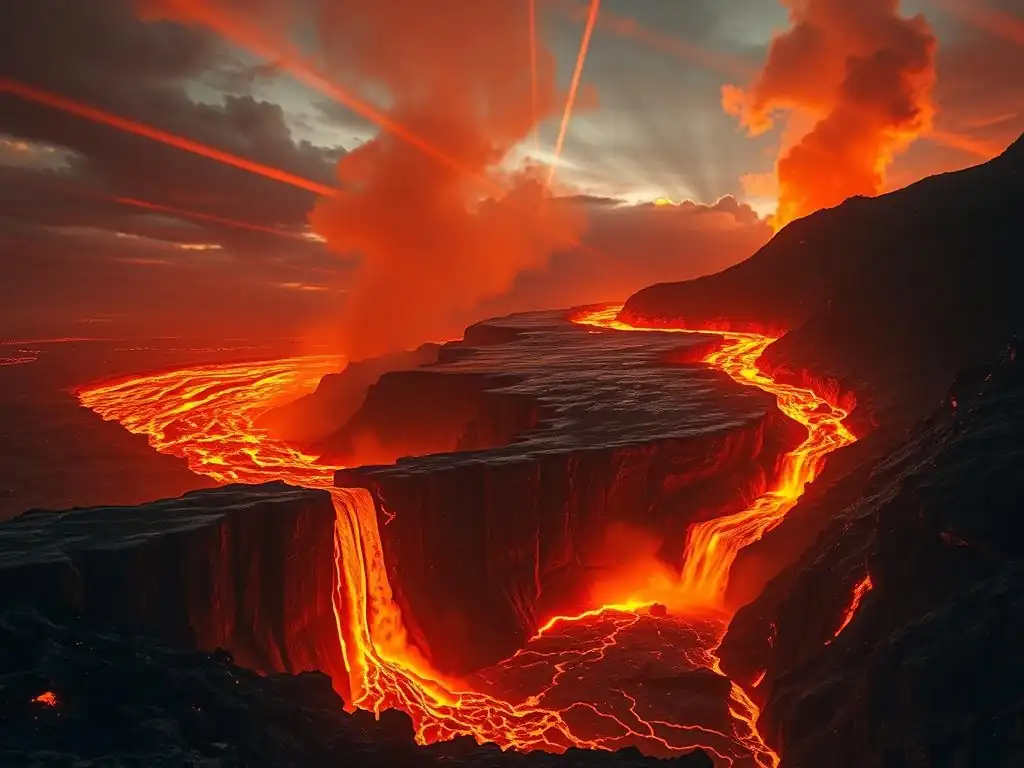
Welcome to Volcano Explorers, where we venture into the heart of fiery landscapes. Can humanity truly tame the raw power of a volcano? Dive into our latest investigation: Building in the Shadow of Fire. We explore the crucial question of lava flow barrier effectiveness, uncovering whether these structures offer real protection or just a false sense of security. The answers might surprise you... and could save lives. Explore further and discover the truth!
- Introduction: The Growing Need for Lava Flow Mitigation Strategies
- Understanding Lava Flow Dynamics and Volcanic Hazards
- Lava Flow Barriers: A History of Implementation
- Evaluating Lava Flow Barrier Effectiveness: A Critical Analysis
- The Debate: Are Lava Flow Barriers a Viable Long-Term Solution?
-
Case Study: Analyzing the Effectiveness of Barriers in Hawaii Volcanoes National Park
- Background: The Volcanic History and Hazard Profile of Kilauea Volcano
- Implementation: Design and Construction of Lava Flow Barriers in Hawaii Volcanoes National Park
- Results: Assessing the Impact of Barriers on Past Lava Flow Events
- Lessons Learned: Recommendations for Future Lava Flow Barrier Projects
- Improving Lava Flow Barrier Design and Implementation
- The Future of Lava Flow Mitigation: A Multi-faceted Approach
- Conclusion: Balancing Protection and Risk in Volcanic Environments
-
Frequently Asked Questions
- What are lava flow barriers designed to do?
- How effective are lava flow barriers in stopping lava flows completely?
- What factors influence the success or failure of a lava flow barrier?
- What are some alternative or complementary strategies to lava flow barriers for mitigating volcanic risk?
- What are some potential downsides or limitations to using lava flow barriers?
- Final Reflection: Embracing Uncertainty, Fortifying Resilience
Introduction: The Growing Need for Lava Flow Mitigation Strategies
Volcanic landscapes, while breathtakingly beautiful and incredibly fertile, present a unique set of challenges to human habitation. The inexorable advance of lava flows, rivers of molten rock, poses a direct and often devastating threat to communities nestled in the shadow of volcanoes.
As populations expand and infrastructure development encroaches further into volcanically active zones, the need for effective lava flow mitigation strategies becomes increasingly critical. Consider the densely populated areas around Mount Vesuvius in Italy, or the growing towns on the flanks of Kilauea in Hawaii – these are just two examples where the potential for lava flow impact is a constant concern.
The sheer destructive power of lava, capable of incinerating everything in its path and solidifying to bury landscapes under meters of rock, necessitates proactive measures to safeguard lives and property. This article delves into one such strategy: lava flow barriers, examining their history, effectiveness, and future potential in mitigating volcanic hazards.
The urgency for reliable mitigation techniques is further amplified by the increasing frequency of volcanic unrest observed globally. While not every eruption produces lava flows that threaten populated areas, the unpredictability of volcanic activity means preparedness is paramount. The economic consequences of lava flow destruction can be immense, ranging from the loss of homes and businesses to the disruption of critical infrastructure like roads, power lines, and water supplies.
In some regions, entire economies are intimately linked to the volcanic landscape, through agriculture or tourism, making lava flow protection not just a matter of safety, but also of economic stability and societal resilience. Therefore, understanding and improving lava flow mitigation strategies, particularly the effectiveness of lava flow barriers, is of paramount importance for communities living alongside these powerful natural forces.
Understanding Lava Flow Dynamics and Volcanic Hazards
The Science Behind Lava Flow Behavior: Viscosity, Rate, and Path Prediction
Lava flows, despite their seemingly simple nature as molten rock, exhibit complex behaviors dictated by a confluence of physical and chemical properties. One of the most crucial factors is viscosity, which is essentially the lava's resistance to flow. High viscosity lavas, like those rich in silica (andesitic to rhyolitic compositions), are sticky and sluggish, tending to form thick, slow-moving flows.
Conversely, low viscosity lavas, such as basaltic lavas with lower silica content, are more fluid and can travel much faster and further, sometimes forming extensive lava fields. For instance, basaltic lava flows in Hawaii can reach speeds of up to 60 kilometers per hour on steep slopes, while more viscous andesitic flows rarely exceed a few kilometers per hour. Temperature also plays a significant role; hotter lavas are generally less viscous and flow more easily.
The rate and path of a lava flow are not solely determined by viscosity. The slope of the terrain is a critical factor, as gravity naturally accelerates flows downhill. Topography, including pre-existing valleys, ridges, and channels, strongly influences the direction of flow, often channeling lava into predictable pathways.
Predicting these paths is a complex undertaking, relying on a combination of geological mapping, topographic analysis, and increasingly sophisticated numerical models. Volcanologists use Digital Elevation Models (DEMs) to analyze slopes and potential flow paths, and software simulations to model lava flow behavior based on various parameters like effusion rate (the volume of lava erupted per unit time), viscosity, and topography. However, predicting the exact path of a lava flow remains challenging due to the dynamic nature of eruptions and the inherent uncertainties in subsurface magma supply and conduit systems.
Assessing Volcanic Risk: Identifying Communities at Risk from Lava Flows
Assessing volcanic risk is a multifaceted process that goes beyond simply identifying the presence of a volcano. It involves a comprehensive evaluation of both the hazard posed by potential volcanic events and the vulnerability of the exposed population and infrastructure. In the context of lava flows, hazard assessment focuses on determining the likelihood of lava flows reaching specific areas, their potential extent, and their intensity (e.g., flow thickness, velocity, and temperature).
This often involves studying past eruptions to understand the typical flow patterns and frequencies for a particular volcano. For example, historical records from Mount Etna in Sicily reveal frequently reactivated rift zones from which lava flows tend to emerge, allowing for probabilistic hazard maps to be created.
Vulnerability assessment, on the other hand, examines the susceptibility of communities and assets to damage from lava flows. This includes factors such as population density, the type and density of infrastructure (residential buildings, critical facilities like hospitals and power plants, transportation networks), and the economic activities in the area. Areas with high population density and critical infrastructure located in potential lava flow paths are considered highly vulnerable.
Consider the city of Goma in the Democratic Republic of Congo, located adjacent to the Nyiragongo volcano. Despite past eruptions and known lava flow hazards, rapid urbanization has led to increased vulnerability, as witnessed in the devastating 2002 eruption where lava flows inundated parts of the city. Effective risk assessment requires integrating both hazard and vulnerability information to identify areas where mitigation strategies are most urgently needed and can provide the greatest benefit in terms of protecting lives and livelihoods.
The Role of Lava Flow Barriers in Protecting Infrastructure and Lives
Lava flow barriers are engineered structures designed to mitigate the impact of lava flows by altering their path or slowing their advance. Their primary role is to protect infrastructure, settlements, and critical facilities from inundation and destruction. These barriers function by creating an obstacle that lava flows must either overcome, be diverted around, or be contained behind.
By strategically placing barriers, it is possible to redirect lava flows away from vulnerable areas, effectively shielding communities and essential assets from the direct impact of molten rock. For instance, a well-placed barrier can deflect a lava flow away from a residential area, channeling it towards less populated or undeveloped land.
The effectiveness of lava flow barriers hinges on their ability to withstand the immense forces and thermal energy of lava flows. They are typically constructed from robust materials such as earth, rock, and sometimes concrete or steel, depending on the anticipated flow characteristics and the resources available. While barriers cannot stop all lava flows, particularly very large or rapidly emplaced ones, they can significantly reduce the risk in many scenarios by providing valuable time for evacuation, protecting critical infrastructure, and minimizing the extent of damage.
Furthermore, even if a barrier is partially breached or overtopped, it can still reduce the flow velocity and volume reaching protected areas, lessening the overall impact. Therefore, lava flow barriers represent a crucial tool in the arsenal of volcanic hazard mitigation strategies, offering a tangible means to enhance community resilience in volcanically active regions.
Lava Flow Barriers: A History of Implementation
Early Attempts at Lava Diversion: Lessons from Mount Etna (1669) and Heimaey (1973)
Historical accounts of early attempts at lava diversion offer valuable insights into the challenges and possibilities of this mitigation strategy. One of the most cited examples is the 1669 eruption of Mount Etna in Sicily. As lava flows threatened the city of Catania, local citizens, armed with picks and shovels, attempted to divert the flow away from their city by breaching the solidified levees of the lava channel further upslope.
While this audacious effort reportedly succeeded in diverting the flow towards the village of Paterno (leading to conflict between the communities), it demonstrated an early understanding of the principle of flow diversion. However, this method was crude and relied on manual labor against a powerful natural force, highlighting the limitations of such approaches against large-scale eruptions. The success was also debated and possibly due to natural changes in the lava path rather than solely human intervention.
A more modern and arguably more successful example of lava diversion is the 1973 eruption on Heimaey Island, Iceland. A volcanic fissure opened up on the edge of the town of Vestmannaeyjar, threatening to engulf the harbor, the island's economic lifeline. Faced with this imminent threat, Icelandic authorities and residents embarked on a large-scale effort to cool and solidify the advancing lava flow using seawater pumped from the harbor.
Millions of cubic meters of seawater were sprayed onto the lava front, effectively solidifying it and slowing its advance. This innovative approach, while resource-intensive and logistically complex, is credited with saving the harbor and a significant portion of the town.
The Heimaey example demonstrated the potential of active intervention using technology and large-scale engineering to influence lava flow paths, offering a stark contrast to the manual and less effective methods of the past. It also underscored the importance of rapid response and community mobilization in the face of volcanic crises.
Modern Lava Barrier Construction Techniques: Materials and Design
Modern lava barrier construction techniques have evolved significantly, drawing upon advancements in engineering, materials science, and a deeper understanding of lava flow dynamics. Contemporary barriers are designed with specific objectives in mind, whether it's to completely divert flows, slow their advance, or contain them within designated areas. The choice of materials and design is dictated by factors such as the anticipated volume and type of lava flow, the local topography, and the available resources.
Earthen barriers, constructed from readily available soil and volcanic ash, are a common and relatively cost-effective option, particularly for smaller-scale diversions or slowing down flows on gentle slopes. Rock barriers, built from large boulders and volcanic rocks, offer greater resistance to erosion and thermal stress and are suitable for more substantial flows.
For situations requiring greater structural integrity and resistance to high temperatures, reinforced concrete or even steel structures can be employed. These materials are more expensive and complex to construct but provide enhanced durability and can withstand more intense lava flow impacts. Barrier designs vary depending on the specific purpose and location. Simple earthen embankments or rock walls can be effective for diverting flows on relatively flat terrain.
More complex designs may incorporate channels to guide lava flows along desired paths, or terraces to slow down flows on steeper slopes. Gabions, wire mesh baskets filled with rocks, are also frequently used for barrier construction, offering flexibility and ease of assembly in challenging terrain. Modern barrier design also benefits from numerical modeling and simulations, allowing engineers to optimize barrier shape, height, and placement to maximize their effectiveness against predicted lava flow scenarios.
Case Studies: Examining the Successes and Failures of Past Lava Flow Barriers
Examining case studies of past lava flow barrier implementations provides crucial insights into their effectiveness and limitations in real-world scenarios. One notable example of successful barrier deployment is on Mount Etna, Sicily, where a series of earthen and rock barriers have been constructed over decades to protect towns and infrastructure on its flanks.
During several eruptions in the late 20th and early 21st centuries, these barriers demonstrably diverted lava flows away from populated areas, minimizing damage and safeguarding communities. For instance, barriers constructed during the 1991-93 eruption effectively protected the town of Zafferana Etnea, demonstrating the value of well-designed and strategically placed barriers in mitigating lava flow hazards in frequently active volcanic regions.
However, not all lava barrier implementations have been unequivocally successful. The 1983 eruption of Mount Etna saw lava flows overtop and breach some barriers, highlighting the limitations of these structures against exceptionally large or rapidly emplaced flows. Similarly, in Hawaii, barriers built in the Royal Gardens subdivision during the Kilauea eruption of the 1980s were eventually overwhelmed by lava flows, demonstrating that barriers are not foolproof and their effectiveness is contingent on the scale of the eruption and flow characteristics.
These cases underscore the importance of realistic expectations regarding barrier effectiveness. Barriers are not a panacea, and their success depends on factors such as proper design, construction quality, strategic placement, and, crucially, the magnitude of the volcanic event. Analyzing both successes and failures allows for continuous improvement in barrier design and implementation strategies, learning from past experiences to enhance future mitigation efforts.
Evaluating Lava Flow Barrier Effectiveness: A Critical Analysis
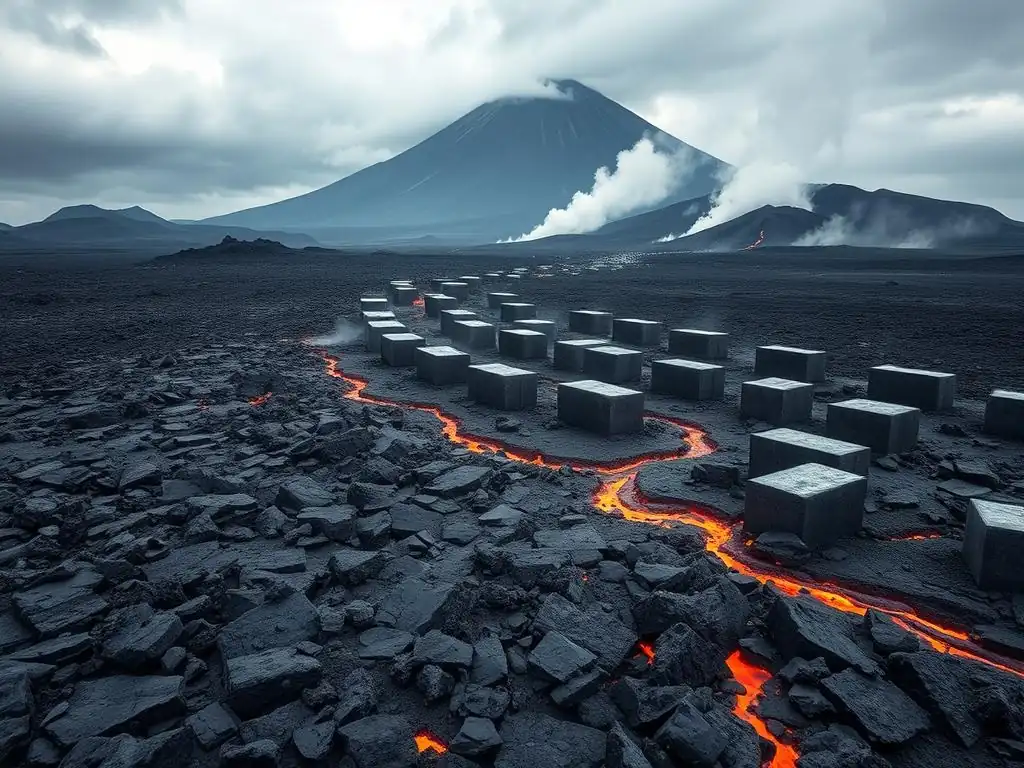
Factors Influencing Lava Barrier Performance: Volume, Flow Rate, and Topography
The performance of a lava barrier is not solely determined by its design and construction; it is significantly influenced by the characteristics of the lava flow itself and the surrounding topography. Lava flow volume is a primary factor. Barriers are designed to withstand a certain anticipated volume of lava. If the actual eruption volume significantly exceeds this design capacity, the barrier may be overtopped or breached.
For example, a relatively small barrier might be effective against a low-volume effusive eruption, but completely inadequate against a large-volume eruption producing extensive lava fields. The eruption rate, which dictates the flow rate of lava, also plays a crucial role. High flow rates exert greater pressure on barriers and can lead to rapid filling behind the barrier, increasing the risk of overtopping or structural failure.
Topography interacts with both lava flow characteristics and barrier design to determine overall effectiveness. Steep slopes can accelerate lava flows, increasing their momentum and erosive power, making barriers more challenging to construct and maintain. Conversely, flatter terrain may allow for easier diversion and containment using lower barriers.
The presence of natural channels, valleys, or ridges can either concentrate lava flow paths, making barrier placement more critical, or provide natural topographic advantages for barrier construction and flow diversion. For instance, constructing a barrier across a narrow valley can be more effective than trying to defend a broad, open area. The interplay between lava flow volume, flow rate, and topography is complex, and a thorough understanding of these factors is essential for designing and deploying lava barriers that are truly effective in mitigating volcanic hazards in specific locations.
Numerical Modeling and Simulations: Predicting Barrier Response to Lava Flows
Numerical modeling and simulations have become indispensable tools in evaluating lava barrier effectiveness and optimizing their design and placement. These sophisticated computational techniques allow volcanologists and engineers to simulate lava flow behavior and predict how barriers will respond under various eruption scenarios. Models incorporate factors such as topography, lava viscosity, effusion rate, and cooling rates to simulate lava flow paths and velocities. By virtually "placing" barriers within these simulations, researchers can assess their performance in diverting or containing lava flows, identifying potential weaknesses and areas for improvement in barrier design.
Different types of models exist, ranging from simple 2D flow models to complex 3D simulations that account for more intricate flow dynamics and thermal processes. Advanced models can simulate lava cooling and solidification, which is crucial for predicting the long-term behavior of lava flows interacting with barriers. These simulations can also be used to test different barrier designs, materials, and placement strategies, allowing for iterative optimization before actual construction.
For example, engineers can use models to determine the optimal height, width, and angle of a barrier to maximize diversion effectiveness while minimizing construction costs and environmental impact. While numerical models are not perfect representations of reality and have inherent uncertainties, they provide invaluable insights into lava flow dynamics and barrier performance, significantly enhancing the evidence-based approach to lava flow mitigation planning.
The Impact of Barrier Placement: Optimizing Location for Maximum Protection
Strategic barrier placement is as crucial as barrier design and construction for achieving maximum protection from lava flows. The location of a barrier directly determines its ability to intercept, divert, or slow down an approaching lava flow and shield vulnerable areas. Optimal barrier placement requires a thorough understanding of potential lava flow paths, which is derived from geological mapping, analysis of past eruptions, and topographic analysis.
Barriers are most effective when placed perpendicular to the anticipated flow direction, intercepting the flow before it reaches critical infrastructure or settlements. Identifying potential flow paths often involves analyzing topographic lows, drainage patterns, and historical lava flow records to pinpoint areas most likely to be affected by future eruptions.
Placing barriers in topographic bottlenecks or constrictions can enhance their effectiveness by channeling lava flows into more manageable pathways or allowing for smaller, more cost-effective barriers to be used. For instance, constructing a barrier across a narrow valley or canyon can effectively block or divert a lava flow that would otherwise spread out and impact a wider area.
Conversely, placing barriers in overly complex or broad topographic settings may be less effective and require significantly larger and more expensive structures. The distance of a barrier from the protected area is also a critical consideration.
Barriers placed too close to vulnerable areas may offer limited protection if breached or overtopped, while barriers placed further upslope provide more buffer distance and time for response. Therefore, optimizing barrier placement involves a careful analysis of topography, potential flow paths, vulnerability patterns, and the desired level of protection to ensure that barriers are located in the most strategically advantageous positions.
The Debate: Are Lava Flow Barriers a Viable Long-Term Solution?
Arguments for Lava Flow Barriers: Cost-Effectiveness and Community Protection
Arguments in favor of lava flow barriers often center on their potential cost-effectiveness compared to the immense economic losses that can result from lava flow destruction. Constructing barriers, while requiring significant upfront investment, can be substantially less expensive than rebuilding infrastructure, relocating communities, or dealing with the long-term economic and social consequences of lava inundation.
For example, the cost of building barriers to protect a town or industrial area might be a fraction of the value of the assets at risk. Proponents argue that barriers offer a tangible and proactive approach to risk reduction, providing physical protection to communities and critical infrastructure.
Furthermore, lava flow barriers can offer a sense of security and reassurance to communities living in volcanically active areas. The visible presence of barriers can foster confidence in mitigation efforts and enhance community resilience by reducing anxiety and promoting preparedness. Barriers can also buy valuable time during an eruption, allowing for evacuation, emergency response, and the deployment of additional mitigation measures.
In scenarios where complete avoidance of lava flow impact is impossible, barriers can significantly reduce the extent of damage, channeling flows away from the most vulnerable areas and minimizing the overall impact on lives and livelihoods. From this perspective, lava flow barriers are seen as a worthwhile investment in community safety and long-term resilience in volcanic environments, offering a practical and potentially cost-effective means of mitigating a significant natural hazard.
Arguments Against Lava Flow Barriers: Environmental Impact and Limited Effectiveness
Conversely, arguments against lava flow barriers often highlight their potential environmental impact and inherent limitations in effectiveness. Barrier construction can disrupt natural landscapes, alter drainage patterns, and impact ecosystems. Earthen and rock barriers, while relatively benign, can still lead to habitat fragmentation and visual intrusion. More substantial barriers made of concrete or steel have a greater environmental footprint, requiring resource extraction, energy-intensive manufacturing, and potentially leaving long-lasting artificial structures in otherwise natural environments. Critics argue that the aesthetic impact of large barriers can detract from the natural beauty of volcanic landscapes, potentially impacting tourism and recreational activities.
Furthermore, the effectiveness of lava flow barriers is inherently limited by the scale and unpredictability of volcanic eruptions. Barriers are designed for specific scenarios and may be overwhelmed by larger-than-anticipated lava flows or eruptions occurring in unexpected locations. There is always a risk of barriers being overtopped, breached, or bypassed, particularly during high-volume eruptions or when lava flows exhibit unexpected behavior.
Critics also point out that barriers can create a false sense of security, potentially leading to reduced preparedness and complacency within communities. Relying solely on barriers as a mitigation strategy without comprehensive land-use planning, early warning systems, and evacuation plans can be risky and may not provide adequate protection in all circumstances. Therefore, a balanced perspective acknowledges the potential benefits of lava flow barriers while also recognizing their limitations and potential drawbacks, advocating for a more holistic and integrated approach to volcanic hazard mitigation.
Alternative Mitigation Strategies: Land-Use Planning and Early Warning Systems
Recognizing the limitations and potential drawbacks of solely relying on lava flow barriers, alternative and complementary mitigation strategies are crucial for comprehensive volcanic risk reduction. Land-use planning emerges as a fundamental approach, aiming to minimize vulnerability by restricting development in high-hazard zones. This can involve zoning regulations that prohibit or limit construction in areas identified as likely lava flow paths, guiding development towards safer areas.
Land-use planning can also incorporate building codes that mandate lava-resistant construction techniques in areas at moderate risk, reducing the vulnerability of individual structures. Effective land-use planning requires detailed hazard mapping, community consultation, and strong regulatory frameworks to guide development in a sustainable and risk-conscious manner.
Early warning systems represent another vital component of a multi-faceted mitigation strategy. These systems utilize real-time monitoring of volcanic activity, including seismic activity, ground deformation, gas emissions, and thermal changes, to detect signs of impending eruptions. Advanced monitoring networks and sophisticated data analysis techniques allow volcanologists to issue timely warnings, providing communities with crucial time to evacuate and take protective measures before lava flows reach populated areas.
Early warning systems are particularly effective when coupled with well-defined evacuation plans, public education campaigns, and effective communication channels to ensure that warnings are disseminated rapidly and understood by the at-risk population. Combining land-use planning, early warning systems, and other mitigation measures, including lava flow barriers where appropriate, offers a more robust and sustainable approach to managing volcanic risk than relying on any single strategy alone.
Case Study: Analyzing the Effectiveness of Barriers in Hawaii Volcanoes National Park
Background: The Volcanic History and Hazard Profile of Kilauea Volcano
Kilauea Volcano, located on the Island of Hawaii, is one of the most active volcanoes in the world, characterized by frequent effusive eruptions that produce substantial lava flows. Its volcanic history is marked by numerous lava flow events that have reshaped the landscape and, at times, impacted human settlements. Hawaii Volcanoes National Park, established in 1916, encompasses a significant portion of Kilauea and its surrounding volcanic terrain.
The park's hazard profile is dominated by lava flows, which pose a continuous threat to park infrastructure, including roads, trails, visitor facilities, and research stations. The volcanic landscape within the park is constantly being modified by lava flows, creating a dynamic and challenging environment for resource management and visitor safety.
Kilauea's eruptions are typically basaltic in composition, producing fluid, fast-moving lava flows that can travel considerable distances from the eruptive vents. The volcano's summit and rift zones are the primary sources of lava flows, with eruptions often occurring along the East Rift Zone, which extends eastward from the summit caldera. Historical eruptions have demonstrated the potential for lava flows to inundate large areas within the park, impacting both natural ecosystems and built infrastructure.
The Pu'u 'Ō'ō eruption, which began in 1983 and continued for over 30 years, produced extensive lava flows that significantly altered the park's landscape and tested the park's lava flow mitigation strategies. Understanding Kilauea's volcanic history and hazard profile is crucial for evaluating the effectiveness of lava flow barriers implemented within Hawaii Volcanoes National Park.
Implementation: Design and Construction of Lava Flow Barriers in Hawaii Volcanoes National Park
Hawaii Volcanoes National Park has implemented lava flow barriers as part of its strategy to protect key infrastructure and visitor facilities from lava inundation. The barriers within the park are primarily constructed from locally sourced materials, such as earthen berms and rock walls, designed to divert or slow down lava flows rather than completely stop them. The design and construction of these barriers are typically adapted to the specific topography and anticipated lava flow paths in the areas they are intended to protect.
Earthen berms, often several meters high, are commonly used to create a raised embankment that can deflect lava flows away from roads or buildings. Rock walls, constructed from large volcanic rocks, provide more robust barriers, particularly in areas where lava flows are expected to be more vigorous or erosive.
The construction of barriers within the park often involves heavy machinery, such as bulldozers and excavators, to move earth and rocks. Barrier placement is carefully planned based on topographic analysis and assessments of potential lava flow paths, aiming to strategically redirect flows towards less sensitive areas or natural drainage channels.
The park's barrier construction efforts are often undertaken in response to specific eruption events or in anticipation of potential future eruptions, requiring rapid mobilization and efficient construction techniques. While the park's barriers are not designed to withstand extreme lava flow events, they are intended to provide a reasonable level of protection for critical infrastructure and visitor safety, representing a pragmatic approach to lava flow mitigation in a dynamic volcanic environment.
Results: Assessing the Impact of Barriers on Past Lava Flow Events
Assessing the impact of lava flow barriers in Hawaii Volcanoes National Park requires examining their performance during past lava flow events. While comprehensive quantitative data on barrier effectiveness is often limited, anecdotal evidence and post-eruption observations provide valuable insights. During several eruptions in the park, barriers have demonstrably diverted lava flows away from roads, visitor centers, and research facilities, preventing significant damage and disruption. For instance, barriers constructed along Chain of Craters Road have successfully protected sections of the road from lava inundation during multiple eruptions, maintaining access to important park areas.
However, there have also been instances where barriers have been partially or completely overtopped or breached by lava flows, particularly during larger or more intense eruptions. The 2018 Kilauea eruption, for example, produced exceptionally voluminous lava flows that overwhelmed some barriers within the park and surrounding communities, highlighting the limitations of barriers against extreme events.
In some cases, barriers may have slowed down or temporarily diverted lava flows, but ultimately proved insufficient to prevent inundation in the face of sustained high-volume eruptions. The effectiveness of barriers in Hawaii Volcanoes National Park appears to be highly dependent on the scale and characteristics of the eruption, with barriers providing more reliable protection against smaller to moderate lava flow events but facing challenges during larger, more vigorous eruptions.
Lessons Learned: Recommendations for Future Lava Flow Barrier Projects
The experience of Hawaii Volcanoes National Park with lava flow barriers offers valuable lessons for future barrier projects in volcanic environments. One key lesson is the importance of realistic expectations regarding barrier effectiveness. Barriers are not foolproof solutions and should be viewed as one component of a broader mitigation strategy, rather than a singular solution.
Barrier design and construction should be tailored to the specific volcanic hazard profile of the area, considering the typical eruption styles, lava flow characteristics, and topography. Flexible and adaptable barrier designs that can be readily modified or extended in response to changing eruption conditions may be more effective than rigid, static structures.
Another crucial lesson is the need for continuous monitoring and maintenance of barriers. Regular inspections are necessary to identify and repair any damage from erosion, weathering, or past lava flow events. Real-time monitoring of volcanic activity and lava flow paths is essential for adapting barrier management strategies during an ongoing eruption, potentially involving adjustments to barrier placement or reinforcement.
Community engagement and education are also vital for building support for lava flow mitigation efforts and ensuring that residents and visitors understand the purpose and limitations of barriers. Future lava flow barrier projects should prioritize a holistic approach that integrates robust barrier design, strategic placement, continuous monitoring, community involvement, and a realistic understanding of the inherent uncertainties and limitations of lava flow mitigation in dynamic volcanic environments.
Improving Lava Flow Barrier Design and Implementation
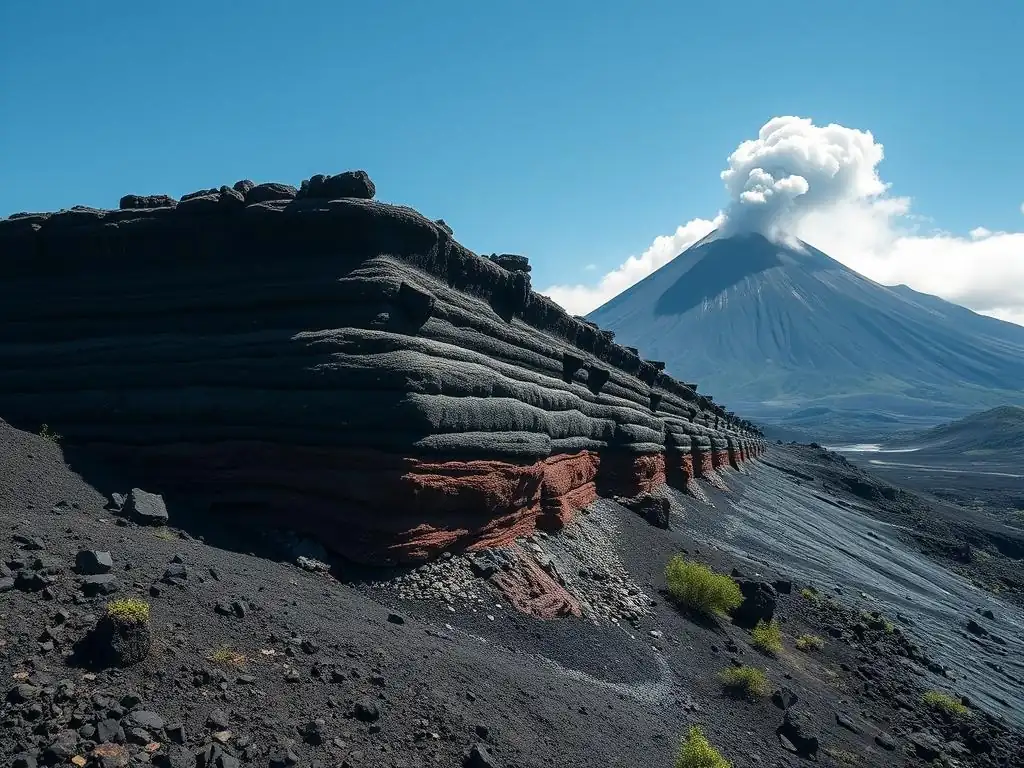
Advanced Materials and Construction Techniques for Enhanced Durability
Enhancing the durability and effectiveness of lava flow barriers requires exploring advanced materials and innovative construction techniques. Traditional barrier materials like earth and rock, while cost-effective and readily available, have limitations in terms of resistance to thermal stress, erosion, and structural integrity, particularly against vigorous lava flows. Advanced materials, such as high-strength concrete, fiber-reinforced polymers, and basalt fiber composites, offer improved thermal resistance, strength, and durability compared to conventional materials.
High-strength concrete, for instance, can withstand higher temperatures and compressive forces, potentially enhancing barrier resilience against lava flow impact. Basalt fiber composites, derived from volcanic rock itself, offer excellent thermal stability and resistance to chemical attack, making them promising materials for lava barrier construction.
Innovative construction techniques can also contribute to improved barrier performance. Modular barrier systems, pre-fabricated off-site and assembled on-site, can expedite construction time and improve quality control, particularly in remote or challenging volcanic terrains. 3D printing technology holds potential for creating complex and customized barrier shapes optimized for specific topographic conditions and lava flow scenarios, potentially allowing for more efficient and targeted barrier designs.
Geosynthetic materials, such as geotextiles and geomembranes, can be incorporated into barrier construction to enhance soil stabilization, reduce erosion, and improve drainage, contributing to the long-term stability and performance of earthen barriers. Research and development efforts focused on advanced materials and construction techniques are crucial for pushing the boundaries of lava flow barrier technology and creating more robust and effective mitigation solutions.
Incorporating Real-Time Monitoring Data for Adaptive Barrier Management
Integrating real-time monitoring data into lava barrier management strategies represents a significant step towards adaptive and responsive mitigation. Real-time monitoring of volcanic activity, lava flow paths, and barrier performance can provide crucial information for dynamically adjusting barrier management and optimizing their effectiveness during an ongoing eruption.
Sensors deployed on and around barriers can measure temperature, strain, and deformation, providing early warnings of potential structural weaknesses or impending failure. Drones equipped with thermal cameras and GPS can be used to map lava flow fronts, track flow paths, and assess barrier interactions with lava in real-time, providing a dynamic overview of the evolving situation.
Data from monitoring networks can be integrated into decision-support systems that provide real-time assessments of barrier performance and recommendations for adaptive management. This could involve adjusting water cooling efforts, deploying additional barriers in strategic locations, or initiating evacuation protocols based on the evolving lava flow situation and barrier status.
Automated barrier systems, potentially incorporating remotely controlled gates or diversions, could be developed to respond dynamically to changing lava flow paths based on real-time monitoring data. The integration of real-time monitoring and adaptive management strategies can transform lava flow barriers from static structures into dynamic and responsive mitigation tools, significantly enhancing their effectiveness in protecting communities and infrastructure in dynamic volcanic environments.
Community Engagement and Education: Building Support for Mitigation Efforts
Effective lava flow mitigation, including the implementation of lava flow barriers, requires strong community engagement and public education. Building community support for mitigation efforts is essential for ensuring their long-term success and fostering a sense of shared responsibility for volcanic risk reduction. Community engagement should involve participatory planning processes that include local residents, businesses, and stakeholders in decision-making regarding mitigation strategies. Public consultations, workshops, and forums can provide platforms for sharing information, gathering feedback, and addressing community concerns about lava flow hazards and mitigation options.
Public education campaigns are crucial for raising awareness about volcanic risks, promoting preparedness, and fostering understanding of the purpose and limitations of lava flow barriers. Educational materials, outreach programs, and community drills can enhance public understanding of volcanic hazards, evacuation procedures, and self-protective measures.
Engaging local communities in barrier construction and maintenance projects can foster a sense of ownership and stewardship, strengthening community resilience and promoting long-term sustainability of mitigation efforts. Effective community engagement and education are not only ethical imperatives but also critical components of successful lava flow mitigation strategies, ensuring that mitigation efforts are aligned with community needs, values, and knowledge, ultimately leading to more effective and sustainable risk reduction outcomes.
The Future of Lava Flow Mitigation: A Multi-faceted Approach
Combining Lava Flow Barriers with Other Risk Reduction Strategies
The future of lava flow mitigation lies in a multi-faceted approach that strategically combines lava flow barriers with other complementary risk reduction strategies. Recognizing the limitations of any single mitigation method, an integrated approach offers a more robust and comprehensive framework for managing volcanic risk. Combining lava flow barriers with land-use planning ensures that development is guided away from high-hazard zones, reducing overall vulnerability.
Early warning systems, coupled with effective evacuation plans, provide crucial time for communities to respond to impending lava flow threats, complementing the physical protection offered by barriers. Volcanic monitoring networks provide essential data for both early warning and for informing barrier design, placement, and adaptive management.
Integrating social and economic mitigation measures is also crucial. Community preparedness programs, risk communication strategies, and economic diversification initiatives can enhance community resilience and reduce the socio-economic impacts of lava flow events. Insurance schemes and disaster relief funds can provide financial safety nets for communities affected by volcanic eruptions. A holistic approach that combines physical mitigation measures like lava flow barriers with land-use planning, early warning systems, community preparedness, and socio-economic strategies offers the most effective and sustainable path towards reducing volcanic risk and building resilient communities in volcanically active regions.
Investing in Research and Development for Innovative Mitigation Technologies
Continued investment in research and development is essential for advancing lava flow mitigation technologies and exploring innovative solutions. Research efforts should focus on developing new materials with enhanced thermal resistance, strength, and durability for barrier construction. Exploring innovative barrier designs, such as modular, adaptable, and even mobile barrier systems, could improve their effectiveness in dynamic volcanic environments. Developing advanced numerical models and simulation tools will enhance our ability to predict lava flow paths, assess barrier performance, and optimize mitigation strategies.
Research into active lava flow control techniques, such as water cooling and lava channeling, could offer complementary mitigation options in certain scenarios. Exploring the potential of using drones and robotics for barrier construction, maintenance, and real-time monitoring could improve efficiency and safety in challenging volcanic terrains.
Interdisciplinary research collaborations involving volcanologists, engineers, materials scientists, social scientists, and policymakers are crucial for fostering innovation and translating research findings into practical mitigation solutions. Sustained investment in research and development is the engine that drives progress in lava flow mitigation, paving the way for more effective, sustainable, and resilient strategies for living safely with volcanoes.
Fostering International Collaboration for Sharing Best Practices in Volcanic Hazard Management
International collaboration is paramount for advancing volcanic hazard management globally and sharing best practices in lava flow mitigation. Volcanic eruptions are transboundary hazards, and the lessons learned from mitigation efforts in one volcanic region can be invaluable to others facing similar challenges.
International organizations, such as the International Association of Volcanology and Chemistry of the Earth's Interior (IAVCEI) and the United Nations Office for Disaster Risk Reduction (UNDRR), play a crucial role in facilitating knowledge sharing, capacity building, and collaborative research in volcanic hazard management. International workshops, conferences, and training programs provide platforms for experts from different countries to exchange experiences, share technical expertise, and develop collaborative projects.
Establishing international networks of volcanologists, engineers, and emergency managers fosters collaboration and facilitates the rapid dissemination of best practices and lessons learned. Sharing data, models, and monitoring technologies across international borders can enhance global volcanic hazard assessment and early warning capabilities.
Collaborative research projects addressing common challenges in lava flow mitigation, such as barrier design optimization and the development of innovative mitigation techniques, can accelerate progress and maximize resource utilization. Fostering international collaboration is not only a matter of scientific and technical exchange but also a moral imperative, ensuring that communities around the world benefit from the collective knowledge and experience in managing volcanic hazards and building resilience in the face of these powerful natural forces.
Conclusion: Balancing Protection and Risk in Volcanic Environments
The Ongoing Challenge of Living with Volcanoes
Living in the shadow of volcanoes presents an ongoing and complex challenge, demanding a continuous balancing act between the benefits and risks associated with these dynamic landscapes. Volcanic areas offer fertile soils, geothermal energy resources, and breathtaking scenery, attracting human settlement and economic activities.
However, these same areas are also subject to volcanic hazards, including lava flows, ashfall, pyroclastic flows, and volcanic gases, posing a constant threat to lives, livelihoods, and infrastructure. Managing volcanic risk is not about eliminating the hazard, which is often impossible, but rather about minimizing vulnerability and enhancing community resilience in the face of inevitable volcanic events.
The challenge is further compounded by the inherent unpredictability of volcanic eruptions. While scientific monitoring and modeling have advanced significantly, forecasting the precise timing, magnitude, and style of volcanic eruptions remains a complex and uncertain endeavor. Volcanic systems are dynamic and can exhibit unexpected behavior, requiring adaptive and flexible mitigation strategies. Living with volcanoes necessitates a long-term commitment to risk reduction, preparedness, and continuous learning, adapting mitigation approaches as scientific understanding evolves and volcanic activity patterns change.
The Importance of Evidence-Based Decision-Making in Lava Flow Mitigation
Evidence-based decision-making is paramount in lava flow mitigation, ensuring that strategies are informed by sound scientific understanding, robust data, and rigorous evaluation of effectiveness. Decisions regarding lava barrier design, placement, and implementation should be based on thorough hazard assessments, numerical modeling, and analysis of past eruption events.
Monitoring data, both during eruptions and during periods of volcanic quiescence, provides crucial evidence for assessing volcanic activity, refining hazard models, and evaluating the performance of mitigation measures. Scientific research plays a vital role in generating new knowledge, developing innovative mitigation technologies, and improving our understanding of lava flow dynamics and barrier interactions.
Transparent and accessible communication of scientific evidence is essential for informing policymakers, emergency managers, and the public about volcanic risks and mitigation options. Decision-making processes should be participatory and inclusive, incorporating the expertise of scientists, engineers, local communities, and other stakeholders. Continuous evaluation and refinement of mitigation strategies based on empirical evidence and lessons learned are crucial for ensuring their long-term effectiveness and adapting to evolving volcanic hazards. Evidence-based decision-making is the cornerstone of responsible and effective lava flow mitigation, guiding us towards safer and more resilient coexistence with volcanoes.
Lava Flow Barrier Effectiveness: A Cautious Optimism
Regarding lava flow barrier effectiveness, a stance of cautious optimism is warranted. Lava flow barriers, while not a panacea, can be a valuable tool in mitigating volcanic risk under certain conditions. Their effectiveness is contingent on factors such as barrier design, strategic placement, the scale and characteristics of the lava flow, and the overall mitigation strategy in place. Barriers have demonstrably protected communities and infrastructure in numerous past eruptions, particularly against smaller to moderate lava flow events. However, they are not foolproof and can be overwhelmed by larger or more vigorous eruptions.
The future of lava flow barriers lies in continuous improvement through research and development, incorporating advanced materials, innovative designs, and adaptive management strategies. Combining barriers with other mitigation measures, such as land-use planning, early warning systems, and community preparedness, offers a more robust and comprehensive approach to volcanic risk reduction.
While lava flow barriers cannot eliminate the inherent risks of living with volcanoes, they can significantly reduce vulnerability and enhance community resilience when implemented strategically and as part of a multi-faceted mitigation framework. A cautious optimism, grounded in scientific evidence and realistic expectations, is the appropriate perspective for navigating the ongoing challenge of living in the shadow of fire.
Frequently Asked Questions
What are lava flow barriers designed to do?
Lava flow barriers are engineered structures intended to divert or slow down the movement of lava flows, protecting infrastructure and communities in areas prone to volcanic activity. Their primary goal is to minimize damage from advancing lava.
How effective are lava flow barriers in stopping lava flows completely?
Lava flow barriers are generally not designed to completely stop lava flows. Instead, they aim to redirect or control the flow path. Their effectiveness depends on factors like the size of the flow, the barrier's design, and the lava's viscosity.
What factors influence the success or failure of a lava flow barrier?
Several factors affect the success of barriers, including the volume and speed of the lava, the barrier's height and strength, and the topography of the surrounding area. A poorly designed or undersized barrier can easily be overwhelmed.
What are some alternative or complementary strategies to lava flow barriers for mitigating volcanic risk?
Besides barriers, other strategies include land-use planning, early warning systems, and controlled lava diversions (if feasible). A comprehensive approach combining multiple methods is often the most effective.
What are some potential downsides or limitations to using lava flow barriers?
Lava flow barriers can be expensive to build and maintain. They can also have environmental impacts and may only offer a false sense of security if not adequately designed for potential flow volumes.
Final Reflection: Embracing Uncertainty, Fortifying Resilience
The exploration of lava flow barrier effectiveness reveals a crucial truth: absolute certainty in the face of nature's power is an illusion. While our analysis has highlighted the strengths and limitations of these barriers, the ultimate success hinges on a complex interplay of geological factors, engineering prowess, and, frankly, a degree of luck. The ongoing threat of volcanic activity demands a continuous reassessment of our strategies and a willingness to adapt to the unpredictable.
This discussion on lava flow barriers extends beyond mere engineering; it touches upon our relationship with the natural world and our responsibility to protect vulnerable communities. The constant dance between human ingenuity and the raw force of nature underscores the importance of humility and preparedness. We cannot direct the wind, but we can adjust our sails.
This ancient wisdom reminds us that while we may not control volcanic eruptions, we can certainly improve our ability to mitigate their devastating impact.
As you consider the findings presented here, I invite you to reflect on the broader implications of resilience in your own life. Where are the "lava flows" threatening your stability and well-being? What barriers can you build – not just physical ones, but also mental, emotional, and social – to safeguard yourself and those you care about? Embrace the uncertainty, learn from the past, and fortify your spirit. The future demands nothing less.
Ready to embark on an unforgettable adventure? Join Volcano Explorers and witness the raw power and breathtaking beauty of active volcanoes firsthand. Our expert-led expeditions offer unparalleled access to some of the world's most dramatic landscapes. Book your adventure today!