
Nature's Chemical Warfare: The Terrifying Composition of Volcanic Gases

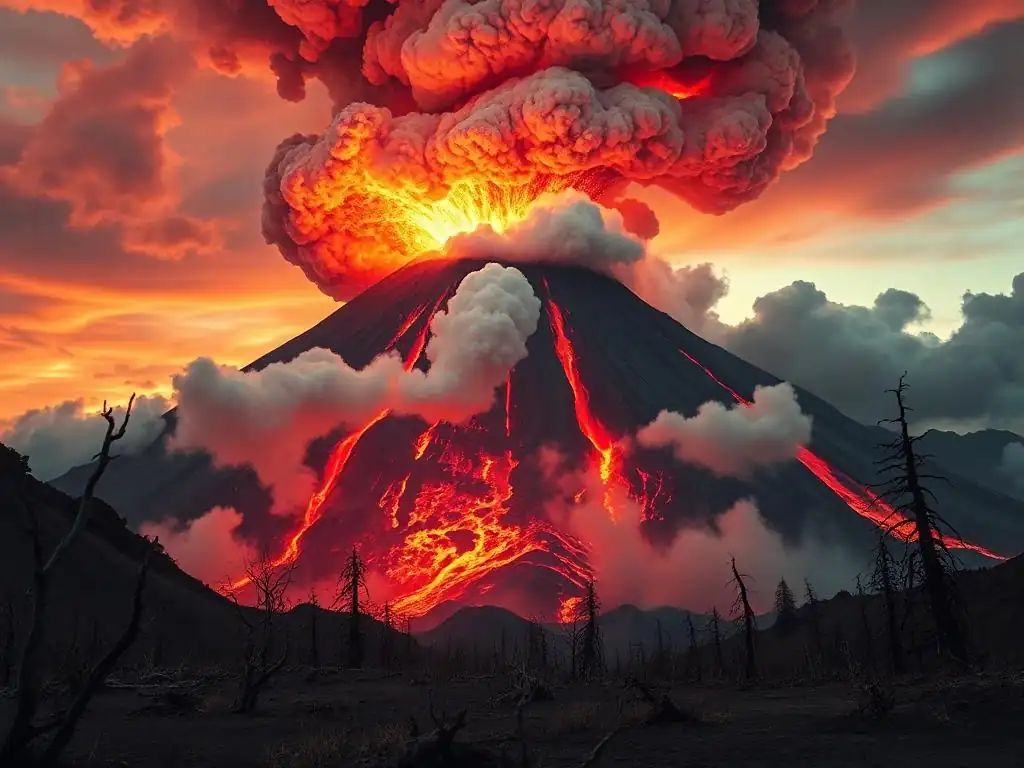
Welcome to Volcano Explorers, where we peel back the Earth's fiery secrets. Ever wondered what unseen dangers lurk within a volcanic plume? Prepare to be astonished as we delve into Nature's Chemical Warfare, exploring the terrifying and often lethal volcanic gas composition dangers that pose a threat to both people and the planet. What exactly are you breathing near an active volcano, and how can you protect yourself? The answers might surprise you...
- Introduction to Volcanic Gas Dangers: A Hidden Threat
- The Complex Composition of Volcanic Gases: Primary Components
- Hazards of Volcanic Gas Composition: Specific Dangers Explained
- Real-World Examples of Volcanic Gas Disasters: Case Studies
- Detecting and Monitoring Volcanic Gases: Protecting Communities
- Safety Measures and Precautions: Minimizing Exposure to Volcanic Gases
- The Long-Term Effects of Volcanic Gas Exposure: Health Implications
- Conclusion: Respecting the Power and Peril of Volcanic Gases
-
Frequently Asked Questions
- What are the main gases released during a volcanic eruption?
- How can volcanic gases pose a danger to human health?
- What is the significance of measuring volcanic gas composition?
- Are there long-term environmental effects associated with volcanic gas emissions?
- What precautions should people take if they live near an active volcano that emits harmful gases?
- Final Reflection: Embracing Awareness Amidst Volcanic Fury
- Unearth Your Inner Volcanologist!
Understanding the Invisible Peril of Volcanic Emissions
Volcanoes are often perceived for their dramatic displays of lava flows and ash plumes, yet a less visible but equally dangerous threat lurks within their eruptions: volcanic gases. These gaseous emissions, often colorless and odorless, can pose significant risks to human health, agriculture, and the environment. While the fiery lava and explosive rocks capture immediate attention, the invisible nature of volcanic gases makes them a particularly insidious hazard.
Understanding the composition of these gases and the dangers they present is crucial for communities living near active volcanoes and for anyone venturing into volcanic regions. The peril is not always immediately apparent, requiring a deeper understanding of the chemistry at play.
The danger of volcanic gases stems from their complex chemical makeup and their ability to disperse rapidly and widely. Unlike solid volcanic ejecta, gases can travel great distances, affecting areas far beyond the immediate vicinity of the volcano. These emissions include a variety of compounds, some of which are highly toxic or can displace breathable air. Moreover, the effects of volcanic gases are not limited to acute, immediate dangers. Long-term exposure can lead to chronic health problems and environmental degradation. Therefore, recognizing volcanic gases as a primary volcanic hazard is paramount for effective risk mitigation and public safety.
USGS: Unveiling the Science Behind Volcanic Gases
The United States Geological Survey (USGS) plays a pivotal role in researching and monitoring volcanic gases, providing crucial insights into their composition, behavior, and potential dangers. For decades, USGS volcanologists have been at the forefront of volcanic gas studies, employing advanced techniques to analyze gas emissions directly from volcanic vents and plumes. Their research spans from understanding the fundamental processes that generate volcanic gases deep within the Earth's crust and mantle to developing sophisticated monitoring systems that can detect changes in gas composition and flux, providing early warnings of potential volcanic unrest.
USGS scientists contribute significantly to our understanding of volcanic gas composition dangers by publishing extensive reports, scientific papers, and educational materials. They utilize a range of methods, including direct sampling using specialized equipment deployed in hazardous volcanic environments, and remote sensing techniques that analyze gas plumes from satellites and aircraft.
Data collected and analyzed by the USGS are vital for hazard assessments, informing public safety guidelines, and developing mitigation strategies for communities at risk. The USGS website serves as a comprehensive resource for information on volcanic gases, offering data, research findings, and educational resources accessible to the public and scientific community alike.
The Complex Composition of Volcanic Gases: Primary Components
Water Vapor (H2O): The Dominant Volcanic Gas
Water vapor (H₂O) is typically the most abundant component of volcanic gases, often comprising more than 60% of the total emissions. This water originates from various sources, including magma itself, groundwater heated by magma, and even atmospheric water vapor entrained into volcanic plumes. While water vapor itself is not toxic, its sheer volume plays a significant role in volcanic eruptions and atmospheric processes. The condensation of water vapor is a major driver of plume dynamics, contributing to the formation of ash clouds and influencing the dispersal of other volcanic gases.
The amount of water vapor emitted from a volcano can vary considerably depending on the type of volcano and the style of eruption. For instance, volcanoes located in wet climates or those interacting with bodies of water tend to release higher proportions of water vapor. While not directly harmful to breathe in small concentrations, large volumes of water vapor can contribute to humidity and influence weather patterns in volcanic regions.
Moreover, water vapor acts as a carrier for other, more dangerous volcanic gases, facilitating their transport and dispersal in the atmosphere. Scientists use the ratio of water vapor to other gases to understand magma degassing processes and eruption styles.
Carbon Dioxide (CO2): A Silent Killer in Volcanic Regions
Carbon dioxide (CO₂) is another major component of volcanic gases, typically ranking second in abundance after water vapor, often making up between 10% to 40% of total emissions. It is a colorless and odorless gas, making it particularly dangerous as it can accumulate in low-lying areas without being detected. Carbon dioxide is denser than air, causing it to pool in depressions, valleys, and even within buildings, creating a significant asphyxiation hazard. This characteristic has earned it the moniker of a "silent killer" in volcanic contexts.
The danger of volcanic CO₂ is most pronounced in areas with poor ventilation where it can displace oxygen, leading to asphyxia. Even relatively low concentrations of CO₂ can cause symptoms like headaches, dizziness, and rapid breathing. At higher concentrations, loss of consciousness and death can occur rapidly. Volcanic CO₂ emissions are a persistent hazard in regions with active volcanism, particularly around fumaroles (vents releasing volcanic gases) and in areas prone to gas accumulation. Tragically, there have been numerous instances of fatalities attributed to CO₂ asphyxiation in volcanic regions, highlighting the severe risk posed by this seemingly innocuous gas.
Sulfur Dioxide (SO2): Irritation and Acid Rain from Volcanoes
Sulfur dioxide (SO₂) is a pungent, irritating gas released in significant quantities by many volcanoes. It is characterized by a sharp, acrid odor, often described as smelling like burnt matches. While its strong smell can serve as a warning, even low concentrations of SO₂ can cause respiratory irritation, affecting the eyes, nose, throat, and lungs. Exposure to higher concentrations can lead to more severe respiratory problems, including bronchitis and pulmonary edema.
Beyond its direct health effects, SO₂ plays a crucial role in environmental hazards associated with volcanoes. In the atmosphere, SO₂ reacts with water vapor and oxygen to form sulfuric acid (H₂SO₄), a key component of acid rain. Acid rain resulting from volcanic SO₂ emissions can damage vegetation, acidify lakes and rivers, and corrode buildings and infrastructure. Furthermore, SO₂ contributes to the formation of volcanic smog, or "vog," a hazy air pollution that can blanket volcanic regions, exacerbating respiratory problems and reducing visibility. The impact of SO₂ is therefore multifaceted, affecting both human health and the surrounding environment.
Hydrogen Sulfide (H2S): The Rotten Egg Gas and Its Hazards
Hydrogen sulfide (H₂S) is another sulfur-containing gas emitted by volcanoes, notorious for its characteristic "rotten egg" smell, even at very low concentrations. While the odor can be a warning sign, prolonged exposure to H₂S can desensitize the sense of smell, making it difficult to detect increasing concentrations. Hydrogen sulfide is highly toxic, and its hazards range from mild irritation to rapid death depending on the concentration and duration of exposure.
At low levels, H₂S can cause irritation to the eyes, nose, and throat, similar to SO₂. However, at higher concentrations, H₂S is a potent neurotoxin, capable of causing rapid loss of consciousness, respiratory paralysis, and death. The toxicity of H₂S stems from its ability to interfere with cellular respiration, effectively suffocating cells at a metabolic level. Volcanic areas with strong H₂S emissions pose a significant risk, particularly in poorly ventilated areas where the gas can accumulate to lethal concentrations. The "rotten egg" smell, though unpleasant, is a critical indicator of a potentially dangerous gas, demanding caution and awareness.
Other Notable Volcanic Gases: Hydrogen Halides, Carbonyl Sulfide, and More
In addition to the primary volcanic gases, a range of other compounds are emitted in smaller but still significant quantities, each contributing to the overall hazards of volcanic gas composition. These include hydrogen halides, such as hydrogen chloride (HCl) and hydrogen fluoride (HF), carbonyl sulfide (COS), and various trace gases. Hydrogen halides are highly reactive and corrosive, forming strong acids upon contact with water, contributing to acid rain and causing irritation and burns to skin and mucous membranes.
Hydrogen fluoride, in particular, poses a unique threat due to its ability to cause fluorosis, a debilitating condition affecting bones and teeth, especially in livestock grazing in areas contaminated by volcanic emissions. Carbonyl sulfide (COS), while less immediately toxic than H₂S, can contribute to acid rain and has implications for atmospheric chemistry.
Other trace gases, though present in minute amounts, can provide valuable insights into the processes occurring within the volcano and can be used as indicators of changing volcanic activity. The complex mixture of these gases, even in trace amounts, contributes to the multifaceted nature of volcanic gas dangers.
Hazards of Volcanic Gas Composition: Specific Dangers Explained
Asphyxiation Risk from Carbon Dioxide Accumulation
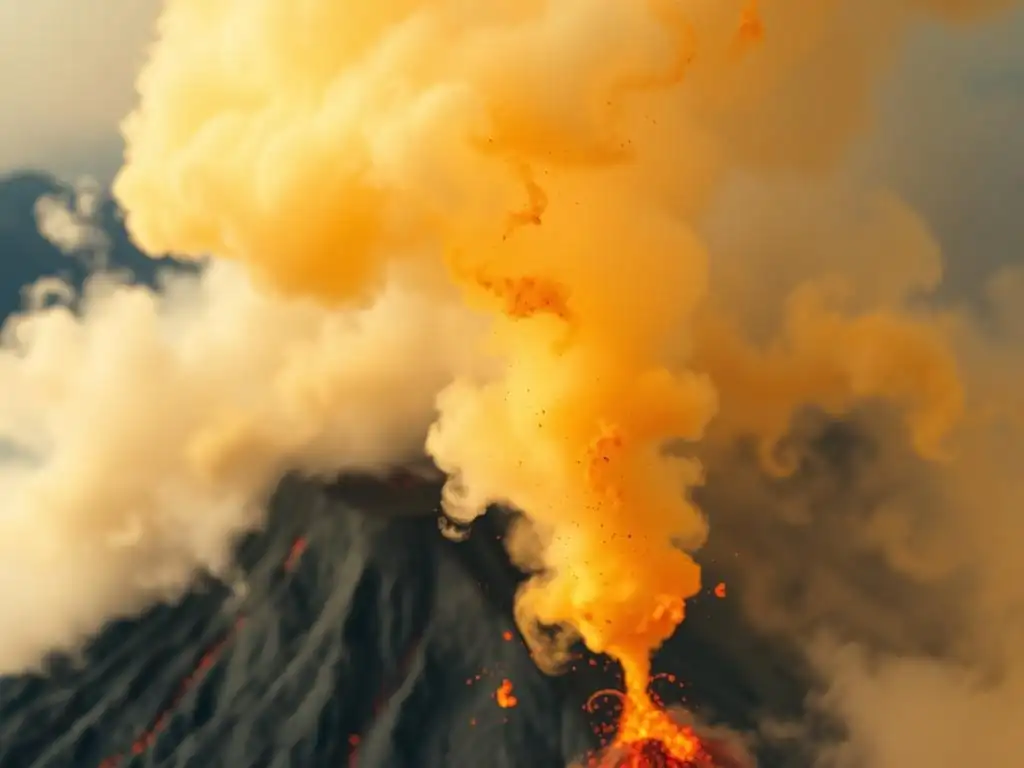
The most immediate and significant danger associated with carbon dioxide (CO₂) in volcanic regions is asphyxiation. As CO₂ is heavier than air, it tends to accumulate in low-lying areas, displacing oxygen and creating oxygen-deficient atmospheres. This is particularly hazardous in valleys, depressions, caves, and even within buildings situated near volcanic vents or fumaroles. In such areas, CO₂ concentrations can reach lethal levels without any visible or olfactory warning, as it is colorless and odorless.
Asphyxiation from CO₂ can occur rapidly. When the oxygen level in the air drops below a critical threshold, the body's cells are deprived of oxygen, leading to symptoms ranging from dizziness and headache at lower concentrations to rapid loss of consciousness, convulsions, and ultimately, death at higher concentrations. The speed of onset and severity of symptoms depend on the concentration of CO₂ and the duration of exposure. Tragically, there are numerous documented cases of fatalities due to CO₂ asphyxiation in volcanic regions, often affecting unsuspecting individuals who were unaware of the invisible threat lurking in low-lying areas.
Respiratory Problems and Irritation from Sulfur Dioxide Exposure
Sulfur dioxide (SO₂) is a potent respiratory irritant, posing significant health risks through inhalation. Even at relatively low concentrations, SO₂ can irritate the mucous membranes of the eyes, nose, throat, and lungs. Exposure can trigger coughing, wheezing, shortness of breath, and a burning sensation in the respiratory tract. Individuals with pre-existing respiratory conditions, such as asthma or bronchitis, are particularly vulnerable to the effects of SO₂ exposure, experiencing more severe and potentially life-threatening reactions.
Prolonged or high-concentration exposure to SO₂ can lead to more serious respiratory complications, including bronchitis, pulmonary edema (fluid buildup in the lungs), and even acute respiratory distress syndrome (ARDS). Chronic exposure can contribute to the development or exacerbation of chronic respiratory diseases. The irritating nature of SO₂ also affects the eyes, causing stinging, tearing, and conjunctivitis. The widespread dispersal of SO₂ in volcanic plumes means that populations downwind of active volcanoes are at risk of experiencing these respiratory health impacts, often referred to as "vog" or volcanic smog.
Poisoning and Chemical Burns from Hydrogen Sulfide
Hydrogen sulfide (H₂S) presents a dual hazard: poisoning and chemical burns. As a highly toxic gas, H₂S poisoning is a severe and potentially fatal consequence of exposure. At relatively low concentrations, H₂S can cause irritation to the eyes and respiratory tract, similar to SO₂. However, as concentrations increase, H₂S quickly becomes a systemic poison, affecting the nervous system and cellular respiration. It inhibits the enzyme cytochrome c oxidase, crucial for oxygen utilization by cells, effectively causing cellular suffocation.
Symptoms of H₂S poisoning can progress rapidly from headache, dizziness, and nausea to loss of consciousness, respiratory paralysis, and death. The speed of onset and severity of effects depend on the concentration and duration of exposure. In addition to its systemic toxicity, H₂S is also corrosive and can cause chemical burns upon contact with moist tissues, such as the eyes and mucous membranes. This combination of systemic poisoning and localized burns makes H₂S a particularly dangerous volcanic gas, demanding extreme caution in areas where it is present.
Acid Rain Formation and Environmental Impact of Volcanic Gases
Volcanic gases, particularly sulfur dioxide (SO₂) and hydrogen halides (HCl, HF), are major contributors to acid rain. When these gases are released into the atmosphere, they react with water vapor and oxygen through complex chemical processes to form sulfuric acid (H₂SO₄) and hydrochloric acid (HCl), respectively. These acids are then incorporated into precipitation, resulting in acid rain that can have widespread and detrimental environmental impacts.
Acid rain from volcanic gases acidifies lakes and rivers, harming aquatic life, including fish, amphibians, and invertebrates. It damages forests and vegetation by leaching essential nutrients from the soil and damaging leaves and roots. Acid rain also corrodes buildings, monuments, and infrastructure made of stone, metal, and other materials, accelerating their weathering and degradation. The environmental impact of volcanic acid rain can extend far beyond the immediate vicinity of the volcano, affecting ecosystems and infrastructure downwind and down-precipitation from volcanic sources.
Fluorosis in Livestock: A Volcanic Hazard
Hydrogen fluoride (HF) emissions from volcanoes pose a unique hazard to livestock, particularly grazing animals, through a condition called fluorosis. HF released into the atmosphere can deposit onto vegetation, contaminating pastures and forage. When livestock consume this contaminated vegetation, they ingest fluoride, which accumulates in their bones and teeth over time. This chronic fluoride exposure leads to fluorosis, a debilitating condition characterized by dental and skeletal abnormalities.
Fluorosis in livestock manifests as dental lesions, including softening and discoloration of teeth, making it difficult for animals to graze and chew food effectively. Skeletal fluorosis leads to bone deformities, lameness, and pain, significantly impacting animal welfare and productivity. In severe cases, fluorosis can be fatal. Volcanic regions with significant HF emissions pose a long-term threat to livestock health and agricultural livelihoods, requiring careful monitoring of fluoride levels in vegetation and implementation of mitigation strategies to protect animal populations.
Real-World Examples of Volcanic Gas Disasters: Case Studies
Lake Nyos Disaster: A Carbon Dioxide Tragedy
The Lake Nyos disaster in Cameroon in 1986 stands as a stark example of the deadly potential of volcanic carbon dioxide (CO₂). Lake Nyos is a crater lake situated atop a volcanic vent that slowly releases CO₂ from the underlying magma. Over time, CO₂ had accumulated in the deep waters of the lake under pressure. On the night of August 21, 1986, a limnic eruption, possibly triggered by a landslide or seismic activity, caused a sudden overturn of the lake's stratified water layers. This released a massive amount of dissolved CO₂ into the atmosphere.
An estimated 1.6 million tons of CO₂ degassed from the lake, forming a dense, ground-hugging cloud that swept down valleys surrounding Lake Nyos. Being heavier than air, the CO₂ cloud displaced oxygen, suffocating people and animals in its path. Over 1,700 people and thousands of livestock perished in the disaster, primarily from CO₂ asphyxiation. The Lake Nyos tragedy highlighted the previously underestimated danger of dissolved volcanic gases in lakes and spurred research into degassing mechanisms and mitigation strategies for similar volcanic lakes worldwide.
Kilauea Volcano (2018): Vog and SO2 Exposure
The 2018 eruption of Kilauea Volcano in Hawaii, while known for its dramatic lava flows, also presented significant hazards from volcanic gases, particularly sulfur dioxide (SO₂). The eruption, which involved the collapse of Kilauea's summit caldera and extensive lava flows in the Lower East Rift Zone, released large quantities of SO₂ into the atmosphere. This SO₂ reacted with atmospheric moisture and sunlight to create volcanic smog, or "vog," which blanketed much of the Hawaiian Islands.
Vog from Kilauea's 2018 eruption caused widespread respiratory irritation, exacerbating asthma and other respiratory conditions among the population. Hospitals and clinics saw a surge in patients seeking treatment for respiratory problems. Vog also damaged vegetation, impacting agriculture and ecosystems. The Kilauea eruption served as a potent reminder that volcanic gas hazards can extend far beyond the immediate volcanic area, affecting regional air quality and public health on a large scale. It underscored the importance of monitoring and forecasting vog events to mitigate their impacts.
Poás Volcano (Costa Rica): Hydrogen Sulfide and Acid Rain Concerns
Poás Volcano in Costa Rica is an active volcano known for its persistent fumarolic activity and emissions of various volcanic gases, including hydrogen sulfide (H₂S). The volcano's crater lake and surrounding area are characterized by strong H₂S emissions, posing ongoing hazards to visitors and nearby communities. The "rotten egg" smell of H₂S is often noticeable even at a distance, serving as a constant reminder of the gas's presence.
H₂S emissions at Poás Volcano are a concern due to both direct toxicity and their contribution to acid rain. Visitors to the crater rim can experience eye and respiratory irritation from H₂S exposure, and in poorly ventilated areas, concentrations can reach hazardous levels. Furthermore, the SO₂ and H₂S emissions from Poás Volcano contribute to acid rain, impacting the surrounding vegetation and ecosystems. The ongoing gas emissions at Poás necessitate continuous monitoring and management strategies to ensure visitor safety and mitigate environmental impacts in the vicinity of the volcano.
Detecting and Monitoring Volcanic Gases: Protecting Communities
Volcanologist Tools and Techniques for Gas Monitoring
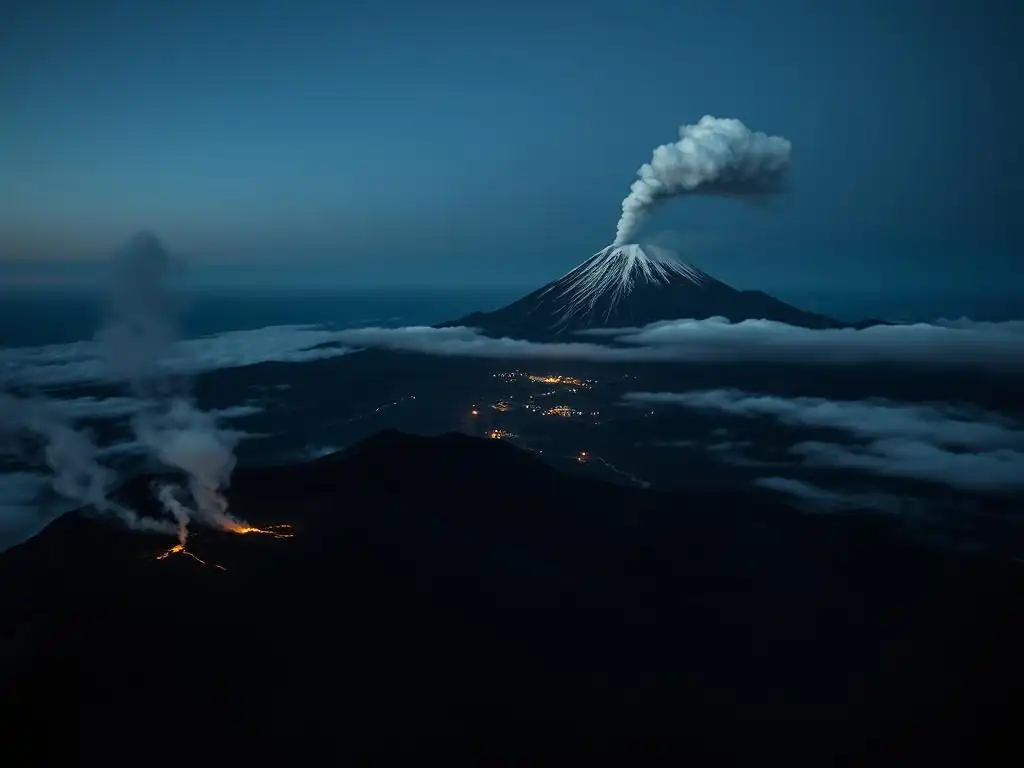
Volcanologists employ a variety of sophisticated tools and techniques to detect and monitor volcanic gases, crucial for understanding volcanic activity and forecasting potential hazards. Direct gas sampling involves collecting gas samples directly from volcanic vents, fumaroles, or plumes using specialized equipment, such as gas collection bottles and Giggenbach bottles. These samples are then analyzed in laboratories using gas chromatography and mass spectrometry to determine the precise composition and concentration of different gases.
Spectroscopic techniques, such as Fourier Transform Infrared Spectroscopy (FTIR) and Raman spectroscopy, are used to remotely measure the composition of volcanic gases in plumes. These instruments analyze the interaction of infrared or laser light with gas molecules, allowing for real-time measurements of gas concentrations from a distance. Electrochemical sensors are also deployed in volcanic areas to continuously monitor the concentrations of specific gases, such as SO₂, H₂S, and CO₂, providing continuous data streams for hazard assessment and early warning systems.
Remote Sensing of Volcanic Plumes: Satellite Data Analysis
Remote sensing techniques, particularly satellite-based observations, play an increasingly important role in monitoring volcanic gases on a global scale. Satellites equipped with specialized sensors can detect and measure the concentrations of gases like sulfur dioxide (SO₂) and volcanic ash in volcanic plumes. Data from instruments like the Ozone Monitoring Instrument (OMI) and the Tropospheric Monitoring Instrument (TROPOMI) provide daily global maps of SO₂ concentrations, allowing for the detection and tracking of volcanic plumes even from remote and inaccessible volcanoes.
Satellite data analysis enables volcanologists to monitor volcanic gas emissions over vast areas and over extended periods, providing valuable insights into long-term trends and large-scale volcanic activity. Satellite data are particularly useful for detecting and tracking large eruptions and ash plumes that can pose aviation hazards. By combining satellite data with ground-based monitoring, volcanologists gain a comprehensive understanding of volcanic gas emissions and their potential impacts.
Ground-Based Monitoring Systems: Direct Gas Measurements
Ground-based monitoring systems are essential for providing real-time, localized data on volcanic gas concentrations in areas at high risk. These systems typically consist of networks of gas sensors deployed around volcanoes, continuously measuring the concentrations of key volcanic gases, such as SO₂, H₂S, CO₂, and CO₂. Data from these sensors are transmitted wirelessly to monitoring centers, where they are analyzed and interpreted by volcanologists.
Ground-based monitoring systems can provide early warnings of changes in volcanic gas emissions, which may indicate increased volcanic activity or potential hazards. These systems are particularly important for monitoring gas concentrations in populated areas near volcanoes, providing crucial information for public safety and emergency response. The density and type of sensors deployed in ground-based networks are tailored to the specific volcanic hazards and the needs of the communities at risk, ensuring effective and targeted monitoring.
Alert Levels and Early Warning Systems: Protecting Communities
Alert levels and early warning systems are critical components of volcanic hazard mitigation strategies, designed to protect communities from the dangers of volcanic gases and other volcanic hazards. Volcanic observatories, such as the USGS Volcano Hazards Program and similar agencies worldwide, establish alert level systems that communicate the current state of volcanic activity and the associated risks to the public and emergency responders. These alert levels typically range from "normal" or "green" to "warning" or "red," indicating increasing levels of volcanic unrest and potential eruption hazards.
Early warning systems for volcanic gas hazards may include real-time monitoring data disseminated to the public through websites, mobile apps, and emergency broadcast systems. These systems provide timely information on gas concentrations, plume trajectories, and potential areas at risk, allowing communities to take appropriate protective measures, such as evacuation or sheltering indoors. Effective alert level systems and early warning systems rely on robust monitoring networks, clear communication protocols, and public education to ensure that communities are informed and prepared for volcanic gas hazards.
Safety Measures and Precautions: Minimizing Exposure to Volcanic Gases
Personal Protective Equipment (PPE) for Volcanic Environments
In volcanic environments where gas hazards are present, personal protective equipment (PPE) is crucial for minimizing exposure and ensuring safety. Respiratory protection is paramount, with respirators designed to filter out volcanic gases, such as SO₂, H₂S, and particulate matter (ash), being essential. Gas masks with appropriate filter cartridges (e.g., acid gas cartridges) provide protection against specific volcanic gases. For high-concentration gas environments, self-contained breathing apparatus (SCBA) may be necessary, providing an independent supply of breathable air.
Eye protection, such as goggles or face shields, is needed to prevent irritation and damage from volcanic gases and ash. Skin protection, including long sleeves, pants, gloves, and closed-toe shoes, minimizes skin exposure to irritating gases and acid rain. Hard hats are recommended in volcanic areas to protect against falling rocks and volcanic debris. Proper training on the use and limitations of PPE is essential to ensure its effectiveness in mitigating volcanic gas hazards.
Evacuation Procedures and Emergency Response Plans
Evacuation procedures and emergency response plans are vital for communities living near active volcanoes, providing a framework for safe and orderly evacuation in the event of escalating volcanic activity or imminent gas hazards. Evacuation plans should be developed in advance, outlining evacuation routes, designated safe areas, and communication protocols. Regular drills and community education programs are essential to ensure that residents are familiar with evacuation procedures and know how to respond in an emergency.
Emergency response plans should include provisions for monitoring volcanic activity, assessing gas hazards, issuing timely warnings, and coordinating evacuation efforts. Emergency responders, including volcano observatories, civil defense agencies, and local authorities, play crucial roles in implementing evacuation plans and providing assistance to affected communities. Effective evacuation procedures and emergency response plans are essential for minimizing casualties and ensuring public safety during volcanic gas emergencies.
Understanding Wind Direction and Gas Dispersion Patterns
Understanding wind direction and gas dispersion patterns is crucial for predicting the areas most likely to be affected by volcanic gas plumes. Wind direction determines the downwind areas that will be exposed to volcanic gases, while gas dispersion patterns are influenced by factors like wind speed, atmospheric stability, and topography. Volcanic gas plumes tend to be elongated in the direction of the wind, with gas concentrations decreasing with distance from the source.
Real-time wind data and atmospheric models are used to forecast volcanic gas plume trajectories and predict areas at risk. Communities downwind of active volcanoes should be particularly aware of wind direction and potential gas hazards. Sheltering indoors, sealing windows and doors, and avoiding low-lying areas downwind of volcanic vents are important precautions to minimize exposure to volcanic gases. Understanding wind patterns and gas dispersion is essential for making informed decisions about safety and evacuation during volcanic gas events.
Staying Informed: Reliable Sources for Volcanic Activity Updates
Staying informed about volcanic activity and potential gas hazards is paramount for individuals living in or visiting volcanic regions. Reliable sources of information include official volcano observatories, such as the USGS Volcano Hazards Program, local geological surveys, and emergency management agencies. These organizations provide up-to-date information on volcanic activity, alert levels, gas monitoring data, and safety guidelines through websites, social media, and public information channels.
It is crucial to rely on credible sources and avoid misinformation or rumors, especially during volcanic crises. Subscribing to official alerts and notifications, monitoring volcano observatory websites, and attending community briefings are effective ways to stay informed. Having access to reliable information empowers individuals to make informed decisions about their safety and take appropriate precautions to minimize exposure to volcanic gas composition dangers.
The Long-Term Effects of Volcanic Gas Exposure: Health Implications
Respiratory Diseases and Chronic Conditions
Long-term exposure to volcanic gases, even at relatively low concentrations, can contribute to the development or exacerbation of chronic respiratory diseases. Prolonged inhalation of irritant gases like sulfur dioxide (SO₂) and hydrogen sulfide (H₂S) can cause chronic inflammation of the airways, leading to conditions such as chronic bronchitis, asthma, and emphysema. Children, the elderly, and individuals with pre-existing respiratory conditions are particularly vulnerable to these long-term health effects.
Chronic exposure to volcanic gases can also impair lung function over time, reducing respiratory capacity and increasing susceptibility to respiratory infections. Studies in volcanic regions have shown higher rates of respiratory illnesses and hospitalizations compared to non-volcanic areas, suggesting a link between volcanic gas exposure and chronic respiratory health problems. Public health monitoring and long-term health studies are essential to fully understand and mitigate the chronic respiratory effects of volcanic gas exposure.
Environmental Damage and Ecosystem Impacts
The long-term environmental impacts of volcanic gases extend beyond acid rain and immediate vegetation damage. Chronic exposure to volcanic gases can alter soil chemistry, affecting soil fertility and plant growth over extended periods. Acid deposition from volcanic gases can leach essential nutrients from soils and mobilize toxic metals, impacting soil health and ecosystem function. Forest ecosystems in volcanic regions can experience long-term stress and decline due to chronic exposure to acidic deposition and gas pollutants.
Aquatic ecosystems, including lakes and rivers, can suffer from long-term acidification and heavy metal contamination from volcanic gas deposition. This can lead to changes in water chemistry, loss of biodiversity, and disruption of aquatic food webs. The cumulative environmental damage from volcanic gases can have long-lasting effects on ecosystem health and resilience, requiring long-term monitoring and remediation efforts.
Volcanic Gases and Their Role in Climate Change
While volcanic gases are often associated with localized hazards, they also play a role in global climate change, albeit a complex and debated one. Volcanoes release greenhouse gases, primarily carbon dioxide (CO₂), into the atmosphere. Large volcanic eruptions can inject significant amounts of SO₂ into the stratosphere, where it reacts to form sulfate aerosols. These aerosols reflect sunlight back into space, causing a temporary cooling effect on global climate. However, the long-term contribution of volcanic CO₂ emissions to global warming is a subject of ongoing scientific research.
While individual volcanic eruptions can cause short-term cooling, the overall contribution of volcanic CO₂ to the long-term increase in atmospheric CO₂ concentrations is significantly smaller compared to human-induced emissions from burning fossil fuels. Nevertheless, understanding the role of volcanic gases in climate change is important for a comprehensive understanding of Earth's climate system and the interplay between natural and anthropogenic influences.
Conclusion: Respecting the Power and Peril of Volcanic Gases
The Importance of Continued Research and Monitoring
Continued research and monitoring of volcanic gases are paramount for enhancing our understanding of volcanic processes, improving hazard assessments, and protecting communities at risk. Ongoing research is needed to refine our understanding of volcanic gas composition, emission rates, and dispersion patterns. Advanced monitoring technologies, including remote sensing and ground-based sensor networks, are crucial for providing real-time data and early warnings of volcanic gas hazards.
International collaboration and data sharing are essential to advance volcanic gas research and monitoring globally. Supporting volcano observatories and research institutions worldwide is critical for building capacity and expertise in volcanic gas studies. Investing in continued research and monitoring is an investment in public safety, environmental protection, and a deeper understanding of Earth's dynamic volcanic systems.
USGS: Your Resource for Understanding Volcanic Hazards
The United States Geological Survey (USGS) stands as a vital resource for understanding volcanic hazards, including the dangers of volcanic gases. The USGS Volcano Hazards Program provides comprehensive information on volcanic activity, gas monitoring data, hazard assessments, and safety guidelines through its website and publications. The USGS website (www.usgs.gov) offers a wealth of educational materials, maps, data, and real-time volcano monitoring information accessible to the public, scientists, and emergency responders.
For anyone seeking to learn more about volcanic gases and volcanic hazards, the USGS website is an invaluable starting point. It provides access to scientific research, educational resources, and real-time data that empower individuals and communities to better understand and prepare for the power and peril of volcanic gases. The USGS's commitment to research, monitoring, and public education makes it a leading authority and trusted resource in the field of volcanology and volcanic hazard mitigation.
Frequently Asked Questions
What are the main gases released during a volcanic eruption?
Volcanic eruptions release a variety of gases, primarily water vapor (H2O), carbon dioxide (CO2), and sulfur dioxide (SO2). These are often the most abundant.
How can volcanic gases pose a danger to human health?
Volcanic gases can be dangerous due to their toxicity and asphyxiation risks. Gases like sulfur dioxide can cause respiratory problems, while carbon dioxide can displace oxygen, leading to suffocation in high concentrations.
What is the significance of measuring volcanic gas composition?
Analyzing volcanic gas composition allows scientists to monitor volcanic activity and predict potential eruptions. Changes in the gas ratios can indicate shifts in magma conditions within the volcano.
Are there long-term environmental effects associated with volcanic gas emissions?
Yes, volcanic gas emissions, particularly sulfur dioxide, can contribute to acid rain and climate change. These gases can also affect local ecosystems and water quality.
What precautions should people take if they live near an active volcano that emits harmful gases?
People living near active volcanoes should stay informed about current volcanic activity, follow evacuation orders, and use respiratory protection (such as masks) when necessary to minimize exposure to harmful gases.
Final Reflection: Embracing Awareness Amidst Volcanic Fury
The exploration of volcanic gas composition dangers reveals a stark reality: nature, in its most awe-inspiring displays, can also unleash potent and perilous forces. The intricate chemical cocktails emanating from volcanoes, as detailed in this article, are not merely geological curiosities; they are active threats shaping landscapes, impacting ecosystems, and endangering human lives even today. Understanding these dangers is paramount in mitigating their effects and fostering a safer coexistence with these powerful natural phenomena.
The pervasive influence of volcanic activity, and specifically the gases they release, extends far beyond immediate eruption zones. The lessons learned about the complex interplay of elements and their potential for harm resonate deeply, reminding us of the delicate balance within our planet and the responsibility we bear to understand and respect it. We cannot conquer nature, but we can only conquer ourselves.
– This quote, often attributed to various sources, encapsulates the essence of our relationship with volcanic hazards: our power lies not in controlling the earth, but in understanding its processes and adapting our behavior accordingly.
As you reflect on the volatile composition of volcanic gases and the dangers they pose, consider the broader implications for environmental awareness and disaster preparedness. How can you, in your own life, contribute to a greater understanding of these natural hazards? How can you support research and initiatives aimed at mitigating their impact? Let this knowledge ignite a spark of curiosity and a commitment to safeguarding our communities and our planet from the silent, yet potent, chemical warfare waged by nature's fiery breath.
Unearth Your Inner Volcanologist!
Thank you for exploring the fascinating, and sometimes terrifying, world of volcanic gases with us. You've gained a deeper understanding of the powerful chemical forces at work beneath our feet! What's next?
- Dive deeper! Research a specific volcano's gas composition and share your findings with the Volcano Explorers community.
- Spread the word! Discuss the impact of volcanic gases with your friends and family to raise awareness.
- Feeling adventurous? Explore resources for safe volcano viewing and gas monitoring techniques (always prioritize safety and expert guidance! ).
What surprising fact about volcanic gases will you share first? Let us know in the comments!