
Water, Food, and... Duct Tape? Unconventional MustHaves for Volcano Emergencies

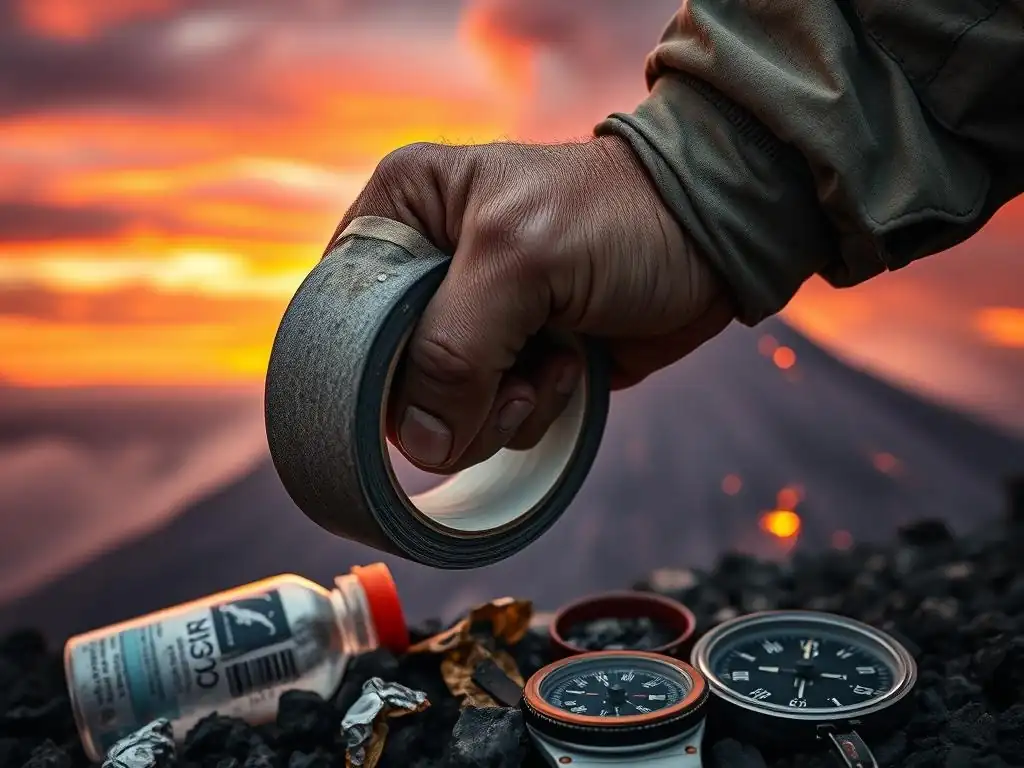
Welcome to Volcano Explorers, where the Earth's raw power is on full display!
Imagine the rumble, the heat, the sheer force of nature unleashed. But are you truly ready should a volcano awaken near you? Forget the standard advice; our latest article delves into Volcano Emergency Preparation Tips with a twist. What unconventional items should be in your survival kit? Discover the surprising must-haves and ensure you're prepared for anything Mother Nature throws your way. The answers might just surprise you... Dare to explore?
- Volcano Emergency Preparation: Beyond Water and Food
- Essential Volcano Emergency Supplies
- Unconventional Emergency Kit Essentials
- Staying Informed: Volcano Monitoring and Early Warning Systems
- Assembling Your Volcano Emergency Kit: A Checklist for Preparedness
-
Frequently Asked Questions
- What are the most essential items to include in a volcano emergency kit, besides the obvious water and food?
- Why is duct tape specifically recommended for a volcano emergency?
- How can I stay informed about real-time volcanic activity updates during an emergency?
- What are some additional safety considerations for people living near active volcanoes?
- Where can I find more detailed information on volcano emergency preparation tips and guidelines?
- Final Reflection: Embracing Preparedness in the Face of Uncertainty
- Ignite Your Volcano Preparedness: Are YOU Ready?
Volcano Emergency Preparation: Beyond Water and Food
Essential Volcano Emergency Supplies
Clean Water: Protecting Against Ash Contamination
Access to clean water becomes paramount during and after a volcanic eruption. Volcanic ash, while seemingly soft, is composed of fine particles of rock and glass that can contaminate water sources rapidly. Ashfall can pollute open reservoirs, wells, and even municipal water supplies if not properly managed.
It is critical to store an adequate supply of water, aiming for at least one gallon per person per day for several days. Consider the potential disruption to infrastructure, as ash can clog water treatment plants and damage pipelines, leading to prolonged water shortages. Sealed containers are essential for water storage to prevent contamination from ash and other airborne particles.
Beyond storage, understanding how to purify water in an emergency is crucial. Boiling water for at least one minute (longer at higher altitudes) is effective in killing most harmful microorganisms. Chemical purification tablets or drops containing chlorine dioxide or iodine are also viable options and should be included in any volcano emergency kit. Remember that while these methods make water safer to drink, they may not remove all ash particles. Filtering water through a cloth or coffee filter before boiling or chemical treatment can help remove larger ash particles and improve palatability.
Non-Perishable Food: Calorie-Dense and Long-Lasting Options
In the aftermath of a volcanic eruption, supply chains can be disrupted, making access to fresh food unreliable. Non-perishable food items are therefore a cornerstone of volcano emergency preparedness. Focus on calorie-dense foods that offer sustained energy and require minimal preparation, as cooking might be challenging due to power outages or ash-filled environments. Canned goods like beans, vegetables, fruits, and meats provide essential nutrients and have a long shelf life, often several years. Remember to include a manual can opener in your kit, as electric openers may be unusable.
Energy bars, protein bars, and dried fruits and nuts are excellent lightweight and compact options for quick energy. These items are particularly useful if evacuation becomes necessary. Consider including items that require only water for reconstitution, such as instant noodles, dehydrated meals, or powdered milk. However, prioritize ready-to-eat foods in case access to clean water for reconstitution is limited. When stocking your emergency food supply, check expiration dates regularly and rotate items to ensure freshness. A three-day supply of food is a minimum recommendation, but aiming for a two-week supply provides a more robust safety net.
Unconventional Emergency Kit Essentials
Duct Tape: A Versatile Tool for Sealing and Repair
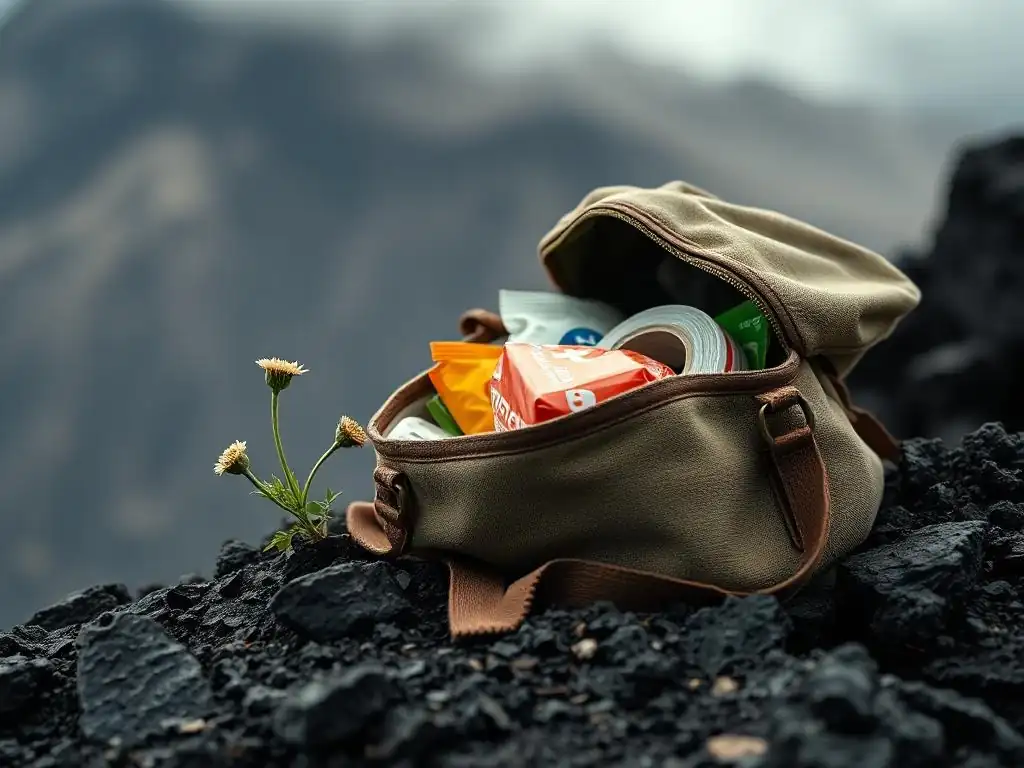
Duct tape, often overlooked in standard emergency kits, becomes an invaluable asset during a volcanic eruption due to its versatility. Volcanic ash is incredibly fine and pervasive, capable of infiltrating buildings through even small gaps. Duct tape can be used to seal windows and doors, minimizing ash entry into homes and shelters. This reduces exposure to harmful ash particles and helps maintain cleaner indoor air. In areas prone to volcanic gas emissions, airtight sealing can also offer a degree of protection against gas infiltration, although professional gas masks are essential for significant concentrations.
Beyond sealing, duct tape is remarkably effective for quick repairs. Minor damage to shelters, equipment, or even vehicles can be temporarily fixed with duct tape, buying precious time to address more significant issues. It can reinforce damaged masks or respirators in a pinch, although this should not be considered a long-term solution. Its waterproof nature also makes it useful for temporary repairs to containers holding water or other essential supplies. The strong adhesive and durability of duct tape make it a multi-purpose tool that can address a wide range of unexpected challenges in a volcano emergency.
Portable Air Purifier: Reducing Ash Inhalation
Volcanic ash poses a significant respiratory hazard, especially for individuals with pre-existing respiratory conditions like asthma or COPD. While masks and respirators are essential for outdoor use, a portable air purifier can dramatically improve indoor air quality during and after ashfall. These devices work by filtering out particulate matter, including the fine ash particles that can penetrate deep into the lungs. Using a portable air purifier in a designated safe room can create a cleaner breathing zone, reducing the risk of respiratory irritation and illness.
Consider models with HEPA (High-Efficiency Particulate Air) filters, which are highly effective at capturing very small particles. Battery-powered or hand-crank models are preferable as power outages are common during volcanic events. While a portable air purifier is not a substitute for proper respiratory protection outdoors, it offers a crucial layer of defense indoors, particularly during prolonged ashfall events. It's important to maintain the purifier's filters according to the manufacturer's instructions to ensure optimal performance.
Eye Protection: Preventing Irritation and Injury
Volcanic ash is abrasive and can cause significant eye irritation and even injury. The fine particles can scratch the cornea, leading to discomfort, blurred vision, and potential long-term damage if left unprotected. Wearing appropriate eye protection is crucial during ashfall events. Goggles or safety glasses that seal around the eyes are the most effective, preventing ash from entering from the sides. Contact lens wearers should switch to eyeglasses during ashfall, as ash can become trapped under lenses, causing severe irritation and potential corneal abrasions.
Even for those who do not typically wear glasses, having a pair of protective eyewear in a volcano emergency kit is essential. Simple dust goggles, readily available at hardware stores, offer substantial protection. In a situation where dedicated eye protection is unavailable, even sunglasses can provide a minimal degree of shielding, although they are not as effective as goggles. Remember to clean eyewear regularly to remove accumulated ash and maintain clear vision. Rinsing eyes with clean water or saline solution can help remove ash particles if irritation occurs, but avoid rubbing the eyes, as this can exacerbate corneal scratches.
Battery-Powered Radio: Staying Informed During an Eruption
During a volcanic eruption, communication infrastructure can be disrupted, making it difficult to receive timely updates and emergency instructions. A battery-powered or hand-crank radio becomes a vital tool for staying informed. These radios can receive broadcasts from local emergency services and weather agencies, providing crucial information about eruption status, evacuation orders, and safety guidelines. Unlike smartphones or internet-dependent devices, a radio can function even during power outages and communication network failures.
Choose a radio that can receive both AM and FM frequencies, and ideally NOAA weather radio frequencies if available in your region. Having a radio with a hand-crank or solar charging capability ensures functionality even if batteries run out and power is unavailable. Regularly check the radio and batteries to ensure they are in working order. In a volcano emergency, reliable information is paramount for making informed decisions and taking appropriate safety measures.
Ash Protection: Masks and Respirators for Respiratory Health
Protecting your respiratory system from volcanic ash is paramount during an eruption. Volcanic ash contains fine particles of silica and volcanic glass that can cause serious respiratory problems, including silicosis, bronchitis, and exacerbation of asthma. Simple dust masks, while offering some protection, are not ideal for fine volcanic ash. Respirators, specifically N95 or P100 rated masks, are significantly more effective at filtering out the fine particles that pose the greatest health risk. These respirators are designed to filter out at least 95% of airborne particles, including volcanic ash.
Ensure that respirators fit properly to create a tight seal around the nose and mouth. Follow the manufacturer's instructions for proper donning and doffing. For prolonged exposure to ash, consider using respirators with replaceable filters. It's crucial to have an adequate supply of masks or respirators for all members of your household or emergency group. Practice using the masks beforehand to ensure proper fit and comfort, especially when breathing becomes labored due to exertion or ash-filled air.
Staying Informed: Volcano Monitoring and Early Warning Systems

Volcano preparedness extends beyond having the right supplies; it also involves staying informed about volcanic activity in your region. Volcano observatories and geological surveys constantly monitor volcanoes using a variety of instruments, including seismometers, gas sensors, and GPS, to detect changes that may indicate an impending eruption. These agencies issue alerts and warnings to the public when volcanic activity increases or an eruption is imminent. Familiarize yourself with the volcano monitoring agencies responsible for your area, such as the USGS Volcano Hazards Program in the United States or similar organizations in other volcanic regions.
Sign up for volcano alert systems, which often provide notifications via email, text message, or social media. Learn about the different alert levels used in your area and what each level signifies. Pay attention to official sources of information and avoid relying on unverified or social media rumors. Understanding volcano monitoring and early warning systems empowers you to make informed decisions and take timely action to protect yourself and your family during a volcanic crisis. Regularly check the websites and social media feeds of volcano observatories for updates and educational materials.
Assembling Your Volcano Emergency Kit: A Checklist for Preparedness
Creating a volcano emergency kit is a proactive step in ensuring your safety and well-being during a volcanic event. This checklist serves as a guide for assembling a comprehensive kit:
- Water: At least one gallon per person per day for several days (sealed containers)
- Non-Perishable Food: 3-day to 2-week supply of calorie-dense, ready-to-eat foods
- Manual Can Opener: For canned goods
- Duct Tape: For sealing and repairs
- Portable Air Purifier: With HEPA filter, battery or hand-crank powered
- Eye Protection: Goggles or safety glasses (dust goggles are sufficient)
- Battery-Powered Radio: AM/FM/NOAA weather radio, with hand-crank or solar option
- Respirators: N95 or P100 masks for ash protection (sufficient supply for all)
- First-Aid Kit: Comprehensive kit with necessary medications
- Flashlight or Headlamp: With extra batteries
- Whistle: To signal for help
- Dust Masks (basic): For less intense ashfall situations
- Moist Towelettes, Hand Sanitizer: For hygiene
- Plastic Sheeting and Extra Duct Tape: For creating a sealed room
- Local Maps: In case of evacuation and GPS failure
- Important Documents: Copies in a waterproof bag
- Cash: ATMs may be unavailable
- Sturdy Shoes, Long Pants, Long-Sleeved Shirts: Protective clothing
- Gloves: To protect hands from ash and debris
Regularly review and replenish your volcano emergency kit, checking expiration dates and ensuring all items are in good working order. Store the kit in an easily accessible location and familiarize all household members with its contents and location. Volcano emergency preparedness is an ongoing process, and a well-stocked and maintained kit is a critical component of your safety plan.
Frequently Asked Questions
What are the most essential items to include in a volcano emergency kit, besides the obvious water and food?
Beyond water and food, a high-quality respirator mask is crucial to protect against ash inhalation. Consider also including duct tape and plastic sheeting to seal windows and doors.
Why is duct tape specifically recommended for a volcano emergency?
Duct tape is surprisingly versatile. It can be used to seal gaps around windows and doors to prevent ash from entering your home, offering a temporary barrier.
How can I stay informed about real-time volcanic activity updates during an emergency?
VolcanoExplorers.org provides real-time updates on volcanic activity worldwide. Also, monitor official government and local emergency channels for the latest information.
What are some additional safety considerations for people living near active volcanoes?
It is vital to develop and practice an evacuation plan with your family. Also, ensure you have a reliable communication method, like a battery-powered radio, in case of power outages.
Where can I find more detailed information on volcano emergency preparation tips and guidelines?
VolcanoExplorers.org offers comprehensive safety guides and evacuation tips specifically designed for those living near active volcanoes.
Final Reflection: Embracing Preparedness in the Face of Uncertainty
The lessons learned from exploring unconventional volcano emergency preparation tips resonate deeply in a world increasingly aware of the power of nature. Volcanic eruptions, like many other natural disasters, remind us that preparedness is not just a checklist, but a mindset. It's about acknowledging the potential for disruption and proactively equipping ourselves, both physically and mentally, to navigate the unexpected.
This exploration has underscored the ongoing influence of preparedness on our collective consciousness. It's not just about surviving; it's about thriving in the face of adversity, about fostering resilience within ourselves and our communities. The simple act of packing a "go-bag" becomes a powerful symbol of self-reliance and a commitment to safeguarding ourselves and those we love. By failing to prepare, you are preparing to fail.
- Benjamin Franklin
Now, as you reflect on these unconventional tips, consider how you can integrate them into your own emergency preparedness plan. Don't just read these words; internalize them. Let the image of duct tape, water, and food serve as a constant reminder of the importance of proactive planning. Take a moment to assess your own vulnerabilities and identify the steps you can take to mitigate risk. The time to prepare is not when the volcano rumbles, but now, in the quiet moments of reflection. Your future self will thank you.
Okay, I'm ready to craft a CTA based on the article "Water, Food, and... Duct Tape? Unconventional Must-Haves for Volcano Emergencies" for Volcano Explorers (volcanoexplorers.org). Here's my attempt:
Ignite Your Volcano Preparedness: Are YOU Ready?
Thanks for diving into our guide to unconventional volcano emergency essentials! We hope you've discovered some new and practical tips to keep you safe and prepared amidst volcanic activity. Now, it's time to turn that knowledge into action. Here’s how you can make sure you’re truly volcano-ready:
- Actually assemble that emergency kit! Don't just read about it; do it. Prioritize those unconventional items alongside the basics and store it in an easily accessible location.
- Share this article with at least three friends or family members who live near volcanoes or enjoy volcanic exploration. Spreading knowledge saves lives!
- Explore our "Volcano Preparedness Checklist" on VolcanoExplorers.org for a comprehensive guide to everything you need to know.
What's the one unconventional item you're adding to your volcano emergency kit today, and why? Let us know in the comments below!