
Building Blocks of Domes: Minerals and Magma Composition

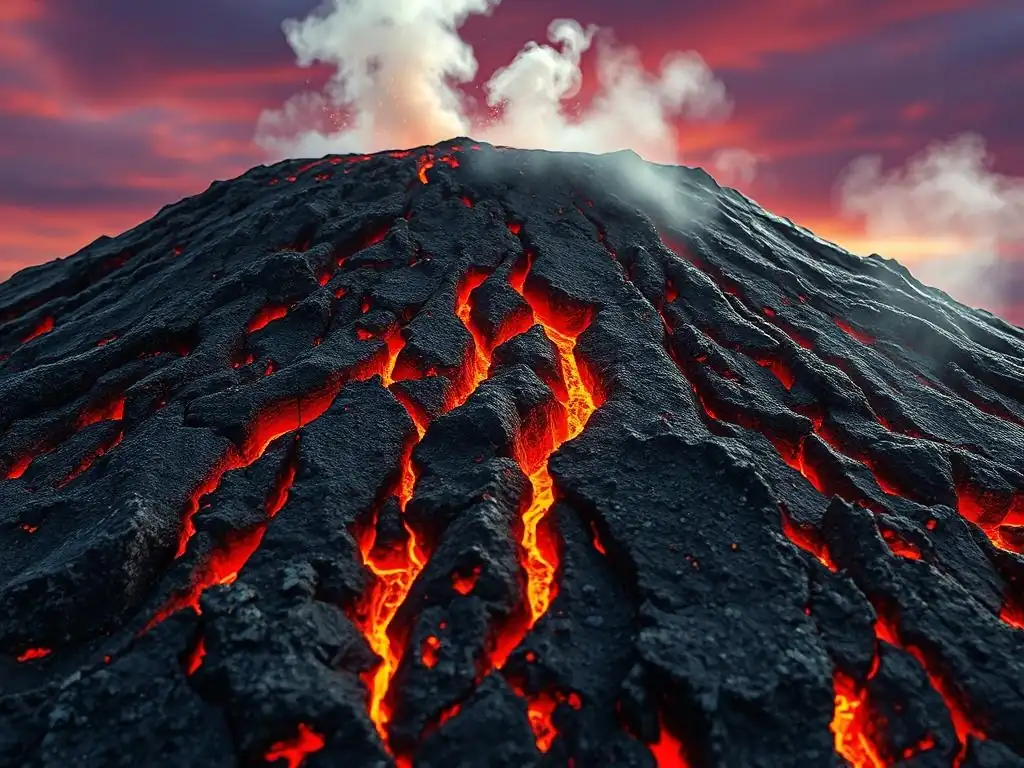
Welcome to Volcano Explorers!
Prepare to journey into the fiery heart of our planet. Ever wondered what secrets lie hidden within the molten rock that fuels volcanic eruptions? This isn't just about fire and brimstone; it's about the intricate chemistry and geological processes that shape our world. Dive in as we unravel the complexities of magma composition in volcanic domes, revealing the crucial role minerals play in their formation and behavior. What hidden clues do these building blocks hold about the potential for future eruptions? Let's explore!
- Building Blocks of Domes: Mineral and Magma Composition in Volcanic Spines and Domes
- Understanding Volcanic Domes: An Introduction to Formation and Structure
- The Mineral Makeup of Dome-Forming Magmas
- Magma Composition: The Driving Force Behind Dome Growth
- Types of Magma and Their Influence on Volcanic Dome Development
- Case Studies: Magma Composition and Dome Evolution in Famous Volcanoes
- Analyzing Magma Samples: Techniques for Determining Composition
- The Role of Magma Composition in Predicting Volcanic Hazards Associated with Domes
- Conclusion: Magma Composition as a Key to Understanding Volcanic Domes and Spines
-
Frequently Asked Questions
- What is the primary focus of understanding magma composition in volcanic domes?
- How does the mineral content of magma influence dome formation?
- What are some key minerals found in the magma that forms volcanic domes?
- How do volcanologists determine the magma composition of a volcanic dome?
- Why is it important to monitor changes in magma composition within a volcanic dome?
- Final Reflection: The Enduring Architecture of Magma
- Unleash Your Inner Volcanologist!
Building Blocks of Domes: Mineral and Magma Composition in Volcanic Spines and Domes
Understanding Volcanic Domes: An Introduction to Formation and Structure
What are Volcanic Domes and Spines? A Detailed Overview
Volcanic domes and spines are fascinating geological formations that arise from the slow extrusion of viscous lava following a volcanic eruption. Unlike explosive eruptions that launch ash and pyroclastic material high into the atmosphere, dome formation is characterized by the relatively gentle oozing of lava onto the Earth's surface. This viscous lava, often rich in silica, piles up around the vent, creating a steep-sided, bulbous structure known as a volcanic dome.
Volcanic spines, on the other hand, are more vertical, tower-like projections of solidified lava that emerge from the vent. These formations are not typically products of fluid lava flows, but rather the result of highly viscous magma that solidifies as it is pushed upwards, sometimes resembling a solidified plug or needle.
The distinction between domes and spines is often related to the viscosity of the magma and the rate of extrusion. Domes tend to be broader and more rounded, formed by lava that, while viscous, still spreads somewhat. Spines are formed from even more viscous magma, which is so stiff it barely flows and instead builds vertically.
Both features are indicative of a specific type of volcanic activity, often associated with stratovolcanoes and caldera systems, and they represent a significant stage in the life cycle of many volcanoes. Understanding these structures is crucial for assessing volcanic hazards, as dome and spine growth can be precursors to more explosive events.
The Importance of Magma Composition in Dome Formation
The formation of volcanic domes and spines is intrinsically linked to the composition of the magma that feeds them. Magma composition dictates several key properties that directly influence whether a volcano will erupt explosively or effusively to form a dome. One of the most critical factors is magma viscosity, which is primarily controlled by the silica (SiO2) content. Magmas with high silica content are significantly more viscous than those with low silica content. This high viscosity is what prevents the lava from flowing freely, causing it to pile up and solidify around the vent, creating a dome structure.
Furthermore, the mineral content and volatile content of the magma also play crucial roles. The types and amounts of minerals that crystallize from the magma affect its overall viscosity and its solidification behavior. Similarly, the concentration of dissolved gases, such as water vapor and carbon dioxide, influences the eruptive style and the texture of the resulting volcanic rocks.
Magmas that form domes are typically relatively gas-poor or have degassed significantly before reaching the surface, further contributing to their effusive nature. Therefore, to truly understand the formation and behavior of volcanic domes and spines, a thorough investigation of their magma composition is indispensable.
The Mineral Makeup of Dome-Forming Magmas
Key Minerals Found in Volcanic Dome Lavas
Volcanic dome lavas are characterized by a specific mineral assemblage that reflects the composition of the magma from which they crystallized. These minerals are not just random components; they are the building blocks that determine the physical and chemical properties of the lava, including its viscosity and solidification temperature. The most common minerals found in dome-forming lavas are typically felsic minerals, meaning they are rich in silica and aluminum, and include feldspars, quartz, and to a lesser extent, mafic minerals like biotite, amphibole, and pyroxene.
The relative proportions of these minerals provide valuable insights into the magma's origin and its evolution history within the Earth's crust. For instance, a lava rich in quartz and potassium feldspar suggests a highly evolved, silica-rich magma that has undergone significant fractional crystallization. Conversely, the presence of mafic minerals, even in small amounts, indicates a less evolved magma or mixing with more primitive magmas. Understanding the mineralogy of dome lavas is essential for deciphering the magmatic processes that lead to dome formation and for predicting the potential hazards associated with these volcanic features.
Feldspars: Plagioclase and Alkali Feldspar Roles
Feldspars are a group of rock-forming minerals that are fundamental components of most igneous rocks, and they are particularly important in dome-forming lavas. There are two main types of feldspars: plagioclase and alkali feldspar. Plagioclase feldspars are a solid solution series ranging from sodium-rich albite to calcium-rich anorthite.
In dome lavas, plagioclase compositions are typically intermediate, such as andesine or oligoclase, reflecting the intermediate to felsic nature of these magmas. Alkali feldspars, on the other hand, are predominantly composed of potassium feldspar (orthoclase, sanidine) or sodium feldspar (albite – also considered plagioclase in some contexts, but can be considered an alkali feldspar end-member). In dome-forming magmas, alkali feldspars, especially potassium-rich varieties, are often abundant.
The presence and composition of feldspars are crucial for understanding magma evolution. Plagioclase feldspars, for example, can provide information about the pressure and temperature conditions during magma crystallization. The ratio of plagioclase to alkali feldspar can also be indicative of the magma's differentiation history. Furthermore, the interlocking network of feldspar crystals contributes significantly to the viscosity of the lava. The complex crystal structures and the way they intergrow make the lava more resistant to flow, a key factor in dome construction.
Quartz: Silica Content and Viscosity Influence
Quartz (SiO2) is a key mineral in dome-forming lavas, primarily because it is a direct indicator of high silica content, which is the dominant control on magma viscosity. Quartz is a framework silicate, meaning its structure is a three-dimensional network of silicon and oxygen atoms, making it very resistant to breakdown and contributing significantly to the overall rigidity of the magma. The presence of quartz in volcanic rocks signifies that the magma was highly evolved and silica-saturated, meaning there was excess silica available to form this mineral after other minerals had crystallized.
The abundance of quartz in dome lavas directly correlates with their high viscosity. The more quartz that crystallizes or is present in the melt, the more viscous the magma becomes. This high viscosity is what prevents the lava from flowing easily, leading to the characteristic build-up of material around the volcanic vent that forms a dome. In fact, many dome-forming lavas, such as rhyolites, can contain significant amounts of quartz, sometimes exceeding 20% by volume. Therefore, quartz is not just a mineral component; it is a critical player in determining the eruptive style and the morphology of volcanic domes.
Mafic Minerals: Biotite, Amphibole, and Pyroxene Contributions
While dome-forming lavas are predominantly composed of felsic minerals, mafic minerals such as biotite, amphibole, and pyroxene can also be present, though typically in smaller amounts. These minerals, rich in magnesium and iron, offer valuable insights into the magma's origin and evolution. Biotite, a type of mica, and amphiboles, like hornblende, are hydrous minerals, meaning they contain water in their crystal structure. Their presence suggests that the magma was relatively water-rich at some point in its history. Pyroxenes, on the other hand, are anhydrous minerals and can provide information about the temperature and pressure conditions of magma crystallization.
Although mafic minerals are not the primary contributors to the high viscosity of dome-forming lavas, they can still influence magma properties. For example, the breakdown of hydrous minerals like biotite and amphibole during magma ascent can release water vapor, which can affect the explosivity of an eruption. Furthermore, the presence and composition of these mafic minerals can help geochemists trace the source of the magma and understand the processes of partial melting and magma mixing that occurred deep within the Earth. Even in small quantities, these minerals are important indicators in the story of dome formation.
How Mineral Composition Affects Magma Viscosity and Dome Shape
The mineral composition of magma is the primary determinant of its viscosity, which in turn dictates the shape and style of volcanic dome formation. The types and proportions of minerals in a lava directly influence how easily it flows. Magmas rich in silica-framework minerals like quartz and feldspars are inherently more viscous. These minerals form complex, interconnected structures within the melt, hindering flow. Imagine trying to stir honey compared to water; honey, like silica-rich magma, has a higher internal resistance to flow due to its complex molecular structure and the presence of larger molecules.
The shape of a volcanic dome is a direct consequence of magma viscosity. Highly viscous magmas, rich in minerals like quartz and feldspars, tend to form steep-sided, bulbous domes because they cannot flow far from the vent. The lava essentially piles up on itself, creating a relatively compact and steep structure.
Conversely, less viscous lavas, which are poorer in silica and richer in mafic minerals, tend to flow more easily, forming flatter, more shield-like volcanoes or lava flows rather than steep domes. Therefore, by analyzing the mineral composition of a volcanic dome, volcanologists can infer the viscosity of the lava that formed it and gain insights into the processes that shaped the volcano.
Magma Composition: The Driving Force Behind Dome Growth
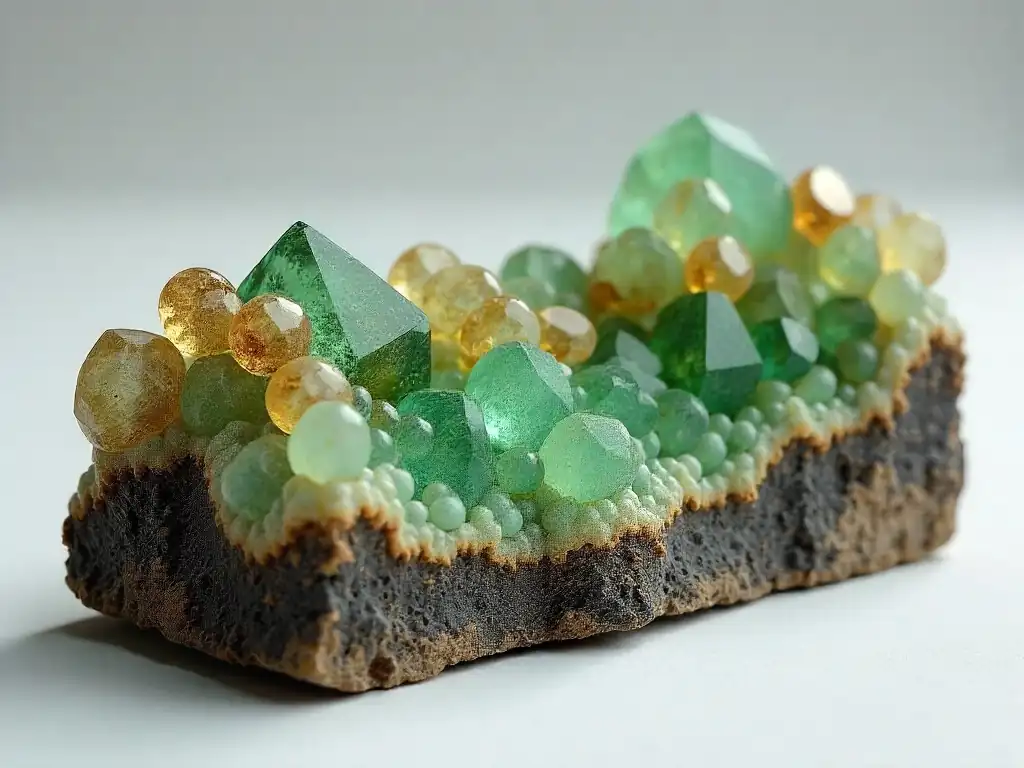
Silica Content: The Primary Control on Magma Viscosity
Silica content is the single most critical factor controlling magma viscosity and, consequently, the formation of volcanic domes. Silica (SiO2) is the fundamental building block of many minerals found in volcanic rocks, and its concentration in magma dictates how easily the magma flows. Magmas with high silica content, typically above 65 wt%, are considered highly viscous. This is because silica tetrahedra (SiO4 units) in the melt tend to link together, forming long chains and complex networks. These networks increase the internal friction within the magma, making it resistant to flow.
The direct relationship between silica content and viscosity is evident in the types of volcanoes they form. Rhyolitic magmas, with the highest silica content (70-75 wt%), are extremely viscous and are strongly associated with dome formation and explosive eruptions. Andesitic magmas (55-65 wt% silica) are also viscous enough to form domes, albeit often with different morphologies compared to rhyolitic domes.
Basaltic magmas, with low silica content (45-55 wt%), are much less viscous and generally produce lava flows and shield volcanoes rather than domes. Thus, the higher the silica content in the magma, the greater the viscosity, and the more likely it is to form a volcanic dome.
Volatile Content: Water and Gas Influence on Eruptive Style
While silica content is the primary control on magma viscosity, volatile content, particularly water and dissolved gases, significantly influences the eruptive style and the overall process of dome formation. Volatiles, such as water vapor (H2O), carbon dioxide (CO2), sulfur dioxide (SO2), and others, are dissolved in magma under pressure deep within the Earth. As magma ascends towards the surface and pressure decreases, these volatiles begin to exsolve, forming gas bubbles.
In magmas that form domes, the volatile content is typically relatively low, or the magma has already undergone significant degassing prior to eruption. If a magma is highly viscous and also gas-rich, the exsolving gases can become trapped, leading to a buildup of pressure that can result in explosive eruptions. However, if the magma is viscous but relatively gas-poor, or if degassing occurs efficiently, the eruption will be effusive, allowing the lava to slowly ooze out and form a dome.
Water, in particular, can also affect magma viscosity. At low concentrations, dissolved water can actually decrease magma viscosity to some extent by breaking up silica networks. However, in the context of dome-forming magmas, the overall high silica content and often lower volatile content contribute to the viscous, effusive dome-building process.
Temperature Effects on Magma Viscosity and Crystallization
Temperature is another critical factor influencing magma viscosity and the process of dome formation, although it is often secondary to silica and volatile content. Generally, as magma temperature increases, viscosity decreases. This is because higher temperatures provide more thermal energy to the molecules in the melt, allowing them to move more freely and reducing the internal friction. Conversely, as magma cools, viscosity increases, making it more difficult for the magma to flow.
The temperature of magma also plays a significant role in crystallization. As magma cools, minerals begin to crystallize out of the melt. The type and amount of minerals that crystallize are temperature-dependent, as described by Bowen's Reaction Series.
For dome-forming magmas, which are typically intermediate to felsic, cooling leads to the crystallization of minerals like feldspars and quartz, further increasing the viscosity of the remaining melt. This increase in viscosity due to cooling and crystallization is crucial in the dome-building process, as it contributes to the solidification and accumulation of lava around the vent. The interplay between temperature, crystallization, and viscosity ultimately determines the final shape and texture of a volcanic dome.
Types of Magma and Their Influence on Volcanic Dome Development
Rhyolitic Magma: High Silica and Explosive Potential
Rhyolitic magma represents the most silica-rich end of the magmatic spectrum, typically containing over 70% silica (SiO2). This extremely high silica content translates to exceptionally high viscosity. Rhyolitic magmas are so viscous that they flow very slowly, often measured in meters per day or even less. This high viscosity is the primary reason why rhyolitic eruptions are often associated with the formation of steep-sided volcanic domes and, paradoxically, highly explosive eruptions.
The explosive potential of rhyolitic magma arises from the combination of high viscosity and dissolved gas content. While dome-forming rhyolitic eruptions are often effusive, the same magma, if sufficiently gas-rich, can lead to incredibly violent explosive eruptions. The high viscosity traps gases effectively, allowing pressure to build up to immense levels.
When this pressure overcomes the strength of the surrounding rocks, a catastrophic eruption can occur, launching ash, pumice, and pyroclastic flows. Therefore, rhyolitic magmas are a double-edged sword: they can quietly build domes or erupt with devastating force, depending on the interplay of viscosity, gas content, and eruption rate.
Dacitic Magma: Intermediate Composition and Dome Growth Characteristics
Dacitic magma is intermediate in composition between rhyolitic and andesitic magma, typically containing around 63-68% silica. While still considered highly viscous, dacitic magma is generally less viscous than rhyolitic magma. This intermediate viscosity leads to characteristic dome growth patterns. Dacitic domes often exhibit slower, more sustained growth compared to some andesitic domes, and they can reach significant volumes.
Dacitic eruptions are frequently associated with dome building, often following an initial explosive phase that clears the vent. The subsequent effusive eruption of dacitic lava leads to the slow extrusion and accumulation of viscous lava around the vent, forming a dome. These domes can be unstable and prone to collapse, generating pyroclastic flows and surges, especially if the magma is still degassing or if there is continued pressure buildup beneath the dome. Mount St. Helens, for instance, is a prime example of a volcano that has repeatedly produced dacitic domes, often preceded or accompanied by explosive activity.
Andesitic Magma: Common in Subduction Zone Volcanism and Dome Formation
Andesitic magma is characterized by an intermediate silica content, typically ranging from 55% to 62%. It is the most common type of magma erupted at stratovolcanoes in subduction zones, where one tectonic plate slides beneath another. Andesitic magma viscosity is lower than rhyolitic and dacitic magmas, but it is still viscous enough to form volcanic domes. Andesitic domes often exhibit a range of growth styles, from relatively rapid extrusion to slower, more episodic growth.
The formation of andesitic domes is a common feature of many active stratovolcanoes worldwide, such as Soufrière Hills volcano in Montserrat and Unzen volcano in Japan. Andesitic domes are often associated with hazards like pyroclastic flows, lava avalanches, and explosive eruptions. The relatively lower viscosity of andesitic magma compared to rhyolitic or dacitic magma can sometimes lead to more dynamic dome growth, with periods of rapid extrusion and collapse. Understanding the magma composition of andesitic domes is crucial for assessing and mitigating volcanic hazards in regions where these volcanoes are prevalent.
Case Studies: Magma Composition and Dome Evolution in Famous Volcanoes
Mount St. Helens: Dacitic Dome Formation and Explosive Eruptions
Mount St. Helens, located in Washington State, USA, is a classic example of a volcano with a history of both explosive eruptions and dacitic dome formation. The cataclysmic eruption of 1980 was triggered by a massive landslide, which decompressed the underlying magma system and led to a lateral blast and a Plinian eruption. Following this explosive phase, a series of dacitic dome-building eruptions commenced within the newly formed crater.
The magma composition of Mount St. Helens is predominantly dacitic, with approximately 63% silica. This dacitic magma is viscous enough to form domes but also capable of explosive eruptions when gas content and pressure conditions are right. The dome growth at Mount St. Helens has been episodic, with periods of rapid extrusion followed by pauses.
The dome has undergone several phases of growth and collapse, highlighting the dynamic nature of dome-building processes and the hazards associated with them, such as pyroclastic flows and lahars. The detailed monitoring and study of Mount St. Helens' magma composition and dome evolution have provided invaluable insights into dome volcanism.
Soufrière Hills Volcano: Andesitic Dome Growth and Pyroclastic Flows
Soufrière Hills volcano on the island of Montserrat in the Caribbean is renowned for its sustained andesitic dome-building eruption that began in 1995 and continues, albeit intermittently, to this day. The magma composition is andesitic, with around 58% silica, which is typical of subduction zone volcanoes in the Lesser Antilles arc. The eruption has been characterized by cycles of dome growth, dome collapse, and explosive activity.
The andesitic dome at Soufrière Hills has grown to a substantial size, and its instability has been a major source of volcanic hazards. Dome collapses have generated numerous pyroclastic flows that have devastated large parts of Montserrat, including the former capital city of Plymouth. The eruption has also included periods of explosive eruptions, driven by gas pressure within the viscous andesitic magma. Continuous monitoring of the dome's volume, growth rate, and gas emissions, along with detailed analysis of the andesitic magma composition, has been crucial for hazard assessment and risk management on Montserrat.
Unzen Volcano: Complex Eruptive History and Dome-Building Phases
Unzen Volcano in Japan is another prominent example of a volcano with a complex eruptive history punctuated by phases of dome building. The most recent eruptive period at Unzen, from 1990 to 1995, was characterized by the extrusion of an andesitic dome within the summit crater of Fugen-dake peak. The magma composition is andesitic, similar to Soufrière Hills, reflecting its location in a subduction zone setting.
The dome growth at Unzen was accompanied by frequent pyroclastic flows generated by dome collapses, posing significant hazards to nearby communities. The 1991 pyroclastic flow tragically killed 43 people, including volcanologists Maurice and Katia Krafft. The Unzen eruption highlighted the dangers associated with andesitic dome growth and the importance of understanding dome instability and pyroclastic flow generation. The detailed studies of Unzen's magma composition and eruptive behavior have contributed significantly to our understanding of dome volcanism and hazard mitigation strategies.
Analyzing Magma Samples: Techniques for Determining Composition
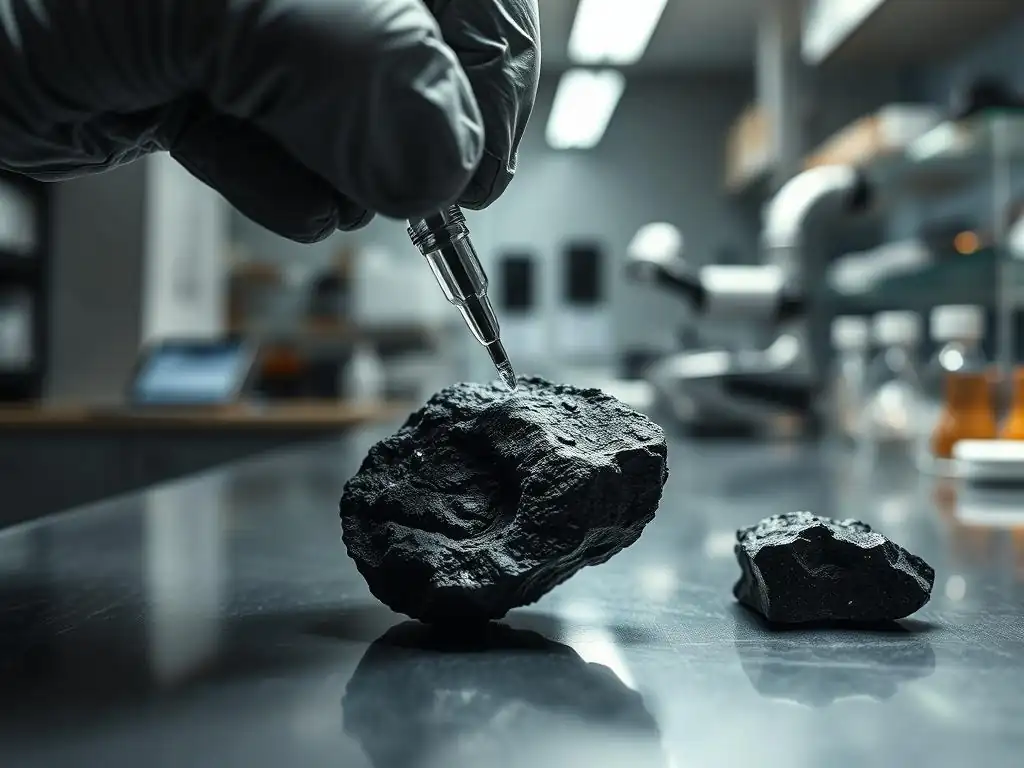
Petrographic Analysis: Microscopic Examination of Rock Samples
Petrographic analysis is a fundamental technique used by volcanologists to determine the mineral composition of volcanic rocks, including those from domes. This method involves the microscopic examination of thin sections of rock samples. A thin section is a very thin slice of rock (typically 30 micrometers thick) mounted on a glass slide, allowing light to pass through it. Using a petrographic microscope, geologists can identify and quantify the minerals present in the rock based on their optical properties, such as color, birefringence (how light is split and refracted), and crystal shape.
Petrographic analysis provides detailed information about the types of minerals present, their relative abundances, their textures (size, shape, and arrangement of crystals), and any alteration or weathering. This information is crucial for understanding the magma's cooling history, crystallization sequence, and overall composition. For example, the presence of certain minerals and their textural relationships can indicate whether the magma cooled slowly or rapidly, whether it underwent multiple stages of crystallization, or whether it mixed with other magmas. Petrographic analysis is often the first step in characterizing volcanic rocks and provides a foundation for more detailed geochemical analyses.
Geochemical Analysis: Measuring Elemental and Isotopic Abundances
Geochemical analysis involves measuring the concentrations of chemical elements and isotopes in volcanic rock samples to determine their bulk composition and isotopic signatures. Elemental analysis provides the abundances of major elements (e.g., Si, Al, Fe, Mg, Ca, Na, K, Ti, P) and trace elements (elements present in parts per million or parts per billion).
Isotopic analysis measures the ratios of different isotopes of certain elements (e.g., Sr, Nd, Pb, O, H, Ar). These analyses are typically performed using sophisticated laboratory instruments such as inductively coupled plasma mass spectrometry (ICP-MS), inductively coupled plasma atomic emission spectroscopy (ICP-AES), and thermal ionization mass spectrometry (TIMS).
Geochemical data provide quantitative information about the magma's origin, its differentiation history, and the processes it has undergone, such as partial melting, fractional crystallization, magma mixing, and crustal contamination. For instance, trace element patterns can help identify the source region of the magma in the mantle, while isotopic ratios can distinguish between different mantle sources or crustal components. Geochemical analysis is essential for understanding the petrogenesis of volcanic rocks and for comparing magmas from different volcanoes or eruptive events.
X-ray Fluorescence (XRF) Analysis: Determining Major and Trace Element Concentrations
X-ray Fluorescence (XRF) analysis is a widely used technique for rapidly and non-destructively determining the major and trace element composition of rock and mineral samples. XRF spectrometry works by bombarding a sample with high-energy X-rays. This causes the atoms in the sample to become excited and emit secondary, or fluorescent, X-rays. Each element emits X-rays at characteristic energies, and by measuring the energies and intensities of these fluorescent X-rays, the concentrations of different elements in the sample can be determined.
XRF is particularly useful for analyzing bulk rock samples and can provide accurate measurements of major elements and many trace elements with relatively little sample preparation. It is a versatile technique used in volcanology for a variety of purposes, including characterizing the composition of volcanic rocks, monitoring changes in magma composition during volcanic eruptions, and analyzing volcanic ash and tephra deposits. XRF analysis is often used in combination with other analytical techniques, such as petrographic and isotopic analysis, to provide a comprehensive understanding of magma composition and volcanic processes.
The Role of Magma Composition in Predicting Volcanic Hazards Associated with Domes
Understanding Eruption Styles Based on Magma Characteristics
Magma composition is a fundamental factor in determining the eruption style of a volcano, particularly those that form domes. The viscosity and volatile content of magma, both directly related to its composition, dictate whether an eruption will be effusive (lava flows and dome growth) or explosive (ash plumes, pyroclastic flows). High-silica magmas, like rhyolites and dacites, are viscous and tend to produce domes or explosive eruptions. Low-silica magmas, like basalts, are less viscous and typically result in lava flows and less explosive activity.
By understanding the magma composition of a volcano, volcanologists can make informed assessments about the potential eruption styles. For example, if a volcano is known to erupt highly viscous, silica-rich magma, the hazard assessment will focus on the potential for dome growth, dome collapse pyroclastic flows, and explosive eruptions. Conversely, if a volcano erupts less viscous, basaltic magma, the hazards will be more focused on lava flows and potentially Strombolian-style explosions. Analyzing the composition of past eruptions provides crucial insights into the likely future behavior of a volcano.
Monitoring Magma Composition to Assess Potential Instability
Monitoring changes in magma composition can be a valuable tool for assessing the potential instability and eruptive behavior of volcanic domes. Changes in the composition of erupted materials, such as lava or volcanic gases, can indicate changes in the magma system beneath the volcano. For example, an increase in the silica content of erupted lava or a change in the ratios of certain trace elements or isotopes might suggest that a new batch of more evolved, potentially more viscous and gas-rich magma is rising beneath the volcano.
Continuous monitoring of volcanic gases, particularly sulfur dioxide (SO2) and carbon dioxide (CO2), can also provide insights into magma composition and degassing processes. Changes in gas fluxes or gas ratios can indicate changes in magma supply rate, magma pressure, or magma composition at depth. Real-time monitoring of magma composition, while challenging, is becoming increasingly feasible with advancements in remote sensing techniques and in-situ sensors, offering the potential to improve volcanic hazard forecasting.
Magma Composition as a Tool for Hazard Assessments and Mitigation Strategies
Magma composition is an essential tool for volcanic hazard assessments and the development of effective mitigation strategies, especially for volcanoes prone to dome formation. Understanding the type of magma a volcano erupts, its viscosity, and its volatile content is crucial for predicting the potential hazards and their likely impacts. Hazard maps, which delineate areas at risk from different volcanic phenomena, are often based on the expected eruption style, which is in turn dictated by magma composition.
For volcanoes known to form domes, hazard assessments must consider the risks of dome collapse pyroclastic flows, lava avalanches, and potential explosive eruptions. Mitigation strategies can include monitoring dome growth and instability, developing evacuation plans for at-risk areas, and implementing early warning systems based on real-time monitoring data. By integrating knowledge of magma composition into hazard assessments and mitigation planning, communities living near dome-forming volcanoes can be better prepared for potential volcanic crises and minimize the risks to life and property.
Conclusion: Magma Composition as a Key to Understanding Volcanic Domes and Spines
Magma composition is an undeniably key factor in understanding the formation, evolution, and hazards associated with volcanic domes and spines. From dictating the fundamental property of magma viscosity to influencing eruption style and dome morphology, the chemical and mineral makeup of magma is the driving force behind these fascinating volcanic features. Silica content stands out as the primary control on viscosity, with higher silica magmas being significantly more viscous and prone to dome building. The mineral assemblage, volatile content, and temperature of the magma all play supporting roles in shaping dome characteristics and eruptive behavior.
Case studies of volcanoes like Mount St. Helens, Soufrière Hills, and Unzen vividly illustrate the link between magma composition and dome evolution, as well as the associated hazards. Analyzing magma samples through petrographic, geochemical, and XRF techniques provides invaluable data for characterizing magma composition and inferring magmatic processes.
Ultimately, understanding magma composition is not just an academic exercise; it is a critical component of volcanic hazard assessment and mitigation strategies. By continuing to study and monitor magma composition, volcanologists can improve their ability to forecast volcanic activity and protect communities living in the shadow of these dynamic and potentially dangerous geological wonders.
Frequently Asked Questions
What is the primary focus of understanding magma composition in volcanic domes?
Understanding magma composition is crucial for predicting the stability and behavior of volcanic domes. This helps volcanologists assess the potential for explosive eruptions or dome collapses.
How does the mineral content of magma influence dome formation?
The mineral content directly affects the magma's viscosity and crystallization rate. Higher viscosity leads to steeper-sided domes and increased potential for explosive activity.
What are some key minerals found in the magma that forms volcanic domes?
Common minerals include plagioclase feldspar, pyroxene, and quartz. The presence and proportion of these minerals impact the magma's overall properties.
How do volcanologists determine the magma composition of a volcanic dome?
They analyze rock samples collected from the dome using various techniques, like petrographic microscopy and geochemical analysis. This helps determine the elemental and mineral composition.
Why is it important to monitor changes in magma composition within a volcanic dome?
Changes in magma composition can indicate an increased risk of eruption. Monitoring allows for timely warnings and evacuation procedures to mitigate potential hazards.
Final Reflection: The Enduring Architecture of Magma
The intricate dance between mineral formation and magma composition, as explored throughout this article, isn't just a geological curiosity; it's a fundamental process shaping our planet and influencing volcanic activity worldwide. Understanding magma composition in volcanic domes is crucial for predicting eruptions and mitigating their devastating impact. The building blocks we've examined, from the microscopic crystals to the overarching chemical signatures, paint a vivid picture of the forces at play beneath our feet.
This exploration of magma's architecture has profoundly influenced my understanding of Earth's dynamic processes. It underscores the interconnectedness of seemingly disparate fields, revealing how mineralogy, geochemistry, and volcanology converge to unlock the secrets of our planet. The Earth is a very small stage in a vast cosmic arena.
- Carl Sagan. This quote reminds us that even the seemingly small details, like the composition of magma, play a vital role in the grand narrative of Earth's evolution and its interaction with the cosmos.
Now, consider the implications of this knowledge. How can you, as a reader, appreciate the subtle signs of change in your own environment? How can you support research and initiatives that aim to better understand and predict volcanic activity? Let this exploration of magma composition inspire you to look deeper, to question assumptions, and to contribute, in your own way, to a safer and more informed future on this dynamic planet.
Unleash Your Inner Volcanologist!
Thank you for diving into the fascinating world of volcanic domes! We hope you've gained a deeper understanding of the crucial role minerals and magma composition play in their formation. Now, it's time to put that knowledge into action!
Here are a few ways to further explore this captivating subject:
- Become a Mineral Detective: Head to a local rock shop or geological museum and try to identify the key minerals discussed in this article. Can you spot the difference between plagioclase and pyroxene?
- Expand your knowledge: Find one scientific article related to the magma composition of a specific dome, then share the article on social media and summarise what you learnt to the Volcano Explorers community.
- Engage with Experts: Seek out online forums or local geological societies and connect with volcanologists and earth scientists. Ask them questions about their research on dome formation and share what you've learned!
What unique mineral combination are you most excited to explore further, and what questions do you have about its impact on dome formation? Share your thoughts in the comments below!