
United We Prepare: The Power of CommunityWide Volcano Drills

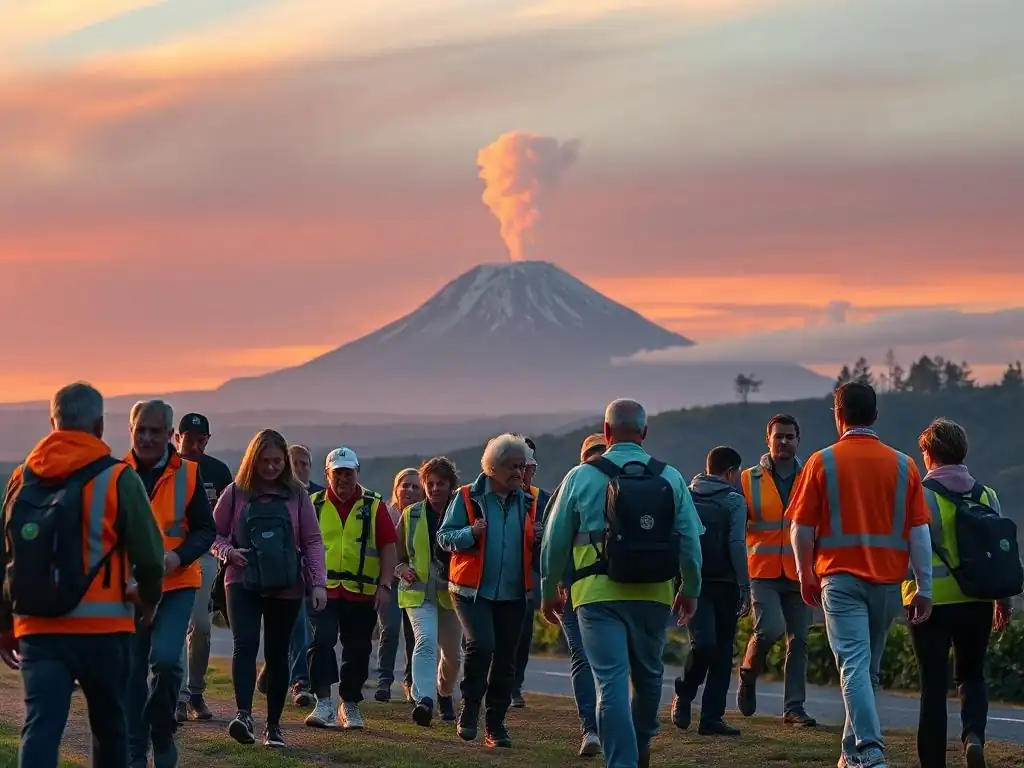
Welcome to Volcano Explorers, where the Earth's fiery heart reveals its secrets. Ever wondered how a community stands strong against the raw power of a volcano? Dive into "United We Prepare: The Power of Community-Wide Volcano Drills" and uncover the vital role community volcano preparedness drills play in safeguarding lives and homes. Are you ready to learn how collaboration can conquer even the most explosive challenges? The answers await...
- Introduction: Enhancing Volcanic Safety Through Community Drills
- Understanding the Importance of Volcanic Hazard Preparedness
- Planning and Executing Effective Community Volcanic Hazard Drills
- Key Components of a Successful Volcanic Hazard Evacuation Drill
- Post-Drill Evaluation and Improvement
- Real-World Examples of Effective Community Volcanic Hazard Drills
- Promoting Community Engagement in Volcanic Hazard Preparedness
- The Future of Volcanic Disaster Preparedness: Innovations and Technologies
- Conclusion: Strengthening Community Resilience Through Collective Action
-
Frequently Asked Questions
- How do community volcano preparedness drills help?
- What are the key components of a successful volcano preparedness drill?
- How often should communities conduct volcano preparedness drills?
- What role do local authorities and volcanologists play in these drills?
- What are some common challenges faced during community volcano preparedness drills, and how can they be overcome?
- Final Reflection: Embracing Collective Resilience
- Ignite Your Inner Volcano Preparedness!
Introduction: Enhancing Volcanic Safety Through Community Drills
Why Community Volcanic Hazard Preparedness Drills are Essential for Safety
Volcanic eruptions, while awe-inspiring natural phenomena, pose significant threats to communities residing near active volcanoes. The dangers extend beyond the immediate volcanic blast and lava flows, encompassing hazards like lahars – volcanic mudflows – and widespread ashfall, which can disrupt infrastructure, agriculture, and human health. For communities living in the shadow of volcanoes like Mount Rainier, a stratovolcano in Washington State recognized as one of the most dangerous in the United States, preparedness is not merely advisable; it's a necessity.
Community volcano preparedness drills serve as crucial exercises, transforming theoretical knowledge into practical skills and fostering a culture of proactive safety. These drills are not just about practicing evacuation routes; they are about building resilience, ensuring coordinated responses, and ultimately saving lives when a volcanic event becomes imminent.
The effectiveness of any emergency response hinges on preparation and practice. Imagine a scenario where Mount Rainier shows signs of increased activity. Without prior drills, panic and confusion could easily overwhelm a community. Roads might become gridlocked due to unorganized evacuations, communication systems could be overloaded, and shelters may be unprepared to receive a sudden influx of people.
Community volcano preparedness drills address these potential pitfalls head-on. They provide a structured environment to test emergency plans, identify weaknesses in communication protocols, and ensure that residents understand their roles and responsibilities during a volcanic crisis. By simulating real-world scenarios, these drills empower communities to react effectively and efficiently, minimizing chaos and maximizing safety in the face of a volcanic threat.
Rainier Ready: Empowering Communities to Face Volcanic Hazards
The concept of "Rainier Ready" embodies the proactive approach needed for communities living near Mount Rainier and other potentially active volcanoes. It's more than just a slogan; it’s a philosophy that emphasizes community empowerment through education, planning, and regular practice.
Being "Rainier Ready" means understanding the specific volcanic hazards posed by Mount Rainier, such as the potential for massive lahars that could reach densely populated areas within minutes, and the widespread impact of volcanic ash on everything from air quality to critical infrastructure. It involves actively participating in community volcano preparedness drills, developing family emergency plans, and staying informed about volcanic activity and emergency alerts.
Empowerment is central to the "Rainier Ready" ethos. By participating in community volcano preparedness drills, residents gain firsthand experience and knowledge, shifting from passive observers to active participants in their own safety. These drills foster a sense of collective responsibility, where neighbors help neighbors, and the community works together as a cohesive unit to mitigate the risks posed by Mount Rainier.
"Rainier Ready" initiatives often involve partnerships between local emergency management agencies, volcanologists from the USGS Cascades Volcano Observatory, and community leaders, ensuring that preparedness efforts are grounded in scientific understanding and tailored to the specific needs and vulnerabilities of the communities at risk. This collaborative approach strengthens community resilience and fosters a culture of preparedness that can significantly reduce the impact of a future volcanic eruption.
Understanding the Importance of Volcanic Hazard Preparedness
Assessing Your Community's Vulnerability to Lahars and Ashfall
For communities nestled in the valleys surrounding Mount Rainier, the primary volcanic hazard is lahars – rapidly flowing slurries of rock, mud, and water originating from volcanic debris. These lahars are not like lava flows; they can travel at speeds of up to 50 kilometers per hour and extend for tens of kilometers downstream, devastating everything in their path. The Osceola mudflow, a massive lahar from Mount Rainier approximately 5,600 years ago, reached Puget Sound, demonstrating the vast scale and reach of these events.
Modern communities like Orting, Puyallup, and Sumner in Washington State are built on ancient lahar deposits, highlighting their continued vulnerability. Assessing community vulnerability involves detailed mapping of potential lahar pathways, identifying critical infrastructure within these zones (hospitals, schools, emergency services), and understanding population density in high-risk areas.
Beyond lahars, volcanic ashfall presents a widespread but often less immediately dramatic hazard. While not as destructive as lahars in terms of immediate physical impact, ashfall can blanket communities for days or weeks, disrupting daily life and causing significant long-term problems. Even a moderate eruption of Mount Rainier could deposit several centimeters of ash across a wide area, potentially affecting cities like Seattle and Tacoma.
This ash can contaminate water supplies, collapse roofs due to its weight, disrupt air travel, damage electronics, and exacerbate respiratory problems. Vulnerability assessments for ashfall consider factors like prevailing wind patterns, building construction types (flat roofs are more susceptible to collapse), and the capacity of local infrastructure to cope with prolonged disruption. Understanding both lahar and ashfall risks is crucial for tailoring effective community volcano preparedness drills and mitigation strategies.
The Role of Evacuation Exercises in Reducing Volcanic Risk
Evacuation exercises are the cornerstone of community volcano preparedness drills. They are not simply about moving people from point A to point B; they are complex, multi-faceted events designed to test and refine every aspect of a community's emergency response plan. The primary role of these exercises is to reduce risk by ensuring that residents know what to do, where to go, and how to get there safely when a volcanic eruption is imminent.
Imagine the chaos that could ensue if thousands of people tried to evacuate simultaneously without a pre-determined plan. Evacuation exercises mitigate this risk by establishing and practicing clear evacuation routes, identifying bottlenecks, and ensuring that traffic management strategies are effective.
Furthermore, evacuation exercises provide invaluable opportunities to test communication systems and protocols. Effective warning systems are critical for timely evacuation, and drills allow emergency managers to assess the reliability of different communication methods, such as sirens, radio broadcasts, and emergency alerts on mobile devices. They also help to identify gaps in communication, such as ensuring that vulnerable populations, including those with disabilities or limited English proficiency, receive and understand evacuation orders.
Beyond logistics and communication, evacuation exercises build community cohesion and resilience. By participating together in these drills, residents develop a shared understanding of the risks, build trust in emergency responders, and foster a culture of preparedness that empowers them to act decisively and collectively when a real volcanic crisis occurs.
Planning and Executing Effective Community Volcanic Hazard Drills
Step 1: Forming a Volcanic Hazard Drill Planning Committee
The foundation of any successful community volcano preparedness drill is a well-organized and representative planning committee. This committee should be the central hub for all drill-related activities, bringing together diverse expertise and perspectives to ensure a comprehensive and effective exercise. Ideally, the committee should include representatives from local emergency management agencies, such as county or city emergency services, fire departments, and law enforcement.
Volcanologists or geologists from organizations like the USGS Cascades Volcano Observatory can provide critical scientific input on volcanic hazards and realistic eruption scenarios. Community leaders, representatives from schools, hospitals, businesses, and neighborhood associations are also essential to ensure that the drill addresses the specific needs and vulnerabilities of the entire community.
The planning committee's first task is to clearly define the goals and objectives of the community volcano preparedness drill. What specific skills and knowledge do they want residents to gain? What aspects of the emergency response plan need to be tested and evaluated?
For example, objectives might include practicing evacuation routes, testing the effectiveness of the community warning system, assessing shelter capacity, or evaluating communication between different emergency response agencies. Establishing clear objectives at the outset provides a framework for planning the drill, measuring its success, and identifying areas for improvement. The committee should meet regularly, assign responsibilities to members, and maintain open communication with the broader community throughout the planning process.
Step 2: Identifying Potential Volcanic Hazards and Evacuation Routes
Before designing a community volcano preparedness drill, a thorough understanding of the specific volcanic hazards and the geographical context is paramount. For communities near Mount Rainier, this means focusing on the most likely and impactful hazards: lahars and ashfall. The planning committee, with input from volcanologists, must delineate potential lahar inundation zones based on geological studies and hazard maps.
These maps, often available from the USGS, show areas at risk from different sizes of lahars, considering factors like valley topography and potential lahar flow paths. Understanding these zones is crucial for determining which communities are most vulnerable and for designing realistic evacuation scenarios.
Once hazard zones are identified, the next step is to establish and clearly map out evacuation routes. These routes should prioritize safe passage away from potential lahar pathways and consider factors like road capacity, bridge integrity, and alternative routes in case of road closures. Evacuation routes need to be clearly communicated to the community through maps, signage, and public information campaigns.
The planning committee should also identify designated evacuation assembly points or shelters located outside of hazard zones. These shelters should be pre-stocked with essential supplies and equipped to accommodate evacuees for an extended period if necessary. Route planning should also consider the needs of vulnerable populations, ensuring accessibility for people with disabilities and transportation assistance for those who may not have personal vehicles.
Step 3: Developing a Realistic Volcanic Hazard Drill Scenario
A compelling and realistic volcanic hazard drill scenario is essential to engage participants and ensure the exercise is meaningful and effective. The scenario should be based on credible volcanic activity forecasts or potential eruption scenarios for Mount Rainier, drawing on scientific information from the USGS and other relevant sources. For example, a scenario could involve increased seismic activity at Mount Rainier, escalating to an alert level indicating a heightened risk of eruption and lahar generation. The scenario should outline the sequence of events, including simulated volcanic activity, official warnings issued by authorities, and the expected timeframe for evacuation.
The scenario should be detailed enough to guide the drill activities but also flexible enough to allow for adjustments during the exercise. It should specify the type of volcanic hazard being simulated (e.g., lahar, ashfall, or both), the expected impact area, and the anticipated duration of the event. To enhance realism, the scenario can incorporate simulated news broadcasts, social media updates, and emergency alerts to mimic the information flow during a real volcanic crisis.
The scenario should also include injects or challenges that test different aspects of the emergency response plan, such as communication failures, road closures, or shelter capacity limitations. By creating a believable and engaging scenario, the planning committee can motivate community participation and ensure that the drill provides valuable lessons for future preparedness efforts.
Step 4: Communicating the Drill Plan to the Community
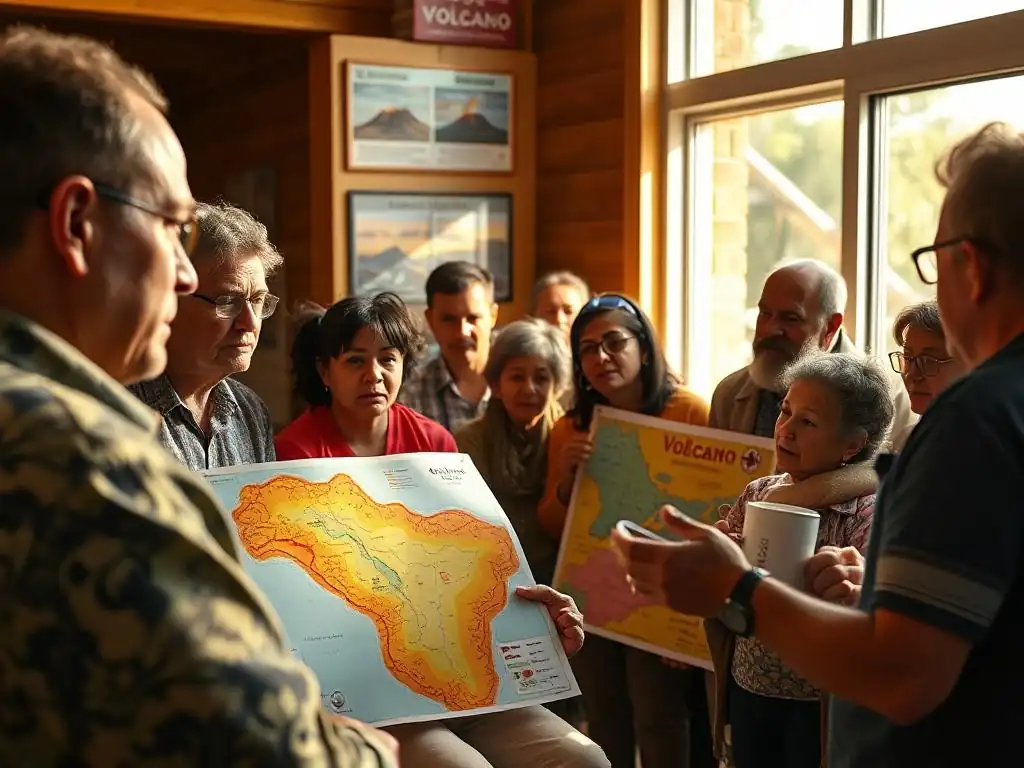
Effective communication is paramount for maximizing participation and ensuring the success of any community volcano preparedness drill. The planning committee must develop a comprehensive communication strategy to inform residents about the drill, its purpose, and how to participate. This strategy should utilize a variety of communication channels to reach all segments of the community. Public meetings, town hall events, and presentations at schools and community centers are effective ways to disseminate information and answer questions in person. Flyers, posters, and brochures distributed throughout the community can provide easily accessible information about the drill schedule, evacuation routes, and safety guidelines.
Digital communication is also crucial in today's world. The planning committee should utilize the community website, social media platforms, and email lists to announce the drill, provide updates, and share educational materials. Partnerships with local media outlets – newspapers, radio stations, and television channels – can significantly amplify the reach of drill announcements and preparedness messages.
Communication materials should be clear, concise, and culturally sensitive, using plain language and translating information into languages spoken by diverse community members. Emphasis should be placed on the importance of participation, highlighting how community volcano preparedness drills contribute to collective safety and resilience. Clear instructions on what residents are expected to do during the drill, including evacuation routes, assembly points, and any simulated actions, should be readily available and easily understood.
Step 5: Conducting the Community Volcanic Hazard Drill
The day of the community volcano preparedness drill is the culmination of months of planning and preparation. Execution requires careful coordination and monitoring to ensure the drill runs smoothly and achieves its objectives. On drill day, simulated emergency alerts should be activated through the community warning system, prompting residents to initiate their planned evacuation procedures.
Volunteer evaluators, trained beforehand by the planning committee, should be strategically positioned along evacuation routes, at assembly points, and in shelters to observe and document the drill's progress. Evaluators should assess factors such as evacuation times, traffic flow, communication effectiveness, and participant understanding of procedures.
During the drill, emergency responders, including police, fire, and medical personnel, should simulate their roles in a real volcanic event response. This might involve traffic control along evacuation routes, setting up and managing simulated shelters, and practicing first aid and search and rescue procedures. Communication between different agencies should be actively tested to ensure interoperability and coordination. It is important to maintain a safe and controlled environment throughout the drill.
Participants should be clearly informed that it is a drill and not a real emergency. Safety briefings should be conducted before the drill begins, and clear procedures should be in place to address any unexpected incidents or injuries. Post-drill debriefings for evaluators and participating agencies should be conducted immediately to capture initial observations and lessons learned while they are still fresh.
Key Components of a Successful Volcanic Hazard Evacuation Drill
Communication Strategies: Ensuring Everyone Receives Timely Warnings
Effective communication is the lifeblood of any successful community volcano preparedness drill, and crucially, of real volcanic emergency response. The goal is to ensure that every member of the community, regardless of their location, language, or access to technology, receives timely and understandable warnings about a volcanic hazard. A multi-layered communication strategy is essential, utilizing a combination of traditional and modern methods.
Outdoor sirens, strategically placed throughout the community, serve as a primary alert for immediate danger, particularly for those outdoors or who may not have access to other warning systems. These sirens should be tested regularly to ensure functionality and community familiarity with the sound.
Beyond sirens, radio and television broadcasts, through the Emergency Alert System (EAS), are vital for disseminating detailed information and instructions. Local radio stations, especially those designated as primary emergency broadcasters, play a crucial role in providing updates, evacuation routes, shelter locations, and safety advice. Modern technologies, such as Wireless Emergency Alerts (WEA) on mobile phones, offer a powerful tool for reaching a large segment of the population quickly and directly.
WEA messages can deliver concise warnings and instructions to mobile devices within affected areas. Social media platforms, while not primary warning systems, can be used to amplify official messages and disseminate real-time updates, but must be used carefully to avoid spreading misinformation. A successful communication strategy also includes proactive outreach to vulnerable populations, using accessible formats and languages, and establishing partnerships with community organizations to ensure that everyone is included in the warning system.
Evacuation Route Planning: Identifying Safe and Accessible Routes
Well-defined and clearly communicated evacuation routes are critical for ensuring the safe and orderly movement of people away from volcanic hazard zones during a community volcano preparedness drill, and in a real event. Evacuation route planning is not simply about drawing lines on a map; it's a complex process that considers topography, road capacity, traffic patterns, and the specific hazards posed by Mount Rainier, particularly lahars.
Routes should be designed to lead people away from potential lahar pathways and to designated assembly points or shelters located in safe zones. Multiple evacuation routes are preferable to provide redundancy and flexibility in case of road closures or congestion.
Route planning must also account for accessibility. Evacuation routes should be designed to accommodate pedestrians, cyclists, and vehicles, including those with trailers or large loads. Consideration must be given to the needs of people with disabilities, ensuring that routes are accessible for wheelchairs and other mobility aids. Public transportation options, such as buses or designated evacuation vehicles, should be integrated into the plan to assist those who do not have personal transportation.
Once routes are established, they must be clearly marked with signage that is visible day and night and easily understood by all community members. Regular maintenance of evacuation routes, including clearing vegetation and ensuring road surfaces are in good condition, is essential to maintain their usability in an emergency. During drills, traffic management strategies, including designated traffic control points and potential one-way street conversions, should be tested to optimize evacuation flow and minimize congestion.
Shelter Management: Providing Safe Havens During and After a Lahar Event
Designated community shelters play a crucial role in providing safe haven for evacuees during and immediately after a volcanic event, whether in a drill or a real emergency. Shelter management encompasses everything from selecting appropriate shelter locations to ensuring they are adequately equipped and staffed to meet the needs of evacuees. Shelters should be located outside of identified volcanic hazard zones, particularly lahar inundation areas, and should be structurally sound and capable of withstanding potential ashfall loads.
Suitable shelter locations often include schools, community centers, churches, and large public buildings. Each shelter should have a designated shelter manager and trained staff responsible for registration, security, first aid, food and water distribution, and general evacuee support.
Shelter preparedness involves stocking essential supplies, including food, water, blankets, first-aid kits, hygiene products, and sanitation facilities. The quantity of supplies should be based on estimated evacuee numbers and the anticipated duration of shelter stay. Shelters should also be equipped with communication equipment, such as radios or satellite phones, to maintain contact with emergency management agencies and receive updates.
Accessibility for people with disabilities must be a priority in shelter design and management, including accessible entrances, restrooms, and sleeping areas. During community volcano preparedness drills, shelters should be activated and tested to assess their capacity, identify any logistical challenges, and ensure that shelter staff are familiar with their roles and responsibilities. Drills provide valuable opportunities to practice shelter setup, registration procedures, and the distribution of supplies, helping to refine shelter management protocols for a real volcanic emergency.
First Aid and Emergency Response: Preparing for Potential Injuries
While community volcano preparedness drills primarily focus on evacuation, it is essential to also integrate first aid and emergency response considerations. Volcanic events, particularly lahars and ashfall, can result in injuries ranging from minor cuts and bruises to more serious trauma. Preparing for these potential injuries is a critical component of overall community preparedness.
First aid stations should be established at designated evacuation assembly points and community shelters, staffed by trained first responders or volunteers with first aid certification. These stations should be equipped with essential first aid supplies, including bandages, antiseptic wipes, pain relievers, and equipment to treat minor injuries.
Emergency response plans should outline procedures for handling more serious injuries or medical emergencies that may occur during a volcanic event or drill. This includes establishing communication protocols with local emergency medical services (EMS) and designating evacuation routes for ambulances to reach injured individuals. During community volcano preparedness drills, scenarios can be incorporated to simulate injuries and test the effectiveness of first aid stations and emergency response procedures.
Volunteer actors can be used to simulate injured individuals, allowing first responders and volunteers to practice triage, treatment, and evacuation protocols. Training community members in basic first aid and CPR is a valuable preparedness measure, empowering individuals to provide immediate assistance to themselves and others in the event of an emergency, whether during a drill or a real volcanic crisis.
Post-Drill Evaluation and Improvement
Gathering Feedback from Participants: What Worked Well and What Needs Improvement?
The completion of a community volcano preparedness drill is not the end of the process, but rather the beginning of a crucial phase: evaluation and improvement. Gathering feedback from participants is essential for understanding the strengths and weaknesses of the drill, identifying areas for enhancement, and ultimately improving community preparedness. Feedback should be collected from a wide range of participants, including residents who evacuated, volunteers who served as evaluators or shelter staff, and emergency responders from different agencies. A variety of feedback methods should be employed to capture diverse perspectives.
Written surveys or questionnaires, distributed immediately after the drill or online, provide a structured way to collect quantitative and qualitative data on participant experiences. These surveys can ask specific questions about clarity of instructions, effectiveness of communication, ease of evacuation routes, and satisfaction with shelter arrangements.
Focus group discussions, conducted with smaller groups of participants representing different demographics or roles in the drill, allow for more in-depth exploration of issues and experiences. Verbal feedback sessions, held immediately after the drill debriefing, provide an opportunity for participants to share their observations and suggestions in real-time.
Evaluators' observation notes, collected during the drill, provide valuable insights into the operational aspects of the exercise, identifying bottlenecks, communication breakdowns, or areas where procedures were unclear or ineffective. Analyzing all collected feedback, the planning committee can gain a comprehensive understanding of what worked well and what needs improvement in the community's volcano preparedness plans and procedures.
Analyzing Drill Performance: Identifying Weaknesses and Areas for Enhancement
Analyzing drill performance involves systematically reviewing all collected data and observations to identify specific weaknesses and areas for enhancement in the community's volcano preparedness. The planning committee should convene to review feedback surveys, evaluator reports, and notes from debriefing sessions. Quantitative data, such as evacuation times or shelter registration rates, can be statistically analyzed to identify performance trends and benchmarks. Qualitative data, such as participant comments and evaluator observations, should be thematically analyzed to identify recurring issues and areas of concern.
The analysis should focus on identifying specific areas where the drill revealed shortcomings or inefficiencies. For example, analysis might reveal that communication systems were not as effective as anticipated in reaching all segments of the community, or that evacuation routes experienced significant congestion at certain points. Shelter capacity or supply levels might have been inadequate, or first aid procedures may have been unclear to some participants. Areas for enhancement should be prioritized based on their potential impact on community safety and resilience.
Weaknesses that pose significant risks or affect a large number of people should be addressed first. The analysis should be documented in a post-drill report that summarizes findings, identifies specific areas for improvement, and recommends concrete actions to address identified weaknesses. This report serves as a roadmap for updating and refining the community's volcano preparedness plans and procedures.
Updating Evacuation Plans Based on Drill Results
The ultimate goal of post-drill evaluation and analysis is to translate lessons learned into tangible improvements in the community's volcano preparedness plans and procedures. The post-drill report, with its identified weaknesses and recommended actions, becomes the basis for updating evacuation plans, communication protocols, shelter management procedures, and other aspects of the overall preparedness strategy. Evacuation routes may need to be revised based on drill observations of traffic congestion or route inefficiencies.
Additional evacuation routes may be identified, or existing routes may be widened or improved. Communication protocols may need to be modified to address identified gaps in warning dissemination or to incorporate more effective communication channels.
Shelter management plans may be updated to increase shelter capacity, improve supply levels, or enhance staff training based on drill findings. First aid and emergency response procedures may be refined to address identified weaknesses in triage, treatment, or evacuation of injured individuals. Updated plans should be clearly documented and disseminated to all relevant stakeholders, including emergency responders, community leaders, and the general public.
Community education and outreach programs should be revised to address areas where participant understanding was lacking, as revealed by drill feedback. Follow-up drills, conducted periodically, are essential to test the effectiveness of updated plans and procedures and to ensure continuous improvement in community volcano preparedness. The cycle of planning, drilling, evaluating, and improving is an ongoing process that strengthens community resilience and enhances safety in the face of volcanic hazards.
Real-World Examples of Effective Community Volcanic Hazard Drills
Case Study: Orting, Washington and Their Successful Lahar Preparedness Program
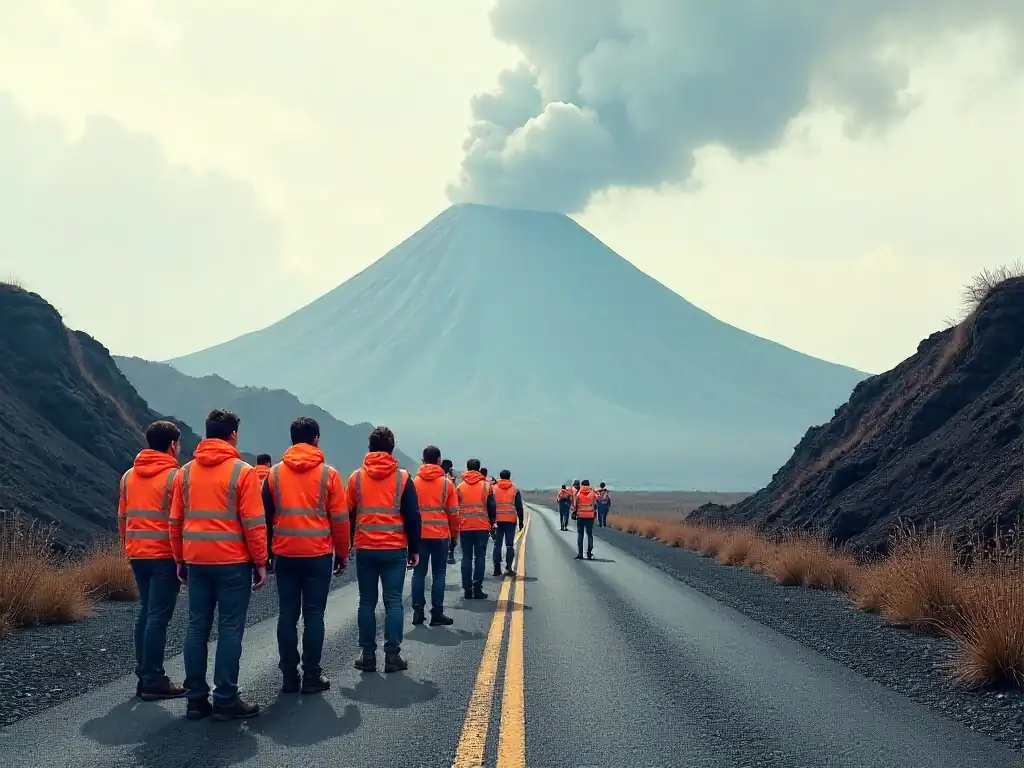
Orting, Washington, a town situated in the shadow of Mount Rainier and built on ancient lahar deposits, serves as a compelling case study in effective community volcano preparedness. Recognizing their extreme vulnerability to lahars, Orting has developed a comprehensive and nationally recognized lahar preparedness program, centered around regular community volcano preparedness drills.
Since the early 1990s, Orting has conducted annual lahar evacuation drills, engaging the entire community in practicing evacuation routes to higher ground. These drills are not just symbolic exercises; they are realistic simulations that involve activating the town's lahar warning sirens, closing roads, and directing residents to designated evacuation assembly points outside of lahar hazard zones.
Orting's success stems from a long-term commitment to community education and engagement. The town has invested heavily in public awareness campaigns, using brochures, websites, and community events to educate residents about lahar risks, warning signals, and evacuation procedures. They have established strong partnerships with the USGS Cascades Volcano Observatory and Pierce County Emergency Management, leveraging scientific expertise and resources to inform their preparedness efforts.
Orting's lahar warning system, consisting of sirens and automated phone alerts, is regularly tested and maintained. The town's emergency response plan is continuously updated based on drill evaluations and lessons learned from real-world events elsewhere. Orting's proactive and community-wide approach to volcano preparedness has made them a model for other communities living near volcanic hazards, demonstrating that sustained effort and community participation are key to mitigating volcanic risk.
Lessons Learned from Past Lahar Events: Applying Knowledge to Future Drills
While Mount Rainier has not experienced a major lahar in recent centuries, history is replete with examples of devastating lahar events from other volcanoes worldwide. The 1985 Nevado del Ruiz eruption in Colombia, which triggered a lahar that tragically buried the town of Armero and killed over 23,000 people, serves as a stark reminder of the destructive power of these volcanic mudflows and the critical importance of effective warning and evacuation systems.
Analysis of the Armero tragedy revealed significant shortcomings in communication, warning dissemination, and community preparedness. The eruption itself was relatively small, but the lack of timely warnings and the community's unfamiliarity with lahar hazards contributed to the catastrophic death toll.
More recently, the 2018 Volcán de Fuego eruption in Guatemala produced deadly lahars that impacted several communities. While warning systems were in place, some communities were slow to evacuate, highlighting the challenges of ensuring timely and effective response even with existing warning infrastructure. Lessons learned from these and other past lahar events underscore the need for robust and redundant warning systems, community education programs that foster a culture of preparedness, and regular community volcano preparedness drills that reinforce evacuation procedures and build community resilience.
These historical examples emphasize that preparedness is not a one-time effort but an ongoing process of learning, adapting, and practicing to effectively mitigate the risks posed by volcanic hazards. Knowledge gained from past tragedies should be directly applied to the design and execution of future community volcano preparedness drills, ensuring that communities are better equipped to respond when a volcanic crisis occurs.
Promoting Community Engagement in Volcanic Hazard Preparedness
Educational Workshops and Outreach Programs
Sustained community engagement is vital for the long-term success of any volcano preparedness program. Educational workshops and outreach programs are essential tools for raising awareness about volcanic hazards, promoting preparedness measures, and fostering a culture of resilience within communities living near volcanoes like Mount Rainier. Workshops can be tailored to different audiences, including residents, school children, businesses, and community leaders, providing targeted information and practical skills. Workshops for residents can cover topics such as understanding volcanic hazards specific to their area, developing family emergency plans, assembling emergency supply kits, and practicing evacuation procedures.
School-based programs are crucial for educating the next generation about volcano safety. Age-appropriate presentations, interactive activities, and school-wide drills can instill preparedness knowledge and skills in children and youth. Workshops for businesses can focus on business continuity planning, employee safety protocols, and strategies for minimizing economic disruption from volcanic events. Outreach programs should utilize a variety of communication channels to reach a broad audience.
Community events, such as volcano preparedness fairs or festivals, can provide engaging and interactive opportunities to learn about volcanic hazards and preparedness measures. Online resources, websites, and social media campaigns can disseminate information widely and provide ongoing reminders about preparedness. Partnerships with community organizations, neighborhood associations, and faith-based groups are essential for extending outreach efforts and ensuring that preparedness messages reach all segments of the community.
Encouraging Individual and Family Emergency Planning
While community-wide preparedness efforts are crucial, individual and family emergency planning forms the bedrock of overall community resilience. Encouraging residents to take personal responsibility for their safety and preparedness is a key component of any effective volcano preparedness program. Developing a family emergency plan involves several key steps. Families should first discuss the volcanic hazards specific to their area, such as lahars and ashfall, and identify safe evacuation routes from their home and workplace. They should designate an out-of-state contact person who family members can call to check in and coordinate reunification if separated during an emergency.
Assembling a family emergency supply kit is another essential preparedness measure. This kit should include enough food and water for each family member for at least three days, along with essential supplies such as a first-aid kit, flashlight, battery-powered radio, extra batteries, medications, hygiene items, and copies of important documents. Families should also practice their evacuation plan regularly, conducting home-based drills to ensure that everyone knows what to do and where to go in the event of a volcanic emergency.
Neighborhood preparedness initiatives, where neighbors work together to develop plans and support each other, can further enhance individual and family preparedness. Providing accessible resources, templates, and guidance materials can empower individuals and families to take proactive steps to prepare for volcanic hazards and enhance their personal and collective safety.
Strong relationships between community members, local authorities, and emergency responders are essential for effective volcano preparedness and response. Trust and collaboration between these groups are crucial for ensuring that preparedness efforts are coordinated, communication is clear, and response is efficient during a volcanic crisis. Community volcano preparedness drills provide valuable opportunities to build these relationships. Drills bring together residents, emergency responders, and local officials in a shared exercise, fostering mutual understanding and collaboration. Regular meetings and communication channels between community leaders, emergency management agencies, and volcanologists are essential for information sharing and joint planning.
Community advisory groups, composed of residents, emergency responders, and scientific experts, can serve as forums for discussing preparedness issues, sharing concerns, and developing collaborative solutions. Volunteer programs, such as Community Emergency Response Teams (CERT), provide opportunities for residents to receive specialized training in disaster preparedness and response, and to work alongside professional emergency responders during drills and actual events.
Public forums and town hall meetings, where residents can interact directly with local authorities and emergency responders, build transparency and trust. Building these strong relationships fosters a sense of shared responsibility for volcano safety and creates a more resilient community that is better prepared to face volcanic hazards collectively.
The Future of Volcanic Disaster Preparedness: Innovations and Technologies
Utilizing Technology for Real-Time Monitoring and Warning Systems
The future of volcanic disaster preparedness is increasingly intertwined with advancements in technology, particularly in real-time monitoring and early warning systems. Sophisticated monitoring networks, utilizing seismometers, GPS stations, gas sensors, and thermal cameras, provide volcanologists with continuous data on volcanic activity, allowing for early detection of changes that may precede an eruption.
Data from these networks are analyzed in real-time at volcano observatories like the USGS Cascades Volcano Observatory, enabling scientists to track volcanic unrest and issue timely warnings to communities at risk. Improvements in sensor technology are leading to more sensitive and robust monitoring instruments that can detect subtle changes in volcanic behavior.
Satellite-based monitoring technologies, including thermal infrared and radar imagery, provide a broad-scale view of volcanic activity, detecting changes in ground deformation, thermal output, and gas emissions over large areas. These technologies are particularly valuable for monitoring remote or inaccessible volcanoes. Advancements in communication technologies, such as high-speed internet and mobile networks, enable faster and more reliable dissemination of warnings to communities.
Wireless Emergency Alerts (WEA) and other mobile alert systems are becoming increasingly sophisticated and targeted, allowing for geographically specific warnings to be sent directly to mobile devices in affected areas. The integration of artificial intelligence and machine learning into monitoring and warning systems holds promise for improving the speed and accuracy of eruption forecasting and warning dissemination, further enhancing community safety.
Investing in Community Resilience and Long-Term Recovery Strategies
Beyond technological advancements, the future of volcanic disaster preparedness requires a broader focus on building community resilience and developing comprehensive long-term recovery strategies. Community resilience encompasses the ability of a community to not only prepare for and respond to volcanic events but also to recover and adapt in the aftermath. Investing in community resilience involves strengthening social networks, promoting economic diversification, and enhancing infrastructure to withstand volcanic hazards. Community-based preparedness programs, empowering local residents to take ownership of preparedness efforts, are crucial for building resilience from the ground up.
Long-term recovery strategies must go beyond immediate relief efforts and address the long-term social, economic, and environmental impacts of volcanic eruptions. This includes developing plans for rebuilding infrastructure, restoring livelihoods, addressing mental health needs, and promoting sustainable community development in volcanic hazard zones. Land-use planning and building codes can be adapted to reduce vulnerability to volcanic hazards, guiding development away from high-risk areas and promoting construction practices that are more resilient to ashfall and lahars.
Community education and outreach programs should emphasize long-term recovery and adaptation, fostering a culture of resilience that enables communities to not only survive volcanic events but also to thrive in the face of ongoing volcanic risk. Investing in community resilience and long-term recovery strategies ensures that communities are not just prepared for the next eruption, but are also equipped to build a sustainable and prosperous future in the shadow of volcanoes.
Conclusion: Strengthening Community Resilience Through Collective Action
The Ongoing Importance of Community Volcanic Hazard Preparedness Drills
Community volcano preparedness drills are not a one-time event but an ongoing, essential investment in community safety and resilience. For communities living near volcanoes like Mount Rainier, the threat of volcanic hazards is a constant reality, demanding continuous preparedness efforts. Regular drills provide invaluable opportunities to test emergency plans, identify weaknesses, and refine procedures, ensuring that communities are better equipped to respond effectively when a volcanic eruption becomes imminent. These drills are not just about practicing evacuation routes; they are about building a culture of preparedness, fostering community cohesion, and empowering residents to take proactive steps to protect themselves and their neighbors.
The lessons learned from each community volcano preparedness drill inform ongoing improvements in emergency plans, communication systems, and community education programs. The cycle of planning, drilling, evaluating, and improving is a continuous process that strengthens community resilience over time. As scientific understanding of volcanic hazards evolves and technology advances, community preparedness efforts must adapt and innovate.
Embracing new technologies for monitoring and warning systems, and investing in community-based resilience building initiatives, are crucial for enhancing future preparedness. The ongoing commitment to community volcano preparedness drills, combined with proactive planning and community engagement, is the most effective way to mitigate volcanic risk and ensure the safety and well-being of communities living in volcanic regions.
Rainier Ready: Your Partner in Volcanic Safety and Education
"Rainier Ready" stands as a testament to the power of community-wide volcano preparedness and a beacon of proactive safety for those living near Mount Rainier. It is more than just a name; it is a commitment to providing accessible resources, educational programs, and community volcano preparedness drills that empower individuals, families, and communities to face volcanic hazards with confidence and resilience. "Rainier Ready" serves as a central hub for information, connecting residents with the latest scientific data from the USGS, emergency preparedness guidance from local agencies, and opportunities to participate in community drills and workshops.
Through collaborative partnerships with emergency management agencies, volcanologists, and community leaders, "Rainier Ready" strives to create a comprehensive and integrated approach to volcano preparedness in the Mount Rainier region. It champions the importance of individual responsibility, family planning, and community-wide collective action in mitigating volcanic risk.
"Rainier Ready" is not just about preparing for the next eruption; it is about building a resilient community that is informed, engaged, and empowered to live safely and sustainably in the shadow of this magnificent, yet potentially hazardous, volcano. By embracing the "Rainier Ready" philosophy and actively participating in community volcano preparedness drills, residents can become active partners in their own safety and contribute to a stronger, more resilient community for all.
Frequently Asked Questions
How do community volcano preparedness drills help?
Community drills increase awareness and practice evacuation procedures, ensuring residents know what to do in case of an eruption. This drastically reduces confusion and panic, leading to a more coordinated and safer response.
What are the key components of a successful volcano preparedness drill?
A successful drill includes clear communication channels, designated evacuation routes, and a designated meeting point. It also involves practicing specific scenarios, like ashfall or lahar flows, to prepare for different hazards.
How often should communities conduct volcano preparedness drills?
Drills should be conducted at least annually to keep the procedures fresh in everyone's minds. More frequent drills may be necessary in areas with higher volcanic activity or recent changes in evacuation plans.
Local authorities coordinate the drill and provide guidance on evacuation routes and procedures. Volcanologists offer expert advice on potential hazards and help interpret monitoring data to inform the drill scenarios.
What are some common challenges faced during community volcano preparedness drills, and how can they be overcome?
Challenges include low participation rates and difficulty simulating real-world conditions. Overcoming these involves community engagement through outreach programs and incorporating realistic elements like simulated ashfall.
Final Reflection: Embracing Collective Resilience
The narrative we've explored underscores the profound impact of community volcano preparedness drills in transforming potential devastation into a testament to human resilience. The lessons learned extend far beyond the immediate threat of volcanic activity, highlighting the enduring power of collective action and proactive planning in the face of any adversity.
The ripple effects of these drills resonate deeply within the social fabric, fostering a sense of unity and shared responsibility. Witnessing communities come together, not just in simulated scenarios but in the very act of preparing, is a powerful reminder of our interconnectedness. The best preparation for tomorrow is doing your best today.
- H. Jackson Brown, Jr. This sentiment encapsulates the spirit of these drills, transforming fear into empowerment and fostering a culture of preparedness that extends to all aspects of life.
Now, consider the implications of these lessons in your own life and community. How can you champion the spirit of preparedness and collective action, not just in the face of volcanic threats, but in all areas where resilience is needed? Let us all strive to be architects of our own safety and champions of our shared future, building stronger, more resilient communities, one drill, one conversation, one act of preparedness at a time.
Alright, here's a CTA draft for your "United We Prepare: The Power of Community-Wide Volcano Drills" article on Volcano Explorers:
Ignite Your Inner Volcano Preparedness!
Thank you for exploring the importance of community volcano drills with us! You've gained valuable insights into how collective action can drastically improve our safety and response during volcanic events. Now, let's put that knowledge into action!
Here's how you can make a difference:
- Organize or participate in a volcano drill in your community. This is the single most impactful step you can take to increase preparedness! Find local resources and reach out to neighbors.
- Share this article with friends, family, and community leaders. Let's expand the conversation and empower others to prepare.
- Brainstorm a creative way to make volcano preparedness drills fun and engaging – think themed scenarios or friendly competitions. Post your ideas in the comments below!
What's one small but impactful step you can take today to spark a volcano preparedness discussion within your own community?