
Volcano Tourism Drones: Exploring Eruptions Safely from Above

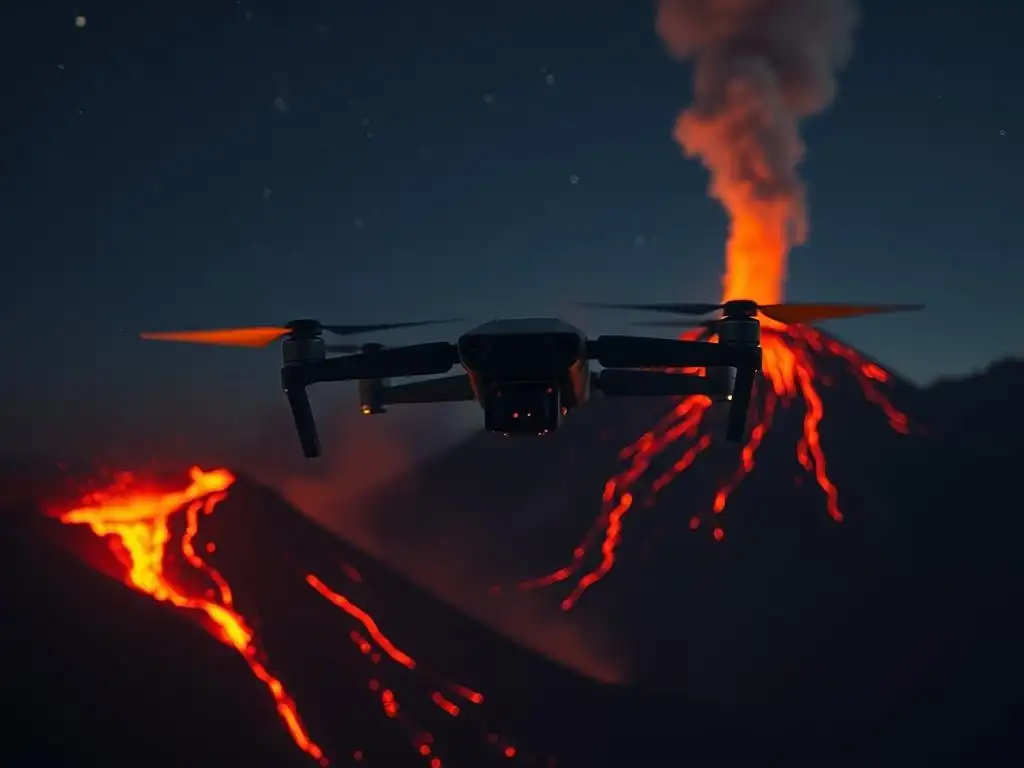
Welcome to Volcano Explorers, where the earth's raw power meets human curiosity. Ever wondered how to witness the fiery heart of a volcano without feeling the heat? This article dives deep into Volcano Tourism Drones: Exploring Eruptions Safely from Above, offering crucial safety tips for capturing breathtaking footage. But is it really possible to balance adventure with responsibility when flying near these geological giants? Let's find out...
The Growing Popularity of Volcano Tourism
Volcano tourism has surged in popularity, attracting adventurers and nature enthusiasts eager to witness the raw power and breathtaking beauty of volcanic landscapes. From the fiery glow of active lava lakes to the stark, otherworldly terrains sculpted by past eruptions, volcanoes offer a spectacle unlike any other. Destinations such as Hawaii Volcanoes National Park, Iceland's volcanic regions, and Mount Etna in Italy draw millions of visitors annually.
In Hawaii, for instance, prior to the 2018 Kilauea eruption, visitor numbers to the national park consistently exceeded 1.5 million per year, demonstrating a significant public interest in experiencing volcanic phenomena firsthand. This fascination stems from a combination of factors: the sheer visual drama of eruptions, the scientific intrigue of geological processes, and the opportunity to connect with the planet's dynamic forces in a tangible way.
The allure of volcano tourism is further amplified by media portrayals and documentaries that showcase the awe-inspiring nature of these geological wonders. Social media platforms are also awash with stunning images and videos of volcanic eruptions and landscapes, fueling a desire to witness these phenomena in person. This growing interest is reflected in the increasing number of tour operators offering volcano-centric experiences, ranging from guided hikes to helicopter tours. However, this rise in popularity also necessitates a greater focus on responsible and safe tourism practices, particularly when approaching active volcanic areas, where conditions can change rapidly and unpredictably.
Integrating Drones for Enhanced Volcanic Exploration
The integration of drone technology has revolutionized volcano exploration, offering unprecedented perspectives and enhancing both scientific research and tourism experiences. Drones provide a safe and efficient way to access and observe volcanic environments that are often too dangerous or inaccessible for humans. Traditional methods of volcano monitoring and observation, such as ground-based surveys or helicopter flights, are often costly, time-consuming, and pose significant risks to personnel, especially near active vents or unstable terrain. Drones overcome these limitations by enabling remote data collection and visual inspection from a safe distance.
For volcano tourism, drones offer a unique vantage point, allowing visitors to witness volcanic activity from above, capturing stunning aerial footage and photographs that were previously unattainable. Imagine observing the molten lava rivers of Pacaya volcano in Guatemala from a safe altitude, or capturing the vast caldera of Mount Teide in Tenerife, Spain, in a single panoramic shot – drones make these experiences possible.
Furthermore, drones equipped with thermal cameras can detect subtle temperature variations in volcanic areas, providing valuable insights into magma movement and potential eruption precursors. This data can be used to enhance the educational aspect of volcano tourism, providing visitors with a deeper understanding of the volcanic processes at play.
The Importance of Safety in Volcano Tourism with Drones
While drones significantly enhance the experience of volcano tourism, they also introduce a new layer of complexity to safety considerations. Volcanoes are inherently hazardous environments, characterized by unpredictable eruptions, toxic gases, and unstable terrain. Adding drone operation to this mix requires meticulous planning and adherence to strict safety protocols. The combination of volcanic hazards and the challenges of operating drones in extreme conditions, such as high winds, heat, and ash-laden air, necessitates a comprehensive understanding of potential risks and the implementation of robust safety measures.
The primary concern in volcano tourism drone safety is ensuring the well-being of both the drone operator and any surrounding individuals or groups. A drone malfunction or loss of control near a volcanic hazard could lead to equipment damage, environmental contamination, or, in a worst-case scenario, injury. Moreover, irresponsible drone operation can disturb wildlife, damage fragile volcanic ecosystems, and interfere with scientific monitoring efforts. Therefore, emphasizing safety education and responsible drone operation is paramount to ensuring that volcano tourism with drones remains a beneficial and sustainable activity, minimizing risks and maximizing the educational and experiential value for visitors.
- The Growing Popularity of Volcano Tourism
- Integrating Drones for Enhanced Volcanic Exploration
- The Importance of Safety in Volcano Tourism with Drones
- What are the main benefits of using drones for volcano tourism?
- What are some essential safety tips for flying drones near volcanoes?
- How does ash affect drone operation and what precautions should be taken?
- What types of regulations and permits are typically required for drone flights in volcanic areas?
- What are some alternative methods for observing volcanoes if drone use is restricted or unsafe?
Frequently Asked Questions
What are the main benefits of using drones for volcano tourism?
Drones offer a safe and non-invasive way to observe volcanic activity from a distance, providing stunning aerial views and valuable data without putting people at risk. They also allow access to areas that are otherwise too dangerous to reach.
What are some essential safety tips for flying drones near volcanoes?
Always maintain a safe distance from the volcano, be aware of ash clouds and gas emissions, and ensure your drone is equipped with heat-resistant materials and a reliable GPS system. Regularly check weather conditions and adhere to all local regulations.
How does ash affect drone operation and what precautions should be taken?
Volcanic ash can damage drone motors and sensors, leading to malfunctions or crashes. Use protective filters, avoid flying in heavy ash fall, and thoroughly clean the drone after each flight.
What types of regulations and permits are typically required for drone flights in volcanic areas?
Depending on the location, you may need permits from local authorities, the park service, or aviation agencies. Regulations often restrict flight altitudes and distances to protect wildlife and sensitive areas.
What are some alternative methods for observing volcanoes if drone use is restricted or unsafe?
Consider using ground-based telescopes, remote sensing data from satellites, or guided tours with experienced volcanologists. These options offer valuable insights while minimizing risks.
Final Reflection: Embracing the Future of Volcanic Exploration
The insights shared throughout this article highlight the transformative potential of drone technology in volcano tourism, emphasizing the critical need for prioritizing safety above all else. From pre-flight checks to understanding volcanic hazards, the information presented underscores the responsibility that comes with exploring these powerful natural wonders from a safe distance. The future of volcano tourism hinges on embracing these advancements responsibly, ensuring both the safety of tourists and the preservation of these unique environments.
This exploration of volcano tourism drones has not only illuminated the practical safety tips but also deepened my appreciation for the delicate balance between adventure and responsibility. The ability to witness volcanic eruptions from a safe vantage point, thanks to drone technology, is a privilege that demands respect and careful consideration. Look deep into nature, and then you will understand everything better.
- Albert Einstein. This quote resonates deeply, reminding us that understanding and respecting nature's power is paramount, especially when engaging with it through technology.
Now, I invite you to reflect on how you can contribute to the responsible evolution of volcano tourism. Consider the safety tips discussed, share this knowledge with others, and advocate for ethical and sustainable practices. Let us all strive to be informed and conscientious explorers, ensuring that the awe-inspiring beauty of volcanoes can be safely appreciated for generations to come.
Ignite Your Inner Explorer: Dare to Discover More!
Thanks for joining us on this journey into the world of volcano tourism drones! We hope you've gained a newfound appreciation for the incredible potential of these technologies in safely exploring Earth's most dynamic landscapes. Now, let's turn that knowledge into action!
Here are a few ways to continue your volcanic adventure:
- Book a virtual drone tour with Volcano Explorers and experience the raw power of an eruption from the comfort of your home.
- Learn more about drone technology designed for extreme environments and their unique capabilities.
- Share this article with your fellow adventure enthusiasts and spark a conversation about the future of volcano exploration!
What active volcano are you most excited to (virtually!) explore using drone technology?