
The Science of Sediment: Managing Ash and Debris in Volcanic Water Systems

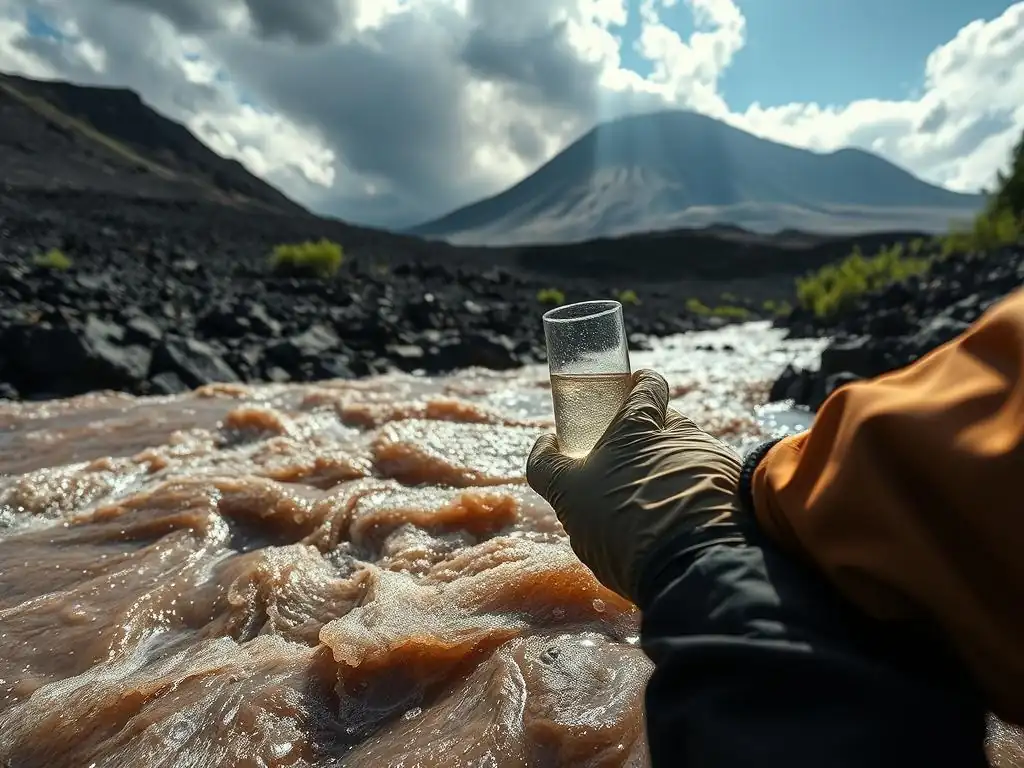
Welcome to Volcano Explorers, where we unravel the mysteries of Earth's fiery giants. But what happens after the eruption? Dive into "The Science of Sediment," our latest exploration into managing volcanic ash water systems, and discover the crucial strategies for safeguarding communities and infrastructure in the aftermath of volcanic fury. The story of ash and water is more complex than you think... prepare to be amazed!
- Introduction to Volcanic Ash and Water Resources
- Challenges of Managing Volcanic Ash in Water Systems
- Strategies for Managing Volcanic Ash in Water Systems
- Case Studies: Successful Ash Management Strategies
- Monitoring and Prediction for Effective Water Management
- Community Engagement and Education for Water Safety
- Future Research and Innovations in Ash Management
- Conclusion: Ensuring Water Security in Volcanic Landscapes
-
Frequently Asked Questions
- How does volcanic ash affect water systems?
- What are the primary challenges in managing volcanic ash in water systems?
- What immediate steps should be taken after volcanic ash contaminates a water supply?
- What long-term strategies can be implemented to protect water systems from volcanic ash?
- What role does sediment play in the overall impact of volcanic ash on water systems?
- Final Reflection: Navigating the Murky Waters Ahead
- Unleash the Power of Prevention: Safeguard Water Resources Now!
Introduction to Volcanic Ash and Water Resources
The Impact of Volcanic Eruptions on Water Systems
Volcanic eruptions are dramatic displays of Earth's power, but their impacts extend far beyond the immediate vicinity of the volcano. One of the most pervasive and often overlooked consequences is the disruption of water systems due to volcanic ashfall. When a volcano erupts, it ejects vast quantities of fragmented rock, minerals, and volcanic glass known as tephra, with ash being the finest fraction.
This ash can be transported hundreds, even thousands, of kilometers downwind, blanketing landscapes and significantly altering water resources. The immediate effects can range from physical contamination of water sources to longer-term changes in water chemistry and flow patterns, posing significant challenges to communities and ecosystems.
The deposition of volcanic ash into water systems can initiate a cascade of environmental problems. Rivers, lakes, and groundwater aquifers are all vulnerable. Ashfall can increase turbidity, making water cloudy and less suitable for drinking or industrial use.
Furthermore, ash particles can carry various chemical components, including fluorine, sulfur, and heavy metals, which can leach into water, altering its chemical composition and potentially making it toxic. The sheer volume of ash can also overwhelm drainage systems, clog waterways, and exacerbate flooding, particularly during periods of heavy rainfall following an eruption. Understanding these multifaceted impacts is crucial for effective management and mitigation strategies.
Understanding Ash Composition and Sedimentation Processes
Volcanic ash is not merely inert dust; its composition and physical properties are complex and directly influence its behavior in water systems. Ash is composed of fine particles of volcanic glass, crystals, and rock fragments, with the mineralogy reflecting the type of magma that fueled the eruption.
For example, ash from explosive eruptions of silica-rich magmas tends to be lighter and finer, capable of traveling greater distances, while ash from basaltic eruptions may be denser and coarser, settling out more quickly. The size distribution of ash particles is also critical, with finer particles remaining suspended in water for longer periods and posing different challenges for treatment compared to coarser sediments.
Sedimentation, the process by which ash particles settle out of water, is a fundamental factor in managing volcanic ash in water systems. The rate of sedimentation is governed by particle size, density, water viscosity, and flow velocity. In still water bodies like lakes, finer ash can remain suspended for weeks or even months, contributing to long-term turbidity.
In rivers and streams, sedimentation patterns are more complex, influenced by flow dynamics and channel morphology. Understanding these sedimentation processes is essential for designing effective water treatment strategies and predicting the long-term impacts of ashfall on water quality and aquatic habitats. Furthermore, the interaction of ash with water can trigger chemical reactions, such as the release of adsorbed gases and the leaching of soluble components, further complicating the management of volcanic ash in water systems.
Challenges of Managing Volcanic Ash in Water Systems
Water Quality Degradation After Volcanic Eruptions
Volcanic ashfall poses a significant threat to water quality, triggering a range of degradation processes that can impact human health and ecosystems. Immediately after an eruption, the most evident impact is increased turbidity. Ash particles suspended in water scatter light, making the water appear cloudy and reducing light penetration, which can inhibit aquatic plant growth and disrupt food chains. For instance, after the 2010 eruption of Eyjafjallajökull in Iceland, rivers and lakes experienced a dramatic increase in turbidity, affecting aquatic life and requiring adjustments to water treatment processes for human consumption.
Beyond turbidity, volcanic ash can introduce a suite of chemical contaminants into water sources. Fluoride is a particularly concerning element often found in volcanic ash, and its leaching into water can lead to elevated fluoride concentrations, potentially causing dental and skeletal fluorosis in humans and livestock if consumed over extended periods. Sulfates, another common component, can increase water acidity and contribute to the corrosion of infrastructure.
Heavy metals like arsenic, lead, and mercury may also be present in ash, although typically in trace amounts. The specific chemical composition of ash varies depending on the volcano and the eruption type, but the potential for water contamination remains a significant concern that necessitates careful monitoring and management following volcanic eruptions.
Increased Sediment Load and Erosion in Volcanic Regions
Volcanic eruptions dramatically increase the sediment load in water systems, leading to a cascade of geomorphic and ecological changes. The sheer volume of ash deposited on the landscape acts as a readily available sediment source, particularly in areas with steep slopes and intense rainfall.
Rainwater easily erodes this loose ash, transporting it into streams and rivers, significantly increasing sediment concentration and altering river channel morphology. For example, after the 1991 eruption of Mount Pinatubo in the Philippines, lahars (volcanic mudflows) and increased sediment load in rivers caused widespread erosion and aggradation of riverbeds, altering drainage patterns and impacting downstream communities for years.
This increased sediment load can have profound effects on river ecosystems. High sediment concentrations can smother aquatic habitats, bury spawning grounds for fish, and reduce light availability for photosynthetic organisms. The abrasive nature of sediment-laden water can also damage aquatic organisms and erode riverbanks, exacerbating erosion and flooding risks. Furthermore, the increased sediment load can reduce the capacity of reservoirs and irrigation canals, impacting water availability for agriculture and other human uses. Managing this heightened sediment load requires integrated approaches, including erosion control measures in the watershed and sediment removal from water infrastructure.
Infrastructure Damage: Ash Accumulation in Water Infrastructure
Volcanic ash poses a significant threat to water infrastructure, from water treatment plants to distribution networks and hydroelectric facilities. The fine, abrasive nature of ash can cause mechanical damage to pumps, valves, and pipelines. Ash can infiltrate and clog filters in water treatment plants, reducing their efficiency and necessitating frequent cleaning and maintenance. For instance, during the 2011 eruption of Puyehue-Cordón Caulle in Chile, ash accumulation forced the temporary shutdown of water treatment plants in nearby towns, disrupting water supply and highlighting the vulnerability of water infrastructure to ashfall.
Ash accumulation can also clog drainage systems, sewer networks, and stormwater infrastructure, leading to urban flooding and sanitation problems. In hydroelectric facilities, ash can accumulate in reservoirs, reducing storage capacity and damaging turbines through abrasion. The economic costs associated with infrastructure damage and repair after volcanic eruptions can be substantial. Protecting water infrastructure requires proactive measures, including designing systems that are more resilient to ash intrusion, implementing emergency response plans for ash removal, and investing in robust maintenance programs to ensure continued functionality in volcanic regions.
Strategies for Managing Volcanic Ash in Water Systems

Emergency Response and Initial Assessment of Water Resources
In the immediate aftermath of a volcanic eruption and ashfall, a rapid and coordinated emergency response is crucial for mitigating the impacts on water resources. The first step involves assessing the extent of ashfall in critical water catchment areas and identifying the most vulnerable water sources.
This assessment should include evaluating the potential for ash contamination in surface water sources like rivers and lakes, as well as groundwater aquifers which can be indirectly affected through infiltration. Initial water quality testing is vital to determine the levels of turbidity, pH, fluoride, and other key parameters to understand the immediate risks to human health and water infrastructure.
Emergency response should prioritize securing safe drinking water supplies for affected communities. This may involve distributing bottled water, establishing temporary water treatment facilities, or identifying and protecting unaffected water sources. Public health advisories are essential to inform communities about the risks of using potentially contaminated water and to provide guidance on safe water collection and storage practices. Coordination between emergency response agencies, water utilities, and public health organizations is paramount to ensure an effective and timely response that minimizes the disruption to water services and protects public health during the emergency phase.
Water Treatment Techniques for Volcanic Ash Removal
Sedimentation and Coagulation Methods
Sedimentation is a fundamental water treatment process that utilizes gravity to remove suspended particles like volcanic ash. In sedimentation tanks or basins, water is allowed to slow down, allowing heavier ash particles to settle to the bottom. This process is particularly effective for removing coarser ash particles. However, finer ash particles can remain suspended for extended periods, requiring additional treatment steps. Sedimentation is often the first stage in a multi-barrier approach to water treatment following volcanic ashfall, reducing the load on subsequent treatment processes.
Coagulation is a chemical process that enhances sedimentation by causing fine ash particles to clump together into larger, heavier aggregates called flocs. Coagulants, such as alum (aluminum sulfate) or ferric chloride, are added to the water, neutralizing the surface charge of the ash particles and promoting flocculation. These flocs settle out more rapidly than individual ash particles, significantly improving the efficiency of sedimentation. Coagulation is particularly useful for treating water with high turbidity due to fine volcanic ash and is a widely used technique in water treatment plants affected by ashfall.
Filtration Systems for Ash and Debris
Filtration is a critical step in removing remaining ash particles and other debris from water after sedimentation and coagulation. Various filtration technologies can be employed, depending on the scale of treatment and the desired water quality. Rapid sand filters are commonly used in conventional water treatment plants and consist of layers of sand and gravel that trap suspended particles as water passes through. These filters require periodic backwashing to remove accumulated solids.
For finer ash particles and improved water quality, membrane filtration technologies such as microfiltration and ultrafiltration can be employed. These systems use membranes with very small pore sizes to physically remove even microscopic particles, including bacteria and viruses, in addition to fine ash. Membrane filtration is more effective at removing turbidity and pathogens than conventional sand filtration but can be more expensive to install and operate. The selection of filtration technology depends on the specific water quality objectives and the resources available for water treatment in volcanic regions.
Disinfection Strategies for Contaminated Water
Disinfection is an essential final step in water treatment to eliminate harmful microorganisms that may be present in water contaminated by volcanic ash or other sources. Chlorination is a widely used disinfection method, where chlorine is added to water to kill bacteria, viruses, and other pathogens. Chlorine is effective, relatively inexpensive, and provides residual disinfection, protecting water from recontamination in the distribution system. However, chlorination can produce disinfection byproducts, and alternative disinfectants may be considered in some cases.
Ultraviolet (UV) disinfection is a physical disinfection method that uses UV light to inactivate microorganisms. UV disinfection is effective against a wide range of pathogens and does not produce disinfection byproducts. However, UV disinfection requires clear water for effective penetration of UV light and does not provide residual disinfection.
Ozonation is another powerful disinfection method that uses ozone gas to oxidize and inactivate microorganisms. Ozone is highly effective but can be more complex and costly to implement compared to chlorination or UV disinfection. The choice of disinfection strategy should be based on factors such as the source water quality, the treatment goals, and the available resources and infrastructure.
Watershed Management for Long-Term Resilience
Erosion Control Measures in Volcanic Landscapes
Long-term management of volcanic ash impacts on water systems requires proactive watershed management strategies, particularly focusing on erosion control. Volcanic ash deposits are highly susceptible to erosion, especially in areas with steep slopes and heavy rainfall. Implementing erosion control measures is crucial to minimize sediment runoff into water bodies and protect water quality over the long term. Techniques such as contour terracing, which involves creating level platforms on slopes, can slow down water runoff and reduce soil erosion.
Mulching, applying a layer of organic material like straw or wood chips to the soil surface, can protect the soil from raindrop impact and reduce erosion. Construction of check dams in gullies and small streams can trap sediment and prevent it from reaching larger water bodies. These dams are typically small barriers built across channels to slow down water flow and promote sediment deposition. Erosion control measures are essential for stabilizing volcanic landscapes and mitigating the long-term impacts of ashfall on water resources.
Reforestation and Vegetation Restoration Strategies
Reforestation and vegetation restoration are vital long-term strategies for enhancing watershed resilience and improving water quality in volcanic landscapes. Vegetation plays a critical role in preventing soil erosion, intercepting rainfall, and improving water infiltration into the ground. Establishing or restoring forest cover in ash-affected areas can significantly reduce sediment runoff into water systems and promote long-term watershed stability. Native plant species adapted to volcanic soils should be prioritized for reforestation efforts to ensure ecological suitability and long-term success.
Riparian buffer zones, vegetated areas along streams and rivers, are particularly important for protecting water quality. These buffer zones filter pollutants from runoff, stabilize riverbanks, and provide habitat for aquatic and terrestrial wildlife. Restoring riparian vegetation can enhance the natural buffering capacity of watersheds and improve the resilience of water systems to volcanic ashfall and other disturbances. Reforestation and vegetation restoration are long-term investments that contribute to sustainable water management and ecosystem health in volcanic regions.
Construction of Sediment Traps and Dams
In strategic locations within volcanic watersheds, the construction of sediment traps and dams can be an effective measure for managing volcanic ash and debris in water systems. Sediment traps are designed to capture sediment-laden runoff before it reaches critical water infrastructure or sensitive water bodies. These traps can be constructed as small basins or ponds that allow sediment to settle out of the water. Regular removal of accumulated sediment is necessary to maintain their effectiveness.
Larger sediment dams can be built across rivers or valleys to create reservoirs that trap sediment and regulate water flow. These dams can provide a more substantial capacity for sediment storage and can also offer benefits for water supply, flood control, and hydropower generation. However, the construction of large dams can have significant environmental and social impacts, and careful planning and environmental assessments are essential. Sediment traps and dams, when strategically implemented, can be valuable tools for managing volcanic ash and debris in water systems and protecting downstream resources and infrastructure.
Case Studies: Successful Ash Management Strategies
Mount St. Helens, USA, 1980: Rapid Response and Long-Term Recovery
The 1980 eruption of Mount St. Helens in Washington State, USA, was a significant volcanic event that deposited substantial ashfall across the Pacific Northwest. The eruption devastated the surrounding landscape and heavily impacted water resources. In the immediate aftermath, emergency response focused on assessing water quality and ensuring safe drinking water supplies for affected communities. Water utilities implemented enhanced filtration and coagulation processes to remove volcanic ash and maintain water service. Public health advisories were issued regarding water safety and collection.
Long-term recovery efforts at Mount St. Helens involved extensive watershed management and ecosystem restoration. The US Geological Survey and other agencies conducted detailed studies of ash impacts on water quality and river systems. Reforestation efforts were initiated to stabilize slopes and reduce erosion in the blast zone and ashfall areas. Sediment traps were constructed in some watersheds to manage increased sediment loads. The Mount St. Helens case demonstrates the importance of both rapid emergency response and long-term, integrated watershed management for recovering from volcanic ash impacts on water resources.
Ruapehu, New Zealand, 1995-96: Protecting Hydroelectric Infrastructure
The 1995-96 eruptions of Mount Ruapehu in New Zealand posed a direct threat to the Tongariro Power Scheme, a major hydroelectric infrastructure that relies on water diverted from volcanic catchments. Volcanic ash and debris were deposited into rivers feeding the power scheme's reservoirs and canals, raising concerns about sedimentation, abrasion damage to turbines, and water quality degradation. To protect the infrastructure, a comprehensive ash management strategy was implemented.
This strategy included real-time monitoring of ashfall and water quality, diversion of ash-laden water away from the power scheme where possible, and enhanced sediment removal processes at water intakes. Sedimentation basins were expanded, and specialized dredging equipment was deployed to remove accumulated ash from canals and reservoirs. The successful protection of the Tongariro Power Scheme during the Ruapehu eruptions highlights the importance of proactive planning, monitoring, and rapid response measures to safeguard critical water infrastructure in volcanic regions.
Lessons Learned and Best Practices for Future Eruptions
From these and other case studies, several key lessons and best practices emerge for managing volcanic ash in water systems. Firstly, proactive planning and preparedness are essential. This includes developing volcanic ash contingency plans for water utilities and emergency response agencies, conducting risk assessments of water infrastructure vulnerability, and establishing monitoring networks for volcanic activity and water quality. Early warning systems for ashfall are crucial for triggering timely responses.
Secondly, a multi-barrier approach to water treatment is necessary, combining sedimentation, coagulation, filtration, and disinfection. The specific treatment processes should be adapted to the characteristics of the volcanic ash and the source water quality. Watershed management and erosion control are critical for long-term resilience, including reforestation, vegetation restoration, and construction of sediment traps. Finally, community engagement and public education are vital for ensuring water safety and promoting community resilience in volcanic regions. Sharing lessons learned and best practices internationally is crucial for improving global preparedness for volcanic ash impacts on water resources.
Monitoring and Prediction for Effective Water Management
Early Warning Systems for Volcanic Ashfall
Effective management of volcanic ash in water systems relies heavily on timely and accurate early warning systems for volcanic eruptions and ashfall. Volcano observatories play a crucial role in monitoring volcanic activity, including seismic activity, ground deformation, gas emissions, and thermal changes, to detect signs of impending eruptions. Real-time monitoring data are used to assess volcanic unrest and issue alerts to relevant authorities and the public. Ashfall prediction models are essential components of early warning systems.
These models use meteorological data, eruption parameters (such as eruption column height and ash particle size distribution), and atmospheric dispersion models to forecast the trajectory, extent, and thickness of ashfall. Improvements in ashfall prediction models are continuously being made through advancements in atmospheric science, volcanology, and computational capabilities. Early warning systems enable proactive measures, such as activating emergency response plans, issuing public warnings, and implementing protective measures for water infrastructure and water sources before ashfall arrives. The timeliness and accuracy of these warnings are critical for minimizing disruption and protecting public health.
Real-Time Water Quality Monitoring Techniques
Following volcanic ashfall, real-time water quality monitoring is essential for rapidly assessing the extent of contamination and guiding water treatment and management decisions. Automated water quality monitoring stations can be deployed in rivers, lakes, and reservoirs to continuously measure parameters such as turbidity, pH, conductivity, dissolved oxygen, and temperature. These stations transmit data wirelessly to central monitoring centers, providing near-instantaneous information on water quality changes.
For specific contaminants of concern in volcanic ash, such as fluoride or heavy metals, specialized sensors and analytical techniques can be used for real-time monitoring. Remote sensing technologies, such as satellite imagery and airborne sensors, can also be used to assess water quality over large areas, particularly for turbidity and algal blooms. Data from real-time monitoring systems are crucial for optimizing water treatment processes, detecting contamination events, and informing public health advisories. Integrating real-time water quality data with early warning systems enhances the effectiveness of water management strategies in volcanic regions.
Modeling Ash Transport and Deposition in Water Systems
Beyond atmospheric ashfall prediction, modeling the transport and deposition of volcanic ash within water systems is crucial for understanding and managing its impacts on water quality and infrastructure. Hydrological models can simulate the flow of water and sediment in rivers, streams, and reservoirs, taking into account the input of volcanic ash from surface runoff and direct deposition. These models can predict the spatial distribution of ash deposition, the accumulation of sediment in reservoirs and river channels, and the changes in water flow patterns due to altered channel morphology.
Water quality models can be coupled with hydrological models to simulate the transport and fate of chemical contaminants leached from volcanic ash, such as fluoride and sulfates. These models can predict the concentration of contaminants at different locations and times, aiding in the assessment of water quality risks and the design of appropriate treatment strategies.
Advanced modeling techniques, such as computational fluid dynamics (CFD), can be used to simulate the detailed flow patterns and sediment transport in complex hydraulic structures, such as water intakes and sedimentation basins, optimizing their design for ash removal. Improved modeling capabilities enhance our ability to predict and manage the complex interactions between volcanic ash and water systems.
Community Engagement and Education for Water Safety
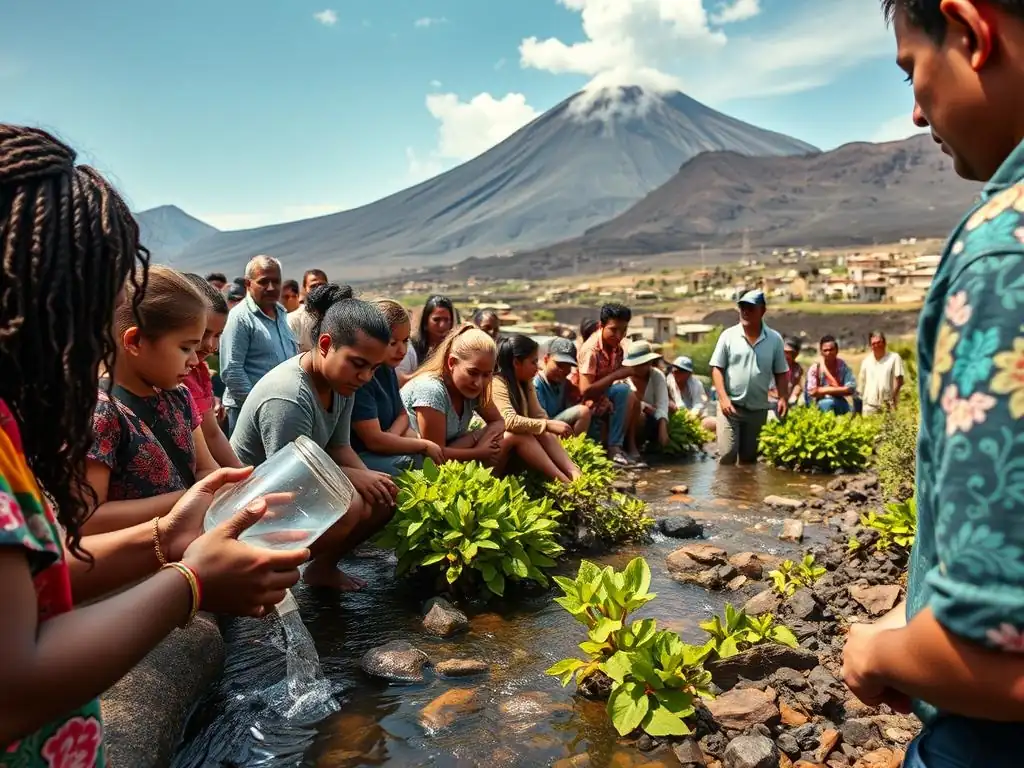
Public Awareness Campaigns on Water Contamination Risks
Public awareness campaigns are vital for educating communities living in volcanic regions about the risks of water contamination from volcanic ash and promoting safe water practices. These campaigns should clearly communicate the potential impacts of ashfall on water quality, including increased turbidity, chemical contamination (such as fluoride), and the risks of waterborne diseases. Information should be disseminated through various channels, including public service announcements, community meetings, brochures, and online platforms, in accessible languages and formats.
The campaigns should provide practical guidance on how to protect water sources from ash contamination, such as covering rainwater harvesting tanks, protecting wells, and avoiding the use of ash-contaminated water for drinking or cooking without treatment. Information on safe water collection, storage, and treatment methods should be provided, including boiling water, using filtration devices, or adding disinfectants. Community engagement should be a two-way process, allowing for feedback from community members and addressing their specific concerns and needs related to water safety.
Training Local Communities in Water Treatment and Conservation
Empowering local communities with the knowledge and skills for water treatment and conservation is crucial for building resilience to volcanic ash impacts. Training programs can be organized to teach community members about simple and effective water treatment methods suitable for household or community-level application. This can include training on constructing and using sand filters, slow sand filters, or bio-sand filters for removing ash and other particulate matter. Training on disinfection methods, such as solar disinfection (SODIS), chlorination using household bleach, or boiling, can also be provided.
Water conservation practices are particularly important in volcanic regions, where water resources may be vulnerable to contamination and disruption. Training programs can promote water-efficient practices in households, agriculture, and other sectors, such as rainwater harvesting, greywater reuse, and efficient irrigation techniques. By building local capacity in water treatment and conservation, communities can become more self-reliant and better prepared to manage water resources in the face of volcanic hazards and other challenges.
Collaborative Approaches to Water Resource Management
Effective water resource management in volcanic regions requires collaborative approaches involving multiple stakeholders, including government agencies, water utilities, scientific institutions, community organizations, and local communities. Integrated water resource management (IWRM) frameworks promote a holistic and participatory approach to water management, considering the interconnectedness of water resources, ecosystems, and human activities. Collaborative platforms can facilitate information sharing, coordination, and joint decision-making among stakeholders.
Volcano observatories and scientific institutions can provide expert advice on volcanic hazards and water quality risks. Government agencies are responsible for policy development, regulation, and resource allocation for water management. Water utilities play a crucial role in water treatment and distribution. Community organizations and local communities are essential partners in implementing water management strategies at the local level and ensuring community ownership and sustainability. Collaborative approaches, based on trust, transparency, and shared responsibility, are essential for achieving sustainable water security in volcanic landscapes.
Future Research and Innovations in Ash Management
Developing Advanced Water Treatment Technologies
Ongoing research and innovation are crucial for developing advanced water treatment technologies that are more effective, efficient, and affordable for removing volcanic ash and associated contaminants from water. Research is needed to optimize existing treatment processes, such as coagulation, flocculation, sedimentation, and filtration, specifically for volcanic ash-laden water. This includes investigating novel coagulants and flocculants, advanced filtration membranes, and improved filter designs.
Emerging technologies, such as nanomaterials and bio-based treatment systems, hold promise for enhancing ash removal and contaminant adsorption. Nanomaterials, such as nano-adsorbents and nano-membranes, can offer high surface area and selectivity for contaminant removal. Bio-based treatment systems, such as constructed wetlands and biofilters, can provide sustainable and cost-effective solutions for water treatment in volcanic regions. Research and development efforts should focus on developing water treatment technologies that are robust, adaptable, and suitable for deployment in resource-constrained settings affected by volcanic eruptions.
Improving Ashfall Prediction Models
Continued improvement of ashfall prediction models is essential for enhancing early warning systems and enabling more proactive management of volcanic ash impacts on water resources. Research efforts are focused on refining atmospheric dispersion models, incorporating more detailed eruption source parameters, and improving the representation of ash particle characteristics and sedimentation processes in the models. Integration of real-time meteorological data and volcanic monitoring data into ashfall prediction models is crucial for enhancing their accuracy and timeliness.
Probabilistic ashfall forecasting, which provides estimates of the likelihood of ashfall exceeding certain thresholds in different areas, is an area of ongoing development. This type of forecasting can be particularly valuable for risk-based decision-making and emergency preparedness planning. Validation of ashfall prediction models using observations from past eruptions and real-time ashfall monitoring data is essential for assessing their accuracy and identifying areas for improvement. Collaborative research efforts involving volcanologists, meteorologists, and computational scientists are crucial for advancing ashfall prediction capabilities.
Exploring Sustainable Water Management Practices in Volcanic Regions
Future research should focus on exploring and promoting sustainable water management practices in volcanic regions that enhance long-term water security and resilience to volcanic hazards. This includes investigating integrated water resource management approaches that consider the specific challenges and opportunities of volcanic landscapes. Research is needed to assess the long-term impacts of volcanic ashfall on water resources, ecosystems, and human communities, and to develop strategies for mitigating these impacts sustainably.
Promoting water-sensitive urban design and planning in volcanic regions is important for minimizing runoff, reducing water demand, and protecting water quality. This includes incorporating green infrastructure, such as green roofs and permeable pavements, into urban areas. Exploring the potential for rainwater harvesting and greywater reuse in volcanic regions can contribute to water conservation and reduce reliance on vulnerable water sources. Research on sustainable water management practices should be interdisciplinary, integrating hydrological, ecological, social, and economic considerations to ensure long-term water security and environmental sustainability in volcanic landscapes.
Conclusion: Ensuring Water Security in Volcanic Landscapes
The Importance of Integrated Water Management Strategies
Ensuring water security in volcanic landscapes is a complex and multifaceted challenge that requires integrated water management strategies. Volcanic ashfall poses a significant threat to water resources, impacting water quality, increasing sediment load, and damaging water infrastructure. Effective management requires a holistic approach that considers the entire water cycle, from source to tap, and integrates emergency response, water treatment, watershed management, monitoring, prediction, community engagement, and long-term planning.
Integrated water management strategies should be tailored to the specific volcanic context, taking into account the type of volcano, the frequency and intensity of eruptions, the local climate, and the socio-economic conditions. Collaboration among stakeholders, including government agencies, water utilities, scientific institutions, communities, and international partners, is essential for successful implementation. A multi-sectoral approach, involving water, environment, health, agriculture, and disaster management sectors, is necessary to address the diverse challenges and opportunities related to water resources in volcanic regions.
Protecting Water Resources for Future Generations
Protecting water resources in volcanic landscapes is not only essential for current populations but also for future generations. Volcanic eruptions are natural events that will continue to occur, and the impacts on water resources can be long-lasting. Sustainable water management practices are crucial for ensuring the long-term availability and quality of water resources for future generations in volcanic regions. This includes responsible water use, conservation, and protection of water sources from contamination.
Investing in resilient water infrastructure, implementing effective watershed management strategies, and promoting community preparedness are essential for building long-term water security. Education and awareness-raising are vital for fostering a culture of water stewardship and ensuring that future generations understand the importance of protecting water resources in volcanic environments. By taking proactive and sustainable measures, we can safeguard water resources for future generations and enhance the resilience of communities living in volcanic landscapes.
Call to Action: Supporting Research and Implementation Efforts
Addressing the challenges of managing volcanic ash in water systems requires a concerted global effort. Increased investment in research and innovation is needed to develop advanced water treatment technologies, improve ashfall prediction models, and explore sustainable water management practices in volcanic regions. Support for volcano observatories and monitoring networks is crucial for enhancing early warning systems and providing timely information for water management decisions.
Capacity building and knowledge sharing are essential for disseminating best practices and lessons learned in ash management to communities and water professionals in volcanic regions worldwide. Collaboration among researchers, practitioners, policymakers, and communities is vital for translating research findings into practical solutions and implementing effective water management strategies. A global call to action is needed to prioritize water security in volcanic landscapes, support research and implementation efforts, and ensure that communities living in these dynamic environments have access to safe and sustainable water resources for generations to come.
Frequently Asked Questions
How does volcanic ash affect water systems?
Volcanic ash can contaminate water sources with sediment, chemicals, and microorganisms, making it unsafe for drinking and damaging infrastructure like pipes and treatment plants. The sheer volume of ash can also overwhelm drainage systems.
What are the primary challenges in managing volcanic ash in water systems?
The main challenges involve rapid assessment of damage, efficient removal of ash, and preventing further contamination. Protecting public health and restoring water services quickly are also critical concerns.
What immediate steps should be taken after volcanic ash contaminates a water supply?
The first steps are to stop using the water immediately, inform the public about the contamination, and initiate water quality testing. Alternative water sources should be secured and distributed.
What long-term strategies can be implemented to protect water systems from volcanic ash?
Long-term strategies include improving filtration systems, constructing ash-resistant infrastructure, and developing comprehensive emergency response plans. Regular monitoring and maintenance are also essential.
What role does sediment play in the overall impact of volcanic ash on water systems?
Sediment, including volcanic ash particles, is the primary contaminant that clogs pipes, damages equipment, and increases the turbidity of the water. Removing this sediment is crucial for restoring water quality.
The science of sediment, particularly in the context of volcanic ash and debris, might seem niche, but its implications are profoundly relevant today. The increasing frequency and intensity of volcanic eruptions, coupled with growing populations near volcanic regions, demand a proactive and informed approach to managing volcanic ash water systems. Ignoring this complex interplay between geology, hydrology, and human infrastructure is a recipe for disaster, underscoring the urgent need for continued research and practical application of the principles discussed.
This exploration into the science of sediment has not only highlighted the technical challenges but also underscored the profound impact these natural events have on communities and ecosystems. Understanding the dynamics of ash and debris in water systems is not merely an academic exercise; it's a vital step towards building resilience and safeguarding vulnerable populations. The best time to plant a tree was 20 years ago. The second best time is now.
This ancient proverb resonates deeply, reminding us that proactive measures, even belatedly, are crucial in mitigating the long-term consequences of volcanic events.
As we conclude this journey through the science of sediment, I invite you to reflect on your own role in promoting resilience and sustainability. Consider how you can contribute to a more informed and prepared society, whether through supporting research, advocating for responsible land management, or simply educating yourself and others about the challenges and opportunities presented by volcanic landscapes. Let us all strive to be stewards of our environment, ensuring that future generations can navigate the murky waters ahead with knowledge, foresight, and a deep respect for the power of nature.
Unleash the Power of Prevention: Safeguard Water Resources Now!
Thank you for exploring the science of sediment and learning how volcanic ash and debris impact our precious water systems. You now understand the critical importance of proactive management in mitigating risks and ensuring access to clean water. Ready to take action?
Here's how you can make a difference:
- Become a Water Protector: Actively monitor local water sources after volcanic activity and report any unusual sediment buildup to your local authorities. This is crucial!
- Explore innovative filtration techniques, perhaps researching DIY water filter designs effective against volcanic ash. Share your findings with your community!
- Spread awareness by sharing this article and discussing the importance of proactive water management in volcanically active regions with friends and family.
What steps will you take to protect our water resources? Share your plans in the comments below!