
Gas Masks and Volcanoes: Your Last Line of Defense Against Invisible Danger

Welcome to Volcano Explorers!
Ever wondered how to truly prepare for nature's most fiery spectacles? Dive into the heart of Volcano Safety & Preparedness and discover the vital role of gas masks and other volcano safety gear essentials. What if the invisible could be more deadly than the lava itself? Unlock the secrets to protecting yourself against volcanic gases and learn what it takes to be truly ready for anything a volcano might throw your way.
- Volcanic Gas Protection: Essential Gear and Strategies for Safe Exploration
- Understanding Volcanic Gas Hazards: An Invisible Threat
- Respirators for Volcanic Environments: Types, Features, and Selection
- Selecting the Right Respirator: Factors to Consider
- Respirator Usage: Procedures and Best Practices
- Comprehensive Volcanic Safety: Beyond Respiratory Protection
- Minimizing Long-Term Exposure Risks: Health Considerations
- Volcanic Safety Checklist: Essential Gear for Safe Exploration
- Conclusion: Prioritizing Safety in Active Volcanic Zones
-
Frequently Asked Questions
- What are the primary dangers associated with volcanic gases?
- Why is a gas mask considered essential volcano safety gear?
- What type of gas mask is recommended for volcanic environments?
- Beyond a gas mask, what other volcano safety gear is crucial?
- How often should I replace the filters on my volcano gas mask?
- Final Reflection: Breathing Easy in the Face of Fury
- Unleash Your Inner Safety Expert!
Volcanic Gas Protection: Essential Gear and Strategies for Safe Exploration
Understanding Volcanic Gas Hazards: An Invisible Threat
Volcanic eruptions are renowned for their spectacular displays of lava, ash, and pyroclastic flows. However, an equally significant, yet often overlooked, danger comes in the form of volcanic gases. These gaseous emissions, released from magma beneath the surface or directly from volcanic vents, can pose serious health risks to those in proximity.
Unlike the more visible hazards, volcanic gases are largely invisible and odorless in low concentrations, making them a silent and insidious threat that necessitates specific protective measures. Understanding the nature of these gases and their potential impacts is the first crucial step in ensuring safety in volcanic regions.
The danger of volcanic gases extends beyond immediate eruption events. Even during periods of relative volcanic quiescence, degassing can occur continuously from vents, fumaroles, and diffuse ground emissions. This constant release means that the risk is not limited to dramatic eruptions but can be present in volcanic areas at any time. Moreover, the effects of volcanic gases can be cumulative, leading to long-term health issues with repeated or prolonged exposure. Therefore, effective protection against these invisible hazards is paramount for anyone exploring or residing near volcanic areas.
Composition of Volcanic Gases: Major Components and Variability
Volcanic gases are a complex mixture, primarily composed of water vapor (H₂O), which often makes up more than 90% of the total emissions. Carbon dioxide (CO₂) is typically the second most abundant gas, followed by sulfur dioxide (SO₂). Other significant components include hydrogen sulfide (H₂S), hydrogen fluoride (HF), hydrogen chloride (HCl), and carbon monoxide (CO), along with trace amounts of other elements and compounds. The exact composition of volcanic gases is highly variable and depends on several factors, including the type of magma, the tectonic setting, and the stage of volcanic activity.
For instance, volcanoes erupting basaltic magma, like those in Hawaii or Iceland, tend to release gases with higher proportions of water vapor and sulfur dioxide. In contrast, volcanoes with more viscous, silica-rich magma, such as Mount St. Helens or Mount Vesuvius, can emit gases with higher concentrations of hydrogen sulfide and hydrogen halides like hydrogen chloride and hydrogen fluoride. Furthermore, the gas composition can change dramatically during different phases of an eruption.
Pre-eruptive degassing might be dominated by CO₂, while during explosive phases, SO₂ and other gases can become more prominent. This variability underscores the need for continuous monitoring and adaptable safety strategies in volcanic environments.
Health Effects of Common Volcanic Gases: Sulfur Dioxide, Carbon Dioxide, Hydrogen Sulfide, Hydrogen Fluoride
Sulfur dioxide (SO₂) is a common volcanic gas that is readily detectable by its pungent, irritating odor at relatively low concentrations. Exposure to SO₂ primarily affects the respiratory system, causing irritation of the nose, throat, and airways. Even short-term exposure to concentrations as low as 1-5 ppm (parts per million) can trigger coughing and throat irritation in sensitive individuals, such as asthmatics.
Higher concentrations, in the range of 10-20 ppm, can lead to more severe respiratory distress, including bronchospasm and pulmonary edema. The 1986 eruption of Mount Ruang in Indonesia, for example, released significant amounts of SO₂, contributing to respiratory problems in nearby populations.
Carbon dioxide (CO₂) is odorless and colorless, making it a particularly insidious hazard. While it is a natural component of the atmosphere, high concentrations of CO₂ can be lethal. Because it is denser than air, CO₂ can accumulate in low-lying areas, displacing oxygen. Concentrations as low as 7-10% can cause rapid unconsciousness and death due to asphyxiation.
The "Lake Nyos disaster" in Cameroon in 1986, where a massive release of CO₂ from the lake bottom suffocated over 1,700 people and thousands of livestock, serves as a stark reminder of the danger of CO₂ accumulation. Hydrogen sulfide (H₂S), often described as having a "rotten egg" smell, is another toxic gas present in volcanic emissions. At low concentrations, it causes eye and respiratory irritation. However, at higher levels, it can quickly paralyze the olfactory nerve, eliminating the warning odor, and leading to rapid loss of consciousness and respiratory failure.
Hydrogen fluoride (HF), even in minute concentrations, is extremely corrosive and dangerous. It can cause severe burns to the skin, eyes, and respiratory tract. Inhalation of HF can lead to pulmonary edema and long-term lung damage. Chronic exposure to even low levels of HF can cause fluorosis, a debilitating condition affecting bones and teeth, particularly a concern in areas downwind of persistently degassing volcanoes, such as near some Icelandic volcanoes.
Detecting Volcanic Gas Presence: Sensory Indicators and Monitoring Tools
While many volcanic gases are invisible, some can be detected through sensory indicators, especially at higher concentrations. The pungent, choking odor of sulfur dioxide (SO₂) is often the most readily identifiable sign of volcanic gas presence. A "rotten egg" smell may indicate hydrogen sulfide (H₂S), although be warned that this sense can quickly fatigue and become unreliable at dangerous concentrations.
Visible haze or smog downwind of a volcanic vent can also suggest the presence of volcanic gases and aerosols. Changes in vegetation, such as dying or stressed plants in areas surrounding volcanic vents, can be another indirect indicator of gas exposure, particularly from soil degassing.
However, relying solely on senses for gas detection is highly unreliable and dangerous. Many hazardous volcanic gases, like carbon dioxide (CO₂) and carbon monoxide (CO), are odorless and colorless. Furthermore, the concentrations at which sensory detection becomes possible may already be hazardous to health.
Therefore, for reliable and safe detection, especially in areas with potential for significant gas release, monitoring tools are essential. Portable gas detectors, specifically designed to measure concentrations of gases like SO₂, CO₂, H₂S, and CO₂, are crucial for volcanologists and anyone working or exploring in volcanic regions.
These devices provide real-time measurements and alarms, allowing for informed decisions and timely evacuation if gas levels become dangerous. More sophisticated monitoring networks around active volcanoes often employ permanent gas sensors, meteorological stations, and spectroscopic instruments like COSPEC (Correlation Spectrometer) or DOAS (Differential Optical Absorption Spectroscopy) to continuously track gas emissions and plume characteristics, providing crucial data for hazard assessment and public safety warnings.
Respirators for Volcanic Environments: Types, Features, and Selection
Respirators are the cornerstone of personal protective equipment (PPE) against the invisible threat of volcanic gases. They act as a critical barrier, filtering out or supplying clean air, thus preventing inhalation of harmful substances. In volcanic environments, where the air can be laden with toxic gases and fine particulate matter (ash), respirators are not merely recommended – they are essential for safeguarding respiratory health. Choosing the right type of respirator and ensuring its proper fit and function are vital steps in mitigating the risks associated with volcanic gas exposure.
The selection of a respirator depends heavily on the specific hazards present, the concentration of gases, and the duration of exposure. For volcanic environments, respirators must be capable of filtering out a range of contaminants, including acidic gases like sulfur dioxide and hydrogen sulfide, as well as particulate matter like volcanic ash. Understanding the different types of respirators available, their features, and limitations is crucial for making an informed decision that provides adequate protection in the dynamic and often unpredictable conditions around volcanoes.
Types of Respirators: Air-Purifying and Supplied-Air Respirators
There are two primary categories of respirators: air-purifying respirators (APRs) and supplied-air respirators (SARs). Air-purifying respirators work by filtering contaminants directly from the ambient air before it is inhaled by the user. These respirators rely on cartridges or filters to remove specific pollutants.
APRs are generally lighter, more portable, and less cumbersome than SARs, making them suitable for many volcanic exploration and monitoring activities, particularly where mobility is important and contaminant concentrations are not immediately life-threatening. Common types of APRs include elastomeric half-face respirators and full-face respirators. Half-face respirators cover the nose and mouth, while full-face respirators provide protection for the entire face, including the eyes, which is beneficial in volcanic ash environments.
Supplied-air respirators, on the other hand, provide clean, breathable air from an external source, completely independent of the surrounding atmosphere. This external air source can be compressed air tanks (SCBA - Self-Contained Breathing Apparatus) or an air compressor that pumps air through a hose to the respirator (airline respirators). SARs offer the highest level of respiratory protection, especially in environments with very high concentrations of contaminants or oxygen deficiency.
SCBA is often used by first responders and in emergency situations where the atmosphere is immediately dangerous to life or health (IDLH). Airline respirators are more suitable for extended work periods in contaminated environments where a stationary air source is available, but they are less mobile than APRs or SCBA.
For most volcanic exploration and monitoring scenarios, APRs, specifically those with appropriate filters for volcanic gases and particulates, are typically sufficient and more practical. However, in situations involving very high gas concentrations or confined spaces with potential oxygen depletion near active vents or fumaroles, SARs may be necessary and should be considered in risk assessments.
Essential Respirator Features: Filter Compatibility, Fit, and Material Durability
Selecting an effective respirator for volcanic environments goes beyond simply choosing between air-purifying and supplied-air types. Several key features are crucial to ensure optimal protection and user comfort. Filter compatibility is paramount. The respirator must be designed to accept filters that are specifically rated for the types of volcanic gases and particulates expected.
This usually means using combination filters that offer protection against both acid gases (like SO₂, HCl, HF) and particulate matter (like volcanic ash). The respirator material itself should be durable and resistant to degradation from volcanic gases and environmental conditions, such as UV radiation and temperature fluctuations. Elastomeric materials like silicone or certain types of rubber are commonly used for respirator facepieces because of their durability, flexibility, and ability to create a good seal.
Fit is arguably the most critical feature of any respirator. A respirator can only provide effective protection if it forms a tight seal against the wearer's face, preventing contaminated air from leaking in around the edges. A poor fit renders even the most advanced filter ineffective. Features that contribute to good fit include adjustable straps, multiple sizes to accommodate different facial shapes, and a pliable facepiece material that conforms to facial contours.
Additionally, comfort features are important for ensuring consistent and prolonged respirator use. These can include lightweight design, good ventilation to minimize heat buildup inside the mask, and a comfortable harness system. For volcanic environments, where users might be wearing respirators for extended periods in challenging conditions, comfort directly impacts compliance and therefore, overall safety.
Filter Selection: Matching Filters to Specific Volcanic Gases
The effectiveness of an air-purifying respirator hinges on the correct selection of filters. Filters are designed to remove specific types of contaminants from the air. For volcanic environments, a combination filter is generally required to address the multi-hazard nature of volcanic emissions, which include both gases and particulate matter.
Specifically, filters should be rated for acid gases, such as sulfur dioxide (SO₂), hydrogen chloride (HCl), and hydrogen fluoride (HF), as these are common and highly irritating volcanic gases. Filters with an "acid gas" rating (often indicated by a color code, such as yellow) are designed to neutralize these acidic compounds.
In addition to acid gases, volcanic ash is a significant particulate hazard. Therefore, filters must also provide protection against particulate matter. High-efficiency particulate air (HEPA) filters, or filters rated as P100, N100, or R100 according to NIOSH (National Institute for Occupational Safety and Health) standards, offer excellent filtration of fine particles, including volcanic ash.
A combination filter that is both acid gas and particulate-rated (e.g., an acid gas/P100 cartridge) is often the best choice for general volcanic exploration and monitoring. It is crucial to check the manufacturer's specifications and NIOSH approval ratings to ensure that the selected filters are appropriate for the anticipated volcanic gas hazards and particulate concentrations. Furthermore, filters have a limited service life and must be replaced regularly according to the manufacturer's recommendations or when breathing resistance increases, or if damage is observed.
The lifespan of a filter is affected by the concentration of contaminants and breathing rate. In environments with high volcanic gas concentrations or heavy ashfall, filters will need to be changed more frequently.
Achieving a Proper Fit: Fit Testing and Adjustment Techniques
Even the best respirator and filters are useless if the respirator doesn't fit properly. A proper fit creates a tight seal between the respirator facepiece and the wearer's face, preventing contaminated air from leaking around the edges. Achieving a good fit requires both selecting the correct size and performing a fit test.
Respirators come in various sizes (small, medium, large) to accommodate different facial shapes and sizes. It's crucial to try on different sizes to determine the best fit. Once a respirator of the correct size is selected, a fit test should be conducted.
There are two main types of fit testing: qualitative and quantitative. Qualitative fit testing is a pass/fail test that relies on the wearer's senses to detect a challenge agent, such as a bitter or sweet-tasting aerosol, inside the respirator. If the wearer can taste or smell the challenge agent while wearing the respirator and filter, it indicates a leak and a poor fit.
Quantitative fit testing uses specialized equipment to measure the amount of leakage into the respirator. This method provides a numerical fit factor, offering a more objective assessment of fit. Quantitative fit testing is generally recommended for more critical applications or when required by regulations.
Regardless of the type of fit test, it's essential to perform a user seal check every time the respirator is donned. This involves blocking the exhalation valve (for respirators with exhalation valves) or covering the filter inlets and gently inhaling. The respirator should collapse slightly against the face, and no air should leak in.
Conversely, when exhaling while blocking the inhalation ports, a slight positive pressure should build up without leakage. Adjusting the straps and repositioning the respirator may be necessary to achieve a proper seal. Facial hair, such as beards or mustaches that interfere with the sealing surface of the respirator, can prevent a good fit and should be avoided or carefully managed when respirator use is required.
Respirator Maintenance: Inspection, Cleaning, and Storage
Proper maintenance is crucial for ensuring the continued effectiveness and longevity of respirators. Regular inspection, cleaning, and storage are essential components of a respirator maintenance program. Before each use, respirators should be thoroughly inspected for any signs of damage, wear, or deterioration. This includes checking the facepiece for cracks, tears, and distortion; inspecting straps for elasticity and breaks; examining valves for proper function and debris; and verifying that filters are correctly installed and not expired or damaged. Any damaged or worn parts should be replaced immediately.
After each use, respirators should be cleaned and disinfected to remove contaminants and prevent the growth of bacteria and fungi. Cleaning procedures vary depending on the respirator type and manufacturer's recommendations, but generally involve wiping down the facepiece with mild soap and water or disinfectant wipes specifically designed for respirators. Filters are generally not washable and should be replaced when they are spent or contaminated.
Respirators should be allowed to air dry completely after cleaning before being stored. Proper storage protects respirators from physical damage, contamination, and extreme temperatures. Respirators should be stored in a clean, dry place away from direct sunlight, chemicals, and extreme temperatures.
Storing them in sealed plastic bags or containers can help protect them from dust and contamination. Regularly scheduled maintenance, including thorough cleaning and inspection, not only ensures the respirator's functionality but also extends its lifespan, making it a reliable piece of safety equipment for repeated use in volcanic environments.
Selecting the Right Respirator: Factors to Consider
Choosing the "right" respirator for volcanic environments is not a one-size-fits-all decision. It requires careful consideration of several factors to ensure adequate protection while balancing practicality and cost. The ideal respirator is one that effectively mitigates the specific risks present, is comfortable enough to be worn consistently, and is appropriate for the intended duration and nature of the activity. Ignoring any of these factors can compromise safety and potentially lead to health consequences.
The selection process should be based on a thorough assessment of the potential hazards, the level of risk, and the specific operational requirements. Factors such as the anticipated gas concentrations, the duration of exposure, the physical demands of the task, and budgetary constraints all play a role in determining the most suitable respirator for a given volcanic environment. A systematic approach to respirator selection ensures that the chosen equipment provides the necessary level of protection without imposing undue burden or limitations on the user.
Exposure Risk Assessment: Proximity and Duration of Exposure
The level of respiratory protection needed is directly proportional to the exposure risk, which is primarily determined by proximity to volcanic gas sources and the anticipated duration of exposure. Individuals working or exploring very close to active volcanic vents, fumaroles, or degassing areas face a significantly higher risk than those further away. Proximity dictates the potential concentration of volcanic gases encountered.
Gas concentrations are typically highest near the source and decrease with distance as gases disperse and dilute in the atmosphere. Therefore, those venturing into areas immediately adjacent to active vents need respirators offering a higher level of protection, possibly including supplied-air respirators if gas concentrations are extremely high or oxygen levels are potentially reduced.
Duration of exposure is another critical factor. Short-term exposure to low concentrations of volcanic gases may be tolerable with basic respiratory protection, such as a half-face air-purifying respirator with appropriate filters. However, prolonged exposure, even to relatively low concentrations, can lead to cumulative health effects and necessitate more robust protection.
For example, volcanologists conducting long-term monitoring or researchers spending extended periods in volcanic areas require respirators that are comfortable for extended wear and offer sustained protection over hours or even days. In situations involving prolonged exposure or high-risk zones, a full-face respirator may be preferable to a half-face respirator for enhanced facial protection and to reduce the risk of eye irritation from volcanic gases and ash. A comprehensive risk assessment, considering both proximity and duration, is essential for determining the appropriate level of respiratory protection and selecting the right type of respirator and filters.
Volcano Activity Level: Influence on Gas Concentrations and Composition
The current activity level of a volcano is a major determinant of the type and concentration of volcanic gases that may be present. During periods of heightened volcanic activity, such as before, during, or after an eruption, gas emissions typically increase significantly, and the composition of gases can also change.
Increased degassing rates mean higher concentrations of gases in the surrounding atmosphere, requiring more effective respiratory protection. For instance, during periods of unrest at volcanoes like Popocatépetl in Mexico or Mount Etna in Italy, gas plumes become more prominent, and SO₂ levels in nearby communities can rise, prompting public health advisories and recommendations for respiratory protection.
Volcanoes in different stages of activity pose different gas hazards. Actively erupting volcanoes, particularly those with explosive eruptions, can release massive quantities of SO₂, H₂S, and other gases in short bursts. Effusive eruptions, characterized by lava flows, may have lower overall gas emission rates but can still produce significant local concentrations of gases around vents and lava flow margins. Even volcanoes considered dormant or quiescent can still emit gases from fumaroles and hydrothermal systems.
The type of volcanic activity dictates not only the concentration but also the specific mix of gases. For example, volcanoes undergoing phreatic eruptions, which involve steam explosions, may release more water vapor and less magmatic gas compared to volcanoes experiencing Strombolian or Plinian eruptions. Monitoring volcanic activity levels through official sources, such as volcano observatories and geological surveys, is crucial for assessing the potential gas hazards and selecting appropriate respiratory protection measures.
Budget and Availability: Balancing Cost and Performance
While safety should always be the top priority, budget and availability are practical considerations when selecting respirators, particularly for organizations or individuals operating with limited resources. Respirators range in price from relatively inexpensive disposable respirators to more costly reusable elastomeric respirators and supplied-air systems. Disposable respirators, while convenient and affordable for short-duration tasks or emergency use, are generally not suitable for prolonged use or high-hazard environments due to their limited filter capacity and durability.
Reusable elastomeric respirators, such as half-face and full-face models, offer a balance of cost-effectiveness and performance. They are more expensive upfront than disposable respirators but are more durable, offer better fit and protection when properly selected and maintained, and are more economical in the long run because only filters need to be replaced.
Supplied-air respirators, especially SCBA, represent the highest level of protection but are also the most expensive and require specialized training and maintenance. They are typically reserved for situations where the atmospheric hazards are immediately dangerous to life or health or where very high levels of protection are mandated. Availability can also be a factor, particularly in remote volcanic regions or during emergencies when demand for respirators may surge.
Ensuring a reliable supply chain for respirators and filters is important, especially for volcano observatories, emergency response teams, and communities living near active volcanoes. Balancing budget constraints with performance requirements involves selecting respirators that provide adequate protection for the identified hazards while remaining within reasonable financial means and ensuring consistent availability of replacement parts and filters. Prioritizing reusable elastomeric respirators with appropriate combination filters often represents a cost-effective and practical solution for many volcanic safety applications.
Recommended Respirator Models: NIOSH-Approved Options for Volcanic Environments
For volcanic environments, NIOSH-approved respirators are highly recommended as they meet stringent performance standards for respiratory protection. For air-purifying respirators, elastomeric half-face or full-face respirators equipped with combination cartridges are generally suitable. A commonly recommended filter type is a combination acid gas/P100 cartridge. The P100 rating ensures high efficiency filtration of particulate matter, including volcanic ash, while the acid gas component protects against common volcanic gases like sulfur dioxide, hydrogen sulfide, and hydrogen chloride.
Specific NIOSH-approved models from reputable manufacturers, such as 3M, Honeywell, and MSA, that are often recommended for volcanic environments include the 3M 7500 Series Half Facepiece Respirator paired with 3M 6000 Series Acid Gas/P100 cartridges, or the Honeywell North 7700 Series Half Mask Respirator with North N750036 Acid Gas/P100 cartridges. Full-face respirators, like the 3M 6800 Full Facepiece Respirator or the MSA Advantage 4200 Full-Face Respirator, offer enhanced protection, including eye protection, and are recommended for situations with high ash concentrations or when eye irritation from volcanic gases is a concern.
For situations requiring the highest level of protection, such as working in confined spaces near volcanic vents or responding to major gas releases, supplied-air respirators like SCBA (Self-Contained Breathing Apparatus) should be considered. It is crucial to verify that any selected respirator is NIOSH-approved and that the filters are appropriate for the specific volcanic gas hazards anticipated.
Consulting with respiratory protection specialists or industrial hygienists can provide valuable guidance in selecting the most suitable respirator model for specific volcanic environments and tasks.
Respirator Usage: Procedures and Best Practices
Effective respirator use goes beyond simply having the right equipment. Proper procedures for donning, doffing, seal checking, and integration with other PPE are critical to ensure that respirators provide the intended level of protection in volcanic environments. Incorrect usage can significantly reduce respirator effectiveness and expose the wearer to hazardous gases and particulates, negating the benefits of wearing a respirator in the first place. Therefore, training and adherence to best practices are as important as the respirator itself.
Standardized procedures and consistent application of best practices are essential for maximizing respirator performance and minimizing the risk of exposure. These procedures should cover all aspects of respirator use, from pre-use checks to post-use maintenance, and should be regularly reinforced through training and drills, especially for individuals working in or exploring volcanic areas where respirator use is a routine safety measure.
Donning and Doffing: Minimizing Skin and Clothing Contamination
The procedures for donning (putting on) and doffing (taking off) a respirator are critical to prevent contamination of the skin and clothing. When donning a respirator, hands should be clean to avoid transferring dirt or contaminants to the facepiece or filter. Inspect the respirator for any damage or wear before putting it on.
Position the respirator on the face, ensuring it covers the nose and mouth (for half-face respirators) or the entire face (for full-face respirators). Secure the straps, starting with the lower straps, and then adjust the upper straps to achieve a snug and comfortable fit. Avoid overtightening the straps, which can cause discomfort and pressure points.
When doffing a respirator, the reverse procedure should be followed, again with clean hands. Loosen and remove the straps, and carefully remove the respirator from the face, pulling it forward and away from the body. Avoid touching the filter area of the respirator to prevent transferring any captured contaminants to the hands or clothing.
After doffing, respirators should be stored properly or cleaned and disinfected if they are reusable. If clothing or skin becomes potentially contaminated during respirator use in a volcanic environment, decontamination procedures may be necessary, such as washing hands and face thoroughly with soap and water and changing contaminated clothing as soon as possible to minimize further exposure. Proper donning and doffing techniques minimize the risk of self-contamination and ensure that the respirator continues to provide effective protection with each use.
Seal Check Procedures: Ensuring Effective Protection
A user seal check must be performed every time a respirator is donned to ensure that a proper seal has been achieved and that no contaminated air is leaking into the facepiece. There are two common types of user seal checks: positive pressure and negative pressure checks. For a positive pressure check, gently exhale while blocking the exhalation valve with a hand (for respirators with exhalation valves) or covering the filter inlets.
A slight positive pressure should build up inside the facepiece, and no air should leak out around the edges of the seal. Any leakage indicates a poor seal, and the respirator needs to be readjusted or repositioned.
For a negative pressure check, gently inhale while blocking the filter inlets. The facepiece should collapse slightly against the face, and no air should leak in. If air leaks in, it indicates a poor seal, and adjustments are needed. If a proper seal cannot be achieved after adjustments, the respirator may be the wrong size, damaged, or improperly donned.
In such cases, a different respirator should be tried, or the donning procedure should be reviewed. User seal checks are quick and simple to perform but are essential for verifying that the respirator is providing the intended protection. They should be conducted immediately after donning and periodically throughout the work period, especially if the respirator is bumped or moved, to ensure continuous effective respiratory protection in volcanic environments.
Integration with Other PPE: Eye Protection, Clothing, and Communication Devices
Respiratory protection is often just one component of a comprehensive personal protective equipment (PPE) ensemble required in volcanic environments. Effective integration of respirators with other PPE items, such as eye protection, protective clothing, and communication devices, is crucial for overall safety and operational effectiveness. Eye protection, in the form of goggles or a full-face respirator, is essential to protect the eyes from volcanic ash, gas-induced irritation, and potential projectile hazards.
Goggles should fit snugly and comfortably with the respirator to prevent gaps that could allow contaminants to enter. Full-face respirators inherently provide eye protection and are often preferred in high ash or gas concentration environments.
Protective clothing, including long sleeves, pants, gloves, and sturdy footwear, is necessary to shield the skin from volcanic ash, thermal radiation, and contact with potentially acidic volcanic deposits. Clothing should be made of durable, non-synthetic materials that offer some protection against heat and abrasion. Gloves protect hands from contact hazards and should be compatible with respirator use, allowing for dexterity in adjusting respirator straps or filters.
Communication devices, such as two-way radios or satellite communicators, are vital for maintaining contact with team members, especially in noisy or remote volcanic areas. These devices should be compatible with respirator and other PPE use, allowing for clear communication without compromising safety. Integrating all PPE components effectively ensures comprehensive protection and enables safe and efficient operations in challenging volcanic environments.
Comprehensive Volcanic Safety: Beyond Respiratory Protection
While respiratory protection is a critical element of volcanic safety, it is only one piece of a larger puzzle. Comprehensive volcanic safety encompasses a range of measures that extend beyond just wearing a respirator. It involves continuous monitoring of volcanic activity, thorough evacuation planning, recognizing warning signs, and understanding the broader health considerations associated with volcanic hazards. A holistic approach to safety is essential for minimizing risks and ensuring the well-being of individuals living in or exploring volcanic regions.
Effective volcanic safety requires a multi-faceted strategy that integrates preparedness, awareness, and appropriate responses to changing volcanic conditions. Relying solely on respiratory protection without addressing other aspects of volcanic hazards can create a false sense of security and leave individuals vulnerable to other dangers. A comprehensive safety framework acknowledges the interconnectedness of various volcanic hazards and promotes a proactive and informed approach to risk management.
Monitoring Volcanic Activity: Official Sources and Real-Time Data
Staying informed about the current activity level of a volcano is paramount for volcanic safety. Reliable and up-to-date information is essential for making informed decisions about safety measures and potential evacuations. Official sources, such as volcano observatories, geological surveys, and emergency management agencies, are the primary providers of accurate and timely information on volcanic activity. These organizations monitor volcanoes using a variety of instruments, including seismometers, gas sensors, GPS stations, and satellite imagery, to detect changes in volcanic behavior.
Real-time data and alerts are often available through official websites, social media channels, and emergency alert systems. Volcano observatories issue regular reports, alerts, and hazard assessments that describe the current volcanic activity level, potential hazards, and recommended safety actions. Understanding volcano alert levels and associated warnings is crucial for interpreting official communications and taking appropriate precautions.
For example, the USGS (United States Geological Survey) Volcano Hazards Program and similar agencies in other countries provide volcano activity updates and hazard information that are invaluable for public safety and informed decision-making in volcanic regions. Regularly checking official sources for the latest volcano activity information is a fundamental step in volcanic safety preparedness.
Evacuation Planning: Routes and Emergency Procedures
Evacuation planning is a critical component of volcanic safety, especially for communities living near active volcanoes. Pre-established evacuation routes, designated safe zones, and well-communicated emergency procedures are essential for ensuring orderly and timely evacuations in the event of increased volcanic activity or imminent eruption. Evacuation plans should be developed in coordination with local emergency management agencies, volcano observatories, and community leaders. These plans should consider various eruption scenarios, including different types of volcanic hazards and potential impacts on infrastructure and transportation routes.
Evacuation routes should be clearly marked and regularly maintained to ensure accessibility. Multiple evacuation routes are preferable to avoid bottlenecks and provide alternative options in case of road closures or other disruptions. Designated safe zones should be located outside of potential hazard zones, such as pyroclastic flow paths, lahar valleys, and areas prone to heavy ashfall or gas accumulation.
Emergency procedures should outline the steps to take during an evacuation, including when to evacuate, where to go, what to bring, and how to stay informed. Regular evacuation drills and community education programs are essential for familiarizing residents with evacuation plans and procedures, ensuring a coordinated and effective response when an evacuation is necessary. Effective evacuation planning can significantly reduce casualties and minimize the impact of volcanic eruptions on affected communities.
Recognizing Warning Signs: Identifying Increasing Risk Levels
Being able to recognize warning signs of increasing volcanic risk is crucial for proactive safety measures. Volcanoes often exhibit a range of precursory phenomena before an eruption, although not all eruptions are preceded by clear warnings, and the specific warning signs can vary from volcano to volcano. Common warning signs include increased frequency or intensity of earthquakes, changes in gas emissions (such as increased gas flux or changes in gas composition), ground deformation (swelling or tilting of the volcano's surface), increased steam or fumarole activity, and changes in thermal output.
Observing these warning signs, especially in combination or with increasing intensity, should trigger heightened awareness and precautionary measures. It is important to distinguish between normal volcanic activity and anomalies that may indicate escalating risk. Official volcano observatories continuously monitor these parameters and issue alerts when significant changes are detected.
However, individuals in volcanic areas should also be aware of these warning signs and know how to report observations to the appropriate authorities. Community education programs can play a vital role in raising awareness of volcanic warning signs and promoting a culture of vigilance and preparedness. Early recognition of warning signs and prompt response can significantly enhance safety and allow for timely evacuations or other protective actions.
Minimizing Long-Term Exposure Risks: Health Considerations
Beyond the immediate dangers of volcanic eruptions, long-term exposure to volcanic gases and ash can pose chronic health risks. Minimizing these long-term exposure risks requires ongoing health monitoring and specific considerations for vulnerable individuals. While respirators and other protective measures are effective in reducing acute exposures, cumulative exposure over time can still have subtle but significant health impacts. Understanding these long-term risks and implementing appropriate health management strategies are essential for safeguarding the well-being of people living in volcanic regions.
Long-term health considerations are particularly relevant for communities that experience frequent or persistent volcanic activity. Chronic exposure to low levels of volcanic gases and ash can lead to a range of respiratory and cardiovascular problems, especially in sensitive populations. Proactive health management and preventive measures are crucial for mitigating these long-term risks and promoting the long-term health and resilience of volcanic communities.
Health Monitoring: Recommended Check-ups and Tests
Regular health monitoring is recommended for individuals who live or work in areas with ongoing volcanic gas exposure or frequent ashfall. This is particularly important for those with pre-existing respiratory conditions, children, and the elderly, who are often more vulnerable to the effects of air pollution. Health monitoring may include regular check-ups with a physician, focusing on respiratory health and cardiovascular function. Pulmonary function tests (spirometry) can assess lung capacity and airflow, helping to detect early signs of respiratory impairment. Monitoring for symptoms such as chronic cough, shortness of breath, wheezing, and eye or throat irritation is also important.
For individuals with significant or prolonged volcanic gas exposure, more specialized tests may be recommended, such as blood tests to assess fluoride levels (in areas with hydrogen fluoride emissions) or heavy metal exposure. Occupational health monitoring programs are crucial for workers in volcanic areas, such as volcanologists, park rangers, and geothermal workers, who may have higher levels of exposure.
These programs should include baseline health assessments, periodic monitoring, and appropriate medical follow-up for any identified health issues related to volcanic exposures. Early detection and management of health problems associated with volcanic hazards can improve health outcomes and quality of life for affected individuals.
Protecting Vulnerable Individuals: Special Considerations for Children and Those with Respiratory Conditions
Children, the elderly, and individuals with pre-existing respiratory conditions, such as asthma or chronic obstructive pulmonary disease (COPD), are particularly vulnerable to the health effects of volcanic gases and ash. Their respiratory systems are often more sensitive and less resilient to environmental pollutants. Special considerations are necessary to protect these vulnerable populations in volcanic regions. During periods of increased volcanic activity or high gas/ash concentrations, vulnerable individuals should take extra precautions, such as staying indoors, minimizing outdoor activities, and using appropriate respiratory protection even at lower exposure levels.
Schools and childcare facilities in volcanic areas should have specific plans to protect children from volcanic hazards, including indoor air quality management, respirator use protocols (where appropriate and feasible), and evacuation procedures. Healthcare providers in volcanic regions should be aware of the potential health impacts of volcanic exposures and provide tailored advice and care to vulnerable patients. Public health campaigns should target vulnerable populations with specific information and resources on how to minimize their risks.
For example, providing guidance on home air filtration, proper respirator use for children (with appropriately sized respirators), and strategies for managing pre-existing respiratory conditions during volcanic events. Protecting vulnerable individuals requires a community-wide effort involving healthcare providers, schools, emergency managers, and public health agencies, ensuring that the needs of these sensitive populations are adequately addressed in volcanic safety planning and response.
Volcanic Safety Checklist: Essential Gear for Safe Exploration
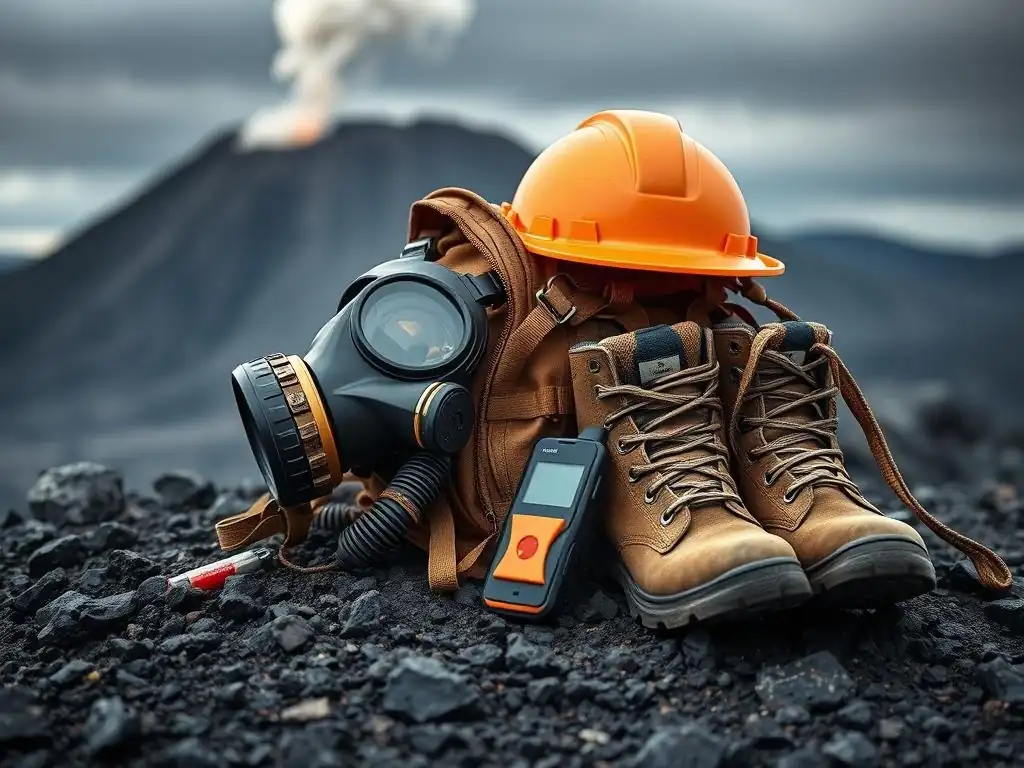
Venturing into volcanic areas, even for observation or research, requires careful preparation and the right safety gear. This checklist summarizes the essential equipment for safe volcanic exploration, emphasizing respiratory protection as a cornerstone of personal safety. Having these items readily available and knowing how to use them correctly can significantly mitigate the risks associated with volcanic hazards. This checklist serves as a quick reference guide to ensure that critical safety equipment is not overlooked before entering a volcanic environment.
This checklist focuses on personal safety gear and should be supplemented with other essential preparations, such as informing others of your plans, checking weather conditions, and being aware of potential geological hazards beyond gas and ash. Safety in volcanic environments is a combination of proper equipment, knowledge, preparedness, and respect for the power and unpredictability of nature.
Respirator and Filters: Compatibility, Fit, and Functionality
- NIOSH-approved respirator: Elastomeric half-face or full-face respirator.
- Combination acid gas/P100 filters: Ensure filters are compatible with the respirator and appropriate for volcanic gases and ash.
- Extra filters: Carry spare filters in sealed bags, as filter lifespan can be limited by gas concentrations and ash.
- Fit testing documentation (if applicable): Confirmation of proper respirator fit for each user.
- Respirator user manual: Familiarize yourself with proper donning, doffing, seal checking, and maintenance procedures.
Eye Protection: Goggles or Full-Face Shield
- Goggles: Seal tightly to the face, indirectly vented or non-vented to prevent ash and gas entry.
- Alternatively, Full-face respirator: Provides integrated eye and respiratory protection.
- Anti-fog coating or wipes: To maintain clear vision, especially in humid or cold conditions.
Protective Clothing: Long Sleeves, Pants, and Gloves
- Long-sleeved shirts and pants: Made of durable, non-synthetic material (cotton or natural blends preferred for heat resistance).
- Gloves: Heat-resistant and chemical-resistant gloves to protect hands from ash, acidic deposits, and heat.
- Sturdy, closed-toe footwear: Hiking boots or work boots with good ankle support.
- Hat or helmet: Wide-brimmed hat for sun protection and minimal protection from small falling debris or ash. Consider a hard hat in areas with potential rockfall.
Communication Devices: Two-Way Radios or Satellite Communicators
- Two-way radios: For communication within a team, ensure sufficient range for the volcanic area.
- Satellite communicator or satellite phone: For communication in remote areas without cell service, especially for emergencies.
- Spare batteries or power banks: To ensure devices remain operational throughout the exploration.
First-Aid Kit: Treatment for Respiratory Irritation and Burns
- Basic first-aid supplies: Bandages, antiseptic wipes, pain relievers.
- Eye wash solution: For flushing out volcanic ash or irritants from eyes.
- Emergency inhaler (if applicable): For individuals with asthma or respiratory conditions.
- Burn cream or gel: For minor burns from hot rocks or fumaroles (seek professional medical attention for significant burns).
- Information on local emergency services and evacuation procedures.
Conclusion: Prioritizing Safety in Active Volcanic Zones
Active volcanic zones are environments of immense geological power and breathtaking beauty, but they also present significant and often invisible hazards. Prioritizing safety in these dynamic landscapes is not merely a recommendation – it is an absolute necessity. Respiratory protection, particularly through the use of properly selected, fitted, and maintained respirators, stands as the last line of defense against the insidious threat of volcanic gases. However, effective volcanic safety extends far beyond just wearing a gas mask. It requires a comprehensive approach that integrates knowledge, preparedness, appropriate equipment, and a deep respect for the inherent risks.
By understanding the nature of volcanic gas hazards, selecting and using respirators correctly, staying informed about volcanic activity, and adhering to comprehensive safety protocols, individuals can significantly reduce their risk and explore volcanic environments more safely. Volcanic exploration and research can be both rewarding and scientifically valuable, but they must always be conducted with safety as the paramount concern. Continuous vigilance, informed decision-making, and a commitment to safety best practices are essential for mitigating the invisible dangers and ensuring that encounters with volcanoes are both awe-inspiring and safe.
Frequently Asked Questions
What are the primary dangers associated with volcanic gases?
Volcanic gases pose a significant threat due to their toxic nature and ability to displace oxygen. Common dangers include suffocation, respiratory problems, and long-term health issues.
Why is a gas mask considered essential volcano safety gear?
A gas mask provides vital protection against harmful volcanic gases like sulfur dioxide and hydrogen sulfide. It acts as a barrier, preventing inhalation and mitigating the risk of poisoning.
What type of gas mask is recommended for volcanic environments?
Look for a gas mask with a high-efficiency particulate filter (HEPA) and cartridges specifically designed to filter out acid gases. The mask should also provide a secure and comfortable fit.
Beyond a gas mask, what other volcano safety gear is crucial?
In addition to a gas mask, essential gear includes eye protection (goggles), protective clothing (long sleeves and pants), and a reliable communication device.
How often should I replace the filters on my volcano gas mask?
Filter replacement frequency depends on the level of volcanic activity and frequency of use. Regularly inspect filters and replace them immediately if you detect any damage or strong odors.
Final Reflection: Breathing Easy in the Face of Fury
The information presented throughout this article, detailing the crucial role of volcano safety gear, particularly gas masks, underscores a vital truth: preparedness is the ultimate shield against unpredictable natural forces. While we can never fully tame the raw power of a volcano, understanding the risks and equipping ourselves with the right tools can dramatically increase our chances of survival in the face of invisible, deadly threats. This knowledge isn't just theoretical; it's a practical necessity for anyone living near or venturing into volcanic regions.
The ongoing influence of volcanic activity on communities worldwide is undeniable, shaping landscapes and impacting lives in profound ways. The ability to breathe freely, to see clearly, and to move safely amidst volcanic hazards is not just a matter of convenience; it's a fundamental right to survival. This understanding has deeply impacted my own perspective, reinforcing the importance of respecting nature's power while simultaneously empowering ourselves with the knowledge and tools to mitigate its risks. The best preparation for tomorrow is doing your best today.
- H. Jackson Brown, Jr. This quote encapsulates the proactive spirit needed to face the challenges posed by volcanic environments.
Now, I invite you to reflect on your own preparedness. Consider the potential risks in your environment, whether they be volcanic or otherwise. Take the lessons learned here – the importance of reliable gas masks, durable goggles, and comprehensive safety plans – and apply them to your own life. Equip yourself with knowledge, gather the necessary tools, and empower yourself to face any challenge with confidence and resilience. Your safety, and the safety of those around you, depends on it.
Unleash Your Inner Safety Expert!
Thanks for diving deep into the world of volcanic hazards and gas mask preparedness! We hope you found valuable insights into staying safe around these incredible, yet potentially dangerous, forces of nature. Now it's time to take what you've learned and put it into action.
Here are a few steps you can take to be better prepared:
- Identify the types of gas masks available and how to access them in your community. Knowing what's out there can be a lifesaver.
- Share this article with friends and family who live near volcanic areas – spreading awareness is crucial!
- Consider donating to VolcanoExplorers.org to support our efforts in educating and equipping communities affected by volcanic activity.
What specific type of volcanic hazard concerns you most, and what steps are YOU taking to prepare for it? Share your thoughts below!