
Acid Rain's Fury: When Volcanic Gases Corrode Your World

Welcome to Volcano Explorers!
Ever wondered what happens after the eruption? It's not just lava flows and ash clouds. Delve into the corrosive aftermath of volcanic gas acid rain effects and discover how these invisible threats silently reshape our world. Are you prepared for the unseen dangers lurking in the shadow of these fiery giants? Explore Acid Rain's Fury: When Volcanic Gases Corrode Your World to uncover the truth and learn how to stay safe.
- Introduction: Understanding the Threat of Volcanic Gas Acid Rain
- The Chemistry Behind Volcanic Acid Rain: A Corrosive Cocktail
-
Volcanic Gas Acid Rain Effects on the Environment
- Impact on Vegetation: How Acid Rain Damages Plants and Forests Near Volcanoes
- Effects on Water Bodies: Acidification of Lakes, Rivers, and Streams by Volcanic Emissions
- Soil Degradation: The Long-Term Consequences of Volcanic Acid Rain on Soil Composition
- Corrosion of Infrastructure: The Impact on Buildings, Metals, and Cultural Heritage Sites
- Volcanic Acid Rain Effects on Human Health
- Case Studies: Documented Examples of Volcanic Acid Rain Damage
- Monitoring and Mitigation Strategies for Volcanic Acid Rain
- Living Near Volcanoes: Practical Advice for Dealing with Volcanic Gas Acid Rain
- Conclusion: The Ongoing Threat and the Need for Vigilance Against Volcanic Gas Acid Rain Effects
-
Frequently Asked Questions
- What is the primary connection between volcanic gases and acid rain?
- How far can the effects of volcanic gas-induced acid rain extend from the volcano itself?
- What are some of the most significant environmental impacts of acid rain caused by volcanic gases?
- Are there any long-term health risks associated with exposure to acid rain resulting from volcanic eruptions?
- What measures can be taken to mitigate the effects of volcanic gas-induced acid rain?
- Final Reflection: The Enduring Scars of Volcanic Breath
Introduction: Understanding the Threat of Volcanic Gas Acid Rain
What is Volcanic Acid Rain and Why Should People Living Near Volcanoes Care?
Volcanic acid rain is a form of precipitation that is made acidic by volcanic gases released into the atmosphere. Unlike industrial acid rain, which is primarily caused by pollutants from factories and vehicles, volcanic acid rain originates from natural emissions of volcanoes, particularly during eruptions and periods of degassing.
For communities living in the vicinity of active volcanoes, understanding volcanic acid rain is crucial because it poses a significant threat to their health, environment, and infrastructure. The corrosive nature of this acidic precipitation can damage crops, contaminate water sources, erode buildings, and even irritate the respiratory system, making it a hazard that demands awareness and preparedness.
The impact of volcanic acid rain extends beyond immediate damage. Long-term exposure can lead to soil degradation, forest decline, and the acidification of lakes and rivers, disrupting entire ecosystems. Furthermore, the economic consequences can be substantial, affecting agriculture, tourism, and property values. Therefore, for those residing in volcanic regions, recognizing the signs, understanding the risks, and knowing how to mitigate the effects of volcanic acid rain are essential aspects of community safety and resilience.
The Connection Between Volcanic Activity and Acid Rain Formation
The formation of volcanic acid rain is directly linked to volcanic activity, specifically the release of gases from volcanoes into the atmosphere. Volcanoes, both during explosive eruptions and in periods of quieter degassing, emit a variety of gases, including sulfur dioxide (SO2), hydrogen sulfide (H2S), hydrogen chloride (HCl), and hydrogen fluoride (HF). When these gases react with water vapor, oxygen, and other atmospheric components, they undergo chemical transformations that lead to the creation of acidic compounds.
The process begins with the release of volcanic gases. Sulfur dioxide, for instance, is a major component of volcanic emissions. Once in the atmosphere, SO2 can be oxidized to sulfur trioxide (SO3), which then readily reacts with water to form sulfuric acid (H2SO4).
Similarly, hydrogen chloride dissolves in water to form hydrochloric acid (HCl). These newly formed acids are then incorporated into water droplets in clouds, eventually falling as acid rain. The intensity and frequency of volcanic acid rain events are typically correlated with the level of volcanic activity, with larger eruptions and periods of increased degassing leading to more pronounced acid rain phenomena downwind of the volcano.
The Chemistry Behind Volcanic Acid Rain: A Corrosive Cocktail
Key Volcanic Gases Contributing to Acid Rain: Sulfur Dioxide (SO2) and Hydrogen Halides
Sulfur dioxide (SO2) and hydrogen halides, particularly hydrogen chloride (HCl) and hydrogen fluoride (HF), are the primary volcanic gases responsible for the formation of volcanic acid rain. Sulfur dioxide stands out as the most significant contributor due to its abundance in volcanic emissions and its efficient conversion to sulfuric acid in the atmosphere. Globally, volcanoes release millions of tonnes of SO2 annually, a figure that can dramatically increase during major eruptions. For example, the 1783-1784 Laki eruption in Iceland released an estimated 122 million tonnes of SO2.
Hydrogen halides, although often present in smaller quantities than SO2, are also potent acid rain precursors. Hydrogen chloride, when dissolved in water, forms hydrochloric acid, a strong acid. Hydrogen fluoride, while less abundant in total emissions, is particularly concerning due to its high reactivity and ability to form hydrofluoric acid, which is highly corrosive and toxic even at low concentrations. The relative proportions of these gases in volcanic emissions can vary depending on the type of volcano and the magma composition, influencing the overall acidity and specific chemical characteristics of the resulting volcanic acid rain.
The Atmospheric Reactions: How Volcanic Gases Transform into Acid Rain
The transformation of volcanic gases into acid rain involves a series of atmospheric chemical reactions, primarily oxidation and hydration. Sulfur dioxide (SO2), upon entering the atmosphere, undergoes oxidation, a process accelerated by sunlight and the presence of catalysts like ozone and hydroxyl radicals. This oxidation converts SO2 into sulfur trioxide (SO3). Sulfur trioxide is highly reactive with water and readily combines with atmospheric moisture to form sulfuric acid (H2SO4), one of the strongest components of acid rain. This reaction can be summarized as: SO3 (g) + H2O (l) → H2SO4 (aq).
Similarly, hydrogen halides like hydrogen chloride (HCl) readily dissolve in water vapor in the atmosphere. This dissolution process forms hydrochloric acid (HCl (aq)). The reaction is straightforward: HCl (g) + H2O (l) → HCl (aq). These acidic solutions, sulfuric acid and hydrochloric acid, then become incorporated into cloud droplets. When these droplets precipitate as rain, snow, or fog, they deliver the acidic compounds to the Earth's surface as volcanic acid rain. The efficiency of these atmospheric reactions and the distance the acid rain travels depend on factors like wind patterns, atmospheric humidity, and the concentration of volcanic gases emitted.
Measuring the Acidity: Understanding pH Levels in Volcanic Rain
The acidity of volcanic rain is measured using the pH scale, a logarithmic scale that ranges from 0 to 14. A pH of 7 is considered neutral (like pure water), values below 7 indicate acidity, and values above 7 indicate alkalinity. Because the pH scale is logarithmic, each whole number drop in pH represents a tenfold increase in acidity. Normal rain is slightly acidic, with a pH of around 5.6, due to the natural presence of carbon dioxide in the atmosphere forming weak carbonic acid. However, volcanic acid rain can have significantly lower pH values.
Volcanic acid rain pH can range from moderately acidic to extremely acidic, depending on the concentration of volcanic gases and atmospheric conditions. In areas directly downwind of active volcanoes, pH levels in rain have been measured as low as 2 or even lower during periods of intense volcanic degassing or eruptions. For instance, during periods of high volcanic activity at Kilauea volcano in Hawaii, rainfall pH values have been recorded below 3.
Such highly acidic rain is significantly more corrosive than typical acid rain caused by industrial pollution and can cause rapid and severe damage to both the environment and infrastructure. Understanding pH levels is crucial for assessing the severity of volcanic acid rain events and predicting their potential impacts.
Volcanic Gas Acid Rain Effects on the Environment
Impact on Vegetation: How Acid Rain Damages Plants and Forests Near Volcanoes
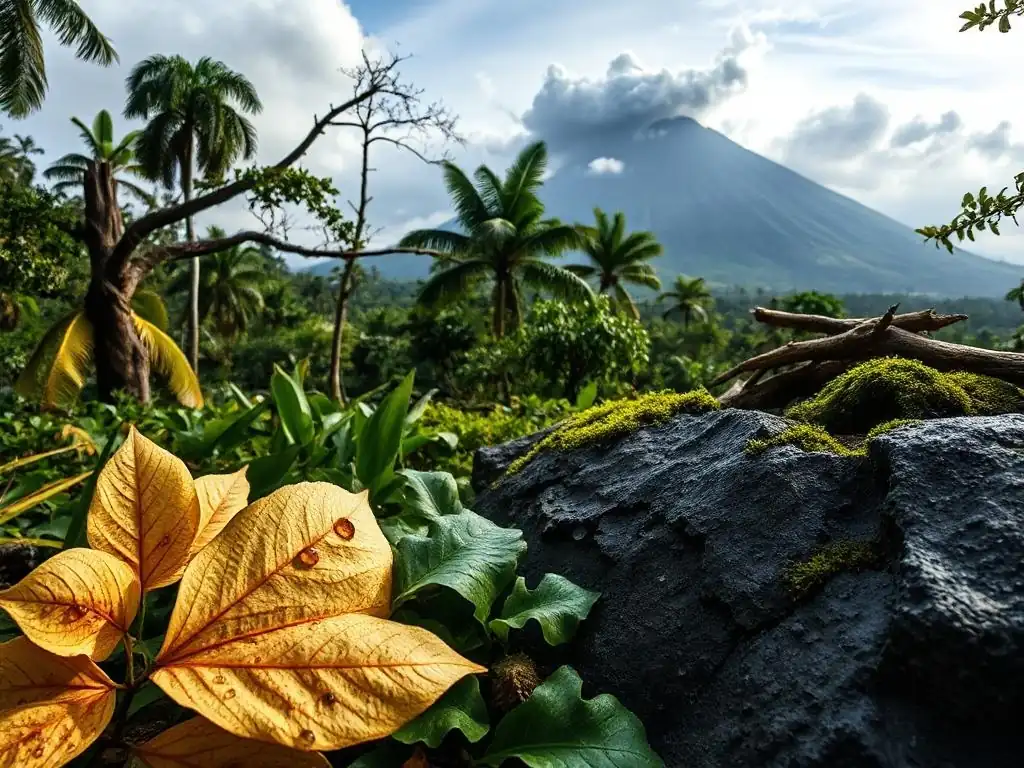
Volcanic acid rain has detrimental effects on vegetation, ranging from visible damage to subtle physiological disruptions that weaken and ultimately kill plants and forests near volcanoes. The acidity of the rain directly damages plant tissues, particularly leaves and needles. Acidic precipitation can erode the waxy cuticle layer on leaves, which serves as a protective barrier against water loss and pathogens. Once this layer is compromised, plants become more susceptible to dehydration, fungal infections, and insect infestations. Visible symptoms of acid rain damage include leaf scorching, chlorosis (yellowing of leaves due to chlorophyll loss), and stunted growth.
Forest ecosystems are particularly vulnerable to prolonged exposure to volcanic acid rain. Acidification of forest soils leaches essential nutrients like calcium and magnesium, which are vital for plant health, while simultaneously releasing toxic metals like aluminum into the soil solution. Aluminum is particularly harmful to plant roots, inhibiting nutrient uptake and water absorption. Studies conducted in volcanic regions, such as around Mount Etna in Italy and volcanoes in Iceland, have documented significant forest decline and reduced tree growth rates attributed to volcanic acid rain. In extreme cases, prolonged exposure can lead to deforestation, altering entire landscapes and ecosystems.
Effects on Water Bodies: Acidification of Lakes, Rivers, and Streams by Volcanic Emissions
Volcanic acid rain significantly impacts aquatic ecosystems by acidifying lakes, rivers, and streams. When acidic precipitation falls directly into water bodies or runs off from acidified soils, it lowers the pH of the water, increasing its acidity. This acidification can have severe consequences for aquatic life. Many aquatic organisms, including fish, amphibians, and invertebrates, are highly sensitive to changes in pH levels. As water becomes more acidic, many species cannot survive or reproduce. For example, fish eggs and larvae are particularly vulnerable to acidic conditions, leading to declines in fish populations in acidified lakes and rivers.
Acidification also alters the chemistry of water bodies, increasing the solubility of toxic metals like aluminum and mercury. These metals, which may be present in soils and sediments, can be leached into the water by acid rain. Elevated concentrations of these toxic metals can further harm aquatic organisms, either directly through toxicity or indirectly through bioaccumulation in the food chain. Studies around volcanic lakes and rivers, such as those near Mount Nyiragongo in the Democratic Republic of Congo, have shown significant acidification and elevated metal concentrations, impacting water quality and threatening aquatic biodiversity and water sources for local communities.
Soil Degradation: The Long-Term Consequences of Volcanic Acid Rain on Soil Composition
The long-term effects of volcanic acid rain on soil composition are profound, leading to soil degradation and reduced fertility. Acidic precipitation accelerates the leaching of essential nutrients from the soil, including calcium, magnesium, potassium, and phosphorus. These nutrients are vital for plant growth, and their depletion weakens soil fertility over time. Simultaneously, acid rain increases the solubility of toxic metals present in soils, such as aluminum, iron, and manganese. While some of these metals are micronutrients in small amounts, elevated concentrations become toxic to plants and soil microorganisms.
Aluminum, in particular, is a major concern in acidified soils. At low pH, aluminum ions become highly mobile and can be taken up by plant roots, inhibiting nutrient uptake and water absorption. Furthermore, aluminum toxicity can damage root systems and reduce plant growth.
Acidification also negatively affects soil microorganisms, which are crucial for nutrient cycling and soil health. The populations and activity of beneficial bacteria and fungi can be reduced in acidic soils, further disrupting nutrient cycling and soil fertility. Over prolonged periods, volcanic acid rain can lead to significant soil degradation, making it less productive for agriculture and altering the composition of natural ecosystems.
Corrosion of Infrastructure: The Impact on Buildings, Metals, and Cultural Heritage Sites
Volcanic acid rain is highly corrosive and accelerates the deterioration of infrastructure, including buildings, metal structures, and cultural heritage sites. The acidic components, particularly sulfuric acid and hydrochloric acid, react chemically with various materials, causing them to dissolve and weaken. Buildings made of limestone, marble, and sandstone are particularly vulnerable.
These materials are composed of calcium carbonate, which reacts with acid to form soluble salts that are washed away by rain, leading to erosion and structural damage. Statues, monuments, and historical buildings made of these materials can suffer significant disfigurement and decay over time due to prolonged exposure to volcanic acid rain.
Metals are also susceptible to corrosion by volcanic acid rain. Iron and steel structures, commonly used in bridges, buildings, and industrial facilities, rust more rapidly in acidic environments. Acid rain accelerates the oxidation of iron, forming iron oxides (rust), which weakens the metal and reduces its structural integrity.
Copper and bronze, often used in roofing, pipes, and artistic works, also corrode when exposed to acid rain, developing a green patina and eventually degrading. Even modern materials like concrete and asphalt can be affected, although to a lesser extent. The economic costs associated with repairing and replacing infrastructure damaged by volcanic acid rain can be substantial, particularly in areas frequently affected by volcanic activity.
Volcanic Acid Rain Effects on Human Health
Respiratory Issues: Inhaling Acidic Vapors and Their Health Implications
Inhaling acidic vapors from volcanic gases and acid rain poses significant respiratory health risks, especially for vulnerable populations such as children, the elderly, and individuals with pre-existing respiratory conditions like asthma and bronchitis. Volcanic gases like sulfur dioxide (SO2) and hydrogen chloride (HCl) are irritants to the respiratory system. When inhaled, these gases can cause inflammation of the airways, leading to symptoms such as coughing, wheezing, shortness of breath, and chest tightness. Exposure to high concentrations can trigger asthma attacks and exacerbate chronic respiratory diseases.
Volcanic acid rain itself, while less concentrated than direct volcanic gas plumes, also contributes to respiratory irritation. The fine droplets of acidic rain can be inhaled, carrying acidic compounds deep into the lungs. Prolonged exposure to acidic air, even at lower concentrations, can lead to chronic respiratory problems.
Studies conducted in volcanic regions have shown a correlation between volcanic activity and increased hospital admissions for respiratory illnesses. For example, in areas affected by "vog" (volcanic smog) from Kilauea volcano in Hawaii, increased rates of respiratory symptoms and asthma exacerbations have been documented. Therefore, protecting respiratory health is a critical concern for people living near active volcanoes, especially during periods of heightened volcanic gas emissions and acid rain events.
Skin and Eye Irritation: Direct Contact with Volcanic Acid Rain
Direct contact with volcanic acid rain can cause skin and eye irritation due to its acidic nature. The acidity can irritate the skin, leading to redness, itching, burning sensations, and in more severe cases, chemical burns. The severity of skin irritation depends on the concentration of acid in the rain, the duration of exposure, and individual skin sensitivity. People with sensitive skin or pre-existing skin conditions may be more susceptible to irritation.
Similarly, volcanic acid rain can cause eye irritation if it comes into contact with the eyes. Symptoms of eye irritation can include stinging, burning, redness, tearing, and blurred vision. In severe cases, prolonged exposure to highly acidic rain can cause corneal damage. It is crucial to avoid direct contact with volcanic acid rain and to take protective measures, such as wearing protective clothing and eyewear, when venturing outdoors during or immediately after acid rain events. Washing exposed skin and eyes with clean water is essential to minimize irritation and prevent more serious health effects.
Contamination of Water Sources: Risks Associated with Drinking Acid-Rain Affected Water
Volcanic acid rain can contaminate water sources, posing risks to human health if affected water is used for drinking. Acid rain can leach metals from soils and rocks into groundwater and surface water, including toxic metals like aluminum, mercury, and lead. Elevated concentrations of these metals in drinking water can have adverse health effects. Aluminum, for instance, has been linked to neurological disorders and bone problems. Mercury is a neurotoxin, and lead is known to cause developmental problems, particularly in children.
Furthermore, acidification of water sources can increase the solubility of other contaminants already present in the environment, potentially exacerbating water quality issues. While drinking slightly acidic water itself may not be directly harmful, the increased levels of dissolved metals and other contaminants due to acid rain pose a significant health risk. In volcanic regions, it is essential to monitor water sources for contamination, especially after volcanic eruptions or periods of heavy volcanic gas emissions. Water treatment and purification methods may be necessary to ensure safe drinking water in areas affected by volcanic acid rain.
Case Studies: Documented Examples of Volcanic Acid Rain Damage
Mount Etna, Italy: Investigating Acid Rain Impact on Vineyards
Mount Etna, a highly active volcano in Sicily, Italy, frequently emits volcanic gases, leading to acid rain events that have significantly impacted local agriculture, particularly vineyards. The fertile volcanic soils around Etna are ideal for viticulture, but the recurrent exposure to volcanic acid rain poses a constant challenge. Studies have investigated the effects of acid rain on the quality and yield of grapes grown in the region. Researchers have found that acid rain can damage grape leaves, reducing photosynthetic efficiency and ultimately impacting grape production.
Analysis of vineyard soils in the Etna region has revealed acidification and increased levels of aluminum and other metals due to volcanic acid deposition. These soil changes can affect vine health and grape quality. Winemakers in the area have reported concerns about reduced grape yields and altered grape composition in years with significant volcanic activity and acid rain.
Mitigation strategies, such as liming the soil to neutralize acidity and using protective sprays on vines, are being explored to minimize the negative impacts of volcanic acid rain on this important agricultural sector. The economic implications for the wine industry around Etna highlight the real-world consequences of volcanic acid rain.
Kilauea, Hawaii: The Effects of Vog and Acid Rain on Local Agriculture
Kilauea volcano in Hawaii, known for its persistent volcanic activity and the phenomenon of "vog" (volcanic smog), provides a clear example of the agricultural impacts of volcanic acid rain and gas emissions. Vog is a hazy mixture of sulfur dioxide and other volcanic gases that react with moisture and sunlight to form sulfuric acid and other sulfates. This vog, combined with acid rain, has caused significant damage to agriculture on the Big Island of Hawaii, particularly impacting orchid farms and other sensitive crops.
Orchid farms, a significant part of Hawaii's agricultural economy, are especially vulnerable to vog and acid rain. The delicate flowers and leaves of orchids are easily damaged by acidic deposition, leading to blemishes, reduced flower quality, and decreased market value. Farmers have reported substantial economic losses due to vog and acid rain damage.
Beyond orchids, other crops and vegetation in downwind areas of Kilauea have also been affected, demonstrating the broad agricultural consequences of persistent volcanic gas emissions and acid rain in volcanic regions. The case of Kilauea illustrates the ongoing challenges faced by agricultural communities living near persistently active volcanoes.
Mount Nyiragongo, Democratic Republic of Congo: Documenting the Consequences of Volcanic Gas Acid Rain on Water Quality
Mount Nyiragongo, located near the city of Goma in the Democratic Republic of Congo, is known for its active lava lake and frequent volcanic gas emissions. Studies conducted around Nyiragongo have documented the significant impact of volcanic gas acid rain on water quality in the region, particularly Lake Kivu and smaller local water sources. Nyiragongo emits substantial amounts of sulfur dioxide and other gases that contribute to acid rain, affecting the pH and chemical composition of surrounding water bodies.
Research has shown that volcanic acid rain from Nyiragongo has led to acidification of Lake Kivu and nearby streams and rivers. Water samples have revealed lowered pH levels and elevated concentrations of sulfate and other volcanic-derived ions. Furthermore, studies have documented increased levels of dissolved metals, such as aluminum and iron, in these water sources, likely leached from volcanic soils and rocks by acid rain.
These changes in water quality pose risks to both aquatic ecosystems and human populations that rely on these water sources for drinking and other uses. The case of Mount Nyiragongo highlights the critical need for monitoring and managing water resources in volcanic regions susceptible to acid rain contamination.
Monitoring and Mitigation Strategies for Volcanic Acid Rain

Volcanic Gas Monitoring: Detecting and Measuring SO2 and Hydrogen Halide Emissions
Effective monitoring of volcanic gas emissions is crucial for predicting and mitigating volcanic acid rain events. Volcanologists employ various techniques to detect and measure the release of key gases like sulfur dioxide (SO2) and hydrogen halides (HCl, HF) from volcanoes. Ground-based instruments, such as spectrometers and gas sensors, are deployed near volcanoes to continuously measure gas concentrations in volcanic plumes. These instruments can provide real-time data on gas emission rates and compositions.
Satellite-based remote sensing is another powerful tool for volcanic gas monitoring. Satellites equipped with specialized sensors can detect and quantify SO2 plumes in the atmosphere over large areas, even in remote volcanic regions. This is particularly valuable for monitoring volcanoes that are difficult to access on the ground.
Aircraft-based measurements, using instruments mounted on airplanes or helicopters, provide another means of assessing volcanic gas emissions, allowing for more detailed surveys and measurements of gas plumes at different altitudes. Combining data from ground-based, satellite, and aircraft monitoring provides a comprehensive picture of volcanic gas emissions, enabling better forecasting of acid rain potential.
Predicting Acid Rain Events: Using Meteorological Data and Volcanic Activity
Predicting volcanic acid rain events requires integrating volcanic gas monitoring data with meteorological information. By tracking the emission rates and composition of volcanic gases, particularly SO2, and combining this with weather forecasts, scientists can assess the likelihood and potential intensity of acid rain. Meteorological factors such as wind direction, wind speed, humidity, and rainfall patterns play a crucial role in determining the dispersion and deposition of volcanic acid rain. Wind direction dictates the areas that will be downwind of the volcano and thus most likely to be affected. Rainfall intensity and duration influence the amount of acid deposition.
Atmospheric models are used to simulate the transport and chemical transformation of volcanic gases in the atmosphere. These models incorporate meteorological data and volcanic gas emission data to predict the spatial distribution and acidity levels of acid rain. By combining real-time volcanic gas monitoring with meteorological forecasts and atmospheric modeling, early warning systems for volcanic acid rain can be developed. These systems can provide timely alerts to communities at risk, allowing them to take protective measures to minimize the impacts of acid rain on health, agriculture, and infrastructure.
Mitigation Measures: Strategies for Protecting Infrastructure and Human Health
Mitigation measures for volcanic acid rain aim to protect infrastructure, human health, and the environment from its corrosive effects. For infrastructure, protective coatings and materials resistant to acid corrosion can be used in construction, particularly in volcanic regions. Applying acid-resistant paints and sealants to buildings and metal structures can help to slow down corrosion. For historical buildings and cultural heritage sites, conservation efforts may include regular cleaning, protective shelters, and the application of consolidants to strengthen and protect vulnerable materials.
Protecting human health during volcanic acid rain events involves minimizing exposure. Public health advisories and warnings should be issued when acid rain is expected. People should be advised to stay indoors, close windows and doors, and avoid outdoor activities during acid rain events.
If outdoor exposure is unavoidable, wearing protective clothing, including rain gear, gloves, and eye protection, is recommended. Respiratory protection, such as masks, can be helpful, especially for individuals with respiratory sensitivities. Ensuring access to safe drinking water is also crucial, and communities may need to implement water treatment measures or provide alternative water sources if water supplies are contaminated by acid rain.
Protective Measures for Yourself During Volcanic Activity
Individuals living in volcanic areas can take several protective measures to minimize their exposure to volcanic acid rain and gases during periods of volcanic activity. Staying informed about volcanic activity and potential hazards is paramount. Monitor official sources for volcanic alerts and advisories from volcano observatories and emergency management agencies. Develop a family emergency plan that includes evacuation routes and communication strategies in case of volcanic eruptions or acid rain events.
During volcanic gas and acid rain episodes, stay indoors as much as possible. Close windows and doors to minimize the entry of volcanic gases and acid rain into your home. If you must go outdoors, wear protective clothing, including long sleeves, pants, gloves, and eye protection. Consider wearing a respirator or dust mask to reduce inhalation of volcanic gases and acidic aerosols.
Protect your eyes with goggles or glasses. Wash any exposed skin with soap and water as soon as possible after being outdoors. Keep a supply of bottled water and ensure you have access to safe drinking water, as water sources may become contaminated. By taking these proactive steps, individuals can significantly reduce their risk from volcanic acid rain and gas hazards.
Living Near Volcanoes: Practical Advice for Dealing with Volcanic Gas Acid Rain
Protecting Your Home: Safeguarding Your Property from Corrosion
Protecting your home from the corrosive effects of volcanic acid rain requires proactive measures to safeguard your property. Consider applying protective coatings to the exterior surfaces of your house, especially to vulnerable materials like paint, metal roofing, and siding. Acid-resistant paints and sealants can create a barrier against acid rain damage. Regularly wash down the exterior of your house, particularly after acid rain events, to remove acidic deposits and prevent them from accumulating and causing corrosion. Use mild soap and water for cleaning.
If you have metal components on your property, such as gutters, downspouts, and railings, consider using corrosion-resistant materials like aluminum or stainless steel. Alternatively, apply protective coatings specifically designed for metals to prevent rust and corrosion. For gardens and landscaping, consider using lime to neutralize acidic soil, particularly if you observe signs of acid rain damage to plants.
Monitor the pH of your soil and amend it as needed to maintain optimal growing conditions. Protect outdoor furniture and equipment by covering them when acid rain is expected or storing them indoors when not in use. Regular maintenance and preventative measures can significantly extend the lifespan of your property and reduce damage from volcanic acid rain.
Staying Informed: Monitoring Volcanic Activity and Acid Rain Alerts
Staying informed about volcanic activity and acid rain alerts is crucial for living safely near volcanoes. Regularly monitor official sources of information, such as volcano observatories (e.g., the USGS Volcano Hazards Program, local geological surveys), meteorological agencies, and emergency management organizations. These agencies typically provide updates on volcanic activity, gas emission levels, and acid rain forecasts. Sign up for email alerts, SMS notifications, or social media updates from these sources to receive timely warnings and advisories.
Pay attention to changes in volcanic activity, such as increased gas plumes, steam emissions, or ground deformation, as these may indicate a higher risk of acid rain. Be aware of weather forecasts, particularly rainfall predictions, as rain can enhance the deposition of volcanic acids. Develop a system for receiving and disseminating information within your family and community. Establish communication channels with neighbors and local authorities to share information and coordinate responses during volcanic events. Staying informed empowers you to take timely protective actions and minimize the impact of volcanic acid rain on your health and property.
Emergency Preparedness: What to Do During an Acid Rain Event
Emergency preparedness for volcanic acid rain events involves knowing what to do when an event occurs to protect yourself and your family. When an acid rain alert is issued, immediately seek shelter indoors. Stay inside your home, office, or a designated public shelter. Close all windows and doors tightly to minimize the entry of acidic air and rain. If possible, seal gaps around windows and doors with tape or plastic sheeting to further reduce infiltration.
Avoid going outdoors during an acid rain event. If outdoor travel is absolutely necessary, wear protective clothing, including rain gear, gloves, and eye protection. Use a respirator or dust mask to reduce inhalation of acidic aerosols. Protect your eyes with goggles or glasses. If you are caught in acid rain without protection, seek shelter as quickly as possible and wash exposed skin and eyes with clean water.
Ensure you have a supply of bottled water and food indoors, as water sources may become contaminated. Follow instructions from local authorities and emergency responders. Be prepared to evacuate if advised to do so, and follow designated evacuation routes. Having a well-prepared emergency plan and knowing what to do during an acid rain event can significantly enhance your safety and resilience.
Conclusion: The Ongoing Threat and the Need for Vigilance Against Volcanic Gas Acid Rain Effects
The Importance of Understanding Volcanic Acid Rain
Understanding volcanic acid rain is of paramount importance for communities living in volcanic regions and for broader scientific and environmental awareness. Volcanic acid rain is not merely an environmental nuisance; it is a significant natural hazard with far-reaching consequences. Its corrosive nature poses threats to ecosystems, agriculture, infrastructure, and human health. Recognizing the sources, formation processes, and impacts of volcanic acid rain is the first step towards effective mitigation and preparedness. Scientific research plays a vital role in enhancing our understanding of this phenomenon, from monitoring volcanic gas emissions to studying the long-term ecological and health effects.
Public education and awareness are equally crucial. Informing communities about the risks of volcanic acid rain, providing guidance on protective measures, and promoting emergency preparedness can empower individuals to safeguard themselves and their property. Understanding volcanic acid rain is also essential for policymakers and land-use planners in volcanic regions. Incorporating acid rain considerations into building codes, infrastructure planning, and environmental regulations can help to build more resilient communities and minimize the long-term impacts of this natural hazard. Continued research, monitoring, and public awareness efforts are essential to address the ongoing threat of volcanic acid rain effectively.
Resources for Further Learning About Volcanic Hazards
For those seeking to deepen their knowledge about volcanic hazards, including volcanic gas acid rain, numerous resources are available from reputable scientific organizations and educational institutions. The United States Geological Survey (USGS) Volcano Hazards Program (www.usgs.gov/volcanoes) offers comprehensive information on volcano science, real-time monitoring data, and educational materials about volcanic hazards. The Smithsonian Institution's Global Volcanism Program (volcano.si.edu) provides a vast database of information on volcanoes worldwide, including eruption histories and volcanic gas data.
University geology departments and volcanology research centers often have websites with educational resources, publications, and outreach programs related to volcanic hazards. Organizations like the International Association of Volcanology and Chemistry of the Earth's Interior (IAVCEI) offer platforms for scientific exchange and disseminate research findings on volcanology. Online resources like the Volcano World website (volcanoworld.oregonstate.edu) provide accessible information and engaging content about volcanoes and related hazards. Consulting these resources can provide a more in-depth understanding of volcanic acid rain and other volcanic hazards, empowering individuals to become better informed and prepared.
Frequently Asked Questions
What is the primary connection between volcanic gases and acid rain?
The sulfur dioxide released by volcanoes reacts with water vapor in the atmosphere, forming sulfuric acid. This sulfuric acid then falls to the Earth as acid rain, significantly altering the environment.
How far can the effects of volcanic gas-induced acid rain extend from the volcano itself?
The range varies based on wind patterns and the volume of gas released, but the effects can be felt hundreds of kilometers away. The geographic reach depends on atmospheric conditions and the scale of the eruption.
What are some of the most significant environmental impacts of acid rain caused by volcanic gases?
Acid rain damages vegetation, acidifies bodies of water, and corrodes buildings and infrastructure. It can also disrupt ecosystems and harm aquatic life and terrestrial flora.
Are there any long-term health risks associated with exposure to acid rain resulting from volcanic eruptions?
Yes, long-term exposure can contribute to respiratory problems and other health issues, particularly in vulnerable populations. The acidity of the rain can also contaminate water sources.
What measures can be taken to mitigate the effects of volcanic gas-induced acid rain?
While stopping eruptions is impossible, monitoring volcanic activity and issuing timely warnings are crucial. Protective measures, such as covering crops and staying indoors during eruptions, can help minimize exposure.
Final Reflection: The Enduring Scars of Volcanic Breath
The devastating effects of volcanic gas acid rain, as explored throughout this article, are not merely historical footnotes; they are a stark reminder of the Earth's raw power and the fragility of our ecosystems. Understanding the "Volcanic gas acid rain effects" is crucial today, as volcanic activity continues to shape our planet and pose ongoing threats to vulnerable regions and communities. The lessons learned from past eruptions must inform our present strategies for monitoring, mitigation, and resilience.
The insidious creep of acid rain, born from volcanic fury, leaves an indelible mark on landscapes and livelihoods. Witnessing the corrosive power of these gases underscores the interconnectedness of our environment and the profound impact of natural events on human society. The Earth does not belong to us: we belong to the Earth.
- Marlee Matlin. This quote resonates deeply when considering the long-term consequences of volcanic eruptions and the responsibility we bear to protect our planet from further degradation.
As we conclude this exploration of volcanic gas acid rain effects, I invite you to reflect on your own role in safeguarding our environment. Consider how you can contribute to a greater understanding of these phenomena and support initiatives aimed at mitigating their impact. Let us strive to be informed stewards of our planet, working towards a future where communities are better prepared and ecosystems are more resilient in the face of nature's volatile breath.
Ready to transform your business? Learn more and get started today!