
Pinatubo's Ash Legacy: Lessons Learned from a Major Volcanic Eruption


Welcome to Volcano Explorers!
Prepare to be captivated by the raw power and enduring impact of volcanoes. Ever wondered how a single eruption could reshape our understanding of volcanic hazards? Dive into "Pinatubo's Ash Legacy: Lessons Learned from a Major Volcanic Eruption" to uncover the crucial insights gained from one of the 20th century's most significant volcanic events. What secrets does the ash hold, and how can they better prepare us for the future? The answers await...
- Introduction: The Cataclysmic Eruption of Mount Pinatubo
- Understanding Volcanic Ash and Tephra Fallout from Pinatubo
- Pinatubo Eruption Lessons Learned: Key Takeaways
- Case Studies: Applying Pinatubo Eruption Lessons Learned in Other Volcanic Regions
- The Ongoing Legacy of Pinatubo: Continuing Research and Mitigation Efforts
- Conclusion: Honoring the Victims, Embracing the Lessons
-
Frequently Asked Questions
- What was the most significant lesson learned from the Pinatubo eruption regarding hazard mitigation?
- How did the Pinatubo eruption impact the development of volcano monitoring techniques?
- What role did the U.S. Geological Survey (USGS) play in mitigating the impact of the Pinatubo eruption?
- What were the primary challenges faced in recovering from the Pinatubo eruption's ashfall?
- What are some of the long-term environmental consequences observed after the Pinatubo eruption?
- Final Reflection: Embracing Resilience in the Face of Volcanic Fury
- Unearth Your Inner Volcano Preparedness Expert!
Introduction: The Cataclysmic Eruption of Mount Pinatubo
Remembering the Devastation: A Brief Overview of the 1991 Pinatubo Eruption
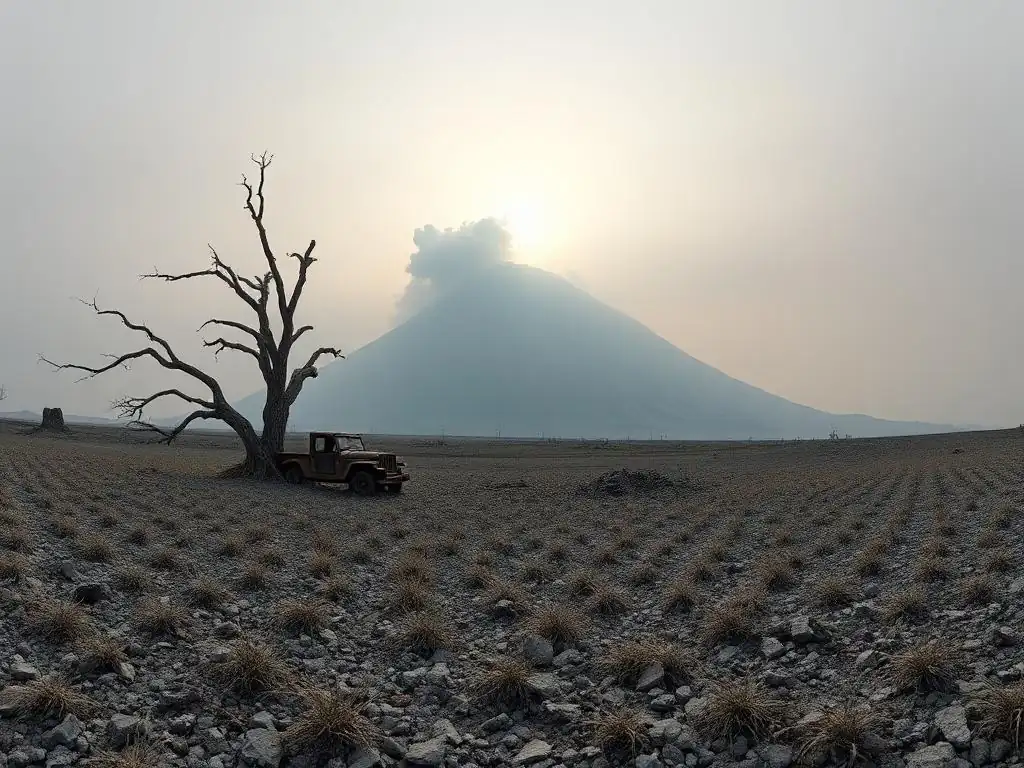
The year 1991 witnessed one of the most significant volcanic eruptions of the 20th century: the eruption of Mount Pinatubo in the Philippines. This colossal event, peaking on June 15, 1991, unleashed a staggering volume of volcanic material into the atmosphere, estimated at around 10 cubic kilometers of magma. The eruption, with a Volcanic Explosivity Index (VEI) of 6, was characterized by pyroclastic flows, widespread ashfall, and the formation of devastating lahars.
The eruption’s impact was amplified by the arrival of Typhoon Yunya simultaneously, exacerbating the ashfall and triggering extensive mudflows that buried towns and altered landscapes. Tragically, despite successful evacuations that saved countless lives, the eruption directly caused over 700 fatalities and left hundreds of thousands homeless, primarily due to the indirect effects like building collapses from ash load and lahar inundation.
The eruption sequence at Pinatubo began with phreatic explosions in April 1991, escalating through May and early June with increasing steam and ash emissions. By June 7th, the first magmatic eruption occurred, followed by a series of increasingly powerful explosions culminating in the climactic eruption on June 15th.
The eruption column reached heights exceeding 40 kilometers, injecting massive quantities of sulfur dioxide into the stratosphere. This injection had a global impact, leading to a temporary cooling of the Earth's climate by approximately 0.5 degrees Celsius over the subsequent years.
The immediate aftermath saw Clark Air Base, a major US Air Force facility, rendered unusable, and the surrounding region was blanketed in thick layers of ash, disrupting infrastructure, agriculture, and daily life for millions. The physical scars of the eruption, including the vast caldera formed at the summit and the extensive lahar deposits, remain prominent features of the landscape today, serving as a constant reminder of nature's immense power.
Why Pinatubo Matters: Understanding its Significance in Volcanology
The 1991 Pinatubo eruption holds immense significance in the field of volcanology for several reasons. Firstly, it was one of the best-monitored large eruptions in history up to that point. Scientists from the Philippine Institute of Volcanology and Seismology (PHIVOLCS) and the United States Geological Survey (USGS) worked collaboratively, deploying advanced monitoring equipment and diligently tracking the volcano's escalating activity.
This intense monitoring effort provided an unprecedented dataset, allowing volcanologists to study the pre-eruption signals, the dynamics of the eruption itself, and the subsequent volcanic processes in remarkable detail. The data collected during and after the Pinatubo eruption significantly advanced our understanding of magma ascent, eruption mechanisms, and the behavior of volcanic plumes.
Secondly, the Pinatubo eruption became a crucial case study for understanding and mitigating volcanic ash hazards. The extensive ashfall, which reached hundreds of kilometers away, demonstrated the far-reaching impact of even moderate-sized eruptions. The eruption highlighted the complexities of ash dispersal patterns, influenced by factors like wind direction, plume height, and particle size distribution.
Furthermore, the eruption underscored the diverse hazards associated with volcanic ash, extending beyond immediate respiratory issues to include infrastructure damage, agricultural losses, and long-term environmental consequences. The Pinatubo eruption lessons learned have been instrumental in refining volcanic hazard assessments globally and improving strategies for ashfall preparedness and mitigation in volcanic regions worldwide. The eruption served as a stark reminder of the need for comprehensive volcanic monitoring, effective communication, and robust disaster management plans to minimize the impacts of future volcanic events.
Understanding Volcanic Ash and Tephra Fallout from Pinatubo
What is Volcanic Ash? Composition and Characteristics
Volcanic ash, despite its name, is not the product of combustion like wood ash. Instead, it is composed of fine particles of pulverized rock, minerals, and volcanic glass shards, less than 2 millimeters in diameter, ejected explosively from a volcano during an eruption. The composition of volcanic ash is directly linked to the type of magma that fuels the eruption.
Pinatubo's magma was andesitic, a type rich in silica, leading to highly explosive eruptions that fragmented the rock into fine ash particles. These particles are often angular and abrasive, due to their formation through brittle fracturing during explosive volcanic processes. This angularity is a key factor in the hazards associated with volcanic ash, contributing to respiratory irritation and abrasion of surfaces.
The characteristics of volcanic ash are diverse and depend on factors such as the eruption style, distance from the volcano, and the size of the ejected particles. Fresh volcanic ash can be chemically reactive and slightly acidic due to the presence of volcanic gases that condense onto the particle surfaces. The density of volcanic ash varies but is generally light enough to be carried long distances by wind, yet heavy enough to accumulate significantly on surfaces, posing structural risks to buildings, especially when wet.
The color of ash can range from light gray to dark black, depending on the mineral content and oxidation state. Pinatubo ash was predominantly gray, reflecting the andesitic composition. Understanding the composition and characteristics of volcanic ash is crucial for assessing its potential impacts on human health, infrastructure, agriculture, and the environment, allowing for targeted mitigation strategies.
Pinatubo's Ash Cloud: Distribution and Impact Area
The eruption of Mount Pinatubo on June 15, 1991, generated a massive ash cloud that had a profound impact on the Philippines and beyond. Driven by strong winds and the sheer volume of ejected material, the ash cloud dispersed in multiple directions, but predominantly westward. Within hours of the climactic eruption, thick ashfall blanketed a vast area surrounding Pinatubo, including major cities and agricultural regions.
Areas within a 50-kilometer radius of the volcano experienced extremely heavy ashfall, with accumulations ranging from several centimeters to over a meter in some locations, particularly downwind. Cities like Angeles City and Clark Air Base were severely impacted, becoming essentially uninhabitable in the immediate aftermath due to the overwhelming ash accumulation.
The ash cloud's reach extended far beyond the immediate vicinity of Pinatubo. Significant ashfall was reported hundreds of kilometers away, even reaching countries like Vietnam and Cambodia. The stratospheric injection of sulfur dioxide, a component of the volcanic plume, had a global effect, leading to the aforementioned global cooling. In the Philippines, the widespread ashfall disrupted air travel for weeks, grounded flights, and forced the closure of airports.
Agricultural lands were devastated, crops were buried under ash, and livestock were affected by contaminated water and fodder. Water sources became contaminated with ash, further exacerbating the humanitarian crisis. The distribution and impact area of Pinatubo's ash cloud underscored the regional and even global consequences of large volcanic eruptions, highlighting the need for international cooperation in monitoring and responding to such events.
Factors Influencing Ash Fallout: Wind, Plume Height, and Particle Size
Several key factors determine the distribution and intensity of volcanic ash fallout during an eruption, with wind patterns, plume height, and particle size being the most significant. Wind plays a crucial role in transporting ash clouds downwind from the volcano. During the Pinatubo eruption, prevailing winds carried the majority of the ash cloud westward, leading to heavier ashfall in that direction.
Changes in wind direction at different altitudes can also influence the shape and spread of the ash cloud, sometimes leading to complex ashfall patterns. Real-time wind data and atmospheric models are now essential tools in predicting ash dispersal and issuing timely warnings to affected areas.
Plume height, which is the vertical extent of the eruptive column, is directly related to the intensity of the eruption. Higher plumes, like the one exceeding 40 kilometers at Pinatubo, inject ash particles into the stratosphere, where they can be transported over vast distances by high-altitude winds. The higher the plume, the wider the potential distribution area for fine ash particles.
Conversely, lower plumes result in more localized ashfall, primarily affecting areas closer to the volcano. Particle size is another critical factor. Larger, heavier ash particles tend to fall out closer to the volcano, while finer particles can remain suspended in the atmosphere for longer periods and travel much further.
The composition and explosivity of the eruption dictate the particle size distribution, with highly explosive eruptions like Pinatubo producing a greater proportion of fine ash, contributing to its widespread dispersal. Understanding the interplay of wind, plume height, and particle size is fundamental for accurately forecasting ashfall extent and intensity, informing effective mitigation strategies and public safety measures.
Pinatubo Eruption Lessons Learned: Key Takeaways
Lesson 1: Improved Volcanic Monitoring and Prediction
The Importance of Real-time Data and Early Warning Systems: Lahar Detection Systems and Seismic Monitoring
One of the most crucial Pinatubo eruption lessons learned is the paramount importance of robust volcanic monitoring and effective early warning systems. Prior to the 1991 eruption, Mount Pinatubo was not considered a major threat, having been dormant for centuries. However, the precursory activity in 1991, though initially subtle, was detected and meticulously analyzed by volcanologists from PHIVOLCS and USGS.
This early detection, combined with rapid deployment of monitoring equipment, including seismometers, tiltmeters, and gas sensors, provided crucial real-time data on the volcano's escalating activity. Seismic monitoring proved particularly valuable in tracking the increasing frequency and intensity of volcanic earthquakes, which served as a key indicator of magma movement beneath the surface. The establishment of a sophisticated monitoring network allowed scientists to track the volcano's unrest in near real-time, providing the scientific basis for timely warnings and evacuation recommendations.
The Pinatubo crisis also highlighted the need for specialized monitoring systems to address specific volcanic hazards, such as lahars. Lahars, or volcanic mudflows, are a major post-eruption hazard, particularly in areas with steep volcanic slopes and abundant rainfall. In the years following the Pinatubo eruption, extensive lahar detection systems were developed and implemented in the surrounding river valleys.
These systems typically incorporate rain gauges, flow sensors, and remote cameras strategically placed in lahar-prone areas. Real-time data from these systems allows for rapid detection of lahar initiation and flow, triggering automated warning systems to downstream communities. The success of lahar detection systems around Pinatubo and other volcanoes globally demonstrates the direct application of Pinatubo eruption lessons learned in mitigating post-eruption hazards and saving lives through effective early warning systems.
Advancements in Volcanic Hazard Assessment since Pinatubo
The Pinatubo eruption spurred significant advancements in volcanic hazard assessment methodologies. Before 1991, volcanic hazard maps were often based on limited historical data and generalized assumptions about volcanic behavior. Pinatubo provided a wealth of new data and insights into eruption dynamics, ash dispersal, pyroclastic flow behavior, and lahar pathways, enabling the development of more sophisticated and accurate hazard assessments.
Since Pinatubo, there has been a greater emphasis on probabilistic hazard assessments, which quantify the likelihood of different volcanic hazards occurring in specific areas over time. These assessments incorporate geological data, monitoring data, and numerical models to estimate hazard probabilities, providing a more comprehensive and realistic picture of volcanic risk.
Furthermore, the Pinatubo experience underscored the importance of considering not just the immediate eruption hazards but also the long-term and cascading impacts. Hazard assessments now routinely include evaluations of ashfall distribution patterns, lahar inundation zones, and the potential for secondary hazards like landslides and debris flows triggered by volcanic activity.
The development of advanced numerical models for ash dispersal and lahar flow has significantly improved the accuracy of hazard maps and the ability to forecast the spatial extent and intensity of these hazards. These advancements in volcanic hazard assessment, directly influenced by Pinatubo eruption lessons learned, are crucial for land-use planning, infrastructure development, and disaster preparedness in volcanic regions worldwide, enabling communities to make informed decisions and build resilience to volcanic risks.
Lesson 2: Effective Evacuation and Disaster Management
Pre-Eruption Planning and Community Preparedness: Evacuation Zones and Routes
A major success story of the Pinatubo eruption was the effective evacuation of tens of thousands of people before the climactic eruption on June 15th. This success was largely attributed to the pre-eruption planning and community preparedness efforts undertaken by PHIVOLCS, USGS, and local authorities. Based on the escalating volcanic activity and scientific assessments, clear evacuation zones were defined, and evacuation routes were established and communicated to the public.
Community education campaigns played a vital role in raising awareness about volcanic hazards, evacuation procedures, and designated evacuation shelters. Drills and simulations, though limited in scope at the time, helped to familiarize communities with evacuation protocols and identify potential logistical challenges.
The pre-eruption planning for Pinatubo also recognized the importance of involving local communities in the preparedness process. Community leaders and local officials were actively engaged in disseminating information, organizing evacuation logistics, and ensuring that vulnerable populations were included in evacuation plans.
The establishment of clear evacuation zones and routes, coupled with effective communication and community engagement, was instrumental in the timely and orderly evacuation of an estimated 75,000 people from the most hazardous areas around Pinatubo prior to the June 15th eruption. This proactive approach undoubtedly saved thousands of lives and demonstrated the critical role of pre-eruption planning and community preparedness in mitigating volcanic disasters.
The Role of Government and International Aid in Disaster Response
The 1991 Pinatubo eruption underscored the crucial role of both government and international aid in effective disaster response. The Philippine government, despite facing significant logistical and economic challenges, mobilized resources to support evacuation efforts, provide emergency relief, and coordinate the initial response. The Armed Forces of the Philippines played a key role in evacuation and transportation, while various government agencies worked to provide shelter, food, and medical assistance to displaced populations. However, the scale of the disaster overwhelmed national resources, necessitating international assistance.
International aid played a vital role in the Pinatubo disaster response and recovery. Numerous countries and international organizations provided financial aid, emergency supplies, technical expertise, and personnel. The United States, Japan, Australia, and various European nations were among the major contributors.
International aid agencies, such as the Red Cross and various UN organizations, provided critical humanitarian assistance, including shelter materials, food rations, medical supplies, and water purification equipment. The collaborative effort between the Philippine government and the international community was essential in addressing the immediate needs of the affected population, facilitating recovery efforts, and rebuilding communities devastated by the eruption. The Pinatubo experience highlighted the necessity of strong national disaster management frameworks complemented by robust international cooperation to effectively respond to large-scale volcanic disasters.
Lesson 3: Understanding the Long-Term Environmental Impacts of Volcanic Ash
Impact on Agriculture and Water Resources: Crop Yield Reduction and Water Supply Contamination
The Pinatubo eruption provided stark lessons about the long-term environmental impacts of volcanic ash, particularly on agriculture and water resources. The widespread ashfall devastated agricultural lands across Central Luzon. Thick ash deposits directly buried crops, leading to immediate crop losses. Even in areas with thinner ashfall, the abrasive nature of ash damaged plant leaves, hindering photosynthesis and reducing crop yields.
The long-term impact on soil fertility was complex. Initially, ash deposition could provide some nutrients to the soil, but over time, the physical properties of the soil were altered, affecting drainage and aeration. Farmers faced significant challenges in rehabilitating ash-covered agricultural lands, requiring extensive efforts to remove ash, improve soil structure, and restore productivity. Crop yields in the region were significantly reduced for several years following the eruption, impacting livelihoods and food security.
Water resources were also severely affected by the Pinatubo eruption. Volcanic ash contaminated surface water sources, including rivers and lakes, rendering them undrinkable and unusable for irrigation. Ash particles clogged water filtration systems, disrupting water supplies to communities and urban centers. The acidity of fresh volcanic ash posed a further threat to water quality.
Groundwater sources were also vulnerable to contamination, particularly in areas with porous volcanic deposits. The long-term impact on water resources required significant investment in water treatment facilities, alternative water supply development, and watershed management to ensure access to safe and reliable water for communities affected by the eruption. Pinatubo eruption lessons learned emphasized the need to consider and mitigate the long-term environmental consequences of volcanic ash on agriculture and water resources in volcanic hazard preparedness planning.
Effects on Human Health: Respiratory Issues and Other Health Concerns
The Pinatubo eruption provided valuable insights into the effects of volcanic ash on human health, particularly respiratory issues. Exposure to volcanic ash, composed of fine, abrasive particles, caused widespread respiratory irritation among affected populations. Inhalation of ash particles aggravated pre-existing respiratory conditions like asthma and bronchitis, leading to increased hospitalizations and respiratory illnesses. Eye irritation and skin irritation were also common health complaints due to ash exposure. While direct fatalities from ash inhalation were relatively low, the long-term health consequences, particularly for vulnerable populations like children, the elderly, and those with pre-existing respiratory conditions, were significant.
Beyond respiratory issues, the Pinatubo eruption highlighted other potential health concerns associated with volcanic ash. Fluoride coating on ash particles, while not a major issue in the Pinatubo case, can be a concern in some eruptions, potentially leading to dental fluorosis or skeletal fluorosis with prolonged exposure. Heavy metals present in volcanic ash, though typically in low concentrations, could pose long-term health risks if they contaminate water supplies or food chains.
The psychological impact of volcanic eruptions and ashfall events on affected communities is also a significant health concern, leading to stress, anxiety, and mental health issues. Pinatubo eruption lessons learned emphasized the need for public health preparedness measures to address both the immediate and long-term health consequences of volcanic ash exposure, including public health advisories, distribution of respiratory masks, and access to healthcare services.
Lesson 4: Building Resilience in Communities Vulnerable to Volcanic Hazards
Infrastructure Design and Construction in Ashfall Zones
Pinatubo's ash legacy underscored the importance of building resilience in communities vulnerable to volcanic hazards, particularly through infrastructure design and construction adapted to ashfall zones. The heavy ashfall from Pinatubo caused widespread damage to buildings, particularly roofs, which collapsed under the weight of wet ash. This highlighted the need for building codes and construction practices in ashfall zones that consider the additional load imposed by volcanic ash. Roofs with steeper slopes are less prone to ash accumulation, and stronger roofing materials and support structures are necessary to withstand ash loads, especially in areas expected to receive heavy ashfall.
Infrastructure design also needs to consider the corrosive and abrasive nature of volcanic ash. Ash can damage electrical equipment, communication lines, and transportation infrastructure. Protective measures, such as sealing electrical panels, using corrosion-resistant materials, and designing drainage systems to minimize ash accumulation, are crucial for enhancing infrastructure resilience.
Critical infrastructure, like hospitals, schools, and emergency services facilities, should be located outside of high-hazard zones and designed to withstand volcanic hazards, including ashfall, pyroclastic flows, and lahars. Pinatubo eruption lessons learned have informed the development of more resilient infrastructure design and construction practices in volcanic regions worldwide, aiming to minimize damage and ensure the continued functionality of essential services during and after volcanic eruptions.
Community Education and Awareness Programs
Building resilience to volcanic hazards also crucially depends on effective community education and awareness programs. The Pinatubo experience highlighted the importance of educating communities about volcanic risks, evacuation procedures, and protective measures. Awareness programs should be tailored to local contexts, using culturally appropriate communication methods and engaging community leaders and local organizations.
Education should cover the different types of volcanic hazards, warning signs of volcanic unrest, evacuation routes and shelter locations, and how to protect oneself from ashfall and other hazards. Regular drills and simulations can help to reinforce preparedness messages and ensure that communities are familiar with emergency procedures.
Community-based monitoring programs, where local residents are trained to observe and report volcanic activity, can also enhance early warning capabilities and build community ownership of risk reduction efforts. Educational materials should be accessible to all community members, including vulnerable populations, and should be regularly updated to incorporate new scientific information and lessons learned from past eruptions.
Sustained and ongoing community education and awareness programs are essential for fostering a culture of preparedness and building resilience in communities living with volcanic risks. Pinatubo eruption lessons learned emphasize that informed and empowered communities are better equipped to protect themselves and respond effectively to volcanic hazards.
Case Studies: Applying Pinatubo Eruption Lessons Learned in Other Volcanic Regions
Mount St. Helens: Improved Monitoring Strategies
The eruption of Mount St. Helens in 1980, while predating Pinatubo, also provided valuable lessons in volcanology. However, the advancements in monitoring strategies after Pinatubo, directly influenced by Pinatubo eruption lessons learned, were demonstrably applied to Mount St. Helens and other volcanoes.
Following Pinatubo, there was a significant increase in the deployment of real-time monitoring networks around volcanoes globally, including a more comprehensive network at Mount St. Helens. This enhanced monitoring included a denser array of seismometers to detect subtle changes in seismic activity, GPS stations to measure ground deformation indicative of magma movement, and gas sensors to track volcanic gas emissions.
The improved monitoring at Mount St. Helens, informed by Pinatubo experiences, allowed for more detailed tracking of the volcano's ongoing activity in the decades following the 1980 eruption. Scientists were able to detect and interpret subtle precursory signals before subsequent smaller eruptions and periods of unrest at Mount St. Helens.
The use of advanced data analysis techniques and numerical modeling, also refined after Pinatubo, further enhanced the ability to interpret monitoring data and assess volcanic hazards. The application of Pinatubo eruption lessons learned in improved monitoring strategies at Mount St. Helens and other volcanoes has led to a significant increase in our ability to detect volcanic unrest, provide timely warnings, and mitigate volcanic risks in diverse volcanic settings.
Mount Merapi: Disaster Management Successes
Mount Merapi in Indonesia is another volcano where Pinatubo eruption lessons learned have been effectively applied, particularly in disaster management. Merapi is one of the most active and dangerous volcanoes in Indonesia, with a history of devastating eruptions and a large population living on its flanks. Drawing on the Pinatubo experience, Indonesian authorities, in collaboration with international volcanological organizations, have implemented comprehensive disaster management strategies around Merapi. These strategies include robust volcanic monitoring systems, detailed hazard mapping, community-based preparedness programs, and well-defined evacuation plans.
The success of these disaster management efforts was evident in the response to the 2010 eruption of Mount Merapi. Despite the eruption being highly explosive and producing pyroclastic flows and ashfall, the timely evacuation of hundreds of thousands of people based on scientific warnings and pre-established plans significantly reduced fatalities.
While the eruption caused substantial damage and displacement, the death toll was considerably lower than it might have been without the improved disaster preparedness measures. The Mount Merapi case study demonstrates the tangible benefits of applying Pinatubo eruption lessons learned in disaster management, showcasing how effective monitoring, preparedness, and community engagement can save lives and mitigate the impacts of volcanic eruptions in densely populated volcanic regions.
The Ongoing Legacy of Pinatubo: Continuing Research and Mitigation Efforts
Current Research on Volcanic Ash and its Impacts
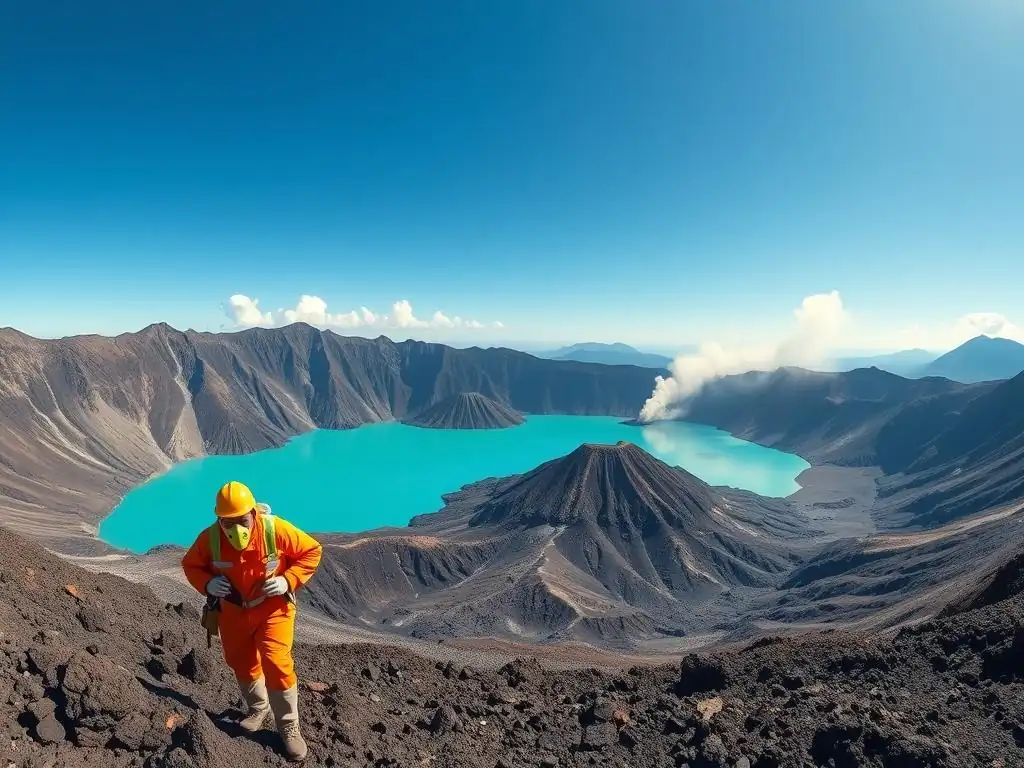
The Pinatubo eruption continues to fuel ongoing research on volcanic ash and its diverse impacts. Scientists are still actively studying the physical and chemical properties of Pinatubo ash, analyzing its long-term effects on soil fertility, water quality, and human health. Research is also focused on improving our understanding of ash dispersal processes, developing more accurate ashfall forecasting models, and assessing the risks posed by volcanic ash to aviation. Studies are investigating the atmospheric impacts of volcanic ash and sulfur dioxide emissions, including their influence on climate and atmospheric chemistry.
Current research also explores innovative mitigation strategies for volcanic ash hazards. This includes developing new materials and construction techniques to enhance infrastructure resilience to ashfall, improving ash removal methods, and developing public health interventions to minimize respiratory and other health impacts of ash exposure.
Research into the socio-economic impacts of volcanic ashfall is also ongoing, aiming to better understand the long-term consequences for livelihoods, economies, and community recovery. The ongoing legacy of Pinatubo is reflected in the continued scientific inquiry and technological development aimed at reducing the risks associated with volcanic ash and building more resilient communities in volcanic regions worldwide.
Future Challenges in Volcanic Hazard Mitigation
Despite significant progress in volcanic hazard mitigation since the Pinatubo eruption, future challenges remain. One major challenge is addressing volcanic risk in rapidly growing urban centers located near active volcanoes. Increasing population density and urbanization in volcanic regions amplify the potential for large-scale disasters. Effective land-use planning, robust building codes, and comprehensive evacuation planning are crucial, but often difficult to implement in rapidly developing urban environments. Another challenge is improving communication and public education about volcanic risks, ensuring that preparedness messages reach all segments of the population, including vulnerable and marginalized communities.
Climate change presents an additional layer of complexity to volcanic hazard mitigation. Changes in rainfall patterns, increased frequency of extreme weather events, and sea-level rise can exacerbate volcanic hazards, particularly lahars and coastal volcanic eruptions. Adapting volcanic hazard assessments and mitigation strategies to account for the impacts of climate change is a critical future challenge.
Furthermore, maintaining long-term funding and political commitment for volcanic monitoring, research, and disaster preparedness remains essential to ensure continued progress in reducing volcanic risks globally. Addressing these future challenges will require sustained international collaboration, interdisciplinary research, and a proactive approach to volcanic hazard mitigation, building upon the valuable Pinatubo eruption lessons learned.
Conclusion: Honoring the Victims, Embracing the Lessons
Reflecting on the Human Cost of the Pinatubo Eruption
The Pinatubo eruption, while a remarkable scientific event, was also a profound human tragedy. While the successful evacuations averted a much larger death toll, the eruption still resulted in hundreds of fatalities and immense suffering. The loss of life, the displacement of communities, and the long-term disruption to livelihoods underscore the devastating human cost of volcanic eruptions.
Reflecting on the Pinatubo eruption, it is essential to remember and honor the victims and acknowledge the resilience of the communities that were affected. The experiences of those who lived through the eruption and its aftermath provide valuable insights into the human dimensions of volcanic disasters and the importance of community-based preparedness and support.
The Pinatubo story is not just a story of devastation but also a story of human resilience and the power of scientific understanding. The successful prediction and evacuation efforts stand as a testament to the dedication and expertise of volcanologists and disaster management professionals. The recovery and rebuilding efforts demonstrate the strength and adaptability of affected communities. Honoring the victims of the Pinatubo eruption also means embracing the lessons learned and continuing to work towards building a safer and more resilient future for communities living with volcanic risks.
Looking Ahead: Building a Safer Future in Volcanic Regions
The Pinatubo eruption lessons learned have had a lasting impact on volcanology and disaster risk reduction, shaping policies and practices globally. Looking ahead, it is crucial to continue to build upon these lessons, investing in volcanic monitoring, research, and community preparedness. Advancements in technology, such as satellite-based monitoring, drone-based surveys, and improved communication systems, offer new opportunities to enhance volcanic hazard assessment and early warning capabilities. Strengthening international collaboration and knowledge sharing is essential for supporting volcanic risk reduction efforts in developing countries and ensuring that best practices are disseminated globally.
Building a safer future in volcanic regions requires a multi-faceted approach, integrating scientific understanding, technological innovation, effective governance, and community engagement. It demands sustained commitment from governments, scientists, communities, and international organizations to work together to reduce volcanic risks and build resilient societies. By embracing the Pinatubo eruption lessons learned and continuing to innovate and collaborate, we can strive to minimize the human cost of future volcanic eruptions and create a safer world for those living in the shadow of these powerful natural forces.
Frequently Asked Questions
What was the most significant lesson learned from the Pinatubo eruption regarding hazard mitigation?
The eruption highlighted the critical need for accurate volcanic hazard maps and effective communication strategies to warn communities at risk.
How did the Pinatubo eruption impact the development of volcano monitoring techniques?
Pinatubo's eruption spurred advancements in satellite-based monitoring and ground-based sensor networks to improve eruption forecasting.
What role did the U.S. Geological Survey (USGS) play in mitigating the impact of the Pinatubo eruption?
The USGS, in collaboration with Filipino scientists, provided crucial early warnings and scientific expertise, saving countless lives.
What were the primary challenges faced in recovering from the Pinatubo eruption's ashfall?
Dealing with the sheer volume of ash, its impact on infrastructure, and the long-term health effects posed significant recovery challenges.
What are some of the long-term environmental consequences observed after the Pinatubo eruption?
The eruption caused significant changes in regional climate, affected water quality, and altered ecosystem dynamics for years afterward.
Final Reflection: Embracing Resilience in the Face of Volcanic Fury
The echoes of Mount Pinatubo's cataclysmic eruption still resonate today, serving as a stark reminder of nature's immense power and humanity's vulnerability. The lessons learned from the Pinatubo eruption remain profoundly relevant, offering invaluable insights into disaster preparedness, risk mitigation, and the importance of community resilience in the face of overwhelming adversity.
The eruption's impact extended far beyond the immediate devastation, reshaping landscapes and communities for generations. Witnessing the enduring spirit of those affected by Pinatubo underscores the importance of proactive measures and collaborative efforts in building a more resilient future. The only way to survive is by taking care of one another.
- Sister Eva Maamo, a nun who helped the victims of the eruption. This quote encapsulates the essence of community support and the power of human connection in times of crisis.
Let us not forget the hard-won wisdom gleaned from Pinatubo's ash legacy. Consider how you can contribute to building a more prepared and resilient world, whether through supporting disaster relief efforts, advocating for improved infrastructure, or simply fostering a greater awareness of the risks we face. The lessons of Pinatubo are a call to action, urging us to embrace preparedness and work together to mitigate the impact of future natural disasters.
Unearth Your Inner Volcano Preparedness Expert!
Thank you for exploring the lasting impact of Mount Pinatubo's eruption. Understanding the past is crucial for building a safer future. Now, let's turn knowledge into action.
Here's how you can contribute to volcano preparedness in your community:
- Assess your community's vulnerability to ashfall. Understanding potential impacts is the first step toward resilience.
- Share this article with your local emergency management team and discuss how Pinatubo's experience can inform your region's preparedness plans.
- Assemble a personal emergency kit this week. Include essential supplies like masks, eye protection, and a battery-powered radio. You might be surprised at how much you learn in the process!
What steps will you take this week to improve your volcano preparedness, inspired by the lessons of Pinatubo? Share your ideas in the comments below!