
Beyond Eruptions: The Unseen Threat of Climate Change to Volcanoes

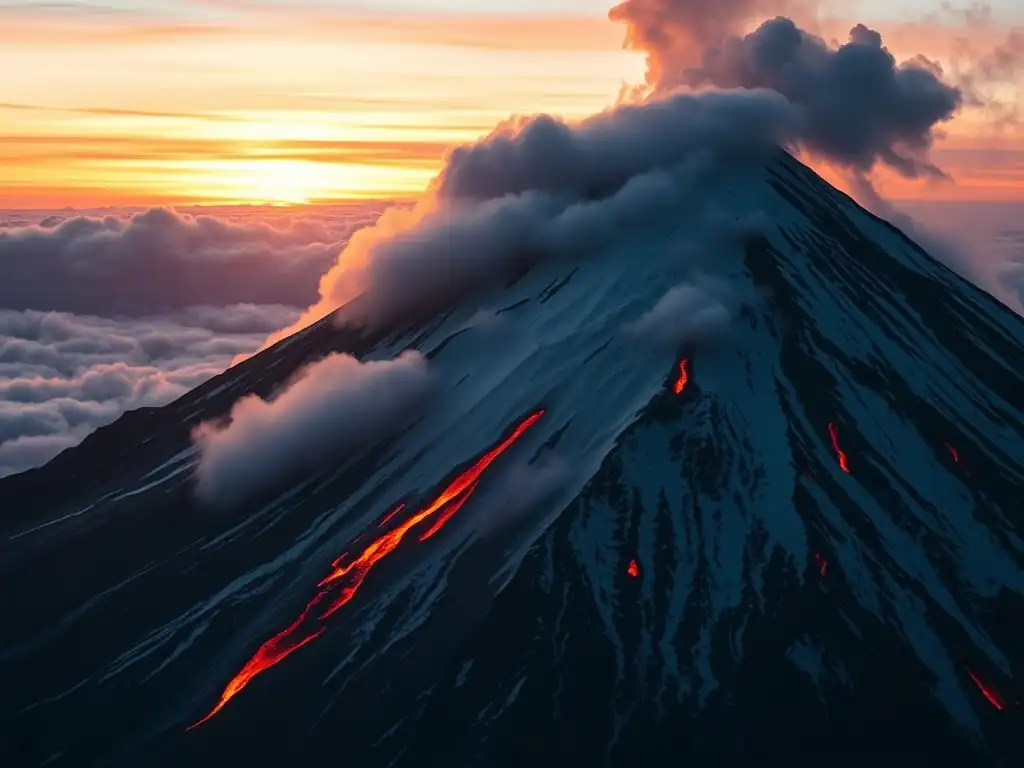
Welcome to Volcano Explorers!
Prepare to journey beyond the fiery spectacle and delve into the unseen consequences. What if the very ground beneath our feet, forged by volcanic fire, is now shifting under the influence of a global force? Explore the startling connection between climate change and these geological titans in our latest article, “Beyond Eruptions: The Unseen Threat of Climate Change to Volcanoes.” Discover how a changing world impacts volcano landscapes and geography, and what this means for the future. Intrigued? Let's ignite your curiosity...
Volcanoes, Climate, and the Interconnected Earth System
Volcanoes and climate, often perceived as separate entities, are in fact deeply interconnected components of Earth’s dynamic system. Volcanic eruptions have long been recognized for their ability to influence climate, most notably through the release of gases and aerosols into the atmosphere. Major eruptions, such as that of Mount Pinatubo in 1991, can inject sulfur dioxide high into the stratosphere, forming sulfate aerosols that reflect sunlight back into space. This phenomenon led to a measurable global cooling of approximately 0.5°C for several years following the eruption, demonstrating the potent, albeit temporary, climate-altering capacity of volcanic events.
However, the relationship is not unidirectional. Just as volcanoes can impact climate, climate change, driven by human activities, is increasingly recognized as a significant factor influencing volcanic processes themselves. The Earth's climate system, encompassing temperature, precipitation, and sea levels, is undergoing rapid transformations. These changes, in turn, exert new pressures and stresses on volcanic systems, potentially altering eruption patterns, frequency, and associated hazards. Understanding this two-way interaction is crucial for a comprehensive assessment of volcanic risk in the 21st century and beyond, especially considering the accelerating pace of climate change effects on volcanoes.
The Unseen Impacts: Moving Beyond Traditional Volcanic Hazards
Traditionally, volcanic hazard assessments have primarily focused on the immediate and direct dangers posed by eruptions: pyroclastic flows, lava flows, ashfall, and lahars. These are undeniably devastating forces, and understanding their dynamics remains paramount. However, the emerging threat of climate change introduces a layer of complexity, revealing a suite of less obvious, yet equally concerning, indirect impacts on volcanic landscapes and associated risks. We are now beginning to appreciate that the effects of climate change on volcanoes extend far beyond the eruptive phase, influencing the very stability and behavior of these geological giants.
These unseen impacts manifest in various forms, driven by the changing climate. Glacial retreat, altered precipitation patterns, and rising sea levels, all hallmarks of anthropogenic climate change, are subtly but powerfully modifying volcanic environments. For example, melting glaciers can reduce the confining pressure on underlying magma chambers, potentially influencing eruption frequency.
Shifting rainfall patterns can destabilize volcanic slopes, increasing the likelihood of landslides and lahars even in the absence of an eruption. Coastal volcanoes face heightened erosion and saltwater intrusion due to rising sea levels, impacting both their structural integrity and the surrounding freshwater resources. Recognizing these less direct, climate-driven volcanic hazards is essential for developing more holistic and effective risk mitigation strategies in a world grappling with the far-reaching consequences of climate change effects on volcanoes.
- Volcanoes, Climate, and the Interconnected Earth System
- The Unseen Impacts: Moving Beyond Traditional Volcanic Hazards
- How does climate change affect the frequency of volcanic eruptions?
- Can rising sea levels influence volcanic activity?
- What is the impact of changes in rainfall patterns on volcano stability?
- How does climate change affect the composition of volcanic gases?
- Does climate change influence the monitoring and prediction of volcanic eruptions?
Frequently Asked Questions
How does climate change affect the frequency of volcanic eruptions?
While a direct link is still being investigated, some research suggests that melting glaciers due to climate change can reduce pressure on the Earth's crust, potentially increasing the likelihood of eruptions in previously ice-covered volcanic regions. However, this is a complex and localized effect.
Can rising sea levels influence volcanic activity?
Yes, rising sea levels can potentially increase the pressure on coastal volcanoes, which could influence magma dynamics and eruption styles. The long-term effects of this pressure increase are still under study.
What is the impact of changes in rainfall patterns on volcano stability?
Changes in rainfall patterns, driven by climate change, can lead to increased erosion and landslides on volcano slopes. This destabilization increases the risk of collapse, potentially triggering lahars (mudflows) or flank collapses.
How does climate change affect the composition of volcanic gases?
Climate change doesn't directly change the intrinsic composition of volcanic gases. However, it can alter the environmental conditions that affect how these gases interact with the atmosphere and surrounding ecosystems. This can alter the impact of gases once they are released.
Does climate change influence the monitoring and prediction of volcanic eruptions?
Yes, climate change can complicate the interpretation of some monitoring data. For example, changes in ground deformation due to glacial melt need to be distinguished from actual magma movement to accurately predict eruptions.
Final Reflection: The Whispering Volcanoes of Tomorrow
The intricate dance between climate change and volcanic activity, as explored throughout this article, reveals a stark reality: the Earth's fiery giants are not immune to our changing climate. The delicate balance within these geological powerhouses is being disrupted, potentially leading to unforeseen and amplified risks for communities worldwide. Understanding these complex interactions is no longer a scientific curiosity, but a crucial imperative for mitigating future disasters.
This subtle yet profound shift in volcanic behavior underscores the pervasive influence of climate change on every facet of our planet. Witnessing the potential for increased eruptions and altered eruption styles due to melting ice and changing precipitation patterns is a sobering reminder of our interconnectedness with the Earth's systems. The Earth is what we all have in common.
- Wendell Berry. This quote resonates deeply when considering the global implications of climate change on even seemingly isolated phenomena like volcanic activity.
As we conclude this exploration, let us not simply acknowledge the threat, but actively engage in understanding and addressing the root causes of climate change. Consider the implications of these findings in your own life, and strive to make choices that contribute to a more sustainable future. The fate of our planet, and perhaps even the rhythm of its volcanoes, rests in our collective hands.
Thank you for delving into the complex relationship between climate change and volcanoes. You've gained valuable insights into how our planet's shifting climate is impacting these geological giants in unexpected ways. Ready to take your knowledge a step further and become a proactive volcano explorer?
Here's how you can ignite your passion and contribute to a deeper understanding:
- Take the Plunge: Embark on our immersive virtual expedition to Mount Etna and witness firsthand the effects of climate change on volcanic landscapes. (This is the primary action.)
- Become a Citizen Scientist: Report any unusual volcanic activity you observe in your local area through our platform. Your contributions help us build a comprehensive global database.
- Spark the Conversation:** Share this article with three friends or colleagues who share your curiosity about the Earth's dynamic forces. Let's raise awareness together!
What actions will you commit to today to become a more informed and responsible explorer of our planet's volcanic wonders? Share your thoughts in the comments below!