
Regular Review: Keeping Your Community Volcano Plan Relevant and Effective

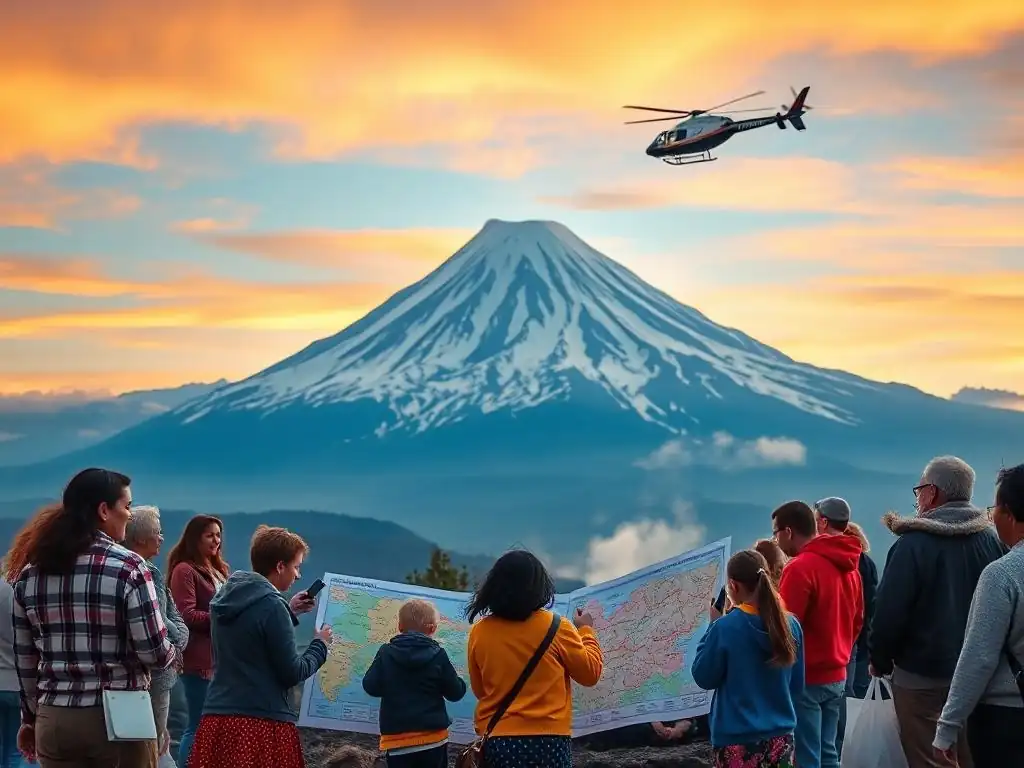
Welcome to Volcano Explorers, where the Earth breathes fire! Ever wondered if your community is truly prepared for the unpredictable power of a volcano? This isn't just about knowing there's a volcano nearby; it's about having a plan that works. Dive into our latest article where we unravel the critical importance of a regularly reviewed community volcano safety plan. What secrets does your local plan hold, and more importantly, how can you ensure it's ready for anything? Let's explore!
- Regular Review: Keeping Your Mount Rainier Community Volcano Plan Relevant and Effective
- Why Regularly Review Your Mount Rainier Community Volcano Safety Plan is Crucial
- Key Elements of a Comprehensive Mount Rainier Community Volcano Safety Plan Review
-
Steps for Conducting an Effective Review of Your Mount Rainier Preparedness Plan
- Step 1: Assemble a Review Committee for the Mount Rainier Emergency Plan
- Step 2: Gather Data and Feedback on Current Mount Rainier Safety Procedures
- Step 3: Identify Areas for Improvement in the Mount Rainier Disaster Plan
- Step 4: Implement Changes and Updates to the Mount Rainier Evacuation Plan
- Step 5: Communicate Revisions to the Mount Rainier Safety Plan
- Tools and Resources for Reviewing Your Mount Rainier Community Volcano Safety Plan
- Addressing Common Challenges in Maintaining a Current Mount Rainier Safety Plan
- The Importance of Regular Drills and Exercises for Mount Rainier Preparedness
- Measuring the Success of Your Mount Rainier Community Volcano Safety Plan Review
- Lessons from the Osceola Mudflow: Incorporating Historical Events into Planning
- Conclusion: A Proactive Approach to Mount Rainier Community Safety
-
Frequently Asked Questions
- What is a community volcano safety plan, and why is it important?
- How often should a community volcano safety plan be reviewed and updated?
- What are some key elements that should be included in a community volcano safety plan?
- How can residents actively participate in developing and maintaining their community volcano safety plan?
- What resources are available to help communities create or improve their community volcano safety plan?
- Final Reflection: Embracing Preparedness in the Shadow of the Volcano
- Ignite Action: Safeguard Your Community Today!
Regular Review: Keeping Your Mount Rainier Community Volcano Plan Relevant and Effective
Why Regularly Review Your Mount Rainier Community Volcano Safety Plan is Crucial
Ensuring the Mount Rainier Community Volcano Preparedness Plan Remains Up-to-Date
A community volcano safety plan, particularly for a region like Mount Rainier, is not a static document. It requires regular review to remain effective. The landscape around Mount Rainier is constantly changing, both physically and demographically. New infrastructure might be built, evacuation routes could be altered due to construction or environmental changes, and the population distribution within the lahar hazard zones can shift over time. These changes can render previously established safety protocols inadequate or even dangerous if they are not periodically updated to reflect the current reality.
Moreover, our understanding of volcanic hazards, specifically lahar risks from Mount Rainier, is continuously evolving as scientific research progresses. New geological studies, advancements in monitoring technology, and improved modeling techniques can provide more precise insights into potential lahar pathways, travel times, and the areas most vulnerable. Incorporating these updated scientific findings into your community volcano preparedness plan is essential to ensure it is based on the most accurate and current information available, enhancing its reliability and effectiveness in a real emergency.
Adapting the Mount Rainier Volcano Emergency Plan to Changing Community Demographics
Communities surrounding Mount Rainier are not static entities; they are dynamic and ever-changing. Population growth, shifts in age demographics, and increasing diversity within the community all have significant implications for a community volcano emergency plan. For instance, an increase in elderly residents or individuals with disabilities might necessitate adjustments to evacuation procedures, requiring more accessible transportation options and longer evacuation times. Similarly, a growing population unfamiliar with volcano hazards might require more extensive and culturally sensitive public education campaigns to ensure everyone understands the risks and knows how to respond.
Furthermore, changes in the linguistic diversity of a community also demand attention in emergency planning. If a significant portion of the population speaks languages other than English, then emergency communications, warning systems, and evacuation instructions must be available in multiple languages to be truly effective. A failure to adapt the Mount Rainier volcano emergency plan to these demographic shifts could lead to confusion, delays in evacuation, and ultimately, a less effective response during a volcanic event, jeopardizing the safety of vulnerable populations within the community.
Maintaining Effectiveness of Your Mount Rainier Disaster Plan Through Consistent Review
The effectiveness of any disaster plan, including a Mount Rainier disaster plan, is not guaranteed simply by its existence. It requires consistent review and active maintenance to remain a viable and useful tool for community safety. Think of a community volcano safety plan as a living document; if left unexamined for years, it can become outdated, irrelevant, and potentially create a false sense of security. Regular reviews provide the opportunity to identify weaknesses, test assumptions, and incorporate lessons learned from drills, exercises, and even real-world events elsewhere.
Consistent review also allows for the incorporation of new technologies and best practices in emergency management. Communication systems, warning technologies, and evacuation strategies are constantly evolving. A proactive approach to reviewing the community volcano safety plan ensures that the community can leverage these advancements to enhance its preparedness and response capabilities. This continuous improvement cycle is crucial for building a robust and reliable framework for mitigating the risks associated with Mount Rainier and ensuring the safety of the community in the face of potential volcanic hazards.
Key Elements of a Comprehensive Mount Rainier Community Volcano Safety Plan Review
Assessing the Accuracy of Contact Information in Your Mount Rainier Evacuation Plan
One of the most fundamental, yet often overlooked, aspects of a community evacuation plan is the accuracy of contact information. For a Mount Rainier evacuation plan to function effectively, emergency responders and community leaders must be able to quickly and reliably communicate with residents, especially during a rapidly unfolding lahar event. This necessitates a thorough assessment of the contact information databases used for emergency notifications. Are phone numbers and email addresses up-to-date? Are there redundancies and backup systems in place to ensure communication channels remain open even if primary systems fail?
Furthermore, the review should consider the methods used to collect and maintain contact information. Is the process opt-in or opt-out? How frequently is the data verified and updated? For example, relying solely on landline phone numbers in an era of increasing mobile phone usage could leave a significant portion of the population unreached. A comprehensive review will examine these aspects and recommend strategies to improve the accuracy and completeness of contact information, ensuring that vital warnings and instructions reach everyone within the Mount Rainier lahar hazard zones promptly and effectively.
Evaluating the Effectiveness of Communication Strategies During a Lahar Event
Communication is paramount during a lahar event from Mount Rainier. A review of the community volcano safety plan must critically evaluate the effectiveness of the communication strategies outlined. This includes examining the types of communication channels proposed, such as outdoor sirens, emergency alerts on mobile phones, radio broadcasts, and door-to-door notifications. Are these channels appropriate for the community's demographics and geographic layout? Are there backup communication methods in case of power outages or system failures?
The review should also assess the clarity and timeliness of the messages disseminated. Are warning messages concise, easily understood, and available in multiple languages if needed? Is there a pre-scripted communication plan that outlines who is responsible for sending messages, what information should be included, and how frequently updates will be provided? Evaluating these aspects will help identify potential communication gaps and weaknesses, allowing for improvements to be made to ensure that warnings are delivered effectively and contribute to a timely and orderly evacuation during a Mount Rainier lahar emergency.
Reviewing Evacuation Routes and Assembly Points for Mount Rainier Community Safety
Evacuation routes and assembly points are critical components of any community volcano safety plan, particularly for areas vulnerable to Mount Rainier lahars. A thorough review must assess the viability and practicality of the designated evacuation routes. Are these routes clearly marked and well-maintained? Are they sufficient to handle the potential volume of evacuees, considering factors like traffic congestion and road capacity? Are there alternative routes identified in case primary routes become blocked or impassable due to a lahar or associated debris flows?
Similarly, the designated assembly points need to be evaluated. Are they located in safe zones, far enough away from potential lahar paths and secondary hazards? Are they easily accessible from the evacuation routes? Do they have adequate capacity to accommodate the anticipated number of evacuees? Are there provisions for basic necessities at assembly points, such as shelter, water, and first aid? A critical review of evacuation routes and assembly points will identify any shortcomings and enable the community to refine these elements of the Mount Rainier community volcano safety plan, ensuring a safer and more efficient evacuation process.
Steps for Conducting an Effective Review of Your Mount Rainier Preparedness Plan
Step 1: Assemble a Review Committee for the Mount Rainier Emergency Plan
The first crucial step in conducting an effective review of your Mount Rainier emergency plan is to assemble a dedicated review committee. This committee should be composed of a diverse group of stakeholders representing various segments of the community and relevant expertise. Ideally, it should include representatives from local government agencies such as emergency management, public works, and law enforcement. Community leaders, residents from different neighborhoods within the lahar hazard zones, and representatives from vulnerable populations should also be included to ensure diverse perspectives are considered.
Furthermore, the committee should include individuals with specific expertise relevant to volcano hazards and emergency planning. This could involve volcanologists, geologists familiar with Mount Rainier's hazards, emergency management professionals with experience in volcanic crises, and communication specialists. The committee's composition should reflect the community it serves and the complexity of the hazard it is addressing, ensuring a comprehensive and well-informed review of the Mount Rainier preparedness plan. Defining clear roles and responsibilities for each member will further enhance the committee's effectiveness.
Step 2: Gather Data and Feedback on Current Mount Rainier Safety Procedures
Once the review committee is assembled, the next step is to gather comprehensive data and feedback on the current Mount Rainier safety procedures. This data collection should be multifaceted and draw from various sources to ensure a holistic understanding of the plan's strengths and weaknesses. One crucial source of information is feedback from the community itself. Surveys, public forums, and community meetings can be used to solicit input from residents on their understanding of the plan, their perceived preparedness levels, and any concerns they might have.
In addition to community feedback, data should be gathered from relevant agencies and organizations involved in emergency response. This includes local emergency management agencies, fire departments, police departments, and healthcare providers. Their experiences from past drills, exercises, and real-world emergencies (if any) can provide valuable insights into the practicality and effectiveness of the current procedures. Reviewing existing documentation, such as the current Mount Rainier community volcano safety plan, after-action reports from drills, and relevant scientific studies, will further enrich the data gathering process.
Step 3: Identify Areas for Improvement in the Mount Rainier Disaster Plan
With the data and feedback gathered, the review committee can then proceed to identify specific areas for improvement in the Mount Rainier disaster plan. This step involves a careful analysis of the collected information to pinpoint weaknesses, gaps, and areas where the plan could be enhanced to better protect the community. The committee should critically examine all aspects of the plan, from warning systems and communication protocols to evacuation routes, assembly points, and resource allocation.
For example, community feedback might reveal that residents are unclear about evacuation routes or that warning sirens are not audible in certain areas. Data from emergency responders might highlight challenges in communication coordination or resource limitations. Scientific updates could indicate changes in lahar hazard zones or travel times that need to be reflected in the plan. By systematically analyzing this information, the review committee can create a prioritized list of areas requiring improvement, forming the basis for updating and refining the Mount Rainier evacuation plan.
Step 4: Implement Changes and Updates to the Mount Rainier Evacuation Plan
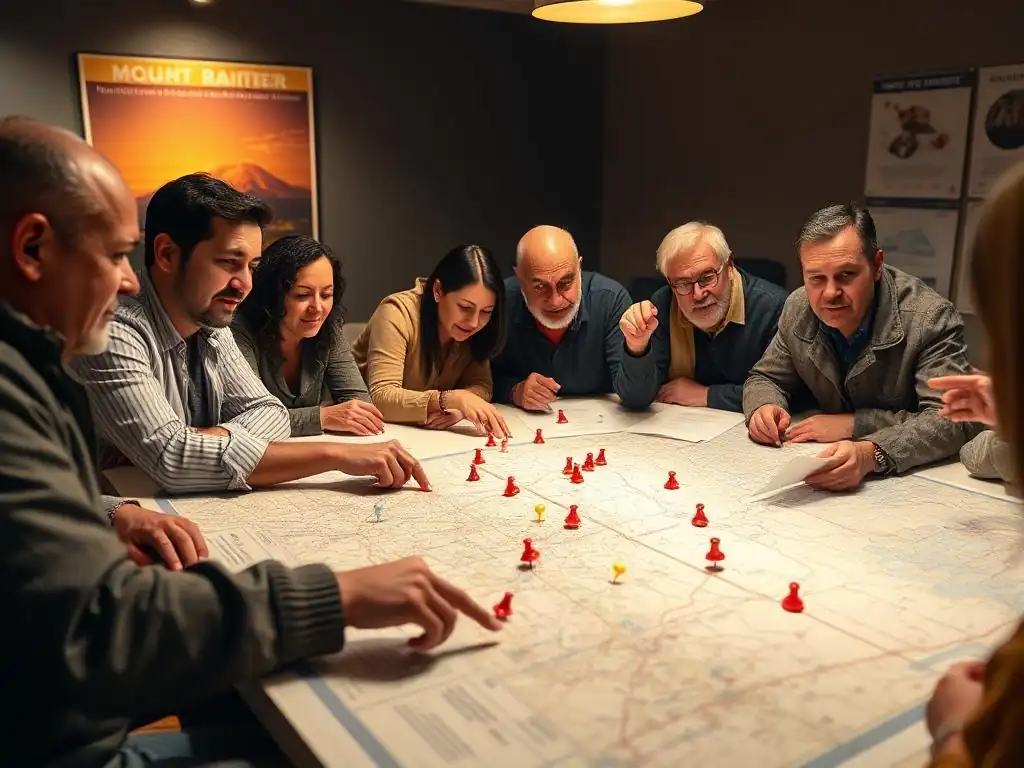
After identifying areas for improvement, the next critical step is to implement the necessary changes and updates to the Mount Rainier evacuation plan. This is where the recommendations from the review committee are translated into concrete actions. This might involve revising evacuation routes based on new hazard assessments, updating communication protocols to incorporate more effective warning systems, or enhancing resource allocation to address identified gaps. Implementing changes requires careful planning, coordination, and often, resource investment.
For instance, if the review identified a need for multilingual warning messages, the implementation phase would involve developing and translating these messages into the relevant languages. If new evacuation routes are proposed, this might require infrastructure improvements, such as road signage and traffic management systems. Changes to the plan should be documented clearly and precisely, and all relevant agencies and stakeholders should be informed of the updates. This step ensures that the identified improvements are effectively integrated into the Mount Rainier community volcano safety plan, making it a more robust and practical tool for community protection.
Step 5: Communicate Revisions to the Mount Rainier Safety Plan
The final and equally important step in the review process is to effectively communicate the revisions to the Mount Rainier safety plan to the entire community. An updated plan is only useful if residents are aware of the changes and understand how they impact them. Communication efforts should be comprehensive and utilize multiple channels to reach all segments of the community. This could include public meetings, community newsletters, local media outlets, social media platforms, and the official website of the local emergency management agency.
The communication should clearly outline the changes made to the plan, explain the rationale behind these changes, and emphasize any new procedures or actions that residents need to take. Providing updated maps of evacuation routes and assembly points, revised emergency contact information, and refreshed guidance on lahar safety procedures are essential components of this communication effort. Furthermore, ongoing communication and public education campaigns should be implemented to reinforce awareness of the Mount Rainier community volcano safety plan and ensure its continued relevance and effectiveness in the long term.
Tools and Resources for Reviewing Your Mount Rainier Community Volcano Safety Plan
Utilizing USGS Resources for Mount Rainier Lahar Preparedness Planning
The United States Geological Survey (USGS) is a primary source of scientific information about volcano hazards and offers invaluable resources for Mount Rainier lahar preparedness planning. The USGS Volcano Hazards Program provides detailed information on Mount Rainier's volcanic history, potential hazards, and real-time monitoring data. Their website features interactive maps showing lahar hazard zones, educational materials explaining lahar risks, and scientific reports detailing the latest research on Mount Rainier's volcanic activity. These resources are crucial for understanding the specific threats facing communities around Mount Rainier.
Specifically, the USGS publishes hazard assessments and scenarios that can be directly used to inform the community volcano safety plan. For instance, USGS publications detail the potential lahar pathways, estimated arrival times at different communities, and the expected impacts of various lahar sizes. Utilizing these USGS resources ensures that the Mount Rainier lahar preparedness planning is grounded in the best available scientific understanding of the volcanic hazards and allows for the development of evidence-based safety procedures tailored to the specific risks posed by Mount Rainier.
Consulting with Pierce County Emergency Management Professionals
Pierce County Emergency Management (PCEM) is the local agency responsible for coordinating emergency preparedness and response efforts in the region surrounding Mount Rainier. Consulting with PCEM professionals is an essential step in reviewing and updating any Mount Rainier community volcano safety plan. PCEM possesses local expertise in emergency management, understands the specific challenges and resources within Pierce County, and has established communication networks and coordination protocols with various response agencies.
PCEM can provide valuable guidance on best practices in emergency planning, assist in conducting hazard assessments specific to the community, and offer support in developing and implementing evacuation plans. They can also facilitate coordination between different jurisdictions and agencies involved in Mount Rainier preparedness efforts. Leveraging PCEM's expertise ensures that the community volcano safety plan is aligned with local emergency management frameworks, incorporates local knowledge, and benefits from the experience of professionals dedicated to community safety in the face of Mount Rainier's volcanic hazards.
Leveraging Community Feedback to Improve the Mount Rainier Emergency Plan
While scientific data and expert consultation are crucial, community feedback is equally vital for improving the Mount Rainier emergency plan. The community is the ultimate stakeholder, and their lived experiences, local knowledge, and perceptions of risk are invaluable in ensuring the plan is practical, relevant, and effective. Actively soliciting and incorporating community feedback throughout the review process is essential for building a truly community-owned and community-supported volcano safety plan.
This feedback can be gathered through various methods, including surveys, public forums, workshops, and online platforms. Asking residents about their understanding of the plan, their perceived preparedness levels, any concerns they have, and suggestions for improvement can reveal valuable insights that might not be apparent through scientific data or expert consultation alone. Leveraging community feedback not only improves the quality and relevance of the Mount Rainier emergency plan but also fosters a sense of ownership and shared responsibility for community safety, which is critical for effective preparedness and response.
Addressing Common Challenges in Maintaining a Current Mount Rainier Safety Plan
Overcoming Apathy and Encouraging Community Involvement in Lahar Preparedness
One of the most significant challenges in maintaining a current Mount Rainier safety plan is overcoming community apathy and encouraging sustained involvement in lahar preparedness. Volcanic eruptions, particularly large lahar events, are infrequent occurrences, and the perceived risk can diminish over time, leading to complacency. Maintaining public awareness and engagement in preparedness activities requires consistent and creative strategies. Regular public education campaigns are crucial to keep the issue of lahar risk top-of-mind and to reinforce the importance of community volcano safety plans.
These campaigns should utilize various communication channels, including social media, local news outlets, community events, and school programs, to reach diverse segments of the population. Interactive and engaging activities, such as community drills, workshops, and presentations by volcanologists or emergency responders, can be more effective than passive information dissemination. Highlighting the personal relevance of lahar preparedness, emphasizing the potential consequences of inaction, and showcasing community success stories in preparedness efforts can help combat apathy and foster a culture of proactive community involvement in maintaining a robust Mount Rainier safety plan.
Securing Funding for Updates and Improvements to the Mount Rainier Disaster Plan
Maintaining a current and effective Mount Rainier disaster plan often requires financial resources for updates, improvements, and ongoing preparedness activities. Securing adequate and sustained funding can be a significant challenge. Updating communication systems, improving evacuation routes, conducting community drills, and developing public education materials all come with associated costs. Identifying and securing funding sources is therefore a critical aspect of maintaining a robust community volcano safety plan.
Potential funding sources can include local government budgets, state and federal grants specifically allocated for emergency preparedness, and private sector partnerships. Demonstrating the value and necessity of the community volcano safety plan to funding bodies is crucial. This can be achieved by highlighting the potential economic and social impacts of a lahar event, demonstrating the community's commitment to preparedness, and showcasing the effectiveness of the plan through drills and exercises. Developing a long-term funding strategy that ensures consistent resources for plan maintenance and updates is essential for sustained community safety.
Keeping Up with the Latest Scientific Understanding of Mount Rainier Lahar Hazards
The scientific understanding of Mount Rainier lahar hazards is constantly evolving as research progresses and monitoring technologies improve. Staying abreast of these advancements and incorporating them into the community volcano safety plan is an ongoing challenge. New geological studies may refine our understanding of lahar pathways and inundation zones, while improved monitoring systems can provide earlier warnings of potential volcanic activity. Failing to incorporate this latest scientific understanding can lead to an outdated and less effective Mount Rainier safety plan.
To address this challenge, establishing ongoing partnerships with volcanologists and geological agencies like the USGS is crucial. Regularly reviewing scientific publications, attending relevant conferences and workshops, and consulting with experts can help ensure that the community volcano safety plan remains informed by the most current scientific knowledge. Establishing a mechanism for regularly updating the plan based on new scientific findings, perhaps as part of the annual review process, is essential for maintaining its accuracy and effectiveness in mitigating the risks associated with Mount Rainier lahar hazards.
The Importance of Regular Drills and Exercises for Mount Rainier Preparedness
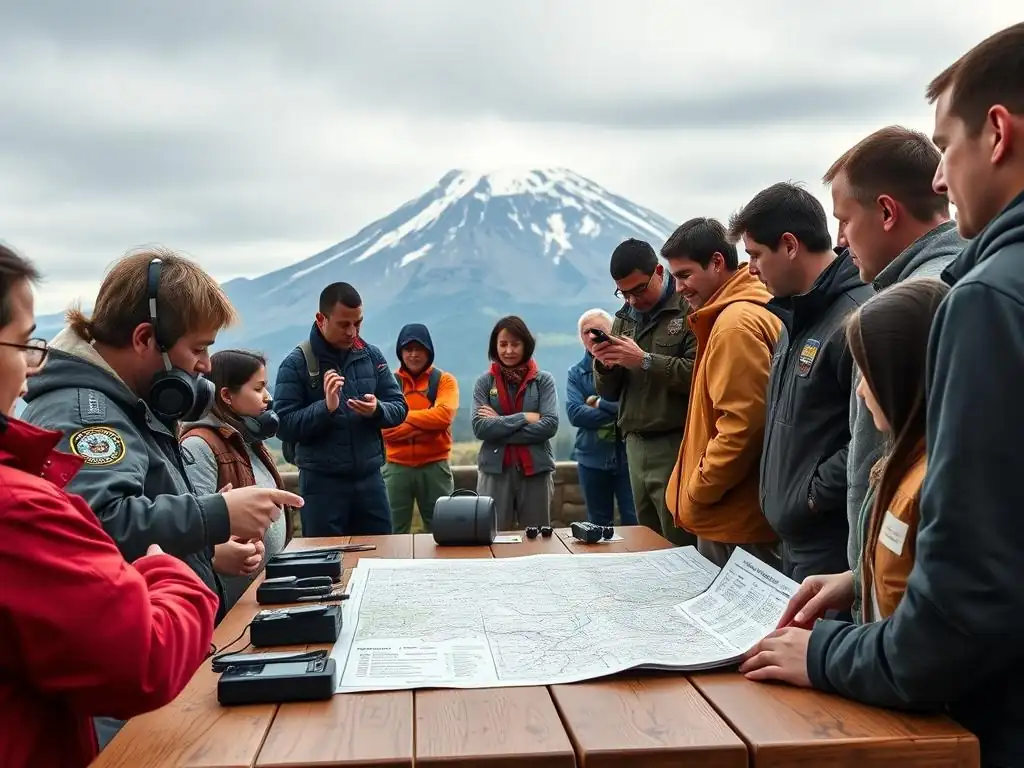
Simulating Lahar Emergency Scenarios to Test the Mount Rainier Evacuation Plan
Regular drills and exercises are not merely procedural formalities; they are indispensable for validating and improving the Mount Rainier evacuation plan. Simulating lahar emergency scenarios provides a practical opportunity to test the plan's effectiveness in a controlled environment, without the pressures and chaos of a real event. Drills can reveal weaknesses in communication systems, identify bottlenecks in evacuation routes, and highlight areas where community understanding of procedures is lacking.
These simulations can range from tabletop exercises, which involve discussing responses to hypothetical scenarios, to full-scale drills that involve mobilizing emergency responders and community members to practice evacuation procedures. The scenarios should be realistic and challenging, reflecting the potential complexities of a lahar event, such as power outages, road closures, and communication disruptions. By actively testing the Mount Rainier evacuation plan through drills and exercises, communities can identify areas for improvement, refine procedures, and build confidence in their preparedness capabilities.
Evaluating the Response of Different Community Groups During Lahar Drills
Drills and exercises also provide a valuable opportunity to evaluate the response of different community groups to the Mount Rainier evacuation plan. Communities are diverse, and different segments of the population may have varying levels of preparedness, understanding of procedures, and capacity to respond effectively during an emergency. Drills can be designed to assess the response of specific groups, such as residents in vulnerable neighborhoods, individuals with disabilities, or non-English speaking populations.
Observing how these different groups participate in drills, identify any challenges they face, and gathering their feedback afterwards can reveal disparities in preparedness levels and highlight areas where targeted outreach and support are needed. For instance, drills might reveal that evacuation routes are not accessible for individuals with mobility impairments or that warning messages are not reaching non-English speaking households effectively. This information is crucial for tailoring the Mount Rainier safety plan to meet the diverse needs of the entire community and ensuring equitable preparedness outcomes.
Identifying Weaknesses in the Mount Rainier Safety Plan Through Practical Exercises
Perhaps the most critical benefit of regular drills and exercises is their ability to identify weaknesses in the Mount Rainier safety plan that might not be apparent through desk-based reviews. Practical exercises put the plan to the test in a simulated real-world environment, revealing gaps, inefficiencies, and unforeseen challenges that can hinder effective response during an actual lahar event. For example, a drill might reveal that evacuation routes become congested faster than anticipated, that communication systems are overwhelmed during peak demand, or that assembly points lack sufficient capacity or resources.
These practical insights are invaluable for refining the Mount Rainier community volcano safety plan. By observing how the plan performs in action, identifying bottlenecks and shortcomings, and gathering feedback from participants, emergency managers can pinpoint specific areas requiring improvement. The lessons learned from drills and exercises directly inform revisions to the plan, leading to more robust procedures, more effective communication strategies, and ultimately, a more reliable framework for community safety during a Mount Rainier lahar emergency.
Measuring the Success of Your Mount Rainier Community Volcano Safety Plan Review
Measuring the success of a Mount Rainier community volcano safety plan review requires tracking key metrics related to community preparedness for lahars. These metrics provide quantifiable indicators of progress and areas needing further attention. One important metric is the percentage of households within lahar hazard zones that have developed family emergency plans and preparedness kits. This reflects the level of individual and household preparedness within the community.
Another key metric is the participation rate in community drills and exercises. Higher participation rates indicate greater community engagement and a stronger culture of preparedness. Tracking the time it takes for communities to evacuate during drills can also be a valuable metric for assessing the efficiency of evacuation procedures.
Furthermore, monitoring community awareness levels through surveys or knowledge assessments before and after plan reviews and public education campaigns can gauge the effectiveness of communication efforts. By tracking these and other relevant metrics, communities can objectively assess the impact of their Mount Rainier community volcano safety plan review and identify areas for ongoing improvement.
Assessing the Level of Community Awareness Regarding Lahar Safety Procedures
A crucial measure of success for any community volcano safety plan review is assessing the level of community awareness regarding lahar safety procedures. Even the most well-designed plan is ineffective if residents are unaware of its contents or do not understand how to respond during a lahar emergency. Therefore, evaluating community awareness is paramount. This can be achieved through various methods, including surveys, quizzes, public forums, and community meetings.
Surveys can gauge residents' understanding of lahar hazards, evacuation routes, warning signals, and recommended safety actions. Quizzes can test knowledge retention after public education campaigns. Public forums and community meetings provide opportunities to directly assess community understanding and address any questions or misconceptions. Measuring community awareness levels before and after plan reviews and public education initiatives provides valuable feedback on the effectiveness of communication efforts and highlights areas where further outreach and education are needed to ensure widespread understanding of Mount Rainier lahar safety procedures.
Using Feedback to Continuously Improve the Mount Rainier Emergency Response Plan
Ultimately, the success of a Mount Rainier community volcano safety plan review is not a one-time achievement but an ongoing process of continuous improvement. The feedback gathered through metrics tracking, community awareness assessments, drills, and exercises should be actively used to refine and enhance the emergency response plan on a regular basis. This iterative approach ensures that the plan remains relevant, effective, and responsive to the evolving needs of the community and the latest scientific understanding of Mount Rainier lahar hazards.
Establishing a formal mechanism for incorporating feedback into plan revisions is crucial. This could involve regular meetings of the review committee to analyze data, discuss feedback, and propose updates to the plan. Documenting the feedback received and the changes implemented in response ensures transparency and accountability. By embracing a culture of continuous improvement and actively using feedback to refine the Mount Rainier emergency response plan, communities can build a more resilient and safer environment for residents living in the shadow of this potentially active volcano.
Lessons from the Osceola Mudflow: Incorporating Historical Events into Planning
Understanding the Impact of Past Lahars on the White River Valley
The Osceola Mudflow, a massive lahar that originated from Mount Rainier approximately 5,600 years ago, serves as a stark reminder of the volcano's destructive potential and provides invaluable lessons for contemporary community volcano safety plans. This prehistoric event dramatically reshaped the landscape of the White River Valley, depositing vast quantities of volcanic debris and significantly altering drainage patterns. Understanding the scale and impact of the Osceola Mudflow is crucial for comprehending the potential magnitude of future lahar events from Mount Rainier and for informing realistic risk assessments.
Geological evidence reveals that the Osceola Mudflow traveled far beyond the immediate vicinity of Mount Rainier, reaching Puget Sound and significantly impacting areas now occupied by communities like Auburn and Kent. The depth and extent of the deposits demonstrate the immense power of lahars to inundate large areas and cause widespread devastation. Studying the Osceola Mudflow provides a historical context for understanding lahar hazards and underscores the importance of planning for large-scale, far-reaching events in community volcano safety plans.
Integrating Historical Data into Risk Assessments for Future Events
Historical data, particularly geological evidence of past lahar events like the Osceola Mudflow, is essential for developing robust risk assessments for future events from Mount Rainier. While scientific models and monitoring technologies are crucial for predicting lahar pathways and potential impacts, historical events provide real-world examples of the scale and extent of past lahars, offering a valuable reality check for risk assessments. Integrating historical data into risk assessments helps to ground planning scenarios in geological reality and avoid underestimating the potential magnitude of future events.
For example, the extent of the Osceola Mudflow informs the delineation of lahar hazard zones and the estimation of potential inundation areas for future large lahars. Historical data can also help refine estimates of lahar recurrence intervals and the probability of events of different magnitudes occurring within a given timeframe. By incorporating lessons from the Osceola Mudflow and other past lahar events, community volcano safety plans can be based on a more comprehensive and realistic understanding of the long-term lahar hazard posed by Mount Rainier, leading to more effective preparedness strategies.
Conclusion: A Proactive Approach to Mount Rainier Community Safety
Emphasizing the Ongoing Need for Regular Review and Improvement of Lahar Safety Plans
Ensuring community safety in the shadow of Mount Rainier is not a one-time task but an ongoing commitment that necessitates a proactive approach to community volcano safety plans. Regular review and improvement are not optional add-ons; they are fundamental requirements for maintaining a relevant and effective plan. The dynamic nature of both volcanic hazards and community demographics demands continuous adaptation and refinement of safety procedures. Complacency and reliance on outdated plans can have severe consequences in the face of a volcanic event.
The process of regular review should be ingrained as a core component of community preparedness efforts, not just a periodic exercise. It should be viewed as an opportunity for continuous learning, improvement, and strengthening of community resilience. Emphasizing the ongoing need for review and improvement reinforces the message that community volcano safety is a shared responsibility and a continuous endeavor, not a static achievement.
Building a Resilient Community through Effective Mount Rainier Preparedness
Ultimately, the goal of regular review and improvement of the Mount Rainier community volcano safety plan is to build a more resilient community capable of effectively mitigating the risks associated with lahars and other volcanic hazards. A resilient community is one that is not only prepared for emergencies but also able to adapt, recover, and learn from them. Effective Mount Rainier preparedness is a cornerstone of building such resilience in the communities surrounding this potentially active volcano.
By proactively reviewing and updating their community volcano safety plans, engaging in regular drills and exercises, fostering community awareness, and incorporating the latest scientific understanding, communities around Mount Rainier can significantly enhance their preparedness levels. This proactive approach not only reduces the potential impact of a lahar event but also fosters a sense of security, empowers residents to take action, and builds a stronger, more resilient community capable of facing the challenges posed by living near an active volcano.
Frequently Asked Questions
What is a community volcano safety plan, and why is it important?
A community volcano safety plan is a prepared strategy for residents in areas near active volcanoes. It's crucial because it outlines evacuation routes, communication protocols, and emergency resources, helping to minimize risk during an eruption.
How often should a community volcano safety plan be reviewed and updated?
The plan should undergo regular review, ideally at least annually, or more frequently if there have been changes in volcanic activity, population, or infrastructure. This ensures the plan remains effective and addresses current needs.
What are some key elements that should be included in a community volcano safety plan?
Essential components include clear evacuation routes, a reliable communication system for alerts, designated shelter locations, and procedures for assisting vulnerable populations. Resource allocation and emergency contact lists are also vital.
How can residents actively participate in developing and maintaining their community volcano safety plan?
Residents can participate by attending community meetings, providing feedback on the plan, volunteering for emergency response teams, and staying informed about volcanic activity updates and preparedness measures.
What resources are available to help communities create or improve their community volcano safety plan?
VolcanoExplorers.org offers educational resources, safety guides, and links to relevant government agencies and volcanological observatories. Collaboration with local emergency management is also crucial.
Final Reflection: Embracing Preparedness in the Shadow of the Volcano
The insights shared throughout this article underscore a crucial truth: a community volcano safety plan is not a static document, but a living, breathing entity that demands regular review and adaptation. In a world increasingly aware of the power of nature, and the potential for catastrophic events, the proactive steps taken to ensure community safety are more vital than ever. Ignoring the need for constant evaluation is akin to tempting fate, leaving communities vulnerable to the unpredictable nature of volcanic activity.
The ongoing influence of a well-maintained community volcano safety plan extends far beyond the immediate threat. It fosters a sense of collective responsibility, strengthens community bonds, and empowers individuals to take control in the face of adversity. This proactive approach instills confidence and resilience, transforming fear into informed action. By failing to prepare, you are preparing to fail.
- Benjamin Franklin. This quote serves as a potent reminder that preparedness is not merely an option, but a fundamental obligation to ourselves and our communities.
Now, we invite you to reflect on the role you can play in ensuring the effectiveness of your community's volcano safety plan. Consider the information presented here, and ask yourself: How can I contribute to the ongoing review process? How can I help disseminate vital information to my neighbors and loved ones? Let us all embrace the spirit of preparedness, working together to create safer, more resilient communities in the shadow of the volcano.
Ignite Action: Safeguard Your Community Today!
Thank you for exploring the vital importance of a current and effective community volcano plan. We hope you've gained valuable insights into ensuring your community's readiness. Now, let's translate knowledge into action and fortify your community's defenses against potential volcanic threats.
Here’s how you can make a real difference:
- Take the lead: Connect with your local emergency management agency (EMA) this week to inquire about the current community volcano preparedness plan. Offer your assistance in reviewing and updating it.: This is the most impactful step you can take.
- Share this article with at least three neighbors or community members. Starting a conversation is the first step in collective action.
- Brainstorm one unique, community-specific challenge that could hinder evacuation (e.g., limited transportation for elderly residents) and propose a creative solution.
What specific question will you ask your EMA representative to begin improving your community's plan? Let us know in the comments below!