
The Fragile Balance: Volcanic Gases and Earth's Climate System

Welcome to Volcano Explorers!
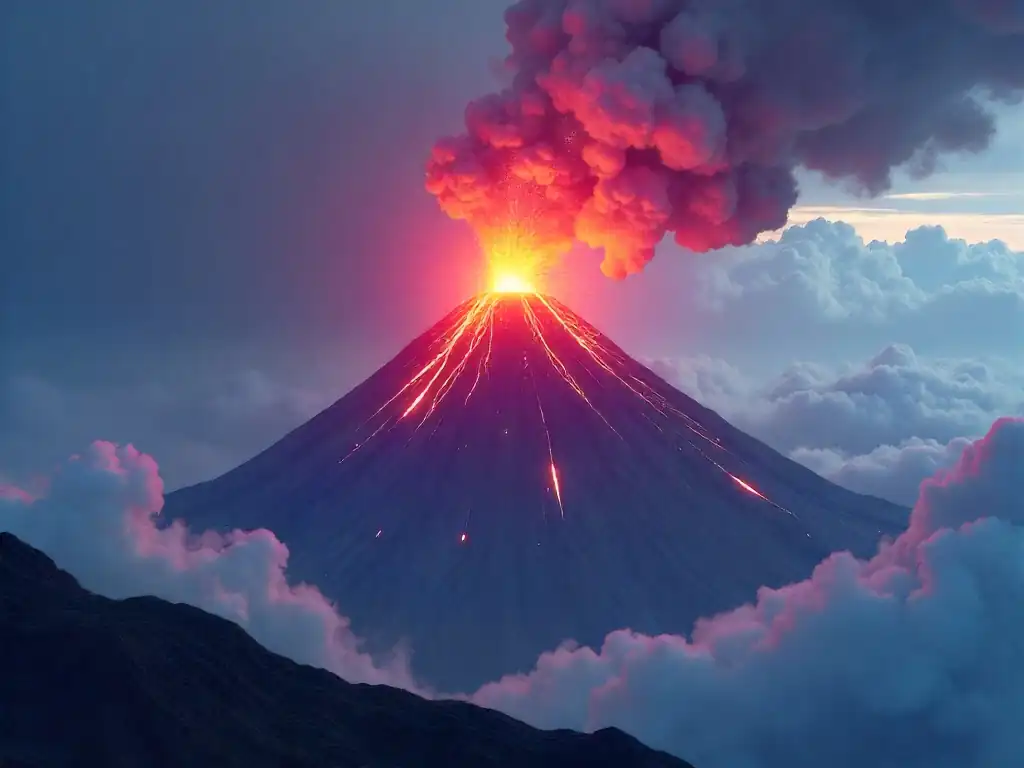
Prepare to journey into the heart of Earth's fiery breath. Ever wondered about the invisible hand volcanoes play in shaping our planet's climate? We're about to uncover a fascinating, and perhaps unsettling, truth. Dive into our main article, " The Fragile Balance: Volcanic Gases and Earth's Climate System," and explore the surprising impact these powerful emissions have on our world. Are volcanic gases a threat or a necessary component of Earth's delicate equilibrium? The answer may surprise you...
- Introduction: Understanding the Volcanic Gases Climate Impact
-
Frequently Asked Questions
- What role do volcanic gases play in influencing Earth's climate?
- How do volcanic eruptions contribute to both warming and cooling effects on the planet?
- Are all volcanic eruptions equally impactful on the global climate?
- What other volcanic gases, besides sulfur dioxide and carbon dioxide, are significant for climate considerations?
- How do scientists study the impact of volcanic gases on the climate?
- Final Reflection: Whispers of the Earth's Breath
- Unlock Earth's Secrets: Become a Volcano Explorer!
Introduction: Understanding the Volcanic Gases Climate Impact
Volcanoes and Climate: A Complex Relationship
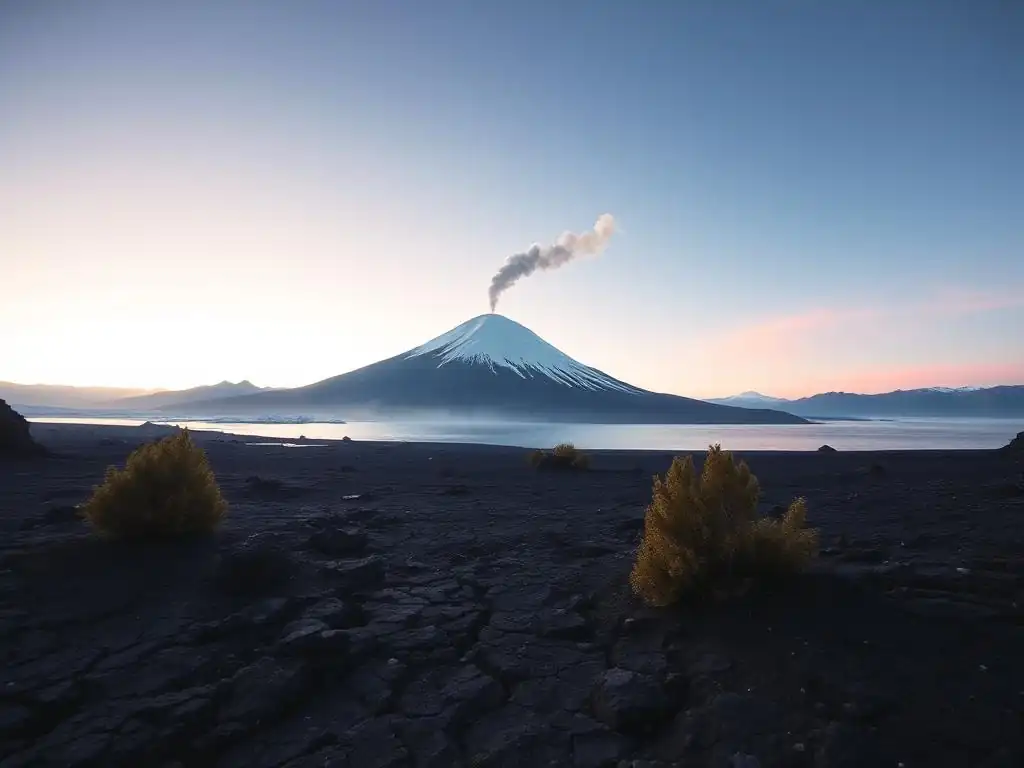
Volcanoes and climate are intrinsically linked in a complex dance of cause and effect. For centuries, dramatic volcanic eruptions have captured human attention, not only for their destructive power but also for observed changes in weather patterns that followed. Historically, events like the eruption of Mount Tambora in 1815, which led to the "Year Without a Summer," demonstrated the immediate, albeit temporary, cooling effect that large eruptions can have on global temperatures. This cooling is primarily attributed to the release of specific volcanic gases into the atmosphere.
However, the relationship is far more nuanced than just cooling. Volcanic emissions also include greenhouse gases, which, over geological timescales, contribute to the Earth's long-term climate dynamics. Understanding this intricate interplay is crucial to grasping the full spectrum of volcanic gases climate impact.
The connection between volcanoes and climate is not simply about singular, catastrophic events. It's a continuous, ongoing process. Volcanoes, both erupting and quietly degassing, release a variety of gases into the atmosphere and oceans.
These gases interact with the atmosphere, influencing radiative balance, cloud formation, and atmospheric chemistry. The impact can range from short-term cooling events lasting a few years to long-term influences on the Earth's carbon cycle and global warming or cooling trends over millennia. Therefore, to fully appreciate the volcanic gases climate impact, we must consider both the immediate effects of large eruptions and the cumulative effect of continuous volcanic degassing.
The Role of Volcanic Gas Emissions in Climate Regulation
Volcanic gas emissions, while often associated with environmental disruption, are also a fundamental component of Earth's natural climate regulation system. Over geological timescales, volcanoes play a crucial role in the carbon cycle, releasing carbon dioxide (CO2) from the Earth's interior into the atmosphere. This CO2, a potent greenhouse gas, is essential for maintaining a habitable temperature on Earth.
Without volcanic CO2 emissions over billions of years, Earth's atmosphere might have become too cold to support liquid water and life as we know it. Volcanic outgassing is therefore a key process in the long-term carbon balance of the planet, influencing global temperatures and the overall climate state.
Furthermore, the episodic release of sulfur dioxide (SO2) during volcanic eruptions, which leads to short-term cooling, also demonstrates a form of natural climate feedback. While these cooling events are temporary, they highlight the sensitivity of the Earth's climate system to changes in atmospheric composition.
The interplay between warming greenhouse gases like CO2 and cooling aerosols from SO2 exemplifies the dynamic and self-regulating nature of Earth's climate. Understanding the delicate balance within this system, including the role of volcanic gases, is vital for comprehending both past climate fluctuations and predicting future climate scenarios, especially when considering the broader context of human-induced climate change and the intricate volcanic gases climate impact.
Frequently Asked Questions
What role do volcanic gases play in influencing Earth's climate?
Volcanic gases, particularly sulfur dioxide (SO2), can lead to the formation of sulfate aerosols in the stratosphere. These aerosols reflect sunlight back into space, causing a temporary cooling effect on the global climate.
How do volcanic eruptions contribute to both warming and cooling effects on the planet?
While SO2 leads to cooling, volcanic eruptions also release carbon dioxide (CO2), a greenhouse gas. However, the cooling effect of SO2 is generally more immediate and pronounced than the long-term warming impact of CO2 from most individual eruptions.
Are all volcanic eruptions equally impactful on the global climate?
No. The climate impact depends largely on the eruption's magnitude and the altitude to which gases are injected. Eruptions that inject gases into the stratosphere have a much greater global impact than those that remain in the troposphere.
What other volcanic gases, besides sulfur dioxide and carbon dioxide, are significant for climate considerations?
Other gases, like water vapor (H2O) and hydrogen halides (e.g., HCl, HF), are emitted. Water vapor, while a greenhouse gas, has a short atmospheric lifespan. Halides can contribute to ozone depletion in the stratosphere.
How do scientists study the impact of volcanic gases on the climate?
Researchers use a combination of satellite observations, ground-based measurements, and climate models to track and analyze the dispersion and effects of volcanic gases on atmospheric composition and temperature patterns.
Final Reflection: Whispers of the Earth's Breath
The intricate dance between volcanic gases and Earth's climate, as explored throughout this article, is not merely an academic exercise, but a vital understanding for navigating our planet's future. The delicate balance we've examined, where volcanic emissions can both cool and warm the atmosphere, underscores the profound interconnectedness of natural systems and the urgent need to comprehend their complexities in the face of accelerating climate change.
The subtle yet powerful influence of volcanic gases on our climate continues to shape the world around us, often in ways we don't fully appreciate. Understanding these processes is not just about scientific accuracy; it's about recognizing our place within a dynamic Earth system and acknowledging the responsibility that comes with that knowledge. The Earth does not belong to us: we belong to the Earth.
- Marlee Matlin. This quote resonates deeply when considering the long-term consequences of our actions and the importance of respecting the planet's natural rhythms, including the volcanic activity that has shaped it for millennia.
As you reflect on the insights shared in this exploration of volcanic gases and their climate impact, consider how you can contribute to a more informed and sustainable future. Educate yourself further, support research initiatives, and advocate for policies that prioritize a holistic understanding of Earth's systems. The whispers of the Earth's breath, carried on volcanic winds, hold invaluable lessons for those who are willing to listen. Let us heed their call and strive to live in harmony with the planet that sustains us.
Unlock Earth's Secrets: Become a Volcano Explorer!
Thanks for exploring the complex relationship between volcanic gases and our climate! We hope you gained a deeper understanding of this powerful natural force. Now, let's put that knowledge to use.
Here's how you can continue your exploration:
- Monitor local air quality: Access real-time data for your area through environmental monitoring websites. Understanding your local environment provides valuable perspective on broader climate issues.
- Delve deeper into the research: Explore scientific journals and reports to learn more about specific volcanic eruptions and their impact on climate. Knowledge is power!
- Share this article with friends and family interested in Earth science and climate change. Let's spark a conversation!
What volcanic eruption most fascinates you, and how do you think it affected global climate patterns? Share your thoughts in the comments below!