
Turning Mistakes into Mastery: The Path to Volcano Safety Excellence

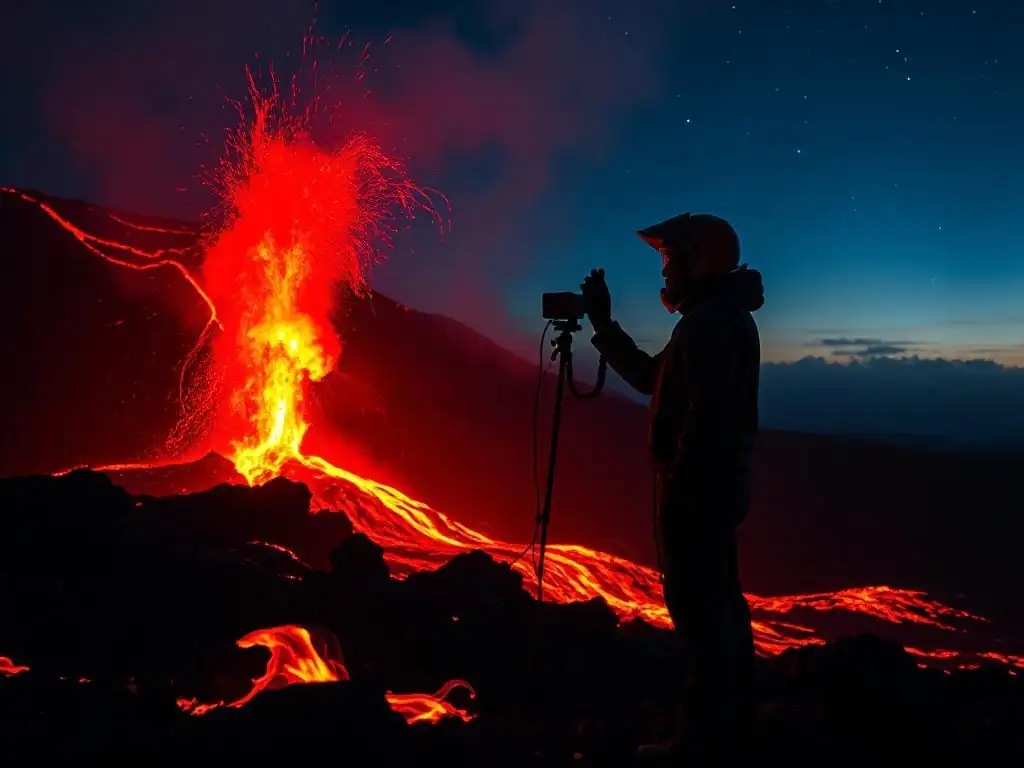
Welcome, fellow explorers!
Dare to stand on the precipice of knowledge? VolcanoExplorers.org invites you to unravel the mysteries of Earth's fiery giants. But understanding their power is only half the battle. Are you truly prepared to navigate the risks? Dive in now and discover how to transform potential missteps into vital strategies for volcano safety. Uncover the knowledge that could make all the difference – because when it comes to living alongside these magnificent forces of nature, understanding is survival.
- Understanding the Critical Importance of Volcano Safety
-
Learning from Errors: Common Mistakes in Volcano Emergency Planning
- Mistake #1: Ignoring Early Warning Signs of Volcanic Activity
- Mistake #2: Inadequate Evacuation Planning for Volcanic Eruptions
- Mistake #3: Insufficient Emergency Supplies for Volcano-Related Disasters
- Mistake #4: Lack of Communication and Coordination During a Volcanic Emergency
- Mistake #5: Underestimating the Power and Reach of Volcanic Hazards
-
Transforming Errors into Expertise: Advanced Volcano Safety Strategies
- Strategy #1: Proactive Monitoring and Interpretation of Volcanic Data
- Strategy #2: Developing Robust and Adaptable Evacuation Plans for Varying Scenarios
- Strategy #3: Stockpiling Essential Emergency Provisions for Extended Volcanic Events
- Strategy #4: Fostering Community Collaboration and Public Education on Volcano Safety
- Strategy #5: Utilizing Technology for Enhanced Volcano Monitoring and Early Warning Systems
- Achieving Mastery: Continuous Improvement in Volcano Safety Practices
- Real-World Examples: Case Studies in Volcano Safety Success
- Conclusion: Embracing a Culture of Safety in the Shadow of Volcanoes
-
Frequently Asked Questions
- What are the most important volcano safety tips for people living near active volcanoes?
- How do volcanologists monitor volcanic activity and predict potential eruptions?
- What are some common mistakes people make that compromise their volcano safety?
- Besides lava flows, what are some other significant dangers associated with volcanic eruptions?
- How can VolcanoExplorers.org help me stay safe and informed about volcanoes?
- Final Reflection: Embracing Imperfection for Volcanic Resilience
- Ignite Your Inner Explorer: Safeguard Volcano Adventures!
Understanding the Critical Importance of Volcano Safety
Why Volcano Safety Preparedness is Paramount
Volcano safety preparedness is not merely a suggestion; it is an absolute necessity for communities living in proximity to active or potentially active volcanoes. The unpredictable nature of volcanic eruptions means that even volcanoes considered dormant can awaken with little warning. Consider the eruption of Mount Pinatubo in the Philippines in 1991.
While there were precursory signs, the magnitude and explosivity were greater than initially anticipated, highlighting the critical need for robust preparedness plans even when dealing with volcanoes not historically known for large eruptions. Effective volcano safety measures can significantly reduce casualties, minimize property damage, and facilitate quicker recovery in the aftermath of an eruption.
Moreover, preparedness extends beyond immediate evacuation plans. It encompasses long-term strategies for community resilience, including infrastructure development that can withstand volcanic hazards, public education programs that foster a culture of safety, and continuous monitoring of volcanic activity to provide timely warnings.
For instance, in regions like the Canary Islands, where the Cumbre Vieja volcano on La Palma erupted in 2021, long-term preparedness involved not only evacuation protocols but also plans for managing lava flows, ashfall, and the psychological impact on the affected population. This proactive approach is crucial for transforming vulnerable communities into resilient ones capable of coexisting with volcanic risks.
The High Stakes: Consequences of Neglecting Volcano Safety Tips
Neglecting volcano safety tips and strategies can lead to catastrophic consequences, transforming a natural phenomenon into a devastating disaster. History is replete with examples of eruptions where a lack of preparedness amplified the human and economic toll. The eruption of Nevado del Ruiz in Colombia in 1985 serves as a stark reminder.
A relatively small eruption triggered a massive lahar (volcanic mudflow) that buried the town of Armero, resulting in over 25,000 fatalities. This tragedy underscored the importance of heeding volcano safety advice, particularly regarding lahars, which can travel far from the volcano itself and pose a significant threat to valleys and low-lying areas.
Furthermore, the consequences of inadequate volcano safety extend beyond immediate loss of life. Disruptions to infrastructure, agriculture, and the economy can have long-lasting effects on communities.
The Eyjafjallajökull eruption in Iceland in 2010, while relatively small in terms of direct impact on Iceland itself, caused significant disruption to air travel across Europe, highlighting the interconnectedness of our world and the far-reaching consequences of volcanic events. Investing in volcano safety measures, therefore, is not just about protecting lives in the immediate vicinity; it is also about safeguarding regional and even global stability and well-being by mitigating potential cascading effects of volcanic eruptions.
Learning from Errors: Common Mistakes in Volcano Emergency Planning
Mistake #1: Ignoring Early Warning Signs of Volcanic Activity
One of the most critical mistakes in volcano emergency planning is ignoring or misinterpreting early warning signs of volcanic activity. Volcanoes rarely erupt without providing some indication of unrest. These signs can range from subtle changes in gas emissions and ground deformation, detectable only by sophisticated monitoring equipment, to more obvious signals like increased steam or gas release, small earthquakes, or changes in hot spring activity.
For example, prior to the 1980 eruption of Mount St. Helens, there was a period of increasing seismic activity and bulging of the volcano's north flank that were clear indicators of impending eruption. While scientists recognized these signs, the public and some authorities were less receptive, highlighting the need for effective communication of volcanic risk.
Ignoring these early warnings, whether due to skepticism, lack of awareness, or inadequate monitoring systems, can drastically reduce the time available for evacuation and other crucial safety measures. In communities where volcano monitoring is less sophisticated, reliance on observable signs like increased steam or felt earthquakes becomes even more important. Public education campaigns that teach residents to recognize and report these early warning signs are essential. Prompt reporting can trigger further investigation by volcanologists and potentially initiate timely evacuation procedures, significantly enhancing volcano safety.
Mistake #2: Inadequate Evacuation Planning for Volcanic Eruptions
Inadequate evacuation planning represents another significant pitfall in volcano emergency preparedness. A well-defined evacuation plan is not simply about telling people to leave; it involves meticulously planning routes, designating safe zones, establishing communication protocols, and accounting for the specific hazards posed by a particular volcano. For instance, a volcano prone to pyroclastic flows requires different evacuation strategies than one primarily characterized by lava flows or ashfall.
Pyroclastic flows are fast-moving, hot gas and rock avalanches that necessitate rapid evacuation from valleys and areas downslope of the volcano. Lava flows, while slower, can still destroy infrastructure and isolate communities, requiring evacuation routes that avoid flow paths and consider potential roadblocks.
Furthermore, inadequate evacuation planning often fails to consider the needs of vulnerable populations, such as the elderly, disabled, or those without personal transportation. Evacuation plans must be inclusive and address logistical challenges like transportation assistance, shelter provisions, and communication in multiple languages where necessary.
The 2018 eruption of Volcán de Fuego in Guatemala highlighted the devastating consequences of insufficient evacuation planning, with communities caught unprepared by fast-moving pyroclastic flows, resulting in significant loss of life. This tragedy underscored the critical need for regular evacuation drills, community involvement in planning, and adaptable strategies that account for diverse needs and volcanic hazards.
Insufficient emergency supplies are a common and potentially life-threatening mistake in volcano preparedness. Volcanic eruptions can disrupt essential services, contaminate water sources, and isolate communities for extended periods. A well-stocked emergency kit is not just a convenience; it is a critical resource for survival during and immediately after a volcanic event. Many individuals underestimate the duration and severity of disruptions caused by eruptions. Ashfall, for example, can contaminate water supplies, damage crops, and disrupt transportation for days or even weeks after an eruption.
Emergency supplies should extend beyond the basics of food and water. Respiratory protection, such as N95 masks, is crucial in areas prone to ashfall, as volcanic ash can cause respiratory problems. Eye protection, sturdy clothing, and first-aid kits are also essential.
Furthermore, families should consider specific needs, such as medications, infant formula, and pet supplies. The eruption of Mount Ruapehu in New Zealand in 1995-96, while not causing widespread casualties, demonstrated the impact of ashfall on infrastructure and daily life, emphasizing the importance of having adequate supplies to cope with prolonged disruptions. Regularly reviewing and replenishing emergency kits is a vital component of volcano safety preparedness.
Mistake #4: Lack of Communication and Coordination During a Volcanic Emergency
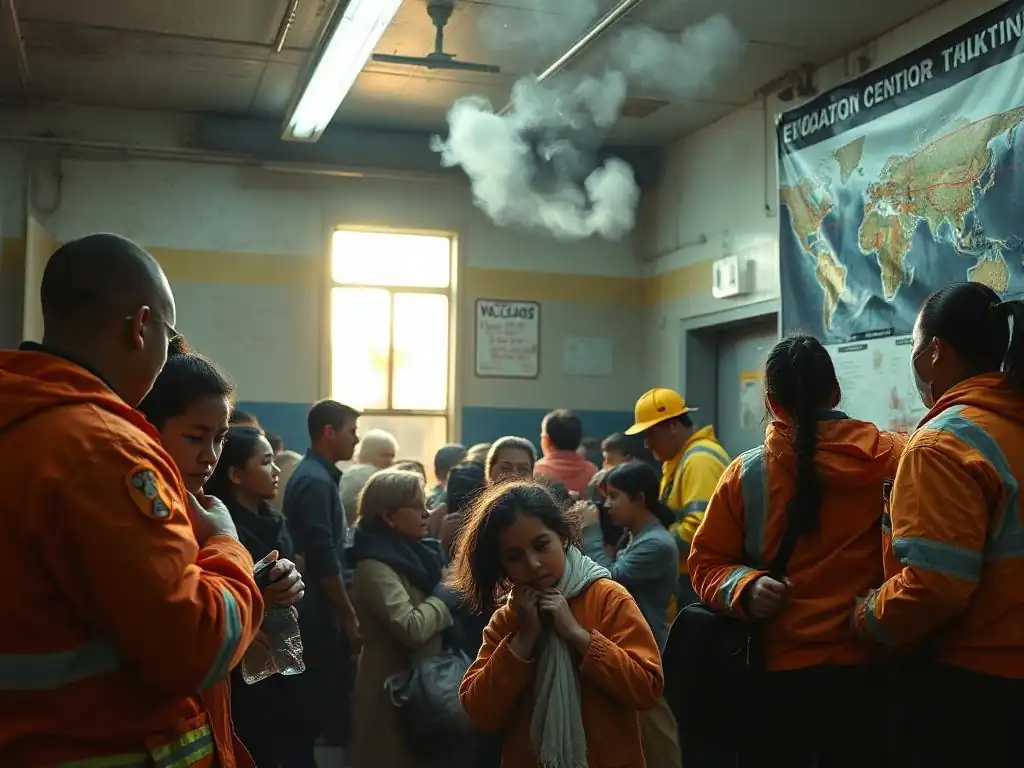
A lack of effective communication and coordination during a volcanic emergency can severely hamper response efforts and increase confusion and risk. In a volcanic crisis, timely and accurate information is crucial for guiding evacuations, disseminating safety instructions, and coordinating emergency services. Communication breakdowns can occur due to various factors, including infrastructure damage, poorly defined communication protocols, or lack of interoperability between different agencies involved in the response. Consider the hypothetical scenario where different emergency services are using incompatible radio frequencies, hindering their ability to coordinate rescue efforts or share critical information about evolving volcanic hazards.
Effective communication requires establishing clear lines of communication, utilizing multiple channels to reach the public (e.g., radio, television, mobile alerts, social media), and ensuring that information is accessible to all segments of the population, including those with language barriers or limited access to technology. Coordination involves clearly defining roles and responsibilities among different agencies, establishing a unified command structure, and conducting regular inter-agency drills to practice communication protocols and response procedures.
The successful response to the 2010 eruption of Merapi volcano in Indonesia, which involved coordinated efforts between government agencies, scientists, and local communities, underscores the importance of robust communication and coordination in mitigating the impact of volcanic eruptions.
Mistake #5: Underestimating the Power and Reach of Volcanic Hazards
Underestimating the power and reach of volcanic hazards is a dangerous mistake that can lead to complacency and inadequate preparedness. Volcanoes are capable of unleashing a diverse range of hazards, extending far beyond lava flows and ashfall. Pyroclastic flows, lahars, volcanic gas emissions, and even secondary hazards like landslides and tsunamis (in coastal volcanic areas) pose significant threats.
Many people may focus solely on the most visually dramatic hazard, like lava flows, while neglecting the more widespread and potentially more dangerous threats such as ashfall or lahars. Ashfall can impact areas hundreds of kilometers downwind from a volcano, disrupting air travel, agriculture, and infrastructure. Lahars can travel tens of kilometers along river valleys, destroying everything in their path.
Furthermore, the potential for cascading events is often underestimated. A volcanic eruption can trigger earthquakes, landslides, and even glacial outburst floods (jökulhlaups) in glaciated volcanic regions like Iceland. Understanding the full spectrum of hazards associated with a specific volcano, and the potential reach of these hazards, is crucial for developing comprehensive volcano safety strategies.
Volcano hazard maps, developed by volcanologists, provide valuable information about the spatial extent of different volcanic hazards and should be used as a foundation for land-use planning, evacuation planning, and public education efforts. Overcoming the tendency to underestimate volcanic power and reach is essential for fostering a culture of proactive volcano safety.
Transforming Errors into Expertise: Advanced Volcano Safety Strategies
Strategy #1: Proactive Monitoring and Interpretation of Volcanic Data
Transforming errors into expertise in volcano safety begins with proactive monitoring and the sophisticated interpretation of volcanic data. Modern volcanology relies on a suite of advanced monitoring techniques to detect subtle changes in volcanic activity, often long before an eruption becomes imminent. These techniques include seismometers to detect volcanic earthquakes, GPS and satellite-based geodetic measurements to monitor ground deformation, gas sensors to analyze volcanic gas emissions, and thermal cameras to detect changes in surface temperature.
For example, continuous seismic monitoring can reveal patterns of increasing earthquake frequency and intensity, indicating magma movement beneath the surface. Ground deformation measurements can detect swelling of the volcano, signifying magma accumulation in the magma chamber.
The raw data collected from these monitoring systems is then interpreted by expert volcanologists who utilize sophisticated models and analytical techniques to assess the state of the volcano and forecast potential eruptive scenarios. This interpretation is not always straightforward and requires a deep understanding of volcanic processes, the specific history of the volcano, and the limitations of the monitoring data.
For instance, distinguishing between tectonic earthquakes and volcano-tectonic earthquakes requires careful analysis of seismic waveforms and locations. Effective volcano safety strategies rely heavily on the expertise of volcanologists to translate complex monitoring data into actionable information for emergency management agencies and the public.
Strategy #2: Developing Robust and Adaptable Evacuation Plans for Varying Scenarios
Developing robust and adaptable evacuation plans is paramount for effective volcano safety. These plans must move beyond generic procedures and be tailored to the specific hazards and characteristics of individual volcanoes. A one-size-fits-all approach to evacuation is insufficient given the diverse nature of volcanic eruptions. For example, a volcano prone to explosive eruptions and pyroclastic flows necessitates rapid, short-notice evacuations from areas immediately surrounding the volcano. Conversely, a volcano characterized by slow-moving lava flows may allow for more gradual, phased evacuations and focus on protecting critical infrastructure in the path of the flows.
Adaptability is also key, as volcanic eruptions can be unpredictable, and eruptive scenarios may change rapidly. Evacuation plans should incorporate flexibility to adjust routes, safe zones, and communication strategies as new information becomes available during an eruption. Regular reviews and updates to evacuation plans, incorporating lessons learned from drills and real events, are crucial for ensuring their effectiveness. The evacuation plans for Mount Rainier in Washington State, USA, are a good example of scenario-based planning, with different evacuation zones and procedures defined for various potential eruption magnitudes and hazards, reflecting a commitment to adaptable and robust volcano safety strategies.
Tailoring Evacuation Routes to Specific Volcanic Hazards
Tailoring evacuation routes to specific volcanic hazards is a critical element of effective evacuation planning. Generic evacuation routes may inadvertently lead people into areas vulnerable to specific volcanic dangers. For instance, evacuation routes in valleys prone to lahars should avoid low-lying areas and river channels, instead utilizing higher ground and designated safe zones away from potential lahar pathways. Similarly, evacuation routes for areas threatened by pyroclastic flows must prioritize rapid evacuation perpendicular to valley axes and away from the volcano's flanks, as these flows tend to follow topographic depressions.
Volcano hazard maps, which delineate areas at risk from different volcanic hazards, are essential tools for planning hazard-specific evacuation routes. These maps should be integrated into evacuation plans and made readily accessible to emergency responders and the public. Furthermore, evacuation routes should consider potential secondary hazards, such as landslides triggered by eruptions or earthquakes, which could block roads and impede evacuation efforts. Regularly practicing evacuation drills that simulate different volcanic hazard scenarios, and utilizing hazard-specific routes, helps to ensure that communities are prepared to evacuate safely and efficiently in the face of diverse volcanic threats.
Establishing Clear Communication Protocols for Emergency Broadcasts
Establishing clear communication protocols for emergency broadcasts is vital for ensuring that timely and accurate information reaches the public during a volcanic crisis. Inconsistent or ambiguous messaging can lead to confusion, panic, and delayed responses. Communication protocols should define who is responsible for issuing alerts, what information should be included in broadcasts, through which channels alerts will be disseminated, and how often updates will be provided. A multi-channel approach to communication is essential, utilizing radio, television, mobile alerts, sirens, social media, and community messengers to reach the widest possible audience.
Emergency broadcasts should be concise, clear, and easily understood by the general public, avoiding technical jargon. Information should include the nature of the volcanic hazard, the affected areas, recommended safety actions (e.g., evacuation routes, shelter locations, protective measures), and sources for further information. Pre-scripted messages for different eruption scenarios can expedite the dissemination of alerts and ensure consistency in messaging. Regular testing of communication systems and protocols, through drills and simulations, is crucial for identifying and addressing any weaknesses and ensuring effective emergency broadcasts during a real volcanic event.
Strategy #3: Stockpiling Essential Emergency Provisions for Extended Volcanic Events
Stockpiling essential emergency provisions is a crucial strategy for mitigating the impact of extended volcanic events. Volcanic eruptions can disrupt supply chains, contaminate water sources, and render infrastructure unusable for days, weeks, or even months. Relying solely on external aid may be insufficient in the immediate aftermath of a large eruption, making self-sufficiency during the initial phase critical. Emergency provisions should be sufficient to sustain individuals and families for a minimum of several days, and ideally for up to two weeks, to allow time for relief efforts to mobilize and restore essential services.
These provisions should include not only food and water but also essential non-food items such as first-aid supplies, medications, respiratory protection (N95 masks), eye protection, sanitation supplies, lighting, communication devices (battery-powered radio, whistle), and tools. For example, in regions prone to heavy ashfall, having a supply of tarps and duct tape can be crucial for sealing windows and doors to prevent ash ingress into homes. Emergency provisions should be stored in a readily accessible location and regularly checked and replenished to ensure they remain usable and adequate.
Creating a Comprehensive Emergency Kit Checklist
Creating a comprehensive emergency kit checklist is a vital step in ensuring that individuals and families are adequately prepared for extended volcanic events. A checklist helps to ensure that all essential items are included in the emergency kit and prevents overlooking critical supplies.
The checklist should be tailored to the specific needs of each household, considering factors such as family size, age, medical conditions, and pet ownership. A basic emergency kit checklist typically includes: water (at least one gallon per person per day), non-perishable food (enough for several days), first-aid kit, medications, N95 masks, eye protection, battery-powered radio, flashlight, extra batteries, whistle, sanitation supplies (toilet paper, hand sanitizer, garbage bags), tools (utility knife, duct tape, wrench), and copies of important documents.
For families with infants or young children, the checklist should also include items such as formula, diapers, and baby wipes. For individuals with specific medical conditions, the checklist should include extra supplies of prescription medications and any necessary medical equipment. Pet owners should include pet food, water, and any necessary pet medications in their emergency kits. Regularly reviewing and updating the checklist ensures that it remains relevant to changing needs and that the emergency kit is always fully stocked and ready for use.
Maintaining and Rotating Emergency Supplies Effectively
Maintaining and rotating emergency supplies effectively is crucial to ensure that they remain usable and do not expire when needed most. Non-perishable food items and water have shelf lives, and medications can lose their potency over time. Regularly checking expiration dates and rotating supplies is essential for maintaining the effectiveness of emergency kits. A simple system for rotation involves using older items first and replacing them with newer supplies. For example, canned goods can be rotated by using cans with earlier expiration dates and replacing them with newly purchased cans with later dates.
Water supplies should also be rotated regularly, typically every six months, to ensure freshness and prevent contamination. Medications should be checked annually for expiration dates and replaced as needed. Batteries in flashlights and radios should be checked periodically to ensure they are still functional and replaced if necessary. Maintaining an inventory of emergency supplies and keeping track of expiration dates simplifies the rotation process and ensures that emergency kits are always stocked with fresh and usable provisions. This proactive approach to maintenance and rotation is a cornerstone of effective long-term volcano safety preparedness.
Strategy #4: Fostering Community Collaboration and Public Education on Volcano Safety
Fostering community collaboration and public education is indispensable for creating a culture of volcano safety and resilience. Volcano safety is not solely the responsibility of government agencies or scientists; it requires the active participation and engagement of the entire community. Public education programs play a vital role in raising awareness about volcanic hazards, promoting preparedness measures, and empowering individuals to take proactive steps to protect themselves and their families. Community collaboration strengthens preparedness efforts by leveraging local knowledge, resources, and networks.
Public education initiatives should utilize a variety of channels to reach diverse segments of the community, including schools, community centers, public meetings, and online platforms. Educational materials should be culturally appropriate, linguistically accessible, and tailored to the specific needs and vulnerabilities of different populations. Community-based preparedness programs, involving local leaders, volunteers, and community organizations, can enhance the effectiveness of public education and foster a sense of collective responsibility for volcano safety. The success of volcano safety efforts in communities around Mount Rainier, which involves extensive community outreach and education programs, demonstrates the power of collaborative approaches.
Conducting Regular Volcano Safety Drills and Simulations
Conducting regular volcano safety drills and simulations is a highly effective method for reinforcing preparedness measures and identifying areas for improvement in emergency response plans. Drills and simulations provide opportunities to practice evacuation procedures, test communication systems, and assess the effectiveness of emergency protocols in a controlled environment. These exercises help to familiarize residents with evacuation routes, safe zones, and emergency procedures, reducing confusion and panic during a real volcanic event. Drills also allow emergency responders to practice coordination, communication, and response procedures, enhancing their preparedness and efficiency.
Volcano safety drills should be conducted at regular intervals, ideally at least annually, and should simulate different eruption scenarios to test the adaptability of emergency plans. Post-drill evaluations are crucial for identifying weaknesses in plans and procedures and for implementing corrective actions. Community participation in drills is essential for ensuring that evacuation plans are practical and effective at the local level. The regular volcano drills conducted in communities near Mount Vesuvius in Italy, which involve thousands of residents and emergency responders, exemplify the commitment to preparedness through realistic simulations.
Educating Residents on Volcano Hazard Zones and Safety Procedures
Educating residents on volcano hazard zones and safety procedures is fundamental to empowering individuals to make informed decisions and take appropriate actions during a volcanic crisis. Many residents living near volcanoes may not fully understand the specific hazards they face or the designated hazard zones in their communities.
Public education campaigns should clearly communicate the different types of volcanic hazards (e.g., pyroclastic flows, lahars, ashfall, lava flows), the areas most vulnerable to each hazard, and the appropriate safety procedures for each hazard. Volcano hazard maps should be widely disseminated and explained to residents, ensuring they understand the risk levels in their neighborhoods and workplaces.
Educational materials should also detail evacuation routes, safe zones, emergency alert systems, and the contents of emergency preparedness kits. Interactive workshops, community meetings, and online resources can be used to effectively convey this information. Furthermore, education should emphasize personal responsibility in volcano safety, encouraging individuals and families to develop their own emergency plans, assemble emergency kits, and stay informed about volcanic activity. Empowering residents with knowledge about volcano hazard zones and safety procedures is a cornerstone of building resilient and prepared volcanic communities.
Strategy #5: Utilizing Technology for Enhanced Volcano Monitoring and Early Warning Systems
Utilizing technology for enhanced volcano monitoring and early warning systems is a critical strategy for improving volcano safety and reducing risks. Advancements in technology have revolutionized volcano monitoring capabilities, providing volcanologists with unprecedented tools for detecting subtle changes in volcanic activity and forecasting eruptions. Real-time monitoring systems, satellite-based remote sensing, and mobile communication technologies are transforming volcano safety practices. Investing in and implementing these technologies is essential for enhancing early warning capabilities and providing communities with more lead time to prepare for volcanic eruptions.
Technological advancements are also improving communication and information dissemination during volcanic crises. Mobile alert systems, social media platforms, and online information portals can be used to rapidly disseminate warnings, safety instructions, and real-time updates to the public. Utilizing technology effectively requires ongoing investment in monitoring infrastructure, data analysis capabilities, communication systems, and public education initiatives to ensure that technological advancements translate into tangible improvements in volcano safety.
Implementing Real-Time Monitoring Systems for Volcanic Activity
Implementing real-time monitoring systems for volcanic activity is a cornerstone of modern volcano early warning systems. These systems utilize a network of sophisticated instruments deployed on and around volcanoes to continuously monitor various parameters indicative of volcanic unrest. Seismometers, GPS stations, gas sensors, tiltmeters, and thermal cameras transmit data in real-time to volcano observatories, where volcanologists analyze the data to assess the state of the volcano and detect any signs of impending eruption. Real-time data allows for continuous tracking of volcanic activity, enabling early detection of subtle changes that might precede an eruption.
The density and type of monitoring instruments deployed depend on the specific volcano and the level of risk it poses. High-risk volcanoes, located near densely populated areas, typically require more comprehensive monitoring networks. Data from real-time monitoring systems are used to issue alerts and warnings to emergency management agencies and the public, providing valuable lead time for evacuation and other safety measures. Investing in and maintaining robust real-time monitoring systems is crucial for enhancing volcano early warning capabilities and protecting communities at risk.
Leveraging Mobile Technology for Emergency Alerts and Communication
Leveraging mobile technology for emergency alerts and communication is transforming the way volcano warnings and safety information are disseminated to the public. Mobile phones are ubiquitous in many parts of the world, making them a powerful tool for reaching large populations quickly and efficiently. Mobile alert systems, such as SMS text messages and smartphone apps, can deliver timely warnings, evacuation instructions, and real-time updates directly to individuals in affected areas. Location-based alerts can target warnings to specific geographic zones at risk from volcanic hazards.
Mobile apps can also provide access to volcano hazard maps, safety guidelines, emergency contact information, and real-time monitoring data, empowering individuals to stay informed and make informed decisions. Social media platforms, accessible via mobile devices, can be used to disseminate official warnings, counter misinformation, and facilitate communication between emergency responders and the public.
Utilizing mobile technology effectively requires ensuring that alert systems are reliable, accessible to all segments of the population, and integrated with broader emergency communication strategies. The increasing use of mobile technology in volcano early warning systems is significantly enhancing the speed and reach of emergency communication, contributing to improved volcano safety.
Achieving Mastery: Continuous Improvement in Volcano Safety Practices
The Importance of Regular Reviews and Updates to Safety Protocols
Achieving mastery in volcano safety is not a static state but a continuous process of improvement, driven by regular reviews and updates to safety protocols. Volcanic science is constantly evolving, with new research providing insights into volcanic processes and eruption forecasting. Technological advancements offer new tools for monitoring and communication. Past volcanic events provide valuable lessons learned about what works and what doesn't in emergency preparedness and response. Safety protocols must be regularly reviewed and updated to incorporate these new insights, technologies, and lessons learned.
Reviews should involve volcanologists, emergency managers, community representatives, and other stakeholders to ensure that protocols are scientifically sound, practically feasible, and effectively address the specific needs of the community. Updates should incorporate the latest scientific understanding of volcanic hazards, best practices in emergency management, and feedback from drills, simulations, and real events. This iterative process of review and update is essential for maintaining the effectiveness of volcano safety protocols and adapting to evolving volcanic risks and societal needs.
Adapting Volcano Safety Plans to New Scientific Discoveries and Technological Advancements
Adapting volcano safety plans to new scientific discoveries and technological advancements is crucial for maintaining state-of-the-art preparedness. Scientific research continually refines our understanding of volcanic processes, eruption triggers, and hazard assessments. For example, new research on magma ascent rates or eruption plume dynamics can improve eruption forecasting models and refine hazard zone delineations. Technological advancements, such as improved satellite monitoring techniques or more sensitive seismic instruments, provide enhanced capabilities for detecting volcanic unrest and tracking eruptions in real-time.
Volcano safety plans should be regularly updated to incorporate these new scientific discoveries and technological advancements. This may involve revising hazard maps based on updated hazard assessments, incorporating new monitoring data into eruption forecasting protocols, or adopting new communication technologies for emergency alerts. Collaboration between scientists, emergency managers, and policymakers is essential for ensuring that safety plans are informed by the latest scientific knowledge and leverage the most effective technologies available. This proactive adaptation to scientific and technological progress is vital for achieving and maintaining mastery in volcano safety.
Sharing best practices and lessons learned from past volcanic events is an invaluable strategy for improving volcano safety globally. Each volcanic eruption, whether large or small, provides a wealth of experience and insights into what worked well and what could be improved in preparedness, response, and recovery efforts. Documenting and disseminating these best practices and lessons learned allows communities facing volcanic risks to benefit from the experiences of others, avoiding repeating past mistakes and adopting effective strategies. International collaborations, workshops, and online platforms facilitate the sharing of knowledge and expertise among volcanologists, emergency managers, and communities worldwide.
Case studies of successful volcano safety initiatives, as well as analyses of past volcanic disasters, provide valuable learning opportunities. Sharing information on effective evacuation strategies, communication protocols, community education programs, and monitoring techniques can help to raise the overall level of volcano safety preparedness globally. Organizations like the International Association of Volcanology and Chemistry of the Earth's Interior (IAVCEI) and the United Nations Office for Disaster Risk Reduction (UNDRR) play a key role in facilitating the sharing of best practices and lessons learned in volcano safety, contributing to a more resilient global community in the face of volcanic hazards.
Real-World Examples: Case Studies in Volcano Safety Success
Case Study 1: Mount St. Helens - Overcoming Challenges in Volcano Preparedness
The 1980 eruption of Mount St. Helens in Washington State, USA, while devastating, became a landmark case study in volcano preparedness and scientific advancement. Prior to the eruption, there was limited understanding of the potential for large explosive eruptions in the Cascade Range. The precursory activity, including earthquakes and the bulging of the volcano's north flank, was initially met with skepticism by some authorities and the public. However, the United States Geological Survey (USGS) volcanologists recognized the escalating threat and issued warnings, although the magnitude and explosivity of the eruption were unprecedented.
Despite the loss of life and extensive damage, the Mount St. Helens eruption led to significant advancements in volcano monitoring techniques, eruption forecasting capabilities, and public education strategies in the US. The USGS established the Cascades Volcano Observatory, dedicated to monitoring and studying volcanoes in the Cascade Range. Improved monitoring networks, hazard assessments, and communication protocols were developed in the wake of the eruption.
The Mount St. Helens case study highlights the importance of scientific vigilance, effective communication of volcanic risk, and continuous learning from volcanic events to enhance preparedness for future eruptions. The experience also underscored the need to overcome initial skepticism and prioritize scientific advice in volcano safety planning.
Case Study 2: Iceland - Implementing Innovative Volcano Safety Measures
Iceland, a volcanic island nation, has become a global leader in volcano safety, demonstrating innovative approaches to living with volcanic risks. Iceland's preparedness is rooted in a combination of advanced scientific monitoring, robust infrastructure, effective public education, and a culture of resilience. The Icelandic Meteorological Office (IMO) operates a comprehensive volcano monitoring network, providing real-time data on volcanic activity across the country. Iceland has invested heavily in infrastructure designed to withstand volcanic hazards, including ash-resistant buildings and resilient transportation networks.
Public education campaigns in Iceland are highly effective, raising awareness about volcanic hazards from a young age and promoting preparedness measures throughout society. Iceland's response to the 2010 Eyjafjallajökull eruption, which caused widespread air travel disruption, and the 2014-2015 Holuhraun eruption, which released significant volcanic gases, demonstrated the effectiveness of Iceland's volcano safety system. Iceland's success is attributed to a proactive, science-based approach, strong government support for volcano safety initiatives, and a deeply ingrained culture of preparedness within the Icelandic population. Iceland serves as a model for other volcanic nations seeking to enhance their volcano safety capabilities.
Conclusion: Embracing a Culture of Safety in the Shadow of Volcanoes
Emphasizing Personal Responsibility in Volcano Safety
Embracing a culture of safety in the shadow of volcanoes fundamentally relies on emphasizing personal responsibility in volcano safety. While government agencies and scientists play crucial roles in monitoring, warning, and managing volcanic risks, individual preparedness and proactive safety measures are equally essential. Personal responsibility encompasses staying informed about volcanic hazards in your area, understanding volcano safety guidelines, developing a family emergency plan, assembling an emergency kit, and participating in community preparedness initiatives. Individuals should take ownership of their safety and not solely rely on external authorities for protection.
Empowering individuals with knowledge and resources to prepare for volcanic events fosters a more resilient community as a whole. Personal responsibility extends to heeding warnings and evacuation orders promptly, following safety instructions during a volcanic crisis, and supporting community-wide preparedness efforts. Cultivating a mindset of proactive volcano safety at the individual level is a cornerstone of building resilient communities that can effectively coexist with volcanic risks. This personal commitment to safety, combined with robust community and governmental preparedness efforts, creates a comprehensive safety net in volcanic regions.
Building a Resilient Community Prepared for Volcanic Challenges
Building a resilient community prepared for volcanic challenges is the ultimate goal of volcano safety efforts. Resilience goes beyond simply surviving a volcanic eruption; it encompasses the ability to withstand, adapt to, and recover from volcanic events, minimizing long-term impacts on lives, livelihoods, and the environment. A resilient volcanic community is characterized by proactive preparedness measures, robust infrastructure, effective emergency response systems, strong community networks, and a culture of learning and continuous improvement. Resilience requires a multi-faceted approach involving government agencies, scientists, emergency responders, community organizations, businesses, and individual residents working together to enhance volcano safety.
Building resilience involves investing in hazard-resistant infrastructure, developing diversified economies less vulnerable to volcanic disruptions, strengthening social support networks, and promoting psychological preparedness to cope with the stresses of volcanic crises. Long-term recovery planning, including strategies for economic revitalization, infrastructure reconstruction, and community rebuilding, is also essential for fostering resilience. By embracing a holistic approach to volcano safety, focusing on both preparedness and resilience, communities can transform the challenges of living near volcanoes into opportunities to build stronger, safer, and more sustainable futures.
Frequently Asked Questions
What are the most important volcano safety tips for people living near active volcanoes?
The most important tips are to stay informed about current volcanic activity, develop an evacuation plan, and prepare an emergency kit with essential supplies.
How do volcanologists monitor volcanic activity and predict potential eruptions?
Volcanologists use various methods, including monitoring seismic activity, analyzing gas emissions, and tracking ground deformation to detect changes that may indicate an impending eruption.
What are some common mistakes people make that compromise their volcano safety?
Common mistakes include ignoring official warnings, failing to have an evacuation plan, and underestimating the speed and reach of volcanic hazards like ashfall and lahars.
Besides lava flows, what are some other significant dangers associated with volcanic eruptions?
Other significant dangers include pyroclastic flows, lahars (mudflows), ashfall, and toxic gas emissions, all of which can pose serious threats to life and property.
How can VolcanoExplorers.org help me stay safe and informed about volcanoes?
VolcanoExplorers.org provides educational resources on volcanic hazards, real-time updates on volcanic activity, and safety guides and evacuation tips to help you prepare for and respond to volcanic eruptions.
Final Reflection: Embracing Imperfection for Volcanic Resilience
The journey towards volcano safety excellence is not paved with flawless execution, but rather with the lessons learned from inevitable missteps. This article has explored various strategies and tips, highlighting the critical importance of preparedness and awareness in mitigating the risks associated with volcanic activity. Understanding that perfection is unattainable allows us to embrace a culture of continuous improvement, constantly refining our approaches to ensure the safety of communities living near these powerful natural forces.
The impact of volcano safety extends far beyond individual precautions; it shapes the cultural landscape of communities living in volcanic regions. It's about fostering a collective responsibility, a shared understanding that empowers individuals to protect themselves and their neighbors. The only true wisdom is in knowing you know nothing.
- Socrates. This quote underscores the need for constant learning and adaptation in the face of unpredictable volcanic events, reminding us that humility and a willingness to learn from mistakes are paramount.
As we conclude, let us not view volcano safety as a static set of rules, but as a dynamic process of learning, adapting, and improving. Consider how you can contribute to a culture of preparedness in your own community. What steps can you take to educate yourself and others about the risks and the best practices for staying safe? The path to mastery is paved with the courage to learn from our mistakes, transforming them into stepping stones towards a safer and more resilient future for all.
Ignite Your Inner Explorer: Safeguard Volcano Adventures!
Thank you for delving into the world of volcano safety with us! We hope this article equipped you with crucial insights and practical knowledge to navigate these powerful landscapes responsibly. Now, let's put that knowledge into action:
- Commit to Safety: Develop and share your personalized volcano safety checklist with a friend or family member before your next adventure.
- Dive Deeper: Explore the "Volcano Explorers" resources for advanced training and safety guidelines tailored to specific volcanic regions.
- Spread the Knowledge: Share this article with fellow adventurers and spark a conversation about responsible volcano exploration on social media using #VolcanoSafetyFirst.
What's one unexpected safety precaution you'll now incorporate into your future volcano expeditions, and why?