
The Hidden Dangers of Cheap Volcano Kits: Are You Really Protected?

Welcome to Volcano Explorers!
Prepare to unearth a hidden truth about the fiery world beneath our feet. While the allure of building your own erupting volcano is undeniable, are you truly aware of the risks lurking within those seemingly innocent, cheap volcano kits? We’re about to expose the potential dangers and reveal what you really need to know to stay safe. Intrigued? Let's dive deep...
- Understanding the Risks: Why Cheap Wildfire Emergency Kits Can Fail You
- Material Matters: The Critical Components of a Reliable Wildfire Kit
-
Frequently Asked Questions
- What are the primary risks of cheap volcano kits marketed to children?
- How do the materials in cheap volcano kits differ from those used in professional demonstrations?
- Are there any specific age groups that should avoid using cheap volcano kits?
- What safety precautions should be taken if someone chooses to purchase a cheap volcano kit despite the risks?
- Where can I find safer alternatives for learning about volcanoes without the risks associated with cheap kits?
- Final Reflection: Unearthing the True Cost of Play
- Unearth Your Inner Scientist: Volcano Safety Starts Now!
Understanding the Risks: Why Cheap Wildfire Emergency Kits Can Fail You
The Allure of Low Prices: A False Sense of Security
The initial appeal of a cheap wildfire emergency kit is undeniable. In a world where preparedness can feel costly and overwhelming, a budget-friendly kit promises peace of mind without breaking the bank. These kits often present themselves as comprehensive solutions, neatly packaged and readily available at significantly lower prices than their more robust counterparts.
For many, especially those on a tight budget or who are new to wildfire preparedness, these kits seem like a practical and responsible first step. The low price point can create a false sense of security, leading individuals to believe they have adequately addressed wildfire risks simply by purchasing an affordable, all-in-one package.
However, the reality is that in emergency situations, especially the intense and unpredictable nature of wildfires, cutting corners on safety equipment can have dire consequences. Cheap wildfire kits frequently sacrifice quality and effectiveness for cost savings. This compromise can leave individuals woefully unprepared when a wildfire strikes.
Imagine relying on a respirator mask from a budget kit during heavy smoke conditions, only to find it offers minimal filtration, or depending on flimsy protective clothing that melts under intense heat. This false sense of security can be more dangerous than having no kit at all, as it can deter individuals from investing in genuinely effective protection and lead to risky decisions based on a flawed sense of preparedness.
Identifying Substandard Wildfire Safety Gear: Red Flags to Watch For
Differentiating between a reliable wildfire emergency kit and a substandard one requires a keen eye and an understanding of essential safety features. Several red flags can immediately signal that a kit prioritizes cost over protection, putting you at risk. One of the most prominent indicators is the presence of generic or unknown brands for critical components like respirator masks, eye protection, and protective clothing.
Reputable safety gear manufacturers invest heavily in research, development, and rigorous testing to ensure their products meet established safety standards. Kits filled with unbranded or obscurely branded items often lack this crucial assurance of quality and performance.
Another significant red flag is the absence of certifications from recognized safety organizations. For example, respirator masks designed to protect against wildfire smoke should be NIOSH (National Institute for Occupational Safety and Health) certified, indicated by markings like "N95" or "P100" followed by a TC approval number. Eye protection should meet ANSI (American National Standards Institute) standards for impact resistance and coverage. Protective clothing should ideally be made of fire-resistant materials and meet relevant safety standards for heat and flame protection.
Cheap kits frequently omit these certifications, suggesting the components have not undergone independent testing and may not provide the promised level of protection. Furthermore, examine the materials listed for each item. If protective clothing is described as "lightweight polyester" or eye protection as "standard sunglasses," these are clear indicators of substandard gear that will likely fail to perform adequately in a wildfire emergency.
Material Matters: The Critical Components of a Reliable Wildfire Kit
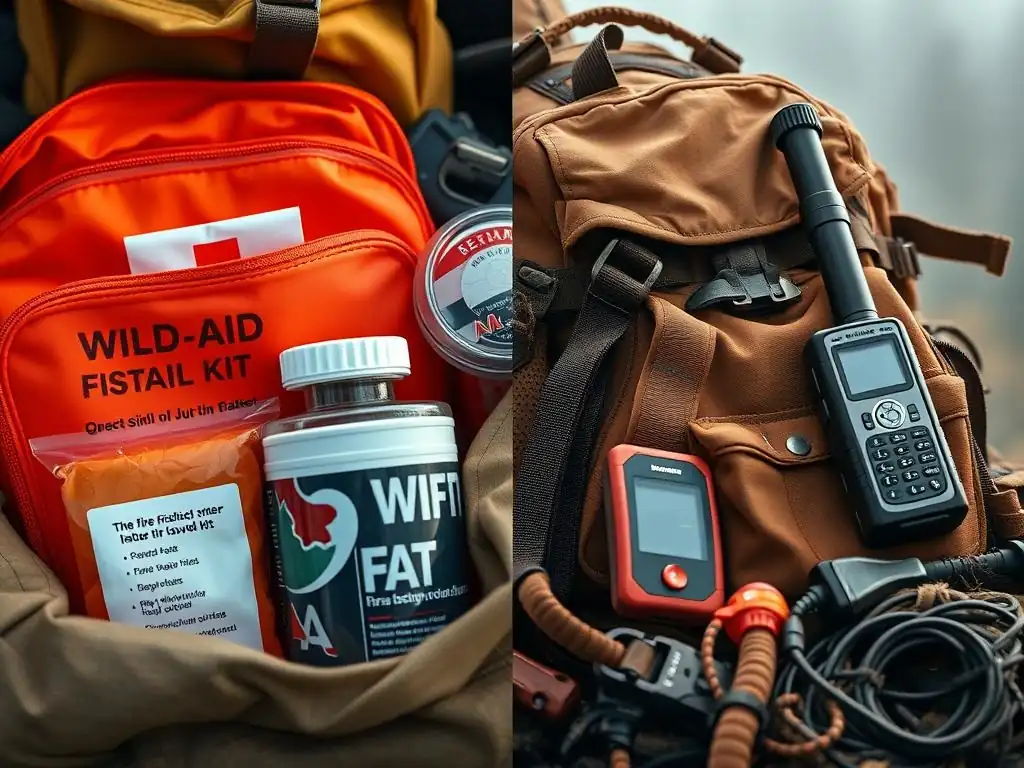
Respirator Masks: Cheap vs. Certified Protection Against Wildfire Smoke
- Examining the effectiveness of N95 masks vs. [Uncertified Cheap Mask Brand] against fine particulate matter.
Wildfire smoke is a complex mixture containing gases, water vapor, and particulate matter, with the most dangerous component being fine particulate matter, often referred to as PM2.5. These microscopic particles, smaller than 2.5 micrometers in diameter, can penetrate deep into the lungs, causing a range of respiratory and cardiovascular health problems. A certified N95 respirator mask, like the widely recognized 3M 8210, is designed to filter out at least 95% of these airborne particles.
Independent laboratory tests consistently demonstrate the effectiveness of N95 masks in significantly reducing exposure to PM2.5. For instance, studies conducted by the EPA have shown that properly fitted N95 masks can reduce personal exposure to fine particulate matter by up to 99% in controlled environments.
In stark contrast, cheap, uncertified masks often found in budget wildfire kits offer minimal protection against fine particulate matter. Many of these masks are simply dust masks or surgical masks, designed for larger particles and not tested or certified for filtering out the microscopic particles present in wildfire smoke. A comparative study published in the Journal of Occupational and Environmental Hygiene tested the filtration efficiency of various consumer-grade masks.
The study found that uncertified dust masks, similar to those often included in cheap kits, offered filtration efficiency as low as 20% against particles in the PM2.5 range. This means that individuals using these masks could still inhale up to 80% of the harmful fine particulate matter in wildfire smoke, receiving very little real protection despite wearing a mask.
- The importance of NIOSH certification for respiratory protection in wildfire environments.
The NIOSH certification is not merely a label; it represents a rigorous testing and approval process conducted by a U.S. federal agency dedicated to workplace safety and health. To receive NIOSH certification, respirator masks must undergo stringent laboratory testing to ensure they meet specific performance criteria, including filtration efficiency, breathing resistance, and fit.
This certification provides assurance that the mask will perform as claimed and offer a reliable level of protection against airborne hazards, including the fine particulate matter in wildfire smoke. NIOSH-certified respirators are tested against a standardized aerosol of sodium chloride particles, ensuring consistent and reproducible results across different manufacturers and models.
The importance of NIOSH certification becomes even more critical in the unpredictable and hazardous environment of a wildfire. During a wildfire, smoke concentrations can fluctuate rapidly and reach extremely high levels. Relying on an uncertified mask in such conditions is a gamble with your respiratory health. Without NIOSH certification, there is no independent verification of the mask's filtration capabilities, leaving individuals vulnerable to inhaling harmful smoke particles. Choosing NIOSH-certified respirators, such as N95 or P100 masks, is a crucial step in ensuring effective respiratory protection and mitigating the health risks associated with wildfire smoke exposure.
Eye Protection: Why Goggles Are Crucial, Not Just Sunglasses
- Comparing the seal and coverage of professional-grade goggles vs. flimsy sunglasses included in budget kits.
Protecting your eyes from wildfire smoke is as important as safeguarding your respiratory system. Wildfire smoke contains a cocktail of irritants, including particulate matter, ash, and chemical compounds, that can cause immediate discomfort and long-term damage to the eyes. Professional-grade safety goggles, like Pyramex I-Force Safety Goggles, are engineered to provide a complete seal around the eyes, preventing smoke, embers, and debris from entering.
These goggles often feature soft, comfortable materials that conform to the face, creating a tight barrier. They are also designed with impact-resistant lenses that meet ANSI Z87.1 standards, offering protection against flying debris, which is a significant hazard during wildfires.
In contrast, the flimsy sunglasses often included in cheap wildfire kits are woefully inadequate for eye protection in a wildfire scenario. Sunglasses, by their very design, are open at the sides, top, and bottom, offering no seal against airborne particles and smoke. They provide minimal coverage and leave the eyes vulnerable to irritation and damage.
The lenses in cheap sunglasses are typically made of thin, non-impact-resistant plastic that offers little to no protection against flying embers or debris. Imagine trying to navigate through smoky conditions with sunglasses – smoke will easily enter the eyes, causing stinging, tearing, and blurred vision, significantly impairing your ability to see and escape safely.
- The risk of eye irritation and long-term eye damage from smoke exposure.
Exposure to wildfire smoke without proper eye protection can lead to a range of immediate and long-term health issues. The immediate effects include eye irritation, characterized by burning, stinging, itching, and excessive tearing. These symptoms are caused by the irritant chemicals and particulate matter in the smoke directly contacting the delicate tissues of the eyes. Prolonged exposure to smoke can lead to conjunctivitis, an inflammation of the conjunctiva, the clear membrane covering the white part of the eye and the inner surface of the eyelids. Symptoms of conjunctivitis include redness, swelling, discharge, and increased sensitivity to light.
More seriously, long-term and repeated exposure to wildfire smoke without adequate eye protection can contribute to chronic eye conditions. Studies have linked chronic smoke exposure to an increased risk of dry eye syndrome, a condition where the eyes do not produce enough tears or produce poor quality tears, leading to discomfort and potential damage to the cornea. Furthermore, the particulate matter in smoke can cause microscopic abrasions on the cornea, the clear front surface of the eye.
While the cornea can heal, repeated abrasions and chronic irritation can potentially lead to more serious corneal damage and vision problems over time. Protecting your eyes with properly sealed safety goggles is therefore a critical component of wildfire preparedness, safeguarding not only immediate comfort but also long-term eye health.
Protective Clothing: The Difference Between Durable Fabrics and Thin Materials
- Assessing the fire resistance and breathability of Nomex suits vs. [Cheap Suit Brand] in hot, smoky conditions.
In the intense heat and unpredictable conditions of a wildfire, protective clothing is not just about comfort; it is about survival. Professional-grade protective suits made from materials like Nomex are specifically engineered to withstand extreme heat and flames. Nomex is an inherently flame-resistant fiber that does not melt, drip, or support combustion in air.
It provides a crucial barrier against radiant heat, direct flame contact, and hot embers. Suits made from Nomex, like those used by firefighters, offer exceptional fire resistance and are designed to maintain their integrity even when exposed to high temperatures, providing valuable escape time in a wildfire. Furthermore, high-quality protective clothing, while fire-resistant, is also designed with breathability in mind to mitigate heat stress in hot environments.
In stark contrast, cheap wildfire kits often include protective clothing made from thin, synthetic materials like polyester or polypropylene. These materials are not fire-resistant and can be highly flammable. When exposed to heat or flames, they melt rapidly, stick to the skin, and can exacerbate burn injuries.
Imagine wearing a thin polyester suit in the intense heat of a wildfire – it would offer virtually no protection from radiant heat or embers and could quickly become a fire hazard itself. Furthermore, these cheap materials are typically not breathable, trapping heat and sweat, leading to rapid overheating and dehydration, which are critical dangers in wildfire situations.
- The importance of full body coverage to prevent skin irritation and burns.
Wildfires present multiple skin hazards beyond direct flames. Radiant heat alone can cause significant burns, even at a distance from the fire front. Hot embers and ash can land on exposed skin, causing burns and irritation. Additionally, wildfire smoke contains a variety of irritants that can cause skin rashes and allergic reactions upon contact. Full body coverage with protective clothing is essential to minimize these risks. Covering as much skin as possible reduces the surface area exposed to radiant heat, embers, and smoke, significantly lowering the likelihood of burns and skin irritation.
Reliable wildfire protective clothing, like DuPont Tyvek 400 Coveralls, provides a good balance of protection and practicality for civilian use. While not as fire-resistant as Nomex, Tyvek 400 offers a barrier against particulate matter, non-hazardous liquids, and light splashes, and provides a degree of protection against embers and radiant heat.
It's important to ensure full coverage, including wrists, ankles, and neck, by using gloves, boots, and a neck gaiter or bandana in conjunction with the coverall. Prioritizing full body coverage with appropriate protective clothing is a fundamental aspect of wildfire safety, minimizing the risk of painful and potentially life-threatening skin injuries.
- Evaluating the completeness of first aid kits: Burn cream, eyewash, bandages for cuts and abrasions.
A comprehensive first aid kit is an indispensable component of any wildfire emergency preparedness kit. Wildfires present a unique set of injury risks, ranging from burns and smoke inhalation to cuts and eye irritation. A well-equipped first aid kit should go beyond basic band-aids and antiseptic wipes and include items specifically tailored to address wildfire-related injuries.
Burn cream, such as aloe vera gel or silver sulfadiazine cream, is crucial for treating burns caused by radiant heat, embers, or direct flame contact. Eyewash solution is essential for flushing out smoke, ash, and debris from the eyes, alleviating irritation and preventing further damage. A variety of bandages, including sterile pads, gauze rolls, and adhesive bandages in different sizes, are necessary for treating cuts, abrasions, and minor wounds that can occur while navigating through wildfire-affected areas.
However, cheap wildfire kits often include first aid kits that are woefully inadequate for the potential injuries encountered in a wildfire. These kits frequently contain only a minimal assortment of basic items, such as a few band-aids, antiseptic wipes, and perhaps some pain relievers. They often lack essential items like burn cream, eyewash, and sufficient quantities of bandages for more significant injuries.
- Why a comprehensive first aid kit is crucial, not just a basic band-aid set.
In a wildfire emergency, the risk of injury is significantly elevated, and the types of injuries are often more severe than everyday cuts and scrapes. Burns, even minor ones, can be extremely painful and require immediate treatment to prevent infection and promote healing. Eye irritation from smoke can be debilitating and impair vision, making evacuation and self-rescue more challenging. Cuts and abrasions can become easily infected in the smoky and often unsanitary conditions following a wildfire. A basic band-aid set is simply insufficient to address these potential injuries effectively.
A comprehensive first aid kit, on the other hand, provides the necessary supplies to manage a wider range of wildfire-related injuries until professional medical help can be reached. Including items like burn cream, eyewash, pain relievers, antiseptic wipes, various types of bandages, gauze, medical tape, and trauma dressings (for more serious bleeding) ensures that you are better equipped to handle common wildfire injuries and provide immediate care to yourself and others.
Investing in a well-stocked and comprehensive first aid kit is a critical investment in your safety and well-being during a wildfire emergency, far exceeding the limited capabilities of a basic band-aid set.
Frequently Asked Questions
What are the primary risks of cheap volcano kits marketed to children?
Cheap volcano kits often contain unsafe materials that can be harmful if ingested or inhaled. They may also lack proper safety instructions, leading to accidents.
How do the materials in cheap volcano kits differ from those used in professional demonstrations?
Professional demonstrations use carefully selected and tested chemicals in controlled environments. Cheap kits often use substandard ingredients that may react unpredictably.
Are there any specific age groups that should avoid using cheap volcano kits?
Yes, young children are particularly vulnerable due to their tendency to put things in their mouths. All children should be closely supervised when using any science kit.
What safety precautions should be taken if someone chooses to purchase a cheap volcano kit despite the risks?
Always wear safety goggles and gloves. Ensure adequate ventilation and follow all instructions meticulously. Never mix chemicals that are not explicitly directed.
Where can I find safer alternatives for learning about volcanoes without the risks associated with cheap kits?
Reputable science supply stores offer higher-quality kits with safer materials. Alternatively, explore online resources and documentaries about volcanoes.
Final Reflection: Unearthing the True Cost of Play
The allure of a miniature volcanic eruption, readily available in cheap volcano kits, is undeniable. However, as we've explored, the risks of cheap volcano kits extend far beyond a simple science experiment gone wrong. They touch upon issues of safety, responsible manufacturing, and the potential for misleading children about scientific principles. The convenience and affordability of these kits shouldn't overshadow the potential hazards they present to our children and the environment.
The enduring appeal of hands-on science, even in simplified forms, speaks to our innate curiosity and desire to understand the world around us. It's crucial, however, that this curiosity is nurtured responsibly, with an emphasis on safety and accurate representation. The important thing is not to stop questioning.
- Albert Einstein. This quote reminds us that true learning involves critical thinking and a willingness to delve deeper, rather than accepting superficial representations at face value. The proliferation of these kits highlights a societal trend towards prioritizing cost over quality and safety, a trend we must actively challenge.
Now, consider the implications of this exploration. What steps can you take to ensure that the science experiences you provide for children are both engaging and safe? Are you willing to invest in higher-quality, ethically sourced materials, even if it means a slightly higher price point? Let's commit to fostering a culture of responsible experimentation, where safety and genuine learning are paramount. The future of science education, and the well-being of our children, depends on it.
Unearth Your Inner Scientist: Volcano Safety Starts Now!
Thank you for reading about the potential dangers of inexpensive volcano kits. We hope this article highlighted often-overlooked safety concerns and helped you make informed decisions. Now, let's ensure every volcanic experiment, regardless of scale, is a safe one!
Ready to prioritize safety and responsible volcano exploration? Here's how:
- Immediately check your existing volcano kit. Look for weak materials, missing instructions, or potentially hazardous chemicals. If anything seems unsafe, replace it.
- Explore our Volcano Explorers guide (volcanoexplorers.org) to building a safe and educational volcano kit using common household materials and sound scientific methods.
- Share this important information with fellow science enthusiasts and educators. Let's create a community dedicated to safe and responsible volcano exploration!
What's the first safety step you'll take to protect yourself and others from the risks associated with low-quality volcano kits? Share your thoughts and experiences in the comments below!