
TheftProof Your Preparedness: Securing Your Volcano Emergency Kit

Welcome to Volcano Explorers!
Ever wondered if your volcano emergency preparedness kit is truly ready for anything… including unexpected circumstances beyond the eruption itself? Discover the crucial, often overlooked steps to secure your supplies and protect your peace of mind. Dive in to learn how to "TheftProof Your Preparedness" and ensure your kit is there when you need it most. What secrets are you missing?
- Why Secure Your Volcano Emergency Preparedness Kit? Protecting Your Vital Supplies
- Secure Storage Solutions for Your Volcano Emergency Preparedness Kit
- Securing Your Volcano Emergency Preparedness Kit on the Go: Vehicle & Evacuation Strategies
- Inventory and Documentation: A Crucial Component of Theft Prevention
- Tracking and Monitoring Your Volcano Emergency Preparedness Kit
- Best Practices for Discouraging Theft: Making Your Kit Less Appealing
- Recommended Products for Securing Your Volcano Emergency Preparedness Kit
- Conclusion: Peace of Mind Through Proactive Theft Prevention for Your Volcano Emergency Kit
-
Frequently Asked Questions
- What is the most important thing to include in a volcano emergency preparedness kit?
- Why is it important to secure a volcano emergency preparedness kit, as the title suggests?
- Where should a volcano emergency preparedness kit be stored for easy access?
- How often should I check and update my volcano emergency preparedness kit?
- What are some additional items to consider for a volcano emergency preparedness kit, beyond the basics?
- Final Reflection: Safeguarding Resilience in the Face of Uncertainty
- Safeguard Your Security: Don't Let Disaster Strike Twice!
Why Secure Your Volcano Emergency Preparedness Kit? Protecting Your Vital Supplies
The Threat of Theft: Understanding the Risks to Your Emergency Kit
Volcano emergency preparedness kits are designed to be a lifeline during and after a volcanic eruption. They contain essential supplies – from water and food to first-aid and communication devices – crucial for survival when infrastructure is disrupted and resources are scarce. Unfortunately, the very nature of these kits, packed with valuable necessities, makes them potential targets for theft, particularly in the chaotic aftermath of a volcanic event or even in anticipation of one when anxieties are high.
Scarcity breeds desperation, and items within your volcano emergency preparedness kit, like bottled water, non-perishable food, and medical supplies, can become highly desirable to those who are unprepared or seeking to exploit the situation. Moreover, if your kit is visibly stored in an accessible location, such as a garage or an unsecured outdoor area, it becomes an easy target of opportunity for opportunistic thieves, even before a volcanic event occurs.
Consequences of a Stolen Volcano Survival Kit: Impact on Preparedness
The theft of your volcano survival kit can have devastating consequences on your preparedness and safety during a volcanic emergency. Imagine facing ashfall, potential lava flows, or evacuation orders only to discover your carefully assembled kit is missing. The immediate impact is the loss of critical resources needed for survival: clean water, food rations, first-aid supplies for injuries related to volcanic events (like respiratory issues from ash inhalation or burns), and tools for communication and navigation.
Beyond the tangible loss of supplies, the emotional and psychological impact can be significant. The feeling of vulnerability and the added stress of needing to replace essential items during a crisis can severely hinder your ability to cope effectively.
For families, especially those with children or elderly members, a stolen kit can mean the difference between weathering the emergency safely and facing heightened risks and hardship. It undermines the very purpose of preparedness, leaving you and your loved ones exposed when you need protection the most.
Addressing the Need: Theft Prevention for Peace of Mind
The need for theft prevention strategies for your volcano emergency preparedness kit is not just about protecting material possessions; it's about safeguarding your well-being and ensuring peace of mind. Knowing that your essential supplies are secure allows you to focus on other critical aspects of volcano preparedness, such as evacuation planning and communication strategies with family and community. Implementing theft prevention measures provides a layer of security that can significantly reduce stress and anxiety, both in everyday life and especially as volcanic activity increases in your region.
By proactively addressing the risk of theft, you are reinforcing your commitment to preparedness and building resilience against the potential impacts of a volcanic eruption. This proactive approach ensures that when an emergency strikes, your focus can be on safety and response, not on dealing with the added burden of a stolen emergency kit.
Secure Storage Solutions for Your Volcano Emergency Preparedness Kit
Home Security Measures: Protecting Your Kit at Your Primary Residence
Reinforced Storage Containers: Plano Sportsman's Trunk Weatherproof and Lockable Totes
For home storage, investing in reinforced, lockable containers is a fundamental step in securing your volcano emergency preparedness kit. Products like the Plano Sportsman's Trunk Weatherproof and Lockable Totes are specifically designed for durability and security. These containers are typically made from robust, impact-resistant plastic that can withstand harsh conditions, including potential ashfall accumulation or minor impacts.
The "weatherproof" feature is crucial for protecting the contents from moisture, dust, and volcanic ash, ensuring the longevity of your supplies. More importantly, these trunks are lockable, often featuring molded padlock tabs that allow you to secure them with standard padlocks. For example, a standard-sized Plano Sportsman's Trunk (approximately 37 inches long, 18 inches wide, and 14 inches deep) can comfortably hold a comprehensive family volcano emergency preparedness kit.
Adding a sturdy padlock, such as an ABUS Diskus padlock known for its high security and resistance to tampering, further enhances protection against theft. By utilizing these lockable containers, you create a physical barrier that significantly deters opportunistic thieves and keeps your kit contents safe within your home.
Concealed Storage Options: Hiding Your Volcano Emergency Supplies
Beyond robust containers, employing concealed storage options within your home adds another layer of security. Think beyond obvious locations like garages or easily accessible sheds. Consider integrating your volcano emergency preparedness kit into your existing home environment in a discreet manner.
For instance, a false-bottomed storage ottoman in a living room can be both functional furniture and a hidden storage space for emergency supplies. Alternatively, a section of under-stair storage, often underutilized, can be adapted to house your kit, perhaps behind a panel or amongst other less valuable items. Walk-in closets, especially those in less frequented guest rooms, can also serve as discreet storage locations.
The key is to choose spots that are not immediately apparent to casual observers or potential intruders. By integrating your kit into the normal fabric of your home, you reduce its visibility and make it less of a target for theft. Remember to ensure that while concealed, the storage location is still easily accessible to you and your family in case of a rapid volcanic emergency.
Alarm Systems and Security Cameras: Deterrents and Surveillance
For a more comprehensive home security approach, integrating alarm systems and security cameras can act as powerful deterrents and provide surveillance for your volcano emergency preparedness kit. A professionally installed home alarm system, such as those offered by ADT or SimpliSafe, can include door and window sensors, motion detectors, and loud sirens that activate upon unauthorized entry. Simply having an alarm system sign visible on your property can discourage potential thieves.
Furthermore, security cameras, like those from Arlo or Ring, provide visual surveillance of your property, recording activity and often offering remote monitoring via smartphone apps. Outdoor cameras, strategically placed to cover entry points and storage areas (like sheds or garages where a kit might be temporarily located before transport), can capture footage of any attempted theft.
Many modern security cameras also feature motion detection alerts that notify you of any activity, allowing for immediate response. While these systems are an investment, they offer a significant increase in overall home security and provide an added layer of protection for your volcano emergency preparedness kit, deterring thieves and potentially providing evidence in case of theft.
Off-Site Storage: Securing Your Kit Away From Home
Renting a Storage Unit: Factors to Consider for Volcano Preparedness
In situations where home storage space is limited or if you live in a particularly high-risk volcanic zone and desire an additional layer of security, renting a storage unit can be a viable off-site storage solution for your volcano emergency preparedness kit. When considering a storage unit for this purpose, several factors are crucial. First, location is paramount. Choose a facility that is geographically safe from the most likely volcanic hazards in your area, such as lava flows or pyroclastic flows, yet still reasonably accessible for you to retrieve your kit in a timely manner if needed (considering potential evacuation routes).
Security features of the storage facility are equally important. Opt for facilities with robust security measures, including 24/7 surveillance cameras, gated access with keypad entry, on-site security personnel, and well-lit premises. Units should be individually lockable, and you should use a high-quality padlock.
Climate control is another consideration, especially for long-term storage of food and medical supplies. While not always essential, climate-controlled units can help maintain a stable temperature and humidity, prolonging the shelf life of certain items in your volcano emergency preparedness kit. Finally, ensure the storage unit rental agreement allows for the storage of emergency supplies and that you understand the facility's access policies, particularly in emergency situations.
Community Emergency Storage Programs: Exploring Local Options
In some volcano-prone communities, local authorities or volunteer organizations may offer community emergency storage programs. These programs are designed to provide secure, centralized locations for residents to store emergency supplies, including volcano emergency preparedness kits. Such initiatives are often established in areas where individual home storage is challenging, or to create readily accessible resource hubs during a volcanic crisis.
These community storage programs can take various forms. They might involve designated secure areas within community centers, schools, or fire stations, or even purpose-built communal storage facilities. The benefits of these programs can include enhanced security through collective management and potentially better accessibility during a widespread emergency compared to individual off-site storage.
To explore local options, contact your local emergency management agency, community volunteer organizations (like the Red Cross or local CERT teams), or neighborhood associations. Inquire about the existence of any community emergency storage programs, their accessibility during emergencies, security protocols, and any guidelines for participating and storing your volcano emergency preparedness kit within these programs. These programs can be a valuable resource, particularly for communities facing significant volcanic risks.
Shared Emergency Storage: Risks and Benefits of Collaboration
Another off-site storage approach to consider is shared emergency storage, where you collaborate with neighbors, family members living nearby, or community groups to collectively store volcano emergency preparedness kits. This collaborative approach can offer benefits such as shared responsibility, potentially reduced individual storage costs (if renting a larger space together), and increased community resilience. For example, a group of neighbors could rent a larger storage unit together and each store their individual family kits within it, sharing the rental expense.
Alternatively, a community group could designate a secure, central location within their neighborhood for shared emergency storage. However, shared storage also presents risks. Trust is paramount; you need to be confident in the reliability and commitment of those you are sharing with.
Clear agreements are essential regarding access to the storage, maintenance of the space, and protocols for kit retrieval during an emergency to avoid confusion or conflicts. Security also becomes a shared responsibility; ensuring the agreed-upon storage location is truly secure and all participants adhere to security protocols. Carefully weigh the benefits of collaboration against the potential risks and complexities before opting for shared emergency storage for your volcano preparedness kit.
Securing Your Volcano Emergency Preparedness Kit on the Go: Vehicle & Evacuation Strategies
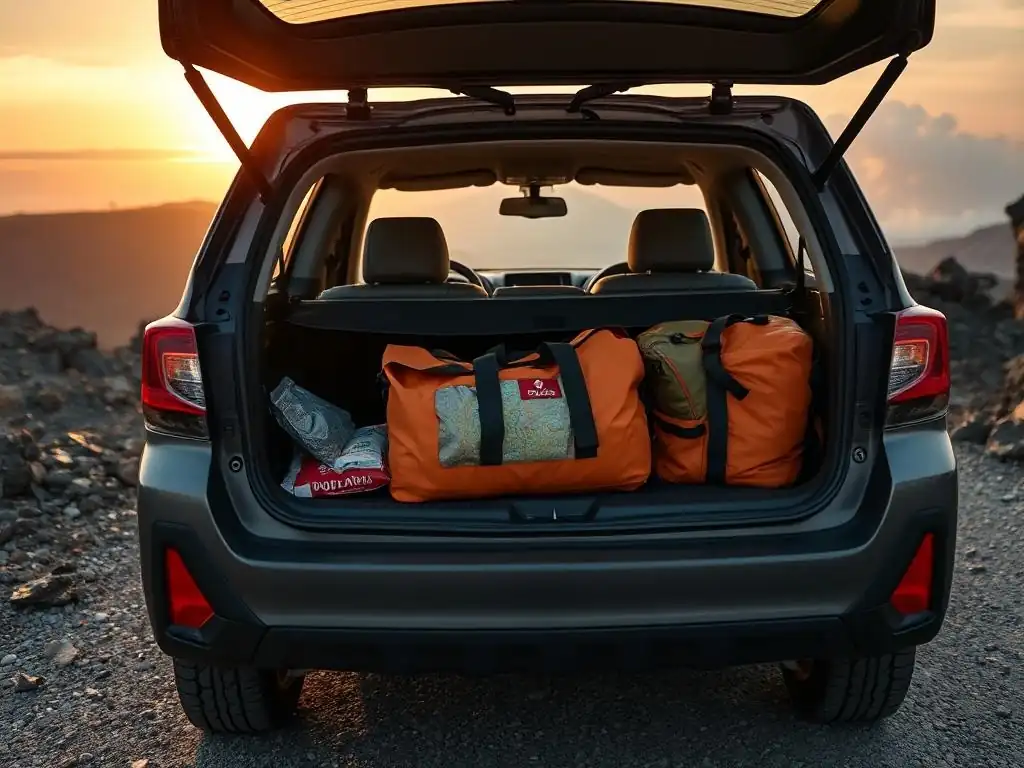
Vehicle Security: Protecting Your Kit During Evacuation
Locking Mechanisms for Vehicle Storage: Preventing Theft from Cars and Trucks
During a volcano evacuation, your vehicle may become your primary mode of transportation and temporary storage for your volcano emergency preparedness kit. Securing your kit within your vehicle is crucial to prevent theft, especially in crowded evacuation zones or if you need to leave your vehicle unattended temporarily. For cars and SUVs, ensuring your vehicle doors and trunk are always locked is the most basic, yet essential step.
Consider upgrading to a vehicle alarm system if your car doesn't already have one. For trucks, especially pickup trucks, a locking tonneau cover for the truck bed is highly recommended. Tonneau covers, ranging from hard, retractable covers to soft, roll-up versions, effectively conceal and secure items stored in the truck bed, protecting them from both weather and theft.
For SUVs and hatchbacks, a cargo cover or privacy screen that shields the contents of the cargo area from view can deter opportunistic thieves. Additionally, for items stored inside the cabin, particularly if visible through windows, consider using lockable storage boxes or containers that can be bolted to the vehicle's frame for added security, especially if you anticipate leaving your vehicle for extended periods during evacuation.
Tinted Windows and Covers: Concealing Your Volcano Emergency Supplies
Concealment is a powerful tool in preventing theft of your volcano emergency preparedness kit from your vehicle during evacuation. Tinted windows, especially on the rear and side windows of cars, SUVs, and trucks, significantly reduce visibility into the vehicle's interior, making it harder for thieves to spot potential targets. While legal tinting levels vary by region, even a moderate tint can offer a substantial deterrent.
In addition to tinted windows, using interior covers and blankets to further obscure your kit and other valuables is highly effective. A dark-colored blanket thrown over your volcano emergency preparedness kit in the cargo area of an SUV or on the backseat of a car can make it blend in with the vehicle's interior and appear less enticing to potential thieves.
Cargo covers, designed for specific vehicle models, are another excellent option for hatchbacks and SUVs, completely concealing the contents of the rear cargo area. By combining tinted windows with interior covers, you create a multi-layered approach to concealment, making your vehicle a less attractive target for theft and protecting your valuable volcano emergency supplies during evacuation.
GPS Tracking Devices: Locating Stolen Kits
In the unfortunate event that your volcano emergency preparedness kit is stolen from your vehicle during evacuation, having a GPS tracking device discreetly placed within the kit can significantly increase your chances of recovery. Small, battery-powered GPS trackers, like the Tile Pro or Apple AirTag (though AirTags have limitations for theft recovery and are better suited for proximity tracking), can be hidden inside a compartment of your kit or attached to a key item within the kit. These devices transmit location data via cellular networks or Bluetooth, allowing you to track the kit's whereabouts using a smartphone app or computer.
Some GPS trackers offer real-time tracking with frequent location updates, while others provide location updates at intervals to conserve battery life. Features like geofencing, which alerts you if the tracker moves outside a predefined area, can also be beneficial.
While GPS trackers are not foolproof and can be removed by determined thieves, they provide a valuable tool for law enforcement to locate and recover stolen property, especially in the immediate aftermath of a volcanic event when resources may be stretched thin. Consider integrating a GPS tracker into your vehicle-based volcano emergency preparedness kit as an added layer of security and recovery potential.
Portable Security Measures: Securing Your Kit During Evacuation
Cable Locks and Padlocks: Securing Backpacks and Containers
When evacuating on foot or using public transportation, your volcano emergency preparedness kit becomes more vulnerable to theft as it is physically carried and potentially exposed in crowded environments. Utilizing cable locks and padlocks to secure backpacks and containers is essential for portable security. For backpacks, a lightweight cable lock, such as the Kryptonite Kryptoflex Looped Cable, can be threaded through zipper pulls and around a fixed object, like a chair leg in a shelter or a luggage rack on a bus, to deter opportunistic snatch-and-grab theft.
For larger containers, like lockable totes carried during evacuation, padlocks provide a more robust security measure. Choose padlocks with hardened steel shackles and robust locking mechanisms for increased resistance to cutting or tampering.
When using cable locks and padlocks, ensure they are properly secured and that the cable or shackle is looped through sturdy parts of the backpack or container to prevent easy circumvention. While not impenetrable, these portable security measures create a significant deterrent and make it more difficult and time-consuming for thieves to steal your volcano emergency preparedness kit during evacuation.
Personal Alarms: Deterring Thieves During Evacuation
In crowded evacuation scenarios, personal alarms can be a surprisingly effective, albeit non-physical, deterrent against theft of your volcano emergency preparedness kit. Small, keychain-sized personal alarms emit a loud, piercing sound when activated, drawing attention and potentially startling a thief. If you suspect someone is attempting to steal your backpack or container carrying your kit, activating a personal alarm can disrupt their attempt and alert those around you. Personal alarms are especially useful in situations where physical confrontation might be risky or undesirable. They are lightweight, easily accessible, and require minimal effort to activate. While not a substitute for physical security measures like locks, personal alarms add an auditory layer of deterrence and can be a valuable tool in crowded evacuation areas where opportunistic theft is a concern. Consider carrying a personal alarm readily accessible when evacuating with your volcano emergency preparedness kit on foot or in crowded public spaces.
Avoiding High-Risk Areas: Minimizing Exposure to Theft
A crucial, often overlooked aspect of portable security during evacuation is proactively avoiding high-risk areas where theft is more likely to occur. In the chaos of a volcanic emergency evacuation, certain locations can become hotspots for crime, including theft. These might include poorly lit areas, isolated streets, crowded transportation hubs with limited security presence, or areas known for pre-existing crime issues. When planning your evacuation route, if possible, choose routes that are well-lit, well-populated (with law enforcement or emergency personnel presence), and avoid known high-crime areas. If using evacuation shelters, be mindful of the security measures in place and choose shelters in safer locations if options are available. During evacuation, be aware of your surroundings, avoid becoming isolated, and stay in groups if possible. Minimizing your exposure to high-risk areas reduces your vulnerability to theft and increases the overall security of your volcano emergency preparedness kit during the evacuation process.
Inventory and Documentation: A Crucial Component of Theft Prevention
Creating a Detailed Inventory List: Documenting Your Volcano Emergency Supplies
Creating a detailed inventory list of the contents of your volcano emergency preparedness kit is a crucial, often underestimated aspect of theft prevention and overall preparedness management. A comprehensive inventory list serves multiple purposes. Firstly, it provides a clear record of everything included in your kit, ensuring you know exactly what you have and what might need replenishment after use or if items expire.
Secondly, in the unfortunate event of theft, the inventory list serves as a vital document for insurance claims and police reports, accurately detailing the stolen items. Thirdly, regular review of the inventory list reminds you to check expiration dates and replace items as needed, maintaining the readiness of your kit. Your inventory list should be detailed, specifying the quantity, brand, model number (if applicable), and expiration date (for food and medical supplies) of each item.
Organize the list logically, perhaps categorized by type (water, food, first-aid, tools, etc.) for easy reference. Keep a printed copy of the inventory list with your kit and a digital copy stored securely online or on a separate device.
Photographing and Serial Number Recording: Proof of Ownership
Complementing a detailed inventory list, photographing the contents of your volcano emergency preparedness kit and recording serial numbers (where applicable) provides invaluable proof of ownership in case of theft. Photographs visually document the kit's contents, providing clear evidence of what was included. Take clear, well-lit photographs of the entire kit and close-up photos of key items, especially higher-value items like radios, GPS devices, or specialized tools.
For items with serial numbers, such as radios, multi-tools, or certain electronic devices within your kit, meticulously record these serial numbers alongside the item description in your inventory list. Serial numbers are unique identifiers that can be used to positively identify your property if recovered by law enforcement.
Store photographs and serial number records securely, both digitally (backed up online) and physically (printed copies kept separately from your kit). This visual and serial number documentation significantly strengthens your claim of ownership and aids in the recovery process if your volcano emergency preparedness kit is stolen.
Using Insurance: Protecting Your Investment in Emergency Preparedness
While theft prevention measures aim to avoid the loss of your volcano emergency preparedness kit, insurance provides a financial safety net to protect your investment in emergency preparedness should theft occur. Review your existing homeowner's or renter's insurance policy to understand its coverage for personal property, including items within your emergency preparedness kit. Many standard policies cover personal property theft, but coverage limits and specific exclusions may apply.
Consider whether your current policy adequately covers the value of your volcano emergency preparedness kit, especially if it contains expensive items like specialized communication equipment or high-end survival gear. If necessary, consider increasing your personal property coverage limits or adding a rider or endorsement to your policy specifically for emergency preparedness supplies.
Keep your detailed inventory list, photographs, and serial number records readily available to support any insurance claims in case of theft. While insurance cannot replace the immediate preparedness provided by your kit, it can help you recover financially and rebuild your supplies after a theft, minimizing the long-term impact on your volcano emergency readiness.
Tracking and Monitoring Your Volcano Emergency Preparedness Kit
GPS Tracking Devices for Containers: Real-Time Location Monitoring
For enhanced security and peace of mind, consider integrating GPS tracking devices directly into your volcano emergency preparedness kit containers. Unlike vehicle trackers, these are smaller, battery-operated devices designed to be placed inside containers or attached to individual items. GPS trackers for containers, such as the LandAirSea 54 GPS Tracker or similar models, provide real-time location monitoring of your kit.
These devices use GPS technology to pinpoint their location and transmit this data via cellular networks to a smartphone app or web platform. You can set up geofences to receive alerts if the kit moves outside a designated area, and track its movements in real-time if it is stolen. Battery life varies depending on usage and update frequency, with some trackers offering weeks or even months of battery life on a single charge.
Discreetly place the GPS tracker within your kit container, ensuring it is concealed but still has a clear line of sight to the sky for optimal GPS signal reception. While an added expense, GPS trackers offer a significant advantage in recovering a stolen volcano emergency preparedness kit by providing precise, up-to-date location information.
For proximity-based monitoring, particularly useful for home or short-range security, smart tags and Bluetooth trackers like Apple AirTags or Tile Trackers can be a valuable addition to your volcano emergency preparedness kit security strategy. Unlike GPS trackers that rely on cellular networks for long-range tracking, Bluetooth trackers use Bluetooth technology to communicate with nearby smartphones or devices. They are designed to help you find misplaced items within a limited range, typically within a home or building.
Attach a Bluetooth tracker to your volcano emergency preparedness kit container. Using the associated smartphone app, you can "ring" the tracker to locate it if it's nearby, or see its last known location on a map if it goes out of Bluetooth range.
While Bluetooth trackers are not effective for long-distance theft recovery, they can alert you if your kit is moved from its designated storage location within your home or immediate vicinity, potentially indicating unauthorized access or attempted theft. They are a cost-effective way to add a layer of proximity-based security and monitoring to your volcano emergency preparedness kit.
Regular Inspections: Identifying Potential Theft Early
Beyond technological tracking, regular physical inspections of your volcano emergency preparedness kit are crucial for identifying potential theft or tampering early on. Schedule regular inspections, perhaps monthly or quarterly, to physically check your kit. Verify that the kit is still in its designated storage location and that any locks or security seals are intact.
Open the container and visually confirm that the contents match your inventory list. Check expiration dates of food, water, and medical supplies and replace any expired items. Look for any signs of tampering or damage to the container or its contents.
Regular inspections allow you to proactively identify any issues, including potential theft, damage from pests or environmental factors, or expired supplies. Early detection of theft allows for quicker reporting to authorities and initiation of recovery efforts, increasing the chances of retrieving your volcano emergency preparedness kit before its contents are dispersed or further compromised. Regular inspections are a simple yet highly effective way to maintain the security and readiness of your kit.
Best Practices for Discouraging Theft: Making Your Kit Less Appealing
Discreet Packaging: Avoiding Attention
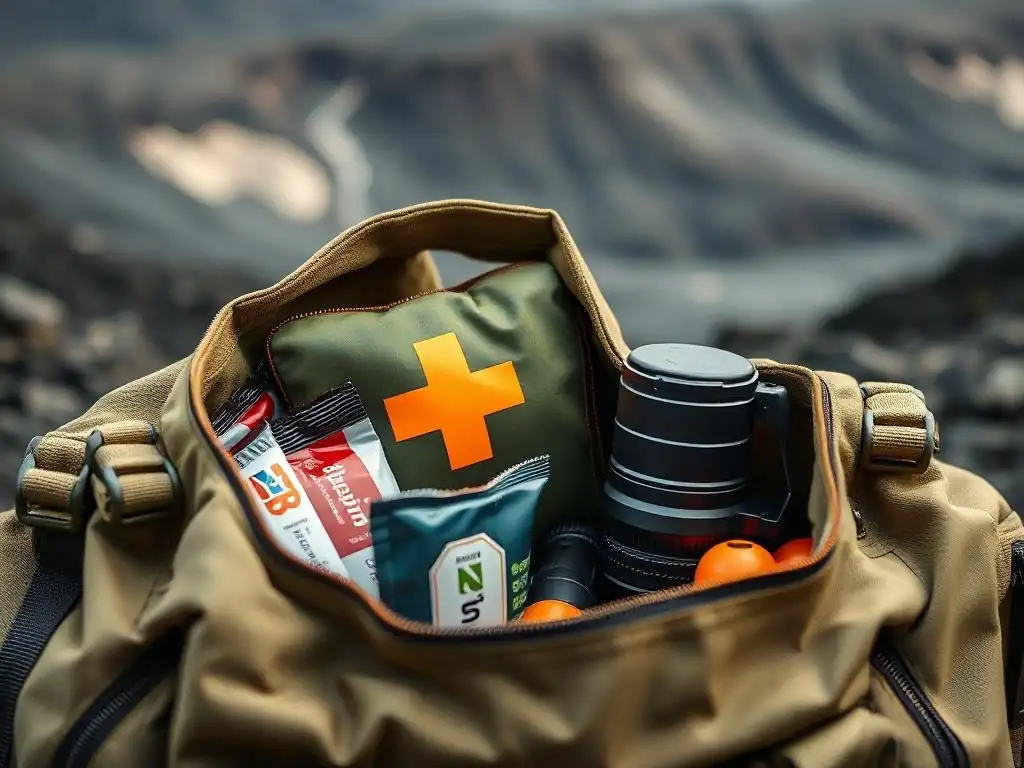
One of the most effective, yet often overlooked, strategies for discouraging theft of your volcano emergency preparedness kit is discreet packaging. Avoid drawing unnecessary attention to your kit by using plain, unassuming containers and packaging. Refrain from using brightly colored or overly labeled containers that might advertise the valuable contents within.
Instead, opt for plain, opaque containers in neutral colors like gray, black, or brown. Avoid labeling the container with terms like "Emergency Kit," "Survival Supplies," or other phrases that might signal its contents to potential thieves. If labeling is necessary for your own organization, use generic labels or codes that are not easily deciphered by others.
For items within the kit, repackage them into plain bags or containers if their original packaging is brightly colored or prominently branded. By employing discreet packaging, you minimize the visual appeal of your volcano emergency preparedness kit to opportunistic thieves, making it blend in with ordinary household items and less likely to be targeted.
Removing Branding: Blending in with Non-Emergency Supplies
Extending the concept of discreet packaging, removing branding from items within your volcano emergency preparedness kit further reduces its appeal to potential thieves. Many emergency supplies, especially food items, tools, and equipment, come with prominent branding that can make them easily identifiable as valuable or desirable items. Where feasible, remove or cover up branding on items within your kit.
For example, transfer commercially branded food items into plain, resealable bags or containers. Use permanent markers to black out logos or brand names on tools or equipment. Replace brightly colored or branded first-aid kits with plain, unbranded first-aid pouches.
The goal is to make the contents of your volcano emergency preparedness kit appear less valuable and less identifiable as emergency supplies at a glance. By removing branding, you help your kit blend in with ordinary household items and reduce its attractiveness to opportunistic thieves who may be specifically targeting recognizable emergency or survival gear.
Security Decals: Displaying Warning Signs
Conversely to discreet packaging, strategically displaying security decals can act as a visual deterrent against theft of your volcano emergency preparedness kit, particularly when stored at home or in a vehicle. Security decals, such as those indicating "Protected by Alarm System," "Video Surveillance in Use," or "GPS Tracking Device Inside," can create the perception of increased security and deter potential thieves from targeting your kit.
Even if you don't have a full alarm system or video surveillance, the presence of these decals can create doubt in the mind of a potential thief, making them less likely to risk attempting to steal your kit. Place security decals prominently on storage containers, on the windows of your vehicle, or near the storage location of your volcano emergency preparedness kit at home.
Choose decals that are easily visible and credible-looking. While security decals are not a foolproof guarantee against theft, they add a visual layer of deterrence and can be a simple and cost-effective way to make your volcano emergency preparedness kit less appealing to opportunistic thieves.
Recommended Products for Securing Your Volcano Emergency Preparedness Kit
Lockable Storage Containers: Pelican 1615 Air Case with Padlocks
For premium, highly secure lockable storage containers, the Pelican 1615 Air Case with Padlocks is an excellent choice for your volcano emergency preparedness kit. Pelican cases are renowned for their extreme durability, waterproof and dustproof construction, and robust security features. The 1615 Air Case is made from lightweight yet incredibly strong HPX resin, offering exceptional impact resistance and protection against harsh conditions, including volcanic ash, moisture, and extreme temperatures.
It features robust latches and molded padlock holes, allowing you to secure it with high-quality padlocks. For maximum security, consider using two padlocks, such as Master Lock ProSeries padlocks, known for their hardened steel shackles and resistance to picking and cutting. While Pelican cases are a more significant investment compared to basic lockable totes, their superior durability and security provide unparalleled protection for your valuable volcano emergency preparedness kit, making them ideal for long-term storage and demanding environments.
GPS Trackers: Apple AirTag
For basic, proximity-based tracking and as a cost-effective option for integrating tracking into your volcano emergency preparedness kit, the Apple AirTag (for Apple device users) is a convenient choice. AirTags are small, Bluetooth-based trackers that can be easily attached to your kit container or key items within it. Using the Apple "Find My" network, you can track the approximate location of your AirTag if it is within Bluetooth range of any Apple device.
While AirTags are not designed for long-range, real-time theft recovery in the same way as dedicated GPS trackers, they can be helpful in locating a misplaced kit within your home or immediate vicinity, or in alerting you if your kit is moved without your knowledge. They are also relatively inexpensive and easy to set up and use.
For Android users, Tile Trackers offer similar Bluetooth tracking functionality. Consider using AirTags or Tile Trackers as a supplementary layer of security and proximity monitoring for your volcano emergency preparedness kit, especially for home-based security and quick location finding.
Vehicle Security Systems: Compustar Security System
To enhance vehicle security and protect your volcano emergency preparedness kit when stored in your car or truck, a comprehensive vehicle security system like the Compustar Security System is a worthwhile investment. Compustar systems offer a range of features, including door and window sensors, motion detectors, shock sensors, and loud sirens that activate upon unauthorized entry or tampering.
Many systems also include remote start functionality, which can be beneficial in cold volcanic ashfall conditions. Upgrading to a security system with two-way communication allows you to receive alerts on a key fob or smartphone app if your vehicle alarm is triggered, even when you are away from your vehicle.
Some Compustar systems also offer GPS tracking and vehicle immobilization features for enhanced theft deterrence and recovery. While professional installation is typically required, a robust vehicle security system like Compustar provides a significant upgrade in vehicle protection and helps safeguard your volcano emergency preparedness kit when it is stored or transported in your vehicle during a volcanic emergency.
Cable Locks: Kryptonite Kryptoflex Looped Cable
For portable security when evacuating with your volcano emergency preparedness kit on foot or using public transportation, the Kryptonite Kryptoflex Looped Cable is a reliable and versatile cable lock option. Kryptonite is a well-respected brand known for its high-quality bicycle locks, and the Kryptoflex cable lock offers a similar level of security in a lightweight and flexible form. The Kryptoflex cable is made from braided steel cable, providing good resistance to cutting, and is encased in a protective vinyl coating to prevent scratches.
The looped ends allow for easy attachment to padlocks or combination locks. Use the Kryptoflex cable to secure backpacks, containers, or individual items within your volcano emergency preparedness kit to fixed objects or to each other, deterring opportunistic theft during evacuation.
Choose a cable length that is appropriate for your needs and consider using it in conjunction with a robust padlock for enhanced security. The Kryptonite Kryptoflex Looped Cable offers a good balance of security, portability, and ease of use for securing your kit during evacuation.
Conclusion: Peace of Mind Through Proactive Theft Prevention for Your Volcano Emergency Kit
Frequently Asked Questions
What is the most important thing to include in a volcano emergency preparedness kit?
The most important thing is a reliable communication device, like a battery-powered radio or satellite phone, to receive official emergency updates and instructions. Water, food, and first aid supplies are also crucial.
Why is it important to secure a volcano emergency preparedness kit, as the title suggests?
Securing your kit prevents it from being stolen or damaged before an eruption, ensuring its contents are available when you urgently need them. It also protects it from the elements.
Where should a volcano emergency preparedness kit be stored for easy access?
Store your kit in a easily accessible and known location to all family members, such as a garage, shed, or closet. Avoid placing it in areas prone to flooding or damage.
How often should I check and update my volcano emergency preparedness kit?
You should check your kit at least twice a year to replace expired food, water, and medications. Also, update any information or supplies relevant to your family's needs.
What are some additional items to consider for a volcano emergency preparedness kit, beyond the basics?
Consider including items like dust masks, goggles, sturdy shoes, a whistle, and copies of important documents. Also, pack extra batteries and a portable charger for electronic devices.
Final Reflection: Safeguarding Resilience in the Face of Uncertainty
The preceding discussion underscores a critical truth: preparedness is only as effective as its security. While meticulously assembling a volcano emergency preparedness kit demonstrates foresight and responsibility, neglecting its protection renders that effort vulnerable. In a crisis, the very resources designed to ensure survival can become targets, highlighting the urgent need to "theftproof" our preparations.
The concept of securing our emergency provisions extends beyond mere physical protection; it speaks to a deeper understanding of community resilience and individual responsibility. It's a reminder that preparedness is not just about acquiring supplies, but also about fostering a mindset of vigilance and proactive protection. An ounce of prevention is worth a pound of cure,
a timeless adage that resonates deeply when considering the potential consequences of neglecting security measures.
As you contemplate your own volcano emergency preparedness kit, I urge you to consider the security measures outlined in this article not as optional extras, but as integral components of your overall plan. Let us all strive to build not only well-stocked kits, but also robust systems that safeguard our resources and ensure our collective resilience in the face of volcanic threats.
Safeguard Your Security: Don't Let Disaster Strike Twice!
Thanks for investing your time in learning about volcano preparedness! Now that you understand the importance of securing your emergency kit, it's time to take action to protect your supplies and peace of mind. Let's ensure your hard work doesn't go to waste.
Here are some crucial next steps:
- Immediately implement a theft-deterrent strategy, such as camouflaging your kit or using a secure storage container. This is your most important step!
- Share this article with a friend or family member who lives in a volcanic area to help them protect their emergency supplies. Knowledge is power, especially when shared.
- Consider joining our Volcano Explorers forum to discuss innovative theft-prevention techniques with other preparedness-minded individuals. Let's build a community of resilience together.
What's the first security measure you'll take today to ensure your volcano emergency kit remains ready when you need it most? Share your plans in the comments below!