
A Day in the Life: Glimpse into the Routine of a Volcano Observatory Scientist

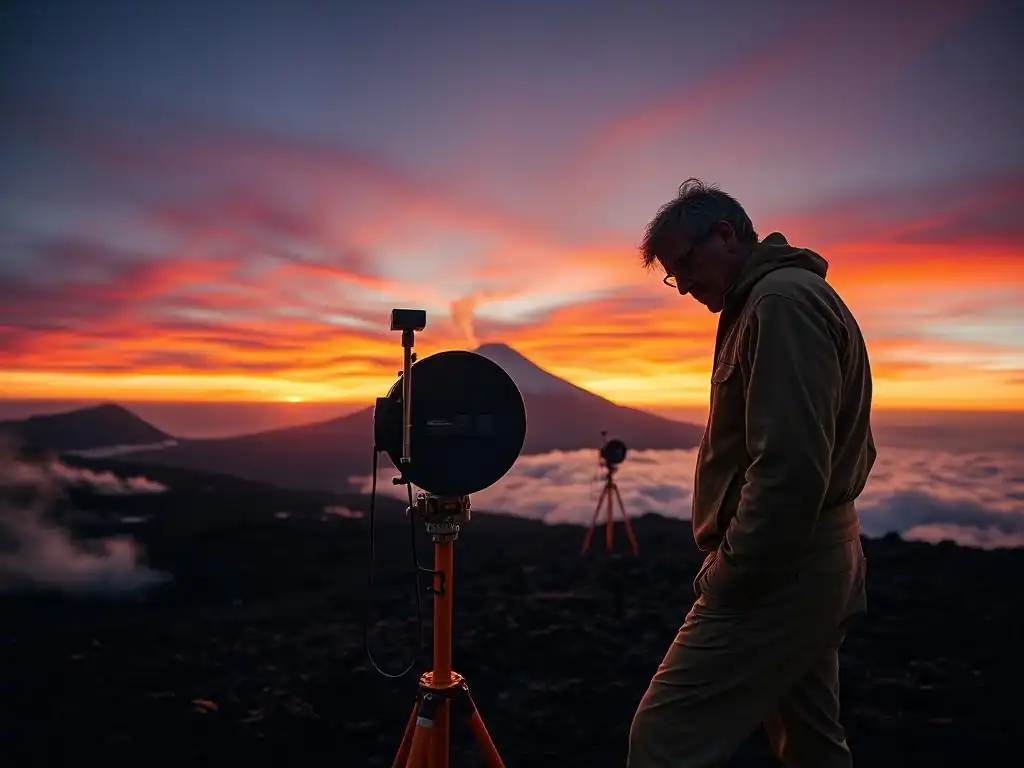
Welcome to Volcano Explorers, where we venture into the heart of fiery landscapes! Ever wondered what it's really like to stand on the front lines of volcanic activity? Today, we pull back the curtain and offer a rare glimpse into the daily routine of a volcano observatory scientist. What challenges do they face, and what discoveries do they make? Prepare to be amazed as we explore the dedication and expertise required to monitor these powerful forces of nature – and perhaps, unlock a few secrets along the way...
- A Day in the Life: Glimpse into the Routine of a Volcanologist at the USGS Hawaiian Volcano Observatory
- Understanding the Life of a Volcanologist: Daily Tasks and Responsibilities
- A Typical Day for a Volcanologist: A Detailed Breakdown
-
The Varied Roles Within a Volcano Observatory: Different Scientific Specialties
- Volcanologists at the Volcano Observatory: Studying Eruptive Processes and Lava Flows
- Geophysicists at the Volcano Observatory: Monitoring Seismic Activity and Ground Deformation
- Geochemists at the Volcano Observatory: Analyzing Volcanic Gases and Fluids
- Remote Sensing Specialists at the Volcano Observatory: Utilizing Satellite and Drone Imagery
- Challenges and Rewards of Working at a Volcano Observatory
- Essential Skills for a Volcanologist: Training and Expertise
- The Future of Volcano Monitoring: Advancements in Technology and Research
-
Frequently Asked Questions
- What are the primary responsibilities of a volcano observatory scientist?
- What kind of data does a volcano observatory scientist typically analyze?
- How does a volcano observatory scientist contribute to public safety?
- What tools and technologies are used by a volcano observatory scientist in their daily routine?
- How does the daily routine of a volcano observatory scientist change during a volcanic crisis?
- Final Reflection: Unearthing the Earth's Secrets
- Ignite Your Inner Volcanologist: Take Action!
A Day in the Life: Glimpse into the Routine of a Volcanologist at the USGS Hawaiian Volcano Observatory
Understanding the Life of a Volcanologist: Daily Tasks and Responsibilities
What Does a Volcanologist Do? An Overview
A volcanologist's work is multifaceted, demanding a blend of fieldwork, data analysis, and communication skills. At its core, the role of a volcanologist is to study volcanoes and volcanic phenomena to understand their behavior and mitigate the hazards they pose. This involves monitoring active volcanoes, researching past eruptions, and developing models to predict future volcanic activity.
The daily routine of a volcanologist, particularly one working at a volcano observatory like the USGS Hawaiian Volcano Observatory (HVO), is dynamic and can shift dramatically depending on the current volcanic activity. On a typical day, they might be analyzing data collected from monitoring instruments, preparing for fieldwork to maintain equipment or collect samples, or collaborating with colleagues to interpret observations and communicate findings.
Volcanologists are crucial for public safety in regions with active volcanoes. Their work directly informs hazard assessments, which are vital for land-use planning and emergency preparedness. They work closely with emergency management agencies and local communities to ensure that people living near volcanoes are aware of potential risks and know how to respond during a volcanic crisis.
Beyond immediate hazard mitigation, volcanologists contribute significantly to our broader understanding of Earth's processes, providing insights into the planet's internal dynamics and geological history. Their research extends from the depths of magma chambers to the plumes of volcanic gases, encompassing a wide range of scientific disciplines.
The Importance of Volcano Monitoring: Protecting Communities from Volcanic Hazards
Volcano monitoring is the backbone of volcano hazard mitigation, and it's a critical component of a volcano observatory scientist daily routine. By continuously observing and measuring various volcanic parameters, scientists can detect subtle changes that may indicate an impending eruption. This early detection is crucial, as it provides valuable time to issue warnings, evacuate communities, and take other preventative measures to minimize the impact of volcanic eruptions. The data gathered through monitoring not only helps in predicting eruptions but also in understanding the ongoing processes within a volcano, allowing for more informed long-term hazard assessments.
The consequences of not monitoring volcanoes can be devastating. The 1985 eruption of Nevado del Ruiz in Colombia, for instance, tragically demonstrated the importance of effective volcano monitoring and communication. Despite some signs of volcanic unrest, a lack of clear warnings and evacuation orders led to a massive lahar (volcanic mudflow) that killed over 25,000 people in the town of Armero.
This event, and others like it, underscore the vital role that volcano observatories and their scientists play in safeguarding communities around the world. The continuous vigilance and scientific expertise of volcano observatory scientists are essential for reducing the risks associated with living near active volcanoes.
A Typical Day for a Volcanologist: A Detailed Breakdown
Morning Briefing and Data Review: Assessing Current Volcanic Activity
The day for a volcano observatory scientist often begins with a morning briefing and a thorough review of the latest monitoring data. This is a crucial part of the volcano observatory scientist daily routine, setting the stage for the day's activities and priorities. Scientists gather to discuss any significant changes or trends observed in the volcano monitoring data over the past 24 hours.
This might include seismic activity, ground deformation measurements, gas emission rates, and visual observations from field cameras or satellite imagery. The goal of this briefing is to establish a clear picture of the current volcanic state and identify any potential escalation in activity.
This data review is not a simple glance at numbers; it requires careful analysis and interpretation. For example, an increase in the frequency or intensity of earthquakes beneath a volcano could signal magma movement and a potential increase in eruption likelihood. Similarly, changes in the composition or flux of volcanic gases can provide clues about the magma system beneath the surface.
Scientists compare current data to historical trends and established baselines to detect anomalies and assess their significance. This collaborative process ensures that all available information is considered, and that decisions are based on a comprehensive understanding of the volcano's behavior.
Analyzing Seismic Data: Earthquake Monitoring for Volcanic Unrest
A significant portion of the morning data review involves analyzing seismic data. Earthquakes are a common precursor to volcanic eruptions, as magma moving beneath the surface fractures rock and generates seismic waves. Volcano observatories like HVO operate extensive networks of seismometers around volcanoes to detect and record these earthquakes. Volcano observatory scientists specializing in seismology meticulously examine seismograms, which are graphical recordings of ground motion, to identify and characterize volcanic earthquakes. They analyze parameters such as earthquake location, magnitude, frequency, and type to understand the source and nature of the seismic activity.
For instance, a swarm of shallow, high-frequency earthquakes might indicate magma rising rapidly towards the surface, increasing the likelihood of an eruption. Conversely, deep, low-frequency earthquakes could suggest magma movement at greater depths within the Earth's crust. Sophisticated software and analytical techniques are used to process the vast amounts of seismic data collected daily.
Scientists look for patterns and changes in seismic activity that deviate from background levels, as these anomalies can be critical indicators of volcanic unrest. The real-time analysis of seismic data is a cornerstone of volcano monitoring and a vital task in a volcano observatory scientist daily routine.
Examining Gas Emissions: Detecting Changes in Volcanic Gases
Another key aspect of the morning data review is the examination of volcanic gas emissions. Volcanoes release gases such as sulfur dioxide (SO2), carbon dioxide (CO2), and water vapor (H2O), among others. Changes in the composition and flux of these gases can provide valuable insights into the state of the magma system and potential eruptive activity. Volcano observatory scientists use various techniques to monitor volcanic gases, including ground-based spectrometers that measure gas concentrations in volcanic plumes and satellite-based instruments that can detect broader atmospheric changes in gas levels.
An increase in SO2 emission, for example, is often associated with magma rising closer to the surface, as degassing magma releases sulfur-rich gases. Changes in the ratios of different gas species can also be informative, indicating changes in magma composition or pressure. Scientists analyze gas data alongside seismic and deformation data to build a more complete picture of volcanic activity. Continuous gas monitoring, often conducted through automated stations and periodic field measurements, is an essential component of a volcano observatory scientist daily routine, providing crucial information for eruption forecasting and hazard assessment.
Satellite Imagery Analysis: Monitoring Deformation and Thermal Anomalies
Satellite imagery plays an increasingly important role in volcano monitoring and is regularly incorporated into the volcano observatory scientist daily routine. Satellites equipped with various sensors can detect subtle changes in ground deformation, thermal anomalies, and gas plumes over broad areas, often in remote or inaccessible volcanic regions. Volcano observatory scientists analyze satellite data to complement ground-based monitoring networks and gain a synoptic view of volcanic activity. Techniques like Interferometric Synthetic Aperture Radar (InSAR) can measure ground deformation with millimeter-level precision, revealing inflation or deflation of a volcano's edifice due to magma movement.
Thermal infrared imagery can detect changes in surface temperatures, which might indicate increased heat flow related to magma ascent or lava effusion. Satellite instruments can also track the dispersal of volcanic ash plumes, providing crucial information for aviation safety during eruptions. Analyzing satellite data requires specialized software and expertise to process and interpret the imagery. Scientists compare satellite observations with ground-based measurements to validate findings and develop a comprehensive understanding of volcanic processes. The integration of satellite data enhances the capabilities of volcano observatories to monitor volcanoes effectively, particularly in remote or poorly instrumented areas.
Fieldwork and Volcano Monitoring Equipment Maintenance
Beyond the office and data analysis, fieldwork is an integral part of a volcano observatory scientist daily routine. Maintaining the network of monitoring instruments deployed around volcanoes is essential for ensuring the continuous flow of high-quality data. This fieldwork can range from routine maintenance checks to emergency repairs in challenging environments. Scientists regularly visit monitoring stations to inspect equipment, replace batteries, download data, and perform necessary calibrations or repairs. The rugged terrain around volcanoes, often characterized by steep slopes, volcanic gas hazards, and unpredictable weather, can make fieldwork demanding and physically challenging.
Fieldwork also involves deploying new instruments to expand or upgrade the monitoring network. This might include installing new seismometers, GPS stations, gas sensors, or web cameras in strategic locations to improve coverage and sensitivity. Before deploying equipment, scientists carefully plan the logistics, considering factors such as accessibility, power supply, communication infrastructure, and environmental conditions.
Safety is paramount during fieldwork, and scientists adhere to strict protocols to mitigate risks associated with volcanic hazards, weather, and terrain. Fieldwork is not just about equipment maintenance; it's also an opportunity to make direct observations of volcanic activity, collect samples, and gain a firsthand understanding of the volcanic environment.
Deploying and Maintaining Seismometers: Capturing Earthquakes Near Volcanoes
A significant part of fieldwork for a volcano observatory scientist involves deploying and maintaining seismometers. Seismometers are highly sensitive instruments that detect ground motion caused by earthquakes and volcanic tremor. They are the primary tool for monitoring seismic activity around volcanoes. Deploying seismometers strategically around a volcano requires careful site selection to minimize noise and maximize signal quality. Scientists consider factors such as ground stability, proximity to potential seismic sources, and accessibility for maintenance. Seismometers are typically installed in vaults or buried in shallow pits to protect them from weather and environmental noise.
Maintaining seismometers involves regular checks to ensure they are functioning correctly and transmitting data reliably. This includes verifying power supply, communication links, sensor calibration, and data logger operation. Harsh environmental conditions, such as extreme temperatures, humidity, and volcanic gases, can degrade equipment performance over time.
Fieldwork crews often hike to remote seismometer stations carrying replacement parts, batteries, and tools. Data is typically downloaded from seismometers during maintenance visits, although many modern stations transmit data in real-time via telemetry systems. The continuous operation of the seismometer network is crucial for detecting subtle changes in seismic activity that may precede volcanic eruptions.
Collecting Gas Samples: Measuring Volcanic Gas Composition
Collecting gas samples is another important fieldwork activity in a volcano observatory scientist daily routine. Volcanic gases provide valuable information about the magma system and its potential for eruption. Scientists collect gas samples from fumaroles (vents releasing volcanic gases), volcanic plumes, and sometimes directly from lava flows. Various techniques are used for gas sampling, depending on the type of gas and the sampling location. For high-temperature fumaroles, scientists use specialized gas collection bottles and probes to safely extract gas samples. For plume sampling, they might use drones or aircraft equipped with gas sensors.
Collected gas samples are analyzed in the laboratory using techniques like gas chromatography and mass spectrometry to determine their chemical composition. The ratios of different gas species, such as SO2/CO2 or H2O/SO2, can provide insights into magma degassing processes and magma depth. Changes in gas composition over time can indicate changes in magma supply or pressure.
Gas sampling can be hazardous due to the presence of toxic gases and high temperatures. Scientists wear protective equipment, including respirators and heat-resistant clothing, and follow strict safety protocols when collecting gas samples in volcanic areas. Regular gas sampling campaigns, often conducted seasonally or during periods of volcanic unrest, are essential for monitoring volcanic activity.
GPS Measurements: Tracking Ground Deformation Around Volcanoes
GPS (Global Positioning System) measurements are a critical tool for tracking ground deformation around volcanoes, and fieldwork related to GPS is a recurring task in a volcano observatory scientist daily routine. Volcanoes often inflate or deflate as magma moves beneath the surface, causing subtle changes in ground elevation and horizontal position. High-precision GPS stations, permanently installed on volcano flanks, continuously monitor these ground movements. Scientists regularly visit GPS stations to download data, check equipment, and perform maintenance. GPS antennas are typically mounted on stable benchmarks anchored to bedrock to minimize local ground movement unrelated to volcanic deformation.
Data from GPS stations are processed using sophisticated software to determine precise positions and track changes over time. Volcano observatory scientists analyze GPS time series to identify patterns of deformation, such as inflation or deflation, and model the source of deformation, which is often related to magma chamber pressure changes. An accelerating rate of ground deformation can be a significant indicator of increasing volcanic unrest and potential eruption.
GPS data are often combined with InSAR data to provide a more comprehensive picture of ground deformation patterns. Maintaining the GPS network and ensuring the quality of GPS data are essential for monitoring volcanic deformation and assessing eruption potential.
Data Analysis and Interpretation: Making Sense of Volcanic Signals
After data collection, a significant portion of a volcano observatory scientist daily routine is dedicated to data analysis and interpretation. The raw data from seismometers, gas sensors, GPS stations, and satellite imagery are processed, analyzed, and integrated to understand the current state of a volcano and assess its potential for eruption. This involves using specialized software, statistical techniques, and geophysical models to extract meaningful information from the data.
Scientists look for patterns, trends, and anomalies in the data that might indicate changes in volcanic activity. Data analysis is not a solitary task; it often involves collaboration among scientists with different expertise, such as seismologists, geochemists, and geodesists, to develop a comprehensive interpretation.
Interpreting volcanic signals is a complex process that requires a deep understanding of volcanic processes and the limitations of monitoring techniques. Volcanic signals can be subtle and ambiguous, and it's crucial to distinguish between background noise and genuine volcanic unrest. Scientists consider multiple lines of evidence, integrating data from different monitoring systems to build a robust interpretation.
They also compare current observations with historical data and models of past volcanic behavior to contextualize the current activity. The goal of data analysis and interpretation is to provide timely and accurate assessments of volcanic hazards to inform decision-making by emergency management agencies and the public.
Developing Volcanic Hazard Assessments: Predicting Potential Eruption Scenarios
A crucial outcome of data analysis and interpretation is the development of volcanic hazard assessments. Volcano observatory scientists use their understanding of volcanic processes and monitoring data to assess the potential hazards posed by a volcano. This involves identifying the types of eruptions that are most likely to occur, the areas that could be affected by different volcanic hazards (e.g., lava flows, ashfall, pyroclastic flows, lahars), and the potential impacts on communities and infrastructure. Hazard assessments are not static documents; they are regularly updated as new data become available and our understanding of volcanic behavior evolves.
Volcano observatory scientists develop various types of hazard assessments, ranging from long-term hazard maps that delineate areas at risk from different volcanic hazards to short-term assessments that evaluate the likelihood of eruption in the near future. These assessments are based on scientific evidence, including geological history, monitoring data, and numerical models. Developing accurate and reliable hazard assessments is essential for land-use planning, emergency preparedness, and risk communication.
These assessments inform decisions about evacuation zones, infrastructure development, and public education campaigns. Volcanic hazard assessments are a vital product of a volcano observatory scientist daily routine and a key contribution to public safety.
Creating Volcanic Activity Reports: Communicating Findings to Stakeholders
Communicating findings to stakeholders is a critical responsibility for a volcano observatory scientist and a regular part of their daily routine. Volcano observatories serve as the primary source of information about volcanic activity for government agencies, emergency responders, the public, and other scientists. Scientists prepare various types of reports and communications to disseminate their findings effectively. These include daily or weekly volcanic activity reports, Volcanic Activity Notices, and more detailed scientific publications. Communication needs to be clear, concise, and tailored to the specific audience.
For the public and emergency responders, communication often focuses on providing timely warnings of potential volcanic hazards and clear instructions on how to respond. This might involve press releases, website updates, social media posts, and briefings for emergency management officials. For the scientific community, communication takes the form of scientific papers, presentations at conferences, and data sharing through online databases.
Effective communication is essential for ensuring that stakeholders have the information they need to make informed decisions and take appropriate actions to mitigate volcanic risks. Volcano observatory scientists play a vital role in bridging the gap between scientific understanding and public safety through clear and timely communication.
The Varied Roles Within a Volcano Observatory: Different Scientific Specialties
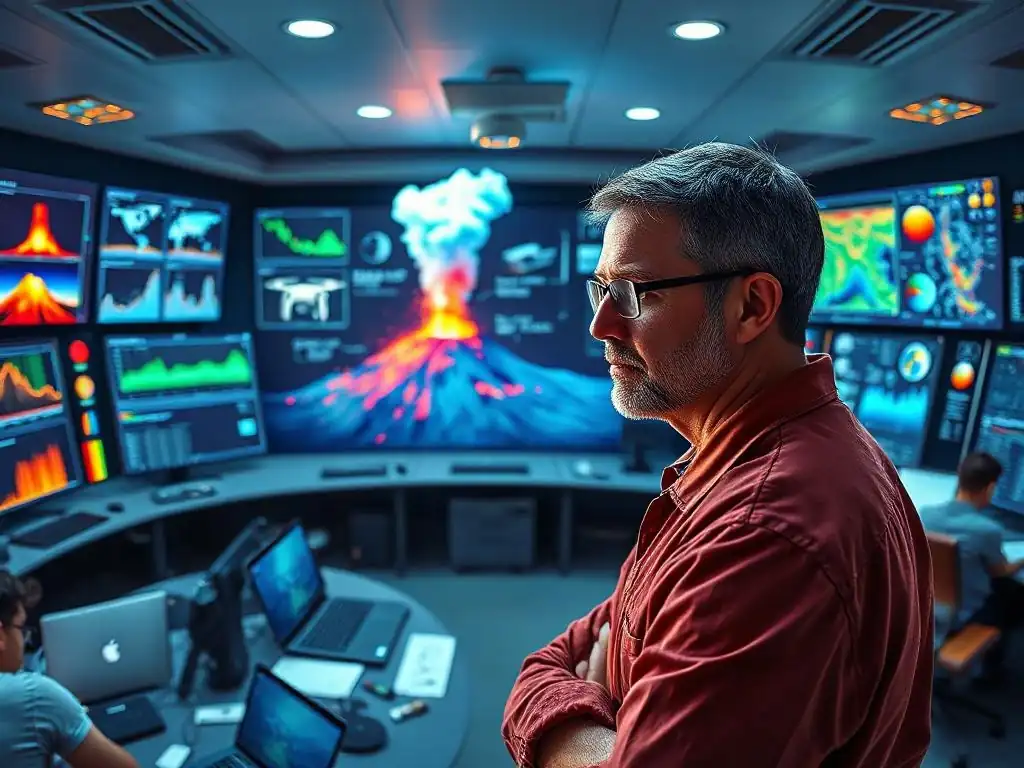
Volcanologists at the Volcano Observatory: Studying Eruptive Processes and Lava Flows
Within a volcano observatory, volcanologists often focus on the fundamental eruptive processes and the characteristics of lava flows. Their work involves studying the physical and chemical properties of erupted materials, such as lava, ash, and volcanic rocks, to understand the magma source, eruption dynamics, and the evolution of volcanic systems. Volcanologists conduct fieldwork to map lava flows, collect samples, and observe eruptive activity firsthand. They also use laboratory techniques to analyze the composition and textures of volcanic materials, gaining insights into magma ascent, degassing, and crystallization processes.
For example, volcanologists might study the viscosity of lava flows to model their flow paths and predict areas at risk from lava inundation. They might also analyze the textures of volcanic ash to reconstruct eruption column heights and dispersal patterns. Their research contributes to a better understanding of how volcanoes work and the factors that control eruption style and intensity.
This knowledge is crucial for developing more accurate eruption forecasts and hazard assessments. Volcanologists at a volcano observatory are essential for deciphering the geological record of past eruptions and interpreting current volcanic activity in the context of long-term volcanic behavior.
Geophysicists at the Volcano Observatory: Monitoring Seismic Activity and Ground Deformation
Geophysicists at a volcano observatory specialize in monitoring and interpreting geophysical signals, primarily seismic activity and ground deformation. They are experts in analyzing data from seismometers, GPS stations, and other geophysical instruments to detect changes in volcanic activity. Geophysicists use sophisticated techniques to locate earthquakes, determine their magnitudes, and characterize their source mechanisms. They also analyze volcanic tremor, a continuous ground vibration often associated with magma movement or fluid flow within a volcano.
In terms of ground deformation, geophysicists process GPS and InSAR data to measure subtle changes in the shape of a volcano. They use modeling techniques to infer the source of deformation, such as magma chamber inflation or dike intrusion. Geophysical monitoring provides crucial real-time information about the internal processes of a volcano and its potential for eruption. Geophysicists at a volcano observatory play a vital role in detecting early warning signs of volcanic unrest and tracking the evolution of volcanic activity. Their expertise is essential for providing timely and accurate assessments of volcanic hazards.
Geochemists at the Volcano Observatory: Analyzing Volcanic Gases and Fluids
Geochemists at a volcano observatory focus on the analysis of volcanic gases and fluids to understand the chemical processes occurring within a volcano. They collect and analyze gas samples from fumaroles, plumes, and volcanic rocks to determine their chemical and isotopic composition. Geochemists use various analytical techniques, such as gas chromatography, mass spectrometry, and isotope ratio mass spectrometry, to measure the concentrations of different gas species and isotopic ratios. The composition of volcanic gases can provide valuable information about the magma source, magma degassing processes, and the temperature and pressure conditions within the volcanic system.
For instance, changes in the ratios of sulfur dioxide to carbon dioxide (SO2/CO2) or helium isotopes can indicate changes in magma supply or magma depth. Geochemists also study volcanic fluids, such as hot springs and crater lakes, to understand hydrothermal processes and their relationship to volcanic activity. Geochemical monitoring provides complementary information to geophysical monitoring, offering insights into the chemical evolution of volcanic systems and potential changes in eruptive style. Geochemists at a volcano observatory are crucial for interpreting the chemical signals of volcanic unrest and assessing eruption potential based on gas and fluid chemistry.
Remote Sensing Specialists at the Volcano Observatory: Utilizing Satellite and Drone Imagery
Remote sensing specialists at a volcano observatory are experts in utilizing satellite and drone imagery for volcano monitoring. They process and analyze data from various remote sensing platforms to detect and track volcanic activity. Satellite imagery provides a broad synoptic view of volcanoes, allowing for the monitoring of large areas, including remote and inaccessible regions. Remote sensing specialists use different types of satellite data, such as visible, infrared, and radar imagery, to monitor ground deformation, thermal anomalies, gas plumes, and ash dispersal.
For example, they use InSAR data to measure ground deformation, thermal infrared imagery to detect lava flows and hot spots, and multispectral imagery to map volcanic ash deposits. Drone technology is increasingly used for high-resolution monitoring of volcanoes, allowing for detailed mapping, gas plume measurements, and visual observations in areas that are difficult or dangerous to access on foot. Remote sensing specialists develop algorithms and techniques to extract relevant information from remote sensing data and integrate it with ground-based monitoring data. Their expertise enhances the capabilities of volcano observatories to monitor volcanoes effectively, particularly in challenging environments.
Challenges and Rewards of Working at a Volcano Observatory
The Demands of Volcano Monitoring: Working Under Pressure During Volcanic Crises
Working at a volcano observatory is both challenging and rewarding. One of the main demands is the pressure of working during volcanic crises. When a volcano shows signs of unrest or is actively erupting, volcano observatory scientists work long hours under intense pressure to monitor the situation, analyze data, and provide timely information to emergency responders and the public.
Decision-making during a volcanic crisis is critical and has significant implications for public safety. Scientists must make rapid assessments based on often incomplete or ambiguous data, understanding that their recommendations can directly impact the lives and livelihoods of communities living near volcanoes.
The work can be physically and emotionally demanding, requiring scientists to be on call around the clock and to work in hazardous environments. Fieldwork during volcanic unrest can be particularly challenging, involving working near erupting vents, dealing with volcanic gas hazards, and facing unpredictable weather conditions. Despite the pressures, volcano observatory scientists are driven by a strong sense of responsibility and commitment to public safety.
They understand the importance of their work in mitigating volcanic risks and protecting communities from volcanic disasters. The demanding nature of volcano monitoring during crises is a significant challenge, but also a source of purpose and dedication for those working at volcano observatories.
The Excitement of Discovery: Understanding Volcanic Processes
Despite the challenges, working at a volcano observatory offers unique rewards, including the excitement of scientific discovery. Volcanoes are dynamic and complex systems, and there are still many unanswered questions about their behavior and eruptive processes. Volcano observatory scientists are at the forefront of volcano research, constantly learning new things about how volcanoes work. Analyzing monitoring data, conducting fieldwork, and developing new models provide opportunities for scientific breakthroughs and a deeper understanding of Earth's processes.
For example, scientists might discover a new type of volcanic earthquake, identify a previously unknown magma source, or develop a more accurate method for forecasting eruptions. The thrill of unraveling the mysteries of volcanic systems and contributing to scientific knowledge is a significant reward for those working in this field. The dynamic nature of volcanoes ensures that there is always something new to learn and discover. The opportunity to contribute to cutting-edge research and expand our understanding of the natural world is a powerful motivator for volcano observatory scientists.
Contributing to Public Safety: Protecting Communities from Volcanic Eruptions
Perhaps the most significant reward of working at a volcano observatory is the direct contribution to public safety. The work of volcano observatory scientists directly protects communities from volcanic eruptions by providing timely warnings, hazard assessments, and scientific information that informs emergency preparedness and mitigation efforts. Knowing that their work can save lives and reduce the impact of volcanic disasters is a profound source of satisfaction and purpose for volcano observatory scientists. The impact of their work is tangible and directly benefits society.
The dedication and expertise of volcano observatory scientists are often recognized and appreciated by the communities they serve. Building trust and working collaboratively with local communities is an essential aspect of volcano hazard mitigation. The sense of making a real difference in the world and contributing to the well-being of people living near volcanoes is a powerful reward for those working in this field. The commitment to public service and the opportunity to apply scientific knowledge to solve real-world problems are central to the motivations of volcano observatory scientists.
Essential Skills for a Volcanologist: Training and Expertise
Becoming a volcano observatory scientist requires a strong educational foundation in earth sciences. Typically, a career path starts with a bachelor's degree in geology, geophysics, or a related field such as environmental science or physics. These undergraduate programs provide a broad understanding of Earth's processes, geological principles, and the scientific method. Coursework often includes mineralogy, petrology, structural geology, geophysics, geochemistry, and remote sensing. A solid grounding in mathematics, physics, and chemistry is also essential for advanced studies in volcanology.
Many volcano observatory scientists pursue advanced degrees, such as a Master's or Ph.D., in volcanology or a related specialization. Graduate programs provide in-depth training in specific areas of volcanology, such as volcano monitoring, eruption dynamics, magma processes, or volcanic hazards. Graduate studies typically involve research projects, fieldwork, data analysis, and the development of specialized expertise. A Ph.D. is often required for research-intensive positions at volcano observatories and universities. The rigorous educational background equips aspiring volcano observatory scientists with the scientific knowledge and analytical skills necessary for their demanding roles.
Technical Skills: Data Analysis, Modeling, and Fieldwork Techniques
In addition to a strong educational background, volcano observatory scientists need a range of technical skills. Data analysis is a core skill, as they work with vast amounts of monitoring data from various instruments. Proficiency in data processing software, statistical analysis, and data visualization techniques is essential. Computer modeling skills are also increasingly important for simulating volcanic processes, such as magma flow, gas dispersal, and lava flow paths. Scientists use numerical models to interpret monitoring data, forecast eruptions, and assess volcanic hazards.
Fieldwork skills are equally crucial for volcano observatory scientists. They need to be comfortable working in challenging and often hazardous volcanic environments. Fieldwork skills include geological mapping, sample collection, instrument deployment and maintenance, and navigation in remote terrain. Safety training is paramount for fieldwork, including hazard awareness, first aid, and emergency response procedures. Technical skills in data analysis, modeling, and fieldwork are essential for conducting effective volcano monitoring and research. Continuous development of these skills is important for staying at the forefront of volcanology.
Communication Skills: Sharing Information Effectively with the Public and Other Scientists
Effective communication skills are vital for a volcano observatory scientist. They need to communicate complex scientific information clearly and concisely to various audiences, including the public, emergency responders, government agencies, and other scientists. For the public and emergency responders, communication often involves providing timely warnings of volcanic hazards and clear instructions on how to respond. This requires the ability to explain scientific concepts in plain language and to tailor communication to different levels of understanding. Strong written and oral communication skills are essential for preparing reports, giving presentations, and conducting media interviews.
Communication with other scientists is also crucial for collaboration, data sharing, and the advancement of volcanological knowledge. Scientists need to be able to effectively present their research findings at conferences, publish scientific papers, and participate in collaborative research projects. Strong interpersonal skills are important for working effectively in teams and collaborating with colleagues from diverse backgrounds. Effective communication skills are essential for ensuring that scientific information is accessible, understandable, and used to mitigate volcanic risks and advance scientific understanding.
The Future of Volcano Monitoring: Advancements in Technology and Research
Improved Monitoring Techniques: Real-Time Data and Advanced Sensors
The future of volcano monitoring is being shaped by rapid advancements in technology and research. Improved monitoring techniques are providing volcano observatory scientists with more data, higher resolution, and real-time information about volcanic activity. Developments in sensor technology are leading to more sensitive and robust instruments for detecting subtle changes in volcanic signals. For example, advancements in seismic sensors, GPS receivers, and gas sensors are enhancing the capabilities of volcano monitoring networks. Real-time data transmission systems are becoming increasingly sophisticated, allowing for continuous monitoring and rapid response to volcanic unrest.
The integration of different monitoring datasets is also improving our ability to detect and interpret volcanic signals. Combining seismic, deformation, gas, and thermal data provides a more comprehensive picture of volcanic processes. Machine learning and artificial intelligence techniques are being applied to volcano monitoring data to identify patterns, detect anomalies, and improve eruption forecasting. These technological advancements are revolutionizing volcano monitoring and providing volcano observatory scientists with powerful new tools for understanding and predicting volcanic activity.
Enhanced Volcanic Hazard Assessments: More Accurate Eruption Forecasting
Advancements in volcano monitoring and research are leading to enhanced volcanic hazard assessments and more accurate eruption forecasting. Improved monitoring data, coupled with better understanding of volcanic processes, are enabling scientists to develop more sophisticated models for forecasting eruptions. Probabilistic hazard assessments are becoming more common, providing estimates of the likelihood of different eruption scenarios and their potential impacts. These assessments are crucial for risk-informed decision-making and long-term land-use planning in volcanic areas.
Research into eruption precursors is ongoing, aiming to identify reliable early warning signs of volcanic eruptions. Understanding the physical and chemical processes that lead to eruptions is essential for improving forecasting accuracy. Volcano observatories are increasingly collaborating with researchers from various disciplines to advance eruption forecasting capabilities. The goal is to provide more timely and accurate warnings of volcanic eruptions, allowing for effective evacuation and mitigation measures to protect communities at risk. Enhanced volcanic hazard assessments and improved eruption forecasting are crucial for reducing the societal impacts of volcanic eruptions in the future.
International Collaboration: Sharing Data and Expertise Globally
International collaboration is essential for advancing volcano monitoring and research globally. Volcanoes are distributed around the world, and many countries face volcanic hazards. Sharing data, expertise, and best practices among volcano observatories and research institutions is crucial for improving volcano monitoring capabilities worldwide. International collaborations facilitate the exchange of knowledge, technology, and personnel, leading to more effective volcano monitoring and hazard mitigation efforts globally. Organizations like the International Association of Volcanology and Chemistry of the Earth's Interior (IAVCEI) and the World Organization of Volcano Observatories (WOVO) play a key role in fostering international cooperation in volcanology.
Collaborative research projects address global challenges in volcano monitoring and eruption forecasting. Sharing data from different volcanoes around the world allows for the development of more robust models and a better understanding of common volcanic processes. International workshops and training programs enhance the capacity of volcano observatories in developing countries to monitor and mitigate volcanic hazards. Global collaboration is essential for building a more resilient world in the face of volcanic risks. The future of volcano monitoring and research depends on continued and strengthened international partnerships to address the challenges posed by volcanoes worldwide.
Frequently Asked Questions
What are the primary responsibilities of a volcano observatory scientist?
Their primary responsibilities involve monitoring volcanic activity, analyzing data, and providing early warnings of potential eruptions.
What kind of data does a volcano observatory scientist typically analyze?
They analyze various types of data, including seismic activity, gas emissions, and ground deformation, to understand a volcano's current state and predict future behavior.
How does a volcano observatory scientist contribute to public safety?
By monitoring volcanoes and issuing timely warnings, they help communities prepare for and mitigate the impacts of volcanic eruptions, ultimately saving lives and protecting property.
What tools and technologies are used by a volcano observatory scientist in their daily routine?
They utilize a range of tools, including seismometers, gas analyzers, GPS instruments, and satellite imagery, to gather and analyze data about volcanic activity.
How does the daily routine of a volcano observatory scientist change during a volcanic crisis?
During a crisis, their routine becomes more intense, involving around-the-clock monitoring, increased data analysis, and direct communication with emergency management agencies to ensure public safety.
Final Reflection: Unearthing the Earth's Secrets
The detailed exploration of a volcano observatory scientist's daily routine reveals more than just the tasks at hand; it highlights the dedication required to understand and mitigate the Earth's most powerful forces. The meticulous monitoring, data analysis, and constant vigilance showcased in this glimpse into their world underscores the vital role these scientists play in safeguarding communities and advancing our knowledge of volcanic activity.
The impact of their work extends far beyond the observatory walls, influencing policy, shaping public awareness, and ultimately, saving lives. Witnessing the commitment and precision involved in their daily routine has deepened my appreciation for the unsung heroes who dedicate their lives to understanding our planet. The Earth speaks to those who know how to listen.
This quote encapsulates the essence of a volcano observatory scientist's work – a constant dialogue with the planet, interpreting its subtle cues to anticipate and prepare for potential eruptions.
Now, consider the implications of this dedication. How can we, as individuals and as a society, better support the vital work of these scientists? Let us strive to cultivate a deeper understanding of the natural world and champion the importance of scientific research, ensuring that those who dedicate their lives to protecting us have the resources and recognition they deserve. Let us all become more attuned to the Earth's whispers, and in doing so, contribute to a safer and more informed future.
Ignite Your Inner Volcanologist: Take Action!
Thanks for joining us on this exciting journey into the daily life of a volcano observatory scientist! We hope you've gained a deeper appreciation for the dedication and fascinating work involved in monitoring these powerful forces of nature. Now, it's time to get involved!
Here are a few ways you can further explore the world of volcanology:
- Learn more about a volcano near you. Research its history, eruption patterns, and current monitoring status. Share your findings with friends and family!
- Discover citizen science opportunities with volcano observatories worldwide. Many programs allow you to contribute valuable data, from reporting ashfall to analyzing seismic data.
- Brainstorm innovative ways to improve volcano monitoring or community preparedness. Share your ideas in the comments below – you never know who might be inspired!
What will you do today to contribute to a safer and more knowledgeable future for volcano communities?