
Citizen Science and Observatories: How You Can Contribute to Volcano Monitoring


Welcome to Volcano Explorers!
Ever wondered what it's really like to stand on the edge of a sleeping giant? Or how scientists predict when a volcano might awaken? Our world is full of these magnificent, yet volatile, forces. Dive into the heart of volcanic activity and discover how you can play a vital role in understanding these powerful forces, starting with volcano monitoring citizen science. The secrets are waiting to be unearthed... are you ready to explore?
- Introduction: The Power of Citizen Science in Volcano Monitoring
- Understanding Volcano Observatories and Their Role
- The Rise of Citizen Science in Volcano Monitoring
- Opportunities for Citizen Scientists in Volcano Monitoring
- Specific Citizen Science Projects for Volcano Monitoring
- How to Get Involved in Volcano Monitoring as a Citizen Scientist
- The Impact of Citizen Science on Volcano Prediction and Hazard Assessment
- Ethical Considerations in Citizen Science Volcano Monitoring
- The Future of Citizen Science in Volcano Monitoring
- Conclusion: Become a Volcano Explorer and Contribute to a Safer World
-
Frequently Asked Questions
- What is volcano monitoring citizen science?
- What types of data can citizen scientists collect for volcano monitoring?
- How can I get involved in volcano monitoring citizen science projects?
- What are the benefits of citizen science for volcano monitoring?
- Is it safe to participate in volcano monitoring citizen science activities?
- Final Reflection: Empowering Observation, Protecting Communities
- Unearth Your Inner Volcanologist: Start Monitoring Today!
Introduction: The Power of Citizen Science in Volcano Monitoring
Why Citizen Science is Vital for Volcano Research
Volcano monitoring is a complex and resource-intensive endeavor. Volcano observatories, often government-funded institutions, play a crucial role in tracking volcanic activity and assessing potential hazards. However, the sheer number of volcanoes globally, estimated to be around 1,500 potentially active volcanoes on land and many more underwater, far exceeds the capacity of professional scientists to monitor them all continuously and comprehensively.
This is where citizen science becomes invaluable. Citizen science, the involvement of the public in scientific research, significantly expands the reach and scope of volcano monitoring efforts. By engaging volunteers from diverse backgrounds, researchers can gather data from more locations, at more times, and with greater frequency than would be possible with limited professional resources alone.
The contribution of citizen scientists is not merely about increasing the volume of data. It's also about enhancing the diversity of perspectives and local knowledge incorporated into volcano research. Individuals living near volcanoes often possess intimate understanding of local landscapes, weather patterns, and subtle changes in volcanic activity that might be missed by remote monitoring systems or infrequent field visits by scientists.
This local expertise, combined with structured training and guidance, can provide critical early warnings of volcanic unrest and improve the accuracy of volcano monitoring and hazard assessments. Citizen science empowers communities to become active participants in their own safety, fostering a collaborative approach to volcano risk reduction.
The Smithsonian Institution's Global Volcanism Program: Your Gateway to Volcano Monitoring Participation
For those eager to participate in volcano monitoring citizen science, the Smithsonian Institution's Global Volcanism Program (GVP) serves as an excellent starting point. The GVP is a globally recognized authority on volcano information, maintaining a comprehensive database of volcanic eruptions and activity dating back 10,000 years. While not directly a citizen science project in itself, the GVP actively encourages and utilizes observations reported by the public. Their database relies on a wide range of sources, including reports from volcano observatories, scientific publications, and crucially, eyewitness accounts and observations submitted by individuals around the world.
By exploring the GVP website, aspiring citizen scientists can familiarize themselves with the vast scope of global volcanism and the types of data that are valuable for monitoring efforts. The GVP website provides access to eruption histories, volcano profiles, and real-time volcanic activity maps, offering a rich educational resource.
Furthermore, the GVP's emphasis on data collection and dissemination highlights the importance of accurate and timely reporting of volcanic events. Understanding the GVP's work can inspire individuals to contribute to volcano monitoring by learning what to observe, how to document it, and where to report their findings, effectively becoming part of a global network dedicated to understanding and mitigating volcanic hazards.
Understanding Volcano Observatories and Their Role
The Mission of Volcano Observatories: Protecting Communities
Volcano observatories are specialized scientific institutions dedicated to the study and monitoring of volcanoes. Their primary mission is to protect communities living in volcanically active regions by providing timely warnings of potential eruptions and associated hazards. This involves continuous surveillance of volcanoes using a range of sophisticated techniques, analyzing data to detect signs of volcanic unrest, and communicating potential risks to civil authorities and the public. Observatories operate under immense pressure, as their predictions and warnings directly impact the safety and well-being of large populations.
The responsibilities of volcano observatories extend beyond eruption forecasting. They also conduct fundamental research to improve our understanding of volcanic processes. This research encompasses studying magma generation and movement, eruption dynamics, and the long-term behavior of volcanoes.
Observatories play a vital role in hazard assessment, delineating areas at risk from different volcanic phenomena such as lava flows, pyroclastic flows, ashfall, and lahars (volcanic mudflows). They work closely with emergency management agencies to develop evacuation plans, hazard maps, and public education programs. In essence, volcano observatories serve as the scientific guardians of communities living with volcanic risk, striving to minimize the impact of eruptions through proactive monitoring, research, and communication.
Traditional Volcano Monitoring Techniques Employed by Observatories
Volcano observatories utilize a suite of advanced technologies and traditional methods to monitor volcanic activity. Seismic monitoring is a cornerstone of volcano surveillance, employing networks of seismometers to detect and analyze earthquakes, which are often precursors to eruptions. Changes in earthquake frequency, intensity, and location can signal magma movement beneath the surface.
Ground deformation monitoring is another crucial technique, using instruments like GPS and tiltmeters to measure subtle changes in the shape of the volcano's surface, indicating magma inflation or deflation within the volcanic system. For example, the United States Geological Survey (USGS) uses the Network of the Americas (NOTA) for high-precision GPS measurements across many volcanic regions.
Gas monitoring is also essential, as changes in the composition and flux of volcanic gases, such as sulfur dioxide (SO2) and carbon dioxide (CO2), can indicate changes in magma degassing and activity. Observatories use instruments like spectrometers and gas sensors deployed at fumaroles or through remote sensing techniques like satellite-based SO2 measurements. Thermal monitoring, using infrared cameras and satellite data, detects changes in heat output from volcanoes, which can signify increased magmatic activity or lava effusion.
Visual observations from webcams, field visits, and aerial surveys complement these instrumental methods, providing direct evidence of surface changes like fumarole activity, lava dome growth, or ash plumes. These diverse techniques, when integrated and analyzed, provide a comprehensive picture of a volcano's state and potential for eruption.
The Rise of Citizen Science in Volcano Monitoring
Complementing Traditional Methods: Citizen Scientists as Extra Eyes
While volcano observatories employ sophisticated technology, citizen scientists offer a crucial complement to traditional monitoring methods. Observatories often rely on sparse networks of instruments that are costly to deploy and maintain across vast volcanic regions. Citizen scientists, on the other hand, can act as a distributed network of "eyes on the ground," providing valuable real-time observations from locations where instruments may not be present. This is particularly important in remote or under-resourced areas where volcano monitoring infrastructure is limited.
The advantage of citizen scientists lies in their ability to be present continuously, observing subtle changes that might be missed by infrequent observatory visits or automated instruments. They can report phenomena like unusual smells (e.g., sulfurous odors), changes in steam or fumarole activity, new cracks or ground deformation, and unusual animal behavior – all potential indicators of volcanic unrest.
Furthermore, citizen scientists can contribute valuable visual documentation through photos and videos, capturing the evolution of volcanic phenomena in real-time. This crowdsourced data can significantly enhance the situational awareness of volcano observatories, particularly during periods of heightened volcanic activity or in the early stages of an eruption crisis.
Addressing Data Gaps: How Citizen Science Fills the Void
Citizen science in volcano monitoring is particularly effective in addressing data gaps, both spatially and temporally. Spatially, many volcanoes, especially in developing countries or remote regions, lack comprehensive instrumental monitoring networks. Citizen scientists living near these volcanoes can provide crucial baseline data and report any unusual activity, effectively extending the monitoring coverage beyond the reach of existing observatory infrastructure. For example, in regions with limited resources, local communities trained in basic volcano observation techniques can become the primary source of information for volcano observatories.
Temporally, citizen science helps to fill gaps in continuous monitoring. While instruments provide continuous data streams, their maintenance and data analysis require significant resources. Citizen scientists can contribute by providing regular, even daily, observations, especially during periods of quiescence when observatory resources might be focused elsewhere.
This continuous stream of citizen-generated data helps to establish a more complete picture of a volcano's baseline activity and makes it easier to detect deviations that might signal the onset of unrest. By bridging these spatial and temporal data gaps, citizen science significantly enhances the effectiveness and reach of volcano monitoring efforts, contributing to more robust and timely eruption forecasting and hazard assessments.
Opportunities for Citizen Scientists in Volcano Monitoring
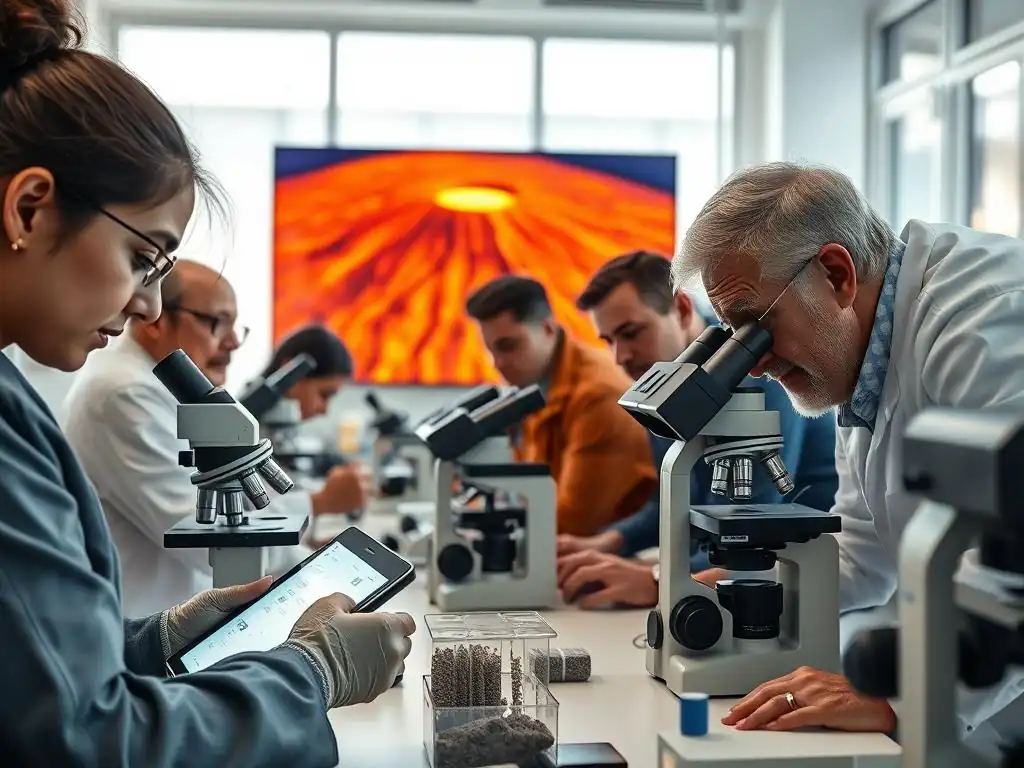
Reporting Volcanic Activity: A Crucial Contribution
One of the most direct and impactful ways citizen scientists can contribute to volcano monitoring is by reporting observed volcanic activity. This can range from reporting visible phenomena like ash plumes or lava flows to less obvious signs of unrest such as increased steam emissions, new fumaroles, or changes in hot spring activity. Timely and accurate reporting is crucial, especially in the early stages of volcanic unrest, as it can provide the first indication of a potential eruption.
When reporting volcanic activity, it is important to be as specific and detailed as possible. Note the date and time of the observation, the location (ideally with GPS coordinates if possible), and a clear description of what was observed. Photographs and videos are incredibly valuable for visual documentation. Reports should be submitted to the appropriate authorities, which could be the local volcano observatory, geological survey, or emergency management agency.
Many observatories have dedicated hotlines or online reporting platforms for public submissions. For example, the Alaska Volcano Observatory (AVO) actively encourages public reporting of volcanic activity in Alaska. Citizen reports are often cross-referenced with instrumental data to confirm and interpret volcanic events, making them a vital part of the overall volcano monitoring process.
Observing and Documenting Volcanic Phenomena: Ash Plumes, Lahars, Fumaroles
Citizen scientists can play a vital role in observing and documenting various volcanic phenomena, providing valuable data for scientists. Ash plumes, for instance, are a significant volcanic hazard, impacting air travel and causing respiratory problems. Citizen observations can help track the height, extent, and direction of ash plumes, information crucial for aviation safety and hazard assessment. Documenting the timing and duration of ashfall events is also important for understanding the eruption's intensity and potential impacts on communities and infrastructure.
Lahars, or volcanic mudflows, are another dangerous volcanic phenomenon. Citizen scientists can monitor river channels for signs of increased water flow, sediment load, or unusual noises that might indicate an impending lahar. Observing and documenting the path and extent of lahars during and after eruptions is critical for hazard mapping and risk mitigation.
Fumaroles, vents releasing volcanic gases, are also important to monitor. Citizen scientists can observe changes in fumarole activity, such as increased steam emission, changes in gas color or odor, or the appearance of new fumaroles. Documenting these phenomena through detailed descriptions, photographs, and videos provides valuable data for volcanologists to interpret volcanic activity and assess potential hazards.
Collecting Data: Tools and Techniques for Citizen Scientists
Citizen scientists have access to a range of tools and techniques to collect valuable data for volcano monitoring, often utilizing readily available technology.
Using Mobile Apps for Volcano Monitoring: Volcanoes & Earthquakes (Android), MyShake (Android/iOS)
Mobile apps specifically designed for citizen science are becoming increasingly popular and effective tools for volcano monitoring. For example, the "Volcanoes & Earthquakes" app (Android) allows users to report volcanic activity, earthquakes, and tsunami observations directly to the Volcano Discovery website, a global platform for sharing real-time volcano and earthquake information. Users can submit reports with text descriptions, photos, and location data, contributing to a crowdsourced database of volcanic events. Another example is "MyShake" (Android/iOS), initially designed for earthquake early warning research, but also valuable in volcanic regions.
MyShake uses smartphone accelerometers to detect ground shaking, including volcanic tremors. Citizen scientists using MyShake contribute to a vast network of seismic sensors, improving the detection and characterization of earthquake activity related to volcanism. These apps simplify data collection and reporting, making it easier for anyone with a smartphone to participate in volcano monitoring citizen science.
Visual Observations: Taking Photos and Videos of Volcanic Activity
Visual observations, captured through photos and videos, are incredibly valuable contributions from citizen scientists. Photographs and videos provide direct evidence of volcanic phenomena, documenting their appearance, evolution, and impact. When taking photos or videos, it is important to include a sense of scale, such as including a person or familiar object in the frame. Document the date, time, and location of the observation. For ash plumes, try to capture the plume's height, color, and direction of movement.
For lava flows, document the flow front, extent, and any associated phenomena like gas emissions or explosions. For fumaroles, capture changes in steam plume size and density. Videos can be particularly useful in documenting dynamic phenomena like ash plume development, lava flow advance, or lahar movement. High-quality visual documentation adds significant value to citizen science reports and helps volcanologists interpret volcanic activity more effectively.
Measuring Ashfall: A Simple Yet Important Task
Measuring ashfall is a simple yet important task that citizen scientists can easily undertake, providing valuable data on eruption intensity and ash dispersal. Ashfall thickness is a key parameter for assessing the impact of volcanic eruptions on communities, infrastructure, and agriculture. Citizen scientists can collect ash samples and measure the thickness of the ash layer at different locations.
A simple method involves placing containers of known diameter (like cans or bowls) outdoors to collect ashfall during an eruption. After the ashfall event, carefully measure the height of the ash collected in the container. Alternatively, you can measure the thickness of the ash layer directly on a flat surface using a ruler or measuring tape.
Record the location, date, and time of the measurement, and if possible, collect a small sample of the ash in a sealed bag for potential laboratory analysis by scientists. Data on ashfall distribution and thickness, collected by citizen scientists across a wide area, helps volcanologists to model ash dispersal patterns and assess the extent of ashfall hazards.
Specific Citizen Science Projects for Volcano Monitoring
The NASA Landslide Reporter: Contributing to Landslide Hazard Assessment After Volcanic Eruptions
The NASA Landslide Reporter citizen science project focuses on a secondary, yet critically important, volcanic hazard: landslides. Volcanic eruptions, earthquakes, and heavy rainfall can trigger landslides, posing significant risks in volcanic regions. The NASA Landslide Reporter project encourages citizen scientists to report landslides they observe anywhere in the world, including those associated with volcanic activity. Using a simple online form or mobile app, participants can report the location, date, time, and characteristics of landslides, and upload photos if available.
While not exclusively focused on volcanoes, landslide reports from volcanic regions are particularly valuable. Following volcanic eruptions, the landscape is often destabilized by ashfall, pyroclastic flows, and seismic activity, increasing landslide susceptibility. Citizen scientists in volcanic areas can contribute by reporting landslides triggered by eruptions or subsequent rainfall events. This data helps NASA researchers to improve global landslide hazard maps and models, and to better understand the relationship between volcanic activity and landslide occurrence. By participating in the NASA Landslide Reporter project, citizen scientists contribute to a broader understanding of geohazards in volcanic environments.
The USGS "Did You Feel It?" (DYFI) system is a long-standing citizen science project focused on collecting macroseismic data – information on the felt effects of earthquakes. While primarily used for earthquake studies, DYFI data is also highly relevant to volcano monitoring. Earthquakes are a common precursor to volcanic eruptions, and changes in earthquake activity are closely monitored by volcano observatories. The DYFI system relies on online questionnaires where individuals who have felt an earthquake can report their experiences, including the intensity of shaking, observed effects, and location.
In volcanic regions, DYFI reports can provide valuable supplementary information about earthquake activity related to volcanism. Increased earthquake frequency or intensity reported through DYFI can alert volcano observatories to potential volcanic unrest, even if instrumental seismic data is limited in the area. DYFI data also helps to map the spatial distribution of felt earthquakes, which can be useful in understanding the location and extent of volcanic seismicity.
By participating in the USGS "Did You Feel It?" system, citizen scientists living in volcanic regions contribute to a more complete picture of earthquake activity, which is crucial for volcano monitoring and hazard assessment.
Monitoring Active Volcanoes in Your Region: Observing Local Volcanic Activity
For those living near active volcanoes, the most direct and impactful form of citizen science is monitoring the local volcanic activity. This involves becoming familiar with the typical behavior of the nearby volcano, learning to recognize signs of unrest, and establishing communication channels with local volcano observatories or emergency management agencies. Local citizen scientists can become invaluable "community observers," providing regular reports and acting as early warning systems for their communities.
Monitoring local volcanic activity can involve various activities, such as regularly observing the volcano from vantage points, documenting changes in fumarole activity or steam plumes, monitoring water levels in crater lakes, and reporting any unusual smells, sounds, or ground deformation. Establishing a network of local observers, perhaps coordinated through community organizations or schools, can create a robust citizen science monitoring system.
Training and resources from volcano observatories can empower local communities to effectively monitor their volcanoes and contribute to their own safety. In regions with limited resources or remote volcanoes, local citizen monitoring can be the primary source of information for volcano observatories, fostering a strong partnership between scientists and communities living with volcanic risk.
How to Get Involved in Volcano Monitoring as a Citizen Scientist
Finding Local or Global Volcano Monitoring Projects
Getting involved in volcano monitoring citizen science is easier than ever, with numerous opportunities available at both local and global levels. For those interested in local involvement, the first step is to identify if there is a volcano observatory or geological survey in your region. Many observatories actively engage with the public and may have existing citizen science programs or volunteer opportunities. Contacting the observatory directly is a good starting point to inquire about local projects or ways to contribute. Universities and research institutions in volcanic regions may also have citizen science initiatives related to volcano monitoring.
For those seeking global participation, online platforms and international organizations offer various avenues. The Smithsonian Institution's Global Volcanism Program, as mentioned earlier, is a valuable resource for learning about global volcanism and understanding data needs. Online citizen science platforms like Zooniverse may host volcano-related projects, such as image classification tasks for satellite monitoring. Organizations like the Earthwatch Institute offer opportunities to participate in scientific expeditions, which may include volcano research projects. Searching online for "volcano citizen science projects" or "volunteer volcano monitoring" will reveal a range of opportunities to contribute, regardless of location or scientific background.
Training and Resources for Citizen Scientists
Effective citizen science in volcano monitoring requires proper training and access to relevant resources. Volcano observatories and geological surveys often provide training workshops or online materials for citizen scientists. These training programs typically cover basic volcano science, volcano hazards, monitoring techniques, data collection protocols, and safety guidelines. Learning to identify different types of volcanic phenomena, understanding the significance of various observations, and using data collection tools effectively are key components of citizen science training.
Resources for citizen scientists can include field guides for volcano observation, data sheets or templates for recording observations, mobile apps for data submission, and communication channels for reporting findings to scientists or observatories. Online resources, such as websites, webinars, and online forums, can provide ongoing support and information sharing among citizen scientists and researchers.
Organizations like the USGS and volcano observatories often have educational materials and resources available on their websites. Investing in training and providing access to resources ensures that citizen scientists are well-equipped to make meaningful contributions to volcano monitoring efforts and to do so safely and responsibly.
Safety Guidelines for Participating in Volcano Monitoring
Safety is paramount when participating in volcano monitoring citizen science, especially in potentially hazardous volcanic environments. Always prioritize personal safety and never put yourself or others at unnecessary risk. Before engaging in any volcano monitoring activities, familiarize yourself with the potential hazards associated with volcanoes, such as ashfall, gas emissions, pyroclastic flows, lahars, and landslides. Heed warnings and advisories issued by volcano observatories and emergency management agencies.
When observing volcanoes, maintain a safe distance from active vents, fumaroles, and areas prone to hazards. Never approach lava flows or pyroclastic flows. Be aware of the direction of prevailing winds and avoid being downwind of volcanic plumes or gas emissions. Wear appropriate protective gear, such as masks to protect against ash inhalation, sturdy shoes, and long clothing to protect from sun and heat.
Inform someone of your plans and expected return time when venturing into volcanic areas. Carry communication devices, such as a cell phone or radio, and emergency supplies, including water, food, and a first-aid kit. If you are unsure about the safety of a situation, err on the side of caution and retreat to a safer location. Responsible citizen science involves both contributing valuable data and ensuring personal safety.
The Impact of Citizen Science on Volcano Prediction and Hazard Assessment

Real-World Examples of Citizen Science Contributions to Volcano Monitoring
Citizen science has already demonstrated its significant impact on real-world volcano monitoring and eruption response. During the 2010 eruption of Eyjafjallajökull volcano in Iceland, which caused widespread air travel disruption, ashfall observations reported by citizen scientists across Europe were crucial in mapping the extent and thickness of the ash cloud. These reports, combined with satellite data and meteorological models, helped aviation authorities to better understand the ash hazard and manage airspace closures.
In Montserrat, during the long-lasting eruption of Soufrière Hills Volcano, local residents trained as volcano observers provided daily visual reports of volcanic activity, lava dome growth, and pyroclastic flow occurrences. Their observations, relayed to the Montserrat Volcano Observatory, were instrumental in tracking the eruption's evolution and informing hazard assessments and evacuation decisions. The USGS "Did You Feel It?"
system has consistently provided valuable data on earthquake activity in volcanic regions, helping to refine seismic hazard maps and detect potential volcanic unrest. These examples illustrate how citizen science contributions are not just supplementary but can be integral to effective volcano monitoring and hazard mitigation.
Strengthening Community Resilience Through Citizen Science
Citizen science in volcano monitoring plays a vital role in strengthening community resilience to volcanic hazards. By actively involving local communities in monitoring their volcanoes, citizen science fosters a sense of ownership and responsibility for volcano risk reduction. Community-based monitoring programs empower residents to become more knowledgeable about volcanic hazards, understand early warning signs, and participate in preparedness measures. This increased awareness and engagement can lead to more effective responses during volcanic crises and reduce vulnerability to volcanic impacts.
Citizen science also enhances communication and trust between scientists and communities. When local knowledge and observations are valued and incorporated into scientific assessments, it builds stronger relationships and improves the relevance and effectiveness of volcano monitoring efforts. Community-based monitoring programs can also serve as platforms for public education and outreach, disseminating information about volcano hazards and preparedness measures to a wider audience. Ultimately, citizen science contributes to creating more resilient communities that are better prepared to live safely with volcanoes.
Ethical Considerations in Citizen Science Volcano Monitoring
Data Accuracy and Verification: Maintaining Quality
Maintaining data accuracy and ensuring verification are crucial ethical considerations in citizen science volcano monitoring. While citizen scientists can contribute valuable data, it is important to acknowledge potential limitations in data quality compared to professional scientific measurements. Citizen observations may be subjective, influenced by individual biases or levels of training. Therefore, data verification and quality control mechanisms are essential.
Volcano observatories and researchers should implement protocols for verifying citizen science data, such as cross-referencing reports with instrumental data, comparing observations from multiple citizen scientists, and providing feedback to participants on data quality. Clear guidelines and training materials should emphasize the importance of accurate and objective reporting. Data validation processes may involve expert review of citizen science reports, particularly for critical observations. Transparent communication about data quality limitations and verification procedures is essential for maintaining the credibility and scientific rigor of citizen science volcano monitoring projects.
Avoiding Misinformation and Panic: Responsible Reporting
Responsible reporting and avoiding misinformation are paramount ethical considerations in citizen science volcano monitoring. Inaccurate or sensationalized reports of volcanic activity can lead to public anxiety, misinformation, and even panic. Citizen scientists must be trained to report observations objectively, avoiding speculation or exaggeration. Emphasize the importance of reporting only what is directly observed and avoiding the spread of rumors or unverified information.
Clear communication channels between citizen scientists and volcano observatories are essential for ensuring that reports are properly interpreted and contextualized. Observatories should provide timely feedback to citizen scientists and address any concerns or questions. Public communication strategies should be in place to counter misinformation and provide accurate information about volcanic activity. Citizen science projects should promote responsible reporting practices and emphasize the importance of relying on official sources of information for volcano warnings and updates. Ethical citizen science involves contributing valuable data while also acting responsibly to avoid causing undue alarm or spreading misinformation.
The Future of Citizen Science in Volcano Monitoring
Technological Advancements and Increased Participation
The future of citizen science in volcano monitoring is bright, driven by technological advancements and increasing public engagement. The proliferation of smartphones, mobile apps, and low-cost sensors is making it easier for more people to participate in data collection and reporting. Improved communication technologies, such as social media and online platforms, facilitate rapid data sharing and collaboration between citizen scientists and researchers. Advances in remote sensing and data analysis techniques are enhancing the ability to integrate citizen science data with traditional monitoring datasets.
As technology continues to evolve and become more accessible, we can expect to see increased participation in volcano monitoring citizen science globally. Greater public awareness of volcanic hazards and the value of citizen contributions will further drive participation. The development of more user-friendly tools and platforms, coupled with effective training and outreach programs, will empower a larger and more diverse community to contribute to volcano monitoring efforts. This increased participation will lead to more comprehensive and timely data collection, enhancing our ability to understand and mitigate volcanic risks.
Collaborations Between Scientists and Citizen Scientists
The future of volcano monitoring will be characterized by even stronger collaborations between scientists and citizen scientists. Moving beyond simply collecting data, citizen scientists will increasingly be involved in all stages of the research process, from defining research questions to analyzing data and disseminating findings. Collaborative projects will leverage the unique skills and perspectives of both scientists and citizen scientists, creating a more inclusive and effective approach to volcano research and monitoring.
Scientists will play a crucial role in providing training, resources, and guidance to citizen scientists, ensuring data quality and scientific rigor. Citizen scientists, in turn, will bring valuable local knowledge, observational skills, and community connections to the partnership. Co-designed research projects, where scientists and citizen scientists work together to address pressing volcano monitoring challenges, will become more common. This collaborative model will not only enhance the scientific outcomes of volcano monitoring but also strengthen community engagement, build trust, and foster a shared responsibility for volcano risk reduction.
Conclusion: Become a Volcano Explorer and Contribute to a Safer World
Volcano monitoring citizen science offers a powerful pathway for individuals to contribute meaningfully to a safer world. By becoming a volcano explorer and participating in citizen science projects, you can play a vital role in enhancing our understanding of these awe-inspiring natural forces and helping to protect communities living with volcanic risk. Whether it's reporting observations of volcanic activity, documenting ashfall, or utilizing mobile apps to collect data, every contribution counts.
Embrace the opportunity to learn about volcanoes, engage with the scientific community, and become a valuable partner in volcano monitoring efforts. Your participation can make a real difference in creating more resilient and prepared communities in volcanically active regions around the globe. Join the growing global network of citizen scientists and become a force for volcano safety and exploration.
Frequently Asked Questions
What is volcano monitoring citizen science?
Volcano monitoring citizen science involves ordinary people assisting scientists in collecting data about volcanoes. This can include reporting observations, analyzing images, or using specialized equipment to track volcanic activity. The goal is to enhance monitoring efforts and provide valuable information.
What types of data can citizen scientists collect for volcano monitoring?
Citizen scientists can collect a variety of data, such as reporting unusual smells, observing changes in steam plumes, or documenting ground deformation. They can also assist with tasks like measuring gas emissions or analyzing seismic data.
How can I get involved in volcano monitoring citizen science projects?
Many organizations and research institutions offer citizen science programs related to volcano monitoring. You can find these projects by searching online for "volcano citizen science" or contacting local volcanological observatories to inquire about opportunities.
What are the benefits of citizen science for volcano monitoring?
Citizen science expands the reach of volcano monitoring by leveraging the power of community involvement. This leads to a greater volume of data and improved coverage, especially in remote areas or during periods of heightened activity.
Is it safe to participate in volcano monitoring citizen science activities?
Safety is paramount. Always follow the guidelines and instructions provided by the project organizers. Avoid approaching active volcanoes without proper training and equipment, and be aware of potential hazards like lahars and gas emissions.
Final Reflection: Empowering Observation, Protecting Communities
The insights shared throughout this article underscore the profound impact of democratized scientific observation in the realm of volcano monitoring. What was once solely the domain of specialized volcanologists is now, thanks to citizen science initiatives, a collaborative effort, empowering individuals to contribute meaningfully to our understanding and mitigation of volcanic hazards. This shift is not just about data collection; it's about fostering a global community dedicated to safeguarding lives and livelihoods.
The ongoing influence of citizen science on volcano monitoring is undeniable, transforming the way we approach risk assessment and early warning systems. This collaborative spirit resonates deeply, reminding us that scientific progress thrives when knowledge is shared and accessible to all. The important thing is to never stop questioning.
- Albert Einstein. This quote perfectly encapsulates the essence of citizen science, encouraging continuous learning and active participation in the pursuit of knowledge, particularly when it comes to understanding the volatile forces that shape our planet.
As you reflect on the potential of citizen science in volcano monitoring, consider how you can become an active participant in this vital endeavor. Whether it's through reporting observations, analyzing data, or simply spreading awareness, your contribution can make a difference. Embrace the opportunity to learn, explore, and contribute to a safer future for communities living near volcanoes. The power to protect is within your reach; will you answer the call?
Unearth Your Inner Volcanologist: Start Monitoring Today!
Thank you for delving into the world of volcano monitoring with us! We hope you've discovered how accessible and valuable citizen science can be in understanding these powerful forces of nature. Now it’s time to put that newfound knowledge into action.
- Report Your Observations: Become an active volcano monitor by submitting your observations of volcanic activity or unusual phenomena through our platform at VolcanoExplorers.org. Your insights contribute directly to real-time monitoring efforts.
- Explore Interactive Volcano Data: Spend 15 minutes exploring the interactive maps and data visualizations on VolcanoExplorers.org. Discover the story each volcano tells!
- Share Your Passion: Tell two friends or family members about the possibilities of citizen science and volcano monitoring!
Which local volcano will you focus your observation skills on first, and what fascinating details will you uncover? Share your plans in the comments below!