
Indonesian Volcanoes: A Volcanic Archipelago at the Heart of the Ring of Fire

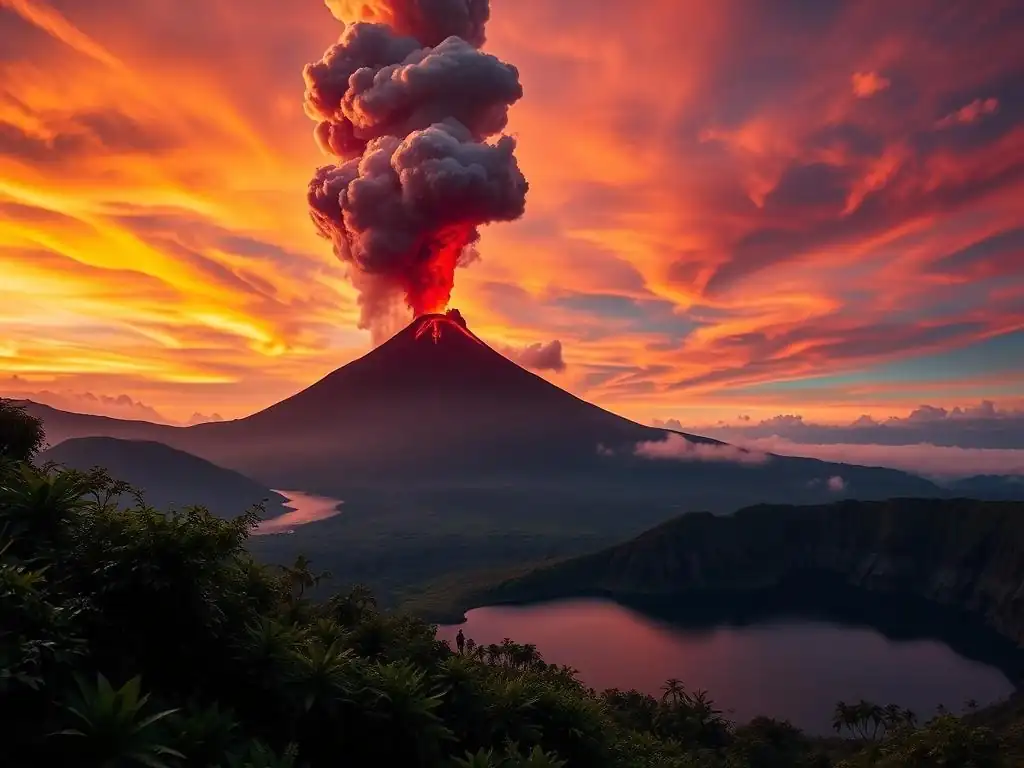
Welcome to Volcano Explorers!
Prepare to be captivated by the raw power and breathtaking beauty of Earth's fiery giants. Ever wondered which of Indonesia's majestic peaks offer the most unforgettable adventure? This archipelago, a crucible forged in the heart of the Ring of Fire, holds secrets waiting to be unearthed. Join us as we unveil the best Indonesian volcanoes to visit, igniting your wanderlust and fueling your fascination with these dynamic landscapes. What wonders await at the summit? Let's explore...
- Exploring the Volcanic Wonders of Indonesia: A Traveler's Guide
- Indonesia: A Hotspot of Volcanic Activity in the Pacific Ring of Fire
- Planning Your Trip: Best Indonesian Volcanoes to Visit
- Beyond the Famous Peaks: Lesser-Known Indonesian Volcanoes
- Volcanic Hazards in Indonesia: Staying Safe During Your Visit
- The Science Behind Indonesian Volcanoes: A Deeper Dive
- The Cultural Significance of Volcanoes in Indonesian Society
- Capturing the Beauty: Volcano Photography in Indonesia
- Conclusion: Embracing the Power and Beauty of Indonesian Volcanoes
-
Frequently Asked Questions
- What makes Indonesian volcanoes so special?
- Which Indonesian volcano is considered the most active?
- What are some of the best Indonesian volcanoes to visit for hiking?
- Besides hiking, what other activities can visitors enjoy at Indonesian volcanoes?
- Are there any safety precautions visitors should take when visiting Indonesian volcanoes?
- Final Reflection: Embracing the Ring of Fire's Majesty
- Ignite Your Inner Explorer: Answer the Call of the Volcanoes!
Exploring the Volcanic Wonders of Indonesia: A Traveler's Guide
Indonesia, an archipelago nation sculpted by fire and brimstone, boasts an unparalleled collection of volcanoes, many of which are active and accessible to adventurous travelers. From the sulfuric landscapes of Kawah Ijen to the majestic sunrise vistas of Mount Bromo, Indonesia offers a diverse range of volcanic experiences.
This guide serves as your compass to navigate the best Indonesian volcanoes to visit, providing insights into planning your trip, understanding the geological significance, and appreciating the cultural tapestry woven around these natural wonders. Whether you are a seasoned hiker or a curious explorer, the volcanic landscapes of Indonesia promise an unforgettable journey into the heart of the Ring of Fire.
This archipelago, composed of over 17,000 islands, is not just geographically blessed but also geologically dynamic, sitting squarely on the Pacific Ring of Fire. This location results in a remarkable concentration of active volcanoes, estimated to be around 130, making Indonesia one of the most volcanically active regions on Earth. For travelers seeking unique adventures, exploring these volcanoes offers an unparalleled opportunity to witness the raw power of nature and understand the geological forces that have shaped our planet. This guide will highlight some of the best Indonesian volcanoes to visit, catering to different interests and levels of adventure.
Indonesia: A Hotspot of Volcanic Activity in the Pacific Ring of Fire
Indonesia's volcanic prowess is intrinsically linked to its location within the Pacific Ring of Fire, a horseshoe-shaped region encircling the Pacific Ocean known for its intense seismic and volcanic activity. This zone is responsible for approximately 90% of the world's earthquakes and over 75% of the world's active volcanoes.
Indonesia's position at the intersection of major tectonic plates—the Pacific, Eurasian, Australian, and Philippine Sea plates—makes it a prime location for volcanism. The constant movement and collision of these plates create zones of subduction, where one plate slides beneath another, leading to the melting of rock and the formation of magma, the molten rock that fuels volcanic eruptions.
The sheer number of active volcanoes in Indonesia is a testament to the ongoing geological processes beneath the archipelago. The Indonesian archipelago stretches across thousands of kilometers, forming a chain of volcanic islands that mirror the contours of the Ring of Fire. This continuous chain is not just a geographical feature but a living laboratory of volcanic activity, showcasing a wide spectrum of volcanic types, eruption styles, and geological formations. Exploring Indonesia’s volcanoes is therefore not just an adventure, but also an educational journey into understanding the powerful forces that shape our planet.
Understanding Indonesia's Location in the Ring of Fire
The Pacific Ring of Fire is not a continuous, singular geological structure, but rather a series of trenches, volcanic arcs, and plate movements that collectively define a zone of intense geological activity. Indonesia sits at a particularly complex junction within this Ring, where the Indo-Australian Plate subducts beneath the Eurasian Plate. This subduction zone is the primary engine driving volcanism across the Indonesian archipelago. The immense pressure and heat generated as the denser Indo-Australian plate sinks into the Earth's mantle cause the overlying mantle rock to melt, forming magma chambers deep beneath the surface.
This specific tectonic setting explains why Indonesia experiences such frequent volcanic eruptions and earthquakes. The subduction process is not smooth and continuous; it involves friction, stress buildup, and eventual release in the form of seismic events and volcanic activity. Furthermore, the presence of multiple tectonic plates interacting in the Indonesian region creates a complex interplay of forces, leading to diverse volcanic features and eruption styles across the archipelago. Understanding this location within the Ring of Fire is crucial to appreciating the dynamic nature of Indonesian volcanoes and the inherent risks and wonders they present.
The Geological Formation of Indonesian Volcanoes
Indonesian volcanoes are predominantly stratovolcanoes, also known as composite volcanoes. These majestic, cone-shaped mountains are built up over time through successive eruptions of lava flows, volcanic ash, pumice, and tephra. The eruptions are often explosive due to the viscous, gas-rich magma that characterizes subduction zone volcanism. This magma, typically andesitic to dacitic in composition, is rich in silica, making it more resistant to flow and trapping gases that build up pressure, leading to powerful explosions.
The formation process of these volcanoes is a slow, yet relentless, geological construction. Each eruption layer adds to the volcano's height and structure, creating the distinctive layered appearance of stratovolcanoes. Over millennia, these layers accumulate, forming towering peaks that dominate the Indonesian landscape.
The volcanic materials ejected during eruptions not only build the volcanoes themselves but also significantly shape the surrounding environment, creating fertile volcanic soils that support lush vegetation and influencing drainage patterns and landforms across the archipelago. The geological history inscribed in the layers of these volcanoes provides valuable insights into Earth's dynamic processes and the evolution of the Indonesian landscape.
Planning Your Trip: Best Indonesian Volcanoes to Visit
Indonesia offers a spectrum of volcanic experiences, from easily accessible viewpoints to challenging summit treks. When planning your trip to see the best Indonesian volcanoes, consider your fitness level, desired level of adventure, and the type of volcanic landscape you wish to witness. Some volcanoes are revered for their stunning sunrise views, others for their unique geological features like crater lakes or sulfur mines, and some for their cultural significance. It’s crucial to research the accessibility and current activity level of each volcano before your visit, as volcanic activity can change rapidly.
For those seeking iconic volcanic vistas, Mount Bromo in East Java is a must-visit, renowned for its breathtaking sunrise panoramas over a sea of volcanic sand. For a more culturally immersive experience, Mount Merapi near Yogyakarta offers insights into Javanese traditions deeply intertwined with volcanic activity. Bali’s Mount Agung, the island's highest peak and holiest mountain, presents a challenging trek with spiritual significance.
Meanwhile, Kawah Ijen in East Java attracts adventurers with its otherworldly blue flames and active sulfur mining operations. This section will delve into these and other best Indonesian volcanoes to visit, providing practical information to help you plan your volcanic adventure.
Mount Bromo: Witnessing Sunrise Over an Active Volcano
Mount Bromo, standing at 2,329 meters (7,641 feet), is arguably Indonesia's most iconic volcano, famed for its spectacular sunrise views and otherworldly landscape. Located within the Tengger Caldera in East Java, Bromo is not the tallest peak in the region, but its dramatic setting amidst a vast volcanic plain of sand, known as the "Sea of Sand" (Pasir Berbisik), and surrounded by towering caldera walls, creates an unforgettable panorama. The volcano remains active, and plumes of white sulfuric smoke constantly rise from its crater, a constant reminder of the powerful forces at play beneath the surface.
Visiting Mount Bromo is relatively accessible, making it a popular destination for both domestic and international tourists. The journey typically involves arriving in the nearby town of Probolinggo or Malang, and then traveling to the village of Cemoro Lawang, perched on the edge of the caldera.
From Cemoro Lawang, visitors can either hike or take a jeep across the Sea of Sand to reach viewpoints overlooking Mount Bromo and the surrounding volcanic landscape. The sunrise experience at Bromo is often described as magical, with the first rays of dawn illuminating the caldera, painting the volcanic landscape in hues of orange, pink, and gold, while the smoke plumes from Bromo add an ethereal touch to the scene.
Hiking to the Bromo Crater Rim: A Detailed Guide
Hiking to the crater rim of Mount Bromo is a relatively short but rewarding trek, suitable for most fitness levels. From the parking area in the Sea of Sand, a well-maintained path leads to the base of Mount Bromo. The ascent involves climbing approximately 250 concrete steps to reach the crater rim. The climb itself takes around 30-45 minutes, depending on your pace and the crowds. It is recommended to start the hike early in the morning, ideally before sunrise, to secure a good spot at the crater rim and witness the sunrise spectacle.
Upon reaching the crater rim, you are rewarded with breathtaking panoramic views into the active Bromo crater and across the Tengger caldera. The crater emits sulfuric fumes, so it's advisable to bring a face mask or scarf to protect yourself from the fumes, especially if you are sensitive to strong smells.
The view from the rim encompasses not only the smoking crater but also the surrounding volcanic peaks of Mount Batok and Mount Semeru, Java's highest volcano, which often adds its own plume of smoke to the vista. The hike to the Bromo crater rim offers a close-up encounter with an active volcano and is an essential part of the Bromo experience.
Best Time to Visit Mount Bromo
The best time to visit Mount Bromo is during the dry season, which typically runs from April to October. During these months, the weather is generally sunny and dry, offering clear skies for sunrise viewing and comfortable hiking conditions. The peak tourist season coincides with the European summer holidays, from June to August, so expect larger crowds during these months. Visiting during the shoulder months of April-May or September-October can offer a balance of good weather and fewer crowds.
The rainy season, from November to March, can bring heavy rainfall, making the trails muddy and slippery, and potentially obscuring the sunrise views with clouds. However, even during the rainy season, there can be clear mornings, and the landscape often appears lush and green. Regardless of the season, temperatures at Mount Bromo can be cool, especially in the early mornings and evenings, as the altitude is significant. It is always advisable to check the weather forecast before your visit and pack layers of clothing to stay warm and comfortable.
Mount Merapi: Experiencing Javanese Volcanic Culture
Mount Merapi, meaning "Mountain of Fire," is one of Indonesia’s most active and revered volcanoes, located near the cultural heart of Java, Yogyakarta. Standing at 2,930 meters (9,613 feet), Merapi has shaped not only the landscape but also the culture and mythology of the Javanese people for centuries. Its frequent eruptions have deposited fertile volcanic ash, enriching the surrounding farmlands, yet also posing a constant threat to nearby communities. Visiting Merapi offers a unique opportunity to witness the interplay between human culture and a powerful natural force.
Unlike some volcanoes that are primarily visited for their scenic beauty, Mount Merapi’s appeal also lies in its cultural and historical significance. The volcano is considered sacred in Javanese cosmology, believed to be the dwelling place of ancestral spirits and guardians. Local communities maintain strong traditional beliefs and perform rituals to appease the volcano and ensure the safety of the people. Exploring Merapi offers a chance to learn about these rich cultural traditions, witness the resilience of communities living alongside an active volcano, and appreciate the dramatic volcanic landscape that has shaped Javanese history.
Understanding the Risks of Climbing Mount Merapi
Climbing Mount Merapi is a significantly more challenging and potentially risky undertaking compared to Mount Bromo. Merapi is an active volcano with a history of explosive eruptions and pyroclastic flows, fast-moving currents of hot gas and volcanic debris. While guided treks to designated viewpoints are generally considered safe when volcanic activity is low, it's crucial to understand the inherent risks and follow safety guidelines. Climbing to the summit is often restricted or prohibited due to volcanic activity and safety concerns.
Potential hazards include sudden eruptions, toxic gases, and steep, unstable terrain. It is essential to check the current volcanic alert level issued by the Indonesian Center for Volcanology and Geological Hazard Mitigation (PVMBG) before planning a trek. Always hire a certified local guide who is knowledgeable about volcanic hazards and safety procedures. Guides can provide valuable insights into the volcano's behavior and ensure you stay within safe zones. While the allure of reaching the summit may be strong, prioritizing safety and respecting the volcano's power is paramount when visiting Mount Merapi.
Cultural Significance of Merapi to the Javanese People
Mount Merapi holds a profound cultural and spiritual significance for the Javanese people, deeply woven into their mythology, folklore, and daily life. It is believed to be the abode of spirits, including ancestral spirits and the mythical Kyai Petruk, considered the guardian spirit of the volcano. Merapi is not merely a geographical feature but a living entity that demands respect and appeasement. This reverence is reflected in numerous traditional ceremonies and rituals performed by local communities.
One of the most significant ceremonies is Labuhan Merapi, an annual offering ritual held to appease the volcano's spirits and pray for safety and prosperity. Offerings of food, flowers, and cloth are brought to designated sacred sites on the volcano's slopes. These rituals are not just symbolic gestures but deeply ingrained cultural practices that reflect the Javanese worldview and their harmonious relationship with nature. Understanding the cultural significance of Merapi adds a deeper layer of appreciation to any visit, highlighting the intricate connection between the volcano and the people who live in its shadow.
Mount Agung, Bali: Trekking the Sacred Mountain
Mount Agung, towering at 3,031 meters (9,944 feet), is Bali’s highest and most sacred volcano. Dominating the eastern Balinese landscape, Agung is not just a mountain but the spiritual axis of the island, revered as the home of the gods in Balinese Hinduism. Climbing Mount Agung is a physically demanding but spiritually enriching experience, offering breathtaking panoramic views of Bali and the surrounding islands. The volcano’s significance extends beyond its physical presence, deeply influencing Balinese culture, religion, and art.
Trekking Mount Agung is not just a hike; it's a pilgrimage for many Balinese Hindus, and visitors are expected to show respect for the mountain's sacred status. There are two main routes to the summit, starting from different temples on the slopes of Agung: the Pasar Agung Temple route and the Besakih Temple route.
The Besakih route is longer and more challenging, reaching the highest true summit, while the Pasar Agung route reaches a slightly lower peak but still offers stunning views. Both routes are strenuous and require a good level of fitness, but the reward is the unparalleled vista from the summit and the sense of accomplishment of reaching the top of Bali’s holiest mountain.
Respecting Local Customs When Visiting Mount Agung
Given Mount Agung's sacred status, it's crucial to be mindful and respectful of local customs and traditions when visiting. Dress modestly, covering shoulders and knees, especially when visiting temples on the lower slopes. It is customary to wear a sash (selendang) and a sarong (kain kamben) when entering temples, which can often be rented at the temple entrance. Avoid pointing your feet towards the summit of Agung, as this is considered disrespectful in Balinese culture.
During religious ceremonies and festivals, access to certain areas of the mountain may be restricted. It's advisable to check with local guides or temple authorities about any potential closures or restrictions before your visit. Maintain a respectful demeanor and avoid loud or disruptive behavior. Asking for permission before taking photographs of people participating in religious ceremonies is also a sign of respect. By being mindful of local customs and showing respect for Balinese traditions, you can enhance your experience and demonstrate cultural sensitivity.
Preparing for the Mount Agung Hike
Hiking Mount Agung is a challenging trek that requires proper preparation and physical fitness. The hike to the summit can take anywhere from 5 to 7 hours depending on the route and your pace, and the descent can take a similar amount of time. Start your trek in the early hours of the morning, ideally around midnight or 1 am, to reach the summit for sunrise and avoid hiking during the hottest part of the day. Bring plenty of water, at least 2-3 liters per person, as there are no water sources on the mountain.
Wear sturdy hiking shoes with good ankle support, as the terrain can be steep, rocky, and uneven. Pack layers of warm clothing, as temperatures at the summit can be cold, especially before sunrise. A headlamp or flashlight is essential for hiking in the dark.
Bring snacks and energy bars to keep your energy levels up during the trek. It is highly recommended to hire a local guide, especially if you are not an experienced hiker or unfamiliar with the trails. Guides are knowledgeable about the routes, safety conditions, and can provide valuable assistance and insights into the mountain's cultural significance.
Kawah Ijen: Discovering the Blue Flames and Sulfur Mining
Kawah Ijen, located in East Java, is a volcanic marvel unlike any other, famous for its electric-blue flames that dance around the edge of its sulfurous crater lake at night. This unique phenomenon, known as the "blue fire," is caused by the combustion of sulfuric gases escaping from vents in the crater.
During the day, Kawah Ijen reveals a stunning turquoise crater lake, the largest highly acidic crater lake in the world, with a pH of less than 0.5. Adding to the unique landscape is the active sulfur mining operation within the crater, where miners manually extract sulfur, carrying heavy loads up and out of the volcano.
Visiting Kawah Ijen is a truly unforgettable experience, offering a combination of natural wonder and a glimpse into the harsh realities of sulfur mining. The trek to the crater rim is relatively short but steep, taking around 1-2 hours. To witness the blue fire, you need to start the hike in the middle of the night, typically around 1 am or 2 am.
As you descend into the crater to get closer to the blue flames and the sulfur mining area, you will be surrounded by strong sulfuric fumes. A gas mask is essential for this part of the experience to protect your respiratory system from the toxic gases.
Witnessing the Ijen Blue Fire Phenomenon
The blue fire of Kawah Ijen is a truly captivating natural spectacle. It is not lava, but rather flames produced by the combustion of sulfuric gases that emerge from volcanic vents at extremely high temperatures, reaching up to 600 degrees Celsius (1,112 degrees Fahrenheit). As these gases come into contact with the oxygen-rich atmosphere, they ignite, creating the mesmerizing blue glow that is visible in the darkness. The flames appear most vibrant and intense before sunrise, making an early morning visit crucial to witness this phenomenon in its full glory.
Descending into the crater to get closer to the blue flames is a challenging but rewarding experience. The path can be steep and slippery, and the air is thick with sulfuric fumes. However, being near the blue fire and witnessing its otherworldly beauty is a truly unique and unforgettable sight. The combination of the blue flames, the turquoise crater lake, and the backdrop of the volcanic landscape creates a surreal and dramatic scene that is unlike any other volcanic experience in Indonesia.
Ethical Considerations of Sulfur Mining at Kawah Ijen
The sulfur mining operation at Kawah Ijen presents a stark contrast to the volcano's natural beauty and raises ethical considerations for visitors. Sulfur miners work in extremely hazardous conditions, manually extracting sulfur from the crater and carrying heavy loads, often weighing up to 90 kilograms (200 pounds), up steep and treacherous paths. They work with minimal safety equipment, exposed to toxic sulfuric fumes and the risks of volcanic activity. The average lifespan of a sulfur miner is significantly shorter than the national average due to the harsh working conditions and health hazards.
As a visitor to Kawah Ijen, it's important to be aware of the ethical implications of tourism in this area. While tourism can provide economic benefits to the local community, it's crucial to ensure that tourism practices are responsible and do not exploit the miners further. Supporting local guides and businesses that prioritize ethical tourism and fair treatment of miners is one way to contribute positively. Observing the miners' work with respect and understanding the challenges they face can lead to a more meaningful and responsible travel experience.
Beyond the Famous Peaks: Lesser-Known Indonesian Volcanoes
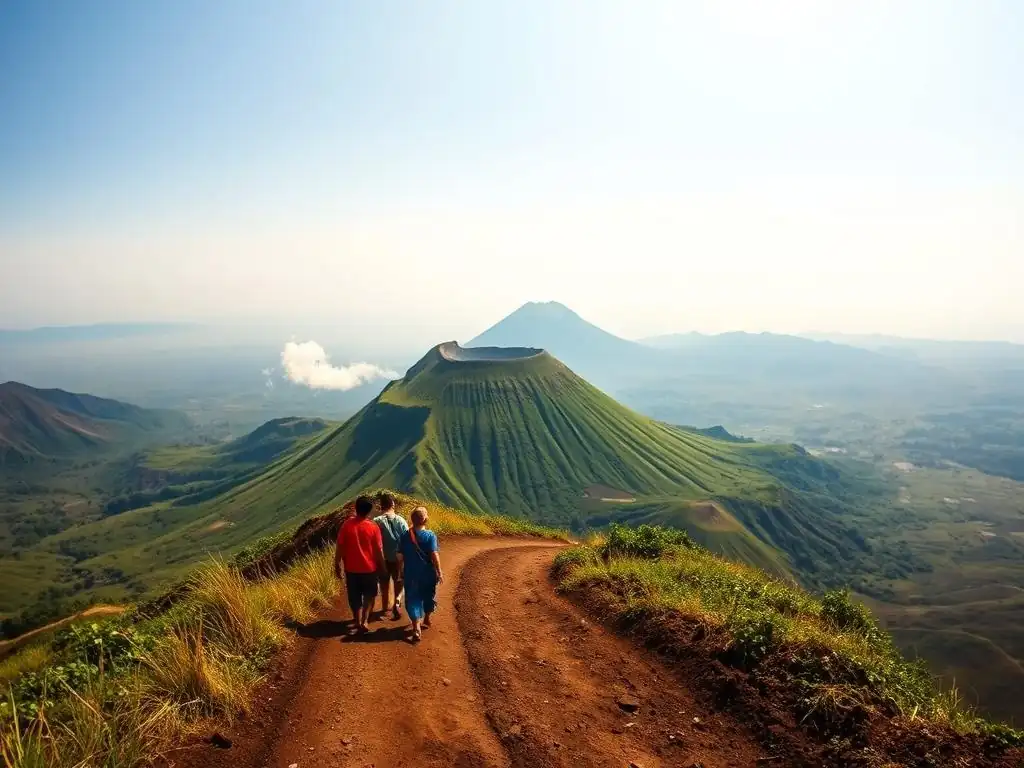
While Mount Bromo, Merapi, Agung, and Kawah Ijen are among the most famous and accessible Indonesian volcanoes, the archipelago is home to many other volcanic gems that offer unique experiences and are often less crowded. Exploring these lesser-known volcanoes can lead to off-the-beaten-path adventures and discoveries of stunning volcanic landscapes away from the mainstream tourist trails. These volcanoes often offer a more intimate connection with nature and a chance to experience the raw, untouched beauty of Indonesia's volcanic regions.
These hidden volcanic treasures range from towering peaks with crater lakes to active volcanoes with unique geological features. They are scattered across different islands of the archipelago, offering diverse landscapes and cultural experiences. Venturing beyond the famous peaks allows travelers to discover the true depth and breadth of Indonesia's volcanic heritage and appreciate the vastness and diversity of this volcanic archipelago.
Mount Rinjani, Lombok: Trekking to the Summit Lake
Mount Rinjani, located on the island of Lombok, is Indonesia's second-highest volcano, standing at 3,726 meters (12,224 feet). Rinjani is renowned for its stunning Segara Anak crater lake, a turquoise caldera lake nestled within the volcano's vast crater. Trekking Mount Rinjani is a multi-day adventure, typically taking 2-4 days, and is considered one of the most rewarding treks in Southeast Asia. The trek offers diverse landscapes, from lush rainforests and savanna grasslands to rocky volcanic terrain, culminating in breathtaking views of the crater lake and the surrounding Lombok landscape.
The highlight of the Rinjani trek is reaching the crater rim and witnessing the vastness of Segara Anak lake, which itself contains a smaller active volcano, Barujari, that has emerged from the lake. The views from the crater rim are panoramic, encompassing not only the lake but also Mount Agung in Bali on a clear day.
Descending to the lake and exploring the hot springs along its shores is another rewarding aspect of the trek. Mount Rinjani offers a more challenging and immersive volcanic trekking experience compared to some of the more easily accessible volcanoes, making it a favorite among adventurous hikers.
Mount Kelimutu, Flores: Exploring the Tri-Colored Crater Lakes
Mount Kelimutu, located on the island of Flores, is famous for its tri-colored crater lakes, a geological enigma that attracts visitors from around the world. These three lakes, known as Tiwu Ata Bupu (Lake of Old People), Tiwu Nuwa Muri Koo Fai (Lake of Young Men and Maidens), and Tiwu Ata Polo (Bewitched or Enchanted Lake), are renowned for their dramatically different and often changing colors, ranging from turquoise and green to red and black. The color changes are believed to be caused by chemical reactions of volcanic gases with the minerals in the lake water.
Visiting Mount Kelimutu is relatively easy, as it is accessible by road and a short walk from the parking area to the crater rim viewpoint. Sunrise is the best time to visit Kelimutu to witness the colors of the lakes at their most vibrant and to enjoy the stunning panoramic views of the surrounding volcanic landscape.
The tri-colored lakes of Kelimutu are not only a geological wonder but also hold cultural significance for the local communities, who believe the lakes are the resting places of souls after death. Exploring Kelimutu offers a unique and easily accessible volcanic experience, showcasing the fascinating and unpredictable nature of volcanic phenomena.
Volcanic Hazards in Indonesia: Staying Safe During Your Visit
Indonesia's volcanic beauty comes hand-in-hand with inherent volcanic hazards. Understanding these risks and taking necessary safety precautions is paramount for anyone planning to explore Indonesian volcanoes. Volcanic eruptions can range from gentle effusive flows to explosive events, posing various dangers including pyroclastic flows, lahars (volcanic mudflows), ashfall, volcanic gases, and earthquakes. Staying informed about volcanic activity and alert levels, being prepared for emergencies, and using appropriate safety gear are crucial steps to ensure a safe and enjoyable volcanic adventure.
The Indonesian government, through the PVMBG, closely monitors volcanic activity across the archipelago and issues alert levels to inform the public about potential hazards. Understanding these alert levels and heeding warnings from local authorities are essential for visitor safety. Furthermore, being prepared for potential emergencies, knowing evacuation routes, and having essential safety gear readily available can significantly mitigate risks during a volcanic eruption. Responsible volcano exploration involves respecting the power of nature and prioritizing safety at all times.
Understanding Volcanic Alert Levels in Indonesia
The Indonesian volcanic alert level system is a four-tiered system designed to communicate the level of volcanic activity and potential hazards to the public. The levels range from Level I (Normal) to Level IV (Caution/Warning), with each level indicating increasing volcanic unrest and associated risks.
- Level I (Normal): Volcano is in a resting state. No immediate threat of eruption.
- Level II (Waspada/Advisory): Increased volcanic activity above normal. Potential for eruption, but not imminent. Monitoring is intensified.
- Level III (Siaga/Alert): Volcanic activity is escalating. Eruption is possible within days or weeks. Preparations for evacuation may be underway.
- Level IV (Awas/Warning): Imminent or ongoing eruption. Hazardous conditions are present. Evacuation of surrounding areas is likely.
Visitors should check the current alert level of the volcano they plan to visit before their trip, which can be accessed through the PVMBG website or local tourism information centers. Pay attention to any advisories or warnings issued by authorities and be prepared to adjust your travel plans if necessary based on the current volcanic situation. Understanding and respecting these alert levels is a crucial aspect of responsible volcano tourism in Indonesia.
Emergency Preparedness: What to Do During a Volcanic Eruption
In the unlikely event of a volcanic eruption during your visit, knowing what to do can significantly increase your safety. The primary guidance is to remain calm and follow the instructions of local authorities and guides. Evacuation orders should be followed immediately and efficiently. Be aware of designated evacuation routes and assembly points. If you are indoors, stay inside and close windows and doors to protect yourself from ashfall and volcanic gases.
If you are outdoors, seek shelter in a sturdy building if possible. If shelter is not immediately available, move away from the volcano and to higher ground, as many volcanic hazards, such as pyroclastic flows and lahars, tend to flow downhill. Protect yourself from ashfall by covering your mouth and nose with a mask or cloth and wearing eye protection.
Be aware of potential secondary hazards such as landslides and flash floods that can be triggered by volcanic eruptions. Having a basic emergency kit with essentials like water, food, a flashlight, and a first-aid kit can also be beneficial in an emergency situation.
Essential Safety Gear for Volcano Exploration
Proper safety gear is essential for volcano exploration, especially when visiting active volcanoes or trekking to crater rims. A gas mask or respirator is crucial when visiting volcanoes with active sulfur vents or areas prone to volcanic gas emissions, such as Kawah Ijen or Mount Bromo crater rim. Sturdy hiking boots with good ankle support are necessary for trekking on volcanic terrain, which can be uneven, rocky, and slippery. Layers of warm clothing are important, as temperatures at higher altitudes and in early mornings/evenings can be significantly cooler.
Eye protection, such as goggles or sunglasses, is recommended to protect your eyes from volcanic ash and dust, especially during ashfall events or in windy conditions. Sunscreen and a hat are essential for sun protection, as exposure to the sun can be intense at higher altitudes and in volcanic landscapes with limited shade. A headlamp or flashlight is necessary for early morning hikes or exploring caves or lava tubes. Bringing a first-aid kit with basic supplies and any personal medications is always advisable for any outdoor adventure, including volcano exploration.
The Science Behind Indonesian Volcanoes: A Deeper Dive
Beyond the awe-inspiring landscapes and adventurous experiences, Indonesian volcanoes are fascinating subjects of scientific study. Understanding the science behind their formation, eruption styles, and monitoring techniques provides a deeper appreciation for these natural wonders. Volcanology, the study of volcanoes, plays a crucial role in understanding volcanic processes, predicting eruptions, and mitigating volcanic hazards in Indonesia and around the world. Delving into the scientific aspects of Indonesian volcanoes reveals the complex geological processes that shape our planet.
Indonesia's diverse range of volcanoes offers a natural laboratory for volcanologists to study various aspects of volcanism, from magma generation and ascent to eruption dynamics and volcanic hazards. Research on Indonesian volcanoes contributes significantly to our understanding of plate tectonics, magma chemistry, eruption forecasting, and volcanic risk assessment. Exploring the science behind these volcanoes not only enhances our knowledge of Earth's processes but also improves our ability to live safely in volcanic regions.
Types of Volcanoes Found in Indonesia
Indonesia showcases a variety of volcano types, primarily dominated by stratovolcanoes due to its subduction zone setting. Stratovolcanoes, like Mount Merapi and Mount Agung, are characterized by their steep, conical shape, explosive eruptions, and viscous, gas-rich magma. However, other volcanic forms are also present in Indonesia, reflecting the diverse geological processes at play. Shield volcanoes, characterized by their broad, gently sloping profiles and effusive lava flows, are less common in Indonesia but can be found in certain regions.
Calderas, large volcanic craters formed by the collapse of a magma chamber after a massive eruption, are also significant volcanic features in Indonesia. Lake Toba in Sumatra, the largest volcanic lake in the world, is a prime example of a caldera formed by a super-eruption. Volcanic cones, smaller and simpler volcanic structures, and lava domes, bulbous masses of viscous lava that accumulate around a vent, also contribute to the diversity of volcanic landforms in Indonesia. Understanding the different types of volcanoes helps in comprehending their eruption styles and associated hazards.
Magma Composition and Eruption Styles
The eruption styles of Indonesian volcanoes are largely determined by the composition of their magma. The magma that fuels most Indonesian volcanoes is typically andesitic to dacitic in composition, characterized by a high silica content. This silica-rich magma is viscous, meaning it resists flow, and tends to trap gases within it. The buildup of gas pressure in viscous magma leads to explosive eruptions, characteristic of stratovolcanoes. These eruptions can produce pyroclastic flows, ash plumes, and volcanic bombs.
In contrast, basaltic magma, which is lower in silica and less viscous, tends to produce effusive eruptions characterized by lava flows. While less common in Indonesia, basaltic volcanism does occur in certain areas. The water content of magma also plays a crucial role in eruption style. Magma that interacts with groundwater or seawater can lead to phreatic or phreatomagmatic eruptions, which are often highly explosive due to the rapid vaporization of water. The interplay of magma composition, gas content, and external factors like water interaction shapes the diverse eruption styles observed in Indonesian volcanoes.
Monitoring Volcanic Activity in Indonesia
Monitoring volcanic activity is critical in Indonesia, given the high concentration of active volcanoes and the large populations living in volcanic regions. PVMBG employs a comprehensive network of monitoring instruments to track volcanic unrest and provide early warnings of potential eruptions. Seismic monitoring is a primary tool, using seismographs to detect and analyze earthquakes associated with magma movement beneath volcanoes. Changes in seismic activity, such as increased frequency or intensity of earthquakes, can indicate an impending eruption.
Gas monitoring is another essential technique, measuring the composition and flux of volcanic gases released from fumaroles and vents. Changes in gas emissions, such as increases in sulfur dioxide (SO2) or carbon dioxide (CO2), can signal changes in magma activity. Ground deformation monitoring uses instruments like GPS and tiltmeters to detect subtle changes in the shape of the volcano, which can indicate magma accumulation or inflation.
Thermal monitoring uses infrared cameras and satellite data to detect changes in surface temperatures, which can be associated with increased volcanic activity. Data from these monitoring networks are analyzed in real-time to assess volcanic activity and issue timely warnings to at-risk communities.
The Cultural Significance of Volcanoes in Indonesian Society
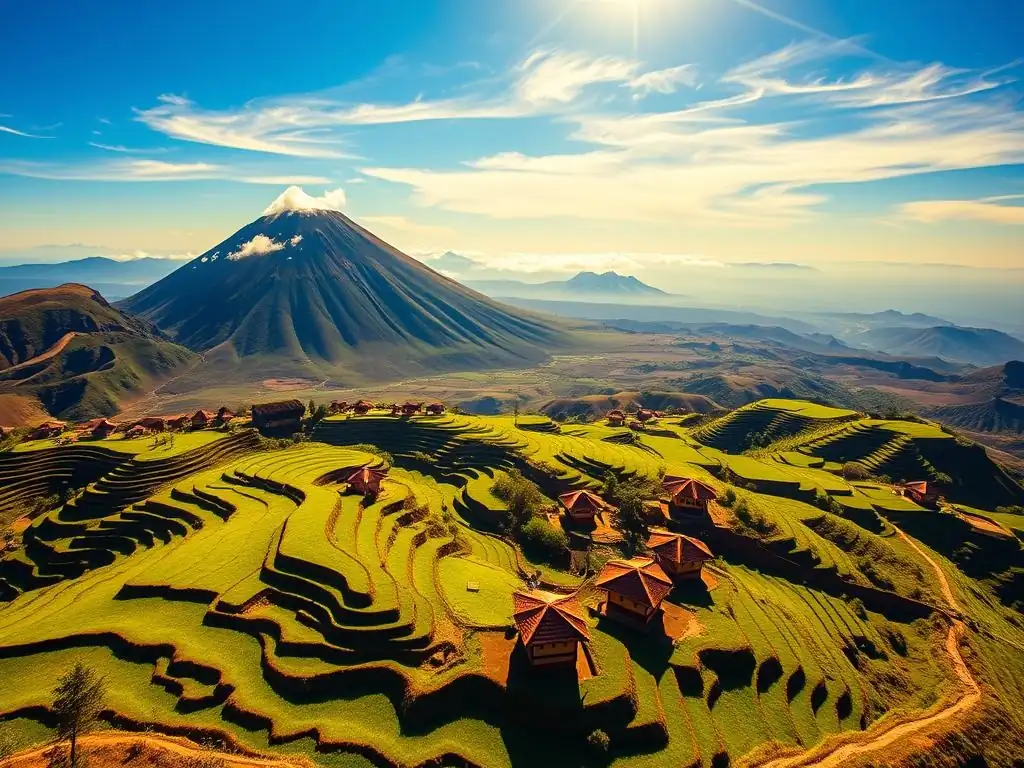
Volcanoes are not just geological features in Indonesia; they are deeply intertwined with the cultural fabric of Indonesian society. For centuries, volcanoes have shaped mythology, folklore, religious beliefs, and traditional practices across the archipelago. They are viewed not only as sources of danger but also as sources of fertility, power, and spiritual significance. Understanding the cultural significance of volcanoes provides a richer perspective on the relationship between Indonesians and their volcanic environment.
Volcanoes are often personified and revered as deities or ancestral spirits in Indonesian cultures. Myths and legends explain volcanic eruptions as expressions of anger or displeasure from these spirits, or as manifestations of cosmic forces. Traditional ceremonies and rituals are performed to appease volcanic deities, seek protection from eruptions, and ensure the continued fertility of the land. The cultural significance of volcanoes varies across different ethnic groups and islands in Indonesia, reflecting the diverse cultural landscape of the archipelago.
Volcanoes in Indonesian Mythology and Folklore
Indonesian mythology and folklore are rich with stories and legends centered around volcanoes. Many volcanoes are believed to be sacred mountains inhabited by gods, spirits, or mythical beings. Mount Semeru in Java, for instance, is considered the axis of the universe in Hindu-Javanese cosmology and is associated with the god Shiva. Mount Agung in Bali is revered as the abode of the gods and the spiritual center of the island. These beliefs are reflected in numerous myths and legends that explain the origins of volcanoes, their eruptions, and their relationship with humanity.
Folklore often attributes volcanic eruptions to supernatural causes, such as the wrath of gods or the actions of mythical creatures residing within the volcano. Stories are passed down through generations, shaping cultural understandings of volcanoes and influencing traditional practices and beliefs. These myths and legends not only provide explanations for natural phenomena but also serve as moral tales and cultural narratives that reinforce societal values and beliefs about the natural world.
Across Indonesia, various traditional ceremonies and rituals are performed in connection with volcanoes. These rituals are often aimed at appeasing volcanic spirits, seeking protection from eruptions, and ensuring the fertility of the land. Offerings of food, flowers, animals, and textiles are common elements in these ceremonies. Music, dance, and traditional performances often accompany the rituals, creating vibrant cultural expressions of reverence for volcanoes.
The Labuhan Merapi ceremony in Java, as mentioned earlier, is a significant example of a volcanic ritual. Other examples include offerings at the crater of Mount Bromo by the Tenggerese people, and various Balinese Hindu ceremonies performed at Mount Agung and other sacred mountains. These rituals are not static traditions but living cultural practices that continue to evolve and adapt while maintaining their core spiritual significance. They represent a deep and enduring connection between Indonesian communities and the volcanoes that shape their lives and landscapes.
Capturing the Beauty: Volcano Photography in Indonesia
Indonesian volcanoes offer unparalleled opportunities for photographers to capture dramatic landscapes, unique natural phenomena, and the raw power of nature. From sunrise panoramas over volcanic calderas to the ethereal blue flames of Kawah Ijen, Indonesia's volcanic regions provide a wealth of visually stunning subjects. Volcano photography requires not only technical skills but also an understanding of the environment, safety precautions, and ethical considerations. Capturing the beauty of Indonesian volcanoes is a rewarding pursuit for photographers of all levels.
Successful volcano photography involves planning, patience, and respect for the environment. Understanding weather patterns, optimal lighting conditions, and potential volcanic hazards are crucial for capturing compelling images safely. Choosing the right equipment, from wide-angle lenses for landscapes to telephoto lenses for details, and mastering techniques like long exposures and time-lapses can enhance your volcanic photography. Ethical considerations, such as respecting local cultures and minimizing environmental impact, are also important aspects of responsible volcano photography.
Tips for Photographing Volcanic Landscapes
Photographing volcanic landscapes presents unique challenges and opportunities. Golden hour, the period shortly after sunrise and before sunset, is often the best time for landscape photography, as the soft, warm light enhances colors and textures. Sunrise at Mount Bromo and sunset at Mount Kelimutu are particularly popular times for photographers. Utilize wide-angle lenses to capture the vastness of volcanic landscapes and the dramatic scale of volcanoes. Incorporate foreground elements, such as volcanic rocks, vegetation, or human figures, to add depth and scale to your compositions.
Experiment with long exposures to capture the movement of clouds, volcanic smoke, or water, creating a sense of dynamism in your images. Pay attention to composition, using leading lines, rule of thirds, and other compositional techniques to create visually engaging images. Be mindful of weather conditions, as volcanic regions can be prone to sudden changes in weather. Protect your camera gear from volcanic ash and dust using protective covers and cleaning equipment. Patience is key in volcano photography, as waiting for the perfect light, cloud formations, or volcanic activity can significantly enhance your images.
Best Locations for Volcano Photography in Indonesia
Indonesia offers a plethora of stunning locations for volcano photography. Mount Bromo, with its iconic sunrise views over the Tengger caldera, is a classic location for capturing dramatic volcanic landscapes. Kawah Ijen, with its blue fire phenomenon and sulfur mining operations, provides unique and otherworldly photographic opportunities, especially at night and in the early morning. Mount Agung in Bali, with its majestic presence and spiritual significance, offers stunning mountainscapes and cultural photography opportunities.
Mount Rinjani in Lombok, with its Segara Anak crater lake, provides breathtaking trekking and landscape photography experiences. Mount Kelimutu in Flores, with its tri-colored crater lakes, is a geological wonder that offers vibrant and colorful photographic subjects, particularly at sunrise. Beyond these famous volcanoes, many lesser-known volcanoes, such as Mount Semeru, Mount Kerinci, and Mount Tambora, also offer unique and rewarding photographic opportunities for adventurous photographers seeking off-the-beaten-path volcanic landscapes.
Conclusion: Embracing the Power and Beauty of Indonesian Volcanoes
Indonesian volcanoes stand as testaments to the Earth's raw power and breathtaking beauty. From the iconic sunrise vistas of Mount Bromo to the ethereal blue flames of Kawah Ijen, these volcanic landscapes offer unforgettable experiences for travelers seeking adventure, cultural immersion, and natural wonders. Exploring the best Indonesian volcanoes to visit is not just about witnessing geological phenomena; it's about engaging with a dynamic environment that has shaped landscapes, cultures, and lives for millennia.
As you plan your volcanic journey through Indonesia, remember to prioritize safety, respect local customs, and appreciate the scientific and cultural significance of these magnificent mountains. Embrace the power and beauty of Indonesian volcanoes, and allow yourself to be awestruck by the forces of nature that have sculpted this extraordinary archipelago. The volcanic wonders of Indonesia await, promising an adventure that will ignite your senses and leave a lasting impression.
Frequently Asked Questions
What makes Indonesian volcanoes so special?
Indonesian volcanoes are unique due to their location within the Ring of Fire, a highly seismically active region. This results in a high concentration of active volcanoes and diverse volcanic landscapes, making them a geologist's and traveler's dream.
Which Indonesian volcano is considered the most active?
Mount Merapi is widely regarded as one of the most active volcanoes in Indonesia. Its frequent eruptions pose a significant hazard to nearby populations, making it closely monitored by volcanologists.
What are some of the best Indonesian volcanoes to visit for hiking?
Mount Bromo is a popular choice for hiking due to its accessible crater and stunning sunrise views. Mount Rinjani, on Lombok Island, offers a more challenging multi-day trek to a beautiful crater lake.
Besides hiking, what other activities can visitors enjoy at Indonesian volcanoes?
Visitors can experience hot springs, explore lava fields, and learn about the local culture and beliefs surrounding volcanoes. Some areas also offer opportunities for volcanic mud bathing.
Are there any safety precautions visitors should take when visiting Indonesian volcanoes?
Always check current volcanic activity levels before visiting and heed warnings from local authorities. Pack appropriate gear, including sturdy shoes, and be aware of potential hazards like ashfall and gas emissions.
Final Reflection: Embracing the Ring of Fire's Majesty
The allure of Indonesian volcanoes, as explored throughout this guide, extends far beyond their potential as tourist destinations; it speaks to a primal connection with the Earth's raw power. These majestic peaks, sculpted by millennia of geological activity, are not merely landscapes but living, breathing entities that continue to shape the archipelago and its people. Their volatile nature serves as a constant reminder of the dynamic forces at play beneath our feet, demanding respect and awe in equal measure.
The enduring fascination with volcanoes, and particularly those in Indonesia, underscores a deep-seated human desire to understand and experience the sublime. My own exploration of these volcanic landscapes has been profoundly humbling, revealing the delicate balance between destruction and creation that defines our planet. The mountains are calling and I must go.
- John Muir. This sentiment perfectly captures the irresistible pull of these natural wonders, a call that resonates with adventurers and nature enthusiasts alike, urging them to witness the Earth's fiery heart.
Now, as you consider which of these magnificent Indonesian volcanoes to visit, I encourage you to approach your journey with a sense of reverence and responsibility. Let the breathtaking vistas and the palpable energy of these volcanic landscapes inspire you to connect more deeply with the natural world and to appreciate the delicate beauty of our planet. May your travels be filled with wonder, respect, and a renewed appreciation for the power and fragility of life on Earth.
Ignite Your Inner Explorer: Answer the Call of the Volcanoes!
Thank you for joining us on this journey through Indonesia's magnificent volcanic landscapes. We hope you've gained a deeper appreciation for the power and beauty of these natural wonders, and feel inspired to learn more. Now, it's time to take that inspiration and turn it into action.
Here's how you can further explore the fascinating world of Indonesian volcanoes:
- Plan Your Own Volcanic Adventure: Research and map out a potential trip to one of Indonesia's accessible and safe volcanic sites. Consider factors like permits, local guides, and environmental impact. This is your chance to turn knowledge into experience!
- Dive Deeper into Volcanic Science: Read scholarly articles or watch documentaries about the geological processes that shape these volcanic landscapes. Understand the science behind the eruption and the risks that are associated.
- Share Your Volcanic Fascination: Share this article with your friends and family and inspire them to learn more about the geological wonders of our planet. The more people who understand the significance of volcanoes, the better we can protect these magnificent landscapes.
What is one volcanic region you're now most eager to learn more about, and what specific question do you hope to answer about it?