
Cascade Volcanoes: North America's Dramatic Segment of the Ring of Fire

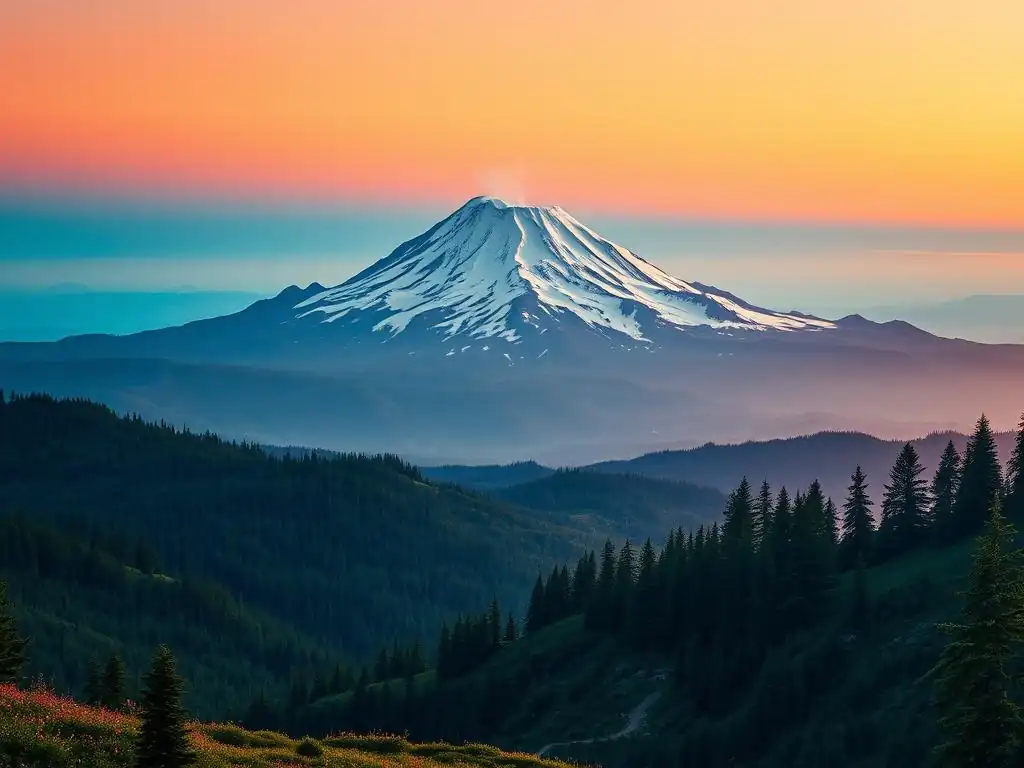
Welcome to Volcano Explorers!
Prepare to journey into the heart of Earth's fiery power. Ever wondered how to navigate the volatile landscapes of the Cascade Mountains, a region sculpted by some of North America's most dramatic volcanoes? This is where the earth breathes fire and rock, and understanding its temperament is key. Dive in to discover essential Cascade Volcanoes safety tips, and unlock the secrets to exploring these breathtaking, yet potentially perilous, wonders. What secrets does the Ring of Fire hold, and are you prepared to uncover them?
- Cascade Volcanoes Safety Tips: A Comprehensive Guide for Residents and Visitors
-
Frequently Asked Questions
- What are the Cascade Volcanoes, and why are they significant?
- What kind of volcanic hazards are associated with the Cascade Volcanoes?
- How do volcanologists monitor the Cascade Volcanoes for potential eruptions?
- What are some essential Cascade Volcanoes safety tips for those living near or visiting these areas?
- Where can I find real-time updates and information about the activity of the Cascade Volcanoes?
- Final Reflection: Embracing the Shadow of Giants
- Ignite Your Inner Volcanologist!
Cascade Volcanoes Safety Tips: A Comprehensive Guide for Residents and Visitors
Preparing for Volcanic Hazards in the Cascade Region
Living or visiting areas near the Cascade Volcanoes requires a heightened awareness of potential volcanic hazards. Unlike typical earthquake or hurricane preparedness, volcanic events present unique challenges such as ashfall, lahars (volcanic mudflows), pyroclastic flows, and lava flows. Preparation is key to mitigating risks. For instance, understanding your proximity to potential lahar pathways is crucial; valleys and river systems downstream from Cascade peaks like Mount Rainier or Mount Shasta are particularly vulnerable.
Residents should consult local geological survey maps, often available through county emergency management offices, to identify if their homes or workplaces are located in these high-risk zones. Furthermore, developing a family emergency plan that accounts for different volcanic scenarios is essential. This plan should include communication strategies, meeting points, and clearly defined roles for each family member.
Beyond general emergency preparedness, specific adaptations are needed for volcanic hazards. Ashfall, for example, can disrupt infrastructure, contaminate water supplies, and pose respiratory risks. Homes in ashfall-prone areas should be reinforced to withstand the added weight of ash on roofs.
Stockpiling N95 masks and airtight goggles is vital for respiratory and eye protection during ashfall events. Consider that even a relatively minor ashfall event, like the 1980 Mount St. Helens eruption which deposited noticeable ash hundreds of miles away, can cause significant disruption. Therefore, proactive preparation, including understanding specific local risks and adapting emergency plans accordingly, is a cornerstone of Cascade Volcanoes safety tips for residents and visitors alike.
Understanding Volcanic Alert Levels and Warnings
The U.S. Geological Survey (USGS) Volcano Hazards Program employs a standardized alert-level system to communicate the status of volcanoes in the Cascade Range and across the United States. This system uses a color-coded approach for aviation (Green, Yellow, Orange, Red) and a separate set of terms for ground-based alerts (Normal, Advisory, Watch, Warning). Understanding these alert levels is a critical component of Cascade Volcanoes safety tips.
A "Normal" alert level signifies typical background activity, while an "Advisory" suggests elevated unrest. A "Watch" indicates a potential eruption is increasing, and a "Warning" means an eruption is imminent or underway. These alerts are not arbitrary; they are based on real-time monitoring data from sophisticated instruments deployed on and around Cascade volcanoes, including seismometers, GPS stations, gas sensors, and deformation monitors.
When a volcano’s alert level changes, the USGS and local emergency management agencies disseminate warnings through various channels. These include official websites like the USGS Volcano Hazards Program website, social media platforms (e.g., USGS Volcanoes on Twitter), local news outlets, and emergency alert systems like Wireless Emergency Alerts (WEA) on mobile phones and NOAA Weather Radio. It is crucial for residents and visitors to proactively seek out and understand these official sources of information.
Relying solely on informal channels or social media rumors can lead to misinformation and delayed or inappropriate responses. Familiarizing yourself with the USGS alert level system and subscribing to official alert channels are vital steps in ensuring your safety when living, working, or recreating near Cascade volcanoes.
Creating a Volcanic Emergency Kit for Cascade Volcano Threats
A standard emergency kit is a good starting point, but a volcanic emergency kit tailored for the Cascade region needs specific additions to address volcanic hazards. Beyond the usual water, non-perishable food, first-aid supplies, and medications, a volcanic emergency kit should prioritize protection against volcanic ash. Include a generous supply of N95 or P100 respirators or dust masks for each family member, as fine volcanic ash can be easily inhaled and cause respiratory irritation and exacerbate existing conditions like asthma.
Eye protection is equally important, so pack airtight goggles or safety glasses to shield eyes from ash and volcanic gases. Consider that during the 1980 Mount St. Helens eruption, ashfall caused widespread eye irritation even hundreds of miles away.
Furthermore, your volcanic emergency kit should contain practical items for dealing with ashfall. Include plastic sheeting and duct tape to seal windows and doors to minimize ash entry into your home. Pack a battery-powered or hand-crank radio to receive emergency broadcasts if power is disrupted, which is a common consequence of significant ashfall. A flashlight or headlamp with extra batteries is essential for visibility in ash-darkened conditions.
Sturdy work gloves and long-sleeved clothing are recommended for protection during ash cleanup. Finally, include a portable HEPA air purifier if possible, to help filter ash from indoor air, especially for individuals with respiratory sensitivities. Regularly check and replenish your volcanic emergency kit, ensuring that food and water are fresh and batteries are charged, to maintain preparedness for potential Cascade Volcano hazards.
Evacuation Routes and Procedures for Cascade Volcanoes
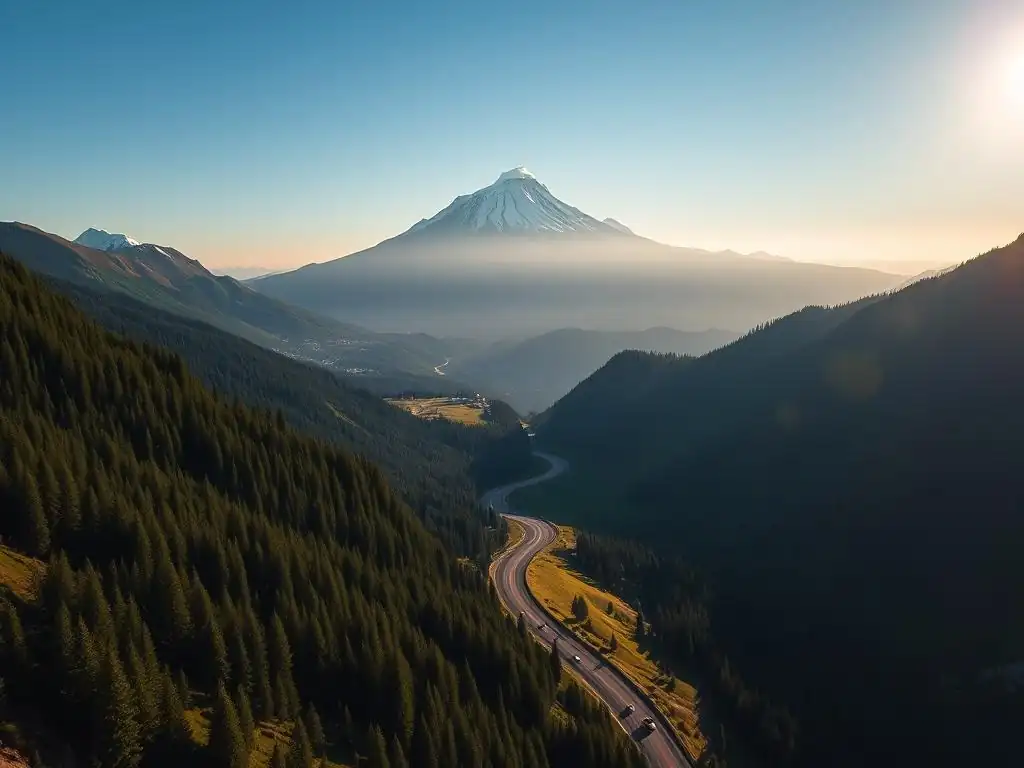
Pre-planned evacuation routes and procedures are paramount for Cascade Volcanoes safety tips, especially for communities situated near potentially active volcanoes. Local emergency management agencies, often in collaboration with the USGS, develop evacuation plans based on hazard assessments and potential eruption scenarios. These plans typically delineate primary and secondary evacuation routes, considering factors like lahar pathways, pyroclastic flow zones, and ashfall projections. Residents should proactively identify the designated evacuation routes for their homes, workplaces, and schools. This information is usually available on county emergency management websites and through community preparedness programs.
Practicing evacuation drills is as crucial for volcanic emergencies as it is for fire or earthquake drills. Familiarize yourself with the designated routes, assembly points, and communication protocols outlined in your local emergency plan. Consider that volcanic eruptions can trigger rapid onset hazards like lahars, which can travel at speeds exceeding 30 miles per hour. Therefore, prompt and efficient evacuation is often critical.
During an actual volcanic event, follow the instructions of emergency officials and adhere strictly to designated evacuation routes. Avoid shortcuts or alternative routes that may be compromised by volcanic hazards or traffic congestion. Keep your vehicle fueled and in good working condition and have a printed map in case electronic navigation systems fail. Understanding and practicing evacuation procedures are fundamental aspects of Cascade Volcanoes safety.
Staying Informed About Cascade Volcano Activity: Monitoring and Resources
Continuous monitoring of Cascade Volcanoes is conducted by the USGS Volcano Hazards Program through observatories like the Cascades Volcano Observatory (CVO) in Vancouver, Washington. CVO and other USGS facilities utilize a network of sophisticated instruments to detect subtle changes in volcanic activity that may precede an eruption. These instruments include seismometers to detect earthquakes, GPS stations and tiltmeters to measure ground deformation, gas sensors to monitor volcanic gas emissions, and satellite imagery to track thermal anomalies and ground changes. This comprehensive monitoring network provides real-time data that informs alert level assessments and warning decisions.
To stay informed about Cascade Volcano activity and receive timely warnings, utilize official resources. The USGS Volcano Hazards Program website (volcanoes.usgs.gov) is the primary source for up-to-date information, including volcano status reports, alert levels, monitoring data, and educational materials. Sign up for email notifications and follow USGS Volcanoes on social media platforms like Twitter for rapid updates.
Local emergency management agencies and county websites also provide volcano-specific information and emergency alerts relevant to your geographic area. NOAA Weather Radio broadcasts also carry emergency alerts, including volcanic activity warnings. Proactive engagement with these official information channels is a vital component of Cascade Volcanoes safety tips, enabling you to receive timely and accurate information and make informed decisions during volcanic events.
Frequently Asked Questions
What are the Cascade Volcanoes, and why are they significant?
The Cascade Volcanoes are a string of volcanoes located in the western United States and Canada, forming a dramatic segment of the Ring of Fire. They are significant due to their potential for explosive eruptions and their impact on the surrounding environment.
What kind of volcanic hazards are associated with the Cascade Volcanoes?
The Cascade Volcanoes present several hazards, including ashfall, pyroclastic flows, lahars (mudflows), and lava flows. These hazards can pose significant risks to people, property, and infrastructure in the surrounding areas.
How do volcanologists monitor the Cascade Volcanoes for potential eruptions?
Volcanologists monitor the Cascade Volcanoes using various techniques, including seismic monitoring, gas emission measurements, deformation monitoring, and satellite imagery. This helps them detect changes that could indicate an imminent eruption.
What are some essential Cascade Volcanoes safety tips for those living near or visiting these areas?
Essential safety tips include knowing evacuation routes, having an emergency supply kit, and staying informed about volcanic activity updates from official sources. Also, be aware of potential lahar pathways.
Where can I find real-time updates and information about the activity of the Cascade Volcanoes?
You can find real-time updates and information about the activity of the Cascade Volcanoes from sources like the US Geological Survey (USGS), state geological surveys, and websites like VolcanoExplorers.org. Staying informed is crucial for safety and preparedness.
Final Reflection: Embracing the Shadow of Giants
The preceding exploration of the Cascade Volcanoes, and the essential safety tips outlined within, underscores a vital truth: we live in a dynamic world shaped by powerful forces. These majestic peaks, while breathtaking in their beauty, are a constant reminder of the Earth's raw energy and the potential for disruption. Understanding and respecting this reality is paramount for those who live, work, and recreate in their shadow.
The presence of the Cascade Volcanoes has indelibly shaped the cultural and social landscape of the Pacific Northwest. From the indigenous stories woven around these mountains to the modern-day economies that thrive on their resources and tourism, their influence is undeniable. My own appreciation for these landscapes has only deepened through this research, reinforcing the need for informed and responsible interaction with these natural wonders. We do not inherit the earth from our ancestors; we borrow it from our children.
This proverb serves as a potent reminder of our responsibility to safeguard these environments and ensure the safety of future generations.
As you venture into the realm of the Cascade Volcanoes, whether physically or through further learning, remember the lessons shared here. Let knowledge be your guide, preparedness your shield, and respect for nature your compass. Consider how you can contribute to a safer and more sustainable future for these magnificent landscapes, and how you can inspire others to do the same. The power to protect ourselves and our environment lies within each of us.
Ignite Your Inner Volcanologist!
Thank you for exploring the fiery beauty of the Cascade Volcanoes! We hope you've gained a deeper appreciation for these majestic mountains and the powerful forces that shape them. Now, let's keep the exploration going!
Here are a few ways to continue your volcanic journey:
- Plan a visit to a Cascade Volcano! Experience the awe-inspiring landscapes firsthand (always prioritizing safety). Research hiking trails, visitor centers, and guided tours to maximize your adventure.
- Share your newfound knowledge! Educate friends and family about the Cascade Volcanoes and the importance of understanding these natural wonders. Inspire them to learn more!
- Discover a hidden volcanic gem! Research a lesser-known volcano in the Cascade Range and share a fascinating fact in the comments below.
What surprised you most about the Cascade Volcanoes, and how will you use this knowledge?