
Volcano Photography Tours: Capture the Raw Power of Nature with Expert Guidance

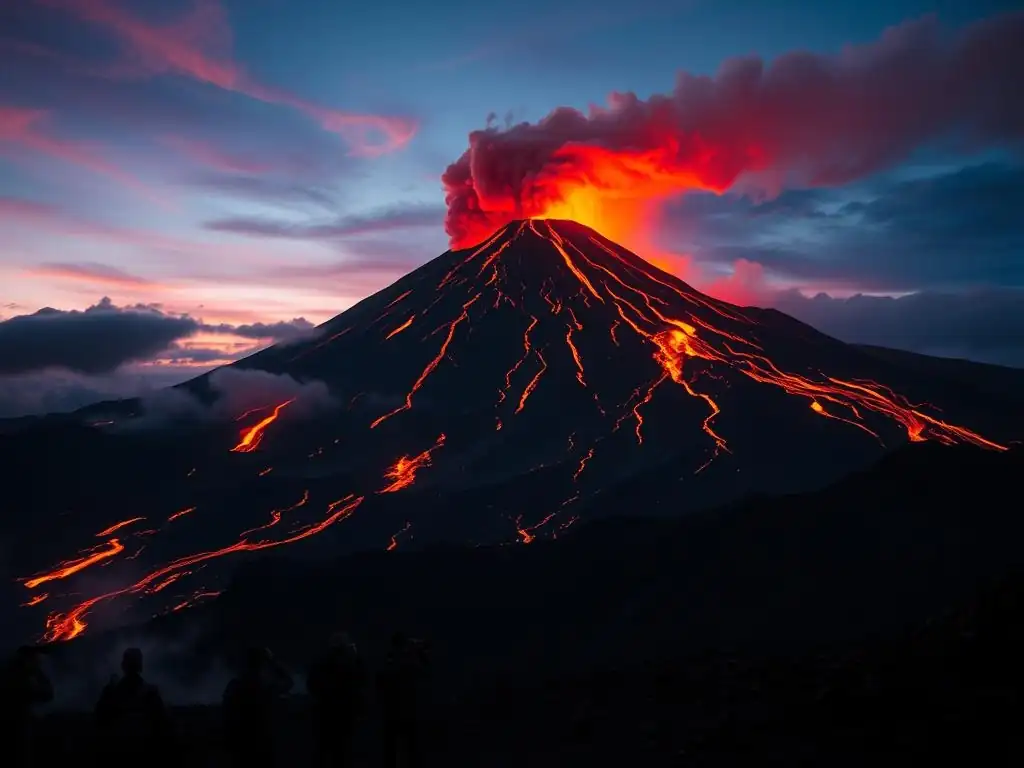
Welcome to Volcano Explorers, where the Earth's fiery heart beats beneath your fingertips. Ever felt the irresistible pull of a volcano's raw power? Our latest article dives deep into the art and adventure of volcano photography tours, offering expert tips to capture the breathtaking, sometimes perilous, beauty of these geological giants. But that's just the beginning… what secrets will you uncover within the heart of a volcano?
- Introduction: Unleash Your Inner Photographer with Volcano Explorers
- Why Choose a Guided Volcano Photography Tour?
- Key Considerations When Booking Your Volcano Photography Tour
- Essential Photography Gear for Your Volcano Expedition
- Recommended Volcano Photography Tour Operators
- Tips for Capturing Stunning Volcano Photos
- Conclusion: Embark on Your Volcano Photography Adventure
-
Frequently Asked Questions
- What is a volcano photography tour and what does it typically include?
- What kind of equipment is essential for a volcano photography tour?
- What are some key safety considerations when photographing near active volcanoes?
- What are some tips for capturing compelling volcano photographs?
- How can I find a reputable volcano photography tour operator?
- Final Reflection: Embracing the Earth's Fiery Heart
- Unleash Your Inner Explorer: Capture the Volcano's Soul!
Introduction: Unleash Your Inner Photographer with Volcano Explorers
Volcanoes, with their raw power and dramatic landscapes, offer unparalleled opportunities for photographers seeking to capture nature at its most awe-inspiring. The fiery glow of molten lava, the stark beauty of volcanic rock formations, and the ethereal plumes of steam and ash create scenes that are both breathtaking and humbling. However, photographing these geological giants, especially active ones, presents unique challenges and potential dangers.
This is where guided volcano photography tours come into their own, offering enthusiasts and professionals alike a safe and enriching way to explore and photograph volcanic wonders. Volcano Explorers is dedicated to connecting you with these extraordinary experiences, ensuring you not only capture stunning images but also gain a deeper understanding of these powerful natural forces.
Why Choose a Guided Volcano Photography Tour?
Embarking on a volcano photography tour with experienced guides offers numerous advantages, particularly when venturing into potentially hazardous environments. These tours are designed to maximize your photographic opportunities while prioritizing your safety and providing invaluable local knowledge. From navigating challenging terrains to understanding volcanic activity patterns, expert guidance can transform your volcano photography experience.
Safety Considerations Around Active Volcanoes
Active volcanoes are dynamic and unpredictable environments that demand respect and caution. The risks are multifaceted, ranging from immediate dangers like eruptions and lava flows to less obvious hazards such as toxic gas emissions and unstable terrain. Volcanic gases, including sulfur dioxide (SO2), hydrogen sulfide (H2S), and carbon dioxide (CO2), can be invisible and odorless yet pose serious health risks, causing respiratory problems or even asphyxiation.
For example, in 1986, the sudden release of carbon dioxide from Lake Nyos, a volcanic lake in Cameroon, suffocated over 1,700 people. Furthermore, areas surrounding active volcanoes can be structurally unstable, with loose rocks, steep slopes, and the potential for landslides or rockfalls.
Guided tours prioritize safety by employing experienced professionals who are trained to assess risks, monitor volcanic activity, and navigate these hazardous environments. They carry essential safety equipment, including gas masks or respirators when necessary, and are adept at identifying safe vantage points and evacuation routes. Reputable tour operators maintain constant communication with local volcanological observatories, receiving real-time updates on volcanic activity.
This proactive approach ensures that tours are adjusted or canceled if conditions become unsafe, prioritizing the well-being of participants above all else. Choosing a guided tour significantly mitigates these risks, allowing photographers to focus on their craft with peace of mind.
Access to Restricted Areas and Permits
Many prime volcano photography locations are situated within restricted areas, often due to safety concerns or environmental protection regulations. National parks, geological reserves, and areas surrounding active volcanic vents frequently require permits for entry, especially for commercial activities like photography tours. Obtaining these permits independently can be a complex and time-consuming process, often requiring navigating bureaucratic procedures and demonstrating a thorough understanding of safety protocols. In some cases, access to the most visually stunning and scientifically significant areas may be strictly controlled and only granted to authorized personnel or organized groups.
Guided volcano photography tours often handle the complexities of permits and access on behalf of participants. Tour operators establish relationships with local authorities and park services, securing the necessary permissions to enter restricted areas legally and responsibly. This not only saves photographers valuable time and effort but also ensures they can access locations that would otherwise be off-limits.
For instance, tours to witness the lava lake of Mount Nyiragongo in the Democratic Republic of Congo require permits obtained well in advance and are often facilitated by specialized tour operators working closely with Virunga National Park authorities. By entrusting access logistics to experienced tour operators, photographers can maximize their time capturing exceptional images in unique and protected volcanic environments.
Local Expertise and Knowledge of Prime Shooting Locations
Local guides possess invaluable expertise and intimate knowledge of the volcanic regions they operate in, far exceeding what can be gleaned from guidebooks or online research. They are familiar with the nuanced behaviors of specific volcanoes, including eruption patterns, optimal viewing points for different times of day and weather conditions, and even the migratory paths of local wildlife that may enhance photographic compositions. Their understanding extends to microclimates within volcanic areas, knowing when and where fog might roll in to create dramatic scenes or where geothermal features are most active at sunrise.
This local expertise translates directly into improved photography opportunities. Guides can lead photographers to hidden gems and vantage points that are off the beaten path, away from crowds and offering unique perspectives. They understand the subtle shifts in light and shadow across volcanic landscapes throughout the day, positioning groups to capture the "golden hour" glow on lava flows or the dramatic silhouettes of volcanic cones at sunset.
Furthermore, their knowledge of local culture and history adds another layer of depth to the photography experience, providing context and enriching the narrative behind the images captured. For example, in Iceland, local guides often share folklore and stories related to volcanoes, adding a cultural dimension to the photographic journey.
Improved Photography Opportunities with Expert Guidance
Beyond safety and access, guided tours significantly enhance the quality of photographic output by providing direct, practical assistance tailored to capturing the best possible volcano images. Tour leaders are often experienced photographers themselves or work closely with photography experts to design itineraries and offer on-site guidance. This guidance can range from fundamental compositional advice to advanced techniques specific to volcano photography. They understand the challenges of photographing in extreme environments, such as dealing with harsh sunlight reflecting off lava fields or capturing detail in the shadows of deep craters.
Expert guidance often includes practical workshops or informal coaching sessions during the tour, covering topics like long exposure techniques for capturing the motion of lava flows, using filters to manage the dynamic range between bright skies and dark volcanic rock, or capturing the Milky Way above volcanic landscapes at night. Guides can also assist with gear recommendations, helping participants choose the right lenses, tripods, and filters for the specific shooting conditions.
Moreover, by managing logistics and navigation, tours free up photographers to fully concentrate on their creative vision and technical execution. This dedicated focus, combined with expert support, invariably leads to stronger, more impactful volcano photographs.
Key Considerations When Booking Your Volcano Photography Tour
Choosing the right volcano photography tour is crucial for a successful and rewarding experience. Several factors should be carefully considered to ensure the tour aligns with your photographic goals, skill level, and personal preferences. Evaluating tour operator reputation, destination specifics, tour difficulty, and inclusions will help you make an informed decision.
Tour Operator Reputation and Experience
The reputation and experience of the tour operator are paramount when selecting a volcano photography tour. A well-established operator with a proven track record in volcano-specific tours is more likely to provide a safe, well-organized, and photographically productive experience. Researching operator credentials should be the first step in your booking process. Look for operators with years of experience leading tours in volcanic regions, ideally with specific expertise in photography-focused expeditions. Check online reviews and testimonials from past participants to gauge their satisfaction levels and the operator's commitment to quality and safety.
Consider operators who employ experienced guides with relevant certifications in wilderness first aid, volcano safety, or mountain guiding, depending on the tour's location and intensity. Inquire about their safety protocols, emergency procedures, and communication systems, especially in remote volcanic areas where communication infrastructure may be limited. A reputable operator will be transparent about their safety measures and willing to answer your questions thoroughly.
For instance, operators specializing in tours to active volcanoes like Pacaya in Guatemala often highlight their guides' experience in monitoring volcanic activity and adjusting itineraries based on real-time conditions. Choosing a reputable and experienced operator is an investment in both your safety and the quality of your photographic journey.
Destination Selection: Finding the Perfect Volcanic Landscape
The world's volcanic regions offer an extraordinary diversity of landscapes, each with its unique photographic appeal. Destination selection should be guided by your photographic interests and the type of volcanic scenery you aspire to capture. Some destinations are renowned for their dramatic lava lakes, like Erta Ale in Ethiopia or Nyiragongo in Congo, offering the chance to photograph molten rock in its most primal form.
Others, like Iceland or Hawaii, boast expansive lava fields, black sand beaches, and geothermal areas with colorful hot springs and fumaroles, providing diverse landscape photography opportunities. Volcanic islands, such as the Canary Islands or Azores, present stunning coastal vistas with volcanic peaks rising from the ocean, ideal for seascape and landscape photography.
Consider the accessibility and photographic features of each destination. Some volcanic areas are easily accessible with well-maintained trails and infrastructure, while others require challenging treks and camping in remote wilderness. Research the typical weather conditions and seasons for each destination, as these will significantly impact your photography.
For example, Iceland's winter months offer the chance to photograph volcanoes under snow and potentially capture the aurora borealis, while summer provides longer daylight hours for extended shooting sessions. Explore destinations that align with your desired photographic style, whether it's capturing the fiery intensity of active eruptions, the serene beauty of volcanic lakes, or the stark grandeur of volcanic deserts.
Skill Level and Tour Difficulty
Volcano photography tours cater to a range of skill levels and physical abilities, from beginner photographers to seasoned professionals and from casual hikers to experienced mountaineers. It's crucial to honestly assess your photographic proficiency and physical fitness to choose a tour that matches your capabilities and expectations. Tour descriptions typically outline the required skill level, physical demands, and any specific experience needed.
Beginner-friendly tours often focus on easily accessible volcanic areas with shorter hikes and less technical photography instruction, ideal for those new to both volcano photography and outdoor adventures. Intermediate tours may involve longer hikes, moderate elevation gains, and more in-depth photography workshops, suitable for photographers with some experience and a reasonable level of fitness. Advanced tours are designed for experienced photographers and adventurous individuals, often involving challenging treks to remote volcanic locations, overnight camping in rugged terrain, and intensive photography instruction focused on advanced techniques.
Some tours may even require specific skills like mountaineering or experience with high-altitude environments. Carefully review the tour itinerary, physical requirements, and photography instruction offered to ensure it aligns with your skill level and comfort zone.
Tour Inclusions and Exclusions
A thorough understanding of tour inclusions and exclusions is essential to budget effectively and avoid unexpected costs. Tour packages vary significantly in what they cover, impacting the overall value and convenience. Standard inclusions typically encompass accommodation, meals, ground transportation within the destination, guiding services, and permits for access to volcanic areas. However, the specifics of accommodation (e.g., hotels, guesthouses, camping), meal types (e.g., full board, half board), and transportation (e.g., private vehicles, group shuttles) can differ widely.
Carefully review the tour itinerary to understand what meals are included, the type of accommodation provided, and the modes of transport used. Clarify whether entrance fees to national parks or volcanic sites, photography permits, and any specialized equipment rentals are included in the tour price. Common exclusions often include international flights to the destination, visa fees (if applicable), personal travel insurance, alcoholic beverages, and optional activities or excursions not explicitly listed in the itinerary.
It's also important to understand the tour's cancellation policy and whether travel insurance is recommended or mandatory. A clear understanding of inclusions and exclusions will help you compare tour options effectively and budget accurately for your volcano photography adventure.
Essential Photography Gear for Your Volcano Expedition
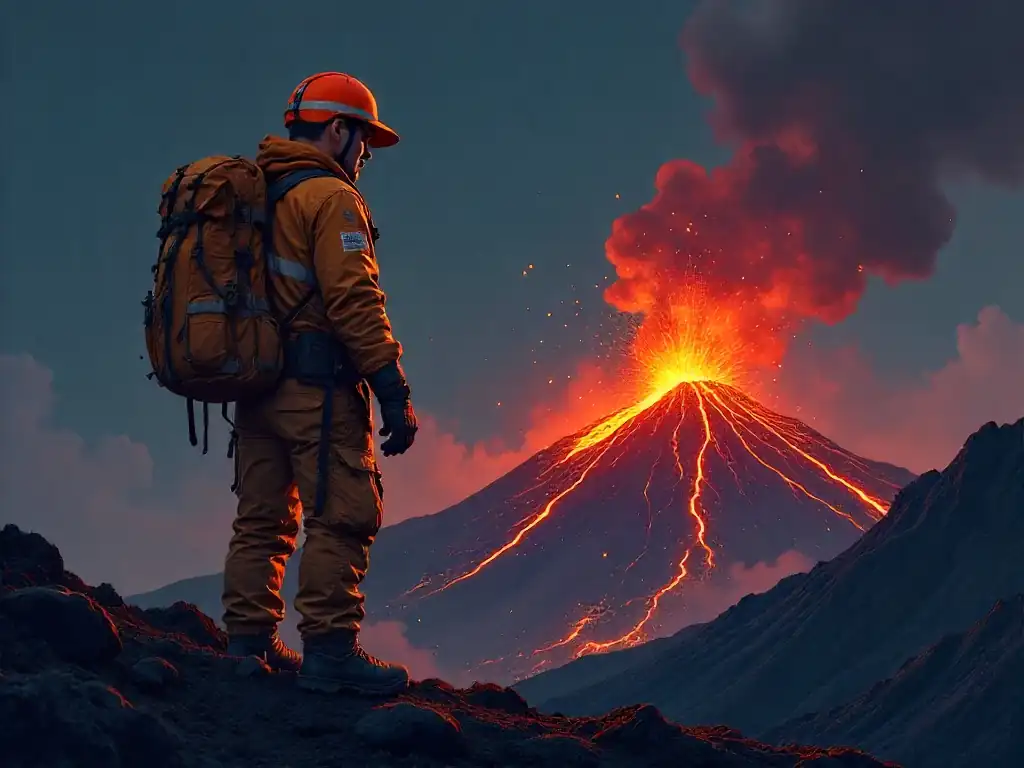
Photographing volcanoes demands specialized gear to cope with challenging environmental conditions and capture the dramatic scale and detail of volcanic landscapes. Selecting the right camera body, lenses, stabilization equipment, filters, and accessories is crucial for maximizing image quality and ensuring your equipment performs reliably in often harsh environments.
Camera Body: Choosing the Right Tool for the Job
The ideal camera body for volcano photography should be robust, weather-sealed, and capable of delivering high image quality in demanding conditions. Weather sealing is particularly important to protect your camera from dust, ash, and moisture, especially when photographing near active vents or in geothermal areas. A camera body with a durable build and reliable performance is essential for withstanding the rigors of travel and outdoor use in volcanic environments.
Sensor size also plays a significant role. Full-frame sensors generally offer superior dynamic range and low-light performance, beneficial for capturing the wide tonal range of volcanic landscapes and shooting in challenging lighting conditions, such as at dawn or dusk. However, crop-sensor cameras can be more compact and lightweight, which can be advantageous for hiking and travel.
Consider features like high ISO performance for low-light photography, fast burst shooting for capturing dynamic volcanic activity, and robust autofocus systems for tracking moving subjects or quickly focusing in challenging terrain. Mirrorless cameras are increasingly popular for their advanced features, electronic viewfinders, and often lighter weight compared to DSLRs. Ultimately, the best camera body depends on your budget, photographic priorities, and the specific demands of the volcano photography tour you choose.
Lenses: Capturing the Grandeur and the Details
Lenses are arguably the most critical component of your photography gear, directly influencing the perspective, detail, and creative possibilities in your volcano images. A versatile lens kit for volcano photography should encompass a range of focal lengths to capture both the expansive landscapes and the intricate details of volcanic features.
A wide-angle lens (e.g., 16-35mm or wider for full-frame) is essential for capturing the grandeur of volcanic landscapes, vast lava fields, and panoramic vistas. A mid-range zoom lens (e.g., 24-70mm or 24-105mm for full-frame) is highly versatile for general landscape photography, capturing foreground elements in context with volcanic backgrounds, and for documentary-style shots of tour activities. A telephoto zoom lens (e.g., 70-200mm or 100-400mm for full-frame) is invaluable for isolating distant volcanic peaks, compressing perspective in mountain ranges, and capturing details of volcanic textures and formations that are not easily accessible.
For those interested in macro photography, a macro lens can be used to capture close-up details of volcanic rocks, minerals, or even unique flora found in volcanic regions. Consider lenses with robust build quality, weather sealing to match your camera body, and good sharpness across their zoom range.
Tripods and Stabilization: Ensuring Sharp Images
A sturdy tripod is indispensable for volcano photography, especially in windy conditions often encountered at higher elevations and for capturing sharp images in low light or when using long exposures. Wind can be a significant challenge in volcanic landscapes, making it difficult to maintain camera stability, particularly when using telephoto lenses or shooting long exposures to blur motion in lava flows or clouds. A robust tripod provides a stable platform, minimizing camera shake and ensuring sharp, clear images.
Choose a tripod that is lightweight enough to carry comfortably on hikes but sturdy enough to withstand wind and support your camera and lens combination securely. Carbon fiber tripods offer a good balance of strength and weight, while aluminum tripods are generally more budget-friendly but heavier. Look for tripods with independent leg adjustments for leveling on uneven terrain and a reliable locking mechanism to prevent slippage.
A ball head or a geared head allows for precise camera positioning and framing. Consider using a remote shutter release or your camera's self-timer to further minimize camera shake when taking long exposures. For situations where a full-sized tripod is impractical, a monopod or even a beanbag can provide some degree of stabilization.
Filters: Enhancing Your Volcano Photography
Filters are essential tools for enhancing your volcano photography, helping to manage challenging lighting conditions, control reflections, and add creative effects. Several types of filters are particularly useful for capturing the dramatic scenes found in volcanic regions.
A polarizing filter is invaluable for reducing glare and reflections from water surfaces, wet rocks, and foliage, enhancing color saturation, and cutting through atmospheric haze to reveal clearer skies and volcanic details. Neutral density (ND) filters reduce the amount of light entering the lens, allowing for longer exposures in bright conditions.
This is particularly useful for blurring motion in lava flows, waterfalls, or clouds, creating a sense of dynamism in your volcano images. Graduated neutral density (GND) filters are essential for balancing the exposure between bright skies and darker foregrounds in landscape photography, especially during sunrise and sunset when the contrast range can be extreme.
UV filters can provide basic protection for your lens's front element from dust, scratches, and accidental impacts, although their necessity for image quality is debated in the digital age. Consider investing in high-quality filters made from optical glass to minimize any degradation of image sharpness or color accuracy.
Other Essential Accessories
Beyond the core photography gear, several other accessories are highly recommended for a successful and comfortable volcano photography expedition. Ample spare batteries are crucial, as cold temperatures and extended shooting sessions can drain battery power quickly. Carry multiple memory cards with sufficient capacity to store a large volume of high-resolution images and videos.
A lens cleaning kit, including a microfiber cloth, lens brush, and cleaning solution, is essential for keeping your lenses free from dust, ash, and smudges, especially in dusty volcanic environments. A rain cover or waterproof bag is vital for protecting your camera gear from rain, snow, or volcanic steam.
A comfortable and durable camera bag or backpack is essential for carrying and protecting your gear while hiking and traveling. Headlamps or flashlights are necessary for navigating in low light conditions, especially for pre-dawn or post-sunset shooting sessions. Consider bringing a portable power bank to recharge your camera batteries or other electronic devices in remote locations. Appropriate clothing, including layers for varying temperatures, waterproof outerwear, sturdy hiking boots, and gloves, is essential for personal comfort and protection in often unpredictable volcanic weather. Finally, don't forget essential personal items like sunscreen, insect repellent, and a first-aid kit.
Recommended Volcano Photography Tour Operators
[This section is intended for tour operator recommendations. As per instructions, I will not include real examples or links. In a real article, this section would feature a curated list of reputable volcano photography tour operators with brief descriptions and potentially contact information or links to their websites. Placeholders could be used if real examples are not available, indicating the type of information that should be included.]
[Example Placeholder Entries:]
Operator Name 1: Specializes in photography tours to active volcanoes in Southeast Asia. Known for small group sizes and experienced photography guides. Offers tours to [Specific Volcano Name] and [Another Volcano Name].
Operator Name 2: Offers luxury volcano photography expeditions in South America. Focuses on comfortable accommodations and access to remote, pristine volcanic landscapes in [Country Name]. Destinations include [Specific Volcano Name] and [Another Volcano Name].
Operator Name 3: Provides budget-friendly volcano photography tours in Europe, particularly Iceland and Italy. Caters to a range of skill levels and offers workshops on landscape and night photography. Popular tours to [Specific Volcano Name] and [Another Volcano Name].
Operator Name 4: Adventure-focused operator offering challenging treks and volcano photography expeditions in Africa. Specializes in tours to [Specific Volcano Name] and [Another Volcano Name], emphasizing cultural immersion and wildlife encounters alongside volcano photography.
Tips for Capturing Stunning Volcano Photos
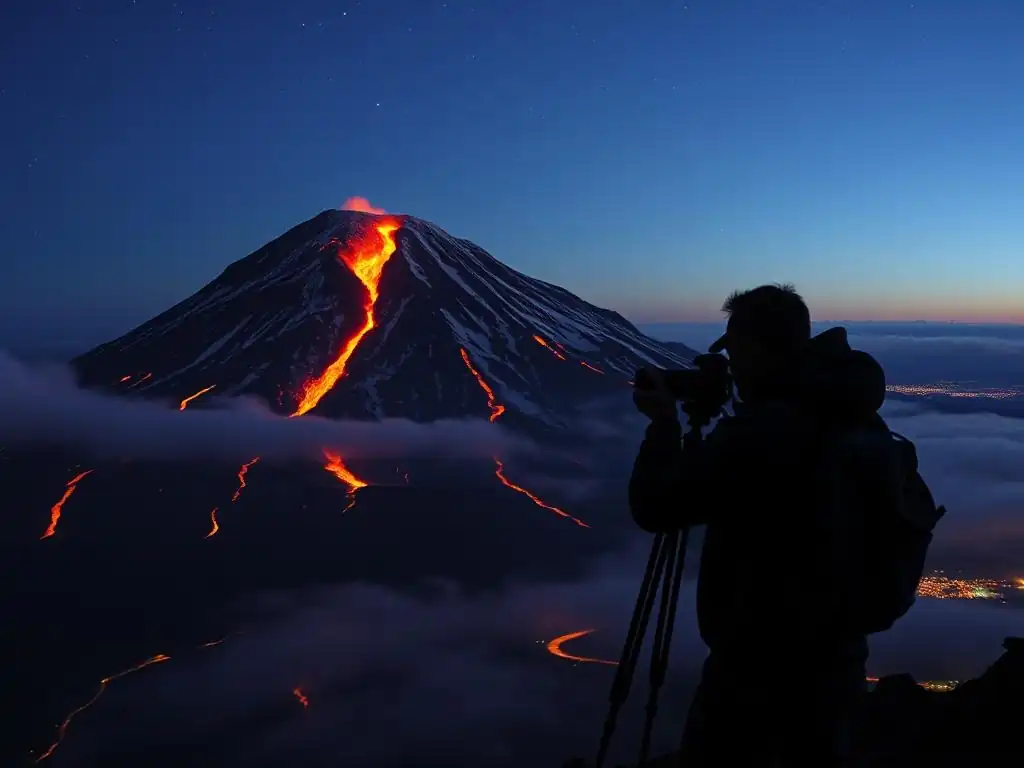
Capturing truly stunning volcano photos requires more than just being in the right place at the right time. Mastering composition, understanding dynamic range, employing specific techniques for shooting lava and night skies, and prioritizing safety are all crucial aspects of successful volcano photography.
Mastering Composition in Volcanic Landscapes
Composition is the foundation of compelling volcano photography, transforming a scenic view into a captivating image. Volcanic landscapes often present unique compositional challenges and opportunities due to their vast scale, dramatic textures, and sometimes stark environments. Utilizing strong compositional techniques is essential to create images that are visually engaging and effectively convey the grandeur and power of volcanoes.
The rule of thirds is a fundamental guideline, dividing the frame into a 3x3 grid and placing key elements along the intersecting lines or at the intersections themselves. This creates a more balanced and dynamic composition compared to simply centering the subject. Leading lines, such as lava flows, roads, or ridgelines, can draw the viewer's eye into the scene and towards the main subject, creating depth and perspective.
Foreground elements, like interesting rocks, vegetation, or geothermal features, add depth and scale to landscape shots, providing a point of entry for the viewer's eye and enhancing the sense of place. Consider using negative space effectively, allowing areas of sky, lava fields, or water to surround the main subject, emphasizing its isolation or dominance within the landscape. Experiment with different perspectives, shooting from low angles to emphasize height and scale, or from high vantage points to capture panoramic vistas.
Capturing the Dynamic Range of Volcanoes
Volcanic landscapes often present extreme dynamic range challenges, with bright skies, intensely lit lava flows, and deep shadows in volcanic rock formations. Dynamic range refers to the difference between the lightest and darkest tones a camera sensor can capture. Exceeding the camera's dynamic range results in loss of detail in either the highlights (overexposed areas) or shadows (underexposed areas). Mastering techniques to manage dynamic range is crucial for capturing volcano scenes accurately and effectively.
Shooting in RAW format is essential, as it captures significantly more dynamic range than JPEG, providing greater flexibility in post-processing to recover detail in highlights and shadows. Exposure bracketing involves taking multiple shots of the same scene at different exposures (e.g., one underexposed, one correctly exposed, and one overexposed). These images can then be merged in post-processing software using HDR (High Dynamic Range) techniques to create a single image with extended dynamic range.
Graduated neutral density (GND) filters, as mentioned earlier, can be used in-camera to darken bright skies, balancing the exposure with the foreground and reducing the dynamic range the camera sensor needs to capture in a single shot. Careful exposure metering is critical.
Consider using spot metering to assess the brightest and darkest areas of the scene and determine the optimal exposure settings to retain detail in both. In post-processing, techniques like shadow and highlight recovery, contrast adjustments, and tone mapping can further enhance the dynamic range and bring out details across the entire tonal spectrum.
Shooting Lava Flows: Safety and Techniques
Photographing lava flows is an exhilarating but inherently dangerous pursuit. Safety must be the absolute top priority when approaching active lava. Lava flows are extremely hot, unpredictable, and can release toxic gases. Always maintain a safe distance from active lava flows, respecting any safety guidelines or instructions from guides or local authorities. Molten lava can reach temperatures exceeding 1,000 degrees Celsius (1,832 degrees Fahrenheit) and can cause severe burns and ignite flammable materials. The ground around lava flows can be unstable and prone to collapse.
The best time to photograph lava flows is typically during twilight hours or at night, when the fiery glow of the molten rock contrasts dramatically against the darkening sky and surrounding landscape. Long exposure techniques are often used to capture the motion and fluidity of lava flows, creating a sense of dynamism and ethereal beauty. Use a sturdy tripod to ensure sharp images during long exposures, which can range from seconds to minutes depending on the desired effect and ambient light levels.
Experiment with different shutter speeds to achieve the desired level of motion blur in the lava. Aperture settings typically range from mid-range apertures (e.g., f/8 to f/11) for landscape shots to wider apertures (e.g., f/2.8 to f/5.6) for low-light conditions or to isolate lava details. Be mindful of heat radiating from lava flows, which can affect your camera and lens.
Avoid prolonged exposure of your gear to intense heat. Consider using protective filters and regularly check your equipment for overheating.
Photographing Volcanic Sunsets and Night Skies
Volcanic landscapes often provide stunning backdrops for both sunsets and night sky photography. The dramatic silhouettes of volcanic cones, the textured surfaces of lava fields, and the vastness of volcanic plains create unique foregrounds for capturing breathtaking sunset colors and celestial displays. Volcanic regions, often located away from major urban centers, can also offer exceptionally dark skies, ideal for astrophotography and capturing the Milky Way.
For volcanic sunsets, arrive well before sunset to scout locations and compose your shots. Golden hour, the period shortly after sunrise or before sunset, provides warm, soft light that enhances the colors and textures of volcanic landscapes. Use graduated neutral density filters to balance the bright sky with the foreground, capturing detail in both. Experiment with different focal lengths to capture wide panoramic sunset scenes or telephoto shots focusing on the colors and textures of the sky behind volcanic peaks.
For night sky photography, plan your shoots around moonless nights for the darkest skies and optimal visibility of stars and the Milky Way. Use wide-angle lenses to capture expansive views of the night sky above volcanic landscapes. Long exposures, typically ranging from 15 seconds to several minutes depending on your lens and ISO settings, are necessary to capture faint starlight.
Use a sturdy tripod and remote shutter release to minimize camera shake. Consider using star-tracking mounts for longer exposures to capture pinpoint stars and avoid star trails, especially when photographing deep-sky objects. Volcanoes can serve as dramatic and unique foreground elements in night sky compositions, adding a terrestrial dimension to celestial scenes.
Documenting Volcanic Activity: Capturing the Power of Nature
Volcanic activity, from minor steam vents to explosive eruptions, offers unparalleled opportunities to capture the raw power and dynamic forces of nature. Documenting volcanic activity requires a combination of technical skill, patience, and a deep respect for the potential dangers involved. Safety must always be paramount when photographing active volcanic phenomena. Never approach erupting vents or hazardous areas, and always heed warnings and instructions from volcanologists or local authorities.
Capturing eruptions, ash plumes, and lava bombs often requires fast shutter speeds to freeze motion and capture sharp details. High burst shooting modes on your camera can be useful for capturing sequences of volcanic events. Telephoto lenses are essential for safely photographing volcanic activity from a distance, allowing you to capture details of eruptions, lava flows, and ash plumes without putting yourself in harm's way.
Consider using video to document dynamic volcanic events like eruptions or lava flows, capturing the sounds and motion in real-time. Time-lapse photography can be effective for compressing long periods of volcanic activity into short, visually impactful sequences, showing the evolution of ash plumes or lava flows over time. Be prepared for changing conditions and unpredictable volcanic behavior.
Volcanic activity can fluctuate rapidly, so be ready to adapt your shooting strategies and compositions accordingly. Respect the power of nature and prioritize safety above all else when documenting volcanic activity.
Conclusion: Embark on Your Volcano Photography Adventure
Volcano photography tours offer a unique and transformative experience, blending adventure travel with the pursuit of stunning imagery. With expert guidance, access to extraordinary locations, and the right preparation, you can capture the raw power and breathtaking beauty of volcanoes in ways you never imagined.
Volcano Explorers is your gateway to these unforgettable journeys, connecting you with reputable tour operators and providing the resources you need to embark on your own volcano photography adventure. Whether you are a seasoned photographer or an enthusiastic beginner, the world of volcanoes awaits, ready to ignite your creativity and leave you in awe of nature's most dramatic forces.
Frequently Asked Questions
What is a volcano photography tour and what does it typically include?
A volcano photography tour is a guided excursion designed to help photographers capture stunning images of volcanoes. It usually includes transportation, expert guidance on photographic techniques specific to volcanic landscapes, and access to unique locations.
What kind of equipment is essential for a volcano photography tour?
Essential equipment includes a high-quality camera with interchangeable lenses, a sturdy tripod, extra batteries and memory cards, and protective gear for both yourself and your camera, such as rain covers and lens filters.
What are some key safety considerations when photographing near active volcanoes?
Safety is paramount. Stay aware of potential hazards like volcanic gases, falling rocks, and sudden eruptions. Follow your guide's instructions carefully and maintain a safe distance from active vents or lava flows.
What are some tips for capturing compelling volcano photographs?
Use composition techniques like the rule of thirds to create visually appealing images. Experiment with different shutter speeds to capture the movement of lava or smoke. Consider shooting during the golden hour for optimal lighting.
How can I find a reputable volcano photography tour operator?
Look for operators with experienced guides who are knowledgeable about both photography and volcanology. Check online reviews and ensure they have a strong safety record and adhere to responsible tourism practices.
Final Reflection: Embracing the Earth's Fiery Heart
The allure of volcanoes, once relegated to scientific study or distant fascination, has now ignited a passion for visual storytelling, making volcano photography tours a powerful bridge between adventure and art. This shift highlights our growing desire to connect with the raw, untamed forces of nature, not just as observers, but as active participants in capturing its ephemeral beauty. The tips and insights shared throughout this article serve as a crucial guide for navigating this challenging yet rewarding landscape, ensuring both safety and stunning imagery.
The impact of volcano photography extends far beyond the individual photographer. It shapes our collective understanding of Earth's dynamic processes and reminds us of our planet's immense power. Witnessing and documenting these volcanic events fosters a deeper respect for nature and a heightened awareness of the delicate balance that sustains life. The earth has music for those who listen.
- William Shakespeare. This quote resonates deeply when considering the rhythmic eruptions and the silent, simmering landscapes that volcano photography captures, transforming fleeting moments into lasting testaments to our planet's artistry.
As you embark on your own volcano photography journey, remember that you are not merely taking pictures; you are capturing stories, preserving memories, and sharing the Earth's fiery heart with the world. Let the knowledge and inspiration gleaned from these pages guide you, not only in mastering the technical aspects, but also in cultivating a profound appreciation for the forces that shape our planet. Go forth, capture the raw power, and share your unique perspective, inspiring others to connect with the Earth in new and meaningful ways.
Unleash Your Inner Explorer: Capture the Volcano's Soul!
Thanks for delving into the world of volcano photography! We hope you've gained a fiery passion for capturing these geological wonders. Now, it's time to turn that inspiration into action and experience the thrill firsthand.
Here are a few ways to ignite your volcanic adventure:
- Book Your Dream Volcano Photography Tour! Don't just imagine it – live it! Explore our diverse range of tours at volcanoexplorers.org and find the perfect expedition for your skill level and adventurous spirit.
- Share your own breathtaking nature photos online to inspire others.
- Join a local photography club to connect with other people who like the same things as you.
What are you waiting for? When will you come to volcanoexplorers.org?