
Volcano Cultural Tours: Discover the Myths and Legends Surrounding Fire Mountains

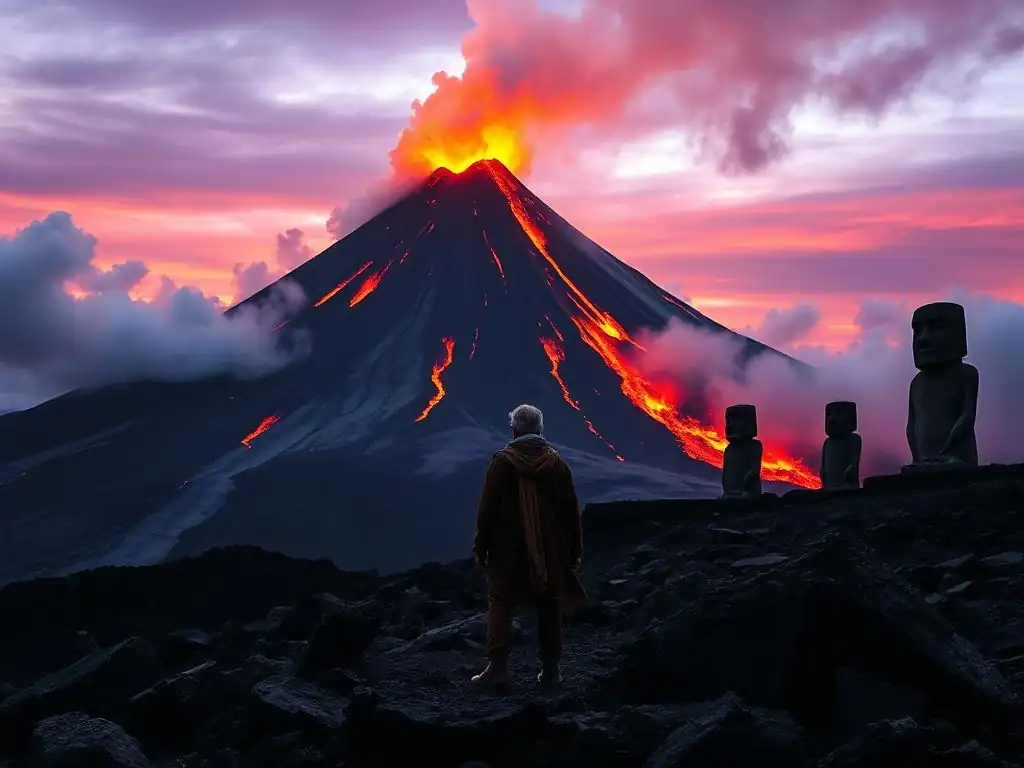
Welcome to Volcano Explorers!
Prepare to be captivated. Beyond the molten rock and fiery eruptions lies a world steeped in ancient lore and breathtaking beauty. Are you ready to uncover the secrets whispered in the shadow of these sleeping giants? This journey starts with Volcano Cultural Tours, where we'll delve into the myths and legends that have shaped our understanding of fire mountains for centuries. What hidden stories await you at the earth's fiery heart?
- Unveiling the Cultural Significance of Volcanoes: Myths and Legends
- Unveiling the Cultural Significance of Volcanoes: Myths and Legends
- Volcano Legends and Mythology Across Cultures: A Comparative Look
- Volcano Cultural Tours: Combining Adventure with Ancient Wisdom
- The Impact of Volcanoes on Local Culture: Art, Rituals, and Traditions
- Choosing the Right Volcano Cultural Tour: Factors to Consider
- Preserving Volcano Cultural Heritage: Responsible Tourism and Community Engagement
- Conclusion: Embark on a Journey Through Volcano Myths, Legends, and Cultural Wonders
-
Frequently Asked Questions
- What are Volcano Cultural Tours?
- Why should I take a Volcano Cultural Tour instead of just reading about volcanoes?
- Are Volcano Cultural Tours safe, especially near active volcanoes?
- What kind of myths and legends might I learn about on a Volcano Cultural Tour?
- How do Volcano Cultural Tours contribute to the preservation of local cultures?
- Final Reflection: Embracing the Fiery Tapestry of Volcanoes
- Ignite Your Inner Explorer!
Unveiling the Cultural Significance of Volcanoes: Myths and Legends
Unveiling the Cultural Significance of Volcanoes: Myths and Legends
Exploring the Intersection of Volcanoes, Culture, and Mythology
For millennia, volcanoes have been more than just geological formations; they have been powerful symbols deeply woven into the fabric of human cultures around the globe. Their dramatic eruptions, capable of creation and destruction, have inspired awe, fear, and profound spiritual interpretations. From the fiery depths of their craters to the fertile lands they create, volcanoes have shaped landscapes and human imagination alike.
This intersection of raw natural power and human understanding has given rise to rich mythologies, legends, and folklore, explaining the earth's fiery breath through the lens of gods, spirits, and epic narratives. These stories, passed down through generations, offer invaluable insights into how different societies perceived and interacted with these formidable natural phenomena.
The enduring presence of volcanoes in cultural narratives highlights their pivotal role in shaping human history and belief systems. Ancient civilizations, lacking scientific explanations for volcanic activity, turned to mythology to understand and appease these unpredictable forces. Volcanoes became associated with deities, often embodying both creative and destructive aspects of nature.
These myths served not only as explanations for eruptions but also as frameworks for social order, moral codes, and even artistic inspiration. Exploring these cultural interpretations provides a fascinating window into the human psyche and our ongoing quest to comprehend the world around us, especially its most dramatic and impactful elements like volcanoes.
Why Volcano Cultural Tours Offer a Unique Travel Experience
Volcano cultural tours transcend the typical sightseeing experience by offering a deeper engagement with the spirit of a place. Unlike purely geological or adventure-focused volcano tours, cultural tours delve into the rich tapestry of human stories intertwined with these landscapes. Imagine standing at the foot of Mount Vesuvius, not just as a geological marvel but as a silent witness to the Roman Empire's daily life and its tragic destruction by the very mountain you observe. This type of travel enriches understanding by connecting natural wonders with human history, mythology, and artistic expression.
These specialized tours provide an immersive journey into local traditions, beliefs, and art forms shaped by volcanic environments. You might witness traditional dances performed in the shadow of a sacred volcano in Indonesia, learn about ancient rituals conducted to appease volcanic deities in Japan, or explore the volcanic landscapes that inspired Icelandic sagas.
By focusing on the cultural narratives surrounding volcanoes, these tours offer a more holistic and meaningful travel experience. They transform a journey to a volcanic region into an exploration of human resilience, creativity, and the enduring relationship between humanity and the powerful forces of nature, making them a truly unique and enriching way to travel.
Volcano Legends and Mythology Across Cultures: A Comparative Look
Polynesian Volcano Gods and Goddesses: Pele and the Hawaiian Islands
Pele: The Volcanic Goddess of Creation and Destruction
In the vibrant mythology of Polynesia, particularly in Hawaii, volcanoes are not merely mountains but sacred dwelling places of powerful deities. Pele, the Hawaiian goddess of volcanoes, fire, lightning, and wind, stands as a central figure. Often depicted as a passionate and volatile woman, Pele embodies both the destructive and creative forces of volcanism.
Her legendary journeys across the Hawaiian archipelago are said to have formed the islands themselves, with her fiery temper manifesting in eruptions. Legends recount her battles with other gods and goddesses, her love affairs, and her profound connection to the land. Pele is not simply a force of destruction; she is also revered as a creator of new land, symbolizing renewal and the constant cycle of life and change in the volcanic landscape.
The stories of Pele are integral to Hawaiian cultural identity, influencing traditions, chants, and dances. Offerings and prayers were traditionally made to Pele to seek her favor and protection from volcanic wrath. Even today, respect for Pele and the volcanic environment remains deeply ingrained in Hawaiian culture. Legend says that taking rocks or sand from Hawaii will incur Pele's curse, highlighting the enduring belief in her power and the sacredness of the volcanic land. This vibrant mythology provides a lens through which to understand the profound relationship between the Hawaiian people and their volcanic home.
Volcano Cultural Tours Focusing on Hawaiian Mythology
Volcano cultural tours in Hawaii offer a unique opportunity to experience the islands through the lens of Pele's mythology. These tours go beyond geological explanations, weaving in the rich tapestry of Hawaiian legends and traditions. Guides often share stories of Pele as you explore volcanic landscapes like Hawai'i Volcanoes National Park, where Kīlauea and Mauna Loa stand as tangible manifestations of her power. Imagine hiking through a lava tube while hearing the tale of Pele's fiery journey or witnessing the steam vents, believed to be her breath, as you learn about her significance in Hawaiian cosmology.
These tours frequently incorporate visits to culturally significant sites, such as heiau (ancient Hawaiian temples) dedicated to Pele, or areas where traditional offerings were made. Local storytellers and cultural practitioners may be involved, providing firsthand accounts and insights into the living mythology of Pele. Some tours may even include opportunities to learn traditional Hawaiian chants and dances associated with Pele and volcanic phenomena, offering a truly immersive cultural experience that connects visitors to the spiritual heart of the islands and the enduring legacy of the volcano goddess Pele.
Mount Etna and the Roman God Vulcan: Forging Legends in Fire
Vulcan: God of Fire, Metalworking, and the Forge Beneath Etna
Mount Etna, Europe's largest and most active volcano, has been a source of wonder and legend for millennia, particularly in Roman mythology. The Romans associated Etna with Vulcan, their god of fire, metalworking, and the forge. Vulcan, often depicted as a strong, bearded blacksmith, was believed to have his forge deep within the fiery heart of Mount Etna.
The volcano's eruptions were interpreted as signs of Vulcan at work, hammering out weapons for the gods or crafting magnificent creations in his subterranean workshop. The constant activity of Etna, with its smoke plumes and fiery displays, seemed to perfectly embody the image of a divine forge in perpetual operation.
Vulcan's association with Etna extended beyond just the forge. He was also considered a protector against destructive fires and a bringer of beneficial heat, essential for metalworking and agriculture. Temples and altars dedicated to Vulcan were erected near volcanic areas, including Etna, where offerings were made to appease the god and seek his blessings. The myths surrounding Vulcan and Etna deeply influenced Roman perceptions of the volcano, transforming it from a potentially dangerous natural phenomenon into a sacred site imbued with divine presence and power.
Exploring Etna's Mythological Significance on Guided Tours
Volcano cultural tours around Mount Etna in Sicily offer a fascinating journey into the intertwined history of mythology and geology. These tours often incorporate visits to ancient Roman sites near Etna, such as temples and villas, where guides explain the significance of Vulcan in Roman culture and his specific connection to the volcano. Imagine exploring the remnants of a Roman bathhouse built with volcanic stone, while learning about the god who was believed to control the very forces that shaped the land around you.
Furthermore, many tours delve into local Sicilian folklore, which blends Roman mythology with later Christian and folk traditions. Stories about giants and mythical creatures inhabiting Etna's slopes are often shared, adding layers of narrative to the volcanic landscape. Some tours might include visits to local craft workshops where traditional metalworking techniques, echoing Vulcan's domain, are still practiced. By focusing on the mythological and historical context, these volcano cultural tours around Etna provide a richer and more engaging experience, transforming a volcanic exploration into a journey through time and legend.
Japanese Volcano Deities and the Power of Mount Fuji
Konohanasakuya-hime: The Blossom-Princess and Spirit of Mount Fuji
Mount Fuji, Japan's iconic volcano, is not only a symbol of natural beauty but also a sacred mountain deeply embedded in Japanese Shinto beliefs. Konohanasakuya-hime, the Blossom-Princess, is revered as the Shinto kami (spirit or deity) of Mount Fuji and all volcanoes. Often associated with delicate cherry blossoms and feminine beauty, Konohanasakuya-hime embodies the ephemeral nature of life and the powerful, yet graceful, forces of nature. Her name, meaning "blossom-princess who makes flowers bloom," reflects her connection to fertility, prosperity, and the vibrant life that can emerge even from volcanic landscapes.
Legends surrounding Konohanasakuya-hime tell of her divine birth and her role in calming volcanic eruptions. She is often depicted as residing atop Mount Fuji, overseeing the land and ensuring its balance. Shrines dedicated to Konohanasakuya-hime are found throughout the Fuji region, attracting pilgrims and worshippers who seek blessings for safe childbirth, marital harmony, and protection from volcanic disasters. The veneration of Konohanasakuya-hime highlights the Japanese cultural reverence for nature and the belief in spirits inhabiting natural landscapes, transforming Mount Fuji into a sacred space imbued with spiritual significance.
Cultural Tours Highlighting Fuji's Spiritual and Artistic Legacy
Volcano cultural tours around Mount Fuji offer a unique perspective on Japan's most famous landmark, focusing on its spiritual and artistic significance. These tours extend beyond the typical scenic viewpoints, delving into the Shinto beliefs and artistic traditions inspired by Fuji. Imagine visiting the Sengen Shrine at the base of Mount Fuji, dedicated to Konohanasakuya-hime, and learning about the rituals and prayers offered to appease the mountain deity and ensure good fortune.
Many tours explore the artistic legacy of Fuji, showcasing how the volcano has been depicted in Japanese art for centuries, most famously in Hokusai's "Thirty-Six Views of Mount Fuji." Visits to art museums or local craft studios may be included, providing insights into the volcano's enduring influence on Japanese aesthetics.
Some tours incorporate elements of spiritual practice, such as guided meditation sessions with views of Fuji or opportunities to participate in traditional Shinto ceremonies. By focusing on the cultural and spiritual dimensions of Mount Fuji, these tours offer a deeper appreciation for the volcano's role in Japanese identity and its enduring appeal as both a natural wonder and a sacred site.
Icelandic Folklore and the Subglacial Volcanoes: Katla and Hekla
Katla: The Wrathful Volcano and Associated Legends
Iceland, the land of fire and ice, is home to numerous volcanoes, many of which are shrouded in folklore and ancient beliefs. Katla, one of Iceland's largest and most explosive subglacial volcanoes, holds a prominent place in Icelandic legends. Often associated with wrath and unpredictable fury, Katla's eruptions have historically been linked to catastrophic floods and widespread destruction, fueling tales of mythical creatures and vengeful spirits. Folklore often personifies Katla as a malevolent being, reflecting the fear and respect she commands in Icelandic culture.
Legends surrounding Katla often involve hidden valleys, mythical lakes, and powerful sorcerers believed to control or influence the volcano's activity. Stories of curses and misfortunes befalling those who disrespect Katla or venture too close to her hidden realms are common. These tales served not only as explanations for the volcano's unpredictable behavior but also as cautionary narratives, reinforcing the power of nature and the importance of respecting its forces. The enduring folklore surrounding Katla demonstrates the deep-seated connection between Icelanders and their volcanic environment, shaped by centuries of living alongside these powerful and sometimes dangerous natural phenomena.
Hekla: The Gateway to Hell in Medieval Icelandic Beliefs
Hekla, another prominent Icelandic volcano, holds a particularly dramatic place in medieval Icelandic beliefs. During the Middle Ages, Hekla was widely considered to be the gateway to Hell. Its frequent eruptions, characterized by fire, smoke, and ash plumes reaching high into the sky, were interpreted as evidence of a subterranean inferno and the entrance to the underworld. Medieval texts and chronicles describe Hekla as the prison of condemned souls, with eruptions believed to be the screams of the damned and the flames of eternal torment escaping from the abyss.
This perception of Hekla as the gateway to Hell profoundly influenced medieval European beliefs and contributed to Iceland's reputation as a land of mystery and danger. The association of Hekla with hellfire is deeply rooted in the volcano's dramatic eruptions and the stark, otherworldly landscapes surrounding it. While scientific understanding has replaced these medieval interpretations, the historical perception of Hekla as a gateway to Hell remains a fascinating aspect of Icelandic folklore, reflecting the powerful impact of volcanic activity on human imagination and belief systems.
Volcano cultural tours in Iceland that emphasize the dark history
Volcano cultural tours in Iceland offer a unique opportunity to explore the darker, more mystical side of volcanic landscapes, focusing on folklore and historical beliefs. These tours often delve into the legends surrounding Katla and Hekla, exploring the ancient interpretations of volcanic eruptions as signs of wrathful gods or gateways to the underworld. Imagine standing on the slopes of Hekla, once believed to be the entrance to Hell, while hearing tales of medieval fears and beliefs associated with the volcano's fiery displays.
Some tours incorporate visits to historical sites mentioned in Icelandic sagas or medieval chronicles that relate to volcanic events. Local storytellers may share traditional tales and folklore associated with specific volcanic areas, bringing these ancient narratives to life.
These tours may also explore the impact of volcanic eruptions on Icelandic history and society, examining how these events shaped cultural beliefs and survival strategies. By focusing on the darker aspects of volcano mythology and historical perceptions, these cultural tours in Iceland offer a compelling and thought-provoking perspective on the relationship between humans and the powerful volcanic forces that have shaped the island nation.
Volcano Cultural Tours: Combining Adventure with Ancient Wisdom
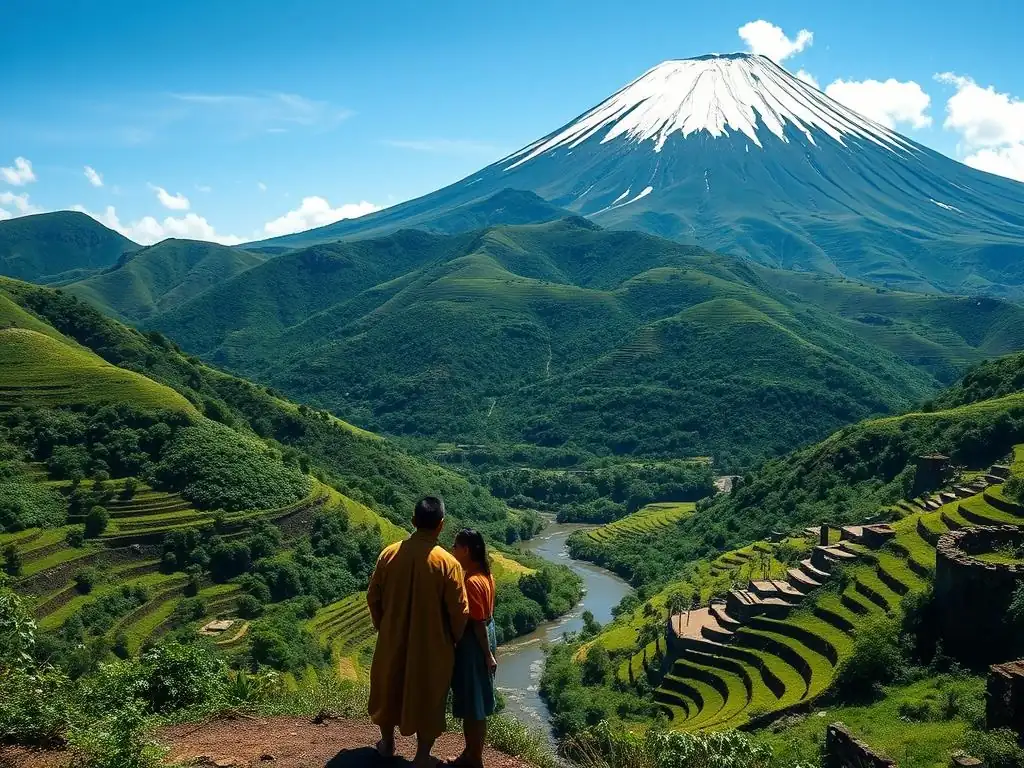
Volcano Adventures: Immersive Cultural Experiences
Volcano cultural tours seamlessly blend the thrill of adventure travel with the depth of cultural immersion. These experiences are not just about witnessing volcanic landscapes; they are about actively engaging with the stories, traditions, and spiritual significance that these landscapes hold for local communities.
Imagine hiking across a lava field in Iceland, not just as a physical challenge, but as a journey through a terrain steeped in Viking sagas and tales of mythical creatures. Or picture yourself participating in a traditional Hawaiian luau near a volcano, understanding the dances and chants as expressions of respect for Pele, the volcano goddess.
These tours often incorporate activities that promote cultural exchange and understanding. You might learn basic phrases in the local language, participate in traditional crafts workshops, or share meals with local families. The adventure aspect is enhanced by the cultural context, transforming a simple hike or jeep tour into a meaningful exploration of both the natural and human heritage of a volcanic region. This combination of adventure and cultural immersion creates a uniquely enriching travel experience that resonates on multiple levels.
Unveiling the Secrets of Hawaiian Volcanoes
Hawaiian volcano cultural tours offer a particularly compelling blend of adventure and ancient wisdom. Exploring Hawai'i Volcanoes National Park becomes more than just a scenic drive or hike; it transforms into a pilgrimage through the sacred realm of Pele.
Imagine witnessing the glow of molten lava at night, not just as a geological spectacle, but as a manifestation of Pele's fiery spirit, as you listen to the ancient chants dedicated to her. Hiking through lush rainforests that have sprung from volcanic soil becomes a journey through a landscape shaped by both destruction and renewal, mirroring the dual nature of Pele herself.
These tours often include opportunities to learn about traditional Hawaiian navigation techniques, which relied on volcanic landmarks, or to understand the ancient agricultural practices that thrived in fertile volcanic soils. Visiting sacred sites like pu'u (hills) and heiau (temples) adds a layer of spiritual depth to the adventure. By combining thrilling hikes and explorations with deep dives into Hawaiian mythology and traditions, these tours offer a truly immersive and transformative experience, unveiling the secrets of the Hawaiian volcanoes and the wisdom of the people who have lived alongside them for generations.
Discovering the Spiritual Power of Mount Fuji
Cultural tours around Mount Fuji in Japan provide a unique opportunity to connect with the spiritual power of this iconic volcano. Climbing Mount Fuji becomes more than just a physical achievement; it transforms into a pilgrimage to a sacred mountain revered for centuries. Imagine reaching the summit at sunrise, not just to witness a breathtaking view, but to experience the spiritual energy that has drawn pilgrims and artists to Fuji for generations. Exploring the serene lakes and forests surrounding Fuji becomes a journey through a landscape imbued with Shinto beliefs and artistic inspiration.
These tours often include visits to Shinto shrines and Buddhist temples nestled around Mount Fuji, offering opportunities to learn about the religious practices and spiritual significance of the mountain. Participating in a traditional tea ceremony with views of Fuji or learning calligraphy inspired by the volcano's form can further deepen the cultural immersion. By combining hiking and exploration with spiritual and artistic experiences, these tours allow travelers to discover the profound spiritual power of Mount Fuji and its enduring influence on Japanese culture.
The Impact of Volcanoes on Local Culture: Art, Rituals, and Traditions
Volcano-Inspired Art: Paintings, Sculptures, and Performances
Volcanoes have served as potent muses for artists across cultures, inspiring a diverse range of artistic expressions. From ancient rock carvings depicting volcanic eruptions to contemporary paintings capturing the raw beauty of lava flows, volcanoes have consistently fueled human creativity. Think of the dramatic landscapes painted by 19th-century artists inspired by volcanic regions like Iceland or the powerful sculptures crafted from volcanic rock in Indonesia. Volcano-inspired art reflects not only the visual spectacle of volcanic phenomena but also the deeper emotions and spiritual interpretations associated with them.
Performance arts, such as dances and theatrical productions, also draw inspiration from volcanoes. Traditional Hawaiian hula dances often incorporate movements that mimic lava flows or volcanic eruptions, telling stories of Pele and the volcanic landscape. In other cultures, theatrical performances may depict myths and legends associated with local volcanoes, using costumes, music, and storytelling to convey the power and significance of these natural forces. Volcano-inspired art, in all its forms, serves as a powerful medium for expressing cultural understanding, reverence, and even fear of volcanic phenomena.
Rituals and Ceremonies: Honoring and Appeasing Volcanic Deities
Throughout history, cultures living near volcanoes have developed rituals and ceremonies to honor and appease volcanic deities or spirits. These practices reflect a deep understanding of the volcano's power and the need to maintain a harmonious relationship with these potentially destructive forces. In Hawaii, traditional offerings of food, flowers, and chants were made to Pele to seek her favor and prevent eruptions. In Japan, Shinto ceremonies are performed at shrines dedicated to volcanic kami, praying for protection and prosperity.
These rituals often involve symbolic gestures, such as dances, processions, or offerings placed in volcanic craters or sacred sites. They may be conducted during specific times of the year or in response to volcanic activity.
The purpose of these ceremonies is not simply to appease potentially angry gods but also to reaffirm the community's connection to the volcanic landscape and to reinforce social cohesion in the face of natural uncertainties. Volcano-related rituals and ceremonies are living traditions in many parts of the world, demonstrating the enduring cultural significance of volcanoes and the human need to understand and interact with these powerful forces.
Traditional Crafts and Products: Utilizing Volcanic Resources
Volcanic regions are not just sources of natural hazards; they also provide valuable resources that have been utilized by local communities for centuries. Volcanic rock, such as basalt and obsidian, has been used for building materials, tools, and artistic creations. The fertile volcanic soils support unique agricultural practices, producing distinctive crops and flavors. Geothermal energy, harnessed from volcanic heat, provides a sustainable source of power and heating in some regions.
Traditional crafts often incorporate volcanic materials, reflecting the unique geological environment. In Sicily, lava stone is carved into intricate sculptures and used in construction. In Iceland, geothermal energy is used to heat greenhouses and create unique culinary experiences. Volcanic resources have not only shaped local economies but have also become integral parts of cultural identity, influencing traditional crafts, culinary practices, and sustainable living strategies in volcanic regions around the world.
Choosing the Right Volcano Cultural Tour: Factors to Consider
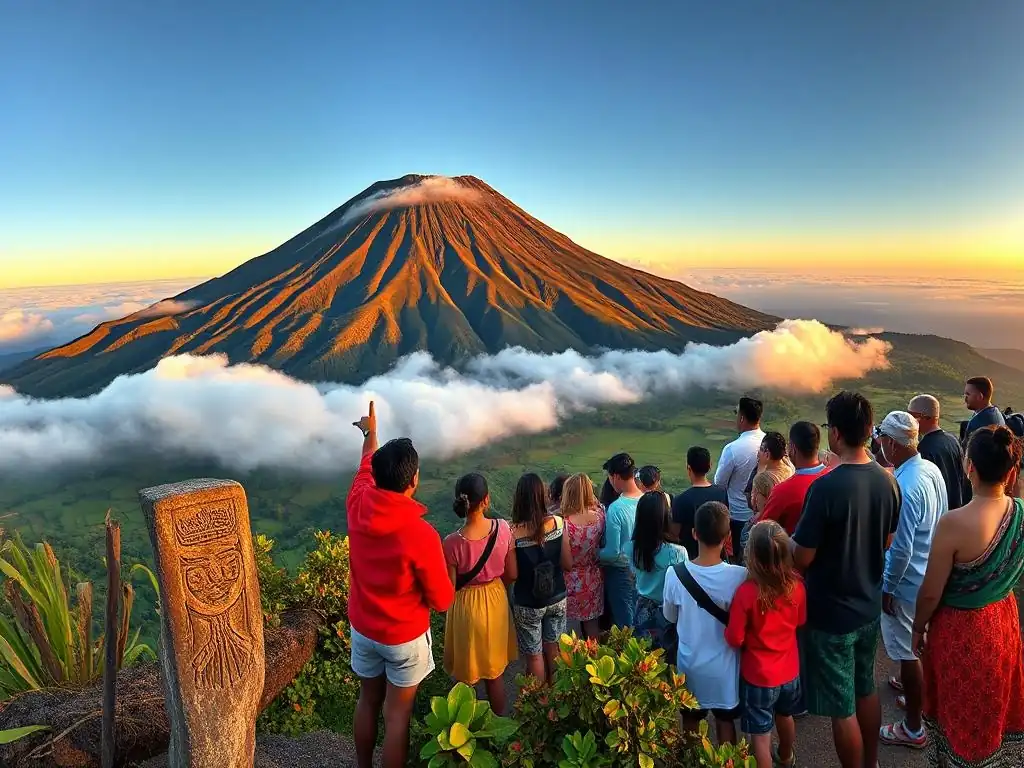
Understanding Your Interests: History, Mythology, or Spiritual Exploration?
Selecting the ideal volcano cultural tour begins with understanding your personal interests. Are you primarily fascinated by the historical impact of volcanoes, eager to learn about ancient civilizations affected by eruptions like Pompeii? Or are you more drawn to the mythological side, wanting to delve into the legends of Pele in Hawaii or Vulcan at Mount Etna? Perhaps your interest lies in the spiritual dimension, seeking to connect with the sacred power of Mount Fuji or explore the darker folklore of Icelandic volcanoes.
Identifying your primary focus will help you narrow down your options and choose a tour that aligns with your passions. Some tours may emphasize archaeological sites and historical narratives, while others may prioritize mythological storytelling and cultural performances. Still others might focus on spiritual practices and opportunities for personal reflection in volcanic landscapes. By clarifying your interests, you can ensure that your volcano cultural tour is a truly rewarding and personally meaningful experience.
Budget Considerations: Finding Affordable and Value-Packed Tours
Budget is a significant factor in choosing any tour, and volcano cultural tours are no exception. Prices can vary widely depending on the destination, duration, level of accommodation, and the inclusiveness of activities. Consider your budget carefully and research tours that offer the best value for your money. Look for tours that include essential elements like knowledgeable guides, comfortable transportation, and culturally relevant experiences without unnecessary luxury add-ons if you are on a tighter budget.
Compare prices between different tour operators and read reviews to assess the quality of the experience offered at various price points. Sometimes, smaller, locally run tours can offer more authentic cultural experiences at a more affordable price than larger, international tour companies. Be sure to factor in additional costs like flights, meals not included in the tour price, and optional activities. With careful research and planning, you can find a volcano cultural tour that fits your budget and provides a rich and memorable travel experience.
Physical Requirements: Assessing the Difficulty of Volcano Hikes and Activities
Volcano cultural tours often involve outdoor activities, including hiking, walking on uneven terrain, and potentially navigating varying altitudes. It's crucial to assess your physical fitness level and carefully consider the physical demands of any tour you are considering. Some tours may involve strenuous hikes to volcanic craters or viewpoints, while others may offer more leisurely paced explorations of cultural sites and volcanic landscapes.
Read the tour descriptions carefully, paying attention to details about hiking distances, elevation gains, and terrain types. If you have any physical limitations or health concerns, consult with your doctor and the tour operator to ensure that the tour is suitable for you. Choose a tour that matches your fitness level and comfort zone to ensure a safe and enjoyable experience. Remember that some volcano cultural tours can be adapted to accommodate different fitness levels, offering alternative activities or shorter walking options for those who prefer a less physically demanding experience.
Preserving Volcano Cultural Heritage: Responsible Tourism and Community Engagement
Supporting Local Communities: Choosing Tours that Benefit Local Economies
Responsible volcano cultural tourism prioritizes supporting local communities and ensuring that tourism benefits the people who live in volcanic regions. Choose tour operators that are committed to ethical and sustainable practices and that actively engage with local communities. Look for tours that employ local guides, utilize locally owned accommodations and transportation, and source food and services from local businesses.
By choosing tours that prioritize local economic benefits, you contribute to the sustainable development of volcanic regions and help ensure that tourism revenue directly supports the communities that are custodians of the volcano cultural heritage. This approach fosters a more equitable and respectful tourism model that benefits both travelers and local residents, creating a more positive and lasting impact.
Respecting Cultural Sites: Following Guidelines and Minimizing Impact
When participating in volcano cultural tours, it is essential to be a respectful and responsible traveler. Follow all guidelines and regulations at cultural sites, such as temples, shrines, and archaeological areas. Avoid touching or damaging artifacts, structures, or natural features. Be mindful of noise levels and maintain a respectful demeanor in sacred or culturally sensitive locations.
Minimize your environmental impact by staying on marked trails, disposing of waste properly, and avoiding the use of single-use plastics. Respect local customs and traditions, dress modestly when appropriate, and be mindful of local etiquette. By traveling responsibly and respecting cultural sites, you contribute to the preservation of volcano cultural heritage for future generations and ensure that your visit is a positive and non-disruptive experience for local communities.
Education and Awareness: Learning About the Significance of Volcanoes
Volcano cultural tours offer a valuable opportunity to learn about the multifaceted significance of volcanoes, both in terms of natural science and cultural heritage. Engage actively with your guides, ask questions, and seek to deepen your understanding of the geological processes, mythological narratives, and cultural traditions associated with volcanoes. Read books, articles, and online resources before and after your tour to expand your knowledge and appreciation.
Share your experiences and knowledge with others, promoting awareness of volcano cultural heritage and the importance of responsible tourism. By becoming informed and engaged travelers, you contribute to a greater understanding and appreciation of volcanoes as both powerful natural forces and rich sources of human culture and inspiration.
Conclusion: Embark on a Journey Through Volcano Myths, Legends, and Cultural Wonders
Frequently Asked Questions
What are Volcano Cultural Tours?
Volcano cultural tours are guided excursions that explore the cultural significance of volcanoes, focusing on the myths, legends, and traditions associated with them. These tours often delve into the beliefs and practices of local communities living near volcanoes.
Why should I take a Volcano Cultural Tour instead of just reading about volcanoes?
These tours offer a hands-on, immersive experience that brings the myths and legends to life. You can interact with local communities, hear stories passed down through generations, and gain a deeper understanding of the volcano's cultural importance.
Are Volcano Cultural Tours safe, especially near active volcanoes?
Reputable tours prioritize safety and employ experienced guides who are knowledgeable about volcanic activity and potential hazards. They follow established safety protocols and provide updates on current volcanic conditions.
What kind of myths and legends might I learn about on a Volcano Cultural Tour?
You might discover stories about volcano deities, narratives explaining the origin of volcanic eruptions, or legends that connect volcanoes to specific cultural events or rituals. The specific myths vary depending on the region and local traditions.
How do Volcano Cultural Tours contribute to the preservation of local cultures?
By supporting local guides and businesses, these tours help sustain traditional practices and provide economic opportunities for communities living near volcanoes. They also raise awareness about the importance of preserving cultural heritage associated with these natural wonders.
Final Reflection: Embracing the Fiery Tapestry of Volcanoes
The journey through the myths and legends surrounding fire mountains, as we've explored, isn't just a historical excavation; it's a powerful reminder of humanity's enduring connection to the raw, untamed forces of nature. Volcanoes, far from being mere geological formations, are living canvases upon which cultures have painted their deepest fears, hopes, and spiritual beliefs. Understanding these narratives allows us to appreciate the rich tapestry of human experience woven around these awe-inspiring landscapes.
The enduring allure of volcano cultural tours lies in their ability to bridge the gap between scientific understanding and the profound, often inexplicable, pull of the sacred. This exploration has personally reinforced the idea that true understanding comes not just from data, but from empathy and an appreciation for diverse perspectives. We do not inherit the earth from our ancestors; we borrow it from our children.
This ancient proverb resonates deeply when considering the responsibility we have to preserve both the physical and cultural heritage associated with these volcanic landscapes for future generations.
As you reflect on the myths and legends we've uncovered, consider how these stories shape your own understanding of the world. How do they influence your perception of power, resilience, and the delicate balance between humanity and nature? Let the fiery tales of volcanoes ignite your own curiosity and inspire you to seek out the stories that connect you to the earth and to the generations that came before. Embrace the opportunity to learn, to explore, and to share the wisdom gleaned from these magnificent fire mountains.
Ignite Your Inner Explorer!
Thanks for diving into the fascinating world of volcano myths and legends! We hope you've enjoyed uncovering the rich cultural tapestry woven around these powerful fire mountains. Ready to take your exploration further?
Here's how you can continue your adventure:
- Book Your Volcano Cultural Tour Today! Experience the magic firsthand and learn from local guides who keep these ancient stories alive. Visit volcanoexplorers.org for exclusive deals and itineraries.
- Unearth Hidden Stories: Research the unique myths and legends associated with volcanoes near you or your dream travel destination. Share your findings with friends and family!
- Join the Volcano Explorers Community: Share your favorite volcanic folklore or travel tips in our online forum. Let's build a passionate community of volcano enthusiasts!
What legends will you uncover next? We can't wait to hear about your experiences in the comments below!