
Beyond Lava: How Volcanoes Trigger Devastating Tsunamis

Welcome!
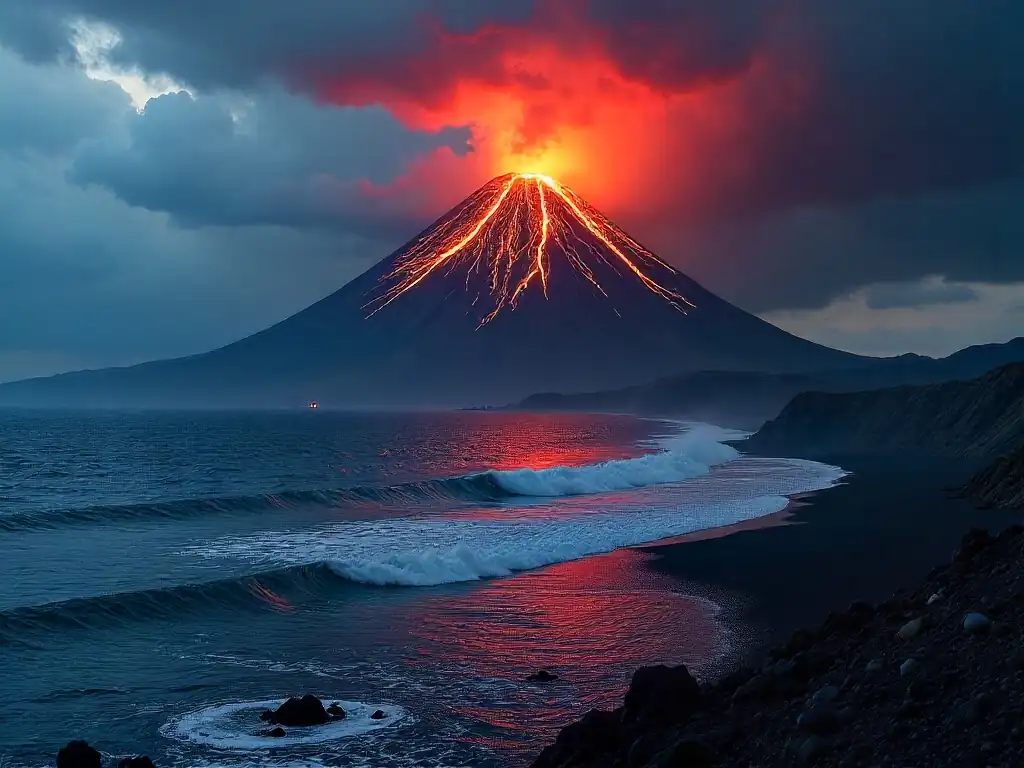
Ever wondered what happens beyond the fiery spectacle of a volcanic eruption? VolcanoExplorers.org invites you to uncover the hidden link between volcanic activity and one of nature's most terrifying forces: tsunamis. Discover the explosive truth behind the volcanoes and tsunamis connection and how these seemingly disparate events can unleash devastating waves. Are you ready to explore the science and the risks? Dive in and learn more about this crucial aspect of volcano safety and preparedness.
- Volcanoes and Tsunamis Connection: An Introduction
- The Science Behind Volcanic Tsunamis: How it Works
- Types of Volcanic Eruptions That Can Cause Tsunamis
- Case Studies: Volcanic Tsunamis Throughout History
- Predicting and Monitoring Volcanic Tsunami Risks
- Preparing for Volcanic Tsunamis: Safety and Mitigation
- The Future of Volcano-Tsunami Research
- Conclusion: The Ongoing Threat of Volcano-Generated Tsunamis
- Frequently Asked Questions
- Final Reflection: The Unseen Reach of Volcanic Fury
- Unleash Your Inner Volcanologist: Learn More!
Volcanoes and Tsunamis Connection: An Introduction
Understanding the Devastating Link Between Volcanic Eruptions and Tsunamis
Volcanoes, often visualized as erupting lava and ash, possess another, equally destructive capability: triggering tsunamis. While earthquakes are the most widely recognized cause of these colossal ocean waves, volcanic activity presents a significant, albeit less frequent, source. The connection between volcanoes and tsunamis is a critical aspect of understanding volcanic hazards, especially for coastal communities near active volcanic regions. These volcano-generated tsunamis, or volcanogenic tsunamis, can arise from a variety of volcanic processes, often with devastating consequences that extend far beyond the immediate vicinity of the eruption.
The power of a volcanic tsunami can be immense. Unlike earthquake-generated tsunamis that typically originate from tectonic plate movement, volcanic tsunamis can be generated by the sheer force of an eruption, massive landslides caused by volcanic instability, or even the collapse of a volcanic caldera. These events displace vast volumes of water, creating waves that can travel across entire oceans, impacting distant shorelines. The study of the volcanoes and tsunamis connection is therefore vital for comprehensive disaster preparedness and risk mitigation in volcanically active areas.
Why Volcano Explorers Should Understand Volcano-Generated Tsunamis
For Volcano Explorers, understanding the link between volcanoes and tsunamis is paramount. While the allure of witnessing volcanic eruptions firsthand is undeniable, comprehending the full spectrum of volcanic hazards is essential for safe exploration and responsible engagement with these natural wonders. Volcanoes are not just land-based phenomena; many are located near coastlines or are submarine volcanoes, directly interfacing with the ocean. This proximity drastically increases the risk of tsunami generation, making it a relevant concern for anyone studying or venturing near volcanoes.
Moreover, the impact of volcano-generated tsunamis extends beyond immediate coastal areas. The 2018 Anak Krakatau tsunami, for instance, although relatively small compared to some historical events, demonstrated the rapid and unexpected nature of these hazards, impacting coastlines in Indonesia. Volcano Explorers, dedicated to understanding and sharing knowledge about volcanoes, must be aware of this less visible but equally potent threat. By learning about the mechanisms, historical examples, and warning signs of volcanic tsunamis, enthusiasts and researchers alike can contribute to greater awareness and safety around these dynamic geological features.
The Science Behind Volcanic Tsunamis: How it Works
Volcanic Eruptions as a Tsunami Source
Volcanic eruptions themselves can directly generate tsunamis through several mechanisms. Explosive eruptions, particularly those involving Plinian or Vulcanian styles, can displace a significant volume of water. When a powerful eruption occurs near or beneath the sea surface, the sudden expulsion of volcanic material and gases can push water outward, initiating a tsunami wave. This direct displacement mechanism is most effective when the eruption column is substantial and interacts directly with a large body of water.
Furthermore, the pressure pulse from a powerful underwater explosion can also propagate through the water column, creating a tsunami. Think of it like dropping a large rock into a pond; the initial splash generates ripples that spread outwards. In the case of a submarine volcanic eruption, or a coastal eruption with significant explosive force, this "splash" can be on a colossal scale, resulting in a powerful tsunami. The energy released during an eruption is transferred to the water, driving the formation and propagation of tsunami waves away from the volcanic source.
Landslides and Debris Avalanches: A Major Trigger
Landslides and debris avalanches triggered by volcanic activity are among the most common and potent causes of volcanogenic tsunamis. Volcanoes are inherently unstable structures due to their steep slopes, the accumulation of volcanic debris, and the weakening of rock by hydrothermal alteration and seismic activity. During or even independently of an eruption, large sections of a volcano's flank can collapse and plunge into the ocean.
These collapses can involve massive volumes of rock and debris, sometimes exceeding cubic kilometers. For example, the 1980 Mount St. Helens eruption in the United States was preceded by a massive landslide triggered by an earthquake and volcanic bulge instability. While this particular landslide did not generate a major transoceanic tsunami because it was largely inland, a similar event occurring directly into the ocean would have created a significant tsunami. The sudden displacement of water by these massive landslides is a highly efficient tsunami generation mechanism, often resulting in localized but extremely destructive waves.
Caldera Collapses: Creating Massive Waves
Caldera collapses, the sinking of a volcano's summit region following a large eruption as the magma chamber empties, represent another significant tsunami threat. These collapses can involve vast areas and volumes of rock subsiding into the void left by the evacuated magma. If a caldera collapse occurs in a coastal or island volcano, the inward movement of land can force water upwards and outwards, generating a tsunami.
The scale of caldera collapses can be enormous. Ancient caldera collapses, like those that formed Lake Toba in Indonesia or Crater Lake in the United States, involved subsidence of hundreds to thousands of cubic kilometers of material. While these ancient events occurred over longer timescales than a typical tsunami event, a more rapid caldera collapse, particularly in a submarine or coastal setting, could generate a truly mega-tsunami, capable of impacting coastlines thousands of kilometers away. The potential energy release during a caldera collapse is immense, making it a high-impact, low-frequency tsunami generation mechanism.
Pyroclastic Flows Entering the Ocean: A Deadly Combination
Pyroclastic flows, scorching hot mixtures of gas, ash, and volcanic rock that travel rapidly down the flanks of volcanoes, pose a unique and particularly dangerous tsunami hazard when they reach the ocean. These flows, moving at speeds exceeding highway speeds and temperatures reaching hundreds of degrees Celsius, can displace water in two ways. First, the momentum of the flow itself as it enters the water can push water outwards, creating a tsunami wave.
Second, and perhaps more significantly, the intense heat of the pyroclastic flow can cause the water to flash-boil and expand rapidly. This rapid expansion of water vapor effectively acts as an explosive force, further amplifying the tsunami generation. The combination of momentum transfer and steam explosion from pyroclastic flows entering the ocean makes them a particularly hazardous tsunami trigger, often producing localized but very powerful waves close to the volcanic source. These tsunamis can arrive with little warning, compounding the already devastating impact of the pyroclastic flow itself.
Types of Volcanic Eruptions That Can Cause Tsunamis
Explosive Eruptions: The Most Common Culprit
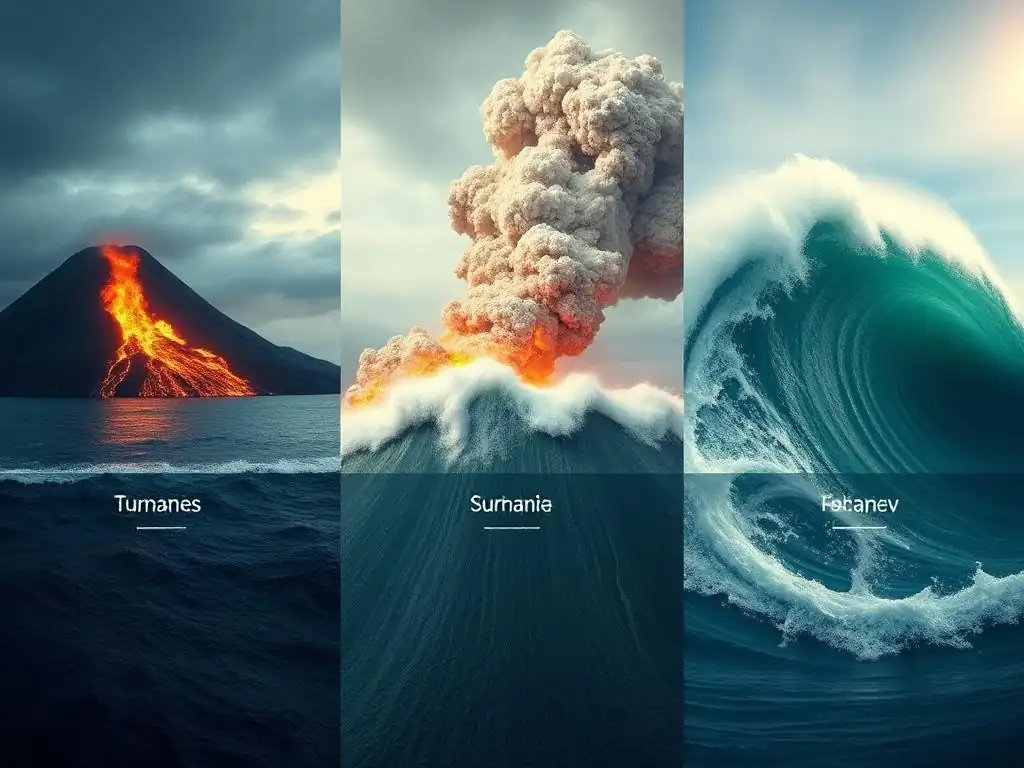
Explosive volcanic eruptions are the most frequently associated type of eruption with tsunami generation. These eruptions, characterized by the violent ejection of ash, gas, and rock fragments, can directly displace water through the eruption column and pressure pulse mechanisms described earlier. The intensity of the explosion, the volume of erupted material, and the proximity of the eruption to a body of water all contribute to the tsunami potential.
Plinian eruptions, named after Pliny the Younger's description of the 79 AD eruption of Mount Vesuvius, are a prime example of explosive eruptions capable of triggering tsunamis. These are characterized by sustained, high eruption columns that can reach tens of kilometers into the atmosphere. The sheer force and volume of material ejected during a Plinian eruption, especially if it occurs near the coast or from a volcanic island, can readily generate a significant tsunami. Vulcanian eruptions, while smaller than Plinian eruptions, can also trigger tsunamis, particularly if they are highly explosive and occur in a coastal or submarine environment.
Submarine volcanoes, those located entirely or partially beneath the ocean surface, represent a particularly insidious tsunami threat. Eruptions from submarine volcanoes are often hidden from direct observation until they break the surface, making early warning more challenging. However, even eruptions that do not break the surface can generate tsunamis. The explosive force of a submarine eruption is directly transferred to the surrounding water, making tsunami generation highly efficient.
Furthermore, submarine volcanoes are prone to flank collapses and landslides, often triggered by the instability caused by eruptive activity and hydrothermal alteration. These submarine landslides can be particularly dangerous as they are difficult to detect in real-time and can generate tsunamis that propagate outwards in all directions. The lack of visual cues and the direct interaction with the water column make submarine volcano eruptions and associated landslides a significant, often underestimated, source of volcanogenic tsunamis. The Tonga eruption in 2022, while debated in terms of its primary tsunami mechanism, highlighted the potential for significant tsunamis from submarine volcanic activity.
Flank Collapses: Unstable Volcanoes and Tsunami Risk
Volcanic flank collapses, as discussed earlier, are a major tsunami trigger, and certain types of volcanoes are particularly prone to these events. Steep-sided stratovolcanoes, composed of layers of lava and ash, are inherently less stable than shield volcanoes, which have gentler slopes. Hydrothermal alteration, the process where hot, chemically-active water weakens volcanic rocks, further destabilizes volcanic edifices, increasing the risk of flank collapse.
Island volcanoes, rising steeply from the ocean floor, are especially vulnerable to flank collapses that can generate large tsunamis. The Cumbre Vieja volcano on La Palma in the Canary Islands is a frequently cited example of a volcano with a potentially unstable flank.
While the likelihood and exact mechanism of a future flank collapse at Cumbre Vieja are still debated, the potential for such an event to generate a large, transoceanic tsunami impacting the Americas and Europe highlights the significant risk posed by unstable volcanic flanks. Monitoring these unstable volcanoes and understanding the factors that trigger flank collapses are crucial for mitigating volcanogenic tsunami risk.
Case Studies: Volcanic Tsunamis Throughout History
Krakatoa 1883: A Classic Example of Volcanic Tsunami Devastation
The 1883 eruption of Krakatoa in Indonesia stands as a stark reminder of the devastating power of volcano-generated tsunamis. This colossal eruption, one of the largest in recorded history, generated a tsunami that claimed an estimated 36,000 lives. The primary mechanism for the Krakatoa tsunami is believed to be a combination of caldera collapse and pyroclastic flows entering the sea. The massive explosions and the subsequent collapse of the volcanic edifice into the ocean displaced an enormous volume of water.
The Krakatoa tsunami was not just a localized event; it was recorded on tide gauges as far away as South America and even the English Channel. Waves reached heights of over 40 meters in some coastal areas of Java and Sumatra, devastating entire settlements and causing widespread destruction. The 1883 Krakatoa tsunami serves as a classic example of the long-range impact of volcanogenic tsunamis and underscores the importance of understanding these hazards, even in locations seemingly distant from the source volcano. The event remains a benchmark for assessing volcanic tsunami risk and preparedness.
Unzen-Mayuyama 1792: A Deadly Landslide Tsunami
The 1792 Unzen-Mayuyama eruption in Japan provides a tragic case study of a landslide-generated volcanic tsunami. While the eruption itself was relatively small, it triggered a massive flank collapse of the Mayuyama dome of the Unzen volcano. This collapse, estimated to involve around 0.5 cubic kilometers of rock, plunged into the Ariake Bay, generating a devastating tsunami.
The Unzen-Mayuyama tsunami is considered one of the deadliest volcano-related disasters in history, claiming approximately 15,000 lives. The tsunami waves reached heights of up to 50 meters in some areas, inundating heavily populated coastal regions. This event highlights the extreme tsunami potential of even relatively small volcanic eruptions when they trigger significant landslides. The Unzen-Mayuyama disaster underscores the localized but intense destructive power of landslide-generated tsunamis and the importance of considering volcanic flank stability in tsunami hazard assessments.
Anak Krakatau 2018: A Recent Example of Volcanic Tsunami
The 2018 eruption of Anak Krakatau, Krakatoa's volcanic offspring, in Indonesia, provided a recent and poignant example of a volcanogenic tsunami. This eruption, while much smaller than the 1883 Krakatoa event, still generated a deadly tsunami that struck the coastlines of Java and Sumatra, killing over 400 people and injuring thousands more. The tsunami was triggered by a flank collapse of the Anak Krakatau volcano, likely destabilized by the ongoing eruption.
The Anak Krakatau 2018 tsunami was particularly challenging to predict and warn for because it was not triggered by a major earthquake, the typical trigger for tsunami warning systems in the region. The rapid onset and localized nature of the landslide-generated tsunami caught many communities by surprise.
This event highlighted the need for improved monitoring of volcanic flank stability and the development of tsunami warning systems that can detect and respond to non-earthquake tsunami sources. The Anak Krakatau tsunami served as a crucial reminder that volcanogenic tsunamis remain a significant and ongoing threat in volcanically active regions, even from relatively smaller eruptions.
Predicting and Monitoring Volcanic Tsunami Risks
Challenges in Forecasting Volcanic Tsunamis
Predicting volcanic tsunamis presents unique challenges compared to earthquake-generated tsunamis. Earthquake tsunamis are often preceded by a detectable seismic event that triggers warning systems. However, volcanic tsunamis can be triggered by a variety of volcanic processes, including eruptions, landslides, caldera collapses, and pyroclastic flows, which may not always be preceded by a clear or easily detectable precursor signal in time for effective warning.
Landslide-generated tsunamis, like those from flank collapses, are particularly difficult to forecast. While monitoring volcanic deformation and seismicity can provide some indication of potential instability, predicting the exact timing and magnitude of a landslide is still a significant scientific challenge. Submarine volcanic eruptions and associated tsunamis are also difficult to detect and monitor in real-time due to their hidden nature. Improving volcanic tsunami forecasting requires enhanced monitoring techniques, better understanding of volcanic processes, and more sophisticated tsunami modeling capabilities.
Seismic Monitoring and Early Warning Systems
Seismic monitoring plays a crucial role in volcanic tsunami early warning systems, although its effectiveness is limited for non-eruption triggered events. Seismic networks around volcanoes can detect increased seismicity that might precede an eruption or a landslide, providing some advance warning. Real-time seismic data can be used to detect large earthquakes that could trigger tsunamis, regardless of whether they are directly related to volcanic activity.
However, traditional earthquake-based tsunami warning systems are less effective for volcanic tsunamis triggered by landslides or pyroclastic flows. These events may not generate a strong seismic signal that is readily detectable by distant seismic stations. Therefore, supplementing seismic monitoring with other techniques, such as deformation monitoring (using GPS and satellite radar), acoustic sensors (to detect underwater explosions or landslides), and rapid tsunami detection buoys closer to volcanic sources, is essential for improving volcanogenic tsunami early warning capabilities.
Coastal Vulnerability Assessments
Coastal vulnerability assessments are critical for mitigating the impact of volcanic tsunamis. These assessments involve identifying coastal areas that are particularly susceptible to tsunami inundation based on factors such as topography, bathymetry (undersea terrain), and proximity to volcanic sources. High-resolution topographic and bathymetric data are used to model tsunami inundation zones and identify areas at greatest risk.
Vulnerability assessments also consider population density, infrastructure, and critical facilities located within potential tsunami inundation zones. This information is used to develop evacuation plans, land-use zoning regulations, and building codes that minimize tsunami risk. For example, areas identified as highly vulnerable might be designated for parks or less critical infrastructure, while essential facilities like hospitals and emergency services should be located outside of tsunami inundation zones. Regularly updating coastal vulnerability assessments and incorporating new scientific understanding of volcanic tsunami hazards are vital for effective risk reduction.
Preparing for Volcanic Tsunamis: Safety and Mitigation
Understanding Tsunami Warning Signs
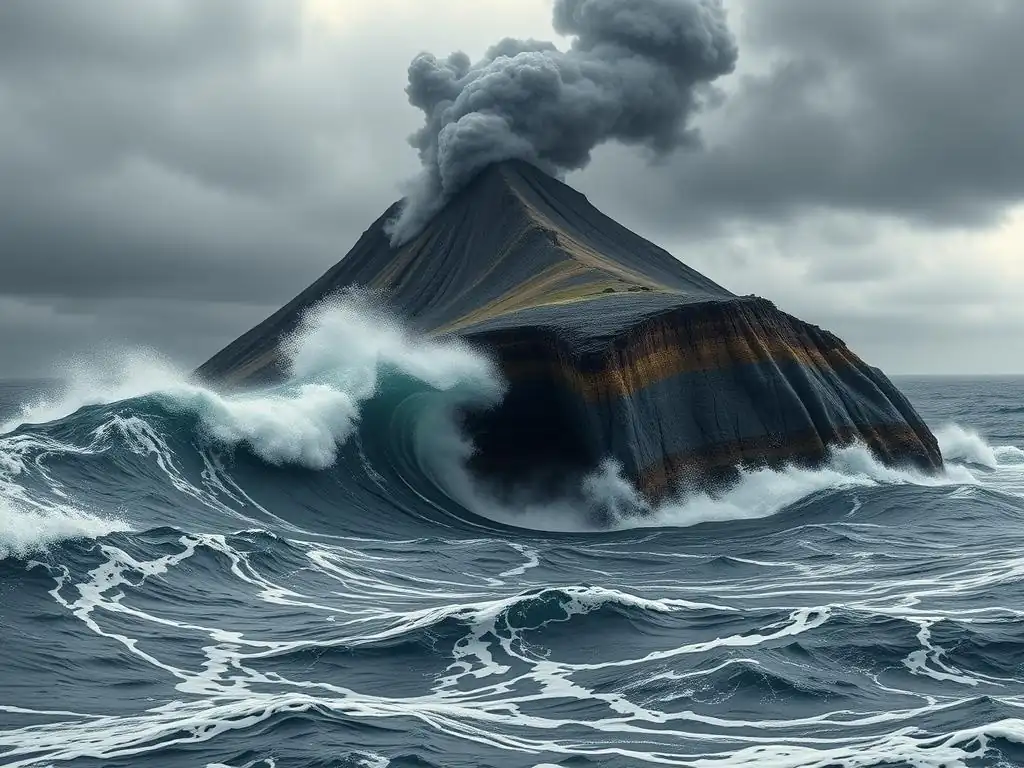
Understanding natural tsunami warning signs is crucial for coastal communities in volcanically active regions. While official tsunami warnings are disseminated through sirens, radio, television, and mobile alerts, natural warnings can provide immediate, localized alerts even before official warnings are issued. A strong earthquake felt in a coastal area is a primary natural tsunami warning sign, even if it's not directly volcanic in origin.
Other natural warning signs include a sudden rise or fall in sea level, which can indicate the arrival of a tsunami wave, and a loud roar from the ocean, which can be the sound of the approaching tsunami. If any of these natural warning signs are observed, immediate evacuation to higher ground is essential, even without an official warning. Educating coastal communities about these natural warning signs and promoting proactive self-evacuation can save lives in the event of a volcanic tsunami.
Evacuation Planning for Coastal Communities
Effective evacuation planning is paramount for coastal communities living near volcanoes with tsunami potential. Evacuation plans should be based on coastal vulnerability assessments and clearly define evacuation routes, assembly points on higher ground, and communication protocols. Regular tsunami evacuation drills are essential to ensure that communities are familiar with evacuation procedures and can respond quickly and effectively in an emergency.
Evacuation plans should also consider the specific characteristics of volcanic tsunamis, which can be very rapid onset, especially for landslide-generated events. "Vertical evacuation," where people move to the upper floors of sturdy, tsunami-resistant buildings, can be a viable option in areas where horizontal evacuation to higher ground is not feasible within the short timeframe. Community education and engagement are crucial for successful evacuation planning, ensuring that residents understand the risks, know the evacuation routes, and are prepared to act quickly when a tsunami threat arises.
Building Tsunami-Resistant Infrastructure
Building tsunami-resistant infrastructure is a long-term mitigation strategy for reducing the impact of volcanic tsunamis. This includes designing and constructing buildings that can withstand tsunami forces, particularly in critical infrastructure sectors like hospitals, schools, and emergency services. Elevating buildings on stilts or mounds, using reinforced concrete construction, and orienting buildings parallel to the expected tsunami flow direction can enhance their tsunami resistance.
Coastal defenses, such as seawalls, breakwaters, and mangroves, can also provide some level of protection against smaller tsunamis. However, it's important to recognize that no structure can completely eliminate tsunami risk, especially from very large events. Tsunami-resistant infrastructure should be viewed as one component of a comprehensive tsunami mitigation strategy that also includes early warning systems, evacuation planning, and community preparedness. Land-use planning that restricts development in high-risk tsunami zones is also a crucial aspect of long-term mitigation.
The Future of Volcano-Tsunami Research
Improving Tsunami Modeling and Prediction
The future of volcano-tsunami research is focused on improving tsunami modeling and prediction capabilities. Current tsunami models are becoming increasingly sophisticated, incorporating more detailed bathymetry, topography, and source mechanisms. Researchers are working to develop models that can better simulate the complex processes involved in volcanogenic tsunami generation, including landslides, pyroclastic flows, and caldera collapses.
Advanced computational techniques and high-performance computing are enabling more realistic and higher-resolution tsunami simulations. These improved models will be crucial for refining tsunami hazard assessments, developing more accurate inundation maps, and enhancing early warning systems. Data from past volcanic tsunamis, like Krakatoa and Anak Krakatau, are being used to validate and improve these models, leading to more reliable predictions of future events.
Understanding Submarine Volcanoes Better
Understanding submarine volcanoes and their tsunami potential is a critical area of ongoing research. Submarine volcanoes are less well-studied than their subaerial counterparts, and their eruptive behavior and landslide potential are less understood. Oceanographic research expeditions, using remotely operated vehicles (ROVs), autonomous underwater vehicles (AUVs), and seafloor observatories, are providing new insights into submarine volcanic processes.
Improved bathymetric mapping of the seafloor, coupled with geophysical surveys and geochemical analysis, is helping to identify and characterize submarine volcanoes. Monitoring submarine volcanic activity, using hydroacoustic sensors and pressure sensors, is crucial for detecting eruptions and potential tsunami-generating events. Research into submarine landslides and their tsunami generation mechanisms is also essential for assessing the full spectrum of tsunami hazards from submarine volcanoes.
Utilizing AI for Enhanced Tsunami Detection
Artificial intelligence (AI) and machine learning are emerging as powerful tools for enhancing tsunami detection and early warning systems. AI algorithms can be trained to analyze vast datasets of seismic, hydroacoustic, and sea-level data to detect subtle patterns and anomalies that might indicate an impending tsunami. Machine learning can improve the speed and accuracy of tsunami detection, potentially providing earlier warnings and reducing false alarms.
AI can also be used to optimize tsunami warning dissemination, tailoring alerts to specific coastal communities based on real-time tsunami model predictions and vulnerability assessments. For example, AI-powered systems could automatically generate targeted mobile alerts and social media messages to people in at-risk areas. The integration of AI into tsunami early warning systems has the potential to significantly improve their effectiveness and save lives in the future.
Conclusion: The Ongoing Threat of Volcano-Generated Tsunamis
Emphasizing the Importance of Preparedness and Research
Volcano-generated tsunamis represent a significant and ongoing threat in many parts of the world. While less frequent than earthquake tsunamis, they can be equally, if not more, devastating, particularly in coastal regions close to active volcanoes. The diverse mechanisms of volcanogenic tsunami generation, including eruptions, landslides, caldera collapses, and pyroclastic flows, make them a complex and challenging hazard to predict and mitigate.
Continued research into volcanic processes, improved tsunami modeling, enhanced monitoring techniques, and robust early warning systems are essential for reducing the risk from volcano-generated tsunamis. Preparedness at the community level, including evacuation planning, tsunami education, and tsunami-resistant infrastructure, is equally crucial for minimizing the impact of these events. The lessons learned from historical and recent volcanic tsunamis underscore the need for sustained vigilance and proactive mitigation efforts in volcanically active coastal regions.
Volcano Explorers: Staying Informed and Safe Near Volcanoes
For Volcano Explorers, understanding the connection between volcanoes and tsunamis is not just an academic exercise; it is a matter of safety and responsible engagement with these powerful natural forces. Staying informed about volcanic hazards, including tsunami risks, is paramount for anyone venturing near active volcanoes, especially those located near coastlines or on volcanic islands.
VolcanoExplorers.org serves as a valuable resource for learning about volcanoes and associated hazards. By exploring the educational content, staying updated on volcanic activity worldwide, and understanding tsunami warning signs and safety guidelines, Volcano Explorers can contribute to a culture of preparedness and safety in volcanic regions. Respecting the power of volcanoes, including their capacity to generate devastating tsunamis, is essential for both personal safety and the responsible exploration of these dynamic and awe-inspiring geological features.
Frequently Asked Questions
How can a volcano cause a tsunami?
Volcanoes can trigger tsunamis through several mechanisms, including undersea volcanic eruptions, volcanic landslides into the ocean, and caldera collapses. These events displace large volumes of water, generating powerful waves.
What are some examples of historical tsunamis caused by volcanoes?
The Krakatoa eruption of 1883 is a famous example, generating a massive tsunami that caused widespread devastation. Another example is the Unzen Volcano landslide in 1792 in Japan, which triggered a significant tsunami.
Are all volcanic eruptions likely to cause tsunamis?
No, not all volcanic eruptions trigger tsunamis. The likelihood depends on factors like the eruption's location (undersea or coastal), the explosivity of the eruption, and whether it causes a large-scale collapse or landslide.
What makes volcanic tsunamis particularly dangerous?
Volcanic tsunamis can be especially dangerous because they can be very sudden and localized, giving people less time to react. Also, they can be triggered by events other than just the eruption itself, such as flank collapse.
What can be done to mitigate the risks of tsunamis caused by volcanoes?
Early warning systems that monitor volcanic activity and detect sudden sea level changes are crucial. Also, community education on evacuation procedures and understanding warning signs can save lives in areas prone to volcanic tsunamis.
Final Reflection: The Unseen Reach of Volcanic Fury
The exploration of the volcanoes and tsunamis connection reveals a stark reality: the earth's most dramatic forces are often intertwined in ways we are only beginning to fully understand. The immediate devastation of a volcanic eruption is undeniable, but the potential for a subsequent tsunami extends that reach, transforming a localized disaster into a widespread catastrophe with global implications. This understanding demands a renewed focus on early warning systems and comprehensive disaster preparedness.
The impact of these events resonates far beyond the immediate loss of life and property. The subtle, yet profound, influence of these natural disasters shapes our collective memory and forces us to confront the raw power of nature. It compels us to consider our vulnerability and the interconnectedness of our world. We cannot stop natural disasters but we can arm ourselves with knowledge: so many lives wouldn't have to be lost if there was enough disaster preparedness.
- Petra Nemcova. This quote underscores the critical importance of proactive measures in mitigating the devastating consequences of these interconnected events.
As you reflect on the powerful forces explored within this article, consider the role you can play in fostering awareness and promoting preparedness within your own community. Let the knowledge gained here inspire you to advocate for improved early warning systems, support research into these complex phenomena, and contribute to a more resilient future for all. The earth speaks to us through these events; are we listening closely enough to learn from its lessons?
Unleash Your Inner Volcanologist: Learn More!
Thanks for exploring the powerful connection between volcanoes and tsunamis. We hope you gained a deeper understanding of these complex natural disasters. Now, let's build on that knowledge.
Here's how you can continue learning and contributing to preparedness:
- Spread the Word: Share this article with others to increase awareness of the volcanic link to tsunamis.:
- Explore our interactive map on VolcanoExplorers.org to discover historical volcanic tsunami events and identify potentially vulnerable coastal regions.
- Join the Conversation: Share your thoughts on improving early warning systems for volcanic tsunamis in the comments below!