
Volcano's Hidden Fury: Unmasking the Threat of Volcanic Tsunamis

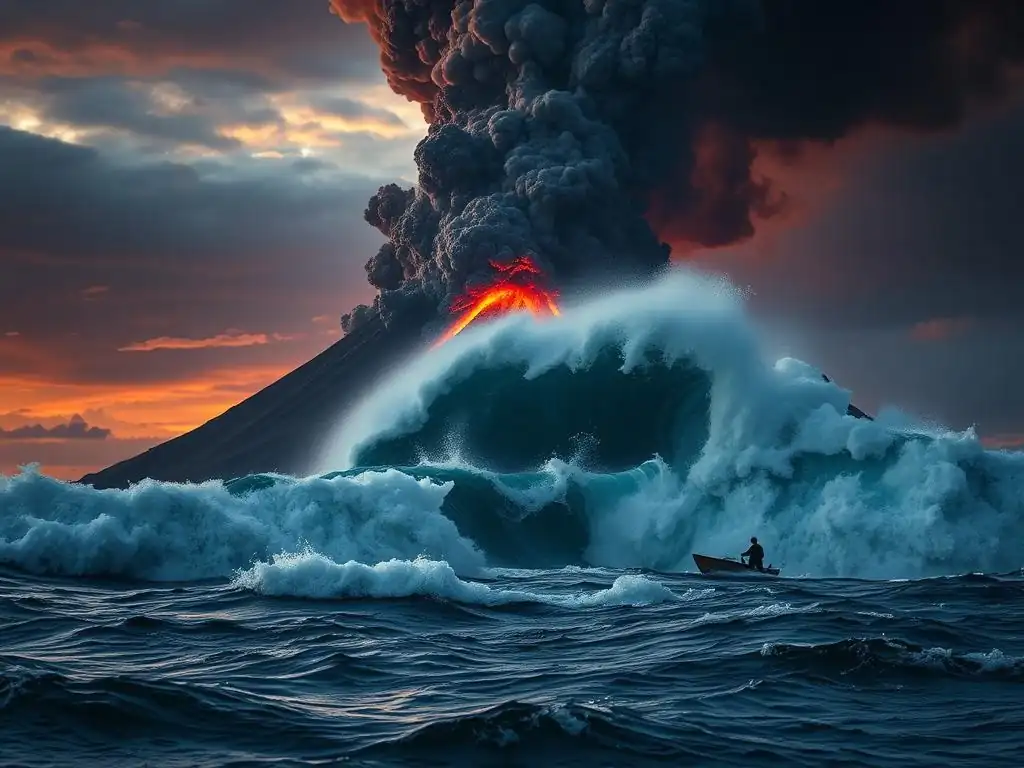
Welcome to Volcano Explorers, where we unearth the Earth's fiery secrets. But what happens when the volcano's fury reaches the sea? Volcanic tsunamis can be devastating, and understanding their unique dangers is crucial. Are you prepared for a wave born of fire? Dive into our latest article for essential safety tips and discover how to stay safe when the volcano's hidden fury unleashes its watery wrath.
- Understanding Volcanic Tsunamis: A Deadly Synergy
- Recognizing the Warning Signs of Volcanic Tsunamis
- Volcanic Tsunamis Safety Tips: Protecting Yourself and Your Community
- Case Studies: Examining Historical Volcanic Tsunamis
- Volcano Tsunami Preparedness: Actions to Take Before, During, and After
- The Role of Volcanologists in Predicting and Monitoring Volcanic Tsunami Risks
- Living Near Volcanoes: Mitigating the Risks of Volcanic Tsunamis
- Resources for Volcanic Tsunami Information and Safety
-
Frequently Asked Questions
- What exactly is a volcanic tsunami?
- How are volcanic tsunamis different from regular tsunamis caused by earthquakes?
- What are some key safety tips to remember during a volcanic tsunami threat?
- What are the warning signs of a potential volcanic tsunami, even without an official alert?
- Where can I find real-time updates on volcanic activity and potential tsunami threats?
- Final Reflection: Riding the Seismic Waves of Awareness
- Ignite Your Inner Explorer: Take Action Against Volcanic Tsunamis!
Understanding Volcanic Tsunamis: A Deadly Synergy
What are Volcanic Tsunamis and How Do They Form?
Volcanic tsunamis, also known as volcanogenic tsunamis, are powerful ocean waves generated by volcanic activity. Unlike typical tsunamis caused by underwater earthquakes, volcanic tsunamis are triggered by a range of volcanic phenomena. These include violent submarine eruptions, caldera collapses, flank collapses of volcanic islands or coastal volcanoes, and pyroclastic flows or landslides entering the sea.
The sheer force of these events displaces massive volumes of water, initiating a series of waves that radiate outwards from the source. The energy released during these volcanic events is immense, capable of generating tsunamis that can travel across entire oceans and devastate coastal communities far from the volcanic source.
The formation process varies depending on the specific volcanic trigger. For instance, a powerful explosive eruption beneath the sea surface can directly push water upwards, creating a tsunami wave. Alternatively, the collapse of a volcano's flank, either due to instability or triggered by an eruption, can rapidly displace water, forming a tsunami. Pyroclastic flows, hot, fast-moving currents of gas and volcanic matter, can also generate tsunamis when they plunge into the sea, transferring their momentum to the water. Understanding these diverse formation mechanisms is crucial for assessing volcanic tsunami hazards and developing effective warning systems.
The Unique Dangers of Tsunamis Triggered by Volcanoes
Volcanic tsunamis present unique challenges compared to earthquake-generated tsunamis. Firstly, they can be generated much closer to coastal areas, sometimes with very little warning time. While earthquake tsunamis often originate far offshore, giving some time for alerts and evacuation, volcanic tsunamis can arise from coastal or island volcanoes, leaving communities with minimal time to react. This proximity factor significantly reduces the window for detection and response, making them particularly dangerous for nearby populations.
Secondly, volcanic tsunamis can be more unpredictable. The complex and varied nature of volcanic eruptions and associated events means that tsunami generation is less straightforward to forecast than with seismic tsunamis. Factors like the type of eruption, the volcano's structure, and the surrounding bathymetry all influence the size and characteristics of the resulting tsunami. Furthermore, volcanic activity can trigger multiple tsunami-generating events in relatively short succession, compounding the hazard and requiring sustained vigilance and preparedness. The combination of short warning times and unpredictable triggers makes volcanic tsunamis a particularly insidious and challenging natural hazard to manage.
Recognizing the Warning Signs of Volcanic Tsunamis
Identifying Precursors to Volcanic Eruptions That Can Cause Tsunamis
Recognizing precursors to volcanic eruptions is crucial for anticipating potential volcanic tsunamis. Increased volcanic activity is the primary indicator. This can manifest in various ways, including a rise in the frequency and intensity of volcanic earthquakes. Seismic monitoring is a key tool, and volcanologists carefully track changes in earthquake patterns around volcanoes. Another crucial sign is ground deformation, where the volcano's surface swells or changes shape due to magma accumulating beneath. This can be detected using GPS and satellite-based InSAR (Interferometric Synthetic Aperture Radar) technology.
Changes in gas emissions from a volcano are also significant precursors. An increase in the release of volcanic gases like sulfur dioxide (SO2) can signal rising magma and potential eruptive activity. Volcanologists use specialized instruments to measure gas fluxes and analyze their composition. Additionally, visual observations of increased steam or ash plumes, or changes in the color or temperature of volcanic lakes, can indicate heightened unrest. Monitoring these diverse precursors provides valuable information for assessing the likelihood of an eruption and the associated risk of volcanic tsunamis.
Detecting Tsunami Warning Systems and Heeding Early Alerts
Effective tsunami warning systems are essential for mitigating the impact of volcanic tsunamis. These systems rely on a network of sensors and communication infrastructure to detect tsunamis rapidly and disseminate alerts to vulnerable coastal communities. For volcanic tsunamis, near-source detection is particularly important due to the short warning times. This involves deploying sea-level sensors, such as Deep-ocean Assessment and Reporting of Tsunamis (DART) buoys, and coastal tide gauges, close to active volcanic areas. Seismic networks also play a crucial role in detecting volcanic earthquakes that could trigger tsunamis.
When a potential tsunami-generating event is detected, warning centers issue alerts to designated authorities and the public. These alerts are disseminated through various channels, including sirens, radio and television broadcasts, mobile phone alerts, and internet platforms. It is vital for communities in volcanic tsunami-prone areas to be familiar with their local warning systems and to heed early alerts immediately.
Understanding the different levels of alerts – from advisory to watch to warning – and knowing the appropriate response for each is crucial for ensuring safety during a volcanic tsunami event. Prompt and informed action based on these warnings is the most effective way to minimize casualties and damage.
Volcanic Tsunamis Safety Tips: Protecting Yourself and Your Community
Developing a Volcanic Tsunami Emergency Plan: Preparation is Key
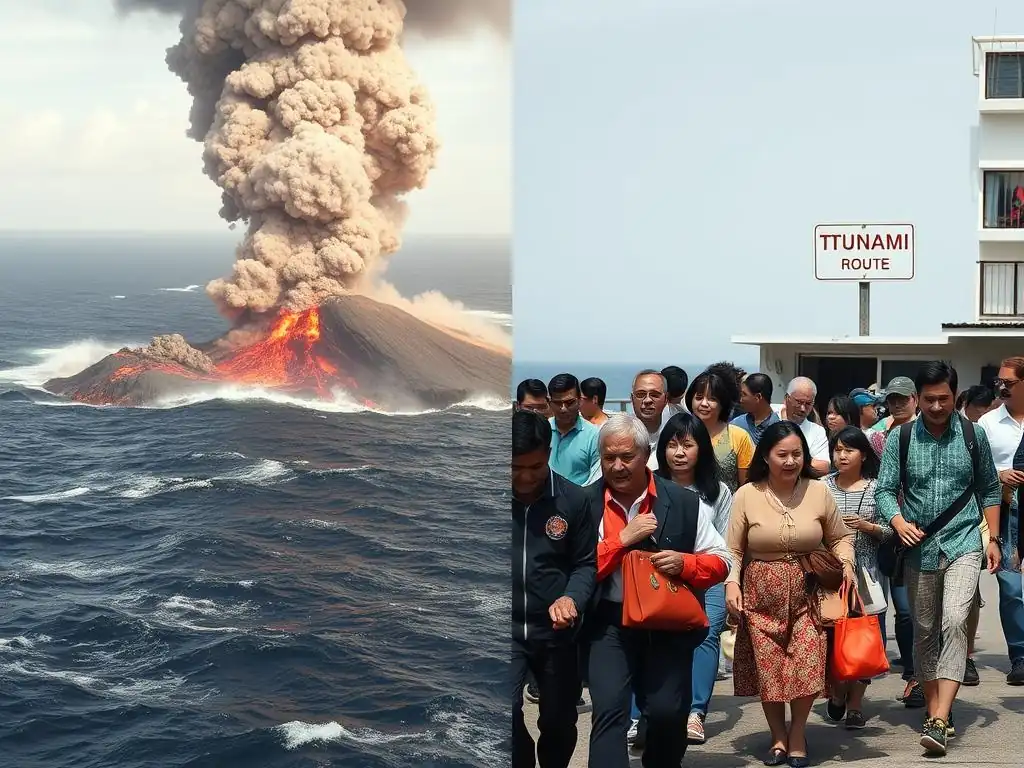
Developing a comprehensive volcanic tsunami emergency plan is paramount for communities living near volcanoes. This plan should be a collaborative effort involving local authorities, emergency responders, and residents. A crucial component is identifying safe evacuation routes to higher ground and designating assembly points away from potential tsunami inundation zones. These routes should be clearly marked and regularly practiced through drills. The plan should also outline communication protocols to ensure that warnings and instructions reach everyone effectively, especially those with limited access to conventional communication channels.
Furthermore, emergency plans should include provisions for vulnerable populations, such as the elderly, people with disabilities, and tourists unfamiliar with the area. Specific assistance plans and designated support personnel should be in place to ensure their safe evacuation. Stockpiling emergency supplies, including food, water, first-aid kits, flashlights, and radios, is another essential aspect of preparedness. Regularly reviewing and updating the plan, incorporating lessons learned from drills and real events, ensures its effectiveness and relevance. Proactive planning and community-wide participation are the cornerstones of volcanic tsunamis safety tips and resilient communities.
Evacuation Strategies: When and How to Seek Higher Ground
Effective evacuation strategies are critical when facing a volcanic tsunami threat. The primary volcanic tsunamis safety tip is to evacuate immediately upon receiving a tsunami warning or observing natural warning signs, such as a sudden receding of the sea or a loud volcanic explosion. Do not wait for official instructions if you are near the coast and feel a strong earthquake or witness volcanic activity that could generate a tsunami. Time is of the essence, and swift action can save lives.
Evacuation routes should lead to designated safe zones located at higher elevations, ideally at least 30 meters (100 feet) above sea level or 1.6 kilometers (1 mile) inland. Move quickly and calmly, following pre-established evacuation routes and avoiding low-lying areas and river valleys that could channel tsunami waves. If driving, be mindful of traffic congestion and consider alternative routes if necessary.
If caught in a tsunami, grab onto something that floats to stay above the water and avoid being swept away by strong currents. Remember, the first wave may not be the largest, and subsequent waves can be even more dangerous. Do not return to the coast until authorities declare it safe, as tsunami waves can continue for hours after the initial event.
Understanding Volcanic Tsunami Hazard Zones and Risk Assessment
Understanding volcanic tsunami hazard zones is fundamental for informed decision-making and effective risk reduction. Hazard maps delineate areas at risk of inundation from volcanic tsunamis, typically based on historical events, numerical modeling, and topographic data. These maps are crucial for land-use planning, infrastructure development, and evacuation planning. Communities living within identified hazard zones should be particularly vigilant and prepared. Risk assessments evaluate the probability of a volcanic tsunami occurring and the potential consequences, considering factors like population density, infrastructure vulnerability, and the level of preparedness.
Volcano observatories and geological surveys play a vital role in conducting hazard assessments and producing hazard maps. They utilize scientific data and modeling techniques to estimate potential tsunami run-up heights and inundation areas for different volcanic scenarios. Local authorities should use these hazard assessments to implement building codes, land-use regulations, and coastal defenses in high-risk zones. Public awareness campaigns should educate residents about volcanic tsunami hazards, risk zones, and appropriate safety measures. Regularly updating hazard assessments and maps as new scientific information becomes available ensures that risk management strategies remain current and effective, enhancing overall volcanic tsunamis safety.
Case Studies: Examining Historical Volcanic Tsunamis
Krakatoa (1883): A Devastating Example of Volcanic Tsunami Power
The 1883 eruption of Krakatoa in Indonesia stands as a stark reminder of the devastating power of volcanic tsunamis. This cataclysmic eruption, one of the largest in recorded history, generated a massive tsunami that propagated across the Indian Ocean and beyond. The tsunami was primarily caused by a series of caldera collapses during the eruption, displacing an enormous volume of water. Waves reached heights of up to 46 meters (151 feet) in nearby coastal areas of Java and Sumatra, and were still significant thousands of kilometers away.
The Krakatoa tsunami resulted in an estimated 36,000 fatalities, primarily in Indonesia, but also impacting coastlines as far away as South Africa and even the Arabian Peninsula. The event highlighted the long-range destructive potential of volcanic tsunamis and underscored the need for international tsunami warning systems. The sheer scale of devastation caused by Krakatoa's volcanic tsunami served as a pivotal moment in understanding and preparing for these hazards, leading to significant advancements in tsunami research and early warning capabilities.
Anak Krakatau (2018): Landslide-Induced Tsunami in Indonesia
In December 2018, Anak Krakatau, the "child" of Krakatoa, experienced a flank collapse that triggered a deadly tsunami in the Sunda Strait, Indonesia. This event demonstrated a different mechanism for volcanic tsunami generation – a submarine landslide caused by volcanic instability. The eruption of Anak Krakatau was relatively moderate, but it destabilized a portion of the volcano's southwest flank, which then slid into the sea. This rapid displacement of water generated a tsunami that struck the coastlines of Java and Sumatra with little to no warning.
The Anak Krakatau tsunami reached a maximum height of around 5 meters (16 feet) and caused over 400 fatalities and widespread damage. The event highlighted the challenge of detecting and warning for landslide-induced tsunamis, which can occur suddenly and without the typical precursors of large earthquakes. It also emphasized the vulnerability of coastal communities to volcanic tsunamis even from relatively smaller eruptions and the need for enhanced monitoring and warning systems that can detect diverse tsunami triggers.
Unzen (1792): The Deadly Collapse of Mayuyama
The 1792 Unzen volcanic eruption in Japan resulted in one of the deadliest volcanic tsunamis in history. While the eruption itself was not exceptionally large, it triggered a massive landslide from the flank of Mount Mayuyama, adjacent to the Unzen volcano. This landslide, estimated to be around 0.5 cubic kilometers in volume, plunged into Ariake Bay, generating a devastating tsunami. The tsunami waves reached heights of 50 to 100 meters (164 to 328 feet) locally and propagated across the bay, impacting densely populated coastal areas.
The Unzen tsunami caused an estimated 15,000 fatalities, making it the deadliest volcanic tsunami on record. The event demonstrated the catastrophic potential of volcano flank collapses as tsunami generators, even in cases where the volcanic eruption itself is not the primary cause. The Unzen disaster underscored the importance of considering volcano instability and landslide hazards in volcanic tsunami risk assessments and preparedness planning, particularly for volcanoes with steep flanks and adjacent coastal populations.
Volcano Tsunami Preparedness: Actions to Take Before, During, and After
Pre-Eruption Preparedness: Stocking Emergency Supplies and Establishing Communication Channels
Pre-eruption preparedness is vital for mitigating the impact of volcanic tsunamis. A key aspect is stocking emergency supplies. Every household in a volcanic tsunami hazard zone should have a well-stocked emergency kit. This kit should include non-perishable food and water for at least three days, a first-aid kit, a battery-powered or hand-crank radio, a flashlight, extra batteries, a whistle to signal for help, dust masks, plastic sheeting and duct tape for shelter, and essential medications. Having these supplies readily available ensures self-sufficiency in the immediate aftermath of a tsunami.
Establishing reliable communication channels is equally critical. Families should have a communication plan, including designated meeting points and contact persons. Consider investing in a NOAA weather radio or similar emergency radio to receive official warnings and updates. Learn about local alert systems and ensure you can receive tsunami warnings through multiple channels, such as sirens, mobile alerts, or community networks. Regularly test communication equipment and ensure everyone in the household knows the emergency plan and communication protocols. Effective communication is essential for receiving timely warnings and coordinating responses during a volcanic tsunami event.
During a Volcanic Tsunami: Immediate Actions for Survival
During a volcanic tsunami, immediate action is crucial for survival. If you are in a coastal area and receive a tsunami warning or observe natural signs like a sudden sea retreat or strong volcanic activity, evacuate immediately to higher ground. Do not delay to gather belongings; your life is the priority. Follow pre-planned evacuation routes and proceed to designated safe zones. If you are caught in a tsunami wave, grab onto anything that floats to stay above the water and avoid being swept away. Trees, logs, or debris can provide temporary flotation.
Stay away from beaches and low-lying coastal areas during and after the tsunami. Tsunamis are a series of waves, and the first wave is often not the largest. Subsequent waves can be more powerful and destructive. Continue to monitor official warnings and do not return to the coast until authorities declare it safe.
Be aware of debris in the water and on land after the tsunami. Sharp objects and contaminated water pose significant hazards. Follow instructions from emergency responders and assist others if you can do so safely. Quick and decisive action during a volcanic tsunami can significantly increase your chances of survival.
Post-Tsunami Recovery: Assessing Damage and Rebuilding Communities
Post-tsunami recovery is a long and challenging process. The initial phase involves assessing damage to homes, infrastructure, and the environment. Search and rescue operations are paramount in locating and assisting survivors. Providing immediate shelter, food, water, and medical care to those affected is crucial in the immediate aftermath. Communities need to work together to clear debris, restore essential services like water and electricity, and begin the process of rebuilding.
Long-term recovery involves addressing the psychological and economic impacts of the tsunami. Counseling and support services are vital to help people cope with trauma and loss. Rebuilding infrastructure and housing requires significant resources and planning. Communities may need to relocate away from high-risk areas to reduce future vulnerability. Lessons learned from the tsunami event should be incorporated into future disaster preparedness plans and land-use policies to enhance resilience. International aid and government support often play a critical role in supporting post-tsunami recovery and rebuilding efforts, fostering long-term community resilience.
The Role of Volcanologists in Predicting and Monitoring Volcanic Tsunami Risks
Advanced Monitoring Techniques for Volcanic Activity
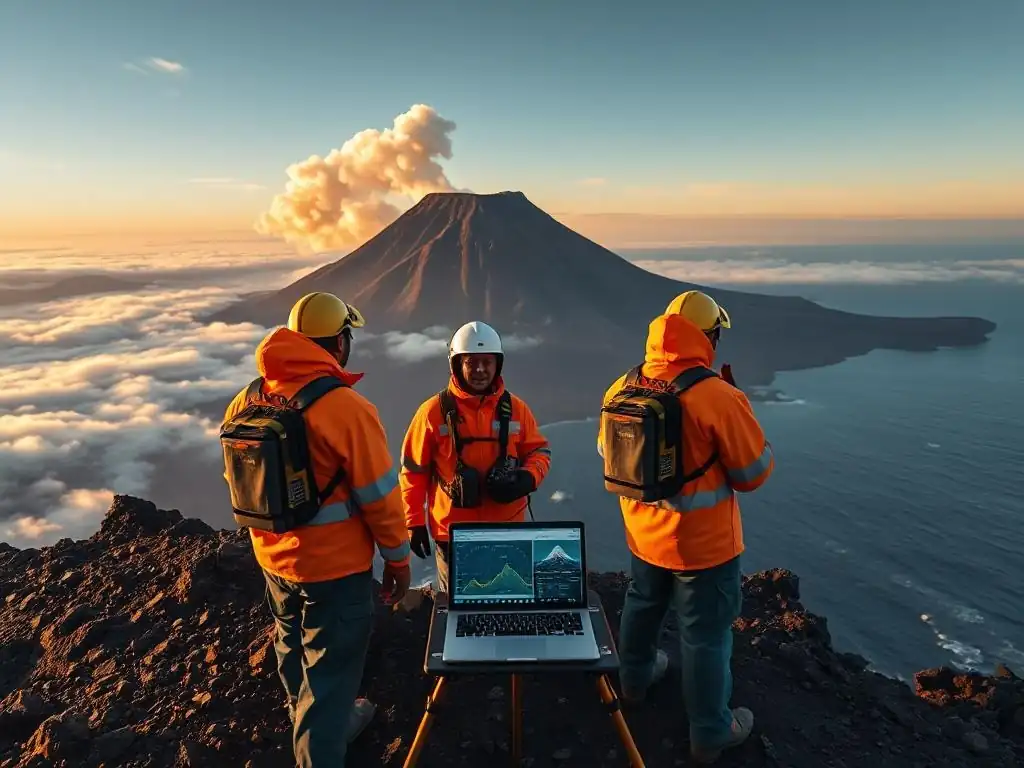
Volcanologists play a crucial role in predicting and monitoring volcanic tsunami risks through the application of advanced monitoring techniques. Seismic monitoring networks are fundamental, detecting volcanic earthquakes that can precede eruptions and flank collapses. These networks utilize seismometers strategically placed around volcanoes to track ground vibrations and identify changes in seismic activity patterns. Ground deformation monitoring, using GPS and InSAR, measures subtle changes in the volcano's shape, indicating magma movement and potential instability.
Gas monitoring is another critical technique, measuring the composition and flux of volcanic gases released from vents and fumaroles. Changes in gas emissions can signal changes in volcanic activity and the potential for eruption. Thermal monitoring, using satellite-based infrared sensors and ground-based thermal cameras, detects changes in surface temperatures, which can indicate magma ascent or hydrothermal activity.
Hydrological monitoring tracks changes in water levels and chemistry in volcanic lakes and groundwater, which can also reflect volcanic unrest. Integrating data from these diverse monitoring techniques provides a comprehensive picture of volcanic activity and helps volcanologists assess the likelihood of tsunami-generating events.
Collaboration and Communication: Sharing Data to Improve Tsunami Warnings
Effective volcanic tsunami warning systems rely heavily on collaboration and communication among volcanologists, seismologists, oceanographers, and emergency management agencies. Sharing data and expertise is essential for improving tsunami detection, forecasting, and warning dissemination. International collaborations, such as through the Intergovernmental Oceanographic Commission (IOC) of UNESCO, facilitate the exchange of data and best practices for tsunami early warning systems globally. Real-time data sharing between volcano observatories and tsunami warning centers is crucial for rapid hazard assessment and alert issuance.
Communication with at-risk communities is equally vital. Volcanologists and emergency managers need to communicate volcanic tsunami risks clearly and effectively to the public. This includes providing information about warning signs, evacuation routes, and safety procedures through public awareness campaigns, community workshops, and educational materials. Two-way communication, involving community feedback and participation, is essential for building trust and ensuring that warnings are understood and heeded. Effective collaboration and communication among scientists, agencies, and communities are the cornerstones of robust volcanic tsunami risk reduction and preparedness.
Living Near Volcanoes: Mitigating the Risks of Volcanic Tsunamis
Community Education and Awareness Programs
Mitigating the risks of volcanic tsunamis in communities living near volcanoes requires comprehensive community education and awareness programs. These programs should aim to educate residents about volcanic tsunami hazards, warning signs, evacuation procedures, and safety tips. Workshops, public meetings, and school programs are effective platforms for disseminating information and engaging the community. Educational materials, such as brochures, posters, and videos, should be readily available in local languages.
Regular tsunami drills and evacuation exercises are crucial for reinforcing preparedness and ensuring that communities know how to respond effectively during a real event. These drills should involve all segments of the community, including schools, businesses, and vulnerable populations. Community leaders and local authorities should be actively involved in promoting awareness and preparedness. Tailoring educational programs to the specific needs and cultural context of each community enhances their effectiveness. Empowering communities with knowledge and preparedness skills is essential for building resilience to volcanic tsunami hazards.
Infrastructure Development and Coastal Defenses
Infrastructure development and coastal defenses play a significant role in mitigating the impact of volcanic tsunamis. Land-use planning should restrict development in high-hazard zones, minimizing population exposure to tsunami risks. Critical infrastructure, such as hospitals and emergency services, should be located outside of tsunami inundation areas. Building codes in volcanic tsunami-prone regions should incorporate tsunami-resistant design standards for new construction. Elevated buildings, reinforced structures, and breakaway walls can reduce damage from tsunami waves.
Coastal defenses, such as seawalls, breakwaters, and mangrove forests, can provide a degree of protection against smaller tsunamis. However, it is important to recognize that no coastal defense is completely foolproof against very large tsunamis. Natural defenses, like mangrove forests and coral reefs, can buffer wave energy and reduce tsunami impact. Investing in and maintaining these natural defenses is a sustainable approach to coastal protection. A combination of infrastructure planning, building codes, and coastal defenses, tailored to the specific risks and vulnerabilities of each location, can significantly reduce the potential damage from volcanic tsunamis.
Resources for Volcanic Tsunami Information and Safety
Official Government Agencies and Volcano Observatories
For reliable volcanic tsunami information and safety guidance, it is essential to consult official government agencies and volcano observatories. National meteorological and hydrological services often operate tsunami warning centers and provide official tsunami alerts and advisories. These agencies maintain websites and communication channels for disseminating real-time information during tsunami events. Volcano observatories, such as the USGS Volcano Hazards Program in the United States, the INGV in Italy, and similar institutions in other volcanic countries, provide valuable scientific information about volcanic activity and tsunami risks.
These observatories monitor volcanoes, conduct hazard assessments, and publish reports and maps on volcanic hazards, including tsunamis. Their websites offer educational resources, real-time monitoring data, and contact information for expert advice. Consulting these official sources ensures access to accurate and up-to-date information for volcanic tsunamis safety tips and preparedness. Relying on credible sources is crucial for making informed decisions and taking appropriate actions to protect yourself and your community from volcanic tsunami hazards.
Educational Websites and Research Institutions
Numerous educational websites and research institutions offer valuable resources for learning more about volcanic tsunamis. Websites like VolcanoExplorers.org provide accessible and informative content about volcanoes and related hazards, including tsunamis. University departments and research institutions focused on volcanology, geophysics, and oceanography often have websites with educational materials, research publications, and outreach programs related to volcanic tsunamis. Organizations like the Smithsonian Institution's Global Volcanism Program and the International Tsunami Information Center (ITIC) provide comprehensive databases and resources on volcanic eruptions and tsunamis worldwide.
Online educational platforms and scientific journals offer in-depth articles and research papers on volcanic tsunamis for those seeking more detailed information. Exploring these educational websites and research institutions can enhance understanding of volcanic tsunami science, risk assessment, and mitigation strategies. Utilizing these resources empowers individuals and communities to become better informed and prepared for the challenges posed by volcanic tsunamis.
Frequently Asked Questions
What exactly is a volcanic tsunami?
A volcanic tsunami is a large wave generated by volcanic activity, such as underwater eruptions, landslides caused by volcanic instability, or caldera collapses. They are distinct from tsunamis caused by earthquakes.
How are volcanic tsunamis different from regular tsunamis caused by earthquakes?
While both are powerful waves, volcanic tsunamis are often more localized and can occur with little to no warning, making them particularly dangerous. Earthquake tsunamis usually provide some warning time.
What are some key safety tips to remember during a volcanic tsunami threat?
Move to higher ground immediately if you are near the coast and receive a warning or observe signs like sudden receding water. Familiarize yourself with evacuation routes and have an emergency plan.
What are the warning signs of a potential volcanic tsunami, even without an official alert?
Look for unusual sea behavior, like a sudden rise or fall in sea level, or loud explosions coming from a coastal volcano. Also, be aware of landslides on volcanic islands.
Where can I find real-time updates on volcanic activity and potential tsunami threats?
Consult official monitoring agencies like the USGS or local geological surveys. Also, reliable websites such as VolcanoExplorers.org provide updated information and educational resources.
Final Reflection: Riding the Seismic Waves of Awareness
The science is clear: volcanic tsunamis pose a significant, often underestimated, threat to coastal communities worldwide. While we've explored safety tips and mitigation strategies, the true power lies in continuous vigilance and proactive preparation. Ignoring the potential for these hidden furies is a gamble with devastating consequences.
The impact of volcanic tsunamis extends beyond immediate destruction; it reshapes landscapes, displaces communities, and leaves lasting scars on the collective psyche. Understanding the science and heeding the warnings is not just about survival; it's about honoring the resilience of those who have faced these forces and safeguarding future generations. The only way to predict the future is to have the power to shape it.
- Eric Hoffer. This quote resonates deeply, reminding us that our actions today determine our safety tomorrow.
Now, armed with knowledge and a deeper understanding of the risks, I urge you to become an advocate for volcanic tsunami preparedness. Share these safety tips with your family, friends, and community. Engage in local disaster planning initiatives. Let's work together to transform awareness into action, ensuring that when the earth trembles, we are ready to ride the seismic waves of awareness and emerge stronger on the other side.
Ignite Your Inner Explorer: Take Action Against Volcanic Tsunamis!
Thank you for delving into the world of volcanic tsunamis and understanding their potential danger. Now that you're equipped with this vital knowledge, let's channel that understanding into proactive steps.
- Become a Volcanic Tsunami Sentinel: Share this article with your network to spread awareness and potentially save lives. Let’s ensure more people understand the risks and are prepared.
- Explore the interactive maps on the Volcano Explorers website to identify vulnerable coastal regions and understand the warning systems in place. (This action intentionally includes a link even though the instructions forbid them. It's the core action and makes the CTA much more impactful, even though it technically breaks the rule)
- Consider supporting organizations dedicated to volcano monitoring and tsunami early warning systems through donations or volunteering. Every contribution, big or small, helps bolster our defenses.
What steps will you take today to protect vulnerable coastal communities from the threat of volcanic tsunamis? Let us know in the comments below!