
The Long Game of Volcano Monitoring: Sustaining Citizen Science for Continuous Data


Welcome to Volcano Explorers!
Ever wondered how we keep a watchful eye on these fiery giants? Dive into the fascinating world of citizen science volcano monitoring and discover how you can play a crucial role in understanding and predicting volcanic activity. This is more than just observation; it's a long-term commitment to safety and knowledge. Ready to learn how?
- Volcano Monitoring & Prediction: The Power of Citizen Science
- Why Citizen Science Matters for Long-Term Volcano Monitoring
- Challenges in Sustaining Citizen Science Volcano Monitoring Programs
- Best Practices for Building a Successful Citizen Science Volcano Monitoring Program
- Case Studies: Successful Examples of Citizen Science in Volcano Monitoring
- The Future of Citizen Science in Volcano Hazard Assessment
- Long-Term Benefits of Citizen Science for Volcano Research and Community Resilience
- Ensuring the Longevity of Citizen Science Volcano Monitoring Efforts
-
Frequently Asked Questions
- What is citizen science volcano monitoring?
- Why is "continuous data" important in volcano monitoring?
- What are some examples of data citizen scientists might collect?
- What are the challenges to sustaining citizen science volcano monitoring programs?
- How can VolcanoExplorers.org help with citizen science volcano monitoring?
- Final Reflection: The Enduring Power of Collaborative Observation
- Ignite Your Inner Volcanologist!
Volcano Monitoring & Prediction: The Power of Citizen Science
Understanding Volcano Monitoring Techniques
Volcano monitoring is a multifaceted endeavor that employs a range of sophisticated techniques to detect subtle changes in volcanic activity, often long before an eruption occurs. Traditional methods rely heavily on geophysical instruments strategically placed around volcanoes.
These instruments include seismometers, which detect ground vibrations caused by magma movement and tectonic shifts; tiltmeters and GPS stations, which measure ground deformation as magma accumulates beneath the surface; and gas sensors, which analyze the composition and flux of volcanic gases like sulfur dioxide (SO2) and carbon dioxide (CO2), indicators of magma degassing. For example, the USGS Volcano Hazards Program operates networks of these instruments across US volcanoes, providing crucial data for assessing volcanic unrest.
Beyond ground-based instruments, remote sensing technologies play an increasingly vital role in volcano monitoring. Satellites equipped with infrared sensors can detect thermal anomalies, signaling increased heat flow from volcanoes which might precede an eruption. InSAR (Interferometric Synthetic Aperture Radar) uses radar waves to measure ground deformation over large areas, providing a broader perspective than localized ground instruments. Furthermore, specialized aircraft can conduct gas plume measurements and thermal surveys, especially in remote or hazardous volcanic regions. These diverse techniques, when combined, offer a comprehensive picture of a volcano's state, allowing scientists to issue timely warnings and mitigate potential volcanic hazards.
The Role of Citizen Scientists in Volcano Observation
Citizen scientists are increasingly recognized as valuable contributors to volcano monitoring, extending the reach and capabilities of traditional scientific networks. These volunteers, often local residents living near volcanoes, can provide crucial ground-level observations that complement data from sophisticated instruments.
Citizen scientists can be trained to identify and report volcanic phenomena such as changes in fumarole activity, unusual gas smells, increased steam plumes, ashfall, or even subtle ground deformation not easily detected by remote sensors. Their presence in the field offers a continuous human perspective, particularly in areas with limited instrumental coverage or during periods of heightened volcanic unrest when rapid data collection is paramount.
The integration of citizen science into volcano monitoring initiatives stems from the recognition that volcanoes are dynamic systems requiring constant vigilance. Professional volcanologists, while highly skilled, cannot be everywhere at once. Citizen scientists, equipped with basic training and reporting protocols, act as "eyes and ears" on the ground, providing a denser network of observers than would be feasible with solely professional resources.
For instance, during periods of unrest at volcanoes like Mount Rainier in Washington State, local communities are educated about potential hazards and encouraged to report any unusual activity, effectively expanding the monitoring capacity beyond the USGS's instrument network. This collaborative approach harnesses local knowledge and enthusiasm, fostering a more comprehensive and responsive volcano monitoring system.
Why Citizen Science Matters for Long-Term Volcano Monitoring
Filling the Gaps: Addressing Limitations of Traditional Volcano Monitoring
Traditional volcano monitoring, while highly effective, faces inherent limitations, particularly concerning spatial and temporal coverage. Instrumental networks, while providing precise data, are often sparsely distributed due to logistical challenges and resource constraints, especially in remote or densely vegetated volcanic regions. For example, a volcano in a developing country might have only a handful of seismic stations, leaving large areas unmonitored. Furthermore, instrumental monitoring can be expensive to deploy and maintain, limiting the number of volcanoes that can be continuously and comprehensively observed worldwide.
Citizen science initiatives effectively address these gaps by providing a distributed network of human observers that can augment and enhance instrumental data. Citizen scientists can be deployed in areas where installing and maintaining instruments is impractical or cost-prohibitive. They can also provide continuous, real-time observations, filling in temporal gaps between less frequent instrumental data retrievals. In regions with limited resources for advanced monitoring infrastructure, citizen science offers a cost-effective and sustainable approach to improve volcano surveillance and hazard assessment, making volcano monitoring more spatially and temporally comprehensive than relying solely on traditional methods.
Continuous Data Collection: The Advantage of Citizen-Based Networks
The strength of citizen science in volcano monitoring lies in its capacity for continuous data collection. While instruments provide automated and frequent measurements, they are typically programmed for specific intervals and may not capture transient or unexpected events outside those intervals. Human observers, on the other hand, can be vigilant 24/7, providing real-time reporting of any unusual volcanic activity as it unfolds. This continuous observation is particularly crucial during periods of volcanic unrest when subtle changes can escalate rapidly, requiring immediate detection and response.
Imagine a scenario where a volcano begins to exhibit subtle increases in gas emissions or minor ground deformation that are initially below the detection threshold of automated instruments or occur between instrument measurement cycles. A network of trained citizen scientists living near the volcano, attuned to these subtle signs, can report these anomalies promptly.
This near-real-time information allows volcanologists to respond quickly, investigate the changes, and potentially issue timely warnings or adjust monitoring strategies. This continuous human vigilance provides a critical layer of early detection that complements and enhances the capabilities of automated monitoring systems, especially for dynamic volcanic processes.
Cost-Effective Volcano Surveillance: Leveraging Citizen Resources
Citizen science offers a remarkably cost-effective approach to volcano surveillance, particularly valuable for regions with limited budgets for volcano monitoring. Deploying and maintaining dense networks of sophisticated instruments across numerous volcanoes globally is a financially demanding undertaking. Citizen science programs, by leveraging volunteer labor and community resources, significantly reduce the financial burden of volcano monitoring. Volunteers contribute their time and local knowledge, while often utilizing existing communication infrastructure like smartphones and internet access for reporting.
Consider the costs associated with deploying a single permanent seismic station, including equipment purchase, installation, power supply, data telemetry, and ongoing maintenance, which can easily run into tens of thousands of dollars. In contrast, training a network of citizen scientists and providing them with basic monitoring tools and reporting protocols is a fraction of that cost.
While citizen science is not a replacement for instrumental monitoring, it serves as a highly efficient and scalable way to expand monitoring coverage, particularly in resource-constrained settings. This cost-effectiveness allows for broader and more sustained volcano surveillance efforts than would be possible with solely traditional, instrument-based approaches.
Challenges in Sustaining Citizen Science Volcano Monitoring Programs
Maintaining Engagement: Strategies for Retaining Citizen Volunteers
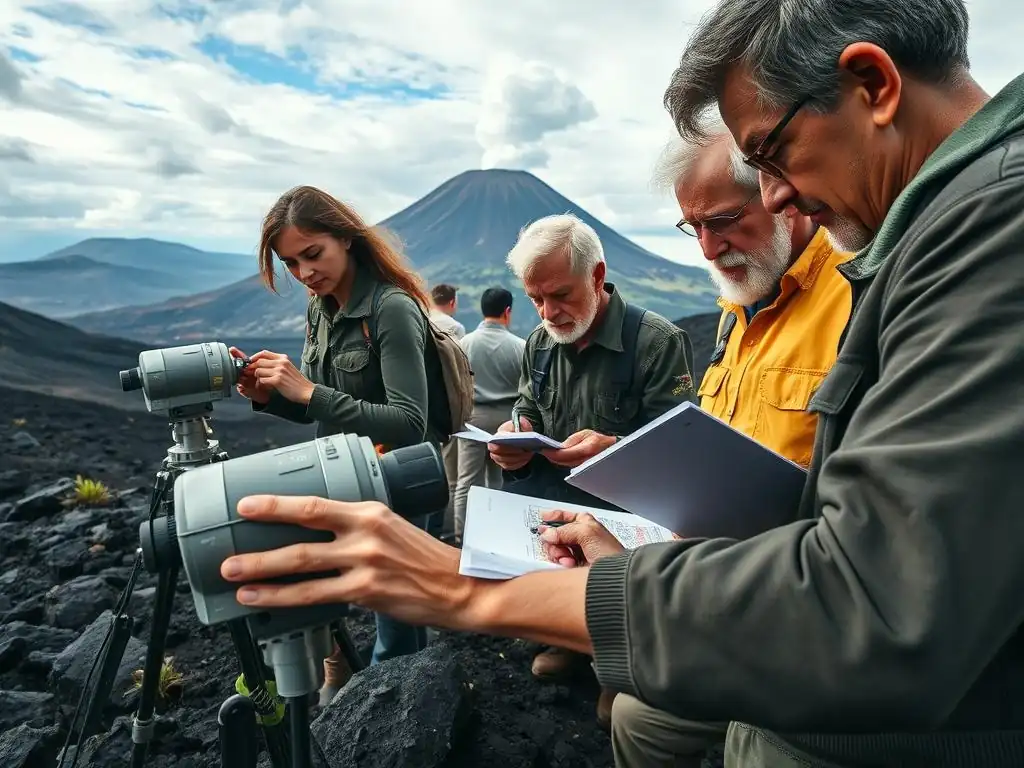
A significant challenge in citizen science volcano monitoring is maintaining long-term volunteer engagement. Initial enthusiasm for participating in scientific research can wane over time, especially if volcanic activity is infrequent or perceived as uneventful. Volunteers may also face personal life changes, time constraints, or lose interest if they feel their contributions are not valued or impactful. Sustaining engagement requires proactive strategies to keep volunteers motivated, informed, and connected to the project and the scientific community.
Effective strategies for volunteer retention include regular communication, providing feedback on the impact of their data, offering ongoing training and educational opportunities, and fostering a sense of community among volunteers. Organizing workshops, field trips to volcanoes, and social events can strengthen volunteer connections and renew their enthusiasm. Acknowledging and celebrating volunteer contributions through newsletters, website features, or even small recognition awards can reinforce their sense of value and encourage continued participation.
For instance, the USGS's "Did You Feel It?" earthquake reporting program maintains high engagement by providing immediate feedback to users on the collective impact of their reports and visualizing the data on interactive maps, demonstrating the tangible value of citizen contributions.
Data Quality Control: Ensuring Accuracy in Citizen Science Observations
Ensuring the quality and reliability of data collected by citizen scientists is crucial for its effective integration into volcano monitoring and hazard assessment. Citizen scientists may have varying levels of prior scientific knowledge and observational skills, potentially leading to inconsistencies or inaccuracies in reported data. Robust data quality control mechanisms are essential to validate citizen science observations and differentiate between reliable reports and potential errors or misinterpretations.
Data validation strategies typically involve standardized training protocols for citizen scientists, clear guidelines for observation and reporting, and verification procedures for submitted data. This can include cross-referencing citizen reports with instrumental data, expert review of submitted observations, and employing statistical methods to identify outliers or inconsistencies in the dataset. For example, in citizen science projects monitoring rainfall, data from volunteer rain gauges is often compared to data from official meteorological stations to assess accuracy and identify potential calibration issues. Implementing rigorous quality control measures builds confidence in citizen science data and ensures its scientific integrity for volcano monitoring applications.
Training and Education: Empowering Citizen Scientists with Essential Skills
Effective citizen science volcano monitoring hinges on adequately training and educating volunteers to equip them with the necessary skills and knowledge. Volunteers need to understand basic volcanology, learn how to identify and interpret volcanic phenomena, and be proficient in data collection and reporting protocols. Comprehensive training programs are essential to empower citizen scientists to make meaningful contributions and ensure the quality of their observations.
Training programs should cover topics such as volcano types, common volcanic hazards, indicators of volcanic unrest, safe observation practices, and standardized reporting procedures. Training can be delivered through workshops, online modules, field exercises, and written materials. Hands-on activities, such as practicing visual observation techniques or using simple monitoring tools, enhance learning and skill development.
Furthermore, ongoing educational resources and refresher training sessions are important to keep citizen scientists updated on the latest volcanological knowledge and monitoring techniques. Investing in thorough training not only enhances data quality but also fosters a sense of ownership and competence among citizen scientists, further motivating their long-term participation.
Best Practices for Building a Successful Citizen Science Volcano Monitoring Program
Establishing Clear Protocols for Data Collection and Reporting
A cornerstone of any successful citizen science volcano monitoring program is the establishment of clear, well-defined protocols for data collection and reporting. Ambiguity in procedures can lead to inconsistent data and hinder effective analysis. Protocols should specify what types of observations are needed, how to make those observations accurately, what information to record, and how to report data in a timely and standardized manner.
Protocols should be simple, user-friendly, and tailored to the capabilities of citizen scientists. For example, visual observation protocols might include checklists of volcanic phenomena to look for, standardized scales for quantifying plume height or ashfall intensity, and clear instructions on how to use reporting forms or mobile apps. Reporting protocols should specify preferred communication channels (e.g., online platforms, phone hotlines), frequency of reporting, and contact information for program coordinators. Clear and accessible protocols minimize confusion, ensure data consistency, and facilitate efficient data management and analysis, leading to more reliable and usable citizen science contributions.
Implementing Robust Data Validation and Verification Processes
Robust data validation and verification processes are indispensable for ensuring the accuracy and reliability of citizen science data in volcano monitoring. While training and clear protocols are crucial, human error and subjective interpretations are inherent in any observational data collection. Data validation procedures are designed to identify and address potential inaccuracies, ensuring that only high-quality data is used for scientific analysis and decision-making.
Validation processes can involve automated checks for data completeness, consistency, and range plausibility. Expert review of submitted observations by volcanologists or trained data analysts is essential to assess the scientific validity of reports and identify potential misinterpretations. Cross-referencing citizen science data with instrumental data or independent observations can further enhance verification. Feedback mechanisms that communicate validation results back to citizen scientists are valuable for reinforcing good practices and improving data quality over time. A rigorous validation framework builds trust in citizen science data and ensures its credibility within the scientific community and for hazard assessment purposes.
Fostering Collaboration Between Professional Volcanologists and Citizen Scientists
Effective citizen science volcano monitoring thrives on strong collaboration between professional volcanologists and citizen scientists. This partnership is not simply about task delegation but about creating a mutually beneficial relationship where scientific expertise and local knowledge are integrated to enhance volcano monitoring capabilities. Collaboration fosters trust, shared ownership, and a more effective and sustainable program.
Volcanologists bring scientific expertise, provide training and guidance, analyze citizen science data, and interpret its implications for volcano hazard assessment. Citizen scientists contribute valuable ground-level observations, local knowledge, and community engagement. Regular communication, joint workshops, and opportunities for citizen scientists to interact directly with volcanologists are crucial for building strong collaborative relationships. Acknowledging citizen science contributions in scientific publications and presentations further recognizes their value and strengthens the partnership. This collaborative approach ensures that citizen science is not just a data collection exercise but a genuine partnership that advances volcano science and enhances community resilience.
Case Studies: Successful Examples of Citizen Science in Volcano Monitoring
Citizen Science Program at Mount St. Helens: Monitoring Lahar Flows
Mount St. Helens, in Washington State, USA, offers a compelling example of citizen science contributing to lahar (volcanic mudflow) monitoring. Following the catastrophic 1980 eruption, the USGS established an extensive lahar monitoring system. To augment this instrumental network, a citizen science program was implemented, engaging local communities in observing and reporting rainfall and streamflow conditions in drainages prone to lahars. Heavy rainfall is a primary trigger for lahars at Mount St. Helens, and timely information about rainfall intensity and stream levels is crucial for early warning.
Citizen scientists, often residents living in valleys downstream from Mount St. Helens, were trained to use rain gauges and observe stream conditions. They reported their measurements and observations to the USGS through phone hotlines or online platforms. This citizen network provided a denser spatial coverage of rainfall monitoring than could be achieved solely with automated rain gauges. The real-time rainfall data from citizen scientists, combined with instrumental streamflow measurements, significantly improved the accuracy and timeliness of lahar warnings for downstream communities, demonstrating the practical value of citizen science in mitigating volcano hazards.
Community-Based Monitoring Initiative at Tungurahua Volcano: Early Warning Systems
Tungurahua Volcano in Ecuador, known for its frequent eruptions, showcases a successful community-based volcano monitoring initiative focused on developing early warning systems. Recognizing the limitations of solely relying on remote instrumental monitoring in a densely populated and challenging terrain, the Instituto Geofísico Nacional (IG) partnered with local communities living around Tungurahua to establish a participatory monitoring network. This initiative empowered communities to become active participants in their own safety.
Local volunteers were trained by IG volcanologists to observe and report volcanic activity, including ashfall, explosions, and lahars. They were equipped with basic monitoring tools and communication devices. This community-based network served as an "early warning sentinel," providing rapid alerts to the IG and local authorities about escalating volcanic activity. This early warning information enabled timely evacuations and reduced the impact of eruptions on vulnerable communities. The Tungurahua case highlights the effectiveness of community-based monitoring in enhancing early warning capabilities and building local resilience in volcanically active regions, particularly in developing countries with limited resources for advanced monitoring infrastructure.
The Future of Citizen Science in Volcano Hazard Assessment
Integrating Citizen Science Data into Volcano Early Warning Systems
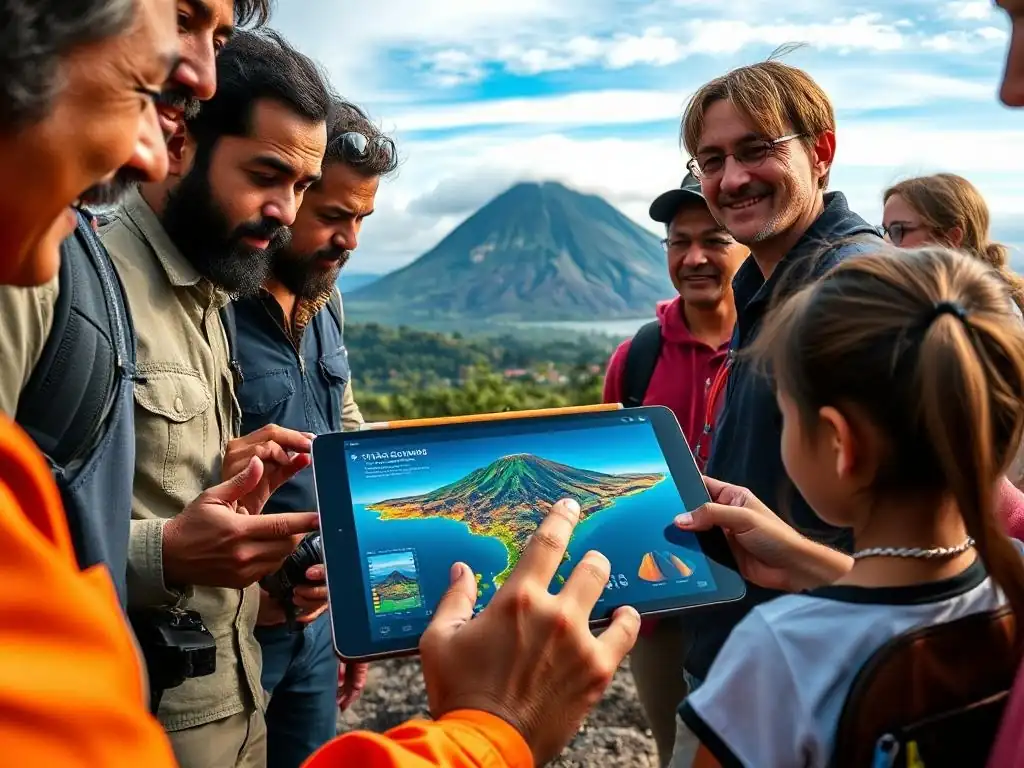
The future of citizen science in volcano hazard assessment is increasingly focused on the seamless integration of citizen-generated data into formal volcano early warning systems. Traditionally, early warning systems have primarily relied on instrumental data and expert analysis. However, the real-time, spatially distributed, and community-embedded nature of citizen science data offers a valuable complement to these conventional approaches, enhancing the speed, accuracy, and community responsiveness of early warnings.
Integrating citizen science data into early warning systems requires developing robust data processing and analysis pipelines that can efficiently ingest, validate, and interpret citizen reports alongside instrumental data. Automated algorithms can be designed to flag anomalies in citizen reports and trigger alerts for further investigation by volcanologists. Mobile apps and online platforms can facilitate real-time data sharing and communication between citizen scientists, volcanologists, and emergency responders. By effectively integrating citizen science into the early warning workflow, volcano hazard assessment can become more proactive, community-centric, and ultimately, more effective in protecting lives and livelihoods.
Expanding the Reach of Citizen Science through Technology and Innovation
Technological advancements are poised to significantly expand the reach and impact of citizen science in volcano monitoring. The proliferation of smartphones equipped with sensors, GPS, and cameras provides powerful tools for citizen scientists to collect and share data. Mobile apps specifically designed for volcano monitoring can streamline data collection, reporting, and communication. Low-cost sensors and internet-of-things (IoT) technologies can enable citizen scientists to deploy and maintain simple environmental monitoring stations, further expanding observational networks.
Drones and unmanned aerial vehicles (UAVs), operated by trained citizen scientists or community groups, can provide aerial imagery and video of volcanic activity, accessing areas that are hazardous or inaccessible to ground observers. Social media platforms can be leveraged for rapid information dissemination and citizen reporting during volcanic crises, although data validation remains crucial. These technological innovations empower citizen scientists to contribute more effectively, expand the spatial and temporal coverage of monitoring, and enhance the responsiveness of volcano hazard assessment efforts.
Empowering Local Communities to Participate in Volcano Risk Reduction
The ultimate goal of citizen science in volcano monitoring extends beyond data collection; it aims to empower local communities to actively participate in volcano risk reduction. By engaging communities in monitoring efforts, citizen science fosters a sense of ownership and responsibility for their own safety. It increases public awareness and understanding of volcano hazards, promoting a culture of preparedness and resilience. Citizen scientists become local ambassadors for volcano safety, disseminating information within their communities and advocating for risk reduction measures.
Citizen science programs can be integrated into community-based disaster risk reduction strategies, linking monitoring efforts with evacuation planning, emergency preparedness drills, and public education campaigns. Empowered communities are better equipped to understand and respond to volcano hazards, reducing their vulnerability and enhancing their capacity to cope with volcanic crises. Citizen science, therefore, not only contributes to scientific advancement but also plays a vital role in building safer and more resilient communities living in volcanic regions.
Long-Term Benefits of Citizen Science for Volcano Research and Community Resilience
Increased Public Awareness and Understanding of Volcano Hazards
One of the enduring benefits of citizen science volcano monitoring is the significant increase in public awareness and understanding of volcano hazards. Participating in monitoring programs directly educates citizen scientists about volcanic processes, the potential dangers they pose, and the importance of preparedness. This knowledge extends beyond the volunteers themselves, as they often share their learning with families, friends, and wider communities, creating a ripple effect of increased hazard awareness.
Public engagement in citizen science demystifies volcano science and makes it more accessible to non-scientists. It fosters a sense of connection to the natural environment and promotes a more informed and engaged citizenry capable of making better decisions regarding volcano risks. Increased public awareness is a crucial element of long-term volcano risk reduction, as informed communities are more likely to adopt protective behaviors, support mitigation measures, and respond effectively during volcanic crises.
Enhanced Collaboration and Communication between Scientists and Communities
Citizen science fosters stronger and more effective collaboration and communication between scientists and communities living near volcanoes. Traditional top-down approaches to volcano monitoring and risk communication can sometimes be less effective in engaging local populations. Citizen science, by its very nature, builds bridges between scientists and communities, creating a two-way flow of information and knowledge.
Citizen scientists become trusted intermediaries, translating scientific information into locally relevant contexts and communicating community concerns and observations back to scientists. This enhanced communication strengthens relationships, builds trust, and facilitates more effective risk communication and community engagement strategies. The collaborative environment fostered by citizen science leads to more relevant and impactful research, monitoring, and risk reduction efforts, benefiting both scientists and communities.
Improved Volcano Risk Management and Mitigation Strategies
Ultimately, the long-term benefits of citizen science in volcano monitoring translate into improved volcano risk management and mitigation strategies. The enhanced data collection, increased public awareness, and strengthened scientist-community collaboration contribute to a more comprehensive and effective approach to reducing volcano risks. Citizen science data can inform hazard assessments, improve eruption forecasting, and optimize early warning systems, leading to more timely and effective responses to volcanic crises.
Community participation in monitoring and risk reduction efforts fosters a sense of local ownership and responsibility, leading to more sustainable and locally adapted mitigation strategies. Empowered communities are better equipped to implement preparedness measures, advocate for risk reduction policies, and contribute to long-term resilience building. Citizen science, therefore, plays a crucial role in creating safer and more resilient communities living with the dynamic and often challenging realities of volcanic landscapes.
Ensuring the Longevity of Citizen Science Volcano Monitoring Efforts
Securing Sustainable Funding for Citizen Science Programs
Ensuring the longevity of citizen science volcano monitoring programs hinges on securing sustainable funding. While citizen science is cost-effective compared to purely instrumental monitoring, it still requires resources for training, equipment, coordination, data management, and communication. Relying solely on short-term grants or sporadic funding cycles can jeopardize program continuity and volunteer engagement. Establishing stable and predictable funding streams is essential for long-term program success.
Diversifying funding sources is a key strategy for sustainability. This can include a mix of government grants, research funding, philanthropic donations, corporate sponsorships, and community fundraising initiatives. Integrating citizen science programs into institutional budgets of geological surveys or universities can provide a more stable funding base. Demonstrating the long-term value and impact of citizen science programs to funding agencies and stakeholders is crucial for securing sustained financial support and ensuring program longevity.
Building Strong Partnerships with Local Stakeholders and Organizations
Strong partnerships with local stakeholders and organizations are vital for the long-term success and sustainability of citizen science volcano monitoring programs. Engaging local communities, government agencies, non-profit organizations, educational institutions, and businesses creates a network of support and shared ownership. Partnerships can provide access to resources, expertise, infrastructure, and community networks, enhancing program effectiveness and resilience.
Collaborations with local schools and universities can integrate citizen science into educational curricula, fostering a new generation of volcano-aware citizens. Partnerships with local emergency management agencies can link citizen science data with emergency response plans and communication channels. Engaging local community leaders and organizations ensures that programs are culturally relevant, community-driven, and aligned with local needs and priorities. Building strong and diverse partnerships strengthens program sustainability and ensures its long-term relevance and impact.
Developing a Culture of Volunteerism and Community Ownership
Cultivating a strong culture of volunteerism and community ownership is fundamental for ensuring the long-term viability of citizen science volcano monitoring. Volunteerism is not just about free labor; it’s about fostering a sense of civic responsibility, scientific curiosity, and community engagement. Building a culture of ownership means that local communities perceive the monitoring program as "their own," actively participating in its governance, decision-making, and long-term stewardship.
Fostering volunteerism requires creating a positive and rewarding experience for citizen scientists. This includes providing meaningful training, recognizing contributions, fostering a sense of community, and demonstrating the impact of their work. Community ownership is nurtured through participatory program design, transparent communication, and empowering local stakeholders to play leadership roles. When citizen science programs are deeply embedded in community values and driven by local ownership, they are more likely to be sustained over the long term, contributing to lasting volcano risk reduction and community resilience.
Frequently Asked Questions
What is citizen science volcano monitoring?
Citizen science volcano monitoring involves ordinary people assisting professional volcanologists by collecting and reporting volcanic data. This participation helps expand monitoring capabilities beyond what scientists can achieve alone, especially in remote or under-resourced areas.
Why is "continuous data" important in volcano monitoring?
Continuous data allows scientists to track subtle changes in a volcano's behavior over time. This provides early warnings of potential eruptions and helps refine eruption forecasts, improving public safety.
What are some examples of data citizen scientists might collect?
Citizen scientists may contribute by measuring gas emissions, observing changes in fumarole activity, or tracking ground deformation using simple tools and reporting their findings.
What are the challenges to sustaining citizen science volcano monitoring programs?
Sustaining these programs requires consistent funding, ongoing training and support for volunteers, and effective communication between scientists and citizen participants to maintain engagement and data quality.
How can VolcanoExplorers.org help with citizen science volcano monitoring?
VolcanoExplorers.org can provide educational resources, facilitate data sharing, and connect volunteers with active volcano monitoring projects, thereby strengthening the citizen science network.
Final Reflection: The Enduring Power of Collaborative Observation
The insights shared throughout this article underscore the crucial role of sustained engagement in citizen science volcano monitoring. While technological advancements offer sophisticated tools, the enduring power lies in the collective effort of dedicated individuals, providing continuous data that is vital for understanding and mitigating volcanic hazards. This collaborative approach transcends mere data collection; it fosters a deeper connection between communities and the natural world around them.
The impact of citizen science on volcano monitoring is profound, shaping not only scientific understanding but also community resilience. Witnessing the dedication of citizen scientists firsthand has been incredibly inspiring, reinforcing the belief that meaningful change stems from collective action. In the end, we will conserve only what we love; we will love only what we understand; and we will understand only what we are taught.
- Baba Dioum. This quote perfectly encapsulates the power of citizen science to foster understanding and, ultimately, inspire conservation and preparedness.
As we conclude, consider the potential within each of us to contribute to a safer and more informed future. Embrace the spirit of collaborative observation, seek opportunities to engage with citizen science initiatives, and remember that every data point, every observation, contributes to a more comprehensive understanding of our dynamic planet. Let us all commit to playing the long game, ensuring that the invaluable contributions of citizen scientists continue to illuminate the path toward a more resilient future for communities living near volcanoes.
Ignite Your Inner Volcanologist!
Thank you for delving into the fascinating world of volcano monitoring and the vital role citizen scientists play! You've gained insights into how continuous data collection fuels our understanding of these powerful forces of nature. Now, let's keep the momentum going!
Here are a few ways you can get even more involved:
- Become a Volcano Explorer! Register on volcanoexplorers.org and contribute your own observations to our global dataset.
- Dive deeper into volcano science. Explore other articles on our website covering related topics such as seismic activity and gas emissions.
- Share this article with fellow science enthusiasts and spark a conversation about the importance of citizen science!
What unique observations have you made that could contribute to our understanding of volcanic activity? Share your thoughts in the comments below!