
Unveiling Earth's Fiery Secrets: The Intriguing World of Citizen Science Volcano Monitoring

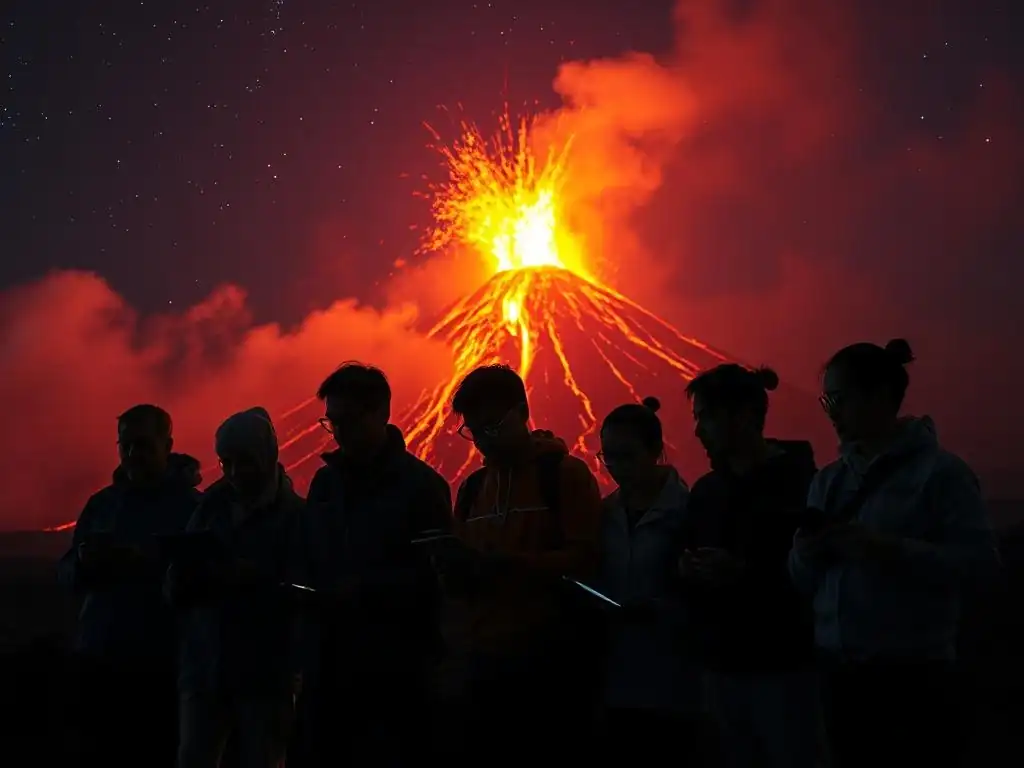
Welcome to Volcano Explorers!
Dare to peer into the heart of the Earth's fiery mysteries? This isn't just about lava and ash; it's about unlocking the secrets hidden within the Earth's most volatile landscapes. Discover how you can play a crucial role in understanding these geological giants through citizen science volcano monitoring. Are you ready to become an integral part of the global effort to predict and mitigate the impact of volcanic eruptions? The answers, and the adventure, await below.
- Introduction to Citizen Science and Volcano Research
-
Frequently Asked Questions
- How can I participate in citizen science volcano monitoring?
- What kind of data is useful for citizen science volcano monitoring?
- Why is citizen science volcano monitoring important?
- What are the potential risks of participating in citizen science volcano monitoring?
- How is the data collected through citizen science volcano monitoring used by volcanologists?
- Final Reflection: Embracing Volcanic Vigilance
- Ignite Your Inner Vulcanologist!
Introduction to Citizen Science and Volcano Research
Why Volcano Monitoring Matters: Understanding Volcanic Hazards
Volcano monitoring is of paramount importance due to the inherent hazards associated with volcanic activity. Volcanic eruptions are not merely spectacular natural events; they pose significant risks to human life, infrastructure, and the environment. Consider the devastating eruption of Mount Vesuvius in 79 AD, which buried Pompeii and Herculaneum, resulting in thousands of fatalities.
More recently, the 2010 eruption of Eyjafjallajökull in Iceland, while not causing widespread deaths, disrupted air travel across Europe for weeks, costing the global economy billions of dollars. These examples underscore the critical need for effective volcano monitoring to provide timely warnings and mitigate potential disasters.
Understanding volcanic hazards requires a multi-faceted approach, combining geological knowledge with continuous observation and data analysis. Volcanoes can unleash a range of hazardous phenomena, including pyroclastic flows – superheated mixtures of gas and rock fragments that can travel at hundreds of kilometers per hour – lava flows, ashfall, volcanic gas emissions, lahars (volcanic mudflows), and even tsunamis triggered by submarine eruptions or caldera collapses. Each of these hazards presents unique challenges and requires specific monitoring techniques to detect precursory signals of an impending eruption.
For instance, increased seismicity, ground deformation, changes in gas emissions, and thermal anomalies can all indicate that a volcano is becoming restless and may be approaching an eruptive phase. By closely monitoring these parameters, scientists can assess the level of volcanic unrest and provide crucial information to civil authorities for evacuation planning and risk management.
The Role of Citizen Scientists in Volcano Observation
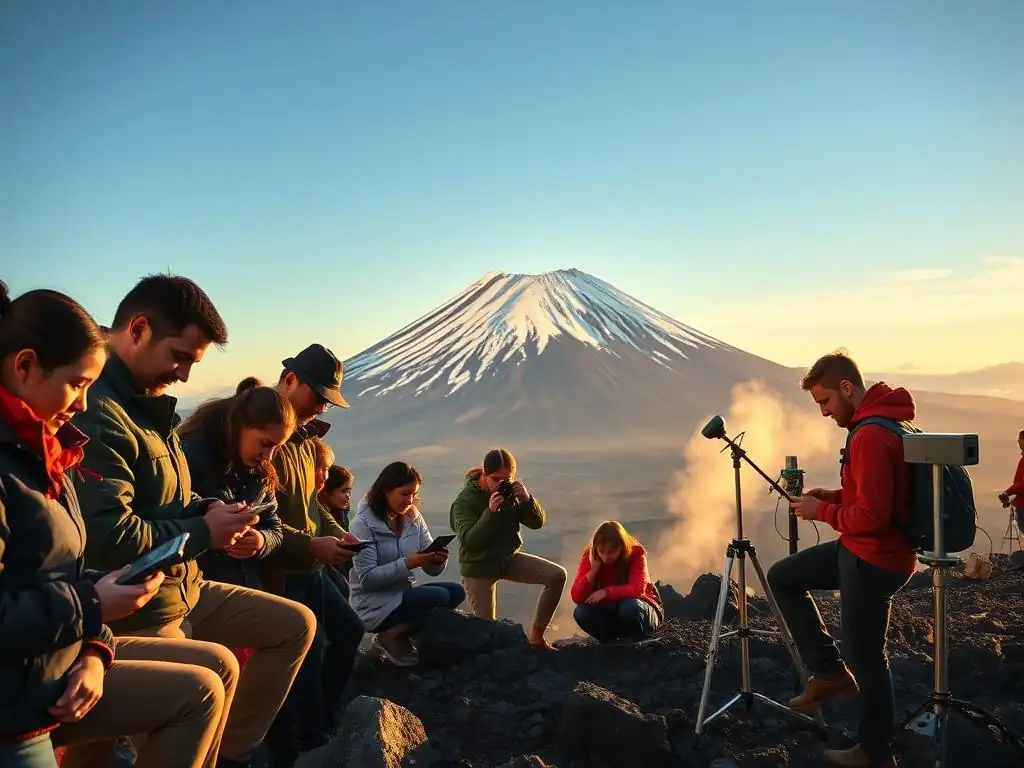
Citizen scientists are increasingly playing a vital role in expanding the scope and effectiveness of volcano observation efforts. Traditionally, volcano monitoring has been the domain of professional volcanologists and specialized scientific institutions. However, the vastness of volcanic regions, the often remote locations of volcanoes, and the limitations of resources mean that scientists cannot be everywhere at once. This is where citizen science initiatives become invaluable. By engaging the public in data collection and observation, citizen science programs can significantly enhance the spatial and temporal coverage of volcano monitoring networks.
The involvement of citizen scientists in volcano observation is not a new concept, but it has gained significant momentum in recent years, particularly with the proliferation of mobile technology and online platforms. Local communities living near volcanoes are often the first to notice subtle changes in volcanic activity, such as increased steam plumes, unusual smells, or changes in water sources. Citizen scientists, equipped with basic training and tools, can systematically record these observations and report them to volcanologists, providing crucial early warning signs.
Furthermore, citizen scientists can contribute to long-term monitoring efforts by collecting data on ashfall distribution after eruptions, documenting changes in volcanic landscapes, and monitoring gas emissions using portable sensors. This collaborative approach leverages the power of collective observation, bridging the gap between professional science and community engagement in volcano monitoring.
Frequently Asked Questions
How can I participate in citizen science volcano monitoring?
You can participate through various online platforms and apps that allow you to report observations such as ashfall, unusual steam plumes, or ground deformation near volcanoes. These reports help supplement data collected by professional volcanologists.
What kind of data is useful for citizen science volcano monitoring?
Useful data includes visual observations of changes around the volcano (e.g., new fumaroles, cracks in the ground), photographs or videos of volcanic activity, and reports of unusual smells like sulfur dioxide.
Why is citizen science volcano monitoring important?
Citizen science expands the monitoring network and provides valuable real-time data from areas that might be difficult or impossible for professional volcanologists to access regularly, especially in remote regions.
What are the potential risks of participating in citizen science volcano monitoring?
The main risk is proximity to hazardous volcanic activity. It's crucial to maintain a safe distance from active vents and follow official warnings and evacuation orders. Never put yourself in danger.
How is the data collected through citizen science volcano monitoring used by volcanologists?
Volcanologists use citizen science data to augment traditional monitoring methods, identify potential precursors to eruptions, and validate models of volcanic behavior. This leads to better forecasting and hazard assessment.
Final Reflection: Embracing Volcanic Vigilance
The insights shared throughout this exploration of citizen science volcano monitoring highlight a crucial truth: collective observation empowers proactive protection. While scientific instruments provide invaluable data, the eyes and ears of everyday citizens offer a vital, geographically diverse, and immediate perspective, especially in remote or under-resourced volcanic regions. This collaboration is not just about data collection; it's about building resilience and fostering a deeper understanding of the dynamic forces shaping our planet.
The impact of citizen science on volcano monitoring extends far beyond simply gathering information. It cultivates a sense of ownership and responsibility within communities living near these geological giants. This connection, this shared vigilance, is paramount to mitigating risks and ensuring the safety of those most vulnerable. The best way to predict the future is to create it.
- Peter Drucker. This quote resonates deeply with the spirit of citizen science, as it empowers individuals to actively participate in shaping a safer future for themselves and their communities.
Now, consider your own role in this planetary narrative. How can you, even from afar, contribute to a greater understanding of our world and its natural wonders? Whether it's through supporting citizen science initiatives, educating yourself and others about volcanic hazards, or simply appreciating the power and beauty of these fiery landscapes, your awareness and engagement matter. Let us all strive to be informed, responsible stewards of our planet, embracing the power of collective knowledge to safeguard our future.
Ignite Your Inner Vulcanologist!
Thanks for delving into the fascinating world of volcanoes and citizen science! We hope you've discovered the power you hold to contribute to real scientific research and protect communities around the globe. Ready to turn your newfound knowledge into action?
- Become a Volcano Explorer! Sign up for our free online training course at volcanoexplorers.org and learn how to identify volcanic activity from satellite images.
- Share this article with three friends who are fascinated by nature and the power of citizen science. Let's grow our community!
- Research the volcanic history of your local area. You might be surprised what you discover!
What's the most exciting volcanic fact you learned today, and how will you use that knowledge to become a Volcano Explorer?