
Geothermal Heating Homes: Volcanic Regions Embracing Natural Warmth

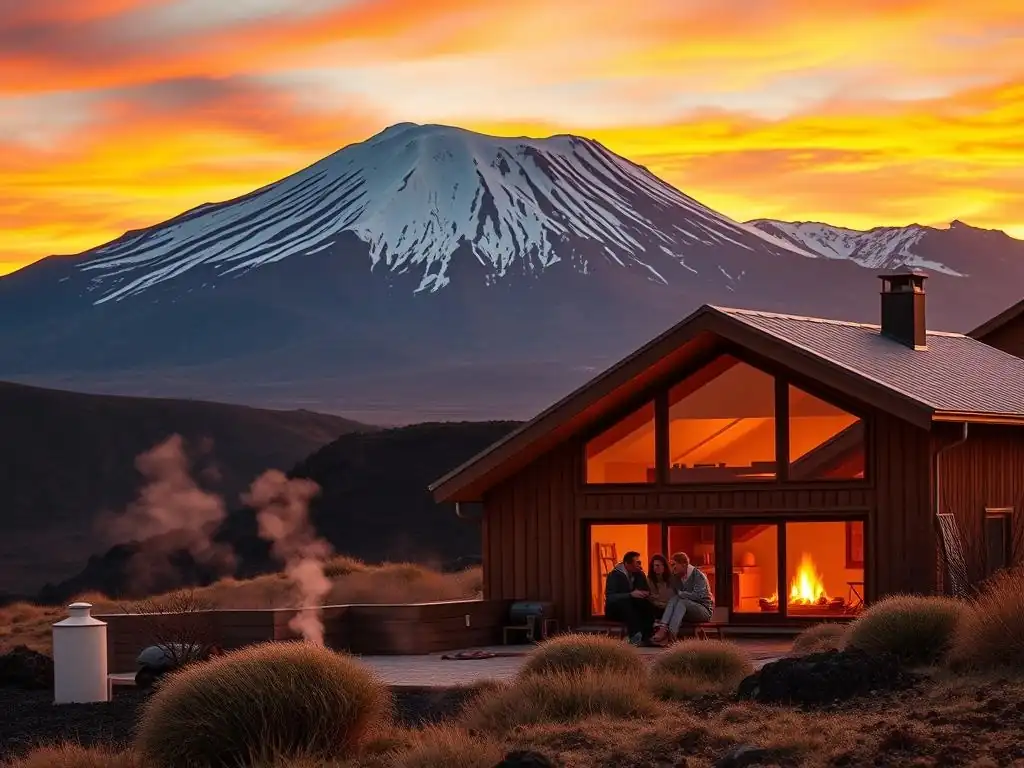
Welcome to Volcano Explorers, where the Earth breathes fire!
Ever wondered how the raw power of a volcano can be harnessed for good? Dive into our latest exploration of Geothermal Heating in Volcanic Regions and discover how communities are tapping into the planet's fiery heart to warm their homes. But that's just the beginning. Uncover the surprising science, breathtaking beauty, and sometimes perilous reality of living in the shadow of a volcano. Are you ready to explore the hidden potential bubbling beneath our feet?
- Geothermal Heating Homes: Iceland Embracing Natural Warmth
- IcelandGeothermal.org: Harnessing Iceland's Energy for Home Heating
- Geothermal Energy in Iceland: An Introduction
- How Geothermal Home Heating Works in Iceland
- Benefits of Geothermal Heating in Iceland
- Case Studies: Geothermal Home Heating Success Stories in Iceland
- Challenges and Considerations for Geothermal Heating in Iceland
- Geothermal Heating vs. Traditional Heating Methods in Iceland: A Comparison
- The Future of Geothermal Home Heating in Iceland
- Safety Measures and Best Practices for Geothermal Heating Systems
-
Frequently Asked Questions
- How does geothermal heating work in volcanic regions?
- What are the benefits of using geothermal heating in volcanic areas?
- Are there any environmental concerns associated with geothermal heating in volcanic regions?
- Is geothermal heating a cost-effective option for homeowners in volcanic areas?
- How does volcanic activity affect the reliability of geothermal heating systems?
- Final Reflection: Harnessing the Earth's Embrace
- Unearth the Earth's Power: Warm Your World!
Geothermal Heating Homes: Iceland Embracing Natural Warmth
IcelandGeothermal.org: Harnessing Iceland's Energy for Home Heating
IcelandGeothermal.org stands as a prime example of a nation leveraging its unique geological position to provide sustainable and efficient heating solutions. Situated on the Mid-Atlantic Ridge, a highly volcanically active zone, Iceland benefits from an abundance of geothermal resources. This website could serve as a hub for information on how Iceland has successfully tapped into this natural heat source to warm homes across the country. It could showcase the innovative technologies and infrastructure that have been developed to distribute geothermal energy, turning a potentially hazardous geological characteristic into a significant advantage for its population.
Furthermore, IcelandGeothermal.org could detail the country's journey towards energy independence through geothermal energy. It could explore the historical context of geothermal utilization in Iceland, from early rudimentary uses to the sophisticated systems in place today. The website could also serve as a resource for other volcanic regions considering adopting similar geothermal heating strategies, offering insights into policy, technology, and community engagement best practices.
Geothermal Energy in Iceland: An Introduction
Iceland’s landscape, marked by glaciers, volcanoes, and hot springs, is a direct manifestation of its intense geothermal activity. This activity originates from the Earth’s internal heat, particularly potent in regions like Iceland where tectonic plates diverge and magma is closer to the surface. Geothermal energy, in its simplest form, is heat from within the Earth. This heat is constantly generated by the slow decay of radioactive particles in the Earth's core, a process that has been ongoing since the planet's formation. In volcanically active areas, this heat manifests dramatically, creating reservoirs of hot water and steam beneath the surface.
Iceland recognized the potential of this readily available energy source early on. Unlike many nations reliant on fossil fuels, Iceland began to explore and harness its geothermal resources in the early 20th century. This strategic decision, driven by both necessity and environmental consciousness, has transformed Iceland’s energy landscape. Today, geothermal energy is not just a supplementary source but the backbone of Iceland’s heating and electricity infrastructure, particularly for residential heating across volcanic regions.
Understanding Geothermal Resources in Iceland
Iceland’s geothermal resources are primarily categorized into two main types: high-temperature and low-temperature systems. High-temperature geothermal areas are typically associated with active volcanic zones. These zones are characterized by temperatures exceeding 200°C at depths of 1 to 2 kilometers, often producing steam suitable for electricity generation and industrial processes. The Nesjavellir and Hellisheidi power plants, located in such high-temperature areas, are prime examples of Iceland’s utilization of these resources for large-scale energy production.
Low-temperature geothermal areas, on the other hand, are more widespread and characterized by temperatures ranging from 30°C to 150°C at similar depths. These resources are ideally suited for direct use applications such as space heating, greenhouses, and aquaculture. Iceland's extensive district heating systems, which deliver hot water directly to homes and buildings, largely rely on these low-temperature geothermal resources. The geological makeup of Iceland, with its porous volcanic rocks and extensive fault systems, facilitates the storage and flow of geothermal fluids, making it exceptionally well-endowed with these valuable resources.
The Potential of Iceland's Geothermal Heating
The potential of geothermal heating in Iceland is immense and largely untapped globally. Currently, geothermal energy provides heating for over 90% of Icelandic homes, a remarkable achievement showcasing the viability and effectiveness of this renewable resource. This widespread adoption has not only made heating affordable for Icelandic residents but has also significantly reduced the nation's reliance on imported fossil fuels, bolstering energy security and economic stability.
Looking ahead, Iceland continues to explore ways to further optimize and expand its geothermal heating infrastructure. Research and development efforts are focused on enhancing drilling techniques to access deeper and hotter geothermal reservoirs, improving energy conversion efficiencies, and developing smarter distribution networks. The success of Iceland's geothermal heating model serves as a compelling blueprint for other volcanically active regions around the world seeking sustainable and cost-effective heating solutions. Regions in the Pacific Ring of Fire, East Africa, and parts of the Americas could potentially replicate Iceland's approach, adapting the technologies and strategies to their specific geological and societal contexts.
How Geothermal Home Heating Works in Iceland
Geothermal home heating in Iceland is a sophisticated yet remarkably efficient process that leverages the Earth’s natural heat. It primarily utilizes two main types of systems: direct use geothermal systems and geothermal heat pumps. Direct use systems are prevalent in areas with readily accessible geothermal resources, while heat pumps expand the reach of geothermal heating to areas where the resource is less readily available or at lower temperatures. Both methods contribute significantly to Iceland’s impressive geothermal heating infrastructure.
These systems represent a significant investment in sustainable infrastructure, demonstrating Iceland's commitment to utilizing its natural resources responsibly. The technology and expertise developed in Iceland serve as a valuable model for other nations looking to transition towards cleaner and more sustainable energy sources for heating.
Direct Use Geothermal Systems for Residential Heating
Direct use geothermal systems are the cornerstone of Iceland's residential heating. These systems involve extracting hot water directly from geothermal reservoirs and channeling it through a network of insulated pipes to homes and buildings. In Reykjavik, for example, hot water from nearby geothermal fields is piped directly into the city’s district heating system. This water, naturally heated underground, requires minimal additional processing before being distributed for heating purposes.
The efficiency of direct use systems lies in their simplicity and minimal energy conversion losses. The hot water, typically ranging from 80°C to 90°C, is hot enough for space heating and domestic hot water needs without requiring further heating. After circulating through radiators or underfloor heating systems in homes, the cooled water is often reinjected back into the geothermal reservoir, ensuring the sustainability of the resource. This reinjection practice is crucial for maintaining reservoir pressure and minimizing environmental impact.
Geothermal Heat Pumps: Extracting Heat from Icelandic Ground
Geothermal heat pumps, while less prevalent than direct use systems in Iceland's district heating, are gaining traction, particularly for individual homes and buildings located further from major geothermal fields. These systems utilize the relatively constant temperature of the shallow ground, typically around 5°C to 15°C even in Iceland's cold climate, as a heat source. A heat pump system consists of three main components: a ground loop, a heat pump unit, and a distribution system.
The ground loop, buried either horizontally or vertically in the ground, circulates a heat transfer fluid, usually water or an antifreeze mixture. This fluid absorbs heat from the ground. The heat pump unit then uses a compressor and refrigerant cycle to concentrate this low-temperature heat, raising it to a higher temperature suitable for home heating.
The distribution system, similar to that in direct use systems, then circulates this heated water throughout the building. Geothermal heat pumps are especially effective in Iceland for enhancing the efficiency of low-temperature geothermal resources or extending geothermal heating to areas with less accessible high-temperature reservoirs.
The Process: From Geothermal Heat Source to Warm Home
The journey of geothermal heat from its underground source to a warm Icelandic home is a testament to efficient engineering and resource management. It begins with drilling wells into geothermal reservoirs, often located near volcanic or tectonically active areas. These wells can range from a few hundred meters to several kilometers deep, depending on the reservoir's depth and temperature. Once hot water or steam is extracted, it is transported through insulated pipelines to geothermal heating plants or directly to distribution networks.
In heating plants, steam may be used to generate electricity before the residual heat is utilized for heating purposes, maximizing energy utilization. For direct heating, the hot water is filtered and passed through heat exchangers to transfer heat to the district heating water supply. This water is then pumped through an extensive network of underground pipes that crisscrosses cities and towns, reaching individual homes and buildings.
Inside homes, radiators or underfloor heating systems release the heat, warming the living spaces. The cooled water is then either reinjected into the geothermal reservoir or discharged after ensuring it meets environmental standards. This closed-loop system minimizes water usage and environmental impact, making geothermal heating a truly sustainable and environmentally responsible choice for Iceland.
Benefits of Geothermal Heating in Iceland
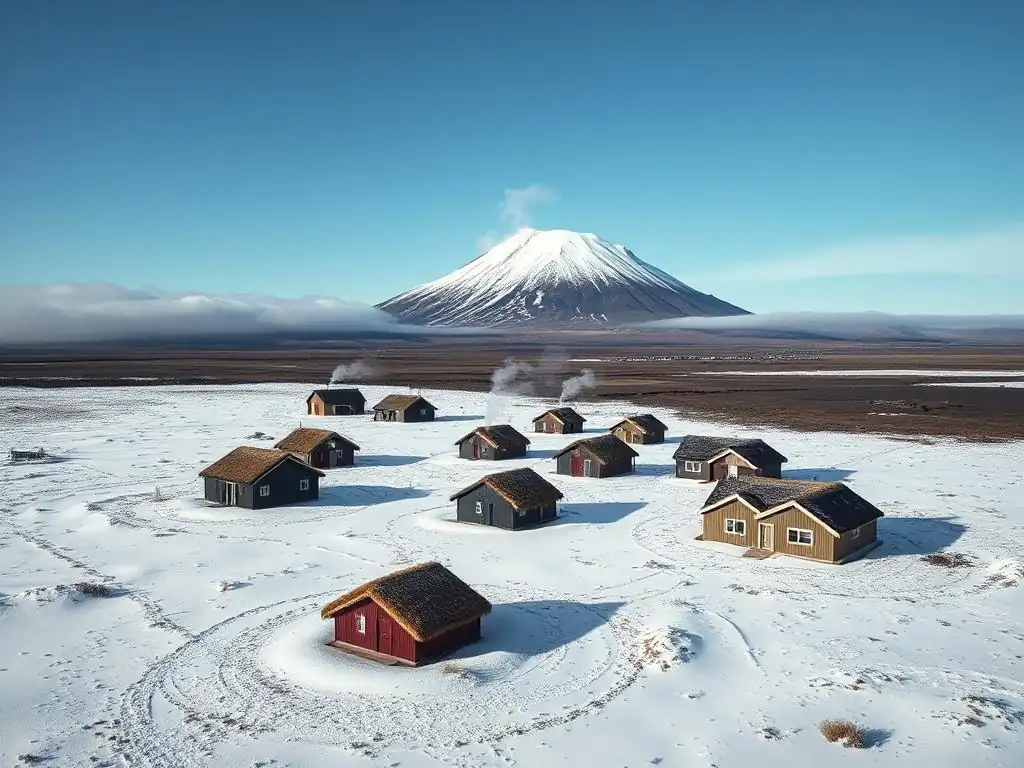
The benefits of geothermal heating in Iceland are multifaceted, extending beyond just comfortable homes. They encompass economic advantages, environmental responsibility, and long-term sustainability. Iceland’s embrace of geothermal energy for home heating has served as a model for other nations, demonstrating the profound positive impacts of transitioning to renewable energy sources.
These benefits highlight why geothermal heating is not just a practical solution for Iceland, but a strategic asset that underpins the nation's economic and environmental well-being. The Icelandic experience offers valuable lessons for other regions seeking to leverage their own renewable energy potential.
Cost-Effective Heating Solutions in Geothermally Active Areas
Geothermal heating offers significant cost advantages, particularly in volcanically active regions like Iceland. Compared to traditional heating methods reliant on fossil fuels, geothermal energy provides a stable and predictable energy source, shielding consumers from volatile global fuel prices. In Iceland, the cost of heating homes with geothermal energy is considerably lower than it would be with oil or gas, estimated to be roughly one-third to one-half the price, depending on fluctuations in fossil fuel markets.
This cost-effectiveness stems from several factors. Geothermal energy harnesses a naturally replenished resource, eliminating fuel procurement costs. While initial infrastructure investments in drilling wells and building distribution networks are substantial, the long-term operational costs are relatively low. Icelandic households benefit from significantly lower heating bills, contributing to a higher standard of living and reduced energy poverty. The economic stability provided by geothermal energy also enhances the competitiveness of Icelandic industries and businesses.
Environmentally Friendly Home Heating: Reducing Carbon Footprint
Geothermal heating is an exceptionally environmentally friendly alternative to fossil fuel-based heating systems, drastically reducing carbon emissions. Iceland’s near-total reliance on renewable energy for heating and electricity has resulted in one of the lowest carbon footprints per capita in the world. Geothermal heating systems produce minimal greenhouse gas emissions, primarily trace amounts of carbon dioxide and hydrogen sulfide released from geothermal reservoirs. These emissions are significantly lower than those from burning fossil fuels like oil, gas, or coal.
By transitioning to geothermal heating, Iceland has dramatically reduced its contribution to climate change and air pollution. The clean energy source contributes to improved air quality in urban areas, reducing respiratory health problems associated with fossil fuel combustion. Furthermore, geothermal energy promotes energy independence, lessening reliance on imported fuels and enhancing national energy security. Iceland's success in deploying geothermal heating demonstrates a pathway towards a low-carbon future for other nations.
Sustainable Energy Source: Tapping into Earth's Natural Heat
Geothermal energy is inherently sustainable, drawing upon the Earth’s vast and continuously replenished internal heat. Unlike fossil fuels, which are finite resources, geothermal energy is considered a renewable resource on human timescales. The heat extracted from geothermal reservoirs is constantly replenished by heat flow from the Earth’s interior and, in some cases, by reinjection of cooled geothermal fluids, ensuring the long-term viability of geothermal resources.
Iceland’s geothermal heating infrastructure is designed for long-term sustainability. Reservoir management practices, including monitoring, reinjection, and controlled extraction rates, are employed to ensure the longevity of geothermal fields. By responsibly managing its geothermal resources, Iceland is not only meeting its current energy needs but also securing a clean and reliable energy source for future generations. This commitment to sustainability positions geothermal energy as a crucial component of a global transition towards a more resilient and environmentally sound energy future.
Case Studies: Geothermal Home Heating Success Stories in Iceland
Iceland’s nationwide adoption of geothermal heating is punctuated by numerous success stories at both city-wide and individual community levels. Reykjavik, the capital city, stands as a flagship example of a large urban center almost entirely heated by geothermal energy. Smaller communities like Húsavík further illustrate the adaptability and benefits of geothermal heating in diverse settings. These case studies provide tangible evidence of the efficacy and versatility of geothermal heating solutions.
Examining these varied examples offers valuable insights into the practical implementation, challenges overcome, and long-term impacts of geothermal heating in different contexts. They demonstrate that geothermal energy is not just a theoretical concept but a proven and scalable solution for heating homes and communities in volcanically active regions.
Reykjavik: A City Powered by Geothermal Energy
Reykjavik, Iceland’s capital and largest city, is a global exemplar of geothermal urban heating. Since the 1930s, Reykjavik has progressively transitioned from coal and oil heating to geothermal energy. Today, nearly all of Reykjavik’s buildings are heated by geothermal district heating, a network that delivers hot water from nearby geothermal fields directly to homes, businesses, and public institutions. The city's air is remarkably clean, especially compared to cities of similar size in other parts of the world that rely on fossil fuels for heating.
The Reykjavik Energy company manages the extensive geothermal system, operating power plants like Nesjavellir and Hellisheidi that supply hot water to the city. The system is highly efficient, providing reliable and affordable heating to residents. Reykjavik's success story has inspired other cities around the world to explore geothermal district heating solutions, showcasing the feasibility of large-scale geothermal deployment in urban environments. The city's experience also highlights the importance of long-term planning, infrastructure investment, and public support in successfully transitioning to geothermal energy.
Húsavík: Individual Homes Embracing Geothermal Energy
Húsavík, a smaller town in northern Iceland, presents a different but equally compelling case study of geothermal heating adoption. While Reykjavik benefits from large-scale district heating, Húsavík showcases how individual homes and smaller communities can directly benefit from geothermal resources. Many homes in Húsavík utilize geothermal heat pumps or direct tap into shallow geothermal wells for heating and hot water. This decentralized approach demonstrates the versatility of geothermal technology.
The town's proximity to geothermal areas makes it economically viable for homeowners to invest in geothermal systems. Local geothermal companies provide drilling and installation services, making geothermal heating accessible to a wider population. Húsavík's experience demonstrates that geothermal heating is not limited to large urban centers with complex infrastructure; it can also be effectively implemented at a smaller scale, empowering individual homeowners and communities to harness local geothermal resources for their energy needs. This adaptability makes geothermal heating a relevant solution for a wide range of communities in volcanically active regions.
Lessons Learned from Geothermal Heating Implementations
Iceland’s extensive experience with geothermal heating, exemplified by cities like Reykjavik and towns like Húsavík, offers valuable lessons for other regions considering adopting geothermal energy. One key lesson is the importance of long-term strategic planning and government support. Iceland's government has consistently supported geothermal development through research funding, infrastructure investments, and favorable regulatory frameworks. This consistent policy support has been crucial for the widespread adoption of geothermal heating.
Another important lesson is the need for robust infrastructure development, including well-designed district heating networks and reliable drilling technologies. Iceland has invested heavily in developing expertise and infrastructure in these areas, ensuring the efficient and reliable delivery of geothermal heat. Community engagement and public awareness are also critical factors.
Icelandic society has embraced geothermal energy due to its clear economic and environmental benefits, fostering public support for geothermal projects. Finally, continuous innovation and adaptation are essential. Iceland continues to invest in research and development to improve geothermal technologies, enhance efficiency, and address challenges, demonstrating a commitment to ongoing improvement and sustainability.
Challenges and Considerations for Geothermal Heating in Iceland
While geothermal heating in Iceland has been remarkably successful, it is not without its challenges and considerations. These include geological risks associated with volcanic activity, the significant upfront costs of infrastructure development, and the need for careful environmental impact assessments. Addressing these challenges is crucial for ensuring the continued success and sustainability of geothermal heating in Iceland and other volcanically active regions.
Acknowledging and proactively managing these challenges is essential for maximizing the benefits of geothermal heating while minimizing potential risks. Effective planning, robust monitoring systems, and sustainable practices are key to navigating these considerations and ensuring the long-term viability of geothermal heating in volcanic regions.
Geological Risks: Monitoring Volcanic Activity and Ground Stability
Iceland's volcanic activity, while the source of its geothermal wealth, also presents inherent geological risks to geothermal infrastructure and operations. Volcanic eruptions, earthquakes, and ground deformation can potentially damage geothermal wells, pipelines, and power plants. Continuous monitoring of volcanic activity, seismic events, and ground stability is therefore crucial for mitigating these risks. The Icelandic Meteorological Office and other institutions maintain comprehensive monitoring networks to detect and assess potential hazards.
Early warning systems and robust emergency response plans are in place to protect geothermal infrastructure and communities in the event of volcanic or seismic events. Engineering designs for geothermal facilities in volcanic areas must incorporate resilience to geological hazards, including earthquake-resistant structures and flexible pipeline designs. Careful site selection for geothermal development, taking into account geological stability and potential hazards, is also paramount. Managing geological risks is an ongoing process that requires continuous vigilance and adaptation to evolving geological conditions.
Infrastructure Costs and Initial Investment
The initial investment costs for developing geothermal heating infrastructure are substantial. Drilling deep geothermal wells, constructing power plants and heating plants, and laying extensive pipeline networks require significant capital expenditure. These upfront costs can be a barrier to entry, particularly for smaller communities or developing regions considering geothermal heating. However, the long-term operational costs of geothermal systems are relatively low, and the economic benefits accrue over time, offsetting the initial investment.
Government incentives, public-private partnerships, and international funding mechanisms can help reduce the financial burden of initial geothermal infrastructure development. Phased development approaches, starting with smaller-scale projects and gradually expanding the system, can also help manage initial investment costs. Life-cycle cost analyses, which consider the long-term savings from reduced fuel costs and environmental benefits, often demonstrate the economic viability of geothermal heating despite the upfront investment.
Environmental Impact Assessments: Ensuring Sustainable Practices
While geothermal energy is generally considered environmentally friendly, geothermal development can have some environmental impacts that need careful assessment and mitigation. These impacts can include land use changes, potential greenhouse gas emissions (primarily CO2 and H2S released from geothermal reservoirs), and water usage. Thorough environmental impact assessments (EIAs) are essential before any geothermal project is undertaken.
EIAs evaluate potential impacts on ecosystems, water resources, air quality, and local communities. Mitigation measures, such as reinjection of geothermal fluids to minimize water usage and ground subsidence, and technologies to reduce greenhouse gas emissions from geothermal plants, are implemented to minimize environmental impacts. Sustainable drilling practices, careful management of waste disposal, and ongoing environmental monitoring are crucial for ensuring that geothermal development is environmentally responsible and sustainable in the long term.
Geothermal Heating vs. Traditional Heating Methods in Iceland: A Comparison
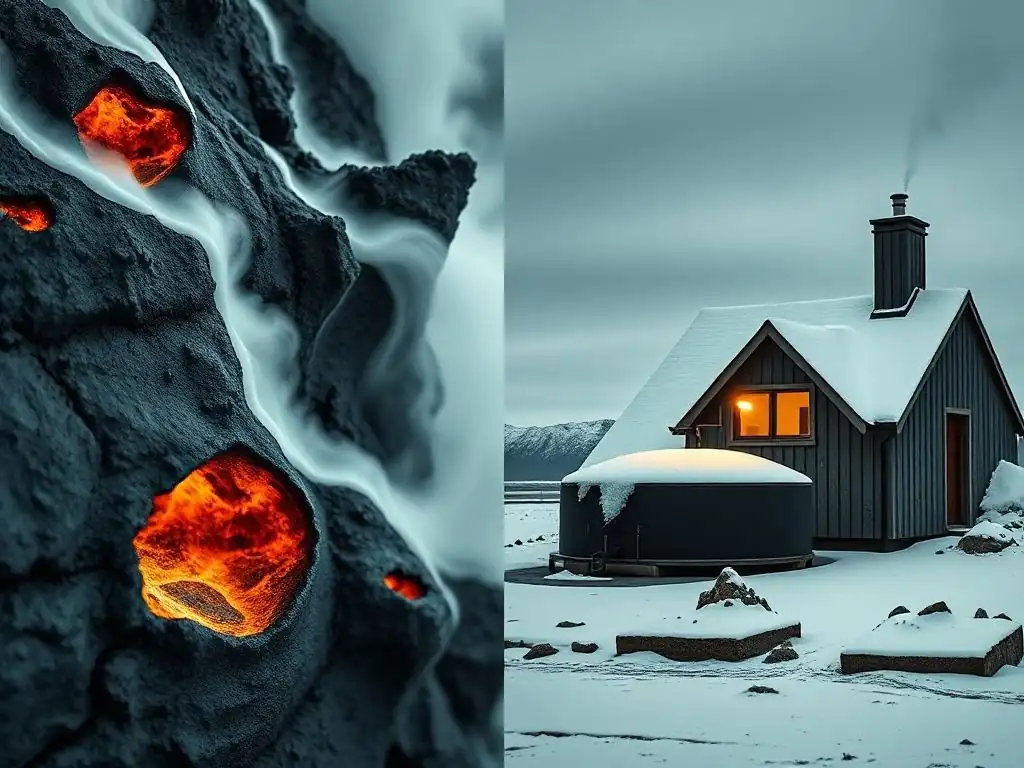
A direct comparison between geothermal heating and traditional heating methods, such as those using fossil fuels, in the Icelandic context reveals the clear advantages of geothermal energy. This comparison encompasses cost, efficiency, performance, and environmental impact, highlighting why Iceland has so decisively embraced geothermal heating as its primary source of warmth.
This comparative analysis underscores the compelling case for geothermal heating in Iceland and other suitable regions. The benefits are not just environmental but also economic and societal, making geothermal energy a strategically advantageous choice for sustainable heating.
Cost Analysis: Geothermal vs. Fossil Fuels
In terms of cost, geothermal heating in Iceland is significantly more economical than fossil fuel-based heating. The operational costs of geothermal systems are much lower than those of oil or gas heating, as geothermal energy relies on a free and domestically available resource – the Earth’s heat. Icelandic households using geothermal heating typically pay significantly less for heating compared to households in countries reliant on fossil fuels. For example, in 2023, the average heating bill for a geothermal-heated home in Reykjavik was estimated to be 40-60% lower than it would be for a comparable home heated with oil.
Fossil fuel prices are subject to global market volatility and geopolitical factors, leading to unpredictable heating costs. Geothermal energy provides price stability and energy security, shielding consumers from these fluctuations. While the initial investment in geothermal infrastructure is higher, the long-term operational savings and price stability make geothermal heating a more cost-effective solution over the lifespan of the heating system. This economic advantage is particularly pronounced in volcanically active regions with readily accessible geothermal resources.
Efficiency and Performance: Which System Heats Best?
Geothermal heating systems, particularly direct use systems, are highly efficient in converting energy into usable heat. Direct use systems can achieve efficiencies of 80-90% or even higher, as they directly utilize the heat from geothermal water with minimal energy conversion losses. Geothermal heat pumps also offer high efficiencies, typically delivering 3-4 units of heat energy for every unit of electricity consumed to operate the pump. This efficiency surpasses traditional fossil fuel boilers, which typically operate at efficiencies of 60-80%.
In terms of performance, geothermal heating provides reliable and consistent heating even in Iceland’s harsh winter climate. District heating systems ensure a continuous supply of hot water to homes, maintaining comfortable indoor temperatures. Geothermal systems are also highly responsive, allowing for quick adjustments to heating levels as needed. Compared to fossil fuel-based heating, geothermal systems offer comparable or superior heating performance with significantly lower environmental impact and greater energy efficiency.
Environmental Impact: A Side-by-Side Comparison
The environmental impact of geothermal heating is drastically lower than that of traditional fossil fuel heating. Fossil fuel combustion releases substantial amounts of greenhouse gases, contributing to climate change and air pollution. Geothermal heating, in contrast, produces minimal greenhouse gas emissions. While geothermal plants may release small amounts of CO2 and H2S, these emissions are a fraction of those from fossil fuel power plants and heating systems.
Geothermal energy is a renewable resource, whereas fossil fuels are finite. Sustainable geothermal practices, such as reinjection of geothermal fluids, minimize water usage and environmental disruption. The land footprint of geothermal facilities is also generally smaller than that of fossil fuel extraction and processing infrastructure. From an environmental perspective, geothermal heating is unequivocally the superior choice, offering a clean, sustainable, and climate-friendly alternative to traditional fossil fuel-based heating methods.
The Future of Geothermal Home Heating in Iceland
The future of geothermal home heating in Iceland is bright, driven by ongoing technological advancements, supportive government policies, and a continued commitment to sustainability. Iceland is poised to further optimize its geothermal resources and expand the applications of geothermal heating, solidifying its position as a global leader in geothermal energy.
Continued innovation and strategic development will ensure that geothermal heating remains a cornerstone of Iceland's energy system and a model for other nations seeking sustainable heating solutions. The future of geothermal heating in Iceland is not just about maintaining current success but about pushing the boundaries of what is possible with this remarkable renewable resource.
Technological Advancements in Geothermal Energy Extraction
Technological advancements are continuously improving the efficiency and accessibility of geothermal energy extraction. Enhanced Geothermal Systems (EGS), also known as hot dry rock geothermal, are being developed to access geothermal resources in areas without naturally occurring hydrothermal reservoirs. EGS involves creating artificial fractures in hot, dry rocks deep underground and circulating water through these fractures to extract heat. This technology could significantly expand the geographic potential of geothermal energy.
Advanced drilling techniques, such as directional drilling and deep drilling technologies, are enabling access to deeper and hotter geothermal reservoirs, increasing energy output and efficiency. Improved materials for well construction and pipelines are enhancing the durability and lifespan of geothermal infrastructure. Smart grid technologies and advanced control systems are optimizing the distribution and management of geothermal heat, reducing losses and improving system reliability. These technological innovations are paving the way for even more efficient and widespread utilization of geothermal energy for home heating and other applications.
Government Incentives and Support for Geothermal Projects
The Icelandic government plays a crucial role in fostering the development and expansion of geothermal energy through various incentives and support mechanisms. These include feed-in tariffs for geothermal electricity, grants and subsidies for geothermal heating projects, and tax incentives for geothermal investments. Government policies also prioritize renewable energy development and set ambitious targets for reducing greenhouse gas emissions, creating a favorable policy environment for geothermal energy.
Research and development funding from government agencies supports innovation in geothermal technologies and resource management. Streamlined permitting processes and regulatory frameworks facilitate the development of geothermal projects while ensuring environmental safeguards. International collaboration and knowledge sharing initiatives, supported by the government, further enhance Iceland's geothermal expertise and promote the global adoption of geothermal energy. Continued government support is essential for maintaining Iceland's leadership in geothermal energy and driving future growth in the sector.
The Role of Geothermal in Sustainable Community Development
Geothermal heating is not just an energy solution; it is also a catalyst for sustainable community development in Iceland. Affordable and reliable geothermal heating improves living standards, reduces energy poverty, and enhances the economic competitiveness of communities. Local geothermal industries create jobs in drilling, construction, operation, and maintenance of geothermal facilities, contributing to local economic growth.
Geothermal resources can also be used for other community benefits, such as geothermal spas, greenhouses for local food production, and industrial processes. Geothermal district heating systems can enhance urban planning and development, creating more sustainable and energy-efficient cities and towns. By providing clean and affordable energy, geothermal heating contributes to healthier and more resilient communities. Iceland’s experience demonstrates how geothermal energy can be integrated into a broader strategy for sustainable community development, creating thriving and environmentally responsible communities.
Safety Measures and Best Practices for Geothermal Heating Systems
Ensuring the safety and reliability of geothermal heating systems is paramount, particularly in volcanically active regions like Iceland. Robust safety measures and best practices are essential for preventing system failures, responding to emergencies, and ensuring the long-term optimal performance of geothermal heating infrastructure.
Prioritizing safety and adhering to best practices are fundamental to maintaining public trust in geothermal energy and ensuring the continued success of geothermal heating in Iceland and elsewhere. A proactive and comprehensive approach to safety is not just a matter of risk management but an integral part of responsible geothermal development.
Preventing Geothermal System Failures
Preventing geothermal system failures requires a multi-faceted approach encompassing design, operation, and maintenance. Robust engineering designs, using high-quality materials and adhering to stringent construction standards, are crucial for ensuring the structural integrity of geothermal wells, pipelines, and facilities. Regular inspections and monitoring of system components, including wells, pipelines, pumps, and heat exchangers, are essential for detecting and addressing potential issues before they escalate into failures.
Preventive maintenance programs, including regular cleaning, lubrication, and component replacements, extend the lifespan and reliability of geothermal systems. Redundancy in critical system components, such as backup pumps and power supplies, enhances system resilience and minimizes downtime in case of failures. Operator training and adherence to strict operating procedures are crucial for preventing human errors that could lead to system failures. A proactive and preventative approach is key to minimizing the risk of geothermal system failures.
Emergency Procedures in Volcanic Areas
In volcanically active areas, specific emergency procedures are necessary to address potential hazards related to volcanic eruptions and seismic events. Early warning systems and communication protocols are essential for alerting operators and the public to impending volcanic activity or earthquakes. Emergency shutdown procedures for geothermal facilities must be in place to safely shut down operations and minimize potential damage in the event of a volcanic eruption or seismic event.
Evacuation plans for personnel and nearby communities must be prepared and regularly practiced. Emergency response teams should be trained and equipped to handle volcanic emergencies, including potential gas releases or ashfall. Post-emergency inspection and repair procedures are necessary to quickly assess damage and restore geothermal system operations after a volcanic or seismic event. Comprehensive emergency preparedness is crucial for mitigating the risks associated with geothermal operations in volcanic areas.
Regular Maintenance and Inspections for Optimal Performance
Regular maintenance and inspections are vital for ensuring the optimal performance and longevity of geothermal heating systems. Routine inspections should cover all critical system components, including wells, pipelines, pumps, heat exchangers, and control systems. Maintenance schedules should be established and followed to ensure timely servicing and replacement of components. Performance monitoring and data analysis can identify trends and potential issues, allowing for proactive maintenance interventions.
Water quality monitoring is essential to prevent scaling and corrosion in pipelines and equipment, which can reduce system efficiency and lifespan. Regular testing of safety devices, such as pressure relief valves and emergency shutdown systems, ensures their proper functioning. Documentation of maintenance activities and inspection findings provides a valuable record for tracking system performance and planning future maintenance needs. Consistent and thorough maintenance and inspections are key to maximizing the efficiency, reliability, and lifespan of geothermal heating systems.
Frequently Asked Questions
How does geothermal heating work in volcanic regions?
Geothermal heating in volcanic regions leverages the Earth's natural heat to warm homes. It uses wells to extract hot water or steam from underground reservoirs, which then heats buildings. This is a sustainable and efficient energy source.
What are the benefits of using geothermal heating in volcanic areas?
Using geothermal heating reduces reliance on fossil fuels, lowering carbon emissions. It's also a renewable energy source, providing a stable and cost-effective heating solution in areas with abundant geothermal resources.
Are there any environmental concerns associated with geothermal heating in volcanic regions?
While generally clean, geothermal energy can sometimes release small amounts of greenhouse gases, such as carbon dioxide and hydrogen sulfide. Careful management is needed to minimize the environmental impact and ensure sustainability.
Is geothermal heating a cost-effective option for homeowners in volcanic areas?
Initial installation costs can be high, but geothermal heating systems often have lower long-term operating costs due to the free availability of geothermal energy. Government incentives can help offset the initial investment.
How does volcanic activity affect the reliability of geothermal heating systems?
Volcanic activity can sometimes cause ground instability or changes in the underground water temperature, potentially impacting the efficiency and lifespan of geothermal heating systems. Careful geological monitoring is crucial.
Final Reflection: Harnessing the Earth's Embrace
The exploration of geothermal heating in volcanic regions, as we've seen, isn't just a technological advancement; it's a testament to our ability to live in harmony with the planet. This sustainable approach, particularly vital in the face of climate change, offers a powerful alternative to traditional heating methods, especially for communities nestled near volcanic activity. The potential for clean, reliable energy is immense, and its adoption represents a crucial step towards a greener future.
The impact of geothermal energy extends far beyond mere heating; it fosters a deeper understanding and respect for the Earth's natural processes. Witnessing communities thrive by tapping into the planet's inherent warmth is truly inspiring, and it underscores the importance of embracing innovative solutions that minimize our environmental footprint. We are part of nature, not separate from it. Geothermal energy reminds us of this connection and offers a path towards a more sustainable relationship with our planet.
As we conclude this exploration of geothermal heating in volcanic regions, I invite you to consider the power of sustainable innovation in your own life. How can you embrace practices that align with nature's rhythms and contribute to a healthier planet? Let the warmth of the Earth inspire you to seek out and champion solutions that benefit both humanity and the environment, ensuring a brighter, more sustainable future for generations to come.
Unearth the Earth's Power: Warm Your World!
Thank you for exploring the fascinating world of geothermal heating with us! Now that you've discovered the incredible potential of harnessing the Earth's natural warmth, it's time to take action.
Here are a few ways you can dive deeper and embrace geothermal energy:
- Discover if Geothermal is Right for Your Home: Use our free online assessment tool to analyze your location and energy needs and see if your home is a good candidate for geothermal heating.
- Share Your Passion: Spread the warmth! Share this article with friends and family who might benefit from learning about this sustainable energy solution.
- Explore Geothermal Initiatives: Investigate local geothermal heating projects or community initiatives in your area and see how you can contribute to a greener future.
What's one small step you can take today to explore the potential of geothermal energy in your life?