
Rustic Volcanic Wood Creations: Bringing Nature's Fury Indoors


Welcome to Volcano Explorers!
Ever wondered how the raw power of a volcano can inspire unique and captivating art? Prepare to be amazed. This isn't just about lava and ash; we're diving into the surprisingly elegant world of rustic volcanic wood home decor. Discover how fire-forged timber transforms into stunning pieces that bring the wild beauty of nature's fury right into your living space. Intrigued? Then journey with us as we uncover the secrets behind these extraordinary creations...
- Rustic Wood Decor: Bringing Nature Indoors
- Introduction: The Allure of Unique Wood for Home Decor
- Understanding Unique Wood: Formation and Characteristics
- Rustic Wood Home Decor Ideas: Bringing the Outdoors In
- Buying Guide: Selecting the Perfect Rustic Wood Decor
- Maintaining and Caring for Your Wood Creations
- The Economic Value of Rustic Wood Decor
-
Frequently Asked Questions
- What is "Rustic Volcanic Wood Home Decor," and where does the wood come from?
- How does volcanic activity create unique patterns in the wood?
- Is volcanic wood safe to use in home decor?
- Where can I find "Rustic Volcanic Wood Home Decor" items for purchase?
- What types of home decor can be made from volcanic wood?
- Final Reflection: Embracing the Raw Beauty of Transformation
- Ignite Your Inspiration: Craft Your Own Volcanic Masterpiece!
Rustic Wood Decor: Bringing Nature Indoors
Introduction: The Allure of Unique Wood for Home Decor
Embracing the Beauty of Natural Landscapes in Your Home
In a world increasingly dominated by synthetic materials and mass-produced items, the desire to connect with nature within our living spaces has grown stronger. Rustic wood decor offers a tangible link to the outdoors, allowing us to infuse our homes with the organic beauty and raw textures of the natural world.
Imagine the rugged landscapes shaped by volcanic forces, the dense forests that climb mountain slopes – these powerful natural environments inspire a design aesthetic that values authenticity and the inherent character of natural materials. By incorporating rustic wood elements, we're not just decorating; we're curating an environment that resonates with the tranquility and strength found in nature, creating a haven that feels both grounded and aesthetically enriching.
The appeal of rustic wood extends beyond mere aesthetics; it's about creating a sensory experience within the home. The warmth of wood tones, the tactile richness of its grain, and even the subtle scent of natural wood finishes contribute to a holistic sense of well-being.
In contrast to sterile, manufactured environments, spaces adorned with rustic wood decor feel inviting and lived-in. This design choice reflects a deeper appreciation for the Earth's resources and a move towards sustainable living, where the beauty of natural materials is celebrated and integrated into our daily lives, echoing the dramatic beauty found in volcanic regions and other powerful natural settings.
What is Unique Wood and Why is it Perfect for Rustic Decor?
"Unique wood," in the context of rustic decor, refers to wood that showcases distinctive natural variations and character marks, setting it apart from standardized lumber. This includes wood with striking grain patterns, knots, burls, spalting, live edges, and reclaimed wood with a history etched into its surface. Unlike perfectly uniform, mass-produced wood, unique wood celebrates imperfections and the story of its origin. Each piece tells a tale of growth, weathering, and natural processes, making it inherently individual and full of character. This inherent uniqueness is precisely what makes it ideal for rustic decor.
Rustic design aesthetics prize authenticity and a connection to nature. Unique wood embodies these principles perfectly. Its natural imperfections and variations are not seen as flaws but rather as desirable features that enhance its beauty and charm.
The unpredictable patterns and textures found in unique wood create visual interest and depth, adding warmth and personality to a space. Whether it's a coffee table crafted from a single slab of live-edge walnut or wall art made from reclaimed barn wood, unique wood pieces become focal points, injecting character and a sense of history into the home. This focus on natural, unrefined beauty resonates deeply with the principles of rustic style and brings an element of the wild, untamed beauty of landscapes – even volcanic ones – into the domestic sphere.
Understanding Unique Wood: Formation and Characteristics
How Natural Processes Shape Unique Wood Textures
The captivating textures found in unique wood are a direct result of various natural processes that occur as trees grow and age. Weather patterns, soil conditions, and even injuries to the tree contribute to the development of distinctive grain patterns and surface characteristics. For example, variations in temperature and rainfall throughout the year cause trees to grow at different rates, leading to the formation of growth rings that are visible as grain patterns.
Trees growing in harsh environments, perhaps on volcanic slopes with nutrient-poor soil, may develop denser, more characterful wood as they adapt to challenging conditions. Wind can also influence wood grain, creating compression wood on the leeward side of the tree, which is denser and has a different texture.
Furthermore, natural occurrences like fungal infections and insect activity play a significant role in shaping unique wood textures. Spalting, for instance, is caused by fungi that colonize wood after the tree has died, creating intricate dark lines and color variations within the wood. Burls, another sought-after feature, are abnormal growths that develop due to stress or injury, resulting in highly figured, swirling grain patterns.
Even the natural aging process contributes to the unique character of wood. Sunlight and moisture exposure can weather the surface, creating a patina and enhancing the wood's natural texture over time. These natural processes, often unfolding over decades or even centuries, are what give unique wood its distinctive charm and make each piece a testament to the forces of nature.
The Different Types of Wood with Unique Grain Patterns: Maple Burl, Spalted Maple
Several wood species are particularly prized for their unique grain patterns and textures, making them highly sought after for rustic wood home decor. Maple burl, as mentioned, is a prime example. Maple burls are rounded, wart-like growths that occur on maple trees, often near the base or trunk.
The wood within a burl has an incredibly dense and swirly grain, often exhibiting "birdseye" figures and a wild, unpredictable pattern. These burls are highly valued for their rarity and striking aesthetic, making them ideal for statement pieces like coffee tables or accent furniture. A single maple burl slab can become the centerpiece of a room, showcasing nature's artistry in its most dramatic form.
Spalted maple is another type of wood renowned for its unique patterns. Spalting is a discoloration of wood caused by fungi. These fungi create dark lines and streaks within the wood, often resembling intricate ink drawings. The spalting process doesn't compromise the wood's structural integrity if harvested at the right stage and properly dried.
Spalted maple exhibits a range of patterns, from delicate, fine lines to bold, dramatic figures. This wood is particularly popular for smaller decorative items, such as bowls, trays, and wall art, where the intricate spalting patterns can be fully appreciated. Both maple burl and spalted maple exemplify how natural processes can transform ordinary wood into extraordinary materials with inherent artistic value.
Properties of Unique Wood: Durability, Resistance, and Aesthetic Appeal
Beyond its captivating aesthetic, unique wood often possesses impressive properties in terms of durability and resistance, making it not only beautiful but also practical for home decor. Many unique wood types, especially those from slow-growing or dense species, are naturally hard and durable. For example, hardwoods like maple and walnut, often found in burl or spalted forms, are known for their resistance to dents and scratches.
This inherent durability ensures that rustic wood furniture and decor items can withstand daily use and last for generations, becoming cherished heirloom pieces. The density of the wood also contributes to its stability and resistance to warping or cracking.
Furthermore, certain unique wood varieties exhibit natural resistance to decay and insect infestation. Some species contain natural oils and compounds that act as preservatives, protecting the wood from rot and pests. This natural resistance is particularly valuable for reclaimed wood, which may have been exposed to the elements for extended periods.
In terms of aesthetic appeal, the unique grain patterns, textures, and natural color variations of unique wood are unmatched by mass-produced materials. The warmth and character of wood, enhanced by its unique features, create an inviting and organic atmosphere in any space. This combination of durability, resistance, and aesthetic richness makes unique wood a highly desirable material for creating rustic home decor that is both beautiful and enduring.
Rustic Wood Home Decor Ideas: Bringing the Outdoors In
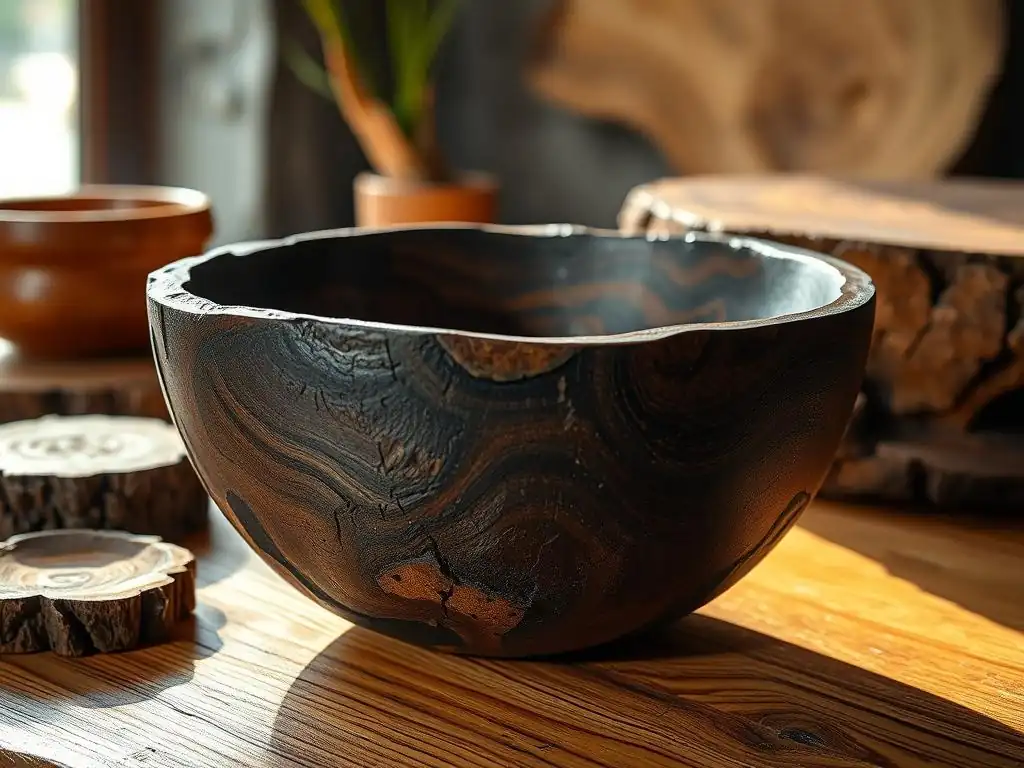
Wood Coffee Tables: A Statement Piece for Your Living Room
A wood coffee table, especially one crafted from unique wood, can serve as a stunning statement piece in any living room, grounding the space with natural warmth and character. Unlike mass-produced coffee tables, a rustic wood coffee table, particularly those made from live-edge slabs or reclaimed wood, becomes a focal point that draws the eye and sparks conversation.
The natural grain patterns, knots, and imperfections in the wood tell a story, adding depth and visual interest to the room. The substantial presence of a solid wood coffee table also anchors the seating area, creating a sense of groundedness and connection to nature within the home.
Rustic wood coffee tables are incredibly versatile, complementing a wide range of interior design styles, from farmhouse and bohemian to modern and minimalist. They can soften the sharp lines of contemporary furniture, add warmth to industrial spaces, or enhance the cozy atmosphere of a traditional living room.
The natural tones of wood, ranging from light honey hues to rich browns and deep reds, bring warmth and visual richness to a space, creating a welcoming and inviting ambiance. A well-chosen wood coffee table is not just furniture; it's a piece of art that brings the beauty and tranquility of the outdoors into the heart of the home.
Features to Look For in a Wood Coffee Table: Wood Type, Size, Finish
When selecting a rustic wood coffee table, several key features deserve careful consideration to ensure both aesthetic appeal and functionality. The wood type is paramount. Hardwoods like walnut, oak, maple, and cherry are excellent choices due to their durability and beautiful grain patterns. Walnut is prized for its rich dark color and elegant grain, while oak offers strength and a classic, timeless appeal.
Maple, especially burl or spalted maple, provides unique and dramatic grain patterns. The size of the coffee table should be proportionate to the living room space and the surrounding furniture. Consider the dimensions of your sofa and chairs to ensure comfortable reach and visual balance. A general guideline is that the coffee table should be approximately two-thirds the length of your sofa.
The finish of the wood coffee table is also crucial for both aesthetics and protection. Natural oil finishes, like linseed oil or tung oil, enhance the wood's natural beauty and provide a soft, matte sheen while offering some protection against moisture and scratches. Varnish or lacquer finishes offer greater durability and water resistance but can create a more glossy appearance, which may or may not align with a rustic aesthetic.
For a truly rustic look, consider a hand-rubbed oil finish that allows the natural texture of the wood to shine through. Additionally, consider features like live edges, which showcase the natural contour of the tree, or reclaimed wood, which adds a sense of history and sustainability to the piece.
Product Examples: Live Edge Walnut Coffee Table
A quintessential example of a rustic wood coffee table that embodies natural beauty and craftsmanship is a live edge walnut coffee table. Imagine a substantial slab of walnut wood, carefully selected to showcase its rich, dark tones and intricate grain patterns. The "live edge" refers to the natural, unstraightened edge of the wood slab, following the original contour of the tree trunk.
This feature adds an organic, free-form element to the table, making it a truly unique piece. Live edge walnut coffee tables often feature minimal bases, such as simple metal legs or clear acrylic supports, to highlight the natural beauty of the wood itself.
These coffee tables are not just functional furniture; they are works of art. Each table is one-of-a-kind, reflecting the individual character of the walnut tree from which it was sourced. The natural variations in color, grain, and knots are celebrated rather than concealed, creating a piece that is both rustic and refined.
A live edge walnut coffee table can become the centerpiece of a living room, adding warmth, sophistication, and a touch of the outdoors to the interior space. They are often handcrafted by artisans who specialize in working with unique wood, ensuring high quality and attention to detail. The price for such a statement piece can range from approximately $800 to $3000 or more, depending on the size, wood quality, and craftsmanship.
Wood Wall Art: Adding Texture and Depth to Your Walls
Wood wall art offers a fantastic way to add texture, depth, and natural beauty to your walls, moving beyond traditional paintings and prints. In contrast to flat, painted surfaces, wood wall art introduces a tactile element and a sense of organic warmth to a room.
The natural grain patterns, colors, and textures of wood create visual interest and dimension, transforming blank walls into captivating focal points. Whether it's a single statement piece or a curated gallery wall of wood elements, incorporating wood art elevates the overall aesthetic of a space, adding a touch of rustic elegance and connection to the natural world.
Wood wall art is incredibly versatile, fitting seamlessly into various design styles. From minimalist Scandinavian interiors to bohemian and farmhouse-inspired spaces, wood art complements a wide range of aesthetics. It can add warmth to modern, minimalist rooms, enhance the natural feel of bohemian spaces, or reinforce the rustic charm of farmhouse decor. The variety of wood types, finishes, and artistic styles available allows for endless creative possibilities, enabling homeowners to personalize their walls and express their individual style through natural materials.
Exploring Different Styles of Wood Wall Art: Sculptures, Panels, and More
The realm of wood wall art encompasses a diverse range of styles and forms, offering options to suit various tastes and interior design preferences. Wood sculptures, for instance, can range from abstract geometric designs to figurative pieces inspired by nature. These three-dimensional artworks protrude from the wall, creating depth and shadow play, adding a dynamic element to the space. Wood panels are another popular style, often featuring intricate carvings, geometric patterns, or natural wood grain showcased in decorative arrangements. Reclaimed wood panels, in particular, bring a rustic, vintage charm, with weathered surfaces and nail holes adding to their character.
Beyond sculptures and panels, wood wall art can also include functional pieces like shelves and decorative mirrors framed in wood. Driftwood art, utilizing pieces of wood naturally shaped by water and time, offers a unique and organic aesthetic, perfect for coastal or bohemian-inspired interiors. Wood tapestries, combining wood elements with woven fibers, create textural contrasts and visual interest.
The possibilities are vast, allowing for creative exploration and personalization. The price range for wood wall art is equally broad, from affordable handcrafted pieces under $100 to larger, more elaborate sculptures costing several thousand dollars, depending on the size, complexity, wood type, and artist.
Case Study: Transforming a Room with a Reclaimed Wood Panel
Consider a case study of transforming a generic, modern living room into a warm and inviting space using a reclaimed wood panel as wall art. Imagine a living room with white walls, sleek gray furniture, and minimalist decor. While stylish, the room lacks warmth and textural interest.
To inject character and rustic charm, a large reclaimed wood panel is installed on the main wall behind the sofa. The panel is crafted from weathered barn wood, showcasing a mix of gray, brown, and natural wood tones, with visible nail holes and saw marks that tell a story of the wood's past life. The panel spans approximately 6 feet wide and 4 feet tall, creating a substantial focal point.
The reclaimed wood panel immediately transforms the atmosphere of the room. The warm tones and natural texture of the wood soften the stark white walls and add depth to the space. The rustic character of the reclaimed wood contrasts beautifully with the modern furniture, creating a balanced and visually interesting interior.
The panel becomes a conversation starter, drawing attention and adding a unique element of handcrafted artistry to the room. The cost for a reclaimed wood panel of this size and quality could range from approximately $500 to $1500, depending on the source and craftsmanship. This example demonstrates how a single piece of wood wall art can dramatically alter the ambiance of a room, infusing it with warmth, texture, and rustic elegance.
Wood Lighting: Illuminating Your Space with Natural Elegance
Integrating wood into lighting fixtures, such as lamps and chandeliers, is a sophisticated way to bring natural elegance and warmth into your home's illumination. Wood, as a material, diffuses light beautifully, creating a soft, ambient glow that is both inviting and relaxing. Unlike harsh, direct light from metal or glass fixtures, wood lighting casts a warmer, more natural light that enhances the cozy atmosphere of a room. The use of wood in lighting fixtures also adds a textural element, introducing organic shapes and materials into the often functional and utilitarian aspect of home lighting.
Wood lighting fixtures are available in a wide array of styles, from minimalist and modern to rustic and bohemian. They can range from simple wooden table lamps to elaborate chandeliers crafted from branches or driftwood. The versatility of wood allows designers to create lighting fixtures that are both functional and artistic, seamlessly blending form and function. Whether it's a sleek wooden pendant lamp hanging above a dining table or a rustic driftwood floor lamp illuminating a reading nook, wood lighting adds a touch of natural sophistication and warmth to any space.
Integrating Wood into Lamps and Chandeliers: Design Considerations
When incorporating wood into lamps and chandeliers, several design considerations come into play to ensure both aesthetic appeal and functionality. The type of wood chosen will significantly impact the overall look and feel of the lighting fixture. Lighter woods like maple or birch create a more Scandinavian or minimalist aesthetic, while darker woods like walnut or mahogany lend a richer, more traditional or mid-century modern vibe.
Reclaimed wood adds a rustic, industrial touch, while driftwood evokes a coastal or bohemian feel. The shape and form of the wood elements are also crucial. Clean, geometric shapes create a modern look, while organic, free-form shapes enhance a rustic or natural style.
The scale of the wood lighting fixture should be proportionate to the room and the surrounding furniture. A large wooden chandelier might overwhelm a small room, while a small table lamp might get lost in a spacious living area. Consider the height of ceilings and the size of furniture when selecting wood lighting. The finish of the wood is another important consideration.
Natural oil finishes enhance the wood's natural beauty, while painted or stained finishes allow for greater design flexibility and color coordination. Wiring and safety are paramount. Ensure that wood lighting fixtures are properly wired and meet safety standards. Consider using LED bulbs, which generate less heat and are more energy-efficient, especially when used with wood fixtures.
Product Examples: Driftwood Lamp
A popular and visually striking example of wood lighting is a driftwood lamp. Driftwood, naturally weathered and shaped by water and time, offers a unique and organic aesthetic perfect for rustic, coastal, or bohemian interiors. Imagine a lamp base crafted from a carefully selected piece of driftwood, showcasing its unique curves, textures, and weathered patina. No two driftwood lamps are ever exactly alike, making each piece a one-of-a-kind work of art. Driftwood lamps often feature simple linen or burlap lampshades to complement the natural texture of the wood and create a soft, diffused light.
These lamps bring a touch of the beach and the outdoors into the home, evoking a sense of tranquility and natural beauty. They are particularly well-suited for living rooms, bedrooms, or studies, adding a relaxed and organic element to the space. Driftwood lamps can range in style from minimalist and modern, featuring sleek driftwood pieces, to more rustic and elaborate, incorporating larger, more sculptural driftwood elements.
The price for a driftwood lamp can vary depending on the size, quality of the driftwood, and craftsmanship, ranging from approximately $150 to $500 or more. They are readily available online and in specialty home decor stores, and some artisans even create custom driftwood lamps, allowing for personalized designs.
Wood Bowls and Serving Trays: Functional Art for Your Kitchen
Wood bowls and serving trays are not just practical kitchenware; they are also functional art pieces that bring natural warmth and beauty to your dining and kitchen spaces. Unlike mass-produced plastic or metal bowls, wood bowls and trays offer a tactile richness and organic aesthetic that enhances the dining experience. The natural grain patterns and warm tones of wood create an inviting and comforting atmosphere, making everyday meals feel more special. Wood bowls and serving trays are versatile, serving both practical purposes and decorative roles, adding a touch of rustic elegance to countertops, dining tables, and kitchen islands.
Wood bowls and serving trays are incredibly versatile, suitable for a wide range of uses, from serving salads and fruits to displaying decorative items or organizing kitchen essentials. They can be used for everyday meals or for special occasions, adding a touch of natural sophistication to any setting.
The variety of wood types, shapes, sizes, and finishes available allows for endless possibilities, enabling homeowners to select pieces that perfectly complement their kitchen decor and personal style. Whether it's a set of handcrafted wooden salad bowls or a large wooden serving tray for appetizers, these functional art pieces elevate the everyday and bring a touch of nature into the heart of the home.
Choosing the Right Wood Bowl for Your Needs: Size, Shape, and Finish
Selecting the right wood bowl involves considering several factors to ensure it meets your specific needs and aesthetic preferences. Size is a primary consideration. Determine the intended use of the bowl – will it be used for serving salads, fruit, bread, or as a decorative centerpiece? Salad bowls typically range from 10 to 14 inches in diameter, while fruit bowls can be smaller, around 8 to 10 inches.
Consider the number of people you typically serve when choosing the size. The shape of the bowl also plays a role in both function and aesthetics. Round bowls are classic and versatile, while oval or rectangular bowls can be more visually striking and suitable for serving certain types of food. Deeper bowls are ideal for salads or soups, while shallower bowls are better for displaying fruits or bread.
The type of wood and finish are crucial factors in both durability and appearance. Hardwoods like maple, cherry, walnut, and beech are excellent choices for wood bowls due to their durability, food safety, and beautiful grain patterns. Avoid using softwoods like pine for food-serving bowls as they are more porous and prone to scratching. Food-safe finishes are essential for wood bowls intended for serving food.
Mineral oil or beeswax finishes are natural and food-safe options that protect the wood and enhance its natural beauty. Avoid using varnish or polyurethane finishes inside food bowls as they are not food-safe. Consider the overall style of your kitchen when choosing the wood type and finish. Lighter woods like maple create a Scandinavian or modern look, while darker woods like walnut offer a richer, more traditional feel.
Promoting Sustainable Sourcing: Wood Bowls from Responsible Forestry
When purchasing wood bowls and serving trays, it's increasingly important to consider sustainable sourcing and responsible forestry practices. Choosing wood products from responsibly managed forests helps protect ecosystems, conserve biodiversity, and ensure the long-term availability of forest resources. Look for wood bowls made from sustainably harvested wood, certified by organizations like the Forest Stewardship Council (FSC). FSC certification ensures that the wood comes from forests managed to meet strict environmental and social standards. Supporting businesses that prioritize sustainable sourcing helps promote responsible forestry practices and reduces the environmental impact of wood consumption.
Consider purchasing wood bowls made from reclaimed wood or wood salvaged from fallen trees. Reclaimed wood gives new life to old wood, reducing the demand for newly harvested timber and adding a unique, vintage character to the pieces. Supporting local artisans and craftspeople who handcraft wood bowls and prioritize sustainable sourcing is another way to promote responsible practices. These artisans often use locally sourced wood and traditional techniques, minimizing their environmental footprint. By making conscious choices and prioritizing sustainable sourcing, consumers can enjoy the beauty and functionality of wood bowls while supporting responsible forestry and environmental stewardship.
Buying Guide: Selecting the Perfect Rustic Wood Decor
Key Considerations When Purchasing Wood Pieces
Purchasing rustic wood decor involves several key considerations to ensure you're selecting high-quality, authentic, and sustainable pieces that meet your needs and preferences. Beyond aesthetic appeal, consider the wood type, construction quality, and intended use of the item. For furniture pieces like coffee tables or benches, durability and stability are paramount. Hardwoods like oak, walnut, and maple are excellent choices for their strength and longevity.
For decorative items like wall art or bowls, the aesthetic qualities of the wood grain and texture may be prioritized. Examine the construction of the piece. Look for solid wood construction and sturdy joinery, avoiding pieces made from particleboard or veneer if possible, especially for furniture intended for regular use.
The finish of the wood is another crucial consideration. Natural oil finishes enhance the wood's natural beauty and provide a soft, matte sheen, while also being relatively easy to maintain. Varnish or lacquer finishes offer greater durability and water resistance but can create a more glossy appearance. Consider the level of maintenance required for the finish. Oil finishes may require periodic re-oiling, while varnish finishes are generally more low-maintenance.
Think about the style and aesthetic of the piece in relation to your existing decor. Does it complement your overall style and color palette? Consider the size and scale of the piece in relation to the space where it will be placed. Larger pieces can make a statement, while smaller items can add subtle accents.
Authenticity: Ensuring You're Getting Genuine Wood
Ensuring authenticity is crucial when purchasing rustic wood decor, especially when seeking genuine solid wood pieces rather than imitations or veneer products. Examine the piece closely. Solid wood will have consistent grain patterns throughout, while veneer products will often have repeating patterns or visible seams where the veneer is joined. Look at the edges of the piece.
Solid wood will show consistent wood grain on all edges, while veneer may show a different material underneath or a thin edge banding. Check the weight of the piece. Solid wood is generally heavier than particleboard or MDF, which are often used in cheaper furniture.
Ask the seller for details about the wood type and construction methods. Reputable sellers should be transparent about the materials used and be able to provide information about the wood's origin and processing. If purchasing online, read product descriptions carefully and look for detailed information about materials and construction. Be wary of prices that seem too good to be true.
Genuine solid wood pieces, especially those crafted from unique woods, often come with a higher price tag due to material costs and craftsmanship. Consider purchasing from reputable sources, such as established furniture stores, artisan workshops, or online marketplaces specializing in handcrafted wood decor. Reading customer reviews and checking seller ratings can also provide insights into the authenticity and quality of the products.
Sustainability: Supporting Responsible Harvesting Practices
Sustainability is a critical consideration when purchasing rustic wood decor, reflecting a commitment to environmental responsibility and ethical sourcing. Prioritize purchasing wood products made from sustainably harvested wood, certified by organizations like the Forest Stewardship Council (FSC). FSC certification ensures that the wood comes from forests managed to meet strict environmental, social, and economic standards. Look for FSC labels or certifications when purchasing wood furniture and decor items. Support companies and artisans that are transparent about their sourcing practices and committed to sustainability. Many businesses now highlight their sustainability efforts and provide information about the origin of their wood.
Consider purchasing reclaimed wood furniture and decor. Reclaimed wood, salvaged from old buildings, barns, or factories, gives new life to old wood, reducing the demand for newly harvested timber and adding a unique, vintage character to the pieces. Reclaimed wood is a highly sustainable option as it utilizes existing resources and reduces deforestation. Explore options for purchasing wood decor made from fast-growing, renewable wood species like bamboo or acacia.
These species regenerate quickly, making them more sustainable alternatives to slow-growing hardwoods. Support local artisans and craftspeople who use locally sourced wood and prioritize sustainable practices. Local sourcing reduces transportation emissions and supports local economies. By making conscious choices and prioritizing sustainability, consumers can contribute to responsible forestry and environmental conservation.
Pricing: Understanding the Value of Wood Art
Understanding the pricing of rustic wood decor requires considering various factors that contribute to the value of these unique pieces. The type of wood is a primary factor influencing price. Rare and highly sought-after woods like walnut, cherry, and maple burl generally command higher prices than more common woods like pine or fir. Exotic woods, often imported from distant regions, can also be more expensive due to transportation costs and limited availability.
The size and complexity of the piece also impact pricing. Larger, more intricate pieces require more material and labor, resulting in higher prices. A large live-edge coffee table will naturally be more expensive than a small wooden bowl.
Craftsmanship plays a significant role in the value of wood art. Handcrafted pieces, made by skilled artisans, often command higher prices than mass-produced items. Artisan-made pieces are typically made with greater attention to detail, higher quality materials, and unique design elements. The finish and detailing of the piece also contribute to its value. Hand-rubbed oil finishes, intricate carvings, and unique design details add to the labor and skill involved, increasing the price. The source and origin of the wood can also affect pricing. Reclaimed wood, while sustainable, can sometimes be more expensive due to the labor involved in sourcing, cleaning, and processing it. Pieces made from sustainably harvested wood may also have a slightly higher price due to certification costs and responsible forestry practices. When evaluating the price of rustic wood decor, consider the wood type, size, craftsmanship, finish, and source to understand the overall value and justify the investment.
Where to Buy Authentic Rustic Wood Home Decor
Finding authentic rustic wood home decor requires exploring various sources, each offering different advantages in terms of selection, price, and craftsmanship.
Online Marketplaces: Etsy and Specialty Stores
Online marketplaces like Etsy are excellent resources for discovering unique, handcrafted rustic wood decor directly from artisans and small businesses. Etsy hosts a vast community of independent creators who specialize in woodworking and rustic design. You can find a wide range of items, from wood bowls and cutting boards to wall art and small furniture pieces, often with customizable options and direct communication with the maker.
Etsy provides a platform to support independent creators and discover truly unique, one-of-a-kind rustic wood decor. Specialty online stores dedicated to rustic or farmhouse decor are another valuable resource. These stores often curate collections from various artisans and manufacturers, offering a wider selection of styles and price points.
Specialty stores may also offer more established brands and larger furniture pieces not typically found on marketplaces like Etsy. When shopping online, carefully review product descriptions, examine photos closely, and read customer reviews to ensure quality and authenticity.
Local Artisans and Craft Fairs: Supporting Independent Creators
Supporting local artisans and craft fairs is a rewarding way to find authentic rustic wood home decor while directly benefiting independent creators and local economies. Local craft fairs and farmers markets often feature woodworking artisans who sell their handcrafted pieces directly to the public. These events provide an opportunity to meet the makers, see their work in person, and learn about their craft. Local artisan workshops and studios are another excellent source.
Many woodworkers have their own workshops or studios where they create and sell their pieces. Visiting these workshops allows you to see the craftsmanship firsthand, discuss custom orders, and support local businesses directly. Local art galleries and boutiques in areas known for their craft traditions may also carry rustic wood decor by local artisans. Supporting local creators ensures that you are getting unique, handcrafted pieces and contributing to the vitality of your local community.
Direct from the Source: Visiting Wood Suppliers for Unique Finds
For those seeking truly unique and raw materials for DIY projects or custom-designed rustic wood decor, visiting wood suppliers directly can be an adventurous and rewarding approach. Local lumberyards that specialize in hardwoods or reclaimed wood often carry a wider selection of unique wood slabs, burls, and reclaimed timbers than typical home improvement stores. Visiting these lumberyards allows you to hand-select pieces with specific grain patterns, sizes, and characteristics for your projects.
Wood mills and sawmills, particularly those specializing in custom milling or sustainable forestry, can be another source for unique wood finds. Some mills offer tours and allow customers to select wood directly from their inventory. Reclaimed wood suppliers specialize in salvaging and processing reclaimed lumber from old buildings and structures.
Visiting reclaimed wood suppliers is a great way to find vintage timbers with unique character and history. Direct sourcing requires more effort and knowledge but can result in truly one-of-a-kind rustic wood decor creations and a deeper connection to the materials and their origins.
Maintaining and Caring for Your Wood Creations
Cleaning and Protecting Your Wood Furniture
Proper cleaning and protection are essential for maintaining the beauty and longevity of your rustic wood furniture and decor. Regular dusting is the simplest and most effective way to keep wood furniture clean. Use a soft, lint-free cloth or a microfiber duster to remove dust and surface debris. Dust frequently, especially in areas prone to dust accumulation. For deeper cleaning, use a slightly damp cloth, wrung out thoroughly, to wipe down wood surfaces. Avoid using excessive water, as moisture can damage wood over time.
Always wipe dry immediately after damp cleaning. For sticky or greasy residues, use a mild soap solution. Mix a few drops of mild dish soap with warm water. Dampen a cloth in the soapy water, wring it out well, and gently wipe the affected area. Rinse with a clean, damp cloth and dry thoroughly.
Avoid using harsh chemicals, abrasive cleaners, or furniture polishes that contain silicone or wax. These products can damage wood finishes or leave a build-up that attracts dust. Protect wood furniture from scratches and dents by using coasters under drinks, placemats under dishes, and felt pads under lamps and decorative objects.
Be mindful of sharp objects that could scratch the wood surface. Consider using furniture covers or throws to protect wood furniture from dust and spills, especially in high-traffic areas or households with children and pets. Regular cleaning and preventative measures will help preserve the beauty and integrity of your rustic wood furniture for years to come.
Preventing Damage from Moisture and Sunlight
Protecting your rustic wood decor from moisture and sunlight is crucial to prevent damage and maintain its beauty over time. Moisture can cause wood to warp, swell, crack, or develop mildew. Avoid placing wood furniture in damp areas like bathrooms or basements, unless the wood is specifically treated for moisture resistance. Wipe up spills immediately with a dry cloth to prevent moisture from penetrating the wood.
Use coasters under drinks and trivets under hot dishes to protect wood surfaces from moisture and heat. Maintain a stable humidity level in your home, especially during dry winter months and humid summer months. A humidifier or dehumidifier can help regulate humidity and prevent wood from drying out or absorbing excessive moisture.
Sunlight can cause wood finishes to fade, discolor, or crack over time. Avoid placing wood furniture in direct sunlight, especially near windows or skylights. Use curtains, blinds, or drapes to filter sunlight and protect wood furniture from prolonged exposure. Consider using UV-protective window film to block harmful ultraviolet rays from entering your home and damaging wood furniture.
Rotate furniture periodically to ensure even exposure to sunlight and prevent uneven fading. Applying a protective finish, such as varnish or UV-protective wood oil, can help shield wood furniture from sunlight damage. Regularly assess your wood furniture for signs of moisture or sunlight damage, such as warping, cracking, or fading, and take preventative measures as needed.
Recommended Products for Wood Care: Wood Oil and Protective Coating
Selecting the right wood care products is essential for maintaining and enhancing the beauty of your rustic wood decor. Wood oil is a popular choice for nourishing and protecting wood furniture with a natural, matte finish. Linseed oil and tung oil are commonly used wood oils that penetrate the wood, enhancing its natural grain and providing a protective layer against moisture and scratches. Apply wood oil sparingly with a soft cloth, following the manufacturer's instructions.
Reapply oil periodically, as needed, to maintain the wood's luster and protection. Beeswax polish is another natural option that provides a protective coating and a subtle sheen to wood surfaces. Beeswax polish helps protect wood from moisture and dust while adding a soft, smooth finish. Apply beeswax polish with a soft cloth and buff to a shine.
For greater protection against moisture and wear, consider using a protective coating like varnish or lacquer. Varnish and lacquer create a durable, water-resistant barrier on the wood surface, offering more robust protection than wood oils or beeswax. Choose a low-VOC (volatile organic compound) varnish or lacquer to minimize harmful emissions. Apply varnish or lacquer according to the manufacturer's instructions, typically requiring multiple coats with sanding in between.
For outdoor wood furniture or pieces exposed to harsh conditions, consider using specialized outdoor wood finishes that offer UV protection and weather resistance. Always test any wood care product in an inconspicuous area before applying it to the entire piece to ensure compatibility and desired results. Regularly use recommended wood care products to keep your rustic wood decor looking its best and protected for years to come.
The Economic Value of Rustic Wood Decor
The economic value of rustic wood decor is underscored by the presence of high Cost Per Click (CPC) keywords associated with this market. Keywords such as "live edge coffee table," "reclaimed wood wall art," "rustic wood chandelier," and "unique wood bowls" demonstrate significant commercial interest and search volume, translating to higher advertising costs for these terms.
These high CPC keywords indicate a strong consumer demand and willingness to invest in rustic wood home decor, reflecting its perceived value and desirability in the market. Businesses operating in the rustic wood decor sector can leverage these high-value keywords for SEO and online advertising strategies to reach a targeted audience actively seeking these products.
The competitive nature of these high CPC keywords also suggests a robust and profitable market for rustic wood decor. Advertisers are willing to pay a premium for clicks on these terms because they convert into sales and generate revenue. This economic indicator highlights the potential for businesses to thrive in the rustic wood decor niche, provided they can effectively target and engage consumers searching for these specific products. Analyzing keyword trends and CPC data can provide valuable insights into market demand and inform business strategies for pricing, product development, and marketing within the rustic wood decor industry.
Affiliate Marketing Opportunities: Partnering with Artisans and Retailers
The popularity and economic value of rustic wood decor create significant affiliate marketing opportunities for bloggers, website owners, and social media influencers in the home decor and lifestyle niches. Partnering with artisans and retailers who sell rustic wood decor allows affiliates to earn commissions by promoting these products to their audience.
Affiliate marketing can be a lucrative revenue stream for content creators who can effectively showcase and recommend rustic wood furniture and decor items. By embedding affiliate links within blog posts, product reviews, social media content, and email newsletters, affiliates can drive traffic to partner websites and earn a percentage of sales generated through their referrals.
Opportunities exist to partner with a wide range of businesses in the rustic wood decor sector, from small independent artisans selling handcrafted pieces on Etsy to larger online retailers specializing in rustic furniture and home accents. Affiliate programs often provide marketing materials, product samples, and commission structures that incentivize affiliates to promote their products effectively. Successful affiliate marketing in the rustic wood decor niche requires creating high-quality, engaging content that resonates with the target audience and authentically recommends relevant products. Building trust and credibility with the audience is essential for driving conversions and maximizing affiliate earnings.
The Future of Wood Design: Trends and Innovations
The future of wood design in home decor is poised for continued growth and innovation, driven by increasing consumer demand for sustainable, natural, and unique materials. Trends point towards a greater emphasis on biophilic design, which seeks to connect people with nature in the built environment. Wood, as a natural and renewable material, is central to biophilic design principles, and its use in home decor is expected to expand as this trend gains momentum.
Innovations in wood processing and manufacturing are also shaping the future of wood design. Techniques like wood bending, 3D wood printing, and engineered wood products are expanding the possibilities for creating complex shapes and sustainable wood structures.
Reclaimed wood and upcycled wood materials are expected to become even more prominent in future wood design trends, driven by increasing environmental awareness and a desire for unique, character-rich pieces. Designers and manufacturers are exploring creative ways to repurpose wood waste and salvaged materials into innovative and stylish home decor items. The integration of technology with wood design is also emerging as a trend.
Smart wood furniture with embedded sensors, lighting, or charging capabilities is beginning to appear, blending natural materials with modern technology. The future of wood design is likely to be characterized by a fusion of sustainability, innovation, and a continued appreciation for the natural beauty and versatility of wood in creating warm, inviting, and eco-conscious living spaces.
Frequently Asked Questions
What is "Rustic Volcanic Wood Home Decor," and where does the wood come from?
Rustic Volcanic Wood Home Decor refers to decorative items made from wood that has been naturally charred or altered by volcanic activity, like lava flows or volcanic ash. The wood typically comes from areas near active or dormant volcanoes.
How does volcanic activity create unique patterns in the wood?
Volcanic heat and ash can create distinctive textures and colors in the wood. Lava flows can char the surface, while ashfall can create a weathered, aged look.
Is volcanic wood safe to use in home decor?
Yes, volcanic wood is generally safe for use in home decor once it has been properly treated. This usually involves cleaning, sealing, and sometimes stabilizing the wood to prevent further decay or crumbling.
Where can I find "Rustic Volcanic Wood Home Decor" items for purchase?
You can often find them at specialty craft stores, online marketplaces featuring unique artisan goods, or directly from artists and woodworkers who live near volcanic regions.
What types of home decor can be made from volcanic wood?
A wide variety, including tables, lamps, wall art, bowls, and sculptures. The unique characteristics of the wood make each piece one-of-a-kind.
Final Reflection: Embracing the Raw Beauty of Transformation
The journey from destructive force to enduring art is a powerful testament to nature's resilience, and the enduring appeal of rustic volcanic wood home decor lies in its ability to capture this very essence. What was once forged in the heart of a volcano, a symbol of untamed power, now finds new life within our homes, offering a tangible connection to the earth's primal energy and a reminder of the beauty that can emerge from even the most chaotic beginnings.
The incorporation of these unique pieces into our living spaces is more than just a design choice; it's an embrace of imperfection and a celebration of the raw, unfiltered beauty that exists beyond the polished surfaces of modern life. This connection to the natural world, particularly through objects that bear the marks of such dramatic origins, feels profoundly important in a world increasingly dominated by the artificial. The best and most beautiful things in the world cannot be seen or even touched - they must be felt with the heart.
- Helen Keller. This sentiment resonates deeply with the experience of living alongside volcanic wood, where the story etched into each grain evokes a sense of wonder and reverence.
As you consider incorporating these rustic treasures into your own home, I invite you to reflect on the transformative power of nature and the stories that objects can hold. Let the unique character of volcanic wood remind you that beauty can be found in the unexpected, and that even the most destructive forces can ultimately give rise to something extraordinary. Embrace the imperfections, celebrate the raw beauty, and allow the spirit of the volcano to ignite your own creative spark.
Here's a CTA crafted for the end of the article "Rustic Volcanic Wood Creations: Bringing Nature's Fury Indoors," keeping in mind the website's name "Volcano Explorers" and domain "volcanoexplorers.org":
Ignite Your Inspiration: Craft Your Own Volcanic Masterpiece!
Thank you for exploring the captivating world of volcanic wood and its potential to bring nature's raw beauty into your living space. We hope this journey has sparked your creativity and provided a new appreciation for the artistic power of volcanic landscapes. Now, it's time to take that inspiration and turn it into action!
Here's how you can connect further with this fascinating material and the spirit of Volcano Explorers:
- Source your own volcanic wood: Start small! Look for responsibly sourced pieces from local artisans or explore sustainable online suppliers focusing on reclaimed materials. Remember safety first when handling raw wood.
- Share your creative vision. What projects are you envisioning, or what artistic vision do you have? Let us know!
- Contribute to responsible sourcing: If you are sourcing volcanic wood, make sure it is from legal and sustainable suppliers and artisans.
Ready to unleash your inner artist and craft a unique piece that embodies the power of volcanoes? What first creative volcanic wood project will you be embarking on?