
The Geothermal Puzzle: Solving the Challenges of Volcanic Energy

Welcome to Volcano Explorers!
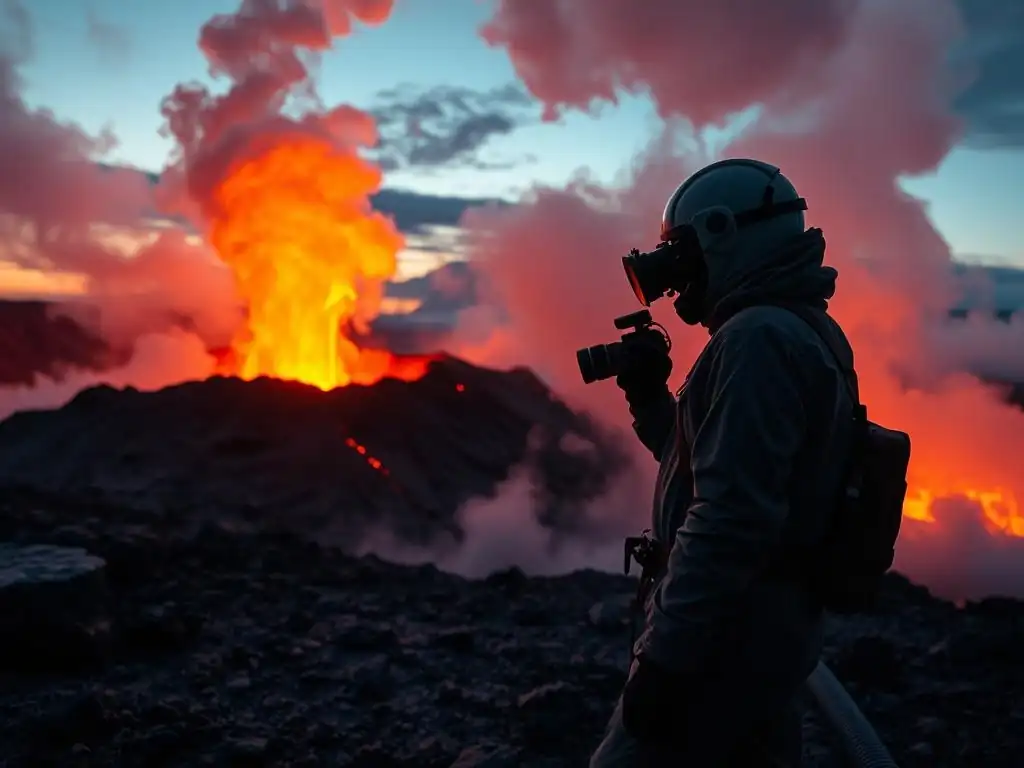
Imagine harnessing the raw, untamed power of a volcano. We invite you to explore the fiery heart of our planet, starting with a burning question: can we truly unlock the vast potential of geothermal energy found within these geological giants? Delve into "The Geothermal Puzzle: Solving the Challenges of Volcanic Energy" and discover the intricate dance between scientific innovation, environmental responsibility, and the sheer force of nature. The answers, and perhaps a few surprises, await you...
- Understanding Geothermal Energy in Volcanic Regions
-
Frequently Asked Questions
- What are some of the main challenges in harnessing volcanic energy?
- How does the corrosive nature of geothermal fluids impact volcanic energy production?
- What are the potential environmental impacts associated with volcanic energy extraction?
- Why is volcanic energy considered a "puzzle" despite its potential?
- How are volcanologists and engineers working together to overcome the challenges of volcanic energy?
- Final Reflection: Harnessing Earth's Fiery Heart
Understanding Geothermal Energy in Volcanic Regions
What is Volcanic Geothermal Energy?
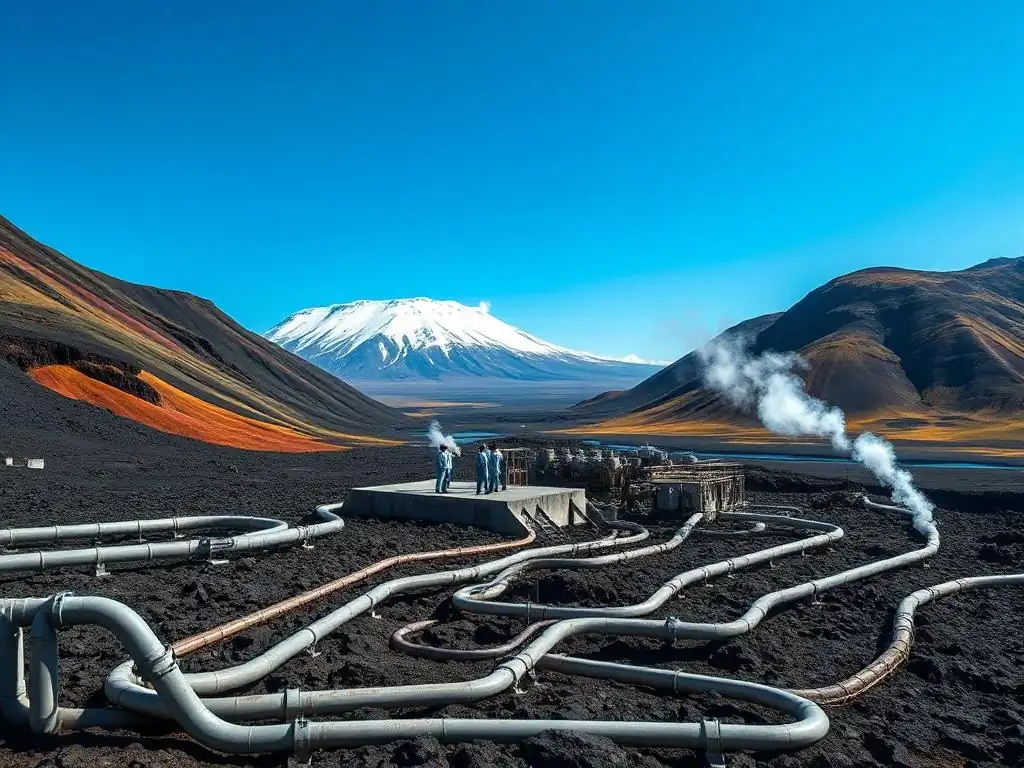
Volcanic geothermal energy is a subset of geothermal energy, specifically harnessing the Earth's internal heat in regions characterized by volcanic activity. Unlike conventional geothermal resources that may be associated with tectonic plate boundaries or areas of radiogenic heat production, volcanic geothermal energy is directly linked to magma bodies relatively close to the Earth's surface. These magma chambers, reservoirs of molten rock, act as intense heat sources, raising the temperature of surrounding rocks and groundwater significantly.
Water circulating through fractured rocks near these magma bodies is heated to high temperatures, often exceeding 370°C (700°F), creating hydrothermal systems. This superheated water and steam, trapped beneath impermeable layers of rock, represent a potent source of energy that can be tapped for electricity generation and direct heat applications.
The geological settings conducive to volcanic geothermal energy are typically found in active volcanic arcs and rift zones. These areas are characterized by thinner crust and increased heat flow from the mantle, facilitating the ascent of magma. Volcanoes themselves are surface expressions of this deeper thermal activity, and the surrounding regions often exhibit elevated geothermal gradients.
In these volcanic landscapes, geothermal reservoirs are frequently associated with calderas, volcanic fissures, and fault systems that provide pathways for fluid circulation and heat transfer. The presence of specific volcanic rock types, like basalt and andesite, which are commonly fractured and permeable, also plays a crucial role in the formation and productivity of volcanic geothermal systems.
The Potential of Geothermal Power Near Volcanoes
The potential of geothermal power in volcanic regions is substantial, offering a consistent and largely untapped source of renewable energy. Volcanic areas often exhibit exceptionally high geothermal gradients, meaning the temperature increases rapidly with depth compared to non-volcanic regions. This translates to shallower, hotter geothermal reservoirs, making them potentially more accessible and cost-effective to develop than deeper, lower-temperature resources found elsewhere.
For instance, in some volcanic areas, temperatures suitable for power generation can be reached at depths of 1-3 kilometers, whereas in non-volcanic areas, similar temperatures might require drilling to 5 kilometers or more. This shallower depth reduces drilling costs and increases the efficiency of heat extraction.
Furthermore, volcanic geothermal resources can provide a reliable baseload power supply, unlike solar or wind energy which are intermittent. Geothermal power plants can operate 24/7, providing a stable and predictable energy output. This reliability is particularly valuable for grid stability and energy security, especially in regions with limited access to other energy sources.
Beyond electricity generation, the high-temperature geothermal fluids in volcanic areas can also be directly utilized for heating purposes, such as district heating, industrial processes, and agriculture. Countries like Iceland and Japan, heavily reliant on volcanic geothermal energy, demonstrate the viability of this resource for both power and heat, showcasing the significant potential for mitigating reliance on fossil fuels and addressing the challenges of energy access in volcanic regions.
Frequently Asked Questions
What are some of the main challenges in harnessing volcanic energy?
One major challenge is the high cost of initial exploration and drilling. Another is dealing with the corrosive nature of geothermal fluids, which can damage equipment. Finally, there are concerns about the environmental impact, such as induced seismicity.
How does the corrosive nature of geothermal fluids impact volcanic energy production?
Geothermal fluids often contain dissolved minerals and gases that can corrode pipes and equipment, leading to costly repairs and downtime. This necessitates the use of specialized, resistant materials, further increasing expenses. Effective fluid management strategies are critical.
What are the potential environmental impacts associated with volcanic energy extraction?
Volcanic energy extraction can lead to induced seismicity, or small earthquakes, due to changes in subsurface pressure. There's also the potential for groundwater contamination from geothermal fluids and the release of greenhouse gases during drilling and operation.
Why is volcanic energy considered a "puzzle" despite its potential?
Volcanic energy presents a "puzzle" because while it's a potentially vast and renewable energy source, the technical and economic challenges involved in harnessing it are significant. Balancing energy needs with environmental sustainability is also a key consideration.
How are volcanologists and engineers working together to overcome the challenges of volcanic energy?
Volcanologists provide crucial insights into volcanic systems and potential hazards, while engineers develop innovative technologies to extract energy safely and efficiently. This collaboration is essential for developing sustainable and reliable volcanic energy resources.
Final Reflection: Harnessing Earth's Fiery Heart
The exploration of geothermal energy, particularly from volcanic sources, presents both immense potential and significant hurdles. The challenges of volcanic energy, as we've explored, are not merely technical; they are economic, environmental, and even societal. Understanding these complexities is crucial now more than ever, as the global demand for clean and sustainable energy solutions intensifies.
The pursuit of harnessing volcanic energy has profoundly shaped our understanding of Earth's inner workings and our relationship with its power. This journey, fraught with obstacles, underscores humanity's relentless drive to innovate and overcome limitations in the face of a pressing global need. We are limited, not by our technology, but by our imagination.
- Arthur C. Clarke. This quote resonates deeply as we consider the future of volcanic energy, urging us to think beyond current constraints and envision a world powered by the Earth's own heat.
As we conclude this exploration of the challenges of volcanic energy, I invite you to consider your own role in shaping a sustainable future. How can you contribute to the conversation, advocate for responsible innovation, and support the development of clean energy solutions? The Earth holds immense power, and it is our responsibility to unlock its potential wisely, ensuring a brighter and more sustainable future for all.
To craft a compelling call to action, I need to understand your article's key takeaways and target audience. Provide me with the article content.