
PreMade vs. DIY Volcano Kits: Which Strategy Best Suits Your Needs?

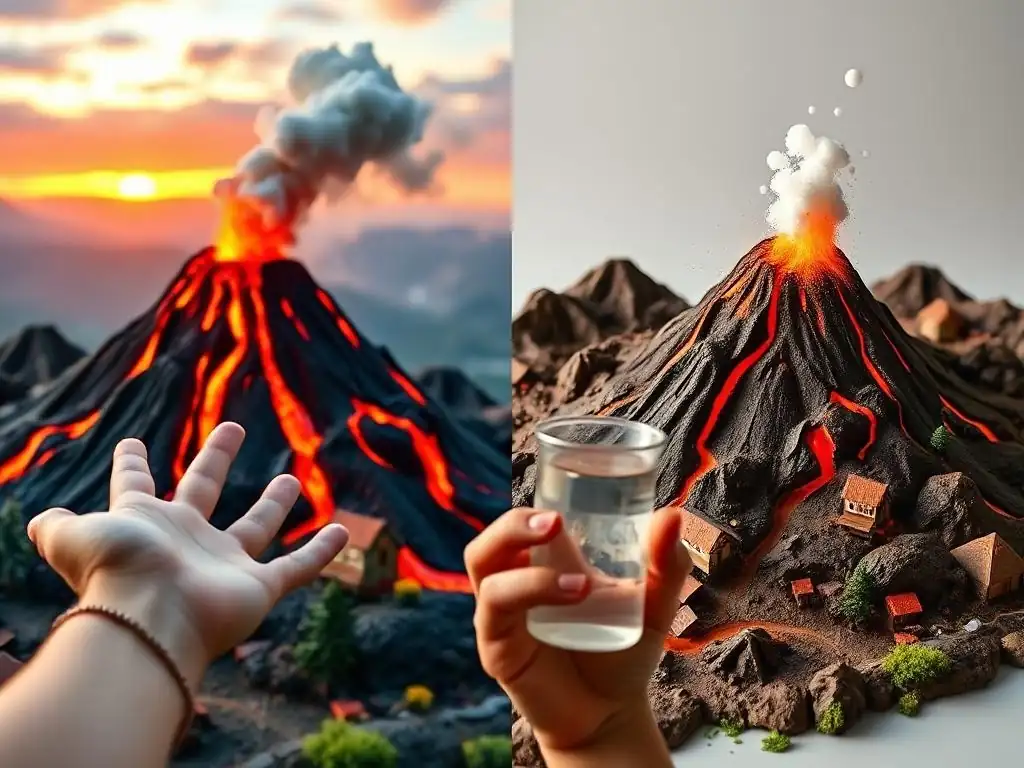
Welcome to Volcano Explorers, where the Earth breathes fire! Ever wondered if you could harness the power of a volcano, even in miniature? You're in the right place. Before you dive into the fiery depths of volcanic study, have you considered the best way to bring the eruption home?
Our latest article, " PreMade vs. DIY Volcano Kits: Which Strategy Best Suits Your Needs?," explores just that. Uncover the secrets to choosing the perfect volcano kit, whether you're a budding volcanologist or simply seeking an explosive educational experience. But be warned, the knowledge you gain here might just ignite a lifelong passion for these magnificent, and sometimes perilous, geological giants!
- Introduction: Exploring the Educational Value of Volcano Kits
- PreMade Volcano Kits: Advantages and Disadvantages
- DIY Volcano Kits: Advantages and Disadvantages
- Key Considerations When Choosing a Volcano Kit for Education
- Comparing PreMade and DIY Volcano Kits: A Detailed Analysis
- Making the Right Choice: Which Type of Volcano Kit is Best for You?
- Beyond the Kit: Expanding Your Volcano Exploration
- Conclusion: Empowering Volcano Learning Through Kits
-
Frequently Asked Questions
- What are the main differences between premade and DIY volcano kits?
- Which type of volcano kit is better for younger children?
- How can I enhance the educational value of a volcano kit?
- Where can I find reliable safety information about volcanic eruptions?
- Are DIY volcano kits more cost-effective than premade ones?
- Final Reflection: Igniting Curiosity Through Volcanic Exploration
- Ignite Your Inner Volcanologist!
Introduction: Exploring the Educational Value of Volcano Kits
Understanding the Importance of Hands-On Volcano Science
Volcanoes, with their dramatic eruptions and powerful geological forces, are captivating subjects for learners of all ages. Understanding the science behind volcanoes—from the molten rock within the Earth to the explosive forces that shape landscapes—can be greatly enhanced through hands-on activities. Volcano model kits offer a tangible way to explore these concepts, moving beyond textbook definitions to create a dynamic, visual representation of volcanic processes. These kits serve as invaluable tools for educators and parents alike, fostering a deeper appreciation for the earth sciences and inspiring curiosity about the natural world.
Hands-on learning is proven to be more effective than passive methods, particularly in science education. By physically constructing and experimenting with a volcano model, students engage multiple senses and develop a more intuitive understanding of complex scientific principles. Whether it's observing the chemical reaction that mimics an eruption or understanding the layers of a volcanic cone, these kits transform abstract geological concepts into concrete, memorable experiences. This active engagement is crucial for solidifying knowledge and fostering a lifelong interest in scientific exploration.
Why Choose a Volcano Kit for Learning About Volcanology?
Volcano kits provide a focused and engaging approach to learning about volcanology, the study of volcanoes. Unlike general science experiments, these kits are specifically designed to illustrate the key principles of volcanic activity. They offer a simplified, controlled environment to observe phenomena that are otherwise too dangerous or inaccessible to study directly. From understanding the different types of eruptions to learning about the materials ejected from volcanoes, these kits provide a comprehensive introduction to the field of volcanology.
Moreover, volcano kits cater to different learning styles. Visual learners benefit from seeing a physical model erupt, while kinesthetic learners thrive by actively building and manipulating the materials. Auditory learners can engage through discussions and explanations of the volcanic processes demonstrated. This multi-sensory approach ensures that the learning experience is inclusive and effective for a wide range of students. By offering a fun and interactive way to explore a complex subject, volcano kits make learning about volcanology accessible and enjoyable for everyone.
PreMade Volcano Kits: Advantages and Disadvantages
Benefits of PreMade Volcano Science Kits: Convenience and Completeness
Ready-to-Use Materials and Simplified Instructions
PreMade volcano kits excel in their convenience. These kits typically come with all the necessary materials neatly packaged and ready for immediate use. This eliminates the need for time-consuming material sourcing and preparation, which can be a significant advantage for busy educators or parents with limited time. Instructions are usually simplified and clearly illustrated, making the assembly and eruption process straightforward even for younger learners. This ease of use ensures that the focus remains on the educational aspects of the activity rather than getting bogged down in logistical hurdles.
For example, many premade kits include pre-measured eruption powders and vinegar or baking soda, removing the guesswork and potential for errors in mixing proportions. The volcano models themselves are often pre-formed, requiring minimal assembly. This streamlined approach is particularly beneficial in classroom settings where teachers need to manage multiple students and experiments simultaneously. The clarity and simplicity of premade kits contribute to a smoother, more efficient, and less stressful learning experience.
Consistent Results and Predictable Demonstrations
Another key benefit of premade volcano kits is the consistency and predictability of the results. Because the materials and instructions are standardized, users can expect a relatively consistent eruption each time they conduct the experiment. This predictability is valuable for educational purposes, as it allows learners to focus on observing the volcanic process itself without being distracted by unexpected variations in the eruption. Consistent results also make it easier to repeat the experiment multiple times, reinforcing learning and allowing for further exploration.
Imagine a classroom setting where each student is using the same premade kit. The teacher can confidently guide the class through the experiment, knowing that each volcano will erupt in a similar manner. This uniformity allows for effective demonstrations of volcanic principles and facilitates class discussions based on shared observations. The reliability of premade kits ensures that the educational objectives are met consistently, making them a dependable tool for teaching volcano science.
Time-Saving Option for Busy Educators and Parents
Time is a precious commodity for educators and parents. PreMade volcano kits offer a significant time-saving advantage by eliminating the need for extensive preparation. The ready-to-use nature of these kits means that educators can quickly incorporate a volcano experiment into their lesson plans without spending hours gathering materials or creating instructions. Similarly, parents can easily set up a fun and educational activity at home without significant time investment. This time efficiency makes premade kits a practical choice for those with busy schedules.
Consider a teacher who wants to conduct a volcano experiment in class but has limited preparation time. A premade kit allows them to quickly grab the kit, distribute it to students, and begin the experiment with minimal setup. This efficiency is particularly crucial in today's fast-paced educational environment where teachers are often juggling multiple responsibilities. For parents, the convenience of premade kits means they can provide engaging educational activities for their children without feeling overwhelmed by preparation demands.
Drawbacks of PreMade Volcano Kits: Cost and Limited Customization
Higher Price Point Compared to DIY Options
One of the main drawbacks of premade volcano kits is their higher cost compared to DIY alternatives. The convenience and completeness of these kits come at a premium. The cost can be a significant factor, especially for educators working with limited budgets or for families who prefer more budget-friendly options for educational activities. While the price varies depending on the kit's complexity and brand, premade kits generally represent a more expensive approach to volcano science education.
For instance, a basic premade volcano kit might cost between \$15 and \$30, while a more elaborate kit with additional features could be even pricier. In contrast, a DIY volcano can be constructed using household materials costing only a few dollars, or even utilizing recycled items. This price difference can be substantial, particularly when purchasing kits for an entire classroom or for multiple children. Budget-conscious educators and parents should carefully consider the cost implications of choosing premade kits.
Less Flexibility in Experiment Design
PreMade volcano kits, by their nature, offer limited flexibility in experiment design. They are designed to follow a specific set of instructions and utilize pre-determined materials. While this ensures consistency, it also restricts the opportunity for learners to explore variations, experiment with different variables, or customize the volcano model to their own creative vision. This lack of flexibility can potentially limit deeper scientific inquiry and personalized learning experiences.
For example, a premade kit might specify the exact type and amount of eruption powder to use. This prevents students from experimenting with different chemical combinations to observe how they affect the eruption's intensity or duration. Similarly, the pre-formed volcano mold might limit creativity in terms of volcano shape or size. Learners who are interested in exploring beyond the kit's prescribed parameters may find premade kits somewhat restrictive.
Potential for Reduced Engagement Due to Simplicity
While the simplicity of premade volcano kits is an advantage in terms of ease of use, it can also potentially lead to reduced engagement, particularly for older or more scientifically inclined learners. The streamlined nature of these kits can sometimes make the experiment feel more like following instructions than actively engaging in scientific exploration. The lack of hands-on construction and material sourcing might diminish the sense of ownership and investment in the project, potentially impacting the depth of learning and engagement.
Consider a student who is genuinely interested in volcanology and enjoys hands-on building projects. A premade kit, while providing a quick and easy eruption, might not fully satisfy their desire to actively participate in the creation process. The pre-assembled components and simplified instructions could make the experience feel somewhat passive rather than actively exploratory. For learners who thrive on challenges and creative problem-solving, the simplicity of premade kits might not be as stimulating as a DIY approach.
DIY Volcano Kits: Advantages and Disadvantages
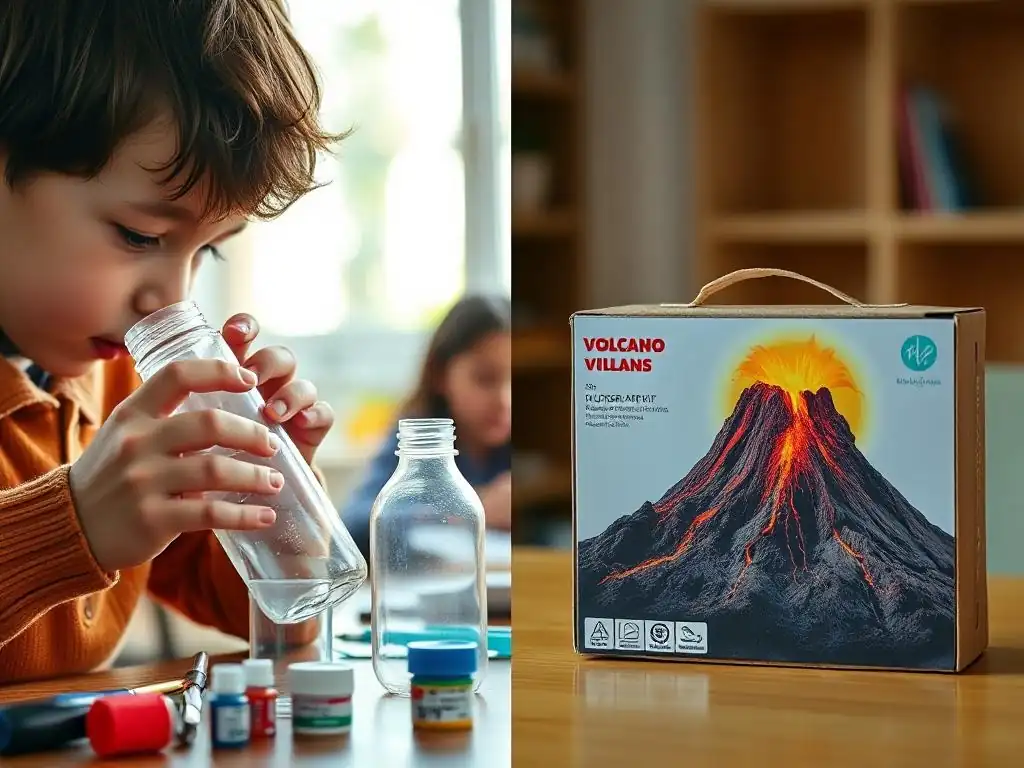
Benefits of DIY Volcano Science Projects: Creativity and Affordability
Cost-Effective Alternative Using Household Materials
DIY volcano projects are significantly more cost-effective than premade kits. They primarily utilize readily available household materials, such as cardboard boxes, plastic bottles, flour, salt, paint, baking soda, and vinegar. These materials are often inexpensive and may even be recycled items, making DIY volcanoes a budget-friendly option for both home and classroom settings. The low cost allows for frequent experimentation and encourages creativity without financial constraints.
For instance, a basic DIY volcano can be constructed using a plastic bottle for the cone, cardboard scraps for the base, and a mixture of flour and salt for the outer layer. The eruption can be created using baking soda and vinegar, both common household ingredients. The total cost of materials for such a project is typically minimal, often under \$5. This affordability makes DIY volcanoes accessible to a wider range of individuals and institutions, particularly those with limited resources.
Fosters Creativity and Problem-Solving Skills
DIY volcano projects are excellent for fostering creativity and problem-solving skills. Unlike premade kits with pre-determined components, DIY projects require learners to actively design, construct, and troubleshoot their own volcano models. This hands-on process encourages creative thinking as they decide on the volcano's shape, size, and materials. It also promotes problem-solving as they encounter challenges during construction and experiment with different techniques to achieve a successful eruption.
For example, students might need to experiment with different ratios of flour and salt to find the right consistency for their volcano's outer layer. They might also need to devise creative solutions to ensure the "lava" flows realistically or to prevent leaks. This iterative process of design, construction, and problem-solving is a valuable learning experience in itself, developing critical thinking and ingenuity. DIY volcano projects transform learners from passive recipients of knowledge into active creators and innovators.
Allows for Customized Experiments and Deeper Learning
DIY volcano projects offer unparalleled flexibility for customized experiments and deeper learning. Learners are not limited to pre-set instructions or materials. They can adapt the project to explore specific aspects of volcanology that interest them, such as different types of volcanoes (shield, cinder cone, composite), various eruption styles (effusive, explosive), or the impact of different lava compositions. This customization allows for a more personalized and in-depth learning experience tailored to individual interests and educational goals.
For example, a student interested in shield volcanoes could design and build a wide, gently sloping volcano model, researching the characteristics of shield volcanoes and incorporating them into their design. Another student could experiment with different "lava" mixtures using various household substances to simulate different lava viscosities and eruption styles. This level of customization empowers learners to take ownership of their learning and delve deeper into specific areas of volcanology that pique their curiosity, leading to a more meaningful and enriching educational experience.
Drawbacks of DIY Volcano Kits: Complexity and Potential for Errors
Requires More Preparation and Research
DIY volcano projects, while offering numerous benefits, require more preparation and research compared to premade kits. Learners need to gather materials, research volcano designs and eruption methods, and plan the construction process. This upfront effort can be time-consuming and may require more guidance from educators or parents, particularly for younger learners or those unfamiliar with basic construction techniques. The increased preparation demands can be a barrier for those seeking a quick and easy volcano experiment.
For instance, before starting a DIY volcano project, learners may need to research different volcano types, eruption mechanisms, and suitable materials. They might need to gather cardboard boxes, plastic bottles, construction paper, paint, and various eruption ingredients. This material sourcing and research phase can take several hours, contrasting with the immediate readiness of premade kits. Educators and parents should be prepared to invest more time and effort in the initial stages of a DIY volcano project.
Results May Vary Depending on Materials and Technique
The outcome of DIY volcano projects can be less predictable and more variable compared to premade kits. The success of the eruption and the overall appearance of the volcano model depend heavily on the materials used, the construction technique, and the accuracy of the eruption mixture. Variations in these factors can lead to inconsistent results, with some volcanoes erupting spectacularly while others may produce weak or unsuccessful eruptions. This variability, while potentially frustrating, can also be a learning opportunity to troubleshoot and refine the experiment.
For example, if the volcano cone is not properly sealed, the eruption mixture might leak out the sides instead of erupting from the top. If the ratio of baking soda to vinegar is not correctly balanced, the eruption might be weak or overly forceful. These variations highlight the importance of careful planning, precise execution, and observation skills in scientific experimentation. While inconsistent results can be a drawback, they also provide valuable lessons in scientific methodology and the impact of variables on experimental outcomes.
Can Be More Time-Consuming Than PreMade Kits
DIY volcano projects, from start to finish, are generally more time-consuming than using premade kits. The process includes material sourcing, research, construction, painting or decorating, and finally, the eruption experiment itself. This extended timeframe can be a challenge in classroom settings with limited lesson durations or for individuals seeking a quick and satisfying volcano experience. While the time investment can be rewarding in terms of deeper learning and creative fulfillment, it's important to consider the time constraints when choosing between DIY and premade options.
Consider a classroom lesson that is only 45 minutes long. Setting up and completing a DIY volcano project within this timeframe might be challenging, especially if students are not already familiar with the construction process. In contrast, a premade kit can be assembled and erupted within a much shorter period, making it more suitable for time-constrained educational settings. While the extended time commitment of DIY projects can be an advantage for in-depth learning and skill development, it's crucial to assess the available time and choose the option that best fits the schedule.
Key Considerations When Choosing a Volcano Kit for Education
Age and Skill Level of the Participants
The age and skill level of the participants are crucial factors to consider when selecting a volcano kit. Younger children and beginners may benefit more from premade kits due to their simplicity and ease of use. The ready-to-use materials and simplified instructions minimize frustration and ensure a successful and enjoyable first experience with volcano science. Older students and those with more scientific experience might find DIY projects more engaging and challenging, offering opportunities for deeper learning and creative exploration.
For elementary school children, a premade kit with a simple volcano mold and pre-measured eruption ingredients can be ideal. The focus can be on the visual spectacle of the eruption and basic volcano concepts. For middle school and high school students, a DIY project allows for more complex volcano designs, experimentation with different eruption variables, and integration with broader science curricula. Matching the kit type to the participants' age and skill level ensures an appropriate level of challenge and maximizes the educational value of the activity.
Educational Goals and Learning Objectives
Clearly defining the educational goals and learning objectives is essential for choosing the right volcano kit. If the primary goal is to quickly demonstrate a basic volcanic eruption and introduce fundamental concepts, a premade kit might suffice. However, if the objectives include fostering creativity, problem-solving skills, in-depth exploration of volcanology, or conducting customized experiments, a DIY project is more aligned with these aims. The desired learning outcomes should guide the choice between premade and DIY options.
For example, if a teacher wants to illustrate the concept of chemical reactions and gas production in a science class, a premade kit can effectively achieve this objective with minimal setup. On the other hand, if the goal is to encourage students to design and conduct their own scientific investigations related to volcanoes, a DIY project provides the necessary flexibility and scope for inquiry-based learning. Aligning the kit choice with specific educational goals ensures that the activity effectively contributes to the intended learning outcomes.
Budget and Time Constraints
Budget and time constraints are practical considerations that often influence the choice of volcano kit. Premade kits, while convenient, are generally more expensive. For budget-conscious educators or families, DIY projects offer a significantly more affordable alternative. Time is also a critical factor. Premade kits save time due to their ready-to-use nature, making them suitable for short lesson durations or busy schedules. DIY projects require a greater time investment for preparation and construction, which may not be feasible in all situations.
If a school has a limited budget for science supplies, DIY volcano projects are a cost-effective way to provide hands-on learning experiences for a large number of students. If a parent wants to conduct a quick and engaging science activity with their child on a weekend afternoon, a premade kit might be the most practical choice. Balancing budget limitations and time availability with educational goals is essential for making an informed decision about which type of volcano kit is best suited for a particular context.
Availability of Materials and Resources
The availability of materials and resources is another practical consideration, particularly for DIY volcano projects. While DIY projects primarily use household materials, access to these materials may vary. For example, some households may readily have baking soda and vinegar, while others may need to purchase them. Similarly, access to cardboard boxes, plastic bottles, and art supplies can differ. Premade kits eliminate this concern by providing all necessary materials, making them a more accessible option regardless of resource availability.
In a classroom setting, a teacher might easily access common household materials for a DIY volcano project. However, in a home setting, especially in resource-limited environments, gathering the necessary materials for a DIY project might be more challenging. Premade kits offer a convenient solution by ensuring that all components are included, regardless of the user's access to household supplies. Considering the ease of material acquisition is an important factor in choosing between premade and DIY volcano kits.
Comparing PreMade and DIY Volcano Kits: A Detailed Analysis
Ease of Use: Which Kit is Easier to Assemble and Operate?
In terms of ease of use, premade volcano kits clearly have the advantage. They are designed for quick assembly and straightforward operation. The pre-formed volcano molds, ready-to-use materials, and simplified instructions make them exceptionally user-friendly, even for young children or those with limited experience in science projects. DIY kits, on the other hand, require more effort in construction and preparation, demanding more time and potentially more technical skill.
Assembling a premade volcano kit often involves simply attaching the volcano mold to a base and mixing the eruption ingredients. The instructions are typically clear and concise, guiding users through each step with minimal effort. DIY kits, however, require cutting and shaping cardboard, mixing plaster or flour-salt paste, and painting or decorating the volcano model. While this construction process can be engaging and educational, it is undeniably more complex and time-consuming than using a premade kit. For users prioritizing ease of use and speed, premade kits are the superior choice.
Educational Value: Which Kit Provides a More In-Depth Learning Experience?
While premade kits are convenient, DIY volcano kits generally offer a more in-depth and comprehensive learning experience. The process of designing, constructing, and experimenting with a DIY volcano fosters a deeper understanding of volcanic principles and scientific methodology. DIY projects encourage creativity, problem-solving, and critical thinking skills, going beyond the basic demonstration of an eruption to engage learners in a more active and meaningful way.
By building their own volcano model, learners gain a hands-on understanding of volcano structure, from the cone to the crater. Experimenting with different materials and eruption mixtures allows them to explore variables and observe their impact on the volcanic process. The challenges encountered during construction and experimentation provide valuable lessons in troubleshooting and scientific inquiry. While premade kits effectively demonstrate a volcanic eruption, DIY projects offer a richer and more multifaceted educational journey. For those prioritizing in-depth learning and skill development, DIY kits are generally more valuable.
Cost-Effectiveness: Which Kit Offers the Best Value for Your Money?
In terms of cost-effectiveness, DIY volcano kits are significantly more advantageous. They utilize inexpensive household materials, making them a budget-friendly option for individuals, families, and educational institutions. Premade kits, while convenient, are considerably more expensive due to the pre-packaged materials and commercial production. For those seeking the best value for their money, particularly when conducting volcano experiments with larger groups or on a regular basis, DIY projects are the more economical choice.
The cost of materials for a DIY volcano project is typically a fraction of the price of a premade kit. Using recycled materials further reduces the cost, making DIY volcanoes an environmentally friendly and budget-conscious option. While premade kits offer convenience and consistency, the higher price point can be a limiting factor for some users. For those prioritizing affordability and maximizing educational impact per dollar spent, DIY volcano kits offer superior cost-effectiveness.
Safety Considerations: Ensuring a Safe and Fun Volcano Experiment
Safety is paramount in any science experiment, and both premade and DIY volcano kits can be used safely with proper precautions. Premade kits often include safety guidelines in their instructions, and the pre-measured materials minimize the risk of handling chemicals incorrectly. DIY projects require more attention to safety, especially when mixing eruption ingredients and handling construction materials. Adult supervision is recommended for both types of kits, particularly for younger learners.
When using premade kits, it's important to follow the instructions carefully and supervise children during the experiment. Ensure that the eruption area is clear and that participants wear appropriate eye protection if recommended. For DIY projects, emphasize safe handling of materials, especially if using vinegar or other potentially irritant substances. Supervise the mixing of eruption ingredients and ensure that the volcano model is stable to prevent spills or accidents. With proper safety measures, both premade and DIY volcano kits can provide a safe and enjoyable learning experience.
Making the Right Choice: Which Type of Volcano Kit is Best for You?
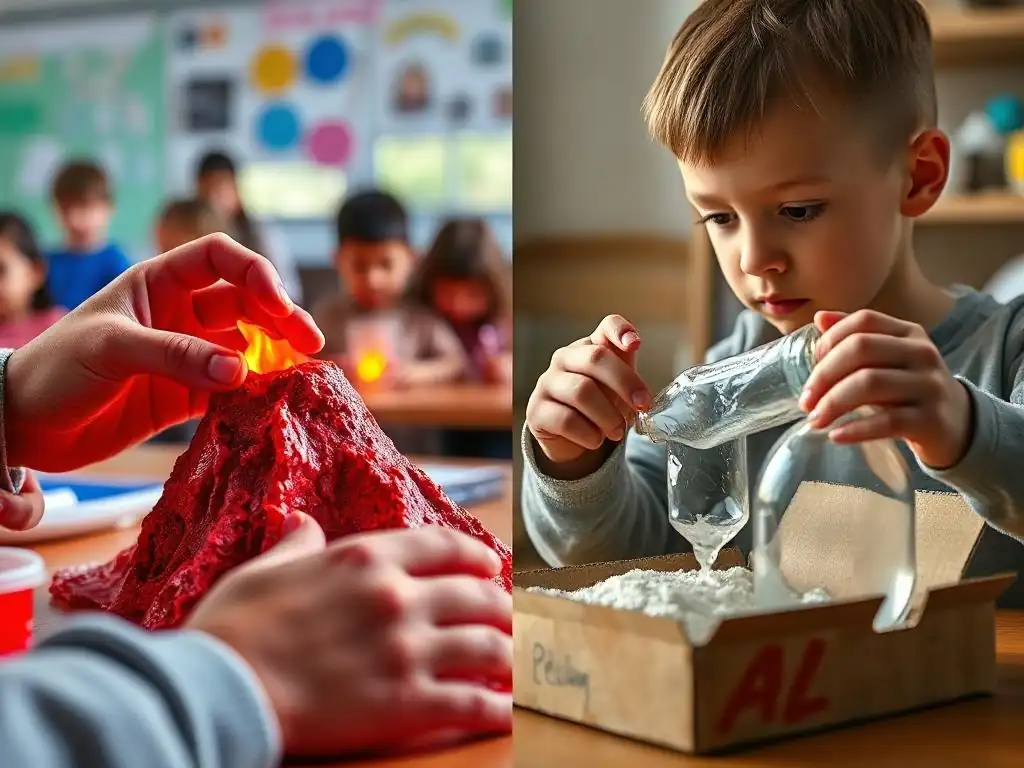
Scenarios Where a PreMade Kit is the Ideal Solution
PreMade volcano kits are ideally suited for scenarios where convenience, speed, and consistency are paramount. Classroom demonstrations with limited time, science fairs where predictable results are desired, and home activities for younger children who need simplified instructions are all situations where premade kits excel. Educators or parents with busy schedules or limited experience in science projects will appreciate the ease of use and ready-to-go nature of premade kits.
Imagine a teacher who has only a single class period to demonstrate a volcanic eruption to a large group of students. A premade kit allows for quick setup, a reliable eruption, and efficient use of time. Similarly, a parent who wants to engage their young child in a fun and educational activity without extensive preparation will find premade kits a convenient and stress-free option. In situations where time is limited, simplicity is key, and consistent results are important, premade volcano kits are the ideal solution.
Scenarios Where a DIY Kit is the Preferred Option
DIY volcano kits are the preferred option when in-depth learning, creativity, and cost-effectiveness are prioritized. Science projects that encourage exploration, experimentation, and problem-solving, home-based learning environments where customization is desired, and situations where budget is a primary concern are all well-suited for DIY approaches. Older students, scientifically curious learners, and those who enjoy hands-on construction and creative expression will thrive with DIY volcano projects.
Consider a homeschooling family that wants to integrate a volcano study into their science curriculum. A DIY project allows for extended exploration, customized experiments, and integration with other subjects like art and geography. Similarly, a science club that wants to conduct a long-term project involving volcano design and eruption variations will benefit from the flexibility and depth offered by DIY kits. In scenarios where in-depth learning, creative freedom, and budget-friendliness are key considerations, DIY volcano kits are the preferred option.
Tips for Enhancing the Educational Experience with Either Type of Kit
Regardless of whether you choose a premade or DIY volcano kit, there are several tips to enhance the educational experience. Before starting the experiment, discuss the science behind volcanoes with the participants. Explain the different types of volcanoes, the causes of eruptions, and the materials ejected from volcanoes. During the experiment, encourage observation and questioning. Ask participants to describe what they see, predict what might happen next, and explain the scientific principles at play.
After the eruption, discuss the results and relate them back to the initial learning objectives. Encourage reflection on what was learned and how the volcano model illustrates real-world volcanic phenomena. Extend the learning beyond the kit by researching famous volcanic eruptions, exploring maps of volcanic regions, or investigating the impact of volcanoes on the environment. By incorporating these strategies, educators and parents can maximize the educational value of both premade and DIY volcano kits and foster a deeper understanding and appreciation for volcano science.
Beyond the Kit: Expanding Your Volcano Exploration
Recommended Resources for Learning More About Volcanoes
To further expand your exploration of volcanoes beyond the kit, numerous resources are available. Websites like the United States Geological Survey (USGS) Volcano Hazards Program and the Smithsonian National Museum of Natural History's Global Volcanism Program offer comprehensive information on volcanoes worldwide, including real-time monitoring data, educational articles, and stunning imagery. Books and documentaries about volcanoes can provide in-depth knowledge and captivating visuals of volcanic eruptions and geological processes.
For younger learners, age-appropriate books and educational videos can introduce volcano concepts in an engaging and accessible way. Local science museums and natural history museums often have exhibits on volcanoes and geology, offering interactive displays and expert explanations. Online educational platforms and science websites provide a wealth of articles, videos, and interactive simulations related to volcanology. Utilizing these diverse resources can deepen understanding and broaden the scope of volcano learning beyond the confines of a kit.
Building a volcano kit is just the beginning of volcano exploration. Numerous further experiments and activities can extend learning and deepen understanding of volcanology. Investigate different types of volcanic eruptions by experimenting with various eruption mixtures and volcano shapes. Explore the concept of lava viscosity by comparing the flow of different liquids, such as honey, syrup, and water, down an inclined plane. Create a model of the Earth's layers to understand the origin of magma and the plate tectonics that drive volcanic activity.
Simulate volcanic gases by observing the release of carbon dioxide from baking soda and vinegar or by researching the composition of volcanic gases and their impact on the atmosphere. Design a volcano monitoring system using simple sensors to detect changes in temperature or pressure. Research and present on a famous volcanic eruption or a specific type of volcano. These extended activities build upon the foundation provided by volcano kits and encourage continued exploration and scientific inquiry into the fascinating world of volcanology.
[Link to other relevant articles on VolcanoExplorers.org about volcano science and safety]
[This section is intended for internal linking within VolcanoExplorers.org and will be populated with relevant links once the article is integrated into the website.]
Conclusion: Empowering Volcano Learning Through Kits
The Value of Volcano Kits in Science Education
Volcano kits, both premade and DIY, are valuable tools for science education. They provide a hands-on, engaging, and visually compelling way to learn about volcanoes and volcanology. These kits transform abstract scientific concepts into concrete, memorable experiences, fostering a deeper understanding and appreciation for the dynamic forces that shape our planet. Whether used in classrooms, homes, or science clubs, volcano kits empower learners of all ages to explore the wonders of volcano science.
By offering a tangible representation of volcanic processes, kits bridge the gap between textbook knowledge and real-world phenomena. They stimulate curiosity, encourage scientific inquiry, and promote active learning. The hands-on nature of volcano kits caters to diverse learning styles and makes science education more accessible and enjoyable. From basic eruption demonstrations to complex DIY projects, volcano kits provide a versatile and effective means of empowering volcano learning.
Choosing the Best Volcano Kits for Education Based on Your Needs
Selecting the best volcano kit for education depends on individual needs and priorities. PreMade kits offer convenience, speed, and consistency, making them ideal for quick demonstrations and younger learners. DIY kits provide in-depth learning, creativity, and cost-effectiveness, making them suitable for extended projects and older students. By carefully considering factors such as age level, educational goals, budget, and time constraints, educators and parents can choose the type of volcano kit that best aligns with their specific requirements.
Ultimately, both premade and DIY volcano kits serve as valuable educational resources. The "best" kit is the one that most effectively meets the learning objectives, fits within the available resources, and engages the learners in a meaningful and memorable way. Whether opting for the simplicity of a premade kit or the creative freedom of a DIY project, the goal is to spark curiosity, foster scientific understanding, and empower learners to explore the fascinating world of volcanoes.
Frequently Asked Questions
What are the main differences between premade and DIY volcano kits?
Premade kits offer convenience and structure, including all necessary materials and instructions. DIY kits provide flexibility and customization, allowing for creative exploration and resourcefulness using readily available household items.
Which type of volcano kit is better for younger children?
Premade kits are generally recommended for younger children due to their simplicity and safety. They often come with pre-measured ingredients and clear instructions, reducing the risk of errors.
How can I enhance the educational value of a volcano kit?
Supplement the kit with additional research and learning activities. Explore the science behind volcanic eruptions, different types of volcanoes, and the impact of volcanoes on the environment.
Where can I find reliable safety information about volcanic eruptions?
Websites like VolcanoExplorers.org provide safety guides and evacuation tips for those living near active volcanoes. Always follow official warnings and instructions from local authorities.
Are DIY volcano kits more cost-effective than premade ones?
Typically, DIY kits are more budget-friendly, as they utilize common household items. However, the overall cost can depend on the specific materials and ingredients you choose to use.
Okay, here's a final reflection designed to close your "PreMade vs. DIY Volcano Kits: Which Strategy Best Suits Your Needs?" article, optimized for the keyword "best volcano kits for education" and following your requested structure:
Final Reflection: Igniting Curiosity Through Volcanic Exploration
The exploration of pre-made versus DIY volcano kits transcends mere science experiments; it's about fostering a love for learning and igniting curiosity in young minds. Understanding the nuances of each approach allows educators and parents to tailor experiences that best suit individual needs and learning styles, ultimately making science more accessible and engaging.
The choice between a pre-made kit and a DIY project profoundly impacts the learning journey. This decision reflects our commitment to either structured guidance or creative freedom, shaping not only scientific understanding but also problem-solving skills and resourcefulness. Education is not the filling of a pail, but the lighting of a fire.
- William Butler Yeats. This quote perfectly encapsulates the essence of choosing the right volcano kit: it's about sparking that initial flame of scientific inquiry.
As you consider the best volcano kits for education, remember that the most valuable eruption isn't the one that reaches the highest, but the one that leaves a lasting impression. What kind of learning experience do you want to create? What skills do you want to cultivate? Let these questions guide your selection, and watch as young scientists discover the power and wonder of the world around them.
Okay, here's a CTA crafted for the end of a web article titled "PreMade vs. DIY Volcano Kits: Which Strategy Best Suits Your Needs?" for Volcano Explorers (volcanoexplorers.org):
Ignite Your Inner Volcanologist!
Thank you for exploring the exciting world of volcano kits! We hope you've found clarity on whether a premade or DIY approach best fits your needs and ignites your passion for earth science. Now, let's take that newfound knowledge and put it into action:
- Fuel Your Next Eruption: Choose and commit to your next volcano project this week! Will it be a classic baking soda eruption or a more sophisticated model?
- Share the Science: Post a picture of your volcano (premade or DIY!) on social media using #VolcanoExplorers. Inspire others to delve into the wonders of geology!
- Explore Beyond the Eruption: Research a real-life volcano and compare its eruption style to what you created. What similarities and differences did you find?
Ready to unleash the power of knowledge and witness a mesmerizing eruption? What exciting additions are YOU planning to bring to your next volcano experiment?