
Night Volcano Photography: Cameras and Settings for Stunning Starry Lava Shots

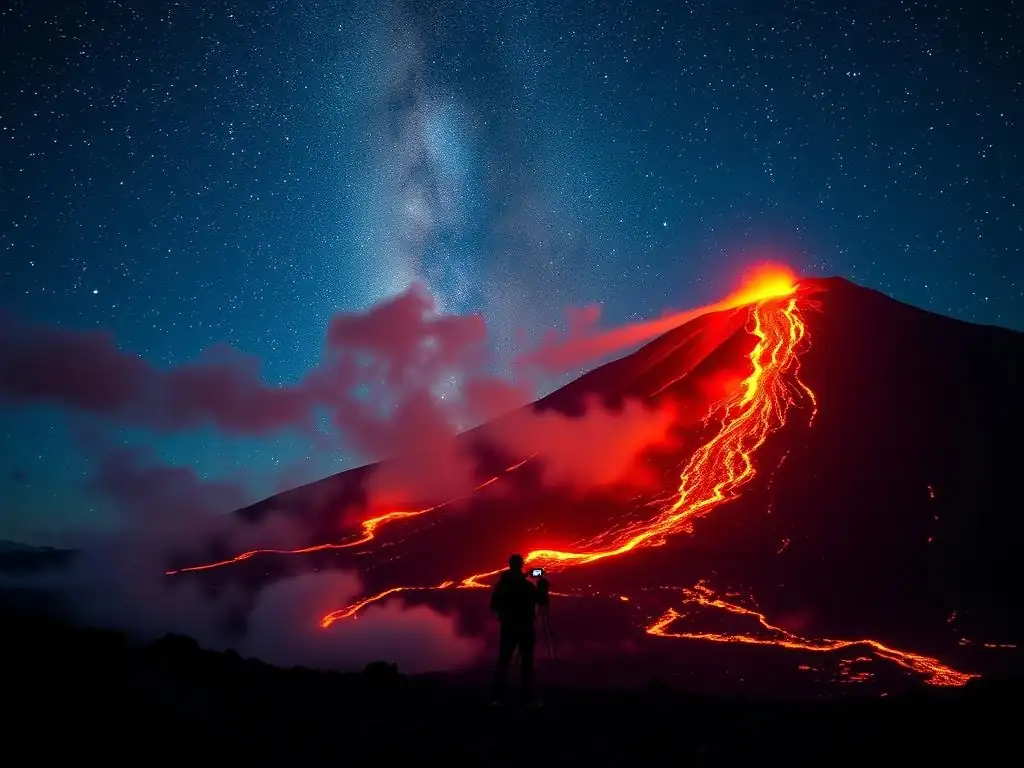
Welcome to Volcano Explorers, where the Earth breathes fire and the night sky dances with molten light! Ever wondered how to capture the raw power and ethereal beauty of a volcano under a blanket of stars? Our latest article unveils the secrets to breathtaking Nighttime Volcano Photography Tips, guiding you through the cameras and settings needed to immortalize those stunning starry lava shots. Prepare to ignite your passion for adventure and learn how to transform volcanic landscapes into captivating works of art. What are you waiting for? The secrets to capturing volcanic majesty after dark await...
- Capturing the Magic: Nighttime Volcano Photography Tips for Beginners
-
Frequently Asked Questions
- What camera equipment is best for nighttime volcano photography?
- What are the ideal camera settings for capturing lava flows at night?
- How do I focus in the dark when photographing volcanoes at night?
- What safety precautions should I take when photographing volcanoes at night?
- How can I capture both the lava flow and the starry sky in a single photo?
- Final Reflection: Embracing the Fiery Dance of Night
- Ignite Your Inner Volcano Photographer!
Capturing the Magic: Nighttime Volcano Photography Tips for Beginners
Why Night Volcano Photography Offers Unique Opportunities
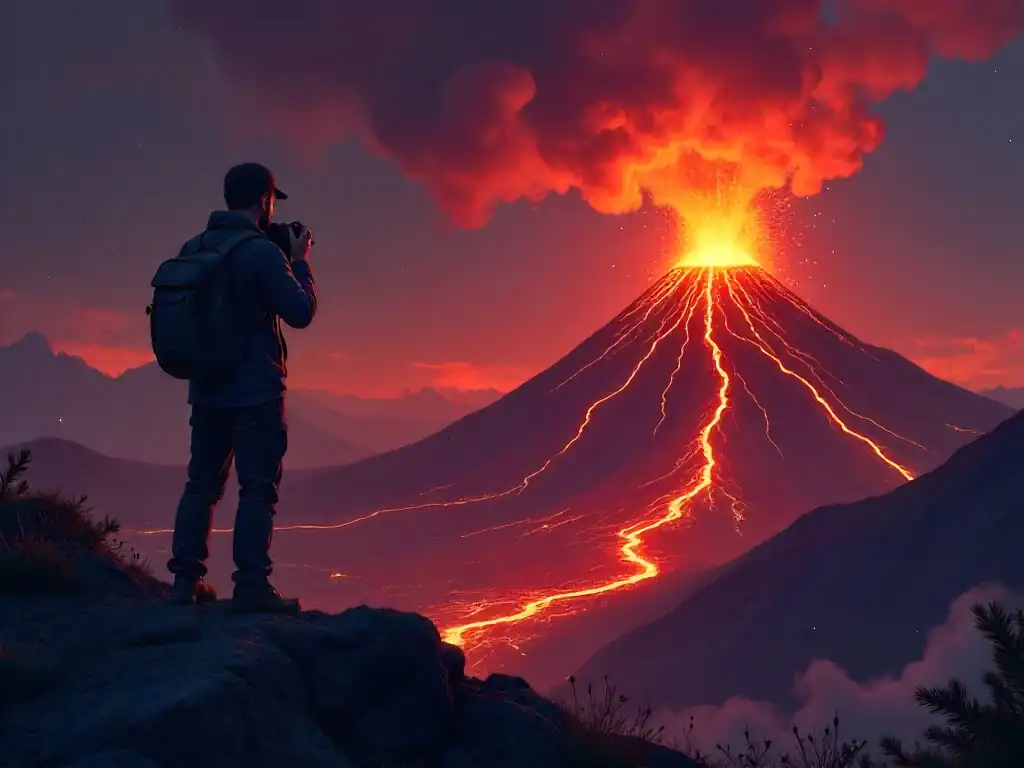
Night volcano photography presents a truly unparalleled visual experience, merging the raw power of volcanic eruptions with the serene beauty of the night sky. During the day, volcanic landscapes can be dramatic, but at night, the darkness amplifies the glow of molten lava, creating a stark and breathtaking contrast against the starry backdrop. This contrast isn't just visually striking; it also allows photographers to capture details often lost in daylight.
The deep blacks of the night sky make the vibrant reds and oranges of lava flows pop with an intensity that daytime photography simply cannot replicate. Furthermore, the absence of harsh sunlight allows for longer exposures, enabling the capture of star trails or the ethereal glow of the Milky Way alongside the volcanic spectacle.
Beyond the visual drama, photographing volcanoes at night offers a unique sensory experience. The sounds of an erupting volcano – the deep rumbles, the hisses of escaping gas, and the crackling of cooling lava – are heightened in the stillness of the night. The air itself can feel different, carrying the scent of sulfur and the warmth radiating from the volcanic vents. This immersive environment, combined with the visual spectacle, makes nighttime volcano photography a truly unforgettable and rewarding pursuit for any photographer seeking to capture the Earth's raw power and beauty.
Essential Gear for Nighttime Volcano Photography: Beyond the Basics
While a good camera and lens are fundamental, nighttime volcano photography demands specific gear to overcome the challenges of low-light conditions and often harsh environments. Beyond your camera body and lenses, a robust tripod is absolutely non-negotiable. Long exposures are essential for capturing both the faint starlight and the glowing lava, and any camera shake will result in blurry images. Consider a tripod made of carbon fiber for its lightweight yet sturdy properties, especially if you plan on hiking to remote volcanic locations. Look for models that can withstand windy conditions and uneven terrain.
Another crucial piece of gear is a remote shutter release or an intervalometer. Pressing the shutter button manually, even gently, can introduce vibrations and blur your long exposures. A remote shutter allows you to trigger the camera without touching it, ensuring maximum sharpness.
An intervalometer, often integrated into remote releases, is invaluable for time-lapse photography, allowing you to program the camera to take a series of shots at set intervals, perfect for capturing the dynamic movement of lava flows or star trails over the erupting volcano. Finally, don't underestimate the importance of headlamps with red light modes. Red light preserves your night vision, which is critical for composing shots and navigating in the dark, while also being less disruptive to others and to the overall nightscape ambiance you are trying to capture.
Frequently Asked Questions
What camera equipment is best for nighttime volcano photography?
You'll need a camera with manual mode controls and the ability to shoot in RAW format. A sturdy tripod is absolutely essential for long exposures, and a wide-angle lens is recommended.
What are the ideal camera settings for capturing lava flows at night?
Use a low ISO (100-400) to minimize noise, a wide aperture (f/2.8-f/5.6) to gather more light, and a slow shutter speed (several seconds to minutes) to capture the lava flow and stars.
How do I focus in the dark when photographing volcanoes at night?
Use manual focus and try focusing on a distant light source, like a bright star or a distant lava plume. Alternatively, use live view and zoom in to achieve sharp focus on a visible feature.
What safety precautions should I take when photographing volcanoes at night?
Always maintain a safe distance from the volcano's active vents and lava flows. Be aware of changing weather conditions and potential hazards like gas emissions and falling rocks. Inform someone of your plans and location.
How can I capture both the lava flow and the starry sky in a single photo?
This requires careful balancing of exposure. You may need to use multiple exposures (one for the lava, one for the stars) and blend them in post-processing. Experiment with different settings to find what works best for your specific situation and adjust in post-processing.
Final Reflection: Embracing the Fiery Dance of Night
The allure of capturing volcanic eruptions under a starlit sky remains a powerful draw for photographers, and the techniques explored in this article offer a pathway to immortalize these fleeting moments of raw power and celestial beauty. The fusion of earth's primal energy with the vastness of the cosmos creates images that resonate deeply, reminding us of the dynamic forces shaping our world.
The pursuit of nighttime volcano photography is more than just a technical exercise; it's an immersion into the heart of nature's drama. It's a humbling experience that connects us to the planet's fiery core and the infinite expanse above. The best view comes after the hardest climb.
This quote encapsulates the dedication and perseverance required to capture these extraordinary scenes, and the profound satisfaction that follows.
Now, armed with these nighttime volcano photography tips, I invite you to embrace the challenge. Venture out under the cloak of darkness, find your own fiery muse, and capture the breathtaking dance between lava and stars. Let the knowledge shared here ignite your creativity and empower you to create images that inspire awe and wonder in others. The world awaits your unique perspective on this extraordinary spectacle.
Ignite Your Inner Volcano Photographer!
Thanks for exploring the secrets of capturing stunning starry lava shots with us! We hope this guide has fueled your passion for night volcano photography and equipped you with the knowledge to create breathtaking images. Now it's time to put that knowledge into action.
Here are a few things you can do next:
- Plan your next volcano photography adventure! Use our guide to choose the right equipment, scout locations, and prepare for an unforgettable experience.
- Share your favorite volcano photos with the Volcano Explorers community on social media using #VolcanoExplorersNight. We can't wait to see your amazing shots!
- Refine your skills with advanced techniques. Research long exposure methods and explore post-processing tips to truly elevate your night volcano photography.
What's the first volcano location you're dreaming of photographing under the stars? Let us know in the comments!