
Volcano Safety for Families: Essential Tips for a WorryFree Adventure


Welcome to Volcano Explorers, where the earth breathes fire!
Ever wondered how to keep your family safe while exploring the majestic, yet unpredictable, world of volcanoes? You're in the right place. Dive into our essential guide on Volcano Safety Tips for Families, and discover how to turn your volcanic adventure into a worry-free experience. What hidden dangers lie beneath the surface, and how can you protect your loved ones? Let's unravel the mysteries together...
- Planning Your Family Volcano Adventure: Prioritizing Safety
- On-Site Volcano Safety Guidelines for Families
- Emergency Preparedness: Volcano Safety Procedures for Families
- Volcano Safety Tips for Specific Family Scenarios
- Post-Eruption Safety Measures: Protecting Your Family After Volcanic Activity
- Recommended Volcano Safety Gear for Families
- Making Memories Safely: Enjoying the Wonders of Volcanoes with Your Family
-
Frequently Asked Questions
- What are the most important volcano safety tips for families visiting a volcanic area?
- How can families prepare an emergency kit for a volcano-related trip?
- What are the signs of an impending volcanic eruption that families should be aware of?
- How far away from an active volcano is considered a safe distance for families?
- What should families do if a volcanic eruption occurs while they are visiting a volcanic area?
- Final Reflection: Embracing Adventure Responsibly
- Plan Your Worry-Free Volcano Adventure!
Planning Your Family Volcano Adventure: Prioritizing Safety
Choosing a Family-Friendly Volcano Destination: Assessing Risk Levels
Selecting the right volcano destination is the first crucial step in ensuring a safe family adventure. Not all volcanoes are created equal in terms of accessibility and risk. Consider volcanoes with well-established national or state park infrastructure, as these often have designated viewing areas, marked trails, and ranger presence, enhancing safety for families.
For example, Hawaii Volcanoes National Park in the USA offers numerous safe viewing points of Kīlauea volcano, with paved roads and clearly defined trails suitable for families with young children. Conversely, avoid destinations known for frequent and unpredictable explosive eruptions, or those lacking established safety protocols and monitoring systems. Research the volcano's eruptive history and current activity level before making your choice.
Look for destinations that provide educational resources specifically tailored for families. Visitor centers with interactive exhibits, ranger-led programs, and age-appropriate signage can significantly enhance understanding and respect for volcano safety. Parks like Lassen Volcanic National Park in California, USA, offer junior ranger programs that engage children in learning about volcanic processes and safety in a fun and interactive way. Consider the accessibility of the location as well. Destinations with easily accessible viewpoints, shorter trails, and amenities like restrooms and picnic areas will be more family-friendly and reduce potential stress and fatigue, which are contributing factors to accidents.
Researching Active Volcano Status: Monitoring the USGS Volcano Hazards Program Before You Go
Before embarking on your family volcano adventure, diligently check the volcano's current activity status. The United States Geological Survey (USGS) Volcano Hazards Program is an invaluable resource for up-to-date information on volcanoes in the United States and its territories. Their website provides volcano activity alerts, real-time monitoring data, and hazard assessments.
For example, you can find information on volcanoes in the Cascade Range, like Mount Rainier and Mount St. Helens, or Alaskan volcanoes, known for their dynamic nature. Similar geological survey organizations exist in other countries, such as the Instituto Geofísico del Perú (IGP) for volcanoes in Peru, or the National Institute of Geophysics and Volcanology (INGV) in Italy for Mount Etna and Vesuvius.
Consulting these official sources is crucial as volcano activity can change rapidly. A volcano considered dormant or quiet might suddenly exhibit increased seismic activity, gas emissions, or even erupt. The USGS utilizes a color-coded alert system, ranging from Green (Normal) to Red (Eruption Imminent or Underway), providing a quick and easily understandable assessment of the risk level.
Always check the most recent alerts and advisories in the days and even hours leading up to your visit. Be prepared to adjust your plans or postpone your trip if the volcano's activity level increases to Yellow (Advisory), Orange (Watch), or Red, prioritizing your family's safety above all else.
Packing Essentials for Volcano Safety with Kids: A Checklist
Packing appropriately is paramount for a safe and enjoyable volcano exploration with children. Beyond the usual travel essentials, specific items are crucial for volcano safety. Start with protective clothing: long-sleeved shirts, long pants, and sturdy, closed-toe shoes are essential to protect skin from sun exposure, rough terrain, and potential ashfall. Hats and sunglasses are also vital for sun protection, which is amplified at higher altitudes often associated with volcanoes. Remember that weather conditions at volcanic sites can be unpredictable and change rapidly, so pack layers, including waterproof and windproof outerwear, even in seemingly warm climates.
For respiratory protection, N95 or P100 respirators are highly recommended, especially in areas with potential ashfall or volcanic gas emissions. These masks filter out fine particles and harmful gases. Ensure the masks fit children properly; pediatric sizes are available. Eye protection is equally important; goggles or wraparound sunglasses will shield eyes from ash and volcanic irritants.
A well-stocked first-aid kit is a must, including bandages, antiseptic wipes, pain relievers, and any necessary personal medications. Consider adding saline solution for eye irrigation in case of ash exposure. Finally, bring plenty of water and snacks to stay hydrated and energized, as volcano exploration can be physically demanding, especially for children. A checklist might include:
- [x] Long-sleeved shirts and pants
- [x] Sturdy, closed-toe shoes
- [x] Hats and sunglasses
- [x] Waterproof and windproof outerwear
- [x] N95 or P100 respirators (child sizes)
- [x] Goggles or wraparound sunglasses
- [x] First-aid kit (including eye saline solution)
- [x] Water and snacks
- [x] Sunscreen and lip balm
- [x] Backpack for carrying supplies
On-Site Volcano Safety Guidelines for Families
Maintaining a Safe Distance: Understanding Exclusion Zones and Official Guidelines
Once at the volcano site, maintaining a safe distance is paramount. Volcanoes are dynamic and potentially hazardous environments, and respecting exclusion zones and official guidelines is non-negotiable. National parks and volcano observatories establish these zones based on scientific monitoring and risk assessments. These zones are not arbitrary; they are designed to protect visitors from a range of hazards, including lava flows, pyroclastic flows, gas emissions, and rockfalls. For instance, during periods of increased activity at Kīlauea volcano, Hawaii Volcanoes National Park implements temporary closures of certain trails and viewing areas to ensure visitor safety.
Pay close attention to signage, barriers, and ranger instructions. These are in place for your protection. Never cross barriers or venture into closed areas, even if you think you see others doing so. Educate your children about the importance of respecting these boundaries and explain that they are there to keep them safe.
Use designated viewing platforms and trails, which are designed to offer safe vantage points. Utilize binoculars or telephoto lenses to get closer views without physically approaching hazardous areas. Remember that volcanic activity can escalate rapidly, and what appears safe from a distance can become dangerous in a matter of moments.
Understanding Volcano Hazards: Lava Flows, Ashfall, and Gas Emissions
Volcanoes present a variety of hazards that families need to be aware of. Lava flows, while often slow-moving, are incredibly hot and destructive. The temperature of basaltic lava, common in Hawaii, can reach over 2,000°F (1,100°C). Approaching lava flows is extremely dangerous, and even getting too close poses a risk due to radiant heat. Ashfall, another common hazard, consists of fine volcanic rock fragments ejected into the atmosphere during eruptions. Even relatively minor ashfall can irritate eyes and respiratory systems, especially in children and individuals with pre-existing respiratory conditions. Heavy ashfall can also collapse roofs and disrupt infrastructure.
Volcanic gas emissions are often invisible but can be extremely dangerous. Volcanoes release a variety of gases, including sulfur dioxide (SO2), carbon dioxide (CO2), hydrogen sulfide (H2S), and others. Sulfur dioxide is easily detectable by its pungent, rotten egg smell and is a respiratory irritant.
Carbon dioxide is odorless and heavier than air, and it can accumulate in low-lying areas, displacing oxygen and causing asphyxiation. Hydrogen sulfide is also toxic and has a rotten egg smell, though its odor can become undetectable at higher concentrations, leading to olfactory fatigue and increased danger. Understanding these hazards and their potential impacts is crucial for making informed safety decisions while exploring volcanic areas.
Identifying Volcanic Gases: Recognizing the Smell of Sulfur Dioxide and Carbon Dioxide
Being able to recognize the signs of volcanic gases is a crucial safety skill in volcanic areas. Sulfur dioxide (SO2) is often the most readily detectable gas due to its distinct, pungent smell, frequently described as rotten eggs or burning matches. Even a faint smell of sulfur dioxide should be a warning sign to increase your distance from the source and be mindful of wind direction, as gas plumes can shift rapidly. If the smell becomes strong or causes throat irritation, eye watering, or coughing, move to a location upwind and further away immediately.
Carbon dioxide (CO2), in contrast, is odorless and colorless, making it a silent and potentially more insidious hazard. Because CO2 is heavier than air, it tends to accumulate in low-lying areas such as valleys, depressions, and poorly ventilated spaces. While you cannot smell CO2, be aware of locations where air might be stagnant or pooling.
Vegetation die-off in low-lying areas can sometimes be an indirect indicator of CO2 accumulation, as high concentrations can be toxic to plants. If you experience dizziness, headache, rapid breathing, or confusion in a low-lying area, especially near a volcano, these could be symptoms of CO2 exposure and warrant immediate evacuation to higher ground and better-ventilated areas. Educate older children about these smells and potential symptoms to enhance overall family awareness.
Minimizing Ashfall Exposure: Using N95 Masks and Protective Gear
Minimizing ashfall exposure is vital for protecting your family's health during volcanic activity. Volcanic ash, composed of fine shards of volcanic glass and rock, is abrasive and irritating to the eyes, skin, and respiratory system. The most effective way to protect against ash inhalation is by wearing properly fitted N95 or P100 respirators.
These masks filter out at least 95% of airborne particles, including the fine ash particles. Ensure masks are correctly sized for both adults and children, and that they are worn snugly to create a good seal around the nose and mouth. Practice putting on and taking off masks before your trip, especially with younger children, to ensure they are comfortable and compliant.
Eye protection is equally important. Wear goggles or wraparound sunglasses to shield your eyes from ash particles, which can cause corneal abrasions and irritation. Contact lens wearers should switch to eyeglasses during ashfall events, as ash can get trapped under lenses and cause further irritation. Cover exposed skin with long sleeves, pants, and gloves to prevent skin irritation from the abrasive ash.
If ashfall is heavy, seek shelter indoors if possible. If you are outdoors, find a covered area and face away from the wind to minimize exposure. Remember that even after ashfall has ceased, the fine particles can remain airborne for some time, so continue to use respiratory and eye protection until the air is clear.
Following Park Ranger Instructions: Listening to Expert Advice on Volcano Safety
Park rangers and volcano observatory staff are invaluable resources for on-site volcano safety information. They are experts in the local volcanic environment, trained in hazard assessment, and have up-to-date information on current conditions. Always listen attentively to their instructions and guidance. Rangers are stationed at visitor centers, trailheads, and viewing areas to provide safety briefings, answer questions, and enforce safety regulations. They may provide specific warnings about current hazards, trail closures, or changes in volcanic activity that are not yet widely publicized.
Attend ranger talks and programs if available, as these often include essential safety information tailored to the specific volcano and current conditions. Do not hesitate to ask rangers questions about safety protocols, potential hazards, or anything else you are unsure about. They are there to help ensure your visit is both enjoyable and safe.
Respect their authority and follow their directions without question. Remember that their primary concern is visitor safety, and their advice is based on expertise and real-time monitoring data. Treat park rangers as your trusted guides and partners in ensuring a safe volcano experience for your family.
Emergency Preparedness: Volcano Safety Procedures for Families
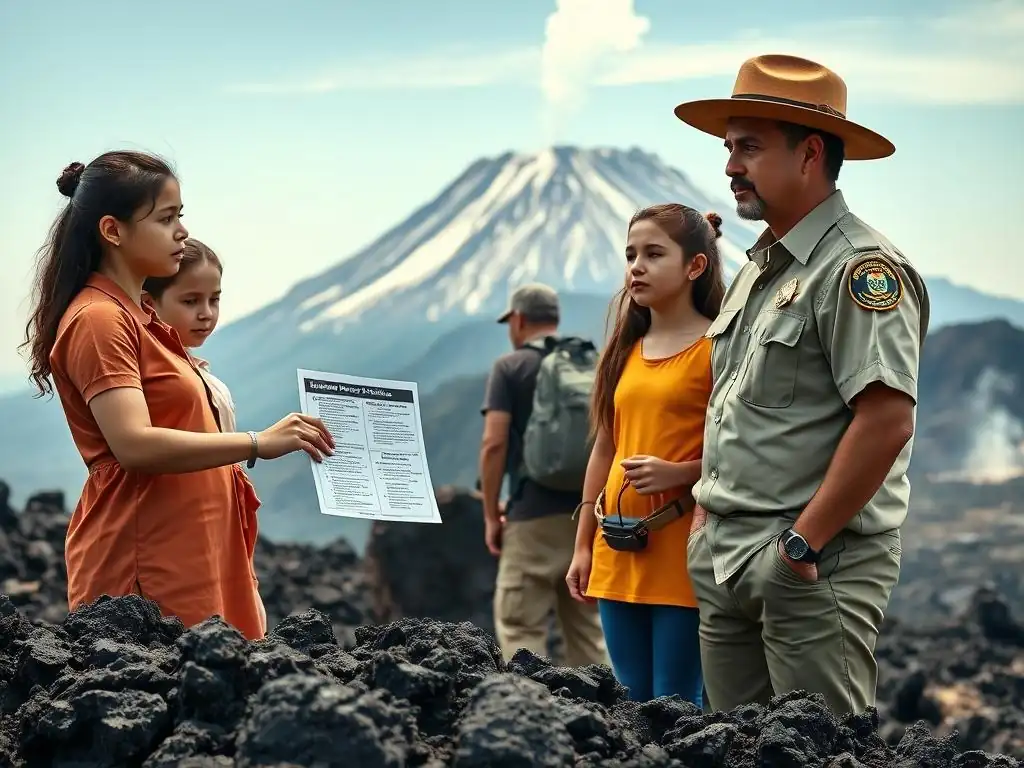
Developing a Family Emergency Plan: Designating Meeting Points and Communication Strategies
Having a family emergency plan is crucial for any outdoor adventure, especially in a dynamic environment like a volcano area. Before you even arrive, discuss potential emergency scenarios with your family, such as getting separated, sudden changes in volcanic activity, or medical emergencies. Designate a clear and easily recognizable meeting point in case of separation. This could be a specific landmark at your accommodation, a prominent feature at the visitor center, or even the family vehicle. Ensure everyone, including children old enough to understand, knows the designated meeting point.
Establish clear communication strategies. If cell phone service is reliable in the area, ensure everyone has important phone numbers programmed in. However, be aware that cell service can be unreliable in remote volcanic areas or during emergencies. Consider bringing a whistle for each family member, as whistle blasts can be heard over distances and used to signal for help.
For younger children, consider having them carry a card with emergency contact information and any relevant medical details. Practice your emergency plan with your family beforehand, including what to do if separated, how to signal for help, and where to meet. This preparation can significantly reduce panic and improve response time in a real emergency.
Understanding Evacuation Routes: Familiarizing Yourself with Local Evacuation Plans
Familiarize yourself with local evacuation plans and routes before and upon arrival at a volcano area. National parks and local authorities often have pre-established evacuation plans in place for various volcanic hazards. These plans are typically designed to move people away from danger zones quickly and efficiently. Obtain evacuation maps and brochures from visitor centers or park ranger stations. Study these maps to understand primary and secondary evacuation routes from different areas within the park or volcano site.
Pay attention to evacuation signage along trails and roads. These signs will guide you to designated safe zones or evacuation routes in case of an emergency. Ask park rangers about evacuation procedures and any specific evacuation drills that might be planned.
Discuss the evacuation plan with your family, ensuring everyone understands the routes and meeting points in case of an evacuation order. In the event of an evacuation, remain calm, follow official instructions precisely, and move quickly and orderly to designated safe areas. Do not attempt to deviate from established evacuation routes, as these routes are designed to avoid known hazards and bottlenecks.
Assembling a Volcano Emergency Kit: Must-Have Supplies for Families
Assembling a dedicated volcano emergency kit is a vital part of preparedness. This kit should supplement your regular first-aid kit and contain items specifically relevant to volcano-related hazards. In addition to standard emergency supplies like bandages, antiseptic wipes, and pain relievers, include items for respiratory and eye protection. Pack extra N95 or P100 respirators for each family member, as well as spare goggles or wraparound sunglasses.
Include saline solution for eye irrigation in case of ash exposure. Water is paramount; carry more water than you think you will need, as evacuation situations can be prolonged. Non-perishable food items like energy bars, granola bars, and dried fruit are also essential.
A flashlight or headlamp with extra batteries is crucial, especially if an emergency occurs at night or in low-visibility conditions. A multi-tool or knife can be useful for various emergency situations. A map of the area and a compass (and knowledge of how to use them) are important if electronic navigation becomes unreliable.
Consider including a portable power bank to keep cell phones charged, if possible. Finally, a blanket or emergency thermal blanket can provide warmth in case of unexpected weather changes or prolonged exposure. Organize your emergency kit in a durable, waterproof backpack that is easily accessible and portable.
Recommended Emergency Radios: NOAA Weather Radio for Reliable Communication
In emergency situations, especially during volcanic events, reliable communication is critical. Cell phone service can become overloaded or unavailable, and internet access may be disrupted. NOAA Weather Radio (NWR) is a nationwide network broadcasting weather and hazard information 24/7. NWR broadcasts warnings, watches, forecasts, and other hazard information directly from the National Weather Service. A portable, battery-powered NOAA Weather Radio is an invaluable tool for receiving real-time updates on volcanic activity, ashfall warnings, evacuation orders, and weather conditions, even when other communication methods fail.
Choose a NWR radio that is Specific Area Message Encoding (SAME) capable. SAME technology allows you to program the radio to receive alerts only for your specific county or area, filtering out irrelevant alerts from other regions. This helps to avoid alert fatigue and ensures you focus on information pertinent to your location.
Test your NWR radio before your trip to ensure it is working correctly and that you understand how to operate it. Pack extra batteries for the radio, as battery life can be crucial during extended emergencies. Familiarize yourself with the frequencies for the areas you will be visiting to ensure you can tune in quickly when needed.
Volcano Emergency First Aid Kit: Treating Minor Injuries and Ash Exposure
A specialized volcano emergency first aid kit should be an extension of your regular first-aid kit, specifically addressing potential volcano-related injuries and ailments. Beyond standard first-aid supplies like bandages, antiseptic wipes, and pain relievers, focus on items to treat ash exposure and minor respiratory irritation. Saline solution for eye irrigation is essential to flush out ash particles from the eyes.
Include lubricating eye drops to soothe irritated eyes after ash exposure. Nasal saline spray can help to clear nasal passages of ash and relieve congestion. Cough drops or lozenges can soothe minor throat irritation caused by inhaled ash or volcanic gases.
For skin irritation from ash, include a mild, hypoallergenic moisturizer. Antihistamine cream or wipes can help relieve itching from ash exposure or insect bites. Consider adding a small supply of over-the-counter pain relievers specifically for headaches, which can be a symptom of volcanic gas exposure or dehydration. Include any personal medications that family members require, with extra doses in case of delays or prolonged emergencies. Pack a first-aid guide or instructions specific to volcano hazards, if available, or familiarize yourself with basic first-aid procedures for ash exposure and minor injuries before your trip.
Volcano Safety Tips for Specific Family Scenarios
Volcano Safety While Hiking with Children: Staying on Marked Trails
Hiking with children near volcanoes requires extra vigilance and adherence to safety guidelines. Staying on marked trails is paramount. Trails are designed to minimize exposure to hazards and are often assessed for safety. Venturing off-trail can lead to increased risks of getting lost, encountering unstable terrain, or entering hazardous areas closer to volcanic vents or thermal features. Keep children within sight at all times and establish clear rules about staying on the trail. Use the buddy system, pairing older children with younger ones or adults.
Choose trails that are appropriate for your children's ages and abilities. Select shorter, less strenuous trails with minimal elevation gain for younger children or those not accustomed to hiking. Pace yourselves and take frequent breaks, especially in hot or high-altitude conditions. Carry plenty of water and snacks to prevent dehydration and fatigue. Be aware of changing weather conditions, especially at higher elevations, and be prepared to turn back if weather deteriorates. Educate children about trail markers and what to do if they become separated from the group – emphasizing staying on the trail and waiting for an adult.
Protecting Infants and Toddlers: Carrying Options and Respiratory Protection
Protecting infants and toddlers in volcanic environments requires special considerations due to their vulnerability and limited ability to follow safety instructions. Carrying infants and toddlers in backpacks or front carriers is generally safer than allowing them to walk, especially on uneven or potentially hazardous terrain. Carriers keep them close to adults, reducing the risk of falls or wandering off-trail. Ensure carriers are properly fitted and secure, and that they provide adequate support for the child's head and neck.
Respiratory protection for infants and toddlers is crucial, especially in areas with potential ashfall or volcanic gas emissions. While standard N95 masks are generally not designed for infants and toddlers, there are smaller respirators and specialized infant face masks available. Consult with a pediatrician or respiratory specialist for advice on appropriate respiratory protection for very young children.
In situations with ashfall or gas exposure, prioritize moving infants and toddlers to indoor shelter or areas with cleaner air. If masks are not feasible or available, use a damp cloth to cover the child's nose and mouth as a temporary measure to filter out larger ash particles. Monitor infants and toddlers closely for any signs of respiratory distress, such as coughing, wheezing, or difficulty breathing, and seek medical attention if necessary.
Volcano Safety for Families with Disabilities: Accessibility Considerations
Volcano exploration should be accessible and enjoyable for families with disabilities. Plan ahead and research the accessibility of volcano destinations. Many national parks and volcano sites are increasingly offering accessible trails, viewing platforms, visitor centers, and restrooms. Contact park authorities or visitor centers in advance to inquire about specific accessibility features, such as trail surfaces, ramp access, wheelchair availability, and accessible parking. Websites like the National Park Service website often have accessibility information for individual parks.
When choosing trails, prioritize paved or boardwalk trails that are wheelchair-accessible or suitable for individuals with mobility impairments. Inquire about the gradient and surface conditions of trails to ensure they are manageable for wheelchairs or mobility aids. Consider the needs of family members with sensory sensitivities or cognitive disabilities. Volcanic areas can be visually and sensorially stimulating, but also potentially overwhelming.
Prepare for potential crowds, noise levels, and strong smells (like sulfur dioxide). Bring any necessary assistive devices, medications, or communication aids. Allow extra time for navigating trails and viewing areas, and be prepared to adjust plans as needed to accommodate individual needs and preferences.
Post-Eruption Safety Measures: Protecting Your Family After Volcanic Activity
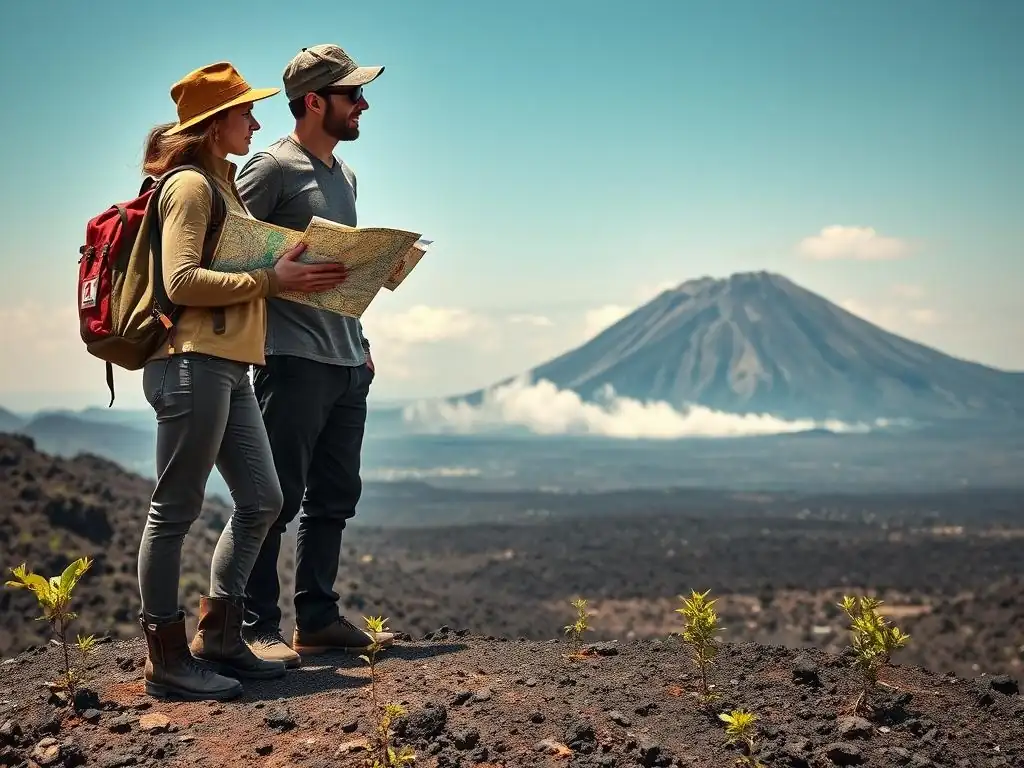
Understanding the Lingering Hazards: Ashfall Cleanup and Respiratory Concerns
Even after a volcanic eruption has subsided, lingering hazards remain, requiring continued vigilance and safety measures. Ashfall cleanup is a significant post-eruption task. Volcanic ash is not like household ash; it is abrasive, corrosive, and can be harmful to breathe. Avoid disturbing dry ash as much as possible, as this can make it airborne again. When cleaning ash, wear N95 or P100 respirators, goggles, gloves, long sleeves, and pants to protect yourself from inhalation and skin irritation. Wet down ash with water before sweeping or shoveling to minimize dust.
Respiratory concerns persist after an eruption due to lingering airborne ash and volcanic gases. Continue to monitor air quality reports and heed any public health advisories. Individuals with pre-existing respiratory conditions, children, and the elderly are particularly vulnerable to the long-term effects of ash exposure. Limit outdoor activities, especially strenuous ones, until air quality improves.
Keep windows and doors closed to minimize indoor ash accumulation. Use air purifiers with HEPA filters to help remove fine particles from indoor air. Be aware that volcanic ash can contaminate water supplies, so use bottled or treated water until water systems are declared safe.
Monitoring Air Quality: Using AirNow.gov for Real-Time Updates
Monitoring air quality is crucial both during and after volcanic eruptions, particularly in areas affected by ashfall or volcanic gas plumes. AirNow.gov is a website run by the U.S. Environmental Protection Agency (EPA) that provides real-time air quality information for locations across the United States. The website displays air quality index (AQI) levels for various pollutants, including particulate matter, which is a key component of volcanic ash. AirNow.gov uses a color-coded system to indicate air quality levels, ranging from Green (Good) to Maroon (Hazardous).
Before, during, and after visiting a volcano area, check AirNow.gov for the AQI in your location. Pay particular attention to the particulate matter (PM2.5 and PM10) levels, as these are directly related to ashfall. Use the AQI information to make informed decisions about outdoor activities and necessary precautions.
If the AQI is in the Orange (Unhealthy for Sensitive Groups), Red (Unhealthy), Purple (Very Unhealthy), or Maroon (Hazardous) range, limit outdoor exposure, especially for children, the elderly, and individuals with respiratory or heart conditions. Continue to use respirators and eye protection when outdoors in areas with poor air quality. AirNow.gov also provides forecasts, allowing you to plan activities based on predicted air quality conditions.
Returning Home Safely: Assessing Property Damage and Following Official Guidelines
Returning home safely after a volcanic event involves assessing potential property damage and following official guidelines. If your home or property has been affected by ashfall, approach with caution. Wear respirators, goggles, gloves, long sleeves, and pants when inspecting your property. Check for structural damage, especially to roofs, which can collapse under heavy ash loads. Be aware of potential hazards such as downed power lines or gas leaks. Do not enter damaged buildings until they have been inspected and declared safe by qualified professionals.
Follow official guidelines and instructions from local authorities regarding re-entry to evacuated areas and property inspections. Authorities will provide information on when it is safe to return, which areas are still hazardous, and any necessary precautions. Document any property damage for insurance purposes, taking photographs and videos.
When cleaning up ash around your home, follow the same ash cleanup procedures as outlined earlier: wet down ash before sweeping, wear protective gear, and dispose of ash properly according to local guidelines. Ensure that your home's ventilation system is cleaned and filters are replaced to remove any accumulated ash. Continue to monitor air quality in your area even after returning home and take necessary precautions to protect your respiratory health.
Recommended Volcano Safety Gear for Families
Hiking Backpacks: Choosing a Durable and Reliable Option
Choosing the right hiking backpack is essential for comfortably and safely carrying necessary gear for volcano exploration with your family. Opt for durable and reliable backpacks made from water-resistant and abrasion-resistant materials like ripstop nylon or Cordura. Consider backpacks with a capacity appropriate for the length of your hikes and the number of family members. For day hikes, backpacks ranging from 20 to 30 liters for adults and smaller sizes (10-20 liters) for children may suffice. Look for backpacks with comfortable and adjustable shoulder straps, hip belts, and sternum straps to distribute weight evenly and reduce strain.
Features like external pockets and compartments are helpful for organizing gear and keeping frequently needed items readily accessible, such as water bottles, snacks, maps, and first-aid supplies. Internal hydration reservoirs or compatibility with hydration systems are beneficial for staying hydrated on the trail. Consider backpacks with rain covers or waterproof compartments to protect gear from unexpected rain or moisture. For children, choose backpacks that are appropriately sized and lightweight, with features like padded straps and reflective elements for safety. Brands like Osprey, Deuter, Gregory, and REI offer a range of high-quality hiking backpacks suitable for families.
Respirator Masks: High-Quality Options for Ashfall Protection
For reliable ashfall protection, invest in high-quality respirator masks that are certified N95 or P100. N95 respirators filter out at least 95% of airborne particles, while P100 respirators filter out at least 99.97% and are oil-resistant. Choose masks that are NIOSH (National Institute for Occupational Safety and Health) approved, indicating they meet specific safety standards. Ensure you select masks that are the correct size for each family member, including child-sized masks if needed. Masks should fit snugly and create a good seal around the nose and mouth to be effective.
Consider masks with exhalation valves, which can make breathing easier and reduce heat and moisture buildup inside the mask, improving comfort, especially during physical activity. Disposable N95 masks are convenient for single-use, while reusable respirators with replaceable filters offer long-term use and may be more cost-effective for frequent volcano visits. Brands like 3M, Honeywell, and Moldex are reputable manufacturers of high-quality respirators. Practice putting on and taking off masks correctly and ensure everyone in the family knows how to wear them properly before your trip.
Emergency Shelter: Considerations for Unexpected Weather Changes
Unexpected weather changes are common in volcanic regions, particularly at higher elevations. Having a lightweight emergency shelter can provide crucial protection from sudden rain, wind, or even snow. Emergency shelters range from simple bivy sacks and emergency blankets to more substantial lightweight tarps and emergency tents. Emergency blankets, made of reflective mylar, are compact and lightweight, providing basic protection from wind and rain and retaining body heat. Bivy sacks offer more enclosed protection, shielding from wind and rain while remaining very lightweight.
Lightweight tarps can be set up as makeshift shelters using trekking poles or trees, providing more space and protection for a family. Emergency tents, while slightly heavier, offer the most enclosed and weather-resistant shelter option. Choose an emergency shelter that is appropriate for the size of your family and the type of volcano environment you are visiting. Consider the weight and packed size of the shelter, ensuring it is portable and can be easily carried in a backpack. Practice setting up your emergency shelter before your trip to become familiar with its deployment in case of unexpected weather.
Making Memories Safely: Enjoying the Wonders of Volcanoes with Your Family
Exploring volcanoes with your family can be an incredibly rewarding and educational experience, creating lasting memories. By prioritizing safety and being well-prepared, you can minimize risks and maximize enjoyment. Remember that volcano safety is not about fear, but about respect for the power of nature and making informed decisions. Thorough planning, packing essential safety gear, adhering to on-site guidelines, and being prepared for emergencies are key components of a worry-free volcano adventure.
Educate your children about volcano science and safety, turning the experience into a learning opportunity. Engage them in the planning process, involve them in packing their safety gear, and discuss volcano hazards in an age-appropriate manner. By fostering a sense of responsibility and awareness, you empower them to become active participants in ensuring family safety. Embrace the awe-inspiring beauty and geological wonders of volcanoes, while always keeping safety at the forefront of your adventure. With careful planning and a focus on safety, your family can create unforgettable memories exploring these magnificent natural wonders.
Frequently Asked Questions
What are the most important volcano safety tips for families visiting a volcanic area?
The most important tips include staying informed about current volcanic activity, maintaining a safe distance from active areas, and heeding all warnings and instructions from authorities.
An emergency kit should include essential supplies like water, non-perishable food, a first-aid kit, dust masks, flashlights, and a battery-powered radio to stay informed about official alerts.
What are the signs of an impending volcanic eruption that families should be aware of?
Families should watch for signs like increased steam or gas emissions, ground swelling, small earthquakes, and changes in water temperature or chemistry of nearby springs, indicating potential volcanic unrest.
How far away from an active volcano is considered a safe distance for families?
The safe distance varies depending on the volcano's activity level, but it's generally advisable to stay at least several miles away from the summit and follow the official safety zones established by volcanologists and local authorities. Always err on the side of caution.
What should families do if a volcanic eruption occurs while they are visiting a volcanic area?
If an eruption occurs, families should seek immediate shelter indoors if possible, protect themselves from falling ash by wearing masks and covering exposed skin, and follow evacuation orders issued by emergency personnel.
Final Reflection: Embracing Adventure Responsibly
The journey through understanding volcano safety isn't just about avoiding danger; it's about empowering families to experience the awe-inspiring power of nature responsibly. By equipping ourselves with knowledge and preparedness, we transform potential risks into opportunities for unforgettable, worry-free adventures. The tips shared here are not limitations, but rather keys that unlock a world of wonder, allowing us to witness the Earth's raw beauty with confidence and respect.
The enduring allure of volcanoes continues to shape our cultural fascination with the natural world. My hope is that this article inspires a deeper appreciation for these geological giants, fostering a sense of stewardship and responsibility towards the environments we explore. Look deep into nature, and then you will understand everything better.
- Albert Einstein. This quote reminds us that understanding and respecting nature is the key to navigating its challenges and appreciating its wonders.
Now, armed with these volcano safety tips, I encourage you to reflect on your own relationship with nature. How can you approach your next adventure with a renewed sense of awareness and preparedness? Let's commit to exploring the world with both curiosity and caution, ensuring that our adventures leave only footprints and take only memories, safeguarding these incredible landscapes for generations to come.
Plan Your Worry-Free Volcano Adventure!
Thank you for learning how to keep your family safe while exploring volcanoes. Now that you're equipped with essential safety tips, it's time to create unforgettable memories.
Ready for the next step? Start by researching a volcano that sparks your family's interest and begin planning your adventure! Consider visiting a local volcano museum for extra information and inspiration.
Share this article with other families who love adventure and want to explore volcanoes safely. Help spread the word and ensure everyone has a memorable and secure experience.
Finally, select three volcanoes you'd like to visit in the next three years and start planning your family trips.
Which volcano excites you most, and which safety tip will you prioritize on your family's adventure?