
Coffee and Volcanoes: A Brew Born from Earth's Fury

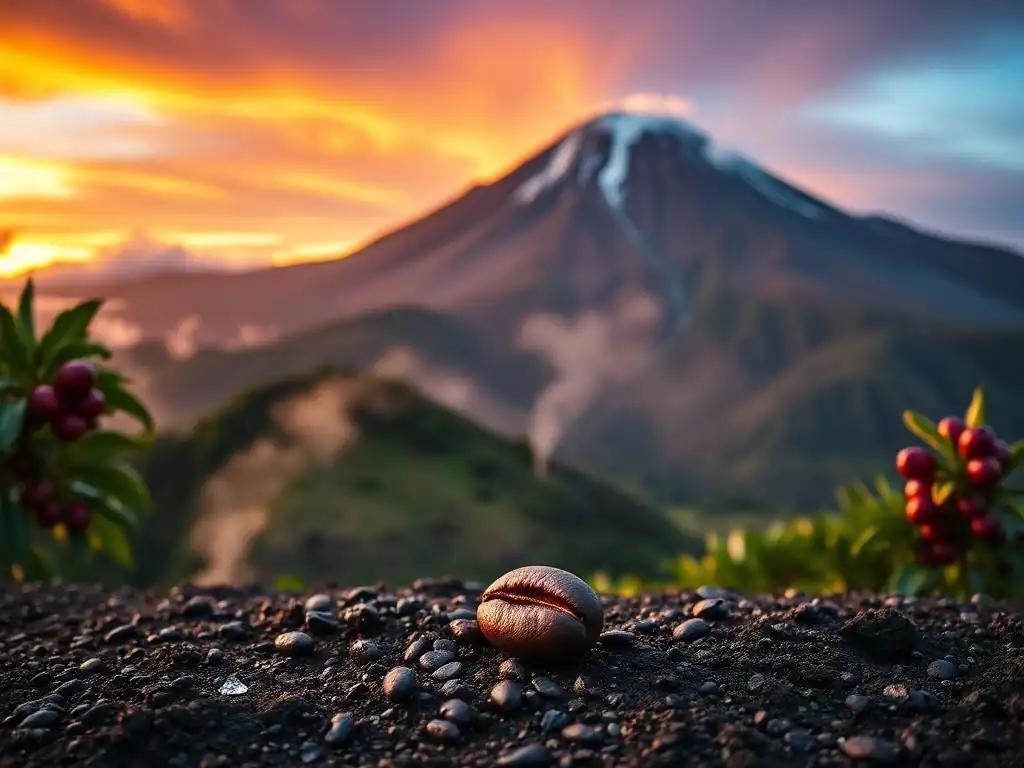
Welcome to Volcano Explorers! Ever wondered what a steaming cup of joe has in common with a fiery mountain? Prepare to uncover the surprising and delicious connection between volcanoes and coffee. It's a story of fertile soil, dramatic landscapes, and a brew as bold as the Earth itself. Intrigued? Let's dive in...
Exploring the Symbiotic Relationship Between Volcanic Landscapes and Coffee Cultivation
The relationship between volcanic landscapes and coffee cultivation is a fascinating example of nature's paradoxical beauty and bounty. At first glance, volcanoes, with their fiery eruptions and destructive power, seem to be the antithesis of the serene and nurturing environment one might associate with agriculture. Yet, paradoxically, these very forces of geological upheaval create some of the most fertile lands on Earth, perfectly suited for growing exceptional coffee.
This is not merely a coincidence; it's a symbiotic relationship where the volcanic earth provides the essential nutrients and conditions that coffee plants thrive on, while coffee cultivation, in turn, becomes an integral part of the landscape and economy in these regions. The dramatic topography and mineral-rich soils sculpted by volcanic activity underpin the very essence of what makes certain coffees so distinctive and sought after.
This connection isn't just about the soil; it's about the entire ecosystem that volcanoes help to shape. The altitude, drainage, and even the microclimates found on volcanic slopes contribute to the unique terroir that influences coffee flavor. For centuries, farmers have recognized the potential hidden within these volcanic regions, transforming potentially hazardous landscapes into productive agricultural zones.
This interplay between geological force and agricultural practice highlights a remarkable adaptation, where communities not only coexist with volcanoes but also leverage their power to cultivate one of the world's most beloved beverages. The story of coffee and volcanoes is thus a testament to resilience, resourcefulness, and the intricate dance between nature's fury and her generosity.
Why Volcanoes Create Ideal Conditions for Coffee Growing
Several key factors contribute to why volcanic regions become ideal cradles for coffee cultivation. The most significant of these is the soil itself. Volcanic soil, particularly Andisols, is renowned for its exceptional fertility.
Formed from volcanic ash and lava flows, it is rich in essential minerals and nutrients vital for plant growth, including phosphorus, potassium, calcium, magnesium, and various micronutrients. These elements are slowly released as the volcanic rock weathers, providing a sustained source of nourishment for coffee plants over long periods. Unlike soils that are depleted over time, volcanic soils are constantly replenished by the geological processes that formed them, offering a naturally fertile base for agriculture.
Beyond the mineral richness, the physical properties of volcanic soil are also highly beneficial for coffee cultivation. The porous nature of volcanic rock and ash ensures excellent drainage, preventing waterlogging that can be detrimental to coffee roots. Simultaneously, these soils have a remarkable capacity to retain moisture, providing a balanced water supply that is crucial, especially in regions with variable rainfall.
Furthermore, volcanic landscapes often feature high altitudes and sloping terrains, which are particularly advantageous for growing Arabica coffee, the most prized variety. Higher altitudes generally mean cooler temperatures, slowing down the coffee cherry maturation process and leading to a greater concentration of complex flavors and aromas. The combination of fertile soil, excellent drainage, water retention, and suitable altitude makes volcanic regions naturally predisposed to producing high-quality coffee, forging an undeniable link between volcanoes and exceptional brews.
- Exploring the Symbiotic Relationship Between Volcanic Landscapes and Coffee Cultivation
- Why Volcanoes Create Ideal Conditions for Coffee Growing
- Why is coffee often grown near volcanoes?
- What specific properties of volcanic soil benefit coffee cultivation?
- Does the type of volcano affect the quality of coffee grown nearby?
- Are there any risks associated with growing coffee near active volcanoes?
- How does the "Volcanoes and Coffee Connection" impact local economies?
Frequently Asked Questions
Why is coffee often grown near volcanoes?
Coffee plants thrive in the nutrient-rich volcanic soil, which is full of minerals like nitrogen and phosphorus. The high altitude and consistent rainfall common in volcanic regions also contribute to optimal growing conditions. This combination creates a favorable environment for producing high-quality coffee beans.
What specific properties of volcanic soil benefit coffee cultivation?
Volcanic soil is typically well-draining, preventing waterlogging that can damage coffee roots. It also contains essential micronutrients that promote healthy plant growth and enhance the flavor of the coffee beans. This leads to a richer and more complex taste profile.
Does the type of volcano affect the quality of coffee grown nearby?
While all volcanic soil can be beneficial, the specific mineral composition varies depending on the type of volcanic rock. Different volcanic regions contribute unique characteristics to the coffee beans, impacting their acidity, body, and aroma.
Are there any risks associated with growing coffee near active volcanoes?
Yes, the risk of eruptions and ashfall can devastate coffee crops and disrupt farming operations. Lava flows and lahars also pose a significant threat to infrastructure and livelihoods.
How does the "Volcanoes and Coffee Connection" impact local economies?
Coffee farming near volcanoes provides employment and income for many communities. The unique flavor profiles of these coffees can attract premium prices, boosting local economies and supporting sustainable farming practices.
Final Reflection: A Taste of Resilience
The journey from volcanic ash to a steaming cup of coffee is a testament to nature's paradoxical beauty, where destruction and creation intertwine. The enduring connection between volcanoes and coffee highlights not only the fertile grounds they foster but also the resilience of communities that thrive in their shadow. This connection, once perhaps overlooked, is now increasingly recognized as a vital element in understanding the complex interplay between our environment and the products we cherish.
The story of coffee grown in volcanic regions is more than just a tale of agricultural success; it's a narrative woven with the threads of human adaptation and perseverance. The rich, volcanic soil imparts a unique flavor profile to the beans, a tangible reminder of the earth's raw power and its capacity to nurture. We forget that the water cycle and the life cycle are one.
- Jacques Cousteau. This quote resonates deeply when considering the volcanic origins of coffee, reminding us that the very essence of life is interconnected and cyclical, even in the face of seemingly destructive forces.
As you savor your next cup of coffee, consider the journey it has undertaken, from the volcanic slopes to your table. Let it be a reminder of the earth's enduring power, the resilience of the human spirit, and the intricate connections that bind us to the natural world. Embrace the taste of resilience, and let it inspire you to appreciate the delicate balance that sustains us all.
Unleash Your Inner Explorer: Taste the Volcanic Difference!
Thanks for exploring the fascinating connection between coffee and volcanoes! We hope you've gained a new appreciation for how these natural forces combine to create something truly special. Now, it's time to put your knowledge into action.
Here are a few ways to fuel your passion for volcanic coffee:
- Find a local roaster specializing in volcanic coffee and experience the unique flavors firsthand! This is the best way to appreciate the impact of volcanic soil.
- Learn more! Research the specific regions where volcanic coffee is grown and the unique characteristics of their soil. Share your discoveries with other coffee lovers.
- Join the Volcano Explorers community on our website to share your favorite volcanic coffee brands and connect with fellow enthusiasts. Let's build a community that celebrates the magic of volcanoes!
What surprised you most about volcanic coffee, and which region are you most excited to explore next through your cup? Let us know in the comments!