
Are Hawaiian Volcanoes Getting More Active? Trends and Patterns in Eruptions

Welcome!
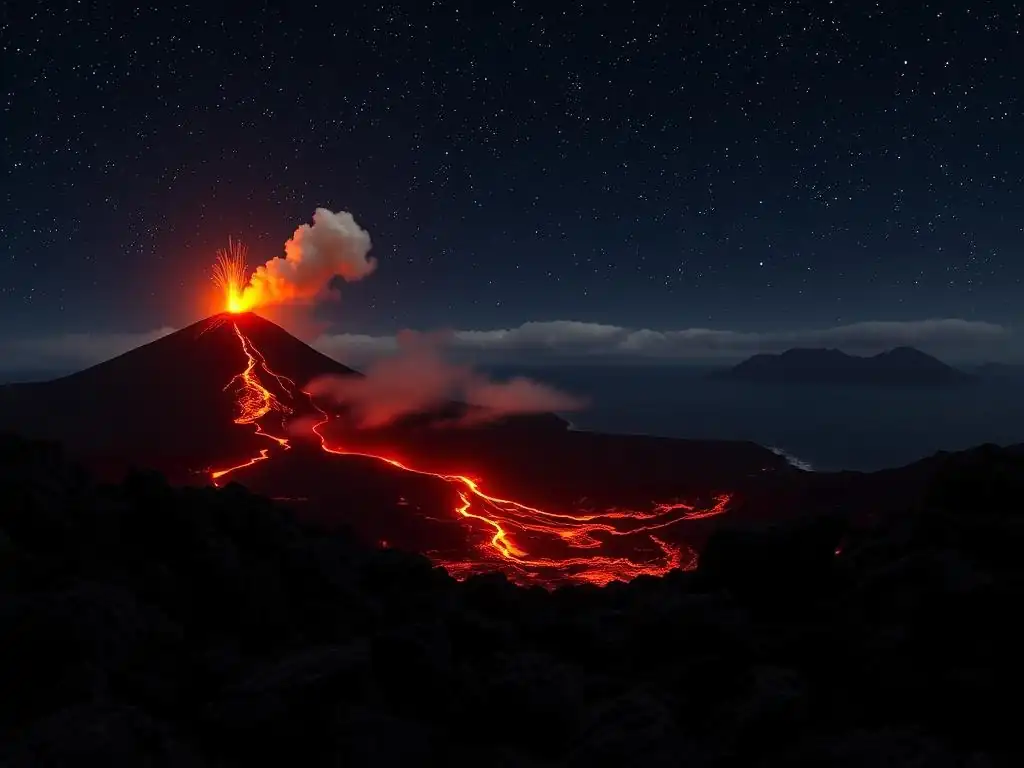
Dive into the fiery heart of our planet at VolcanoExplorers.org. Ever wondered if the Earth is getting angrier? We certainly have. This article ignites your curiosity with an in-depth look at Hawaiian volcano activity trends, unraveling the patterns and potential future of these magnificent, and potentially volatile, island giants. Is the heat turning up, or is it simply a matter of perspective? Explore the data and draw your own conclusions... if you dare.
- Introduction: Understanding Hawaiian Volcano Activity Trends
- Recent Volcanic Activity in Hawaii: An Overview
- Analyzing Hawaiian Volcano Activity Trends: Is There an Increase?
- Factors Influencing Hawaiian Volcanic Eruptions
- Monitoring Hawaiian Volcanoes: Tools and Techniques
- Case Studies: Significant Hawaiian Eruptions and Their Impact
- Volcanic Hazards and Safety Measures in Hawaii
- The Future of Hawaiian Volcano Activity: Projections and Predictions
- Conclusion: Understanding Hawaiian Volcano Activity Trends for Future Preparedness
-
Frequently Asked Questions
- Are Hawaiian Volcanoes Actually Erupting More Frequently Now Than in the Past?
- What Factors Influence the Eruption Patterns of Hawaiian Volcanoes?
- How Do Volcanologists Monitor Hawaiian Volcanoes to Predict Potential Eruptions?
- What is the Most Common Type of Eruption Observed in Hawaiian Volcanoes?
- Where Can I Find Real-Time Updates on Hawaiian Volcano Activity?
- Final Reflection: Embracing the Volcanic Pulse
- Ignite Your Inner Explorer: Embark on a Volcanic Journey!
Introduction: Understanding Hawaiian Volcano Activity Trends
Hawaii, a volcanic paradise, is sculpted by the dynamic forces of nature, with its volcanoes being a constant source of fascination and, at times, concern. Understanding Hawaiian volcano activity trends is crucial for residents, scientists, and visitors alike. Are these volcanic giants becoming more restless, or is the perception of increased activity simply a result of enhanced monitoring and awareness?
This article delves into the patterns of eruptions in Hawaii, examining historical data, recent events, and the scientific insights that help us interpret the rhythms of these magnificent volcanoes. We aim to provide a comprehensive overview of Hawaiian volcano activity trends, offering clarity and informed perspectives on this vital aspect of the islands' natural environment.
The United States Geological Survey (USGS): Exploring the Dynamics of Hawaiian Volcanoes
The United States Geological Survey (USGS) plays a pivotal role in monitoring and studying the dynamics of Hawaiian volcanoes. As a scientific agency of the U.S. government, the USGS is dedicated to providing reliable scientific information to describe and understand the Earth. Within the USGS, the Hawaiian Volcano Observatory (HVO) stands as a sentinel, continuously observing and researching the active volcanoes in Hawaii.
Established in 1912 by volcanologist Thomas Jaggar, the HVO has been instrumental in documenting and interpreting volcanic activity, contributing significantly to our understanding of Hawaiian volcanism. The HVO's mission encompasses hazard assessment, eruption forecasting, and fundamental research into volcanic processes, making it an indispensable resource for ensuring public safety and advancing scientific knowledge about these volcanic systems. Through continuous monitoring and in-depth studies, the USGS, via the HVO, provides critical insights into the ongoing story of Hawaiian volcanoes.
Recent Volcanic Activity in Hawaii: An Overview
Recent years have kept Hawaiian volcanoes firmly in the global spotlight, showcasing the ongoing dynamism of this volcanic archipelago. While "recent" can be a relative term in geological timescales, the past few decades have presented a range of volcanic activity across the Hawaiian Islands, particularly on the Big Island of Hawaii, home to Kilauea and Mauna Loa.
Kilauea, known for its nearly continuous eruptive activity from 1983 until 2018, experienced a dramatic shift with the 2018 Lower East Rift Zone eruption and summit collapse. This event, while significant, was followed by periods of relative quiet and subsequent summit eruptions within Halemaʻumaʻu crater.
Mauna Loa, the world's largest active volcano, ended a period of dormancy with an eruption in late 2022, reminding us of its potential for large-scale events. These recent episodes, along with ongoing seismic activity and ground deformation, underscore the need to constantly monitor and understand Hawaiian volcano activity trends.
Kilauea Volcano: Recent Eruptions and Activity Levels
Kilauea Volcano, arguably the most active volcano on Earth in recent history, has presented a complex picture of activity. After 35 years of almost continuous eruption from the Puʻuʻōʻō cone on the East Rift Zone, the 2018 eruption marked a significant change. This event involved a major fissure eruption in the Lower East Rift Zone, producing voluminous lava flows that devastated communities like Leilani Estates and Kapoho, destroying over 700 homes and altering the landscape dramatically.
Simultaneously, the summit caldera experienced a series of collapses, dramatically changing the morphology of Halemaʻumaʻu crater. Following the 2018 event, Kilauea entered a period of relative quiescence, but this was punctuated by summit eruptions within Halemaʻumaʻu crater starting in late 2020.
These more recent summit eruptions, occurring in 2020-2021, 2023, and ongoing into 2024, have been characterized by lava lake activity and lava flows confined within the caldera. While less destructive than the 2018 event, these eruptions demonstrate that Kilauea remains highly active, with its activity now primarily focused at the summit, at least for the present period.
Mauna Loa Volcano: Activity Status and Potential for Future Eruptions
Mauna Loa, the largest active volcano on our planet by volume, commands respect due to its immense size and potential for massive eruptions. After its last eruption in 1984, Mauna Loa entered a period of quiescence lasting nearly four decades. However, this period was not devoid of signs of unrest. The USGS Hawaiian Volcano Observatory documented increasing rates of ground deformation and seismicity in the years leading up to 2022, indicating magma accumulation beneath the summit.
This built-up pressure culminated in an eruption that began on November 27, 2022, from the Mokuʻāweoweo caldera at the summit. The 2022 eruption produced lava flows that descended the volcano's flanks, though fortunately, they did not threaten populated areas. The eruption ceased in mid-December 2022.
While relatively short-lived compared to some historical Mauna Loa eruptions, the 2022 event served as a potent reminder of Mauna Loa's capacity for activity. Scientists continue to monitor Mauna Loa closely, recognizing its potential for future, potentially larger, eruptions. Historical records show that Mauna Loa eruptions can be very voluminous and can cover large areas with lava flows, posing significant hazards.
Analyzing Hawaiian Volcano Activity Trends: Is There an Increase?
The question of whether Hawaiian volcano activity is increasing is complex. To answer this, we need to consider what "increase" means – is it frequency of eruptions, intensity, or something else? Looking at the long-term record, Hawaiian volcanoes have always been among the most active globally.
What may feel like an increase in activity could be due to several factors: improved monitoring capabilities allowing us to detect more events, increased population and infrastructure in volcanic zones leading to greater awareness of volcanic activity, and natural fluctuations in volcanic cycles. Statistically, determining a definitive "increase" requires rigorous analysis of eruption records over long timescales. While recent decades have seen significant eruptions from both Kilauea and Mauna Loa, it's crucial to place these events within the context of centuries of volcanic activity to discern genuine trends from natural variability.
Long-Term Eruption Patterns in the Hawaiian Islands
The Hawaiian Islands are formed by the Pacific Plate moving over a stationary hotspot in the Earth's mantle. This geological setting dictates a long-term pattern of volcanism. Over millions of years, volcanoes have sequentially formed, grown, and eventually subsided as they move away from the hotspot.
Within this grand timescale, individual volcanoes exhibit their own eruption patterns. Kilauea, for example, has been in a state of near-continuous activity for decades in the recent past, punctuated by periods of more intense eruptions. Mauna Loa has a history of less frequent but often larger eruptions.
Looking at geological records, scientists can identify cycles of activity and repose for individual volcanoes spanning centuries. These long-term patterns are influenced by factors such as magma supply rates from the mantle plume and the internal plumbing systems of each volcano. Understanding these long-term patterns is crucial for contextualizing recent activity and making informed assessments about future trends.
Comparing Historical Data with Current Volcanic Activity
Comparing historical data with current volcanic activity is essential for understanding if there is a significant shift in Hawaiian volcano activity trends. Historical records, though less precise than modern monitoring data, provide a valuable perspective on past eruption frequencies and styles. For example, historical accounts and geological evidence indicate that both Kilauea and Mauna Loa have experienced periods of higher and lower activity over centuries.
Analysis of eruption frequency in the 19th and 20th centuries, compared to the early 21st century, doesn't necessarily show a dramatic increase in the number of eruptions overall. However, the style and impact of eruptions can vary. The 2018 Kilauea eruption, for instance, was exceptionally impactful due to its location and the scale of lava flows in populated areas.
Modern monitoring allows for much more detailed tracking of volcanic unrest – subtle changes in seismicity, gas emissions, and ground deformation – which might have gone unnoticed historically. This improved detection capability can create a perception of increased activity, even if the fundamental long-term eruption rate hasn't drastically changed. Therefore, while we are witnessing significant volcanic events, it's important to interpret them within the broader context of long-term historical patterns and improved monitoring sensitivity.
Factors Influencing Hawaiian Volcanic Eruptions
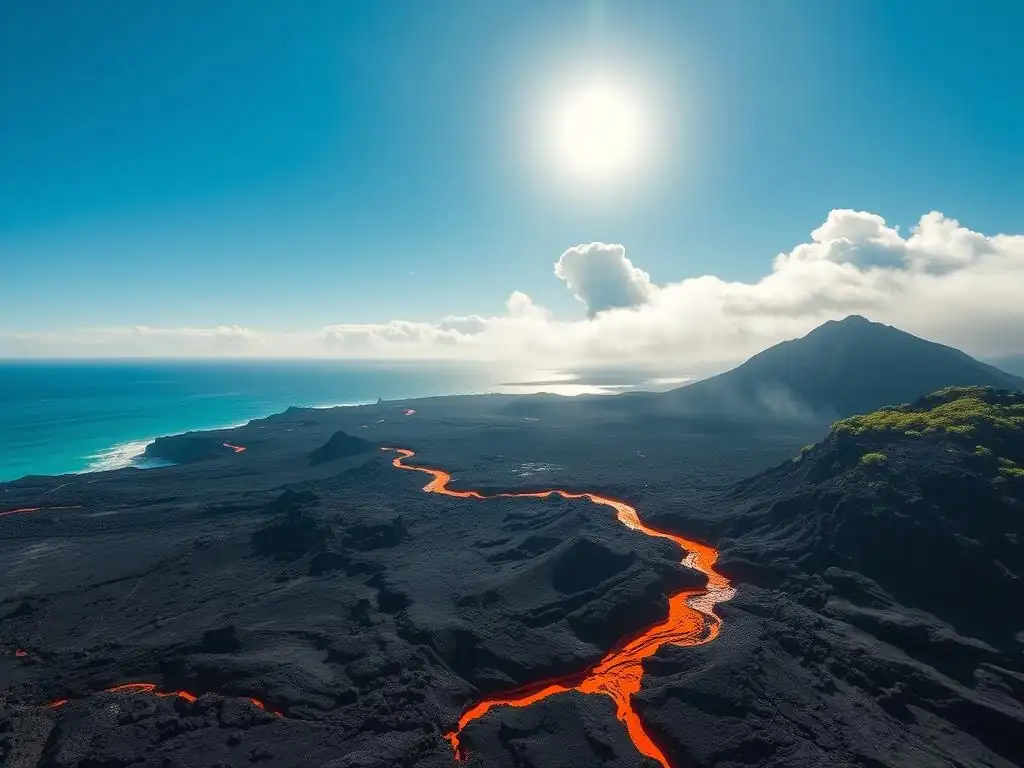
Several key factors govern the eruptive behavior of Hawaiian volcanoes, rooted in the unique geological setting of the islands and the physical processes occurring beneath the surface. These factors interplay to determine when, where, and how Hawaiian volcanoes erupt.
The Role of the Hawaiian Hotspot in Volcanic Activity
The Hawaiian hotspot is the fundamental driver of volcanism in the Hawaiian Islands. This hotspot is believed to be a plume of hot mantle material rising from deep within the Earth. As the Pacific Plate moves over this stationary hotspot, the plume melts the overlying plate, generating magma. This magma then rises to the surface, leading to volcanic eruptions and the construction of the Hawaiian Islands. The hotspot's consistent magma supply is responsible for the sustained volcanic activity in Hawaii over millions of years. The location of the hotspot explains why volcanism is concentrated in the Hawaiian chain and why the volcanoes become progressively older and less active as you move northwest along the island chain – away from the currently active hotspot location under the Island of Hawaii. The consistent nature of the hotspot means that volcanic activity is an inherent and ongoing process in Hawaii, not an anomaly.
Magma Supply and Eruption Frequency
The rate of magma supply from the Hawaiian hotspot directly influences the eruption frequency of Hawaiian volcanoes. A higher magma supply rate can lead to more frequent and potentially larger eruptions. Magma is generated in the mantle and ascends through the crust, accumulating in magma reservoirs beneath volcanoes. The pressure buildup in these reservoirs, driven by continued magma influx, eventually overcomes the strength of the surrounding rocks, leading to magma ascent and eruption.
Different Hawaiian volcanoes have varying magma supply rates, which contributes to their distinct eruption styles and frequencies. For instance, Kilauea, known for its frequent eruptions, is thought to have a relatively high magma supply rate compared to some other Hawaiian volcanoes. Fluctuations in magma supply over time can also influence eruption patterns, leading to periods of increased or decreased activity.
Groundwater Interaction and Phreatomagmatic Eruptions
Groundwater interaction plays a significant role in influencing eruption styles, particularly in coastal or wetter areas of Hawaiian volcanoes. When magma encounters groundwater or surface water, the rapid heating and vaporization of water can lead to explosive phreatomagmatic eruptions. These eruptions are driven by steam explosions, which can fragment magma and surrounding rocks into fine particles, producing ash and tephra.
Phreatomagmatic eruptions can be more hazardous than purely magmatic eruptions due to their explosive nature and wider dispersal of volcanic materials. While Hawaiian eruptions are generally effusive, producing lava flows, phreatomagmatic activity can occur, especially during submarine eruptions or when lava flows enter the ocean. The interaction of lava with seawater is a common example of phreatomagmatic activity in Hawaii, often resulting in littoral explosions at the coastline where lava enters the ocean.
Monitoring Hawaiian Volcanoes: Tools and Techniques
Effective monitoring is paramount for understanding and forecasting Hawaiian volcano activity. Scientists at the Hawaiian Volcano Observatory employ a suite of sophisticated tools and techniques to continuously observe and analyze volcanic behavior. This multi-faceted approach provides a comprehensive picture of volcanic processes occurring both at the surface and deep underground.
The Hawaiian Volcano Observatory: A Vital Resource
The Hawaiian Volcano Observatory (HVO) is the central hub for monitoring Hawaiian volcanoes. Staffed by volcanologists, geophysicists, and other specialists, the HVO operates 24/7, collecting and analyzing data from a network of monitoring instruments across the Hawaiian Islands, primarily focused on the Big Island. HVO's role extends beyond mere monitoring; it is a research institution that conducts in-depth studies of volcanic processes, contributing to a deeper understanding of Hawaiian volcanism.
HVO disseminates vital information to the public, emergency management agencies, and other stakeholders, providing timely updates on volcanic activity and potential hazards. The continuous operation and expertise of the HVO are critical for ensuring public safety and advancing scientific knowledge about these dynamic volcanic systems.
Seismic Monitoring: Detecting Underground Activity
Seismic monitoring is a cornerstone of volcano monitoring. HVO operates a dense network of seismometers across the Hawaiian Islands, which detect ground vibrations caused by earthquakes and volcanic tremor. Changes in seismicity are often the first indication of changes in volcanic activity. Scientists analyze the frequency, magnitude, and location of earthquakes to track magma movement beneath the surface.
Increased earthquake activity, particularly swarms of shallow earthquakes, can signal magma rising towards the surface and potential eruptive activity. Volcanic tremor, a continuous rhythmic ground vibration, is also closely monitored as it can indicate magma flow and degassing within the volcanic system. Seismic data provides crucial real-time information about underground processes that are precursors to eruptions.
Gas Emission Analysis: Identifying Changes in Volcanic Behavior
Analyzing volcanic gas emissions is another vital technique for monitoring Hawaiian volcanoes. Volcanic gases, such as sulfur dioxide (SO2), carbon dioxide (CO2), and water vapor (H2O), are released from magma and provide insights into magma composition and activity. HVO scientists use instruments like spectrometers to measure the concentration and flux of these gases.
Changes in gas emission rates or compositions can indicate changes in magma supply, magma degassing, or impending eruptions. For example, a sudden increase in SO2 emission is often a precursor to an eruption. Continuous gas monitoring provides valuable information about the state of the volcanic system and potential hazards associated with gas emissions, such as volcanic smog (vog).
Ground Deformation Measurements: Tracking Magma Movement
Ground deformation measurements are crucial for tracking magma movement and pressure changes within Hawaiian volcanoes. As magma accumulates beneath the surface, it causes the ground to inflate or deform. HVO utilizes various techniques to measure this deformation, including GPS (Global Positioning System) and InSAR (Interferometric Synthetic Aperture Radar). GPS stations precisely measure changes in ground position, while InSAR uses satellite radar images to detect ground deformation over broader areas.
Patterns of ground deformation, such as inflation or deflation, provide information about magma accumulation, movement, and reservoir pressure. Rapid ground deformation can indicate magma rapidly ascending towards the surface, potentially leading to an imminent eruption. Ground deformation data complements seismic and gas data, providing a holistic view of volcanic processes.
Case Studies: Significant Hawaiian Eruptions and Their Impact
Examining specific past eruptions provides valuable lessons and insights into the diverse nature of Hawaiian volcanism and its impacts. Case studies of significant eruptions highlight different eruption styles, hazards, and the importance of preparedness.
The 2018 Kilauea Eruption: A Detailed Analysis
The 2018 Kilauea eruption stands as a landmark event in recent Hawaiian volcanic history. It began with the collapse of Puʻuʻōʻō cone on the East Rift Zone, followed by magma migration downrift and the onset of a major fissure eruption in the Lower East Rift Zone (LERZ). Fissure 8 became the dominant vent, erupting vast volumes of lava that formed a channelized flow, reaching the ocean at Kapoho and creating a new coastline.
The LERZ eruption destroyed over 700 homes in communities like Leilani Estates and Kapoho Beach Lots, causing widespread displacement and devastation. Simultaneously, the summit of Kilauea experienced a series of caldera collapses, triggered by magma drainage from the summit reservoir to feed the LERZ eruption. These collapses drastically altered the landscape, significantly enlarging Halemaʻumaʻu crater.
The 2018 eruption demonstrated the potential for long-duration, high-volume eruptions from Kilauea's rift zones and the interconnectedness of the summit and rift zone magma systems. The eruption also highlighted the importance of volcanic hazard assessments and community preparedness in areas vulnerable to lava flows.
The 1984 Mauna Loa Eruption: Lessons Learned
The 1984 eruption of Mauna Loa provides important lessons about the hazards posed by this massive volcano. The eruption began at the summit caldera and then propagated down the Northeast Rift Zone, sending lava flows towards the city of Hilo. The lava flow advanced towards Hilo at a rate of several kilometers per day, posing a significant threat to populated areas and infrastructure.
Emergency response efforts were mobilized, and contingency plans were activated. Remarkably, the lava flow stopped just a few kilometers from the outskirts of Hilo, sparing the city from direct impact. While the 1984 eruption did not cause widespread destruction, it served as a stark reminder of Mauna Loa's potential to impact populated areas.
It underscored the need for robust monitoring systems, accurate hazard assessments, and effective evacuation plans for communities located on the flanks of Mauna Loa. The event also highlighted the importance of understanding lava flow paths and developing strategies for potential flow diversion, although natural flow cessation was the key factor in 1984.
The 1959 Kilauea Iki Eruption: A High Fountaining Event
The 1959 eruption of Kilauea Iki crater, adjacent to Kilauea caldera, is renowned for its spectacular high lava fountains. Unlike the effusive lava flows typical of many Hawaiian eruptions, Kilauea Iki produced episodic bursts of lava fountaining, reaching heights of up to 580 meters (1,900 feet), some of the highest lava fountains ever recorded in Hawaii. These fountains deposited spatter and cinder around the vent, building the Kilauea Iki cinder cone. Lava flows also erupted, partially filling the Kilauea Iki crater. The 1959 eruption provided scientists with an unprecedented opportunity to study the dynamics of lava fountaining and the processes that control explosive activity in Hawaiian volcanoes. The eruption demonstrated that even predominantly effusive volcanoes like Kilauea can exhibit periods of more explosive behavior. The Kilauea Iki eruption remains a classic case study in volcanology, illustrating the diverse eruption styles possible in Hawaii and the dynamic nature of volcanic processes.
Volcanic Hazards and Safety Measures in Hawaii
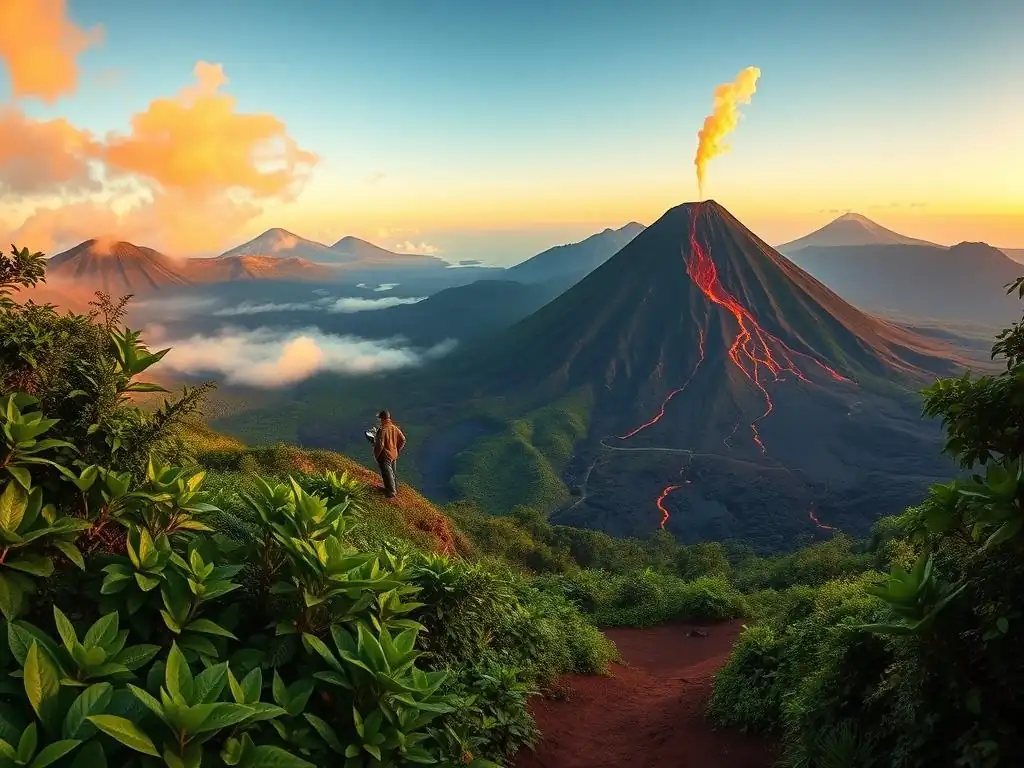
Living in proximity to active volcanoes in Hawaii requires awareness of potential hazards and adherence to safety measures. Understanding the types of volcanic hazards and knowing how to prepare and respond is crucial for mitigating risks.
Understanding Lava Flows, Volcanic Ash, and Gas Emissions
Hawaiian volcanoes present several key hazards. Lava flows are perhaps the most visually dramatic, destroying everything in their path. Pāhoehoe flows are smooth and ropy, while ʻaʻā flows are rough and blocky, both capable of causing complete devastation to property and infrastructure. Volcanic ash, while less voluminous in typical Hawaiian eruptions compared to explosive volcanoes, can still be a hazard, especially downwind of vents. Ash can irritate the respiratory system, damage machinery, and disrupt transportation.
Volcanic gas emissions are a less visible but significant hazard. Sulfur dioxide (SO2) is a primary concern, reacting with moisture in the air to create volcanic smog (vog), which can cause respiratory problems and acid rain. Carbon dioxide (CO2) can accumulate in low-lying areas, displacing oxygen and posing an asphyxiation risk. Understanding these hazards – lava flows, ash, and gases – is the first step in volcanic safety.
Evacuation Plans and Emergency Preparedness
Effective evacuation plans and emergency preparedness are essential for communities in volcanic hazard zones in Hawaii. Authorities, including the Hawaii County Civil Defense Agency, have developed evacuation plans for areas potentially threatened by lava flows and other volcanic hazards. These plans designate evacuation routes and shelters and are activated when volcanic activity poses an imminent threat.
Residents living in volcanic areas should be familiar with evacuation routes and have a "go-bag" prepared with essential supplies like water, food, medications, and important documents. Staying informed about volcanic activity through official sources like the USGS Hawaiian Volcano Observatory and Civil Defense alerts is crucial. Participating in community preparedness drills and heeding official warnings are vital steps in ensuring safety during volcanic events.
Community Education and Awareness Programs
Community education and awareness programs are fundamental for fostering a culture of volcanic safety in Hawaii. The USGS Hawaiian Volcano Observatory, Civil Defense agencies, and other organizations conduct outreach programs to educate residents and visitors about volcanic hazards, monitoring efforts, and safety measures. These programs include public talks, educational materials, website resources, and school presentations.
Raising awareness about volcanic risks, eruption warning signs, and appropriate responses empowers communities to prepare for and mitigate the impacts of volcanic activity. Promoting a culture of preparedness and informed decision-making is a continuous effort, ensuring that communities living with volcanoes are resilient and safe.
The Future of Hawaiian Volcano Activity: Projections and Predictions
Looking ahead, scientists continue to refine their understanding of Hawaiian volcanism to improve projections and predictions about future activity. While precise eruption forecasting remains a challenge, advancements in scientific models and monitoring techniques offer increasingly valuable insights.
Scientific Models for Predicting Eruptions
Scientific models play an increasingly important role in predicting volcanic eruptions. These models integrate data from seismic monitoring, ground deformation measurements, gas emission analysis, and historical eruption patterns to assess volcanic activity and forecast potential eruptions. Probabilistic models, for example, estimate the likelihood of eruptions occurring within a given timeframe and from specific locations.
Numerical models simulate magma flow, pressure buildup, and other volcanic processes to better understand eruption dynamics. While these models are constantly improving, volcanic systems are complex, and predictions are inherently probabilistic, not deterministic. Models provide valuable tools for hazard assessment and eruption forecasting, but ongoing research and data collection are essential for refining their accuracy and reliability.
Long-Term Volcanic Activity Forecasts
Long-term volcanic activity forecasts for Hawaii are based on the understanding of the Hawaiian hotspot and the geological history of the islands. The Hawaiian hotspot is expected to remain active for millions of years, continuing to generate magma and drive volcanism in the region. New volcanoes will likely continue to form in the future, following the trend of island formation along the hotspot track.
Existing active volcanoes, like Kilauea and Mauna Loa, will continue to erupt, although the timing and style of future eruptions are uncertain. Long-term forecasts emphasize that volcanic activity is an ongoing and inherent part of the Hawaiian landscape, requiring continued monitoring, research, and preparedness for future eruptions.
The Potential Influence of Sea Level Rise on Coastal Eruptions
Sea level rise, a consequence of climate change, may have implications for coastal volcanic eruptions in Hawaii. Rising sea levels could potentially increase the interaction between seawater and magma in coastal areas, potentially influencing phreatomagmatic activity. Increased groundwater levels in coastal zones due to sea level rise could also affect the style of eruptions and the extent of steam explosions when magma interacts with water.
The potential impacts of sea level rise on Hawaiian volcanism are an area of ongoing research. Understanding these interactions is important for assessing future volcanic hazards in coastal communities and considering the combined effects of climate change and volcanic activity in Hawaii.
Conclusion: Understanding Hawaiian Volcano Activity Trends for Future Preparedness
Understanding Hawaiian volcano activity trends is not just an academic pursuit; it is a necessity for ensuring the safety and resilience of communities living alongside these powerful natural forces. While the question of whether Hawaiian volcanoes are definitively "more active" is nuanced, it is clear that they remain persistently dynamic, with ongoing eruptions and periods of heightened unrest.
Key Takeaways on Hawaiian Volcanoes and Eruption Patterns
- Hawaiian volcano activity is driven by the persistent Hawaiian hotspot, a deep mantle plume providing a continuous magma supply.
- Kilauea and Mauna Loa are among the most active volcanoes globally, each with distinct eruption patterns and histories.
- Recent eruptions, like the 2018 Kilauea event and the 2022 Mauna Loa eruption, highlight the ongoing volcanic dynamism and potential hazards.
- Improved monitoring capabilities provide more detailed insights into volcanic processes, potentially leading to a perception of increased activity even if long-term eruption rates are relatively stable.
- Effective monitoring by the USGS Hawaiian Volcano Observatory, combined with community education and preparedness, are crucial for mitigating volcanic risks in Hawaii.
- Long-term volcanic activity forecasts indicate continued volcanism in Hawaii, emphasizing the need for ongoing vigilance and adaptation to living with active volcanoes.
By continuously studying Hawaiian volcano activity trends and investing in monitoring, research, and community preparedness, we can better understand, anticipate, and respond to the ever-present forces shaping these remarkable islands.
Frequently Asked Questions
Are Hawaiian Volcanoes Actually Erupting More Frequently Now Than in the Past?
Historical records suggest no definitive trend of increased eruption frequency in Hawaiian volcanoes. While some periods show more activity, others are quieter. Long-term data is needed for accurate analysis.
What Factors Influence the Eruption Patterns of Hawaiian Volcanoes?
Eruption patterns are influenced by factors like magma supply rates, tectonic plate movement, and the internal pressure within the volcano's magma chamber. These factors can fluctuate over time.
How Do Volcanologists Monitor Hawaiian Volcanoes to Predict Potential Eruptions?
Volcanologists use techniques like seismic monitoring, gas emission analysis, and ground deformation measurements to detect changes in volcanic activity. These help them assess eruption potential.
What is the Most Common Type of Eruption Observed in Hawaiian Volcanoes?
Hawaiian volcanoes are known for effusive eruptions, characterized by the slow and steady outpouring of lava. This is in contrast to more explosive eruptions. Lava flows are typical.
Where Can I Find Real-Time Updates on Hawaiian Volcano Activity?
You can find real-time updates on websites like the USGS Hawaiian Volcano Observatory (HVO), and on sites like VolcanoExplorers.org, which provides timely information. These sources are crucial for staying informed.
Final Reflection: Embracing the Volcanic Pulse
The exploration of Hawaiian volcano activity trends reveals more than just geological data; it uncovers a dynamic and ever-evolving relationship between the islands and their fiery origins. Understanding these patterns is crucial for safeguarding communities and fostering a deeper respect for the raw power of nature that shapes the Hawaiian landscape. This knowledge empowers us to better prepare for future eruptions and mitigate their potential impact.
The ongoing study of Hawaiian volcanoes has profoundly influenced our perception of risk and resilience in the face of natural forces. It reminds us that we are intrinsically linked to the Earth's processes, and that understanding these processes is paramount to our survival and well-being. We cannot stop natural disasters but we can arm ourselves with knowledge: so many lives wouldn't have to be lost if there was enough disaster preparedness.
- Petra Nemcova. This quote encapsulates the essence of our exploration, highlighting the critical role of preparedness in navigating the challenges posed by volcanic activity.
As we conclude this journey into the heart of Hawaiian volcano activity trends, I invite you to reflect on your own connection to the natural world. Consider how you can contribute to a greater understanding of our planet's dynamic systems and how you can support efforts to build more resilient communities. Let the lessons learned from the Hawaiian volcanoes inspire you to embrace a proactive and informed approach to living in harmony with the Earth.
Ignite Your Inner Explorer: Embark on a Volcanic Journey!
Thank you for diving deep into the fascinating world of Hawaiian volcanoes! Now that you're armed with knowledge about their activity and eruption patterns, let's turn that curiosity into action. Here's how you can continue your volcanic adventure:
- Become a Citizen Scientist: Report any unusual volcanic activity you observe through our platform at VolcanoExplorers.org. Your contribution helps us monitor and understand these incredible forces of nature.
- Share Your Knowledge: Spread the word! Talk about the trends and patterns you learned with friends and family, and encourage them to learn more.
- Explore Our Interactive Map: Delve deeper into the specific volcanoes we discussed by visiting our interactive map. Uncover additional details, historical eruptions, and stunning visuals to fuel your fascination.
Which Hawaiian volcano are you most eager to explore further? Let us know in the comments!