
Green Sand Beaches and Volcanic Cinders: Hawaii's Colorful Geology

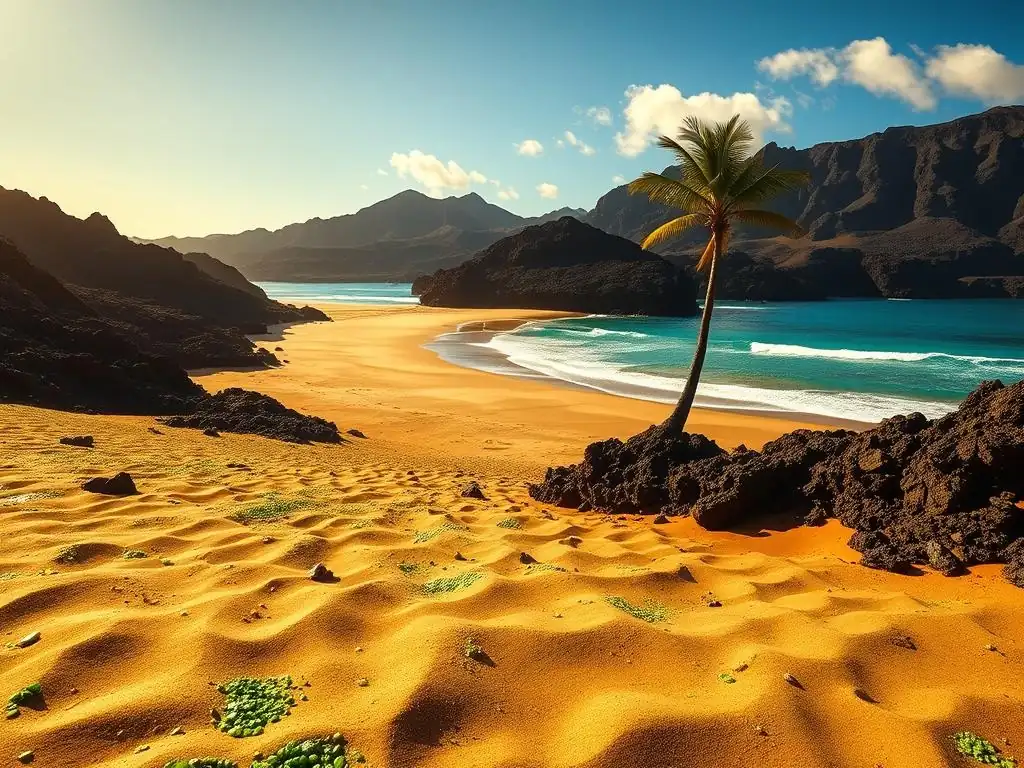
Welcome to Volcano Explorers!
Prepare to journey into the heart of Earth's fiery artistry. Ever wondered how emerald beaches are born from molten rock? This is just the beginning. Dive in to uncover the secrets of Hawaii's unique volcanic landscapes and discover how these islands were forged in the crucible of volcanic activity. What vibrant colors and geological wonders await? Read on, and let's explore the captivating story etched in every grain of sand and solidified flow.
- Exploring Hawaii's Unique Volcanic Landscapes: A Geological Marvel
- The Formation of Hawaii's Diverse Terrain: A Volcanic Hotspot
- Green Sand Beaches: A Unique Volcanic Feature of Hawaii
- Volcanic Cinders and Their Role in Hawaii's Landscape
- The Palette of Hawaiian Volcanoes: Beyond Green Sand and Cinders
- Protecting Hawaii's Volcanic Geology: Conservation Efforts
- Witnessing Hawaii's Volcanic Activity: A Traveler's Guide
- Hawaii's Volcanic Geology: A Dynamic and Ever-Evolving Landscape
-
Frequently Asked Questions
- What makes Hawaii's volcanic landscapes so unique?
- How do green sand beaches form in Hawaii?
- What are volcanic cinders and how are they related to Hawaiian volcanism?
- What kind of safety measures should people take when visiting active volcanic areas in Hawaii?
- How do volcanologists study the volcanoes in Hawaii and predict future eruptions?
- Final Reflection: Embracing the Palette of the Earth
- Ignite Your Inner Explorer: Discover Hawaii's Volcanic Wonders!
Exploring Hawaii's Unique Volcanic Landscapes: A Geological Marvel
Hawaii, a chain of volcanic islands in the heart of the Pacific, presents a geological tapestry unlike anywhere else on Earth. Born from the fiery depths of the planet, these islands are a living laboratory showcasing the raw power and artistry of volcanic processes.
From the verdant green sand beaches to the rust-colored cinder cones, Hawaii’s landscapes are a testament to the dynamic interplay between geological forces and time. This article delves into the fascinating origins of Hawaii's diverse terrain, focusing on the unique volcanic features that make these islands a geological marvel and a sought-after destination for nature enthusiasts and scientists alike.
The Formation of Hawaii's Diverse Terrain: A Volcanic Hotspot
The Hawaiian Islands owe their existence to a phenomenon known as a volcanic hotspot, a region in the Earth's mantle where plumes of hot magma rise to the surface. Unlike most volcanic activity that occurs at plate boundaries, hotspots are stationary relative to the moving tectonic plates. As the Pacific Plate slowly drifts over the Hawaiian hotspot, magma persistently breaches the crust, creating a chain of volcanoes that stretches across the ocean floor. This process, unfolding over millions of years, has sculpted the dramatic and varied landscapes that define Hawaii today.
Understanding the Hawaiian Hotspot and Plate Tectonics
The Hawaiian hotspot is believed to be fueled by a mantle plume, a column of unusually hot rock rising from deep within the Earth's mantle. This plume remains relatively fixed, while the Pacific Plate moves northwestward above it at a rate of approximately 7 to 10 centimeters per year, about the speed fingernails grow. As the plate passes over the hotspot, molten rock, or magma, punches through the lithosphere, leading to volcanic eruptions.
The oldest islands in the Hawaiian chain, located to the northwest, are no longer directly over the hotspot and are thus volcanically inactive and eroding. In contrast, the southeasternmost island, Hawaiʻi Island (the Big Island), currently sits atop the hotspot and is home to active volcanoes like Kīlauea and Mauna Loa, continuously adding new land to the island chain.
This interaction between the stationary hotspot and the moving Pacific Plate explains the linear progression of the Hawaiian Islands, with each island further northwest being progressively older and more eroded. Geologists use radiometric dating techniques to determine the age of volcanic rocks, providing crucial evidence to support the hotspot theory.
For instance, the island of Kauai, northwest of Oahu, is approximately 5 million years old, while Hawaiʻi Island is the youngest, with parts of it less than a million years old and still actively growing. This age progression is a key piece of evidence that supports the plate tectonic and hotspot model for the formation of Hawaii's unique volcanic landscapes.
The Role of Shield Volcanoes in Shaping the Islands
Hawaii's islands are primarily formed by shield volcanoes, a type of volcano characterized by their broad, gently sloping profiles resembling a warrior's shield laid flat on the ground. Shield volcanoes are built up over time by fluid basaltic lava flows that erupt effusively, meaning they flow easily and spread out widely rather than exploding violently. The low viscosity of basaltic lava, rich in magnesium and iron and relatively low in silica, allows it to travel long distances, creating the expansive landmasses that constitute the Hawaiian Islands.
Mauna Loa and Mauna Kea on Hawaiʻi Island are prime examples of massive shield volcanoes. Mauna Loa, the largest active volcano on Earth by volume, rises over 4 kilometers above sea level, and its slopes extend far below the ocean surface. These volcanoes are constructed layer upon layer of solidified lava flows, each eruption adding to the volcano's size and breadth.
The gradual accumulation of these flows over hundreds of thousands to millions of years creates the immense shields that form the foundation of the Hawaiian Islands. The relatively non-explosive nature of shield volcano eruptions, compared to stratovolcanoes found in other parts of the world, is crucial in shaping the characteristic gentle slopes and vast scale of Hawaii's volcanic landscapes.
Eruptive Styles and Their Impact on Hawaiian Landforms
While Hawaiian volcanoes are known for their effusive eruptions of fluid lava, they also exhibit a variety of eruptive styles that contribute to the diverse landforms across the islands. These styles range from lava fountains and flows to explosive eruptions driven by the interaction of magma with groundwater or seawater. Each type of eruption leaves a distinct mark on the landscape, creating features like spatter cones, cinder cones, lava tubes, and littoral cones along the coast.
For example, lava fountains, common in Hawaiian eruptions, occur when dissolved gases in the magma rapidly expand as it reaches the surface, propelling molten rock into the air. This airborne lava, upon landing, can build up spatter cones, steep-sided mounds of solidified lava fragments. When lava flows into the ocean, it can interact explosively with seawater, generating steam explosions and creating littoral cones, small, steep cones of fragmented volcanic material near the shoreline.
Furthermore, the cooling and solidification of lava flows can create lava tubes, underground tunnels that once carried molten lava. These tubes, when exposed, become fascinating geological features that can be explored. The interplay of these various eruptive styles, alongside the dominant effusive eruptions, contributes significantly to the rich tapestry of Hawaii's volcanic landforms, making each island a unique geological study site.
Green Sand Beaches: A Unique Volcanic Feature of Hawaii
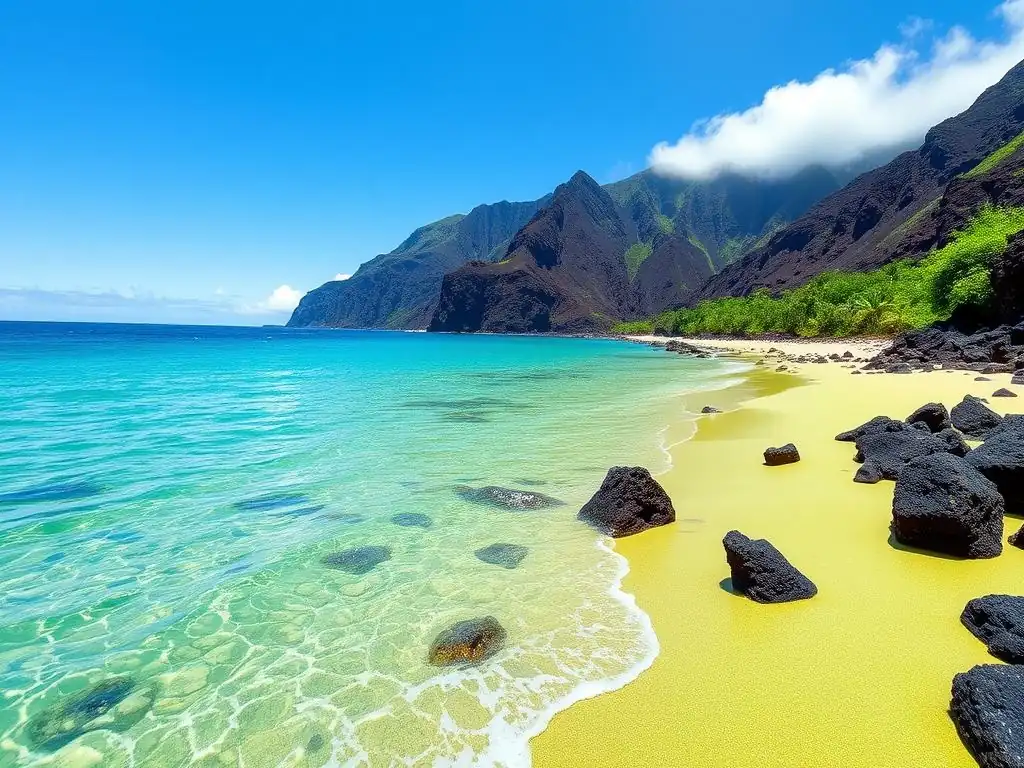
Among the many geological wonders of Hawaii, the green sand beaches stand out as truly exceptional. These rare beaches, shimmering with an olive-green hue, are a direct result of Hawaii's volcanic origins. The green color comes from olivine, a semi-precious gem mineral rich in magnesium and iron, which is a common component of Hawaiian basaltic lava. Only a handful of green sand beaches exist worldwide, and Hawaii is fortunate to host several, making them a significant attraction and a testament to the islands' unique geological composition.
Papakōlea Beach: Unveiling the Olivine Crystals
Papakōlea Beach, located on the southern tip of Hawaiʻi Island, is perhaps the most famous and accessible green sand beach in Hawaii. Nestled within a collapsed cinder cone, Papakōlea's striking green sands are a breathtaking sight. The beach owes its color to the mineral olivine, which is released from the eroding cinder cone by wave action. The cinder cone, known as Puʻu Mahana, is rich in olivine crystals formed during past volcanic eruptions.
The constant wave action against the cinder cone gradually erodes the volcanic rock, liberating the olivine crystals. Olivine is denser and more resistant to weathering than other volcanic minerals in the cinder cone, such as volcanic glass and feldspar. As the lighter materials are washed away by the waves, the heavier olivine grains accumulate on the beach, creating the distinctive green sand. The contrasting colors of the turquoise ocean, red-brown cinder cone, and the emerald green sand make Papakōlea Beach a visually stunning example of Hawaii's unique volcanic geology.
Olivine Composition and Formation within Hawaiian Volcanoes
Olivine, the key ingredient in Hawaii's green sand beaches, is a magnesium iron silicate mineral. Its chemical formula is typically represented as (Mg,Fe) 2 SiO 4 , indicating a range of compositions between pure magnesium olivine (forsterite) and pure iron olivine (fayalite). In Hawaiian volcanoes, olivine crystallizes deep within the Earth's mantle and is brought to the surface as part of the basaltic magma during eruptions.
Within the molten magma, olivine crystals form at high temperatures and pressures. As the magma rises and cools, these crystals are often embedded within the solidified volcanic rock, like in the cinder cone at Papakōlea. The green color of olivine is attributed to the iron content within its crystal structure.
The specific shade of green can vary depending on the exact iron-magnesium ratio and other trace elements present. The abundance of olivine in Hawaiian basaltic rocks, a direct consequence of the mantle source and the processes of magma generation, is what makes the formation of green sand beaches possible in Hawaii.
Tafoni Weathering: The Chemical and Physical Processes That Create Green Sand
While olivine is the source of the green color, the process that concentrates it on the beach involves a combination of physical and chemical weathering, particularly a type of weathering known as tafoni weathering. Tafoni are small, cavity-like features that develop on rock surfaces, and they play a role in the selective erosion that leads to the concentration of olivine at beaches like Papakōlea.
Tafoni weathering often occurs in porous rocks exposed to salt spray and wind. Salt crystallization within the pores of the rock exerts pressure, causing the rock to disintegrate over time. In the case of the Papakōlea cinder cone, salt spray from the ocean, combined with wind and rain, contributes to the breakdown of the volcanic rock.
However, olivine, being more resistant to chemical weathering than the surrounding volcanic glass and other minerals, is less affected by these processes. As tafoni weathering and general erosion break down the cinder cone, the olivine crystals are released and accumulate on the beach, while the finer, less resistant materials are washed away, effectively concentrating the green olivine sand. This process, acting over long periods, is crucial in creating the distinctive green hue of Papakōlea Beach and other similar locations.
Other Green Sand Beaches Around the World: A Comparison
While Hawaii is renowned for its green sand beaches, they are not exclusive to the islands. Other locations around the world also boast green sand beaches, although they are relatively rare. These include Hornindalsvatnet Lake in Norway, Punta Cormorant on Floreana Island in the Galapagos, and Guam. Comparing these beaches to Hawaii's reveals both similarities and differences in their geological origins.
Hornindalsvatnet Lake in Norway, for instance, also has a green sand beach, but its olivine source is different. Instead of volcanic activity, the olivine originates from glacial erosion of olivine-rich bedrock in the surrounding mountains. Punta Cormorant in the Galapagos Islands, similar to Hawaii, is volcanic in origin, with olivine derived from eroded volcanic tuff cones.
Guam also features green sand beaches linked to volcanic rocks. However, the Hawaiian green sand beaches, particularly Papakōlea, are often considered the most vibrant and extensive due to the high olivine content of Hawaiian basalt and the ongoing erosion of olivine-rich volcanic formations. This global comparison highlights that while the green color is consistently due to olivine, the geological processes concentrating it can vary, making each green sand beach a unique geological phenomenon.
Volcanic Cinders and Their Role in Hawaii's Landscape
Volcanic cinders are another prominent feature of Hawaii's volcanic landscapes, contributing to the islands' diverse terrain and vibrant colors. These small, rock fragments are ejected explosively from volcanoes and accumulate to form cinder cones and blankets of volcanic debris. In Hawaii, volcanic cinders are readily visible, particularly in areas surrounding volcanic vents and along rift zones, adding a distinct texture and hue to the landscape, especially in contrast to the smooth lava flows.
What are Volcanic Cinders? Formation and Composition
Volcanic cinders are pyroclastic material, meaning they are formed from fragments of rock and magma ejected during explosive volcanic eruptions. They are typically pebble- to walnut-sized fragments, ranging from about 4 to 32 millimeters in diameter. Cinders are characterized by their vesicular texture, meaning they contain numerous small cavities or bubbles formed by gas escaping from the magma as it is explosively ejected into the air.
The formation of cinders begins with gas-rich magma rising to the surface. As the pressure decreases, dissolved gases in the magma rapidly expand, causing the magma to fragment into small pieces. These fragments are then ejected into the atmosphere, often forming lava fountains or eruption columns.
As the fragments fly through the air, they cool and solidify, trapping the gas bubbles within them, creating the characteristic vesicular texture of cinders. The composition of cinders in Hawaii is primarily basaltic, reflecting the composition of the magma that forms the islands. They are rich in minerals like olivine, pyroxene, and plagioclase feldspar, giving them a dark, often reddish-brown to black color.
Cinder Cones: Examples of Volcanic Cinder Formations in Hawaii: Pu'u o Mahana
Cinder cones are conical hills built up from the accumulation of volcanic cinders around a volcanic vent. They are among the most common volcanic landforms on Earth and are particularly well-represented in Hawaii. Puʻu o Mahana, the cinder cone that hosts Papakōlea green sand beach, is a prime example of a prominent cinder cone in Hawaii. These cones are formed during Strombolian eruptions, a type of volcanic eruption characterized by relatively mild explosions that eject cinders and other pyroclastic material into the air.
Puʻu o Mahana, like other cinder cones, grew over time as successive Strombolian eruptions deposited layers of cinders around the vent. The cone's steep slopes, typically around 30 to 40 degrees, are a result of the angle of repose for loose cinders, the steepest angle at which loose material can remain stable.
Cinder cones are typically relatively small volcanic edifices compared to shield volcanoes, often ranging from tens to hundreds of meters in height. In Hawaii, cinder cones are found across all the islands, particularly in areas with recent volcanic activity, adding to the diversity of volcanic landforms and providing valuable insights into past eruptive events.
Uses of Volcanic Cinders: From Construction to Agriculture
Volcanic cinders, beyond their geological significance, have practical applications that have been utilized for centuries, including in Hawaii. Due to their lightweight, porous nature, and readily available abundance in volcanic regions, cinders are used in construction, landscaping, and agriculture. Their properties make them a versatile material for a variety of purposes.
In construction, volcanic cinders are used as lightweight aggregate in concrete and road construction. Their vesicular texture reduces the weight of concrete while still providing strength and insulation. They are also used as drainage material in landscaping and construction projects due to their high porosity.
In agriculture, cinders are used as soil amendment, particularly in volcanic soils that can be dense and poorly drained. Cinders improve soil aeration, drainage, and water retention, enhancing plant growth. In Hawaii, volcanic cinders have been historically used in traditional Hawaiian agriculture and continue to be utilized in modern landscaping and gardening, showcasing the practical value of these volcanic materials.
The Palette of Hawaiian Volcanoes: Beyond Green Sand and Cinders
Hawaii's volcanic landscapes display a rich palette of colors beyond the emerald green of olivine and the reddish-brown of cinders. Red, black, and even golden hues are painted across the islands by different volcanic materials and processes. These diverse colors are a result of variations in mineral composition, oxidation states, and cooling rates of lava, further enriching the visual tapestry of Hawaii's unique volcanic geology.
Red Sands: Iron Oxide and Volcanic Oxidation
Red sand beaches, like Kaihalulu Beach on Maui, are another striking example of Hawaii's colorful geology. The vibrant red color of these beaches originates from iron oxide, specifically rust, which forms through the oxidation of iron-rich volcanic minerals. The red sands are often associated with cinder cones that have undergone significant weathering and oxidation over time.
The iron in basaltic lava, when exposed to air and moisture, reacts with oxygen in a process called oxidation, similar to how iron metal rusts. This chemical reaction produces iron oxides, which are reddish-brown in color. Cinder cones, being composed of loose, fragmented material with high surface area, are particularly susceptible to oxidation.
As cinder cones weather, the iron-bearing minerals within them oxidize, releasing iron oxide particles. These particles are then washed down to the coast and accumulate as red sand beaches. The intensity of the red color can vary depending on the degree of oxidation and the concentration of iron oxides in the volcanic material, creating a spectrum of reddish hues in Hawaii's coastal landscapes.
Black Sand Beaches: Basalt and Rapid Cooling
Black sand beaches are perhaps the most common type of colored sand beach in Hawaii, and they are a direct result of the islands' basaltic volcanism. The black sand is composed of finely ground basalt lava fragments. The dark color arises from the mineral composition of basalt, which is rich in dark-colored minerals like pyroxene and olivine, and from the rapid cooling of lava when it flows into the ocean.
When molten lava flows into the cool ocean water, it undergoes rapid cooling and solidification. This rapid cooling process shatters the lava into small fragments, which are then further broken down by wave action and erosion into sand-sized particles. Basalt is naturally dark in color, and the fine particles retain this dark hue, resulting in black sand beaches.
Punaluʻu Black Sand Beach on Hawaiʻi Island is a famous example, showcasing the dramatic contrast between the black sand, turquoise ocean, and green vegetation. The prevalence of black sand beaches throughout Hawaii underscores the fundamental role of basaltic lava in shaping the islands' coastal environments.
Pahoehoe and A'a Lava Flows: Unique Rock Formations
Beyond colored sands, Hawaii's volcanic landscapes are characterized by distinct lava flow formations, particularly pahoehoe and a'a lava. These two types of lava flows, both basaltic in composition, differ significantly in their texture and appearance due to variations in lava viscosity, flow rate, and cooling conditions. They create contrasting landforms that contribute to the rugged and varied topography of the Hawaiian Islands.
Pahoehoe lava flows are characterized by their smooth, ropy, or billowy surfaces. The term "pahoehoe" comes from the Hawaiian language and describes the smooth, unbroken surface that is easy to walk on. Pahoehoe lava is typically hotter and more fluid than a'a lava, allowing it to flow in sheets and create these characteristic smooth surfaces. As pahoehoe lava cools, the surface skin wrinkles and folds, forming the ropy texture. In contrast, a'a lava flows have rough, jagged, and clinkery surfaces. "A'a" is another Hawaiian term, describing the rough, stony surface that is difficult to walk on. A'a lava is more viscous and cooler than pahoehoe, and as it flows, the surface cools and breaks apart into angular fragments, creating the characteristic rubble-like texture. Both pahoehoe and a'a lava flows are abundant in Hawaii, often occurring in close proximity and creating a complex mosaic of volcanic rock formations across the islands.
Protecting Hawaii's Volcanic Geology: Conservation Efforts
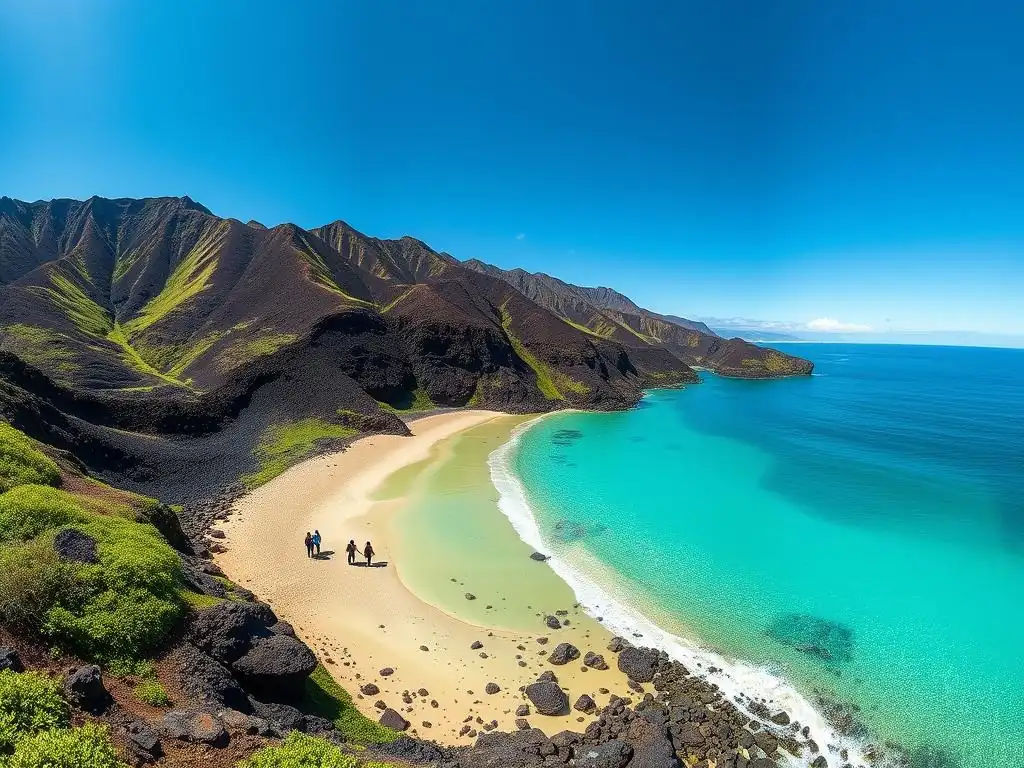
Hawaii's unique volcanic geology is not only a source of scientific fascination and scenic beauty but also a fragile and valuable resource that requires careful protection. Conservation efforts are crucial to preserving these natural wonders for future generations, especially in the face of increasing tourism, coastal erosion, and climate change impacts.
The Importance of Preserving Hawaii's Natural Wonders
Preserving Hawaii's volcanic geology is essential for several reasons. From a scientific perspective, these landscapes provide invaluable insights into volcanic processes, plate tectonics, and Earth's history. They serve as natural laboratories for studying volcanic eruptions, landform evolution, and ecosystem development. From an ecological standpoint, the unique volcanic formations support diverse ecosystems and habitats, some of which are found nowhere else on Earth. Furthermore, Hawaii's volcanic landscapes are culturally significant to Native Hawaiians, deeply intertwined with their traditions, legends, and spiritual beliefs.
Economically, Hawaii's natural beauty, including its volcanic landscapes, is a major driver of tourism, a vital sector of the state's economy. Preserving these wonders ensures the continued appeal of Hawaii as a tourist destination. Ethically, there is an inherent value in protecting these natural treasures for their own sake, recognizing their intrinsic worth as part of Earth's natural heritage. Therefore, conservation efforts are multifaceted, encompassing scientific, ecological, cultural, economic, and ethical considerations, all aimed at safeguarding Hawaii's unique volcanic geology.
Responsible Tourism and Minimizing Environmental Impact
Responsible tourism plays a crucial role in minimizing the environmental impact on Hawaii's volcanic landscapes. As tourism continues to grow, it is essential to promote sustainable practices that protect these fragile environments. This includes adhering to park regulations, staying on marked trails, avoiding disturbing vegetation or wildlife, and properly disposing of waste.
Visitors should be educated about the geological significance and ecological sensitivity of the areas they are visiting. Supporting local businesses that prioritize sustainability and conservation efforts also contributes to responsible tourism. Avoiding activities that could damage volcanic formations, such as collecting volcanic rocks or sand, is crucial. Respecting cultural sites and practices is another important aspect of responsible tourism in Hawaii. By embracing responsible tourism practices, visitors can enjoy the beauty of Hawaii's volcanic landscapes while minimizing their impact and contributing to their long-term preservation.
Coastal Erosion and Climate Change: Current Threats to Hawaii's Geological Formations
Hawaii's volcanic geology faces increasing threats from coastal erosion and climate change. Rising sea levels, intensified storms, and changes in wave patterns are exacerbating coastal erosion, particularly impacting beaches, volcanic cliffs, and low-lying coastal areas. Climate change is also contributing to ocean acidification and coral reef degradation, which indirectly affects coastal protection and sediment supply.
Coastal erosion directly threatens green sand beaches, black sand beaches, and other coastal volcanic formations by washing away sand, eroding cliffs, and altering coastal landforms. Rising sea levels inundate low-lying areas and increase the vulnerability of coastal ecosystems. Changes in storm frequency and intensity can lead to more severe erosion events, further damaging coastal geology. Addressing these threats requires a multi-pronged approach, including coastal management strategies, climate change mitigation efforts, and community engagement. Protecting Hawaii's volcanic geology in the face of these challenges is a critical undertaking for ensuring the long-term sustainability of these unique landscapes.
Witnessing Hawaii's Volcanic Activity: A Traveler's Guide
For those seeking to witness the awe-inspiring power and beauty of Hawaii's volcanic landscapes firsthand, several locations offer unparalleled opportunities for exploration and observation. Hawaiʻi Volcanoes National Park, in particular, is a premier destination for experiencing active volcanism and diverse volcanic features. However, exploring volcanic areas requires awareness of safety guidelines and potential hazards.
Hawaiʻi Volcanoes National Park and Kīlauea: Best Locations to Observe Volcanic Landscapes
Hawaiʻi Volcanoes National Park, located on Hawaiʻi Island, is a UNESCO World Heritage Site and a prime location for observing volcanic activity and landscapes. The park encompasses two active volcanoes, Kīlauea and Mauna Loa, and offers a range of hiking trails, scenic drives, and viewpoints for experiencing volcanic features. Kīlauea, one of the world's most active volcanoes, has been in a near-continuous state of eruption for decades, providing ongoing opportunities to witness lava flows, volcanic craters, and steam vents.
Within the park, the Kīlauea Iki Crater Trail offers a hike into the solidified lava lake of a past eruption. The Thurston Lava Tube provides a walk through a fascinating underground lava tunnel. The Jaggar Museum and various overlooks along Crater Rim Drive offer panoramic views of Kīlauea caldera and Halemaʻumaʻu crater, often with visible steam plumes and volcanic gases.
The Chain of Craters Road descends from the summit of Kīlauea to the coast, showcasing diverse volcanic landscapes and past lava flows that have reshaped the coastline. For those interested in green sand beaches, Papakōlea Beach is accessible via a hike near South Point, just outside the park's southern boundary. Hawaiʻi Volcanoes National Park provides an immersive and educational experience for anyone wanting to explore Hawaii's volcanic wonders.
Safety Tips for Exploring Volcanic Areas in Hawaii
Exploring volcanic areas in Hawaii is an exciting adventure, but it is crucial to prioritize safety and be aware of potential hazards. Volcanic areas can be dynamic and unpredictable, and visitors should follow safety guidelines and heed warnings from park rangers and authorities. Staying on marked trails is essential to avoid hazardous terrain and protect fragile ecosystems. Volcanic gases, such as sulfur dioxide, can be present, and individuals with respiratory issues should be particularly cautious and monitor air quality advisories.
Lava flows can be extremely hot and dangerous, and approaching active lava flows is strictly prohibited and highly risky. Ground around volcanic vents and steam vents can be unstable and hot, so staying a safe distance away is crucial. Wearing sturdy shoes, long pants, and sunscreen is recommended when hiking in volcanic areas. Carrying plenty of water and being prepared for changing weather conditions is also important. Checking for park alerts and closures before visiting and following all instructions from park personnel will ensure a safe and enjoyable experience exploring Hawaii's volcanic landscapes.
Understanding Volcanic Hazards and Mitigation Measures
Understanding volcanic hazards is essential for anyone living in or visiting volcanic regions like Hawaii. Volcanic hazards include lava flows, volcanic ash, volcanic gases, pyroclastic flows, and lahars (volcanic mudflows). While Hawaiian volcanoes are primarily known for effusive eruptions and lava flows, explosive eruptions and other hazards are also possible, though less frequent. Mitigation measures are in place to reduce the risks associated with these hazards.
Lava flows are generally slow-moving, allowing time for evacuation, but they can destroy infrastructure and alter landscapes. Volcanic ash, while less common in Hawaii, can disrupt air travel, damage infrastructure, and pose respiratory hazards. Volcanic gases can be toxic and can accumulate in low-lying areas. Pyroclastic flows and lahars are more hazardous and destructive, but less common in Hawaii compared to stratovolcanoes in other regions.
Volcano monitoring by the U.S. Geological Survey's Hawaiian Volcano Observatory plays a crucial role in hazard assessment and early warning. Emergency management agencies have evacuation plans and protocols in place to mitigate volcanic risks. Public education and awareness are also vital for preparing communities and visitors for potential volcanic events and promoting safety in volcanic areas.
Hawaii's Volcanic Geology: A Dynamic and Ever-Evolving Landscape
Hawaii's volcanic geology is a testament to the Earth's powerful internal forces, constantly shaping and reshaping these islands in a continuous cycle of creation and renewal. From the deep mantle plume that births these islands to the erosional forces that sculpt their coastlines, Hawaii’s landscapes are in a perpetual state of flux. The green sand beaches, volcanic cinders, and diverse lava formations are not static monuments but rather snapshots in an ongoing geological narrative.
Understanding and appreciating this dynamic nature is key to truly grasping the unique beauty and scientific significance of Hawaii's volcanic wonders. As volcanic activity continues and natural processes unfold, Hawaii's unique volcanic landscapes will undoubtedly continue to evolve, offering future generations an ever-changing spectacle of geological artistry.
Frequently Asked Questions
What makes Hawaii's volcanic landscapes so unique?
Hawaii's landscapes are unique due to their formation by shield volcanoes and the resulting diverse landforms like green sand beaches and cinder cones, not found in many other volcanic regions. The ongoing volcanic activity also constantly reshapes the islands.
How do green sand beaches form in Hawaii?
Green sand beaches, like Papakolea, are created when olivine crystals, released from eroding volcanic rock, accumulate along the shoreline. The olivine is heavier than other sand components, leading to its concentration in certain areas.
Volcanic cinders are small, porous fragments of solidified lava ejected during explosive eruptions. They often form cinder cones, which are common features in Hawaii's volcanic landscape, showcasing the islands' explosive potential.
What kind of safety measures should people take when visiting active volcanic areas in Hawaii?
Visitors should always heed official warnings and advisories, stay on designated trails, and be aware of potential hazards like noxious gases and sudden eruptions. It's crucial to respect the power of the volcano.
How do volcanologists study the volcanoes in Hawaii and predict future eruptions?
Volcanologists employ various methods, including monitoring seismic activity, analyzing gas emissions, and studying the deformation of the ground. This data helps them understand magma movement and assess the likelihood of future eruptions.
Final Reflection: Embracing the Palette of the Earth
The vibrant hues of Hawaii's green sand beaches and volcanic cinders are more than just geological curiosities; they are powerful reminders of the Earth's dynamic forces shaping our world. These landscapes, born from fire and shaped by time, offer a tangible connection to the planet's raw energy and its capacity for breathtaking beauty, a beauty that deserves our attention and protection.
The enduring allure of these volcanic landscapes speaks volumes about our innate fascination with the extraordinary. Witnessing the olivine-rich sands of Papakolea or the rust-colored slopes of a cinder cone ignites a sense of wonder and underscores the profound impact of geological processes on our environment. Look deep into nature, and then you will understand everything better.
- Albert Einstein. This quote perfectly encapsulates the feeling of awe and understanding that Hawaii's unique volcanic landscapes inspire.
Let us carry the lessons learned from Hawaii's colorful geology into our daily lives. Let the vibrant greens and fiery reds remind us to appreciate the Earth's artistry and to act as stewards of its fragile beauty. Consider how you can contribute to preserving these natural wonders, ensuring that future generations can also marvel at the palette of the Earth.
Ignite Your Inner Explorer: Discover Hawaii's Volcanic Wonders!
Thank you for exploring the vibrant geology of Hawaii with us! We hope you've been inspired by the unique landscapes and fascinating formations featured in this article. Now, it's time to turn that inspiration into action and experience the magic firsthand.
Ready to plan your adventure?
- Book your trip to witness these geological wonders. Secure your flights and accommodations now! Don't miss the opportunity to explore these incredible beaches and volcanic landscapes.
- Share your newfound knowledge! Tell your friends and family about the fascinating geological processes that shaped these unique landscapes.
- Continue your exploration! Discover other hidden geological treasures near you, whether volcanic or not. Every rock holds a story waiting to be uncovered!
What's the first geological wonder you're adding to your travel bucket list? Let us know in the comments below!