
Beyond Eruption: The Calm Energy Source Hidden in Volcanoes

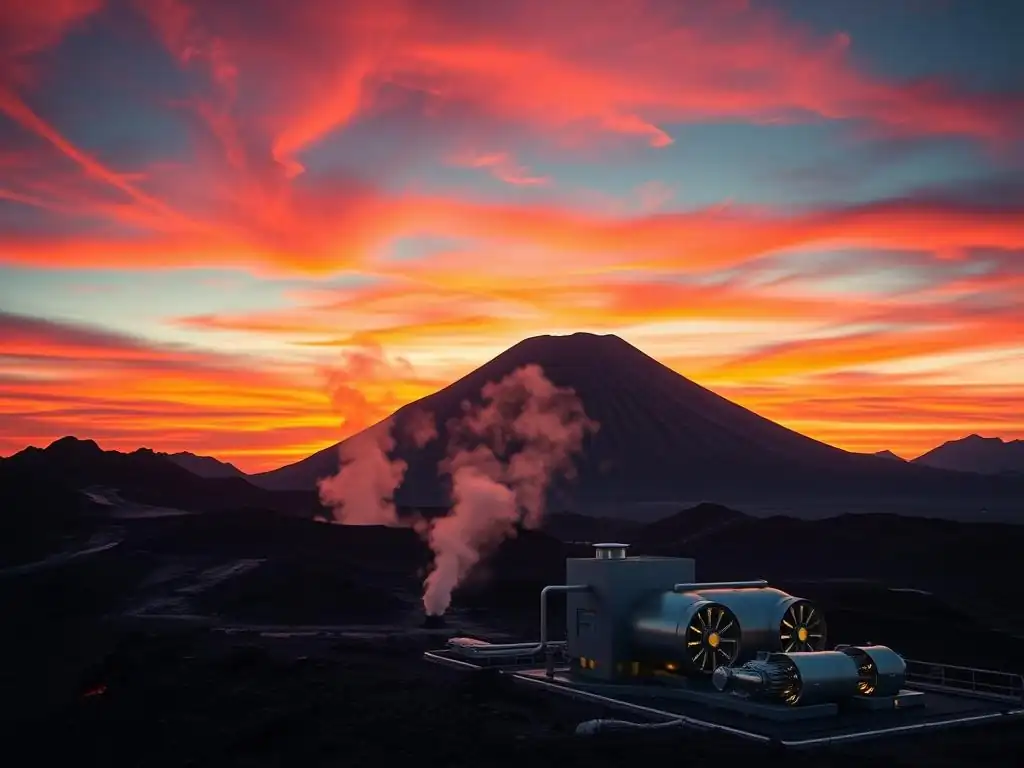
Welcome to Volcano Explorers, where we unravel the secrets of the Earth's fiery giants. But what if the raw power of a volcano could be harnessed for good? Prepare to be surprised as we journey beyond eruption to uncover the hidden potential of geothermal energy from volcanoes, a clean and sustainable resource bubbling beneath the surface. Is this nature's best-kept secret? Let's dive in and explore!
- Introduction: Harnessing the Earth's Inner Heat
- Understanding Geothermal Energy in Volcanic Areas
- Geothermal Power Plants Near Volcanoes: A Practical Application
- The Environmental Benefits of Volcanic Geothermal Energy
- Challenges and Considerations for Volcanic Geothermal Development
- The Future of Geothermal Energy from Volcanoes
- Living Safely with Volcanic Geothermal Plants
- Conclusion: Embracing the Earth's Power Responsibly
-
Frequently Asked Questions
- How is geothermal energy related to volcanoes?
- What are the main benefits of using geothermal energy from volcanoes?
- Are there any risks associated with harnessing geothermal energy near volcanoes?
- Where in the world is geothermal energy from volcanoes commonly used?
- Is geothermal energy always available from all volcanoes?
- Final Reflection: Harnessing the Earth's Fiery Heart
- Unearth the Power Within: Your Next Volcanic Adventure Awaits!
Introduction: Harnessing the Earth's Inner Heat
Volcanoes: More Than Just Eruptions
Volcanoes are often perceived as symbols of destruction and chaos, their eruptions capable of reshaping landscapes and disrupting lives. Images of fiery lava flows, ash plumes reaching kilometers into the sky, and the devastating power of pyroclastic flows dominate the popular understanding of these geological phenomena. Indeed, volcanic eruptions are a potent force of nature, responsible for some of the most dramatic events in Earth's history.
However, beneath this dramatic exterior lies a more subtle, yet equally significant aspect of volcanoes: their immense geothermal energy potential. Beyond the explosive displays, volcanoes represent a concentrated source of the Earth's internal heat, a continuous and largely untapped reservoir of power.
This geothermal energy, constantly radiating from the Earth's interior, is not just a byproduct of volcanic activity; it is intrinsically linked to the processes that drive eruptions. Magma, molten rock from deep within the Earth, rises to the surface, bringing with it tremendous heat. This heat, even in dormant or seemingly inactive volcanic regions, persists and can be harnessed.
Therefore, to view volcanoes solely through the lens of eruptions is to miss a crucial part of their story – their capacity to be a source of clean, sustainable energy. By shifting our perspective, we can begin to appreciate volcanoes not just as geological hazards, but also as potential providers of a vital resource: geothermal energy.
Geothermal Energy from Volcanoes: A Sustainable Resource
Geothermal energy, the heat from the Earth, presents a compelling alternative to fossil fuels, particularly in volcanically active regions. Unlike solar or wind power, geothermal energy is a consistent and reliable source, available 24 hours a day, 7 days a week, regardless of weather conditions. Volcanic areas, characterized by elevated subsurface temperatures due to magma reservoirs and volcanic plumbing systems, offer particularly potent geothermal resources. This concentrated heat can be accessed and utilized to generate electricity or for direct heating applications, significantly reducing reliance on carbon-intensive energy sources.
The sustainability of geothermal energy stems from its renewable nature. The Earth's internal heat is a vast and continuously replenished resource, driven by radioactive decay within the planet's core and mantle. While localized geothermal resources can be depleted if extraction rates exceed replenishment, careful management and advanced technologies can ensure long-term sustainability. Furthermore, geothermal power plants produce minimal greenhouse gas emissions compared to fossil fuel-based power generation, contributing to a cleaner energy future. In volcanic regions, harnessing geothermal energy represents an opportunity to transform a potential natural hazard into a valuable asset, promoting both environmental sustainability and energy independence.
Understanding Geothermal Energy in Volcanic Areas
What is Geothermal Energy?
Geothermal energy is simply the heat from the Earth's interior. This heat originates from the planet's formation and the radioactive decay of materials in the Earth's core and mantle. The Earth's temperature increases with depth, a phenomenon known as the geothermal gradient. In most regions, this gradient averages around 25-30°C per kilometer of depth. However, in volcanically active areas, this gradient is significantly higher due to the presence of magma bodies closer to the surface. This elevated heat, trapped in underground reservoirs of steam and hot water, is what we harness as geothermal energy.
Geothermal resources are broadly classified into hydrothermal, hot dry rock, and magma resources. Hydrothermal resources, the most commonly exploited type, involve naturally occurring reservoirs of steam or hot water that can be accessed through wells. Hot dry rock geothermal involves extracting heat from hot but impermeable rocks by injecting water to create artificial reservoirs. Magma geothermal, while still largely in the research and development phase, aims to directly utilize the immense heat of molten magma. Regardless of the type, geothermal energy represents a vast and largely untapped energy source that can contribute significantly to global energy needs.
The Unique Geothermal Potential of Volcanoes
Volcanoes are geological hotspots where the Earth's internal heat is exceptionally concentrated and accessible. The processes that lead to volcanic eruptions – the ascent of magma from the mantle – also create ideal conditions for geothermal energy production. Magma chambers, reservoirs of molten rock beneath the surface, act as massive heat sources, warming surrounding rocks and groundwater. This results in significantly higher geothermal gradients and temperatures compared to non-volcanic areas. For example, in Iceland, a volcanically active nation, the average geothermal gradient can be as high as 80-100°C per kilometer, facilitating highly efficient geothermal energy extraction.
Furthermore, volcanic regions often feature permeable rock formations and fault systems that act as natural pathways for geothermal fluids to circulate and accumulate in reservoirs. These hydrothermal systems, heated by the underlying magma, can produce steam and hot water at temperatures exceeding 300°C. The presence of natural steam vents, hot springs, and fumaroles in volcanic areas are surface manifestations of this readily available geothermal energy. This concentrated and accessible heat makes volcanic regions prime locations for developing geothermal power plants and direct-use applications, offering a significant advantage over other geothermal settings.
How Volcanic Activity Powers Geothermal Systems
Volcanic activity directly fuels geothermal systems through several interconnected mechanisms. Firstly, the intrusion of magma into the Earth's crust is the primary heat source. Magma, at temperatures ranging from 700°C to over 1300°C, transfers heat to the surrounding rocks through conduction and convection. This heat then warms groundwater that circulates through permeable formations, creating hydrothermal reservoirs. The depth and size of the magma chamber, as well as the permeability of the surrounding rocks, influence the temperature and extent of the geothermal system.
Secondly, volcanic gases, released from magma and hydrothermal systems, also contribute to heat transfer. Steam, carbon dioxide, and hydrogen sulfide, among other gases, carry heat as they rise towards the surface. Condensation of steam and the exothermic reactions of volcanic gases with surrounding rocks can further enhance the geothermal gradient.
Finally, tectonic activity associated with volcanism, such as faulting and fracturing, creates pathways for groundwater to penetrate deeper into the Earth's crust and interact with heat sources. This continuous cycle of magma intrusion, heat transfer, and hydrothermal circulation ensures that volcanic regions remain potent sources of geothermal energy for extended periods, even between eruptions.
Geothermal Power Plants Near Volcanoes: A Practical Application
Direct Use of Geothermal Heat: District Heating and Greenhouse Agriculture
Beyond electricity generation, geothermal energy from volcanoes offers significant potential for direct heat applications. Direct use of geothermal heat involves utilizing hot water directly from geothermal reservoirs without converting it to electricity. District heating is a prime example, where hot geothermal water is piped directly to homes, businesses, and industrial facilities for space heating and hot water supply. Cities like Reykjavik, Iceland, famously utilize geothermal district heating systems, providing a clean and cost-effective heating solution to its residents. This significantly reduces reliance on fossil fuels for heating and improves air quality in urban areas.
Another crucial direct-use application is in greenhouse agriculture. Geothermal heat can maintain optimal temperatures in greenhouses, allowing for year-round cultivation of crops, even in cold climates. This is particularly beneficial in volcanic regions, which are often located in higher latitudes or at higher elevations with shorter growing seasons. Geothermal heating reduces the need for energy-intensive artificial lighting and heating systems in greenhouses, making agriculture more sustainable and economically viable. Examples of successful geothermal greenhouse operations can be found in countries like Iceland, Italy, and New Zealand, demonstrating the practical benefits of directly harnessing volcanic geothermal heat for food production.
Geothermal Electricity Generation: Flash Steam and Binary Cycle Plants
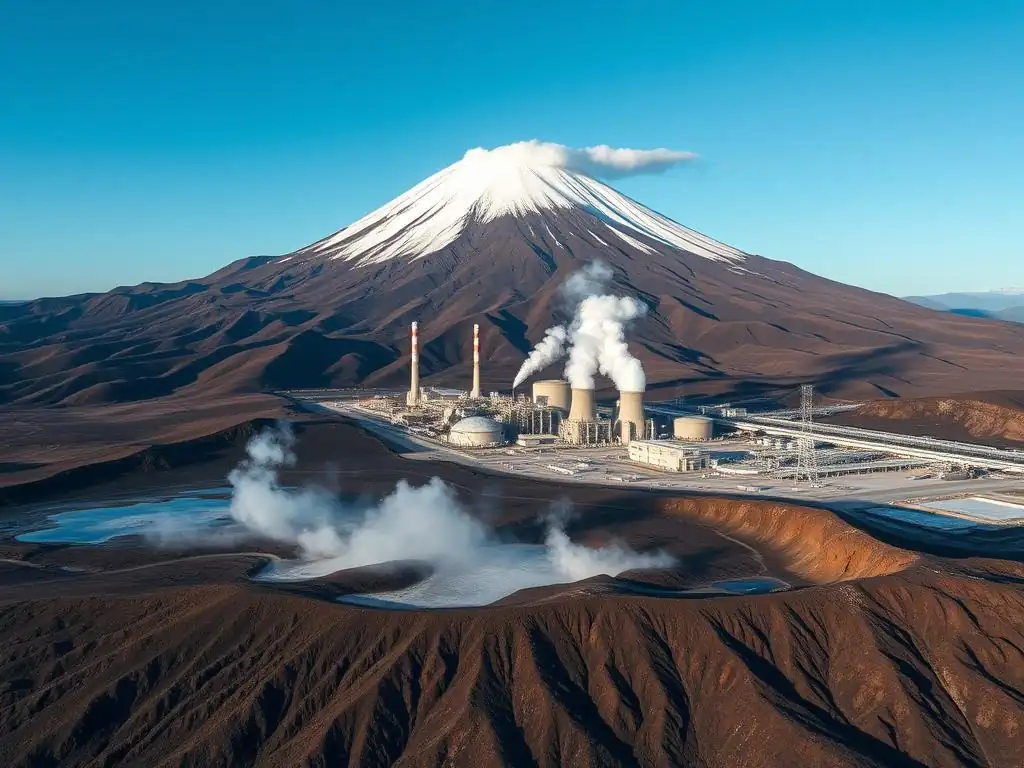
Generating electricity from volcanic geothermal energy is a well-established technology, with various types of power plants designed to suit different geothermal resource characteristics. Flash steam power plants are among the most common and efficient for high-temperature geothermal reservoirs (above 180°C). These plants utilize high-pressure geothermal steam directly from wells. The steam is flashed into a lower-pressure separator, producing high-speed steam that drives a turbine connected to a generator, producing electricity. The spent steam is then condensed and reinjected back into the reservoir, ensuring resource sustainability.
Binary cycle power plants are particularly effective for moderate-temperature geothermal resources (below 180°C). In binary cycle plants, geothermal hot water is used to heat a secondary working fluid with a lower boiling point, such as isobutane or pentane, in a heat exchanger. The working fluid vaporizes and drives a turbine, generating electricity.
The cooled geothermal water is then reinjected, and the working fluid is condensed and recirculated. Binary cycle plants are more environmentally friendly as they operate in a closed-loop system, minimizing emissions. The choice between flash steam and binary cycle technology depends on the temperature and characteristics of the specific geothermal resource available in a volcanic region.
Case Studies: Successful Geothermal Projects Near Active Volcanoes
Several successful geothermal projects located near active volcanoes worldwide demonstrate the practical feasibility and benefits of harnessing this energy source. Iceland, a nation heavily reliant on geothermal energy, provides numerous examples. The Nesjavellir and Hellisheidi geothermal power plants, located near active volcanic systems, exemplify large-scale geothermal electricity and heat production. Nesjavellir, for instance, produces approximately 120 MW of electricity and 1,100 liters per second of hot water for district heating in the Reykjavik area. These plants not only provide clean energy but also stimulate local economies.
In Italy, the Larderello geothermal field, located in a volcanic region of Tuscany, has been producing geothermal energy since the early 20th century. This field, one of the oldest and largest geothermal areas in the world, utilizes flash steam technology to generate electricity. In New Zealand, the Taupo Volcanic Zone hosts numerous geothermal power plants, including Wairakei and Ohaaki, which contribute significantly to the country's electricity supply. These case studies showcase the long-term viability and reliability of geothermal energy from volcanoes, highlighting its potential to provide baseload power and reduce dependence on fossil fuels in volcanically active regions globally.
The Environmental Benefits of Volcanic Geothermal Energy
Reduced Carbon Footprint: A Cleaner Energy Alternative
Geothermal energy from volcanoes offers a significantly reduced carbon footprint compared to traditional fossil fuel-based energy sources. Fossil fuels, such as coal, oil, and natural gas, release large amounts of carbon dioxide (CO2) when burned, a primary greenhouse gas contributing to climate change. Geothermal power plants, in contrast, emit very little CO2. Life cycle assessments of geothermal energy production indicate that greenhouse gas emissions are typically more than 90% lower than those from coal-fired power plants and significantly lower than natural gas power plants.
The minimal emissions from geothermal energy production are primarily associated with the construction of power plants and well drilling, rather than the energy generation process itself. Some geothermal plants may release small amounts of naturally occurring gases, such as hydrogen sulfide (H2S) and CO2, that are trapped in geothermal reservoirs. However, these emissions are generally much lower than those from fossil fuel combustion and can be further mitigated through advanced emission control technologies. By transitioning to geothermal energy, particularly in volcanically active regions, nations can substantially reduce their carbon footprint and contribute to global efforts to combat climate change.
Minimizing Environmental Impact Compared to Fossil Fuels
Beyond carbon emissions, geothermal energy from volcanoes offers broader environmental advantages compared to fossil fuels. Fossil fuel extraction and combustion are associated with various environmental problems, including air pollution, water pollution, habitat destruction, and risks of oil spills. Geothermal energy production, on the other hand, has a much smaller environmental footprint. Geothermal power plants require less land area compared to coal mines or oil fields and do not produce air pollutants like sulfur dioxide and nitrogen oxides, which are major contributors to smog and acid rain.
Water usage is a crucial consideration for any energy technology. While geothermal power plants do use water for steam production and cooling, the water is often reinjected back into the geothermal reservoir, promoting resource sustainability and minimizing water consumption.
Furthermore, geothermal energy does not produce radioactive waste, unlike nuclear power, and avoids the risks associated with fossil fuel transportation and storage. While geothermal development does have some localized environmental impacts, such as potential land subsidence and induced seismicity (discussed later), these impacts are generally manageable and significantly less severe than the widespread and long-term environmental consequences of relying on fossil fuels.
Sustainable Resource Management in Volcanic Regions
Sustainable management of geothermal resources in volcanic regions is crucial to ensure long-term energy production and minimize environmental impacts. This involves careful monitoring of geothermal reservoirs, controlling extraction rates, and implementing reinjection strategies. Over-extraction of geothermal fluids can lead to reservoir pressure decline, reduced steam production, and potentially land subsidence. Therefore, geothermal operators employ sophisticated reservoir modeling and monitoring techniques to optimize production and prevent resource depletion.
Reinjection of cooled geothermal water back into the reservoir is a key practice for sustainable geothermal management. Reinjection helps maintain reservoir pressure, enhances heat recovery, and reduces the need for freshwater consumption. Furthermore, it minimizes the discharge of geothermal fluids into surface waters, which may contain dissolved minerals. Sustainable geothermal development also requires careful consideration of land use planning, biodiversity conservation, and minimizing impacts on local ecosystems. By adopting responsible resource management practices, volcanic regions can harness geothermal energy as a truly sustainable and renewable energy source for generations to come.
Challenges and Considerations for Volcanic Geothermal Development
Geological Risks: Managing Volcanic Activity
Developing geothermal energy in volcanic regions inherently involves managing geological risks associated with volcanic activity. While geothermal plants are typically located away from the immediate vicinity of active vents, they are still within volcanic areas prone to seismic activity, ground deformation, and potential changes in hydrothermal systems due to volcanic unrest. Earthquakes, a common occurrence in volcanic regions, can damage geothermal infrastructure, including wells and pipelines. Ground deformation, such as inflation or deflation of the ground surface, can also affect well integrity and plant operations.
Furthermore, changes in volcanic activity, even subtle ones, can alter the characteristics of geothermal reservoirs. Magma movement or increased degassing can affect reservoir temperatures, pressures, and fluid chemistry. In extreme cases, volcanic eruptions, although rare in the immediate vicinity of geothermal plants, could pose a direct threat. Therefore, comprehensive geological and geophysical monitoring is essential for geothermal projects in volcanic areas. This includes seismic monitoring, ground deformation surveys, gas emission measurements, and regular assessment of volcanic activity levels to anticipate and mitigate potential geological risks.
Environmental Concerns: Induced Seismicity and Gas Emissions
While geothermal energy is generally considered environmentally friendly, some environmental concerns are associated with its development, particularly in volcanic regions. Induced seismicity, or earthquakes triggered by human activities, is a potential concern. Geothermal operations, particularly reinjection of fluids, can alter subsurface stresses and potentially induce small earthquakes. These induced seismic events are typically of low magnitude and rarely cause significant damage, but they can be felt by local communities and raise public concerns. Careful site selection, reservoir management, and monitoring of seismic activity are crucial for minimizing the risk of induced seismicity.
Another environmental consideration is the release of non-condensable gases from geothermal reservoirs. These gases, primarily CO2, H2S, and methane, are naturally present in geothermal fluids and may be released during power generation. While CO2 emissions from geothermal plants are significantly lower than fossil fuel plants, H2S can be a concern due to its odor and potential health effects at high concentrations.
Modern geothermal plants employ gas abatement technologies to capture and treat these gases, minimizing their release into the atmosphere. Continuous monitoring of gas emissions and implementation of best practices in gas management are essential for environmentally responsible geothermal development.
Technological Limitations and Innovations in Geothermal Extraction
Despite the significant potential of geothermal energy from volcanoes, technological limitations and challenges remain in maximizing its utilization. Drilling deep wells in hot and corrosive volcanic environments can be technically challenging and expensive. High temperatures and pressures, as well as the presence of corrosive fluids, can degrade drilling equipment and well casings. Furthermore, extracting heat efficiently from deeper and less permeable geothermal reservoirs requires advanced drilling and stimulation techniques.
Innovations in geothermal extraction technologies are continuously being developed to overcome these limitations. Enhanced Geothermal Systems (EGS), discussed in more detail later, aim to expand geothermal resources by creating artificial reservoirs in hot dry rocks. Advanced drilling techniques, such as directional drilling and coiled tubing drilling, are improving access to complex geothermal reservoirs. Materials science research is focused on developing more durable and corrosion-resistant materials for well casings and pipelines. Furthermore, research into closed-loop geothermal systems and supercritical geothermal resources holds promise for unlocking even greater geothermal potential in volcanic regions.
The Future of Geothermal Energy from Volcanoes
Emerging Technologies: Enhanced Geothermal Systems (EGS)
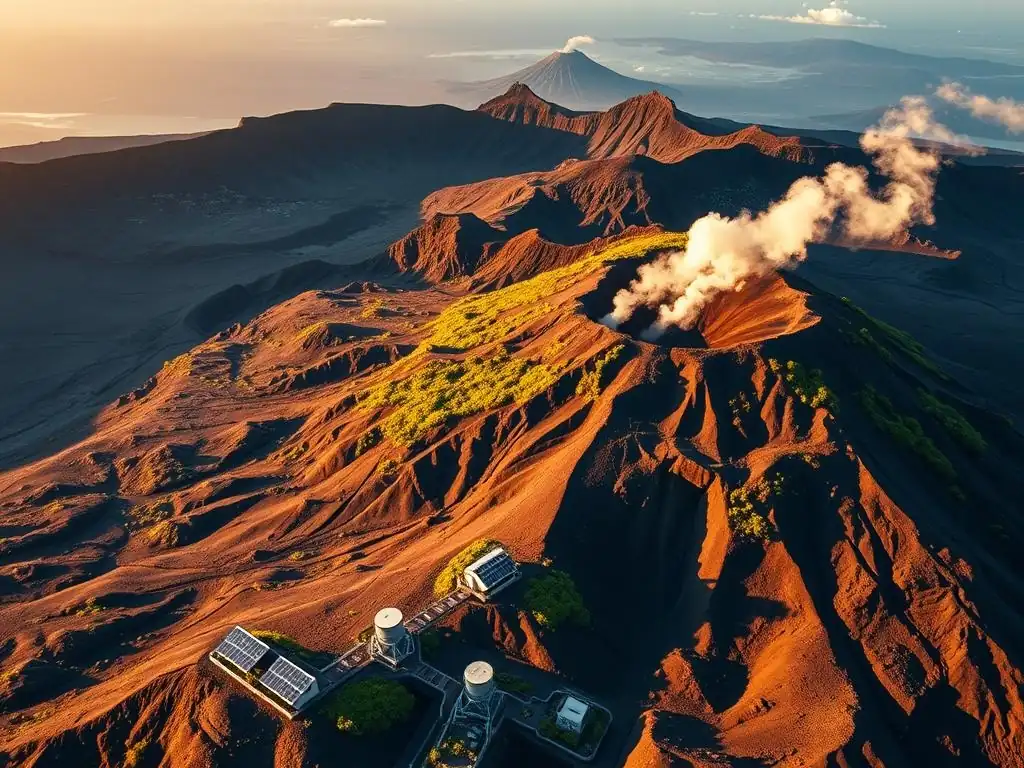
Enhanced Geothermal Systems (EGS) represent a significant advancement in geothermal technology, potentially revolutionizing geothermal energy production, including in volcanic regions. EGS technology aims to access and utilize geothermal heat from hot dry rocks, which are abundant but lack natural permeability and fluid content. The EGS process involves drilling wells into hot dry rock formations and then injecting water to fracture the rock and create artificial permeability. This creates a subsurface reservoir where water can circulate, get heated by the hot rocks, and be extracted as hot water or steam for power generation.
EGS technology significantly expands the geographic availability of geothermal resources, as it is not limited to areas with naturally occurring hydrothermal systems. Volcanic regions, with their high geothermal gradients and vast reserves of hot rock, are particularly well-suited for EGS development. EGS projects are being actively researched and developed in various volcanic areas globally, including in the United States, Europe, and Japan. Successful deployment of EGS technology could unlock vast untapped geothermal resources in volcanic regions, making geothermal energy a much more significant contributor to global energy supply.
Global Potential: Untapped Geothermal Resources in Volcanic Zones
The global potential of geothermal energy from volcanoes remains largely untapped. Many volcanically active regions around the world possess significant geothermal resources that are yet to be fully explored and developed. The "Ring of Fire," encompassing volcanic arcs around the Pacific Ocean, including regions in Southeast Asia, the Americas, and Oceania, is particularly rich in geothermal potential. Countries like Indonesia, the Philippines, Japan, Mexico, and Chile have substantial geothermal resources associated with their volcanic activity, with significant potential for further expansion of geothermal energy production.
Africa's East African Rift Valley, a volcanically active region, also holds immense geothermal potential. Countries like Kenya, Ethiopia, and Tanzania are actively developing their geothermal resources to meet growing energy demands. Furthermore, volcanic islands in the Atlantic and Indian Oceans, such as Iceland, Azores, Canary Islands, and Réunion, are prime locations for geothermal energy development. Realizing this global potential requires increased investment in geothermal exploration, research, and development, as well as supportive government policies and international collaborations to promote geothermal energy deployment in volcanic zones worldwide.
The Role of Geothermal Energy in a Sustainable Future
Geothermal energy from volcanoes is poised to play an increasingly crucial role in transitioning to a sustainable energy future. As the world seeks to decarbonize its energy systems and reduce reliance on fossil fuels, geothermal energy offers a reliable, clean, and baseload renewable energy source. In volcanic regions, geothermal energy can become a cornerstone of local and national energy strategies, providing energy independence, stimulating economic development, and reducing greenhouse gas emissions.
The integration of geothermal energy with other renewable energy sources, such as solar and wind, can create robust and resilient energy systems. Geothermal energy's baseload capability complements the intermittent nature of solar and wind power, ensuring a stable and continuous energy supply. Furthermore, advancements in energy storage technologies can further enhance the flexibility and reliability of geothermal-based energy systems. By prioritizing research, development, and deployment of geothermal energy, particularly in volcanically active regions, we can harness the Earth's inner heat to power a cleaner, more sustainable future for all.
Living Safely with Volcanic Geothermal Plants
Monitoring Volcanic Activity: Early Warning Systems
Living safely with volcanic geothermal plants necessitates robust monitoring systems and early warning protocols to mitigate potential risks associated with volcanic activity. Volcanic monitoring networks typically employ a suite of instruments to detect and track changes in volcanic behavior. Seismic monitoring is crucial for detecting earthquakes and volcanic tremor, which can indicate magma movement or unrest. Ground deformation monitoring, using GPS and satellite-based techniques, tracks changes in ground surface elevation, signaling magma inflation or deflation.
Gas monitoring stations measure the composition and flux of volcanic gases, such as sulfur dioxide and carbon dioxide, which can indicate changes in magma degassing. Thermal monitoring, using infrared cameras and satellite data, detects changes in ground surface temperature, potentially indicating increased heat flow or volcanic activity. Data from these monitoring networks are continuously analyzed by volcanologists to assess volcanic activity levels and provide early warnings of potential eruptions or changes that could affect geothermal operations. Effective communication of monitoring data and early warnings to plant operators and local communities is crucial for ensuring safety and preparedness.
Community Engagement and Education: Public Awareness and Trust Building
Building public trust and ensuring community acceptance are essential for the successful and safe operation of geothermal plants in volcanic regions. Open communication and engagement with local communities are crucial for addressing concerns, fostering understanding, and building trust. Educational programs can raise public awareness about geothermal energy, its benefits, and the safety measures in place at geothermal plants. Transparent communication about monitoring data, potential risks, and emergency response plans is vital for building public confidence.
Community involvement in the planning and development of geothermal projects can also enhance public acceptance. Addressing community concerns about potential environmental or social impacts, and ensuring that local communities benefit from geothermal development, are important aspects of community engagement. Establishing channels for ongoing dialogue and feedback between geothermal plant operators, local authorities, and community representatives fosters a collaborative approach to managing potential risks and maximizing the benefits of geothermal energy for all stakeholders.
Safety Protocols and Emergency Preparedness for Geothermal Facilities
Stringent safety protocols and comprehensive emergency preparedness plans are paramount for geothermal facilities located in volcanic regions. Geothermal plant designs must incorporate earthquake-resistant structures and robust well integrity measures to withstand seismic activity and ground deformation. Emergency shutdown procedures and backup power systems are essential to ensure safe plant operations during volcanic events or other emergencies. Regular safety drills and emergency response exercises involving plant personnel, emergency responders, and local communities are crucial for preparedness.
Emergency preparedness plans should outline procedures for responding to various scenarios, including earthquakes, volcanic eruptions, and geothermal fluid releases. Evacuation plans for plant personnel and nearby communities should be clearly defined and regularly practiced. Communication protocols for disseminating warnings and emergency information to plant staff, emergency responders, and the public are essential. Continuous review and updating of safety protocols and emergency preparedness plans, based on monitoring data, lessons learned from past events, and advancements in safety technology, are crucial for maintaining a high level of safety at volcanic geothermal facilities.
Conclusion: Embracing the Earth's Power Responsibly
Geothermal Energy from Volcanoes: A Promising Path Forward
Geothermal energy from volcanoes represents a promising and largely underutilized pathway towards a sustainable energy future. Volcanic regions, often perceived as areas of hazard, are in fact rich in geothermal resources, offering a clean, reliable, and baseload renewable energy source. Harnessing this geothermal potential can significantly reduce reliance on fossil fuels, mitigate climate change, and enhance energy security, particularly for nations located in volcanically active zones. From electricity generation to direct heat applications, geothermal energy from volcanoes offers a versatile and valuable energy resource.
Technological advancements, particularly in Enhanced Geothermal Systems (EGS), are expanding the accessibility and potential of geothermal energy in volcanic regions. Continued research, development, and investment in geothermal technologies are crucial for unlocking the full potential of this resource. Global collaboration, knowledge sharing, and supportive government policies are essential for accelerating the deployment of geothermal energy in volcanic zones worldwide. Embracing geothermal energy from volcanoes is not just about tapping into a renewable resource; it's about transforming our relationship with these powerful geological forces, shifting from a perspective of risk to one of opportunity.
Balancing Energy Needs with Environmental Stewardship
Developing geothermal energy in volcanic regions requires a balanced approach that prioritizes both energy needs and environmental stewardship. While geothermal energy is a clean energy source, responsible development practices are essential to minimize potential environmental impacts. Careful site selection, sustainable reservoir management, mitigation of induced seismicity and gas emissions, and protection of biodiversity are crucial considerations. Adopting best practices in environmental monitoring, impact assessment, and mitigation ensures that geothermal energy is developed in an environmentally responsible manner.
Engaging with local communities, respecting cultural values, and ensuring equitable distribution of benefits are also integral to sustainable geothermal development. Transparency, open communication, and community participation in decision-making processes foster trust and promote social acceptance. Balancing energy development with environmental and social considerations is not just a matter of regulatory compliance; it is a fundamental principle of responsible resource management and long-term sustainability.
Investing in Research and Development for Geothermal Energy
Continued investment in research and development (R&D) is paramount for advancing geothermal energy technologies and maximizing the potential of geothermal resources from volcanoes. R&D efforts should focus on improving drilling technologies, enhancing reservoir management techniques, developing advanced materials for high-temperature and corrosive environments, and optimizing power plant efficiency. Research into Enhanced Geothermal Systems (EGS) and other innovative geothermal technologies is crucial for unlocking vast untapped geothermal resources.
Furthermore, research is needed to better understand the complex geological processes in volcanic regions, improve volcanic monitoring and early warning systems, and mitigate potential geological risks associated with geothermal development. Investing in human capital, training geothermal experts, and fostering innovation are also essential components of a robust geothermal R&D agenda. By prioritizing research and development, we can accelerate the progress of geothermal energy technology, reduce costs, enhance sustainability, and pave the way for a future powered by the Earth's abundant and clean geothermal resources.
Frequently Asked Questions
Geothermal energy, in volcanic regions, taps into the heat from magma and underground reservoirs of hot water heated by volcanic activity. This heat is then used to generate electricity or for direct heating.
What are the main benefits of using geothermal energy from volcanoes?
Geothermal energy is a renewable and sustainable resource. It provides a consistent energy source that is less reliant on fossil fuels, reducing carbon emissions.
Are there any risks associated with harnessing geothermal energy near volcanoes?
Yes, potential risks include induced seismicity, ground instability, and the release of hazardous gases. Careful monitoring and management are essential.
Where in the world is geothermal energy from volcanoes commonly used?
Iceland, Italy, the Philippines, and New Zealand are examples of countries that actively harness geothermal energy from volcanic regions. These areas benefit from their high geothermal potential.
Is geothermal energy always available from all volcanoes?
No, not all volcanoes are suitable. The presence of accessible hot water reservoirs and sufficient heat flow are crucial factors determining the viability of geothermal energy production.
Final Reflection: Harnessing the Earth's Fiery Heart
The exploration of geothermal energy from volcanoes, as we've seen, isn't just a scientific endeavor; it's a crucial step towards a sustainable future. Harnessing the Earth's internal heat offers a potent alternative to fossil fuels, and understanding how to safely and efficiently extract this energy is more vital now than ever, as we grapple with the urgent need for clean energy solutions.
The potential of geothermal energy from volcanoes extends far beyond simply powering homes and industries. It represents a shift in our relationship with the planet, moving from exploitation to collaboration, from dependence on finite resources to embracing the Earth's inherent abundance. Look deep into nature, and then you will understand everything better.
- Albert Einstein. This quote encapsulates the essence of our exploration: by understanding the Earth's processes, we can unlock solutions to our most pressing challenges.
Now, consider the implications of this knowledge. How can you, in your own life, support the development and implementation of geothermal energy? Perhaps it's advocating for policies that encourage renewable energy sources, investing in companies dedicated to geothermal innovation, or simply educating yourself and others about the potential of this powerful resource. The future of energy is in our hands, and by embracing the Earth's fiery heart, we can forge a path towards a brighter, more sustainable tomorrow.
Okay, I'm ready to craft a compelling Call to Action for the end of the "Beyond Eruption: The Calm Energy Source Hidden in Volcanoes" article for Volcano Explorers (volcanoexplorers.org). Here it is:
Unearth the Power Within: Your Next Volcanic Adventure Awaits!
Thank you for joining us on this journey into the surprising energy potential of volcanoes. We hope you’ve gained a new appreciation for these powerful forces of nature and their potential to shape a sustainable future. Now, it’s time to take what you’ve learned and turn it into action.
Here are a few ways you can continue exploring the fascinating world of volcanic energy:
- Dive Deeper: Research geothermal energy initiatives near you and discover how volcanoes are already powering communities worldwide. This is your chance to understand the practical applications of volcanic energy.
- Join the Conversation: Share this article with your friends and family and spark a discussion about the future of renewable energy and the role of volcanoes.
- Become a Volcano Explorer: Subscribe to our newsletter for exclusive content and updates about groundbreaking research and expeditions focused on harnessing the earth's natural power.
Ready to become part of the volcanic energy revolution? What concrete step will you take this week to learn more or support sustainable energy initiatives connected to geothermal sources?