
Submarine Volcano Tourism: Experiencing the Wonder from Afar

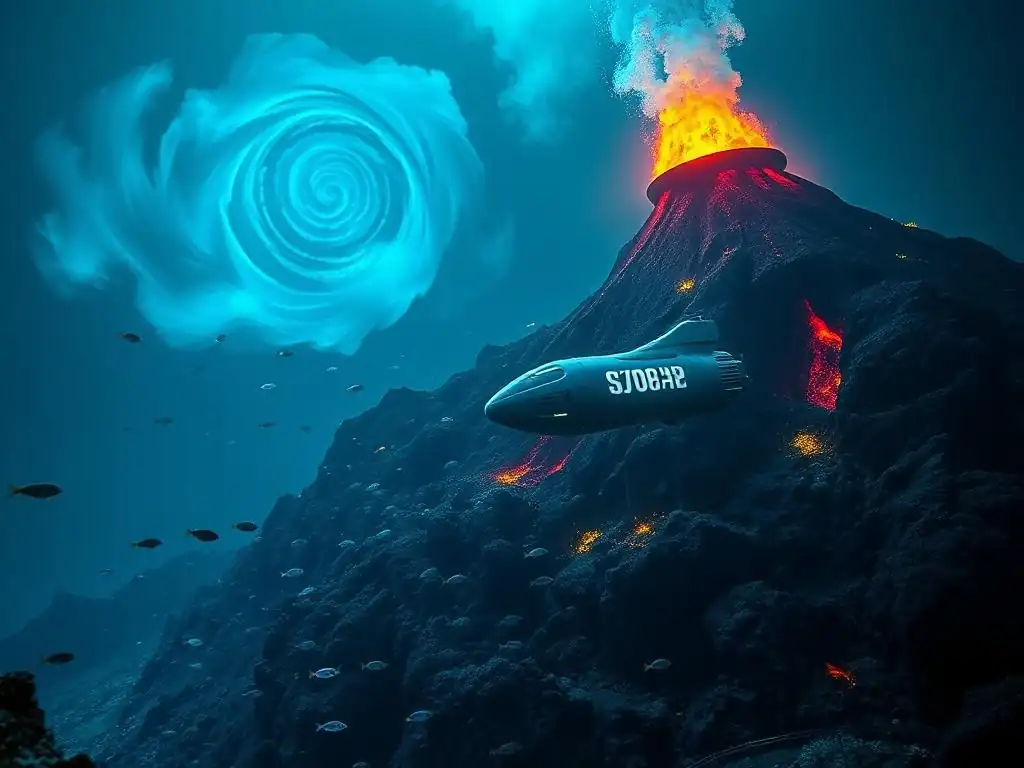
Welcome to Volcano Explorers!
Prepare to be amazed. What if you could witness the raw power of a volcano without even stepping foot on land? Dive into the fascinating world of submarine volcano tourism experiences and discover how intrepid explorers are finding innovative ways to marvel at these hidden giants from afar. But what are the risks, and what wonders await beneath the waves? Read on and unlock the secrets of the deep...
- Understanding Submarine Volcanoes: A Foundation for Tourism
- The Allure of Submarine Volcano Tourism Experiences
- Exploring Submarine Volcanoes from Afar: Indirect Tourism Options
- Safe and Responsible Submarine Volcano Tourism: A Priority
- Submarine Volcano Tourism Activities
- The Future of Submarine Volcano Tourism Experiences
-
Frequently Asked Questions
- What exactly is Submarine Volcano Tourism?
- Why is it called "Experiencing the Wonder from Afar"?
- What kind of experiences are typically offered in Submarine Volcano Tourism?
- What are the main safety concerns associated with Submarine Volcano Tourism?
- How can I find reliable and responsible Submarine Volcano Tourism operators?
- Final Reflection: Embracing the Unseen Depths
- Dive Deeper: Explore the Wonders of Submarine Volcanoes!
Understanding Submarine Volcanoes: A Foundation for Tourism
What are Submarine Volcanoes and Where are They Located?
Submarine volcanoes are underwater vents in the Earth's surface from which magma can erupt. They are a significant geological feature of our planet, far more numerous than their terrestrial counterparts, and responsible for an estimated 70-80% of the Earth's total volcanic output. These underwater giants are primarily found along mid-ocean ridges, where tectonic plates diverge, allowing magma to rise from the mantle. The Pacific Ring of Fire, known for its intense seismic and volcanic activity, also hosts a vast number of submarine volcanoes. Hotspots, areas where plumes of hot mantle material rise to the surface, irrespective of plate boundaries, are another key location. For example, the Hawaiian Islands are formed by a hotspot, with the submerged portions of the island chain consisting of numerous submarine volcanoes. Beyond these major zones, isolated submarine volcanoes can also be found in intraplate settings, making them a globally distributed phenomenon across our ocean floors.
The distribution of submarine volcanoes is closely linked to plate tectonics. Mid-ocean ridges, like the Mid-Atlantic Ridge and East Pacific Rise, are essentially continuous chains of submarine volcanoes stretching for tens of thousands of kilometers.
These ridges are divergent plate boundaries where new oceanic crust is constantly being formed through volcanic activity. The Ring of Fire, encompassing the Pacific Ocean's edges, is dominated by convergent plate boundaries where one plate subducts beneath another, leading to magma generation and the formation of volcanic arcs, many of which extend underwater.
Furthermore, hotspots, such as those that created Hawaii or Iceland, are stationary plumes of magma that burn through the moving plates, leaving trails of volcanoes, many of which began as submarine eruptions. Understanding these geological settings is crucial for appreciating the vast scale and diverse locations of submarine volcanoes across the globe and realizing the potential areas for submarine volcano tourism experiences, even if experienced indirectly.
The Unique Characteristics of Underwater Volcanic Activity
Volcanic eruptions underwater differ significantly from those on land due to the immense pressure and the presence of water. The hydrostatic pressure exerted by the water column significantly influences the eruption style. At great depths, this pressure can suppress the explosive release of gases, leading to effusive eruptions where lava flows gently onto the seabed. However, in shallower waters, where pressure is reduced, explosive eruptions can still occur, creating spectacular, albeit short-lived, underwater fire fountains and plumes.
One of the most distinctive products of submarine volcanism is pillow lava. When hot lava erupts into cold seawater, the outer surface rapidly cools and solidifies, forming a pillow-like shape as the molten interior continues to push outwards. These pillow lavas accumulate to form characteristic underwater volcanic structures.
Another unique aspect is the interaction of hot magma with seawater, leading to the formation of hydrothermal vents. These vents are fissures in the seabed that release geothermally heated water. The water, superheated by the magma beneath, dissolves minerals from the surrounding rocks and then spews out into the cold ocean.
These hydrothermal vents are not just geological curiosities; they are the foundation of unique and vibrant ecosystems that thrive in the absence of sunlight, relying on chemosynthesis for energy. The "black smokers" and "white smokers" are types of hydrothermal vents that expel sulfide-rich fluids, creating dramatic plumes and supporting diverse communities of organisms adapted to these extreme environments. These features, from pillow lavas to hydrothermal vents, represent unique attractions for potential submarine volcano tourism experiences, albeit largely observed through remote technologies.
Why Submarine Volcanoes are Difficult to Study
Studying submarine volcanoes presents formidable challenges due to their inaccessibility and the harsh conditions of the deep ocean. The immense water pressure at significant depths makes direct human exploration extremely difficult and costly. Submersibles and remotely operated vehicles (ROVs) are essential tools for reaching these depths, but their deployment and operation are complex and expensive, limiting the scope and frequency of research missions.
Traditional volcano monitoring techniques used for terrestrial volcanoes, such as seismic networks and gas monitoring stations placed around the volcano's flanks, are not directly applicable underwater. Deploying and maintaining sensors in the deep ocean to monitor seismic activity, pressure changes, or gas emissions from submarine volcanoes is technically challenging and requires specialized equipment and expertise.
Furthermore, the vastness of the ocean and the remote locations of many submarine volcanoes mean that detecting and locating them in the first place can be a significant hurdle. While bathymetric surveys can map the seafloor and identify volcanic structures, active monitoring to detect ongoing eruptions or changes in volcanic activity requires continuous and often long-term deployments of instruments. The corrosive nature of seawater and the extreme temperatures near hydrothermal vents also pose challenges for the longevity and reliability of underwater monitoring equipment.
Therefore, our understanding of submarine volcanoes is still relatively limited compared to terrestrial volcanoes, and much of our knowledge comes from remote sensing, geophysical surveys, and infrequent, short-duration research expeditions. This difficulty in direct study underscores the appeal of indirect submarine volcano tourism experiences, as they offer a glimpse into a world largely hidden from direct human observation.
The Allure of Submarine Volcano Tourism Experiences
Why Explore Submarine Volcanoes? The Fascination Factor
The allure of exploring submarine volcanoes stems from a combination of factors, primarily their inherent mystery and the extreme environments they represent. The deep ocean remains one of the least explored frontiers on Earth, and submarine volcanoes, hidden beneath miles of water, epitomize this unexplored realm. They represent a powerful and dynamic geological force operating on a scale largely unseen by most people. The idea of witnessing volcanic eruptions, even indirectly, in such an alien and inaccessible environment is inherently captivating.
Furthermore, submarine volcanoes are not just geological wonders; they are also sites of unique biological discoveries. The hydrothermal vent ecosystems that thrive around these volcanoes are home to extraordinary life forms adapted to extreme temperatures, pressures, and chemical conditions. These ecosystems challenge our understanding of life's limits and offer insights into the potential for life in other extreme environments, perhaps even on other planets.
The fascination with submarine volcanoes is also fueled by the sense of discovery and adventure associated with exploring the unknown. For many, the deep ocean evokes a sense of wonder and the desire to uncover its secrets. Submarine volcanoes, as active and dynamic features of this deep realm, become prime targets for this exploratory drive.
Even though direct tourism is limited, the desire to experience these environments, even vicariously, through documentaries, virtual reality, or educational programs, taps into this fundamental human curiosity and thirst for exploration. The inherent danger and inaccessibility, coupled with the spectacular geological and biological phenomena they host, amplify the fascination factor, making submarine volcano tourism experiences, in their various forms, increasingly appealing.
The Growing Interest in Underwater Volcanic Landscapes
There's a demonstrable growth in public interest in underwater volcanic landscapes, driven by increased media coverage, documentaries, and a broader cultural fascination with the ocean depths. Documentary series like BBC's "Blue Planet" and National Geographic's oceanographic specials have brought the wonders of the deep sea, including hydrothermal vents and underwater volcanic activity, into living rooms worldwide. These visually stunning productions have captivated audiences and sparked curiosity about these previously hidden environments.
Furthermore, the general rise in niche tourism and adventure travel has contributed to the growing interest in submarine volcanoes. Travelers are increasingly seeking unique and off-the-beaten-path experiences, and the idea of "exploring" submarine volcanoes, even from afar, fits this trend perfectly.
This growing interest also aligns with a broader societal awareness of ocean exploration and conservation. As we learn more about the crucial role of the oceans in regulating the Earth's climate and supporting biodiversity, there's a heightened sense of urgency to understand and protect these environments. Submarine volcanoes and their associated ecosystems are increasingly recognized as important components of the global ocean system, both scientifically and ecologically.
Therefore, the desire to learn more about and potentially "visit" these underwater landscapes is not just about adventure and novelty; it also reflects a growing environmental consciousness and a desire to connect with and appreciate the natural world in all its forms, even the most remote and challenging. This expanding public interest provides a fertile ground for the development and promotion of various submarine volcano tourism experiences, catering to different levels of engagement and accessibility.
The Role of Technology in Making Submarine Volcano Tourism Possible
Technology plays a pivotal role in making submarine volcano tourism experiences possible, particularly in the realm of indirect exploration. Advancements in remotely operated vehicles (ROVs) and autonomous underwater vehicles (AUVs) have revolutionized our ability to explore and study the deep sea. These robotic explorers can venture to depths inaccessible to humans, sending back high-resolution images and video footage of submarine volcanoes and hydrothermal vents.
This technology forms the backbone of many documentaries and virtual reality experiences that bring submarine volcanoes to a wider audience. Furthermore, improvements in underwater imaging and sensor technologies allow for more detailed and visually compelling representations of underwater volcanic landscapes. High-definition cameras, sonar systems, and specialized sensors capture the dynamic processes of eruptions, the intricate structures of pillow lavas, and the vibrant life around hydrothermal vents, providing rich content for virtual tourism.
Virtual reality (VR) and augmented reality (AR) technologies are particularly transformative for submarine volcano tourism. VR experiences can immerse users in simulated underwater environments, allowing them to "explore" volcanic landscapes, witness eruptions, and interact with virtual representations of deep-sea creatures, all from the comfort of their homes or educational centers. AR applications can overlay information about submarine volcanoes onto real-world settings, enhancing educational programs and museum exhibits.
Even for more direct, albeit still remote, forms of tourism, like viewing live feeds from research vessels equipped with ROVs, technology is essential. Real-time data transmission and communication technologies enable audiences on land to witness and participate in deep-sea exploration in near real-time. In essence, technology is not just facilitating submarine volcano tourism; it is fundamentally shaping what these experiences can be, focusing primarily on safe and accessible indirect engagement.
Exploring Submarine Volcanoes from Afar: Indirect Tourism Options
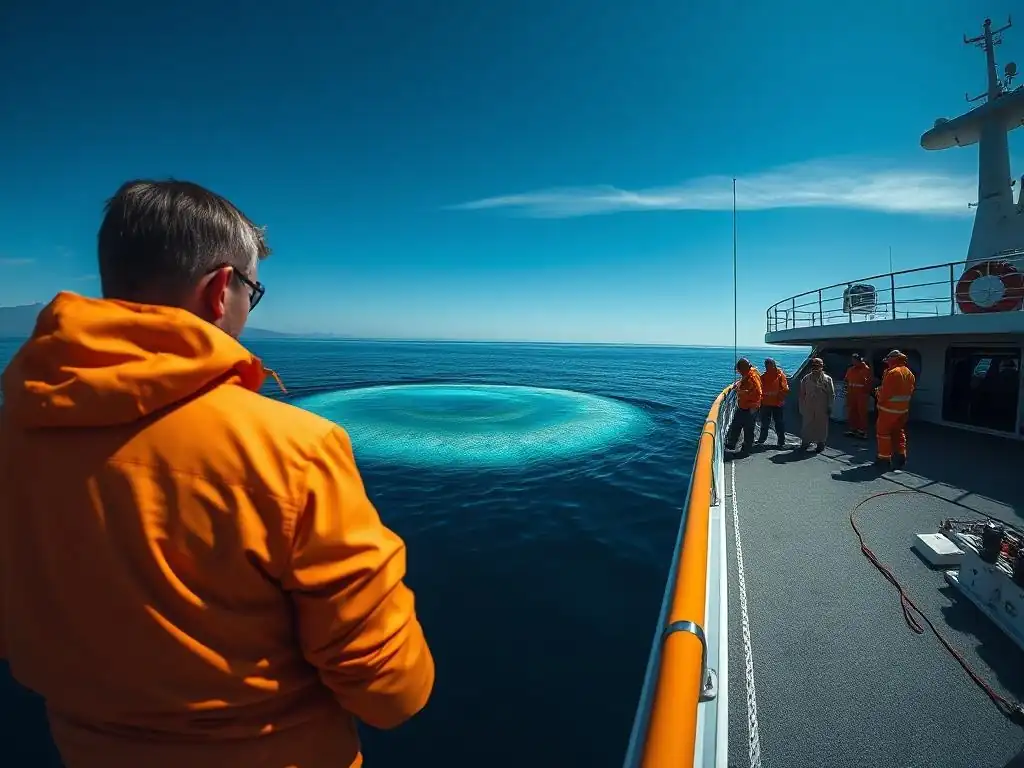
Virtual Reality and Submarine Volcano Exploration: A New Frontier
Virtual reality (VR) represents a groundbreaking frontier in submarine volcano exploration, offering immersive and educational experiences without the risks and logistical challenges of direct deep-sea travel. VR simulations can recreate the underwater environment around active submarine volcanoes with remarkable fidelity, drawing on real data collected by researchers and visual assets from documentaries.
Imagine putting on a VR headset and finding yourself "descending" into the depths of the ocean, approaching a hydrothermal vent field teeming with unique life forms, or witnessing a simulated underwater eruption. These experiences can be designed to be highly interactive, allowing users to "pilot" virtual ROVs, explore different areas of a volcanic landscape, and learn about the geological and biological processes at play.
Several institutions and companies are already developing VR experiences focused on ocean exploration and deep-sea environments, including simulations that feature volcanic regions. For example, educational institutions are using VR to create virtual field trips to hydrothermal vent ecosystems, allowing students to explore these environments and learn about chemosynthesis and extremophile life. Museums and science centers are incorporating VR exhibits to showcase the wonders of the deep sea, including submarine volcanoes, to engage and educate visitors.
The potential for VR in submarine volcano tourism is vast, ranging from standalone applications for home use to sophisticated installations in visitor centers. VR offers a safe, accessible, and highly engaging way for people of all ages and backgrounds to experience the awe and wonder of submarine volcanoes, contributing significantly to the field of submarine volcano tourism experiences.
Documentaries and Films: Witnessing Underwater Eruptions Safely
Documentaries and films have long served as a crucial medium for bringing the wonders of submarine volcanoes to a global audience, offering a safe and captivating way to witness underwater eruptions and explore deep-sea environments. Productions from renowned organizations like National Geographic, BBC, and Discovery Channel have dedicated significant screen time to showcasing submarine volcanoes and hydrothermal vents, often featuring stunning footage captured by submersibles and ROVs during research expeditions.
These documentaries not only provide visually spectacular representations of underwater volcanic activity but also incorporate scientific explanations and insights from volcanologists and marine biologists, enhancing the educational value. Films like James Cameron's deep-sea explorations have further popularized the mystique of the ocean depths and the dramatic landscapes of submarine volcanoes.
The impact of documentaries and films on raising public awareness and interest in submarine volcanoes is undeniable. By visually depicting the scale and power of underwater eruptions, the unique geology of the seafloor, and the extraordinary biodiversity of hydrothermal vent ecosystems, these media forms make these remote and inaccessible environments tangible and relatable to viewers. They can inspire curiosity, foster a sense of wonder, and promote environmental awareness about the importance of ocean conservation.
For many, watching documentaries and films is the primary, and perhaps only, way they will ever "experience" submarine volcanoes. Therefore, these visual media are essential components of indirect submarine volcano tourism experiences, playing a critical role in education, outreach, and inspiring future generations of ocean explorers and scientists.
Educational Programs and Online Resources: Learning About Submarine Volcanoes
Educational programs and online resources are vital components of submarine volcano tourism experiences, providing accessible and in-depth information for those seeking to learn more about these fascinating geological features. Numerous institutions, including NOAA (National Oceanic and Atmospheric Administration), USGS (United States Geological Survey), and universities with oceanographic programs, offer a wealth of online resources about submarine volcanoes.
These resources range from websites with articles, videos, and interactive maps to online courses and educational modules designed for various age groups. For instance, NOAA's Ocean Exploration program provides extensive information on submarine volcanoes and hydrothermal vents, including data from research expeditions and educational materials for teachers and students.
Online platforms dedicated to volcanology, like the Smithsonian Institution's Global Volcanism Program, also offer comprehensive databases and information on both subaerial and submarine volcanoes worldwide. These resources often include maps of volcanic regions, descriptions of past eruptions, and scientific publications related to submarine volcanism. Furthermore, many universities offer online courses or lectures on marine geology and volcanology, making higher education accessible to a wider audience interested in learning about submarine volcanoes in detail.
Educational websites and interactive tools can also be valuable for virtual tourism, allowing users to explore maps of submarine volcanic regions, access 3D models of volcanic structures, and learn about the processes that shape these underwater landscapes. By providing easily accessible and scientifically accurate information, these educational programs and online resources democratize access to knowledge about submarine volcanoes, greatly enhancing the reach and impact of submarine volcano tourism experiences.
Safe and Responsible Submarine Volcano Tourism: A Priority
The Dangers of Direct Submarine Volcano Exploration
Direct exploration of submarine volcanoes, while scientifically invaluable, is inherently dangerous and poses significant risks, making it unsuitable for general tourism in its current form. The extreme environment of the deep ocean, characterized by immense pressure, frigid temperatures, and potential volcanic activity, presents numerous hazards. The crushing pressure at depth can cause catastrophic implosions of submersibles or equipment if structural integrity is compromised.
Even for robust research submersibles designed for deep-sea operations, the risk of mechanical failure or unforeseen events is ever-present. Furthermore, active submarine volcanoes are dynamic and unpredictable environments. Eruptions can occur suddenly and violently, releasing superheated water, toxic gases, and molten rock, posing a direct threat to any vessel or personnel in the vicinity.
Hydrothermal vents, while fascinating ecosystems, also present dangers. The fluids emanating from vents can be extremely hot and chemically toxic, containing high concentrations of sulfides and heavy metals. Exposure to these fluids can damage equipment and pose health risks. Navigating in the deep ocean is also challenging, with limited visibility and complex topography.
Submersibles can become entangled in underwater structures or lose their way, especially in areas with active volcanic or hydrothermal activity. Rescue operations in the deep sea are incredibly complex, time-consuming, and often impossible. Therefore, the inherent dangers associated with direct submarine volcano exploration necessitate extreme caution and rigorous safety protocols, making it currently feasible only for highly specialized scientific expeditions and definitely prohibitive for typical tourism ventures. This reinforces the focus on indirect and remote forms of submarine volcano tourism experiences as the safest and most responsible approach.
Minimizing Environmental Impact: Protecting Underwater Ecosystems
Minimizing environmental impact is paramount in any form of submarine volcano tourism, even indirect experiences, as these fragile underwater ecosystems are vulnerable to disturbance. Hydrothermal vent ecosystems, in particular, are highly sensitive and slow to recover from damage. These ecosystems are home to unique communities of organisms adapted to extreme conditions, and even seemingly minor disruptions can have long-lasting consequences.
Direct physical contact, such as from submersibles or remotely operated vehicles, can damage vent structures and disturb or destroy vent communities. Even the presence of underwater vehicles can alter the delicate chemical gradients around vents, potentially affecting the organisms that rely on these gradients. Noise pollution from underwater vehicles can also disrupt marine life, especially cetaceans and other sound-sensitive species that may inhabit volcanic areas.
For indirect tourism, such as documentaries and virtual reality experiences, the environmental impact is primarily related to the data collection process. Research expeditions to submarine volcanoes, while essential for scientific understanding and providing content for tourism, should adhere to strict environmental protocols to minimize their footprint. This includes careful planning of submersible dives, minimizing bottom contact, and avoiding disturbance of sensitive areas.
Furthermore, responsible waste management and pollution prevention are crucial during research expeditions. Even educational programs and online resources should promote environmental awareness and responsible behavior in relation to the oceans and submarine ecosystems. Emphasizing the fragility of these environments and the importance of conservation is a key aspect of responsible submarine volcano tourism experiences, ensuring that these wonders are preserved for future generations.
Ethical Considerations for Submarine Volcano Tourism
Ethical considerations are central to the development of submarine volcano tourism, requiring a careful balancing act between providing access to these wonders and protecting these unique and vulnerable environments. The fundamental ethical question is whether and to what extent humans should be venturing into and potentially impacting these remote and relatively pristine deep-sea ecosystems, even indirectly.
While submarine volcanoes and hydrothermal vents are scientifically fascinating and potentially awe-inspiring to witness, they are also integral parts of the natural world, and their intrinsic value should be respected. The potential for disturbance, even from well-intentioned tourism activities, raises ethical concerns about our responsibility to minimize human impact on these environments.
Another ethical consideration is the potential for commercial exploitation of submarine volcano tourism. As interest in these experiences grows, there is a risk that commercial ventures may prioritize profit over environmental protection and ethical practices. Regulations and guidelines are needed to ensure that any form of submarine volcano tourism is conducted responsibly and sustainably, with a focus on education, conservation, and minimizing environmental impact.
Furthermore, ethical considerations extend to the portrayal of submarine volcanoes in documentaries and virtual reality experiences. It is important to ensure that these representations are accurate, scientifically sound, and promote responsible environmental stewardship, rather than sensationalizing or misrepresenting these environments. Ultimately, ethical submarine volcano tourism should prioritize education, conservation, and respect for the natural world, ensuring that these experiences contribute to a greater appreciation and protection of these deep-sea wonders.
Submarine Volcano Tourism Activities
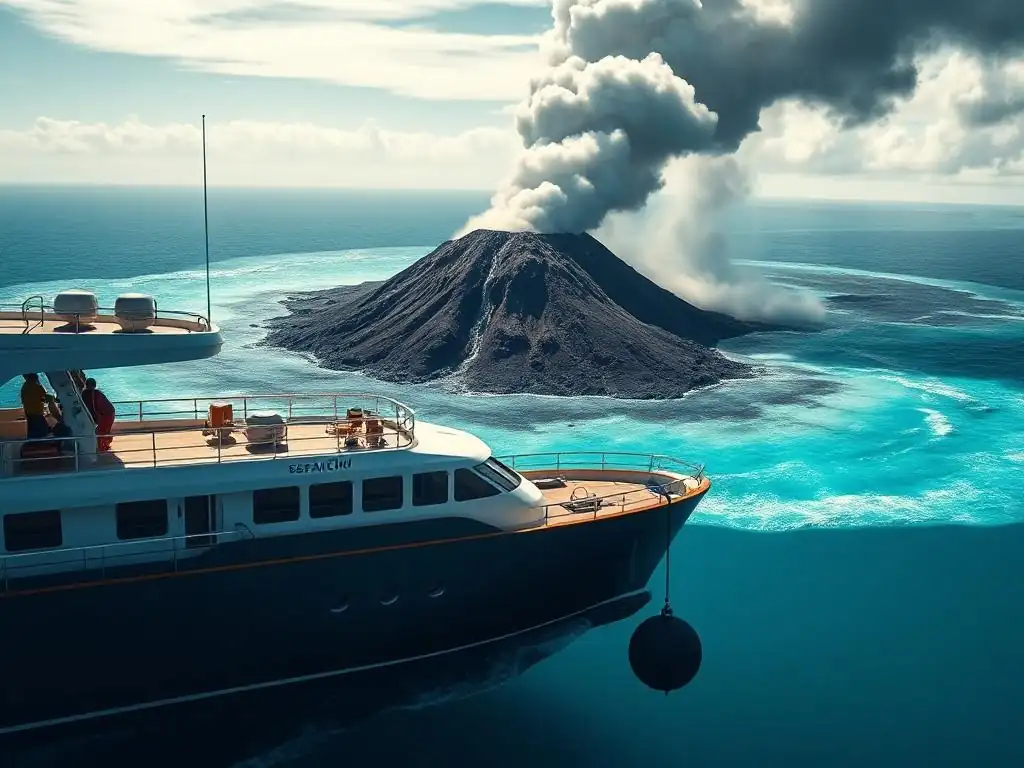
Viewing Active Volcanoes via Research Vessels
One unique, albeit limited, form of "submarine volcano tourism" involves joining research expeditions on research vessels that are studying active submarine volcanoes. While not traditional tourism, some research institutions and organizations offer opportunities for members of the public, often referred to as "citizen scientists" or "volunteers," to participate in research cruises. These opportunities can range from short-term volunteer positions assisting with data collection and analysis to more structured programs where individuals can pay to join a research expedition and contribute to scientific endeavors.
These experiences provide a firsthand, albeit often work-intensive, glimpse into the world of submarine volcano research. Participants may have the chance to witness the deployment and recovery of underwater instruments, observe real-time data feeds from ROVs exploring volcanic areas, and interact directly with scientists conducting cutting-edge research.
Organizations like the Ocean Exploration Trust, founded by Dr. Robert Ballard, and various academic institutions occasionally offer opportunities for the public to engage with their research expeditions. These opportunities are typically highly competitive and may require specific skills or a strong interest in science and oceanography. However, for those passionate about submarine volcanoes and ocean exploration, participating in a research cruise can be an incredibly rewarding and educational experience.
It offers a chance to witness active volcanic processes firsthand, contribute to scientific discovery, and gain a deeper understanding of the challenges and rewards of deep-sea research. While not widely accessible, these opportunities represent a unique and authentic form of submarine volcano tourism experiences, blending adventure, education, and citizen science.
Guided Tours to Islands Formed by Submarine Volcanoes
While direct visits to active submarine volcanoes remain largely inaccessible, a more readily available form of "submarine volcano tourism" involves guided tours to islands and coastal regions that owe their existence to submarine volcanic activity. Many volcanic islands around the world, such as Iceland, Hawaii, the Galapagos Islands, and the Canary Islands, are the emergent peaks of massive submarine volcanoes.
Land-based tours on these islands often incorporate geological sites and landscapes that are directly related to their volcanic origins, providing insights into the processes of submarine volcanism. For example, in Iceland, visitors can explore lava fields, volcanic craters, and geothermal areas that are all products of the island's ongoing volcanic activity, which has a significant submarine component.
Boat tours around volcanic islands can also offer a perspective on their submarine volcanic foundations. Coastal geology tours may highlight sea cliffs formed by past eruptions, black sand beaches composed of volcanic rock fragments, and underwater lava flows that extend into the sea.
Snorkeling or diving in coastal waters around volcanic islands can reveal underwater volcanic features, such as lava pillars and unique rock formations. Furthermore, visitor centers and museums on volcanic islands often provide exhibits and educational materials that explain the geological history of the islands, including the role of submarine volcanism in their formation.
These land and sea-based tours, while not directly exploring active submarine volcanoes, offer accessible and educational ways to learn about the broader context of submarine volcanism and experience the landscapes shaped by these powerful underwater forces. They represent a more conventional and widely available form of submarine volcano tourism experiences, accessible to a broader audience.
Observing Hydrothermal Vent Ecosystems
Observing hydrothermal vent ecosystems, while still a niche and primarily research-oriented activity, represents another potential, albeit highly specialized, form of "submarine volcano tourism." Hydrothermal vents, formed by the interaction of seawater with underwater volcanic activity, are not only geological wonders but also hotspots of unique biodiversity. While direct access to these deep-sea vents for general tourism is not currently feasible or responsible, there are limited opportunities to observe them indirectly or through highly specialized expeditions.
As mentioned earlier, joining research cruises that are studying hydrothermal vents can provide a chance to witness ROV explorations of vent fields and learn about the fascinating ecosystems they support. Documentaries and films also offer visually stunning portrayals of hydrothermal vent communities, bringing these remote ecosystems to a wider audience.
In the future, as technology advances, there might be highly controlled and limited opportunities for submersible-based tourism to hydrothermal vent sites. However, such ventures would need to be carefully regulated and ethically responsible, prioritizing environmental protection and minimizing disturbance to these fragile ecosystems. Any tourism to hydrothermal vents would likely be extremely expensive and exclusive, catering to a very small number of individuals.
Furthermore, virtual reality and augmented reality technologies offer increasingly sophisticated ways to "visit" hydrothermal vents virtually, providing immersive and educational experiences without the need for physical travel. These virtual experiences may become the most accessible and responsible way for the general public to "observe" hydrothermal vent ecosystems in the context of submarine volcano tourism experiences, balancing the desire for exploration with the imperative for environmental preservation.
The Future of Submarine Volcano Tourism Experiences
Technological Advancements in Underwater Exploration
The future of submarine volcano tourism experiences is inextricably linked to technological advancements in underwater exploration. Continued progress in robotics, autonomous systems, and sensor technologies will likely make accessing and studying submarine volcanoes easier, safer, and more cost-effective. Autonomous underwater vehicles (AUVs) are becoming increasingly sophisticated, capable of conducting long-duration missions to map volcanic areas, monitor volcanic activity, and collect data without direct human control.
Improved ROVs with enhanced maneuverability, imaging capabilities, and sensor suites will provide even more detailed views of submarine volcanic landscapes and hydrothermal vent ecosystems. Developments in underwater communication and data transmission technologies will enable real-time streaming of high-resolution video and data from the deep sea to audiences on land, enhancing the immersive and educational aspects of virtual tourism.
Furthermore, advancements in virtual and augmented reality technologies will likely create even more compelling and realistic virtual submarine volcano experiences. Haptic feedback systems could add a tactile dimension to VR explorations, allowing users to "feel" the texture of lava rocks or the heat from hydrothermal vents. Augmented reality applications could overlay real-time data from submarine volcano monitoring systems onto virtual representations, providing up-to-date information and enhancing the educational value.
In the longer term, breakthroughs in materials science and engineering could potentially lead to the development of more accessible and affordable submersibles or underwater habitats, although widespread direct tourism to submarine volcanoes remains a distant and ethically complex prospect. The primary trajectory for the future of submarine volcano tourism experiences is likely to remain focused on indirect and virtual forms, leveraging technology to create increasingly immersive, informative, and accessible encounters.
The Potential for Sustainable Submarine Volcano Tourism
The potential for sustainable submarine volcano tourism hinges on prioritizing environmental protection, education, and responsible practices in all forms of engagement. Given the fragility of deep-sea ecosystems and the inherent risks of direct exploration, sustainability in this context primarily means focusing on indirect and virtual tourism models that minimize environmental impact. Virtual reality, documentaries, educational programs, and online resources are inherently more sustainable than direct physical tourism, as they do not involve physical travel to sensitive environments.
These forms of tourism can be designed to be highly educational, promoting environmental awareness and responsible ocean stewardship. For any form of tourism that involves research expeditions or limited submersible access, strict environmental protocols and regulations are essential to minimize disturbance to submarine ecosystems.
Sustainable submarine volcano tourism should also consider the economic and social benefits for local communities, particularly in regions where volcanic islands are popular tourist destinations. Supporting local businesses and communities that are involved in eco-tourism and education related to volcanism can contribute to sustainable development. Furthermore, revenue generated from submarine volcano tourism, whether virtual or limited physical access, could be reinvested in ocean conservation efforts, research on submarine volcanoes, and educational programs.
A sustainable approach also requires ongoing monitoring and evaluation of the environmental and social impacts of tourism activities, adapting practices and regulations as needed to ensure long-term sustainability. The key to sustainable submarine volcano tourism experiences is to prioritize the long-term health of these unique environments over short-term commercial gains, focusing on education, conservation, and responsible engagement.
The Impact of Regulations on Submarine Volcano Tourism
Regulations will play a crucial role in shaping the future of submarine volcano tourism experiences, particularly as interest in these remote environments grows. Given the potential for environmental impact and the ethical considerations involved, regulations are necessary to ensure responsible and sustainable practices. Currently, there are no specific international regulations governing tourism to submarine volcanoes.
However, existing international agreements related to deep-sea environments, such as the UN Convention on the Law of the Sea and regulations governing activities in international waters, could be relevant. Furthermore, national regulations in countries with jurisdiction over submarine volcanic areas or coastlines may also apply. As submarine volcano tourism develops, there is likely to be a need for more specific and targeted regulations.
These regulations could address various aspects of tourism, including environmental impact assessments for research expeditions, guidelines for submersible operations in sensitive areas, and standards for virtual tourism content to ensure accuracy and promote responsible messaging. International collaborations and agreements may be necessary to effectively regulate tourism in international waters and to ensure consistent standards across different regions. Regulations should also consider the ethical implications of submarine volcano tourism, ensuring that activities are conducted in a way that respects the intrinsic value of these environments and minimizes human disturbance.
Striking a balance between enabling responsible tourism and protecting vulnerable ecosystems will be a key challenge for regulators in the future. Effective and well-enforced regulations will be essential to ensure that submarine volcano tourism experiences develop in a sustainable and ethically sound manner, safeguarding these deep-sea wonders for future generations.
Frequently Asked Questions
What exactly is Submarine Volcano Tourism?
It's a growing trend where tourists experience submarine volcanoes from a distance, typically via surface vessels or underwater remotely operated vehicles (ROVs). This allows for observation without direct exposure to the dangers.
Why is it called "Experiencing the Wonder from Afar"?
Because direct interaction with active submarine volcanoes is extremely hazardous. The tourism focuses on observing their effects, like hydrothermal vents or newly formed islands, from a safe distance.
What kind of experiences are typically offered in Submarine Volcano Tourism?
Experiences can range from guided boat tours showcasing evidence of undersea volcanic activity to ROV viewings that bring the seabed action to monitors onboard ships. Educational lectures are often included.
What are the main safety concerns associated with Submarine Volcano Tourism?
The biggest concerns revolve around unpredictable eruptions, toxic gas releases, and the potential for tsunamis. Reputable tour operators prioritize safety by monitoring volcanic activity closely.
How can I find reliable and responsible Submarine Volcano Tourism operators?
Look for operators with certified safety protocols, experienced volcanologists on staff, and a commitment to environmental protection. Checking online reviews and consulting travel advisories is also recommended.
Final Reflection: Embracing the Unseen Depths
The allure of the unknown has always captivated humanity, and submarine volcano tourism, even experienced from afar, offers a unique glimpse into a world both powerful and profoundly mysterious. While direct interaction remains largely impossible, the technological advancements that allow us to witness these underwater eruptions are revolutionizing our understanding of our planet and sparking a new form of adventure.
The impact of these experiences extends beyond mere entertainment; they foster a deeper appreciation for the Earth's dynamic processes and the interconnectedness of our world. Witnessing the raw power of a submarine volcano, even through a screen, instills a sense of awe and humility, reminding us of the forces that shape our planet. The sea, once it casts its spell, holds one in its net of wonder forever.
- Jacques Cousteau. This quote perfectly encapsulates the enduring fascination with the ocean and its hidden wonders, a fascination that submarine volcano tourism taps into.
As we continue to explore and document these underwater landscapes, let us remember the responsibility that comes with this knowledge. Consider how you can support sustainable tourism practices and contribute to the preservation of these unique environments. Let the awe-inspiring power of submarine volcanoes inspire you to become a more informed and engaged steward of our planet, ensuring that future generations can also experience the wonder from afar.
Dive Deeper: Explore the Wonders of Submarine Volcanoes!
Thanks for joining us on a journey into the fascinating world of submarine volcanoes! We hope you've enjoyed learning about these hidden wonders and how to explore them safely from afar. Ready to take the next step?
Here are a few ways to continue your underwater volcanic adventure:
- Become a Volcano Explorer Supporter: Join our email list for exclusive updates on ocean exploration and contribute to the Volcano Explorers fund, directly supporting vital scientific research.
- Share the wonder! Recommend this article to friends who share your passion for underwater volcanoes.
- Explore our interactive map at volcanoexplorers.org to discover the locations of submarine volcanoes around the globe.
What aspect of submarine volcanoes excites you most, and how will you further explore your interest? Share your thoughts in the comments below!